 YardMate


Munz's Iris
Iris munzii
Medium · Some experienceAbout Munz's Iris
Munz's Iris is a rare California endemic iris found only in the foothills and river drainages of Tulare County in the Sierra Nevada. Producing large, broad, soft blue-violet flowers with intricate veining, it is among the most beautiful of California's native iris species. Growing 18-30 inches tall with wide strap-like leaves, it adapts well to garden conditions and has been used extensively in Pacific Coast Iris hybridization for its large, wide-petaled flowers.
- Drought-tolerant
- Evergreen
- Native
How to care for Munz's Iris
Watering
- Springevery 10 days
- Summerevery 14 days
- Fallevery 14 days
- Winterevery 30 days
Soil · Well-draining
- Top dressingPine bark mulch10%
- Main mixPotting soil + perlite 2:170%
- DrainageLECA / gravel20%
Never skip the drainage layer — standing water is the top cause of root rot.
FERTILIZER
Balanced Feed 14-14-14
An even feed covers all three needs at once, keeping leaves, roots and blooms moving together with nothing pushed out of balance.
- Nitrogen · Leaves
- Phosphorus · Roots + Blooms
- Potassium · Strength
This plant needs little to no feeding.
At a Glance
- NativeNorth America
- Height1–2 ft (0.3–0.6 m)
- Spread1–2 ft (0.3–0.6 m)
- Flower colorBlue, Purple
- Foliage colorGreen
- SoilLoamy, Well-drained
- LocationsYard
Bloom time
BLOOM CYCLE
Peak bloom
Mar–Apr
Large blue-violet flowers March to April
Fragrance
LIGHT FRAGRANCE
The flowers have a light delicate scent.
Toxicity
Humans Moderate · Pets Moderate
iridin
Moderate
- All
- Ingestion
- Contact
EXPOSURE Eating any part of the plant. Touching any part of the plant.
EFFECT Iridin glycosides: GI upset, skin irritation.
NOTE Documented concern for humans: Iridin glycosides: GI upset, skin irritation.
Moderate
- All
- Ingestion
EXPOSURE Eating any part of the plant.
EFFECT Vomiting, drooling, GI upset.
NOTE ASPCA lists iris as toxic to dogs, cats, and horses.
Moderate
- All
- Ingestion
EXPOSURE Eating any part of the plant.
EFFECT Same as dogs.
NOTE ASPCA lists iris as toxic to dogs, cats, and horses.
Educational information, not medical or veterinary advice. If exposure is suspected, contact a doctor or veterinarian.
DISTRIBUTION


- Native
- North America
History
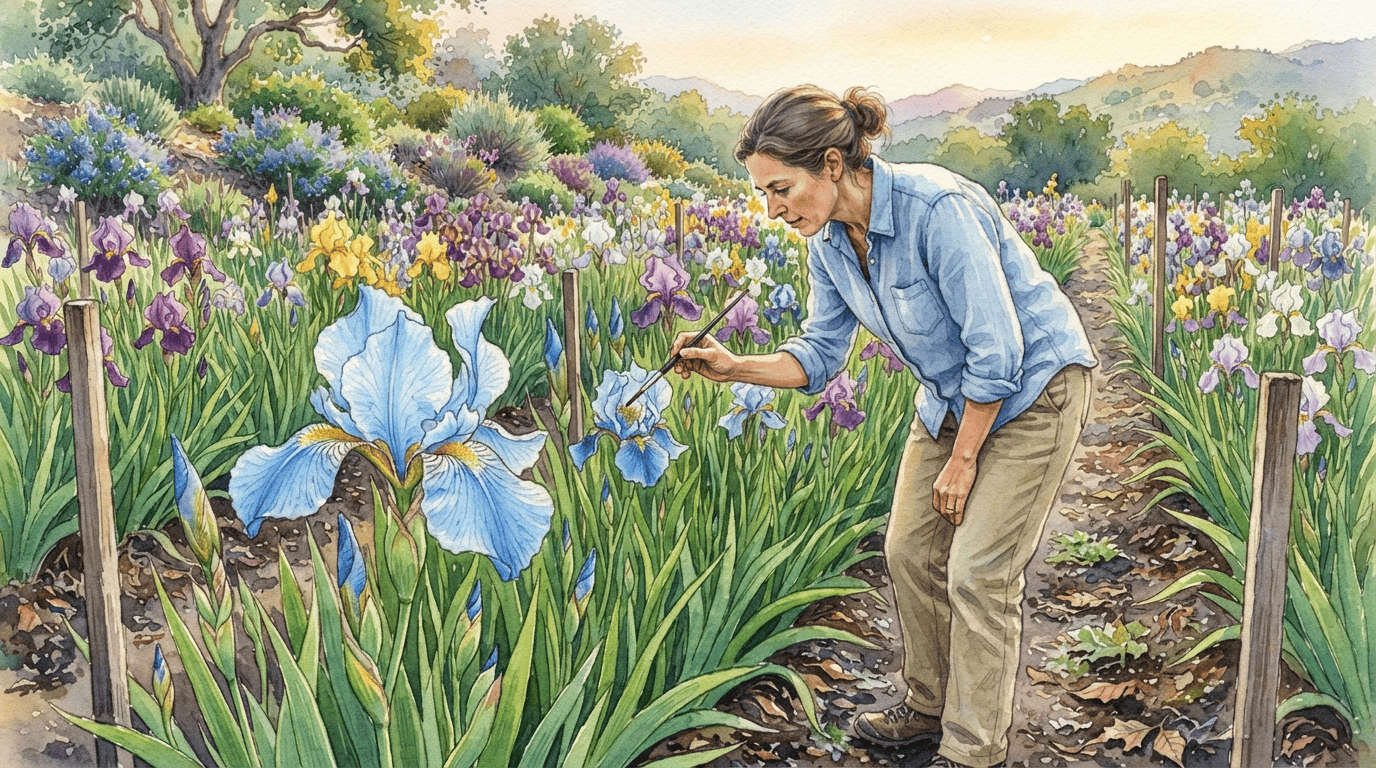
Iris munzii is endemic to a very restricted geographic area of Tulare County in California's southern Sierra Nevada foothills — essentially a small zone near the Kaweah River drainage at 300-900 meters elevation. This narrow endemic distribution gives the species rare-plant conservation concern status. The species was named for California botanist Philip A. Munz (1892-1974), longtime director of Rancho Santa Ana Botanic Garden and author of the foundational reference "A California Flora" (1959). It is notable within the iris family for producing some of the clearest pure-blue flowers of any wild iris species in the world — true blue (rather than violet, purple, or magenta) is exceptionally rare in the Iris genus, and I. munzii's pale sky-blue to medium-blue wild-type flowers are one of the few sources of this color in iris breeding.
This rare blue color has made I. munzii a critical parent of the blue-flowered lines in Pacific Coast Hybrid (PCH) iris breeding — most of the truly blue PCH cultivars owe their color to I. munzii ancestry introduced in the mid-20th century by California iris breeders including Lee Lenz. The species itself grows as a small clump-forming perennial 30-50 cm tall with narrow sword-shaped leaves, and produces flowers 6-8 cm across typically 1-3 per stem. In cultivation outside its tight native elevation range it requires specific conditions: dappled shade, sharp drainage, dry summers, and cool winters without hard freezes.
Wild populations are restricted to a small area near the Tule and Kern rivers. Its large flower size and broad petals made it a prized parent in Pacific Coast Iris hybridization programs.
Symbolism & meaning
What It Symbolizes
Munz's Iris is inspiration in lavender and sky-blue, found nowhere on Earth except a few Sierra Nevada foothill canyons. Its rare beauty has fueled both conservation campaigns and the sketchbooks of botanical artists, a flower that pulls people toward devotion. In its narrow native range, uniqueness and inspiration grow from the same fragile root.
- Inspiration — rare beauty inspires conservation and artistry
- Uniqueness — found nowhere else on Earth
Where the Name Comes From
'Munzii' honors Philip Alexander Munz, the most comprehensive botanist of California's 20th century flora.
Uses & Fun Facts
- Rare California endemic with broad soft blue-violet flowers
- Collector's iris valued for hybridization with Pacific Coast natives
Related plants
More Iris plants
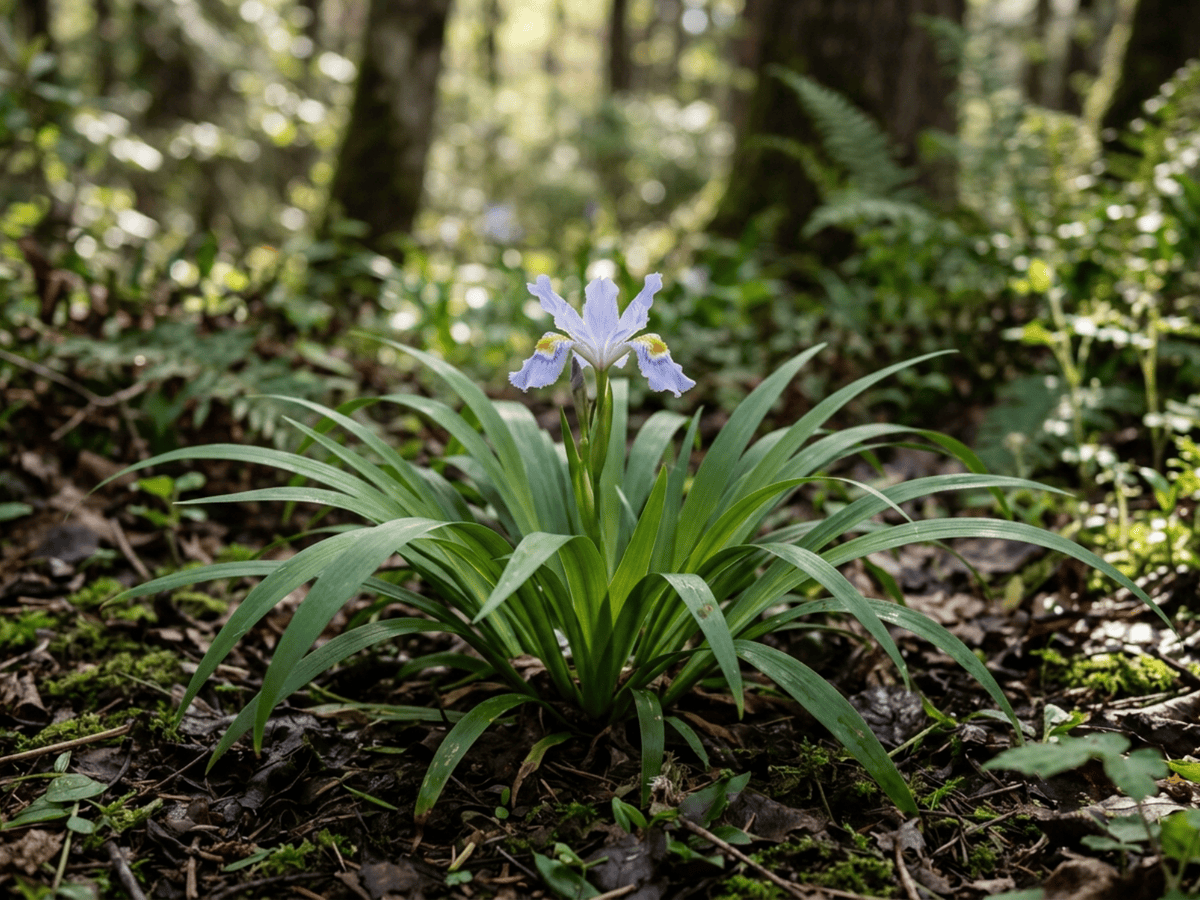 Dwarf Crested IrisIris cristata
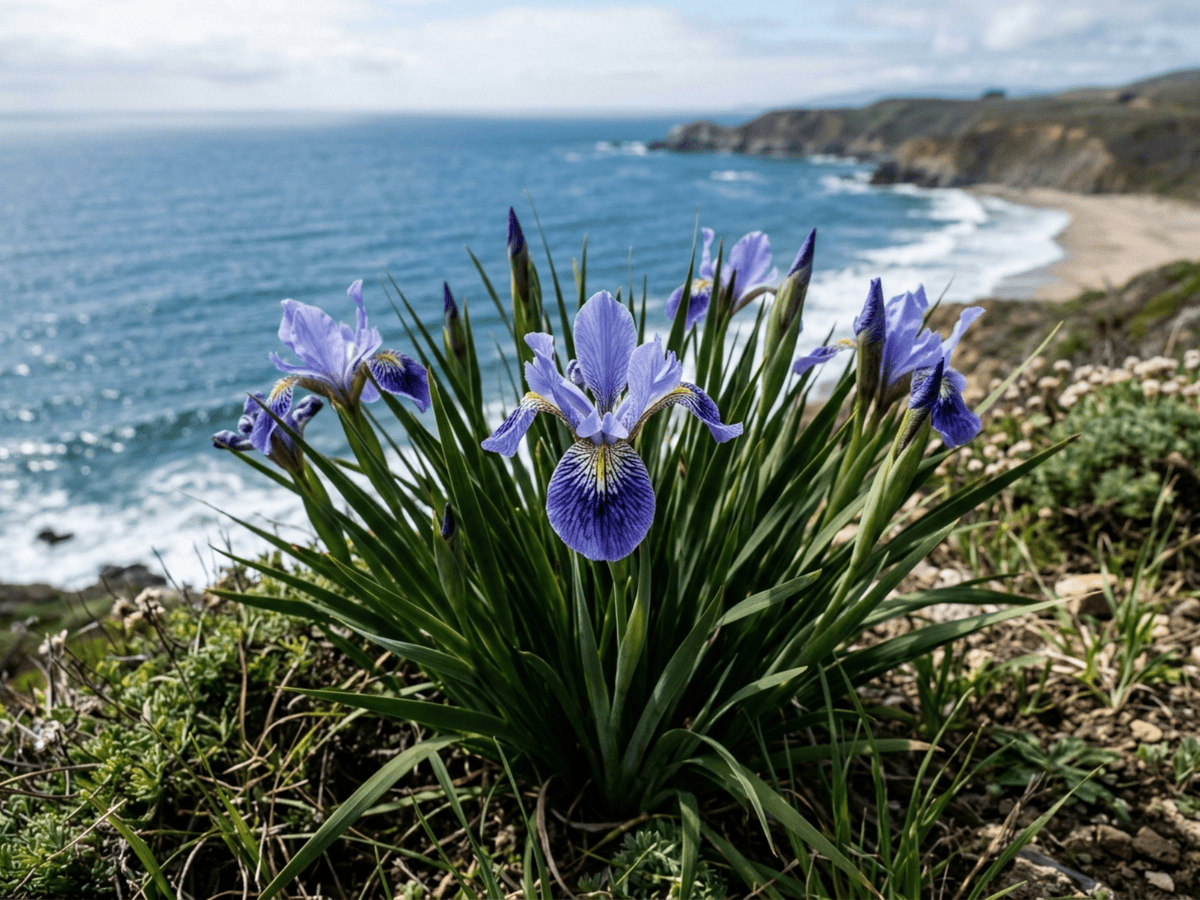 Douglas IrisIris douglasiana
 Japanese IrisIris ensata
 Bearded IrisIris germanica
Plants with similar care
 Mexican AbeliaAbelia floribunda
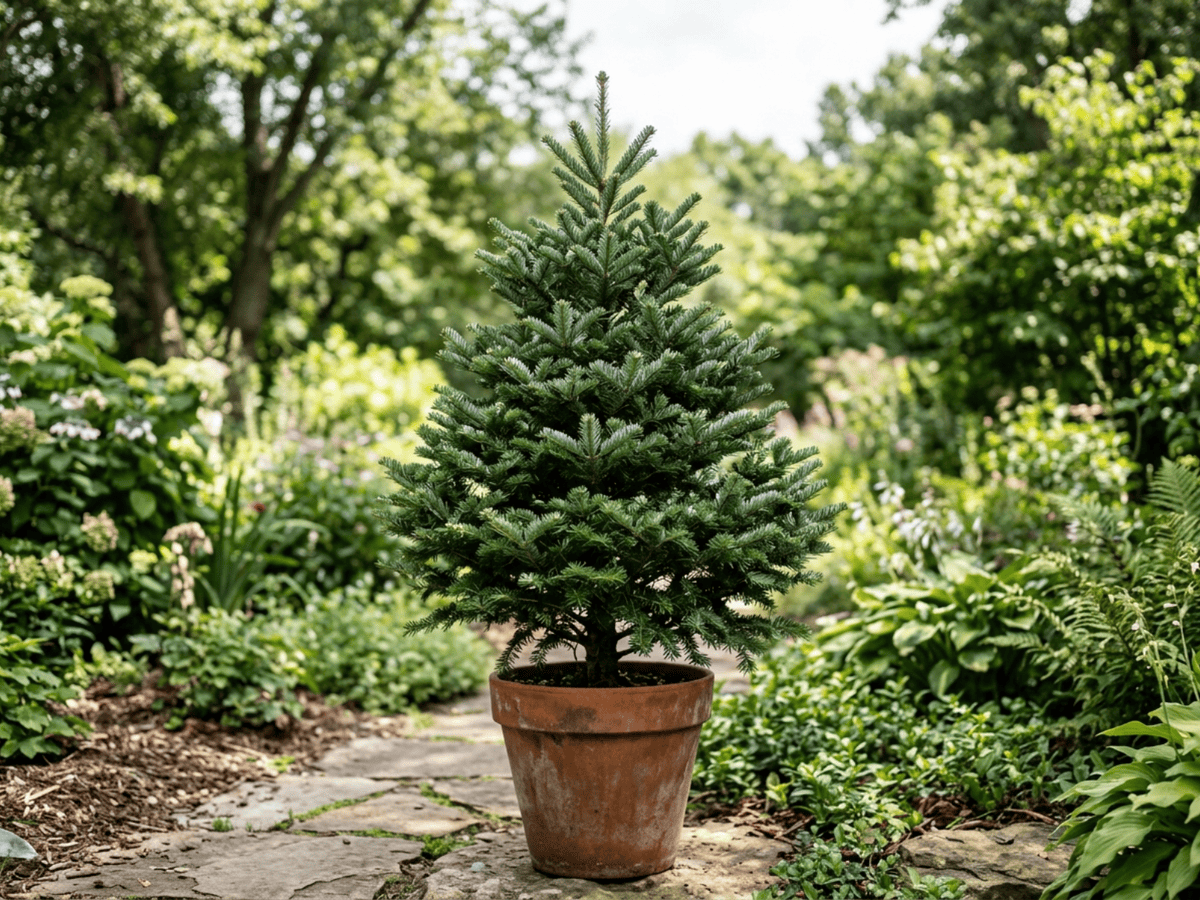 Fraser FirAbies fraseri
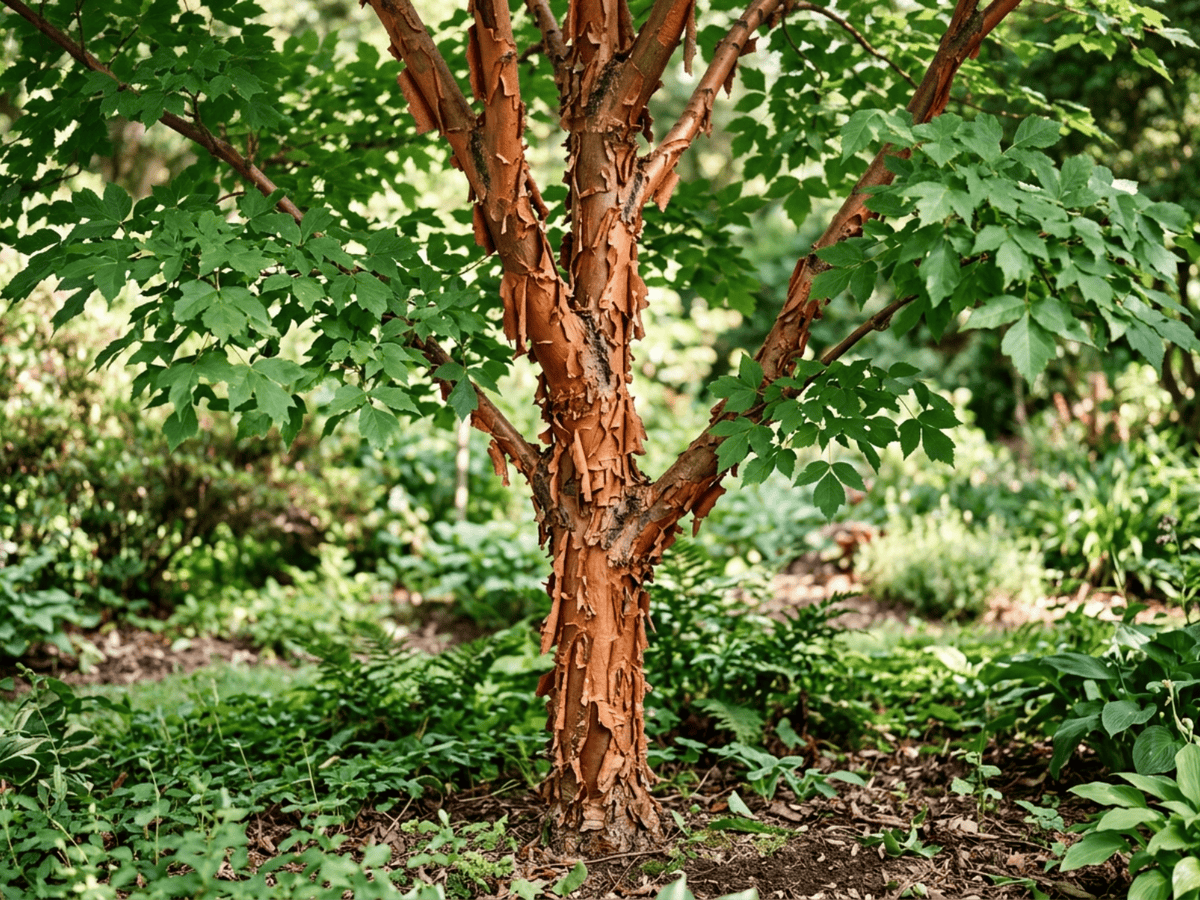 Paperbark MapleAcer griseum
 Sugar MapleAcer saccharum
Frequently asked questions
How often should I water Munz's Iris?
In summer, water about every 14 days; in winter, about every 30 days. Adjust for heat, pot size and drainage.
How much light does Munz's Iris need?
Full sun: 6+ hrs direct. Watch the leaves — scorching or stretching means the light needs adjusting.
Is Munz's Iris toxic to cats or dogs?
Pets Moderate (Dogs Moderate · Cats Moderate) Educational information, not medical or veterinary advice. If exposure is suspected, contact a doctor or veterinarian.
Is Munz's Iris easy to grow?
It is moderately demanding: a good choice once you have a little experience.
When does Munz's Iris bloom?
It typically blooms Mar–Apr in the Northern Hemisphere.
YardMate
Identify any plant in seconds
Snap a photo — YardMate names the plant, diagnoses problems, and reminds you when to water.
Download on the App Store