 YardMate


Sweet Iris
Iris pallida
Easy · Beginner friendlyAbout Sweet Iris
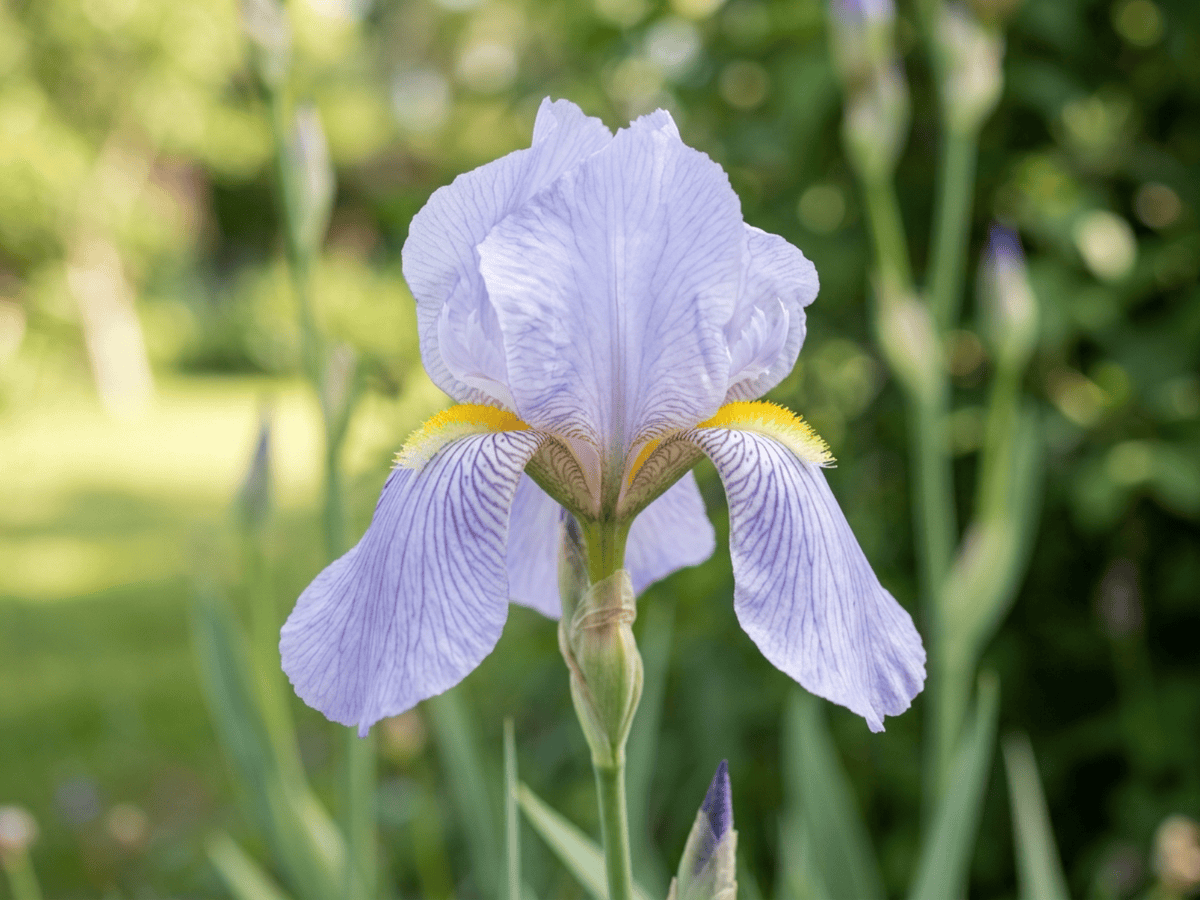
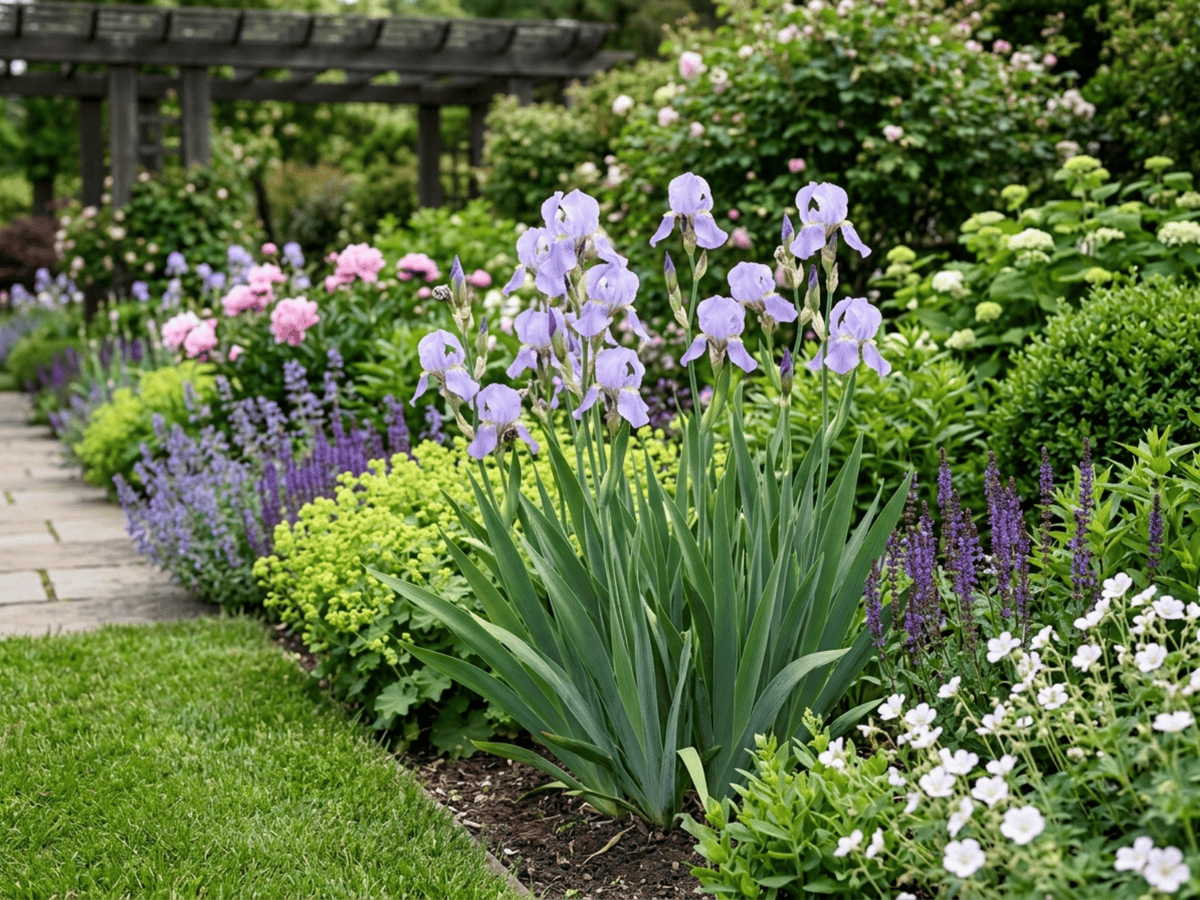
Sweet Iris or Dalmatian Iris is a bearded iris native to the Dalmatian coast of Croatia, distinguished by fragrant pale lavender-blue flowers and handsome gray-green sword-shaped foliage that provides structure all season. Growing 24-36 inches tall, it blooms in late spring. The rhizomes are the primary source of orris root used in perfumery. A handsome garden plant and the variegated form 'Variegata' is especially prized in American borders.
- Fragrant
- Drought-tolerant
- Deer-resistant
How to care for Sweet Iris
Watering
- Springevery 7 days
- Summerevery 5 days
- Fallevery 10 days
- Winterpause watering
Soil · Well-draining
- Top dressingPine bark mulch10%
- Main mixPotting soil + perlite 2:170%
- DrainageLECA / gravel20%
Never skip the drainage layer — standing water is the top cause of root rot.
FERTILIZER
Balanced Feed 14-14-14
An even feed covers all three needs at once, keeping leaves, roots and blooms moving together with nothing pushed out of balance.
- Nitrogen · Leaves
- Phosphorus · Roots + Blooms
- Potassium · Strength
- Springevery 30 days
- Summerevery 30 days
At a Glance
- NativeEurope
- Height2–3 ft (0.6–0.9 m)
- Spread1–2 ft (0.3–0.6 m)
- Flower colorPurple, Blue
- Foliage colorBlue-green, Variegated
- SoilLoamy, Well-drained, Neutral
- LocationsYard
Bloom time
BLOOM CYCLE
Peak bloom
May–Jun
Lavender-blue fragrant flowers May to June
Fragrance
STRONG FRAGRANCE
The flowers have a sweet, violet-like (root after curing) scent.
Toxicity
Humans Slight · Pets Moderate
irones, irisin, and iridin
Slight
- Rhizome
- Ingestion
EXPOSURE Eating rhizome.
EFFECT GI upset.
NOTE Documented concern for humans: GI upset.
Moderate
- Rhizome
- Ingestion
EXPOSURE Eating rhizome.
EFFECT Vomiting, diarrhea, and drooling.
NOTE Source of orris root for perfumery; fresh rhizome toxic to pets per ASPCA.
Moderate
- Rhizome
- Ingestion
EXPOSURE Eating rhizome.
EFFECT Vomiting, diarrhea, and drooling.
NOTE Source of orris root for perfumery; fresh rhizome toxic to pets per ASPCA.
Educational information, not medical or veterinary advice. If exposure is suspected, contact a doctor or veterinarian.
DISTRIBUTION


- Native
- Introduced
- Europe
History
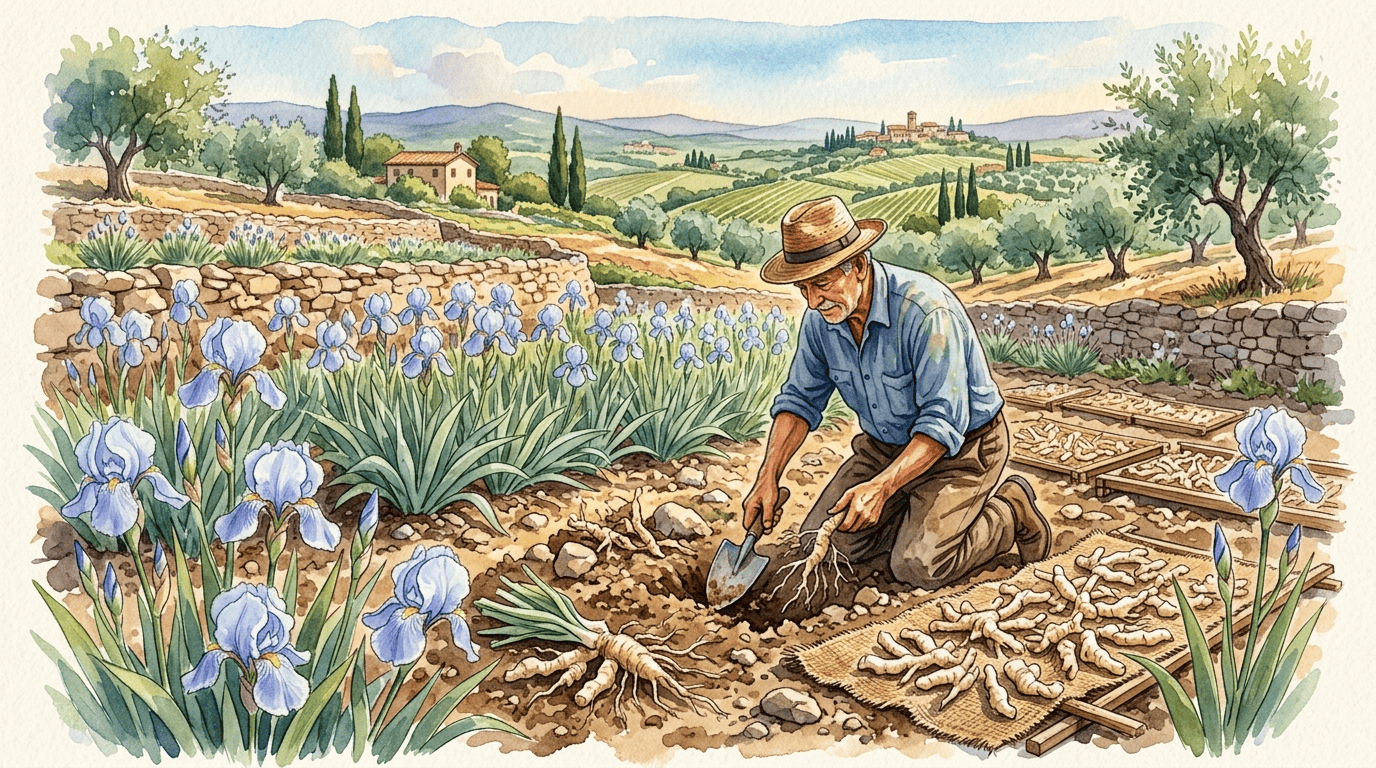
Iris pallida is native to limestone slopes of Croatia's Dalmatian coast and adjacent regions. Renaissance herbalists including Matthias de l'Obel described it in the 16th century. Its economic importance lies in orris root—the dried rhizome that develops an intense violet-like fragrance only after 3-5 years of aging as iridoid compounds slowly convert to irones.
This material has been the premier natural fixative in perfumery for over 500 years, particularly in Florence which became the historical center of orris processing. The plant is cultivated commercially in Tuscany and Morocco for the fragrance industry.
Horticulturally, the variegated cultivars 'Aureovariegata' (yellow-striped) and 'Argentea Variegata' (white-striped) are widely grown for foliage effect in sunny borders, tolerating drought and displaying good architecture. Italy and France have cultivated I. pallida commercially for the orris trade for over 500 years. The variegated cultivar 'Argentea Variegata' has white-striped foliage; 'Aurea Variegata' has golden stripes.
Symbolism & meaning
What It Symbolizes
The Sweet Iris can symbolize wisdom, the traditional symbolism of the iris drawn from Greek mythology and the goddess who walked rainbows between gods and mortals. Another layer is heritage, for its rhizomes have been ground into orris root by perfumers for thousands of years, perfuming the linens and powders of the ancient and early modern world. To grow iris pallida is to keep both a philosophical emblem and an old fragrance industry rooted in the same garden bed.
- Wisdom — old iris meaning enriched by violet scent and swordlike leaves
- Heritage — ancient perfumery plant
Where the Name Comes From
The name Sweet Iris describes its sweet scent or flavor. 'Pallida' means 'pale' in Latin, referring to the soft lavender flower color.
Uses & Fun Facts
- Orris root from rhizomes used in perfumery
- Pale blue bearded iris stems excellent for vases
Related plants
More Iris plants
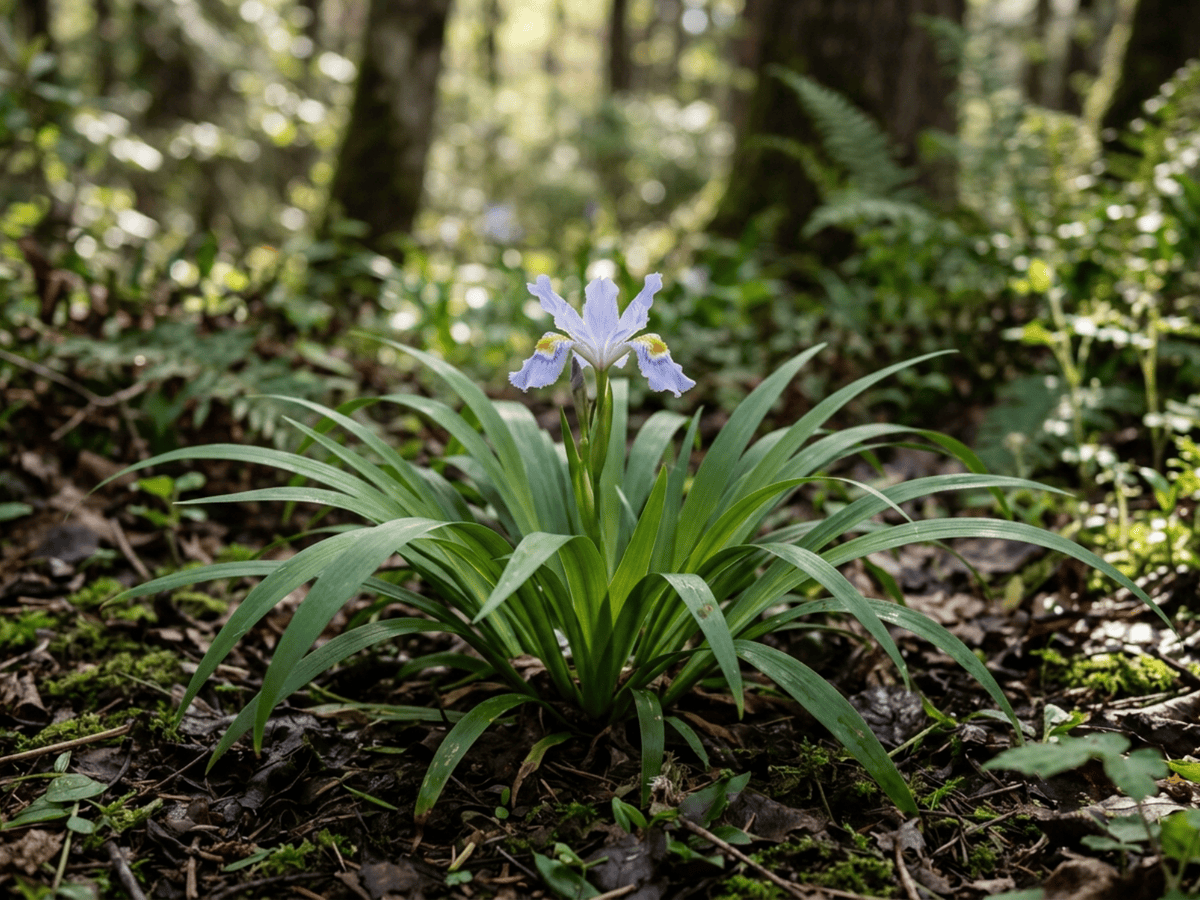 Dwarf Crested IrisIris cristata
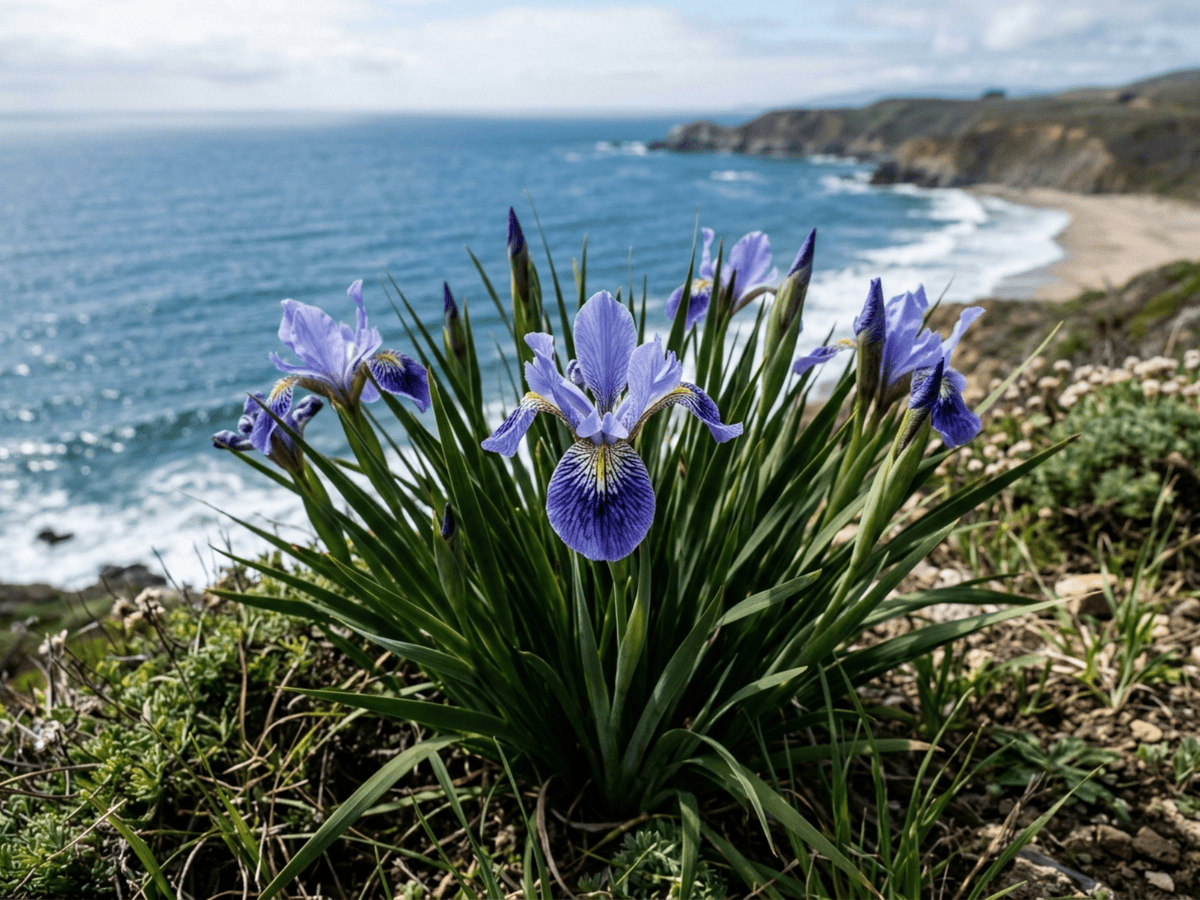 Douglas IrisIris douglasiana
 Japanese IrisIris ensata
 Bearded IrisIris germanica
Plants with similar care
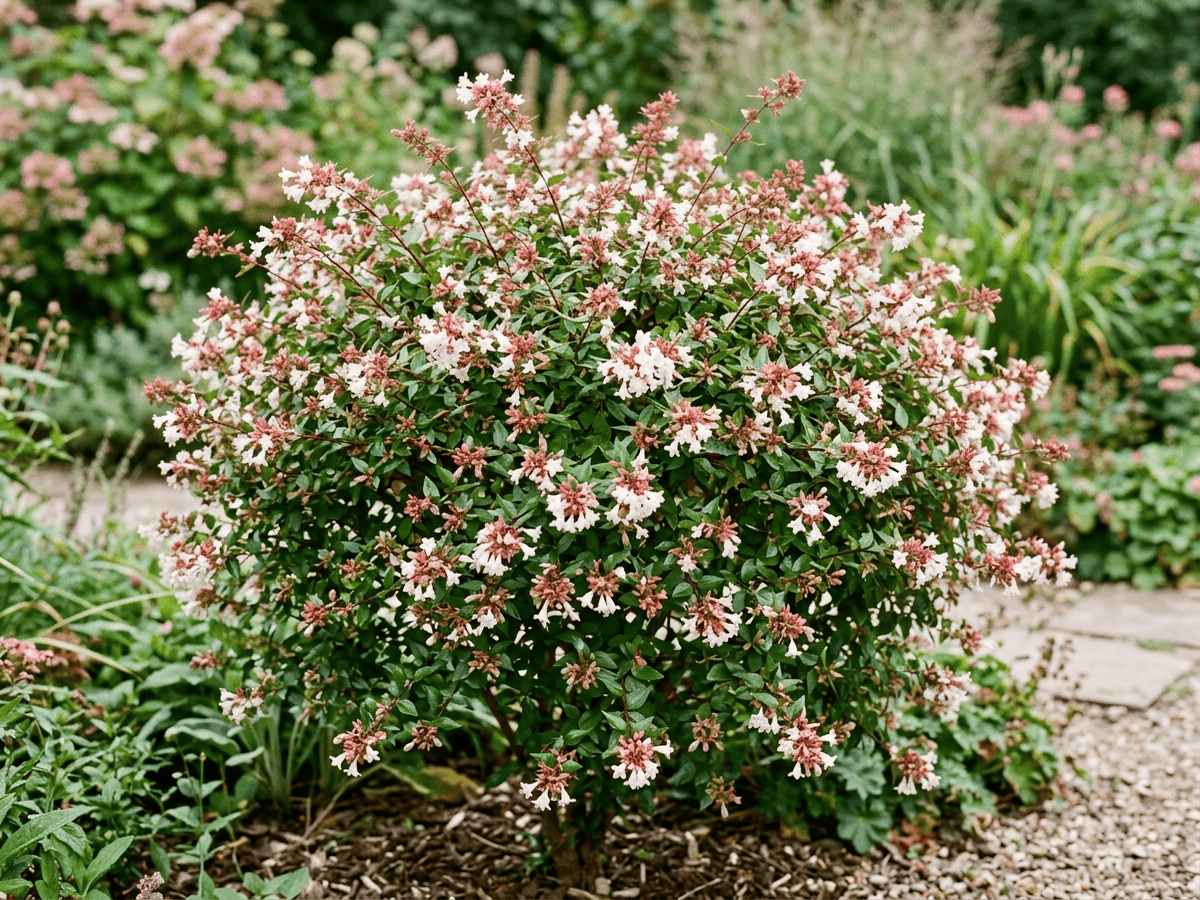 Chinese AbeliaAbelia chinensis
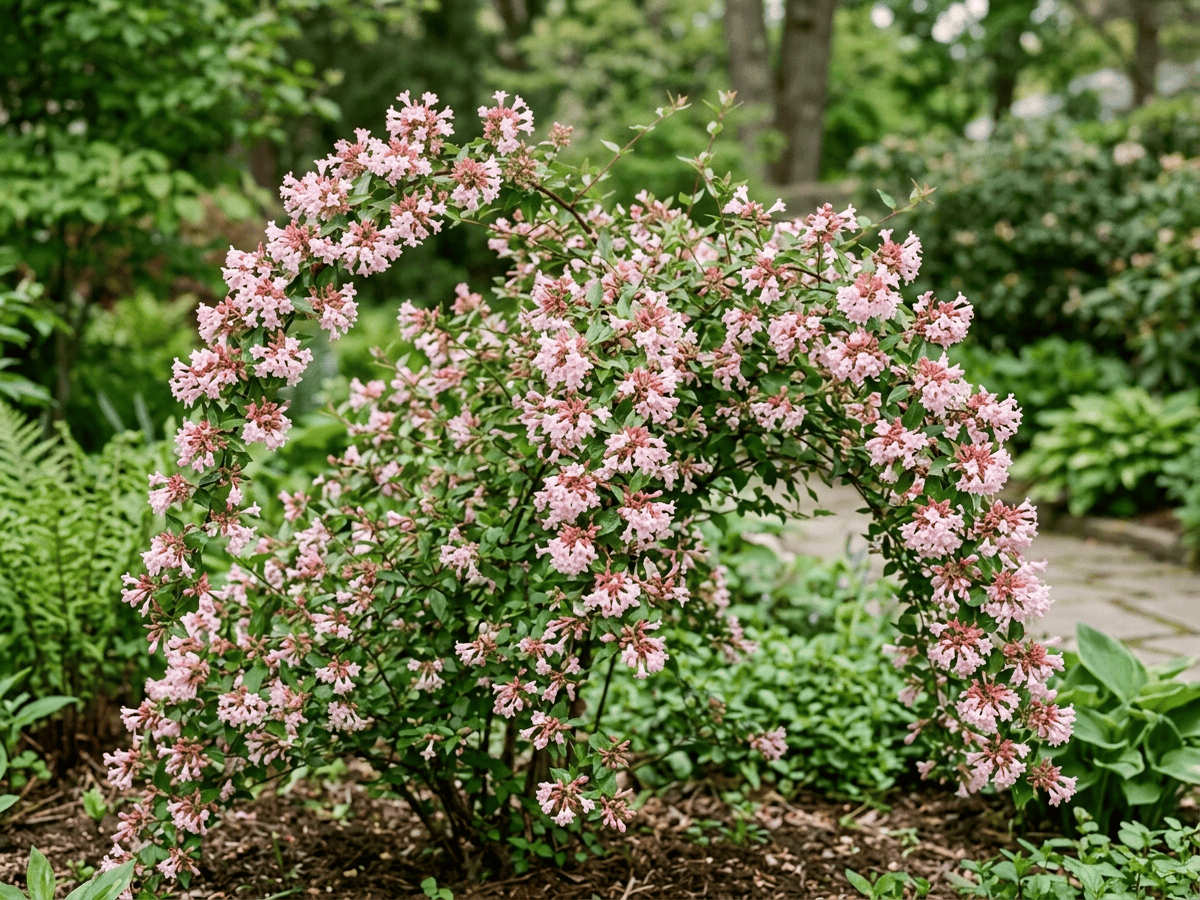 Fragrant AbeliaAbelia mosanensis
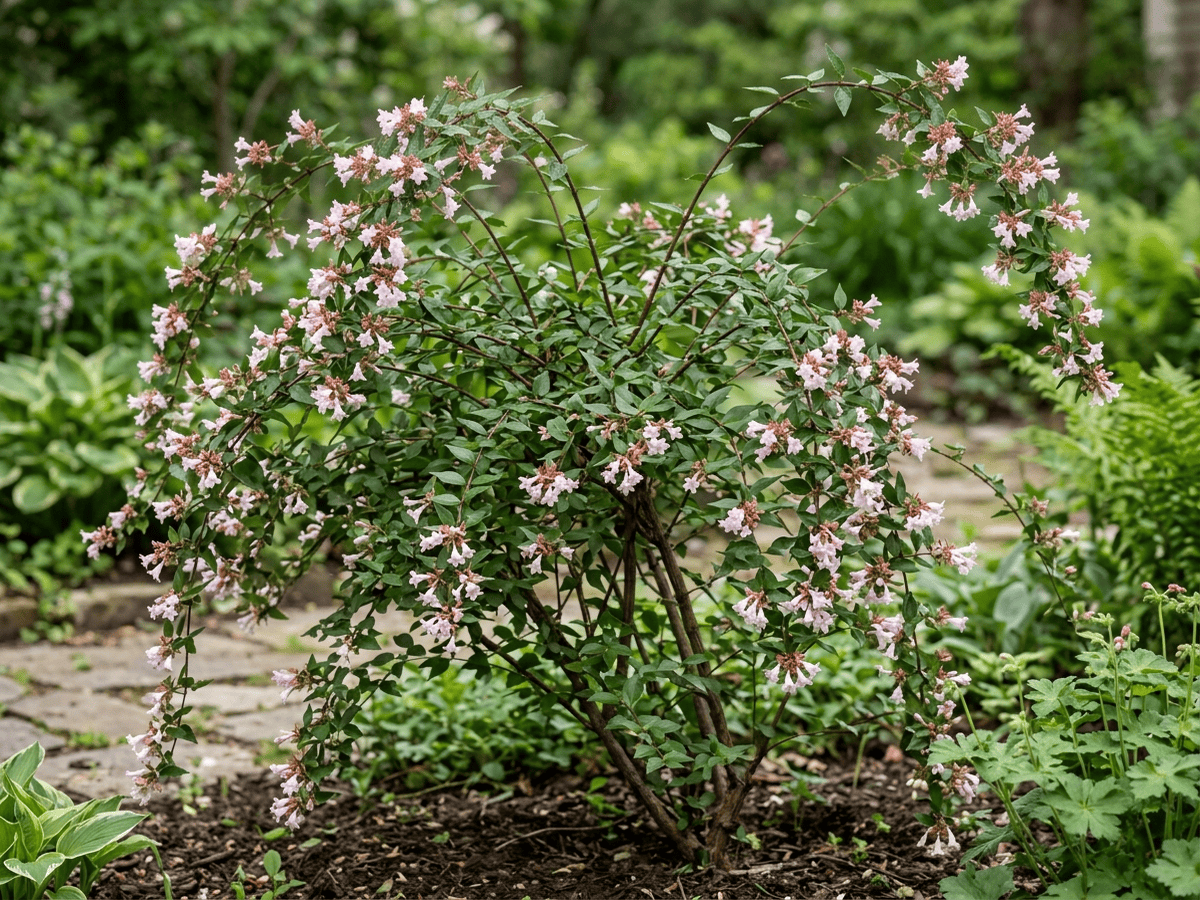 Large-Flowered AbeliaAbelia uniflora
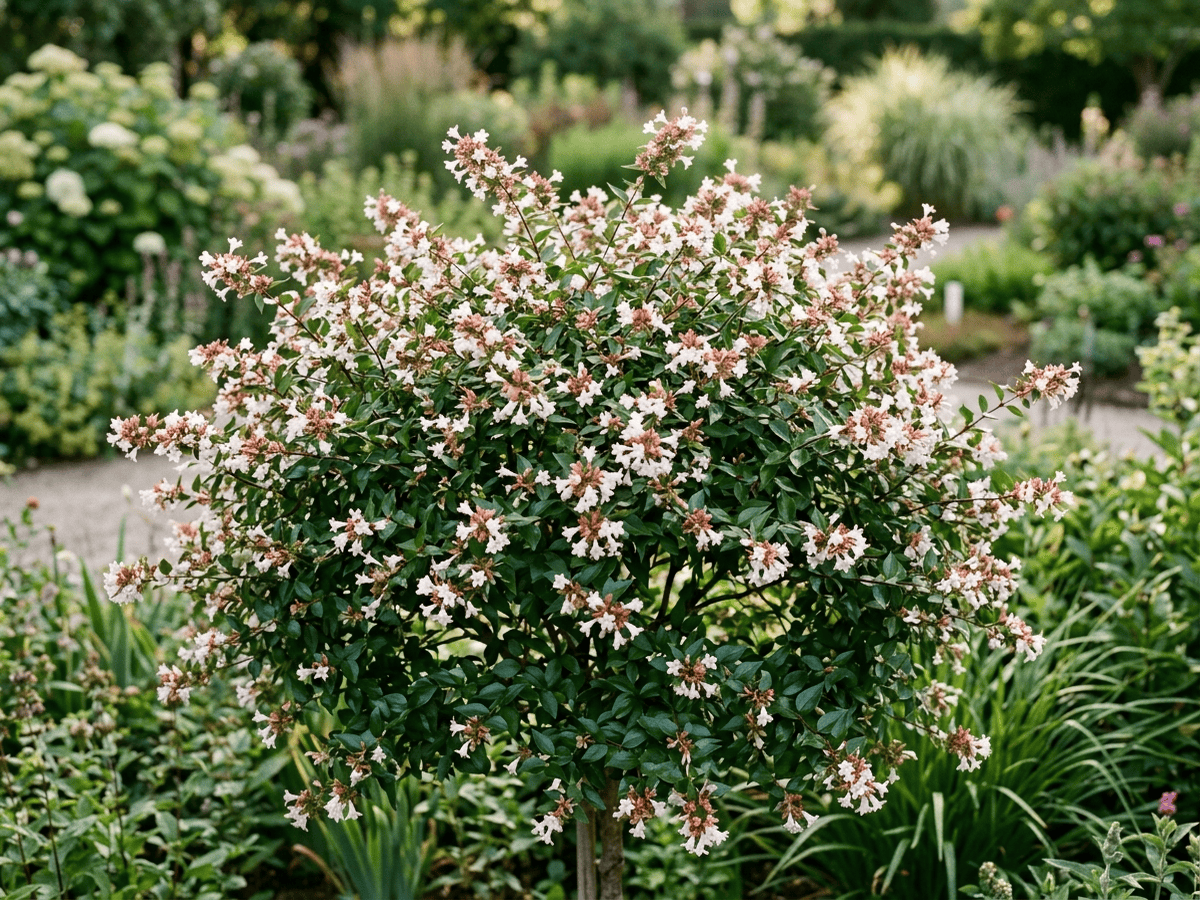 Glossy AbeliaAbelia x grandiflora
Frequently asked questions
How often should I water Sweet Iris?
Water about every 7 days during the growing season, and always let excess water drain away.
How much light does Sweet Iris need?
Full sun: 6+ hrs direct. Watch the leaves — scorching or stretching means the light needs adjusting.
Is Sweet Iris toxic to cats or dogs?
Pets Moderate (Dogs Moderate · Cats Moderate) Educational information, not medical or veterinary advice. If exposure is suspected, contact a doctor or veterinarian.
Is Sweet Iris easy to grow?
Yes — it is considered an easy, beginner-friendly plant.
When does Sweet Iris bloom?
It typically blooms May–Jun in the Northern Hemisphere.
YardMate
Identify any plant in seconds
Snap a photo — YardMate names the plant, diagnoses problems, and reminds you when to water.
Download on the App Store