 YardMate


Netted Iris
Iris reticulata
Easy · Beginner friendlyAbout Netted Iris
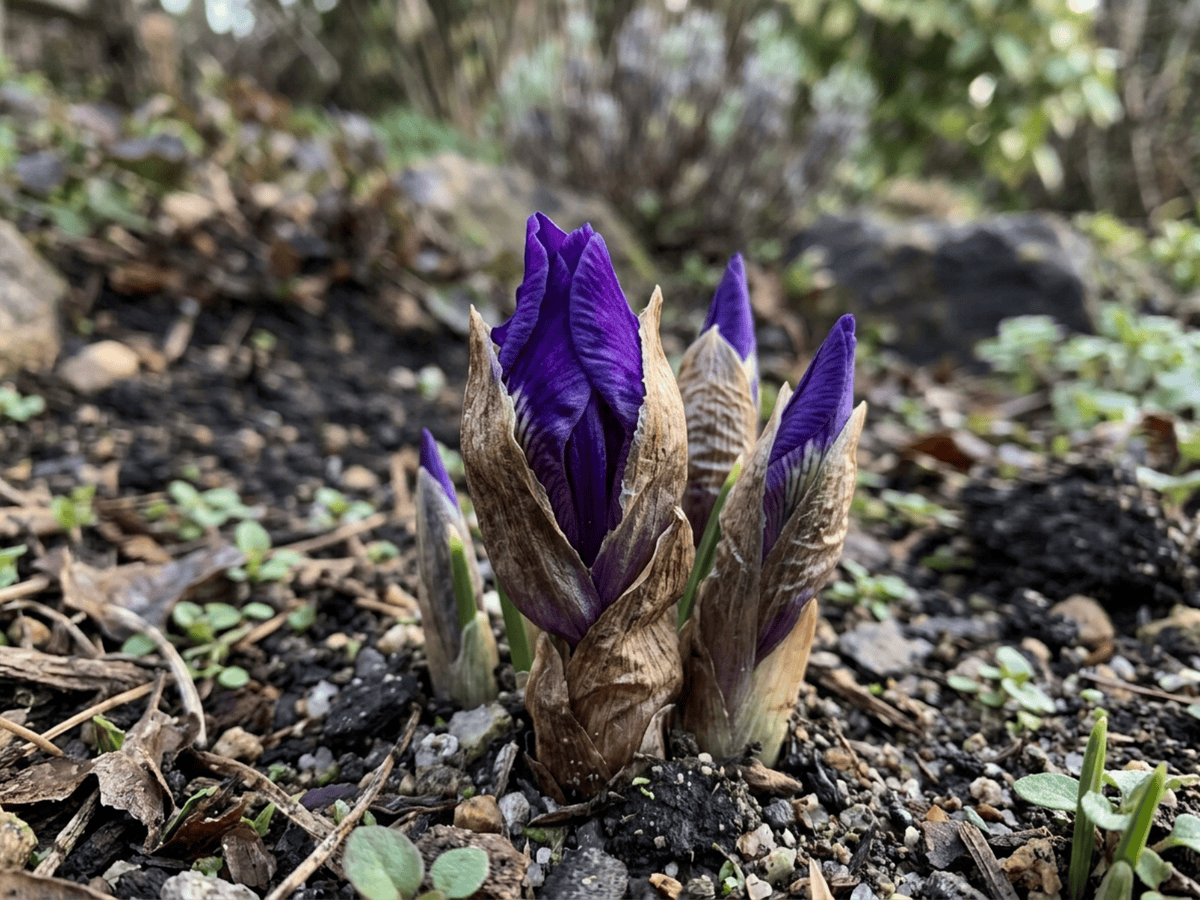
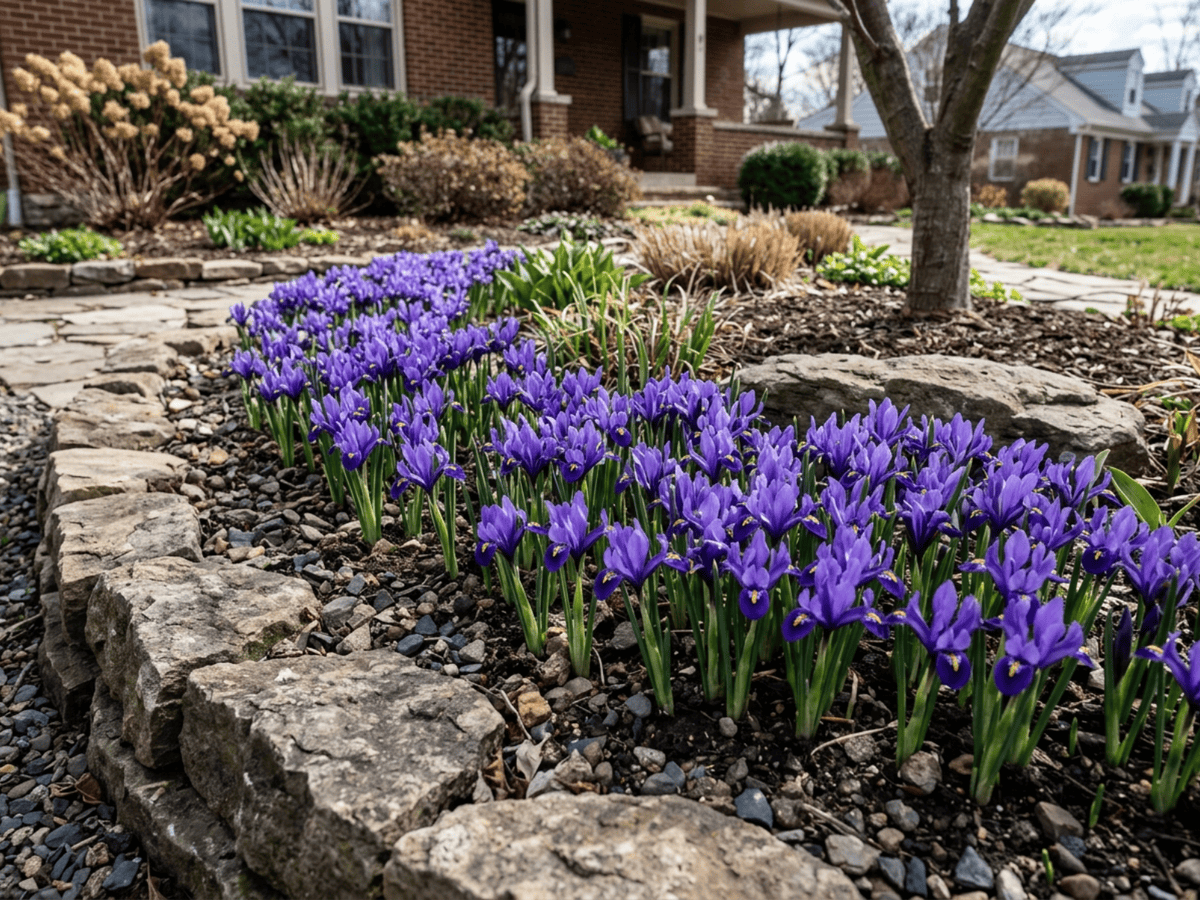
Netted Iris is a tiny bulbous iris from the mountains of Turkey, Iran, and the Caucasus, bearing brilliant violet-blue, purple, or yellow flowers with striking orange or yellow signals. Blooming in late winter before its grass-like leaves extend fully, the flowers stand just 4-6 inches tall. Cold-hardy to USDA zone 3 and perfect for the front of American rock gardens or in pots on winter patios.
- Fragrant
- Cold-hardy
- Drought-tolerant
- Compact
How to care for Netted Iris
Watering
- Springevery 5 days
- Summerpause watering
- Fallevery 10 days
- Winterpause watering
Soil · Well-draining
- Main mixLoam + coarse sand 3:175%
- DrainageGravel25%
Sharp drainage matters most — bulbs rot in wet soil while dormant.
FERTILIZER
Bulb Feed 3-5-3
With bulbs, when matters more than what. One dose goes in the hole at planting, the second when shoots break ground.
- Nitrogen · Leaves
- Phosphorus · Roots + Blooms
- Potassium · Strength
- Springevery 30 days
- Fallevery 60 days
At a Glance
- NativeWestern Asia
- Height0.5 ft (0.2 m)
- Spread0.5 ft (0.2 m)
- Flower colorPurple, Blue
- Foliage colorGreen
- SoilLoamy, Well-drained, Alkaline
- LocationsYard · Balcony
Bloom time
BLOOM CYCLE
Peak bloom
Feb–Mar
Violet, purple, or yellow blooms February to March
Fragrance
LIGHT FRAGRANCE
The flowers have a mild violet-like scent.
Toxicity
Humans Slight · Pets Moderate
irisin and iridin
Slight
- Bulb
- Ingestion
EXPOSURE Eating bulbs.
EFFECT GI upset.
NOTE Documented concern for humans: GI upset.
Moderate
- Bulb
- Ingestion
EXPOSURE Eating bulbs.
EFFECT Vomiting, diarrhea, and drooling.
NOTE ASPCA lists all Iris as toxic to dogs and cats.
Moderate
- Bulb
- Ingestion
EXPOSURE Eating bulbs.
EFFECT Vomiting, diarrhea, and drooling.
NOTE ASPCA lists all Iris as toxic to dogs and cats.
Educational information, not medical or veterinary advice. If exposure is suspected, contact a doctor or veterinarian.
DISTRIBUTION

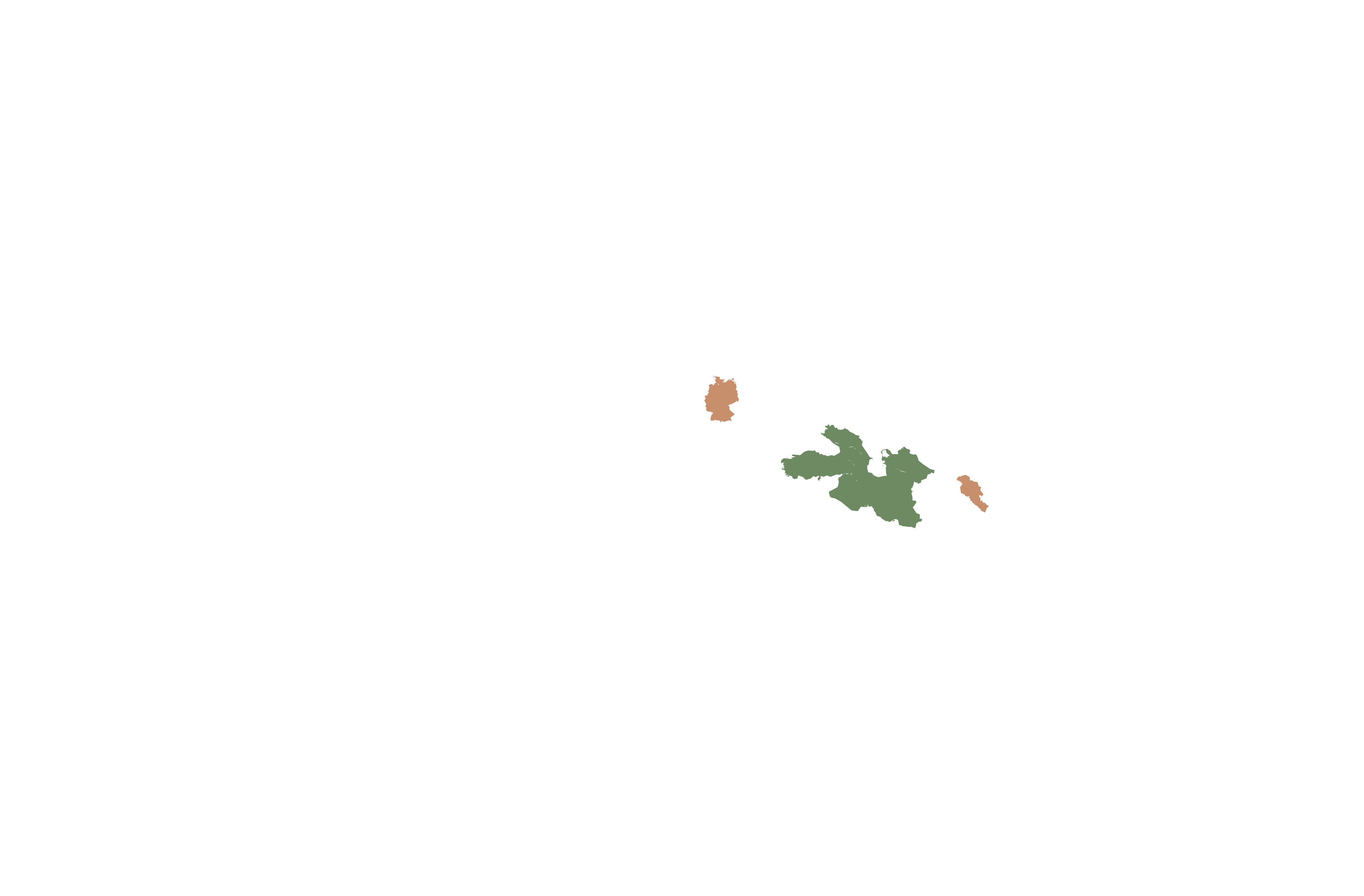
- Native
- Introduced
- Western Asia
History

Iris reticulata grows on stony mountain slopes across the Caucasus, eastern Turkey, northern Iran, and Iraq. German-Russian botanist Friedrich August Marschall von Bieberstein formally described it in 1808. The specific epithet reticulata refers to the netted fibrous tunic surrounding the bulb.
It reached Western horticulture in the 19th century and became foundational to the miniature reticulata iris trade. Van Tubergen in the Netherlands produced classic cultivars including 'Cantab' (pale blue, 1914), 'Harmony' (1954), 'J.S. Dijt' (reddish-purple), and 'Katharine Hodgkin' (a hybrid with I. winogradowii). These winter-flowering bulbs—often opening in January-February in mild climates—became staples of rock gardens, troughs, and winter bulb pots.
The species and its hybrids require excellent drainage and hot summer dormancy to persist. First described in 1821 by Austrian botanist Franz Paula von Schrank. These miniature irises have become American rock garden staples since the mid-20th century.
Symbolism & meaning
What It Symbolizes
The Netted Iris carries hope into the late-winter garden, opening its small jeweled flowers before the snow has fully retreated. Where other irises wait for warmth, this one shows the courage to bloom through frost itself, embodying the quiet bravery of early flowers. To plant it in autumn is to seed an act of optimism, a promise that color will return long before spring is officially due.
- Hope — blooms before winter's end
- Courage — withstands frost and snow
Where the Name Comes From
'Reticulata' means 'netted', referring to the net-like pattern of fibers covering the bulb.
Uses & Fun Facts
- Violet-scented early flowers brighten pots, rock gardens, and entry paths
- Early netted blooms brighten rock gardens before perennials wake
- Small bulbs shine in winter pots, troughs, and rock-garden pockets
Related plants
More Iris plants
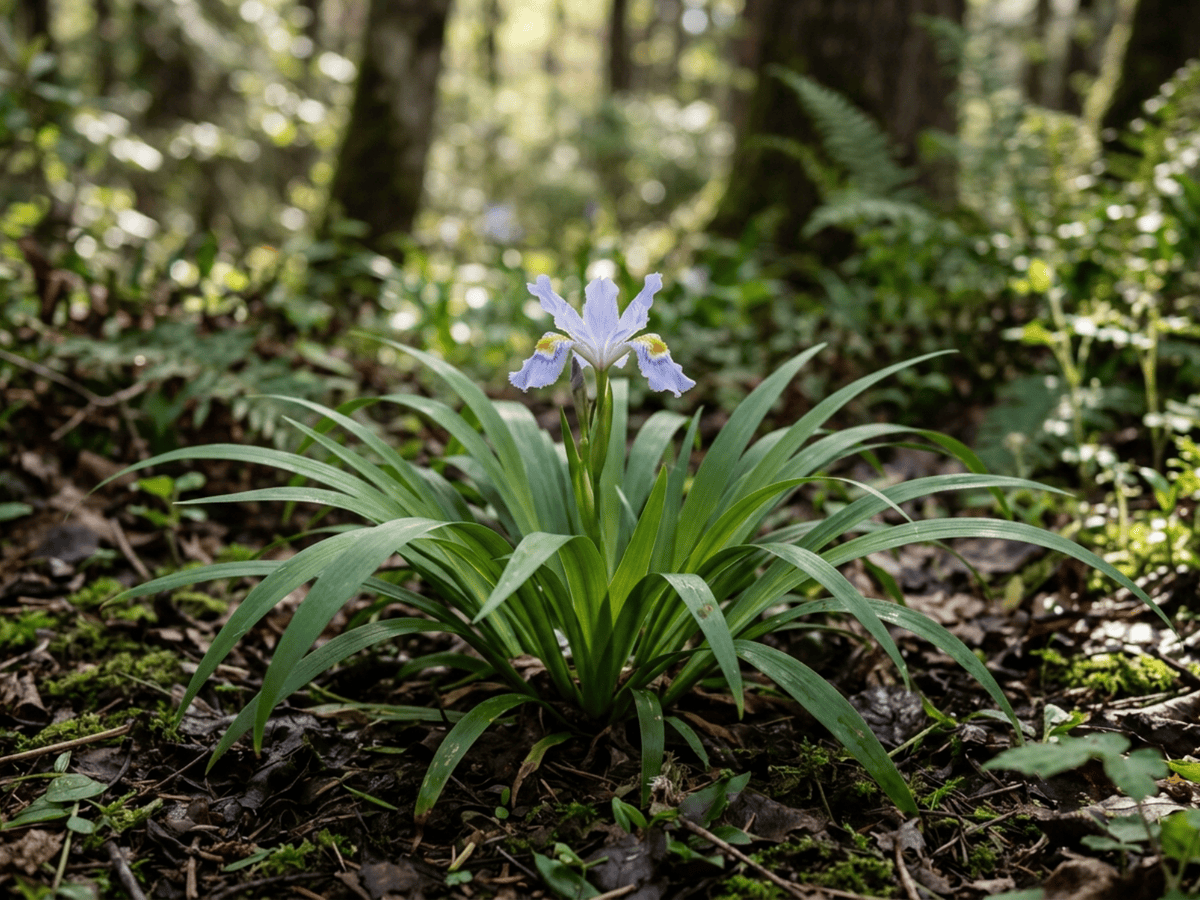 Dwarf Crested IrisIris cristata
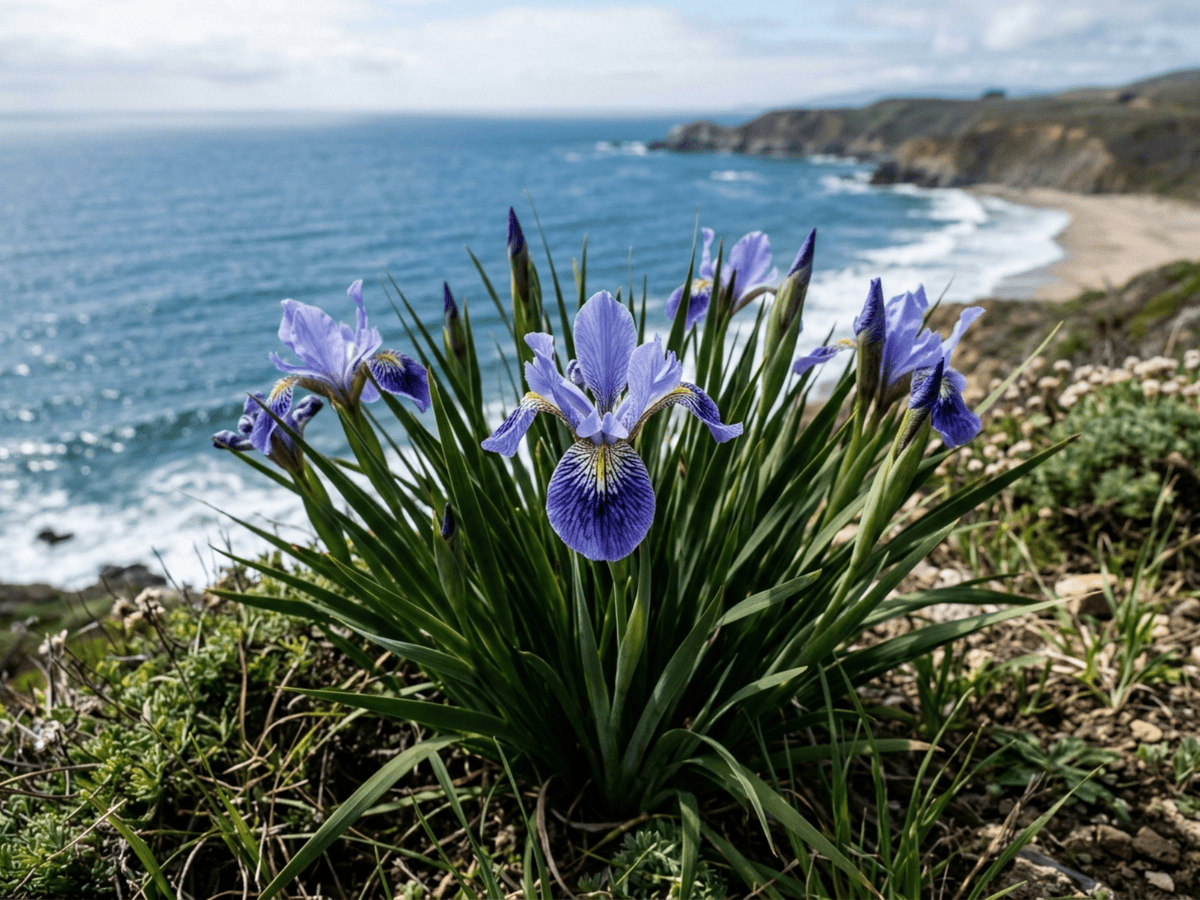 Douglas IrisIris douglasiana
 Japanese IrisIris ensata
 Bearded IrisIris germanica
Plants with similar care
 Chinese AbeliaAbelia chinensis
 Fragrant AbeliaAbelia mosanensis
 Large-Flowered AbeliaAbelia uniflora
 Glossy AbeliaAbelia x grandiflora
Frequently asked questions
How often should I water Netted Iris?
Water about every 5 days during the growing season, and always let excess water drain away.
How much light does Netted Iris need?
Full sun: 6+ hrs direct. Watch the leaves — scorching or stretching means the light needs adjusting.
Is Netted Iris toxic to cats or dogs?
Pets Moderate (Dogs Moderate · Cats Moderate) Educational information, not medical or veterinary advice. If exposure is suspected, contact a doctor or veterinarian.
Is Netted Iris easy to grow?
Yes — it is considered an easy, beginner-friendly plant.
When does Netted Iris bloom?
It typically blooms Feb–Mar in the Northern Hemisphere.
YardMate
Identify any plant in seconds
Snap a photo — YardMate names the plant, diagnoses problems, and reminds you when to water.
Download on the App Store