 YardMate



Siberian Iris
Iris sibirica
Easy · Beginner friendlyAbout Siberian Iris
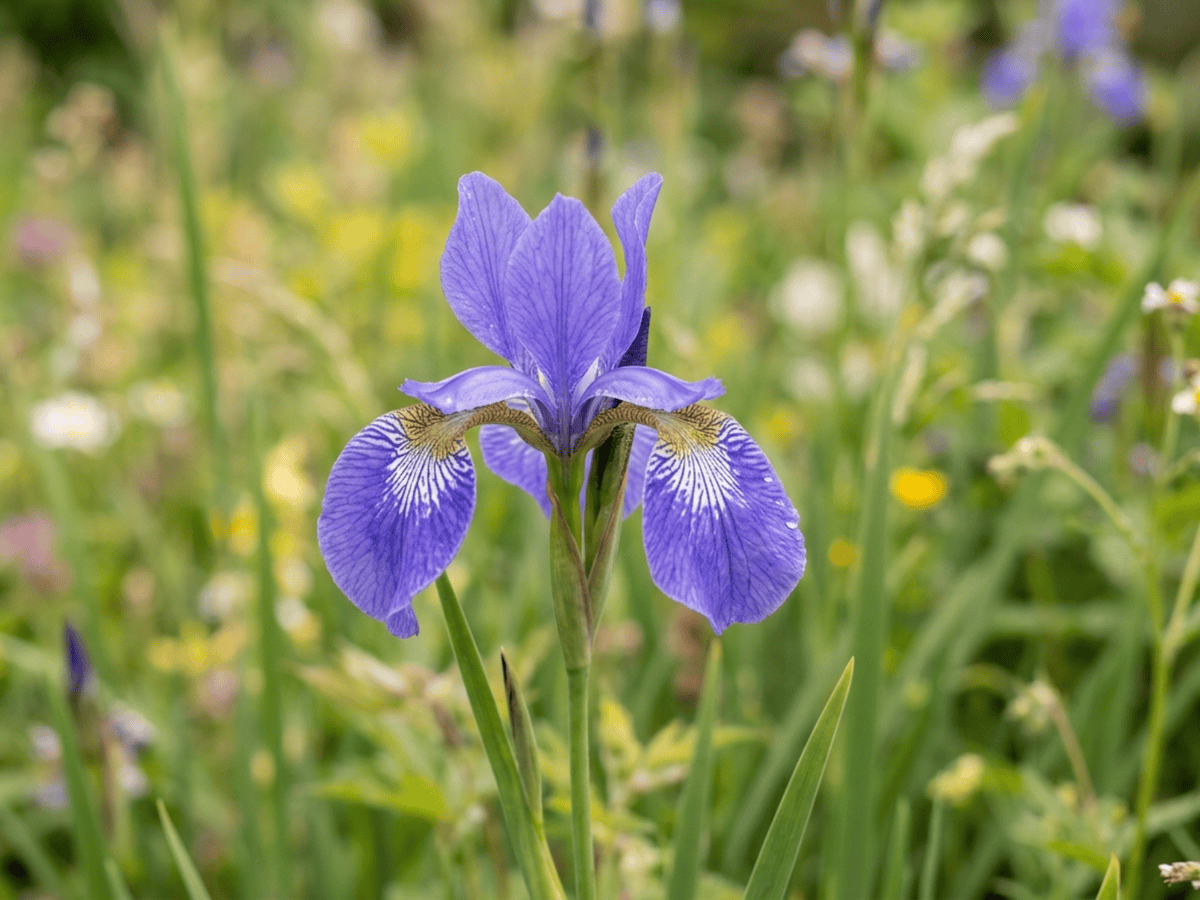
Siberian Iris is an elegant beardless iris native to central and eastern Europe and across to Siberia, producing graceful flowers in blues, purples, whites, and yellows above slender grass-like foliage that looks attractive all season. Growing 24-40 inches tall, it blooms in late spring and forms long-lived clumps. Tougher and more trouble-free than bearded iris in American gardens, it is a cornerstone perennial in USDA zones 3-9.
- Cold-hardy
- Deer-resistant
- Pollinator-friendly
How to care for Siberian Iris
Watering
- Springevery 3 days
- Summerevery 2 days
- Fallevery 4 days
- Winterpause watering
Soil · Well-draining
- Top dressingPine bark mulch10%
- Main mixPotting soil + perlite 2:170%
- DrainageLECA / gravel20%
Never skip the drainage layer — standing water is the top cause of root rot.
FERTILIZER
Balanced Feed 14-14-14
An even feed covers all three needs at once, keeping leaves, roots and blooms moving together with nothing pushed out of balance.
- Nitrogen · Leaves
- Phosphorus · Roots + Blooms
- Potassium · Strength
- Springevery 30 days
- Summerevery 30 days
At a Glance
- NativeEurope, East Asia
- Height2–4 ft (0.6–1.2 m)
- Spread1.5–2 ft (0.5–0.6 m)
- Flower colorBlue, Purple, White, Yellow
- Foliage colorGreen
- SoilLoamy, Moisture-retentive
- LocationsYard
Bloom time
BLOOM CYCLE
Peak bloom
May–Jun
Blue, purple, white, or yellow blooms May to June
Fragrance
LIGHT FRAGRANCE
The flowers have a mild scent.
Toxicity
Humans Slight · Pets Moderate
irisin and iridin
Slight
- Rhizome
- Ingestion
EXPOSURE Eating rhizome.
EFFECT GI upset.
NOTE Documented concern for humans: GI upset.
Moderate
- Rhizome
- Ingestion
EXPOSURE Eating rhizome.
EFFECT Vomiting, diarrhea, and drooling.
NOTE ASPCA lists Iris as toxic to pets; rhizomes most concentrated.
Moderate
- Rhizome
- Ingestion
EXPOSURE Eating rhizome.
EFFECT Vomiting, diarrhea, and drooling.
NOTE ASPCA lists Iris as toxic to pets; rhizomes most concentrated.
Educational information, not medical or veterinary advice. If exposure is suspected, contact a doctor or veterinarian.
DISTRIBUTION

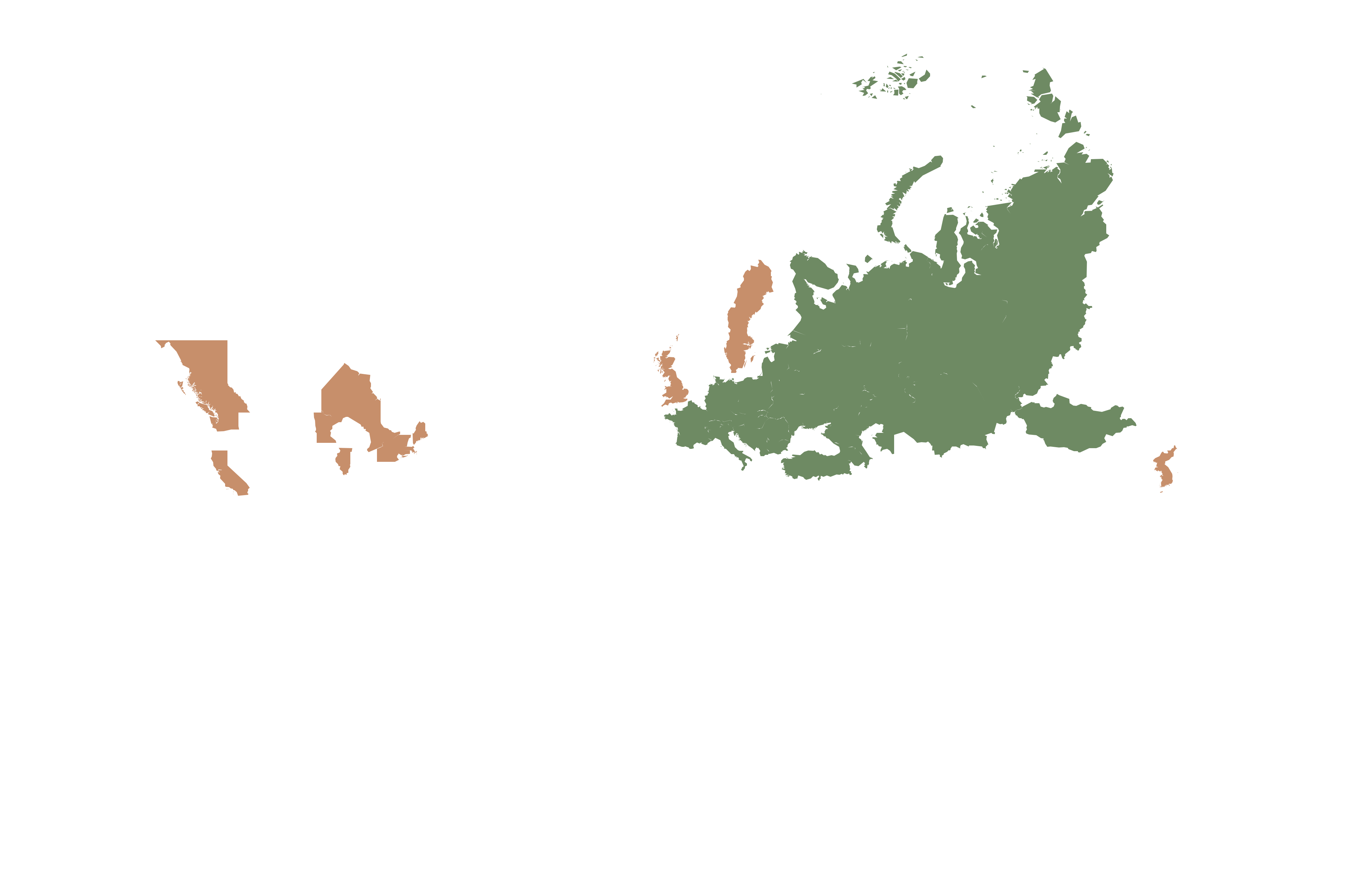
- Native
- Introduced
- Europe
- East Asia
History
Iris sibirica is native to damp meadows and stream banks across central Europe, Russia, and parts of Turkey. Despite the specific epithet, its range extends well beyond Siberia. Linnaeus described it in 1753.
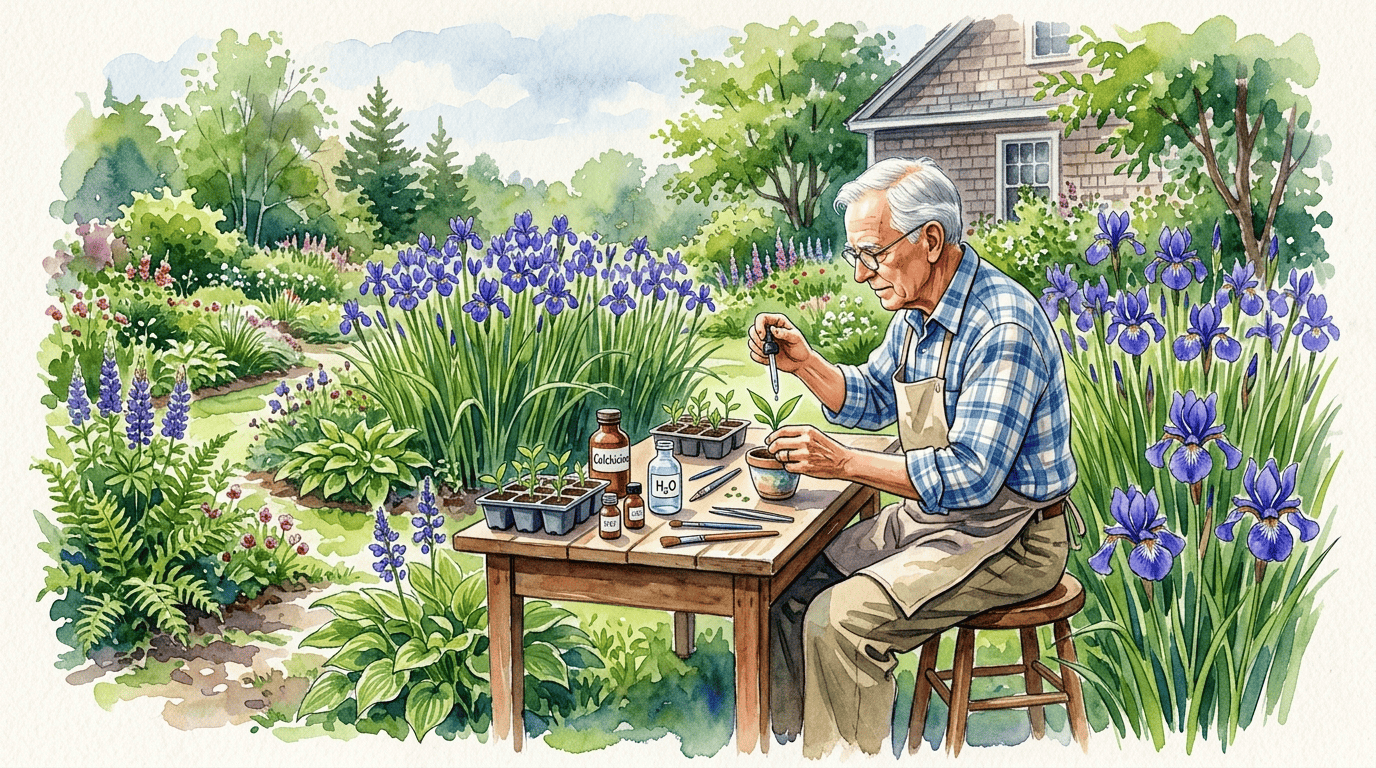
The species remained a minor garden plant until 20th-century American breeding transformed it. Dr. Currier McEwen, a retired physician in Maine, used colchicine to induce tetraploid forms starting in the 1960s, vastly increasing flower size and color range—his introductions include 'Silver Edge' and 'Sultan's Ruby'. Michigan breeders Bob Bauer and John Coble of Ensata Gardens continued the work from the 1980s with cultivars like 'Butter and Sugar' (the first true yellow Siberian iris) and 'Jamaican Velvet'.
Cultivated in European gardens since the 16th century. Modern breeders Currier McEwen, Bob Hollingworth, and Marty Schafer have created hundreds of exceptional cultivars. The species tolerates moist soil unlike bearded iris and has become a staple of rain gardens and waterside plantings.
Symbolism & meaning
What It Symbolizes
Siberian Iris carries the classic iris meaning of faith — trust, belief, and the lifted message that gives the genus its name from the Greek goddess of the rainbow. Paired with elegance, its slender form and clean falls are far more refined than the heavy bearded irises. It is a flower for quieter gardens, where grace and faithful return mean more than spectacle.
- Faith — classic iris meaning of trust and belief
- Elegance — graceful form in full flower
Where the Name Comes From
The name Siberian Iris points to Siberia or cold northern Asia. 'Sibirica' means 'of Siberia', referring to its eastern range.
Uses & Fun Facts
- Beardless blue blooms feed long-tongued bumblebees in spring
- Grass-like foliage and elegant blue blooms for moist borders
- Slender stems and refined falls suit minimalist arrangements
Related plants
More Iris plants
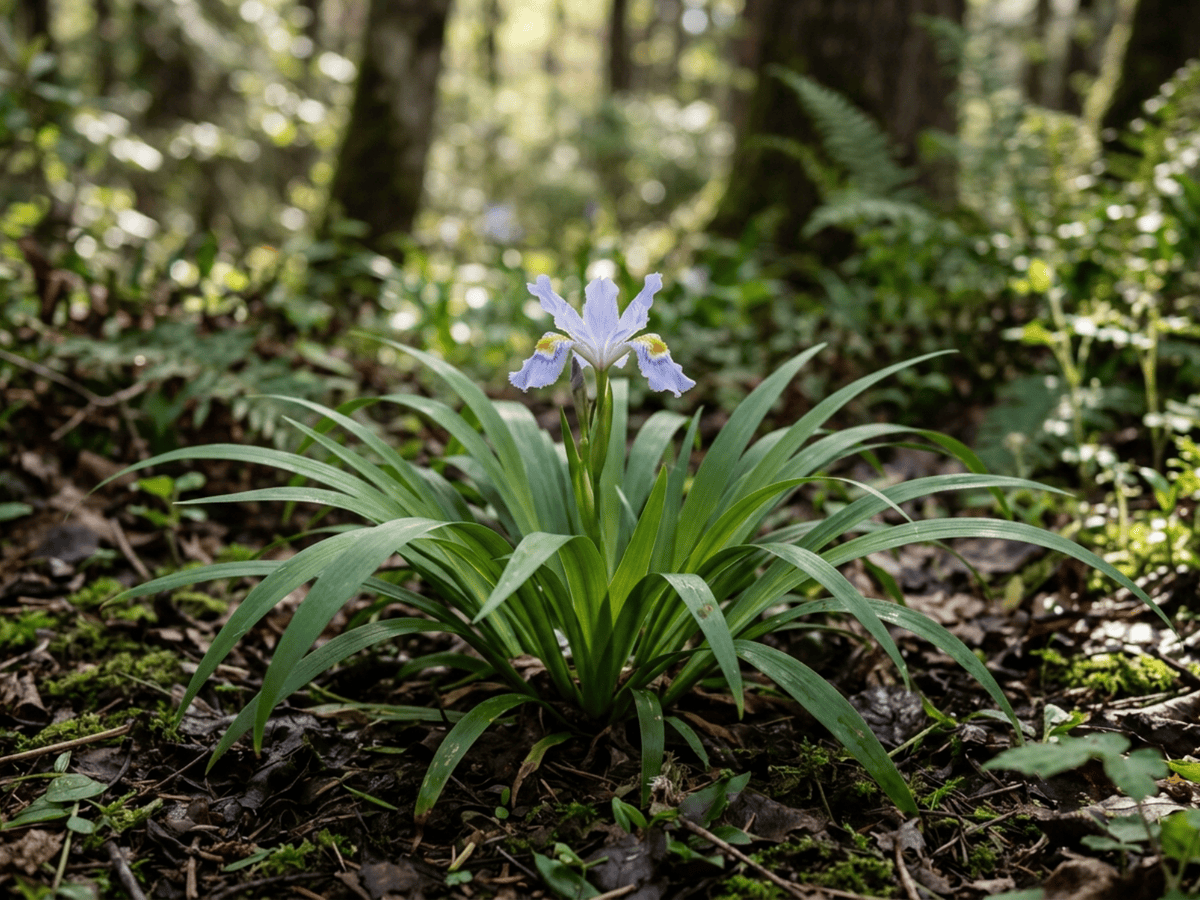 Dwarf Crested IrisIris cristata
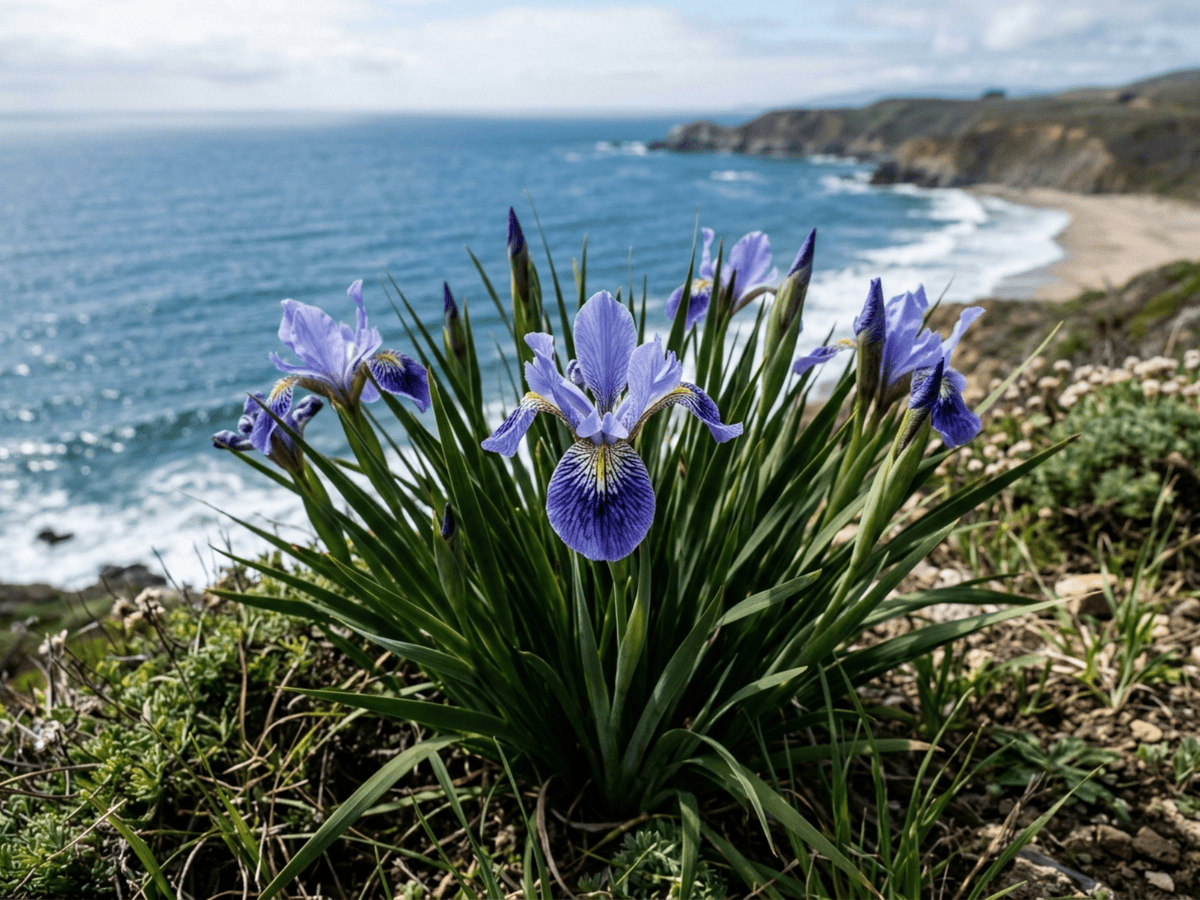 Douglas IrisIris douglasiana
 Japanese IrisIris ensata
 Bearded IrisIris germanica
Plants with similar care
 Chinese AbeliaAbelia chinensis
 Fragrant AbeliaAbelia mosanensis
 Large-Flowered AbeliaAbelia uniflora
 Glossy AbeliaAbelia x grandiflora
Frequently asked questions
How often should I water Siberian Iris?
Water about every 3 days during the growing season, and always let excess water drain away.
How much light does Siberian Iris need?
Full sun: 6+ hrs direct. Watch the leaves — scorching or stretching means the light needs adjusting.
Is Siberian Iris toxic to cats or dogs?
Pets Moderate (Dogs Moderate · Cats Moderate) Educational information, not medical or veterinary advice. If exposure is suspected, contact a doctor or veterinarian.
Is Siberian Iris easy to grow?
Yes — it is considered an easy, beginner-friendly plant.
When does Siberian Iris bloom?
It typically blooms May–Jun in the Northern Hemisphere.
YardMate
Identify any plant in seconds
Snap a photo — YardMate names the plant, diagnoses problems, and reminds you when to water.
Download on the App Store