 YardMate


Northern Blue Flag
Iris versicolor
Easy · Beginner friendlyAbout Northern Blue Flag
Iris versicolor, blue flag iris, is a North American wetland perennial of pond margins, marshes, and stream banks from the Great Lakes to the Atlantic coast. Its violet-blue flowers carry intricate yellow, white, and purple veining on the falls, guiding bumblebees into the bloom. Sword-shaped leaves rise from thick rhizomes and form handsome clumps up to about 80 cm tall. Unlike bearded irises, this species wants consistent moisture and can tolerate shallow standing water, making it excellent for rain gardens and naturalized pond edges. It is the provincial flower of Quebec and has appeared on Canadian coinage. The rhizome is toxic if ingested, so its beauty belongs at the water's edge, not on the plate.
- Deer-resistant
- Native
- Pollinator-friendly
How to care for Northern Blue Flag
Watering
- Springevery 1 days
- Summerevery 1 days
- Fallevery 2 days
- Winterevery 7 days
Soil · Bog-wet
- WaterStanding water above soil20%
- SoilHeavy pond soil80%
No drainage layer — keep water standing above the soil.
FERTILIZER
Balanced Feed 14-14-14
An even feed covers all three needs at once, keeping leaves, roots and blooms moving together with nothing pushed out of balance.
- Nitrogen · Leaves
- Phosphorus · Roots + Blooms
- Potassium · Strength
- Springevery 30 days
At a Glance
- NativeNorth America
- Height2–3 ft (0.6–0.9 m)
- Spread1–2 ft (0.3–0.6 m)
- Flower colorBlue, Purple
- Foliage colorGreen
- SoilMoisture-retentive, Loamy
- LocationsYard
Bloom time
BLOOM CYCLE
Peak bloom
Mar–May
Violet-blue flowers with yellow signal patches bloom late spring; deadhead spent blooms to encourage rebloom
Fragrance
LIGHT FRAGRANCE
The flowers have a light delicate scent.
Toxicity
Humans Moderate · Pets Moderate
iridin and iridoid glycosides
Moderate
- All
- Root
- Ingestion
- Contact
EXPOSURE Eating any part of the plant and roots. Touching any part of the plant and roots.
EFFECT Irritant glycosides: GI upset, vomiting, diarrhea and skin contact with sap can cause dermatitis.
NOTE Documented concern for humans: Irritant glycosides: GI upset, vomiting, diarrhea and skin contact with sap can cause dermatitis.
Moderate
- All
- Ingestion
EXPOSURE Eating any part of the plant.
EFFECT Vomiting, drooling, GI upset.
NOTE ASPCA lists iris as toxic to dogs, cats, and horses.
Moderate
- All
- Ingestion
EXPOSURE Eating any part of the plant.
EFFECT Same as dogs.
NOTE ASPCA lists iris as toxic to dogs, cats, and horses.
Educational information, not medical or veterinary advice. If exposure is suspected, contact a doctor or veterinarian.
DISTRIBUTION

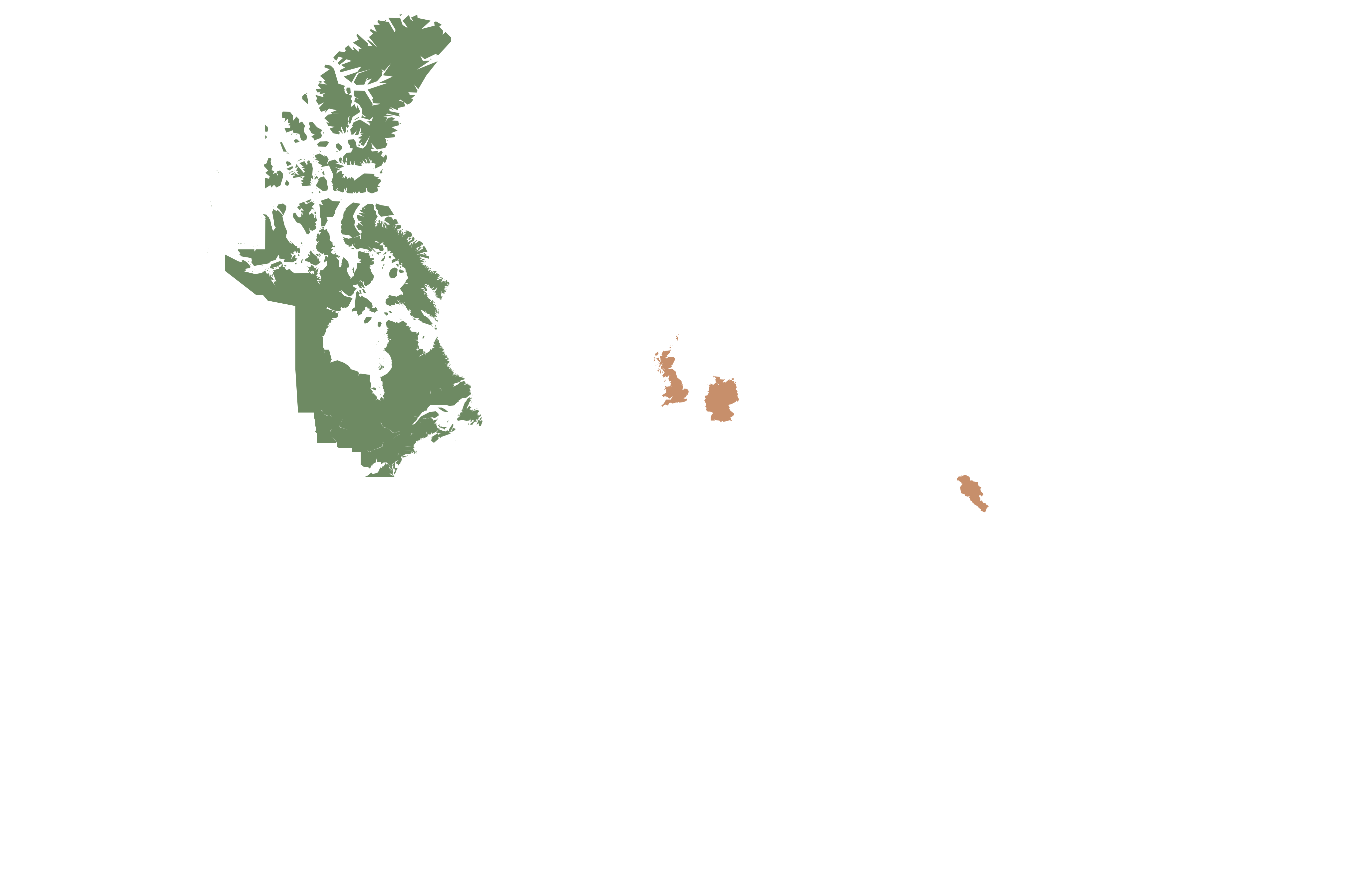
- Native
- Introduced
- North America
History

Iris versicolor is native to wet meadows, streamside margins, and marsh edges of eastern and central North America — from Newfoundland and Quebec south to Virginia and west to Minnesota. It produces clumps of typical iris sword-shaped foliage and 60-90 cm flower stems bearing 1-3 violet-blue iris flowers with distinctive yellow-and-white signal markings on the falls in late spring to early summer. The species is the provincial flower of Quebec (designated 1999, replacing the Madonna lily which had been chosen but is not native to Quebec) and is one of several iris species that collectively serve as the state flower of Tennessee (chosen in 1933 without species specification).
Indigenous Eastern Woodlands peoples including the Haudenosaunee (Iroquois), Wabanaki Confederacy (including Penobscot, Passamaquoddy, and Mi'kmaq), and various Algonquian peoples used I. versicolor rhizomes in emetic and cathartic medicinal preparations for cleansing, for treatment of water retention, and for various topical applications; the plant contains irritant glycosides that underlie these strong medicinal effects. Modern caution is essential — the rhizomes are definitively toxic.
The species was in the US Pharmacopoeia until 1895 as a blue flag root preparation used for dropsy and liver complaints. The related American Atlantic coast I. virginica is similar and sometimes confused with I. versicolor. Iris versicolor was first described by Linnaeus in 1753.
Symbolism & meaning
What It Symbolizes
Northern Blue Flag expresses faith, representing trust and spiritual devotion across the cultures that have grown irises beside their temples and gardens. It also carries wisdom, associated with insight and clarity of thought, and hope, its spring blooms signaling renewal and promise. It is often read as a flower of clear-eyed faithfulness, a wetland iris whose three meanings braid together belief, understanding, and the quiet expectation that good things will come.
- Faith — represents trust and spiritual devotion across cultures
- Wisdom — associated with insight and clarity of thought
- Hope — its spring blooms signal renewal and promise
Where the Name Comes From
The name Northern Blue Flag points to the northern part of its range. 'Iris' from the Greek rainbow goddess. 'Versicolor' means 'various colors' in Latin, referring to the multicolored patterns on its petals.
Uses & Fun Facts
- Violet-blue flowers grace pond edges and rain gardens
- Native wetland bloom feeds bumblebees and skippers
- Wetland habitat plant supports waterfowl and amphibians
Related plants
More Iris plants
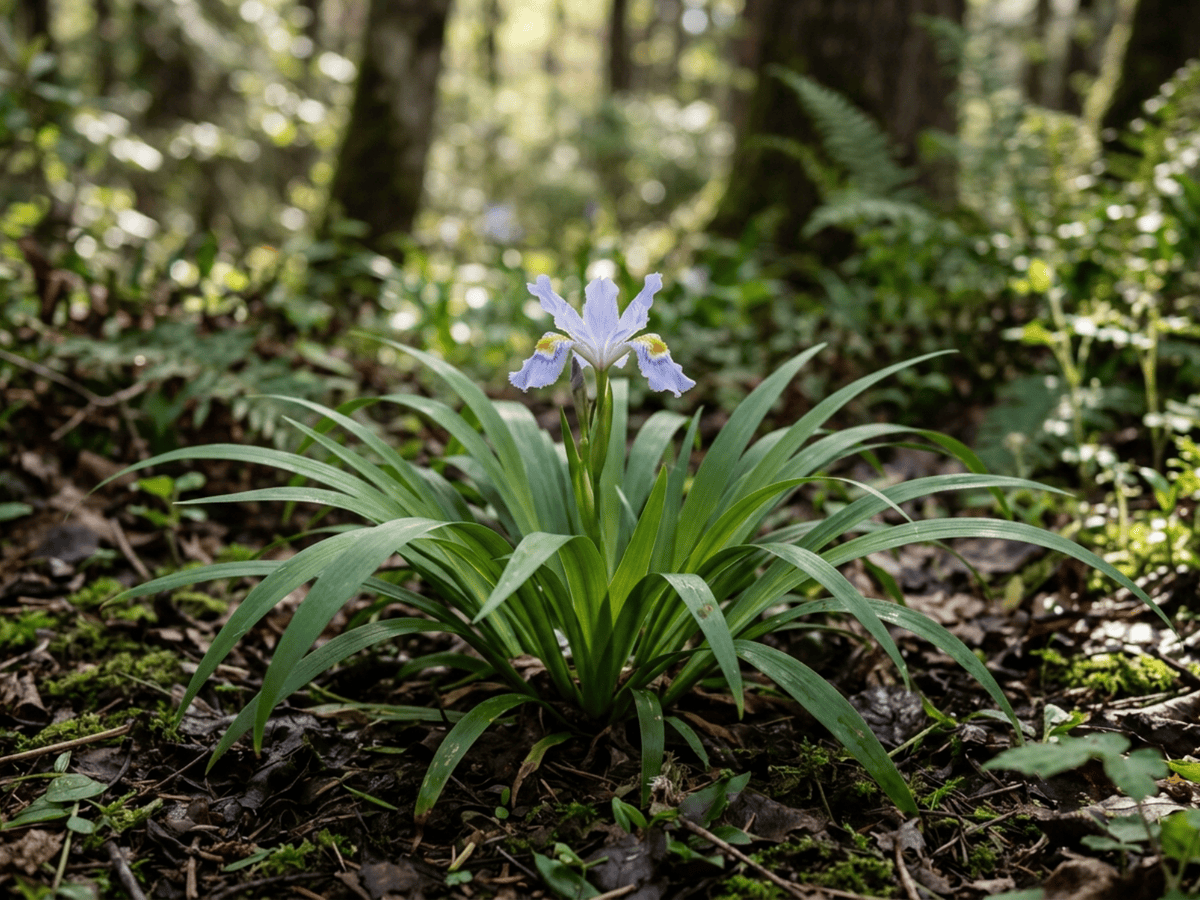 Dwarf Crested IrisIris cristata
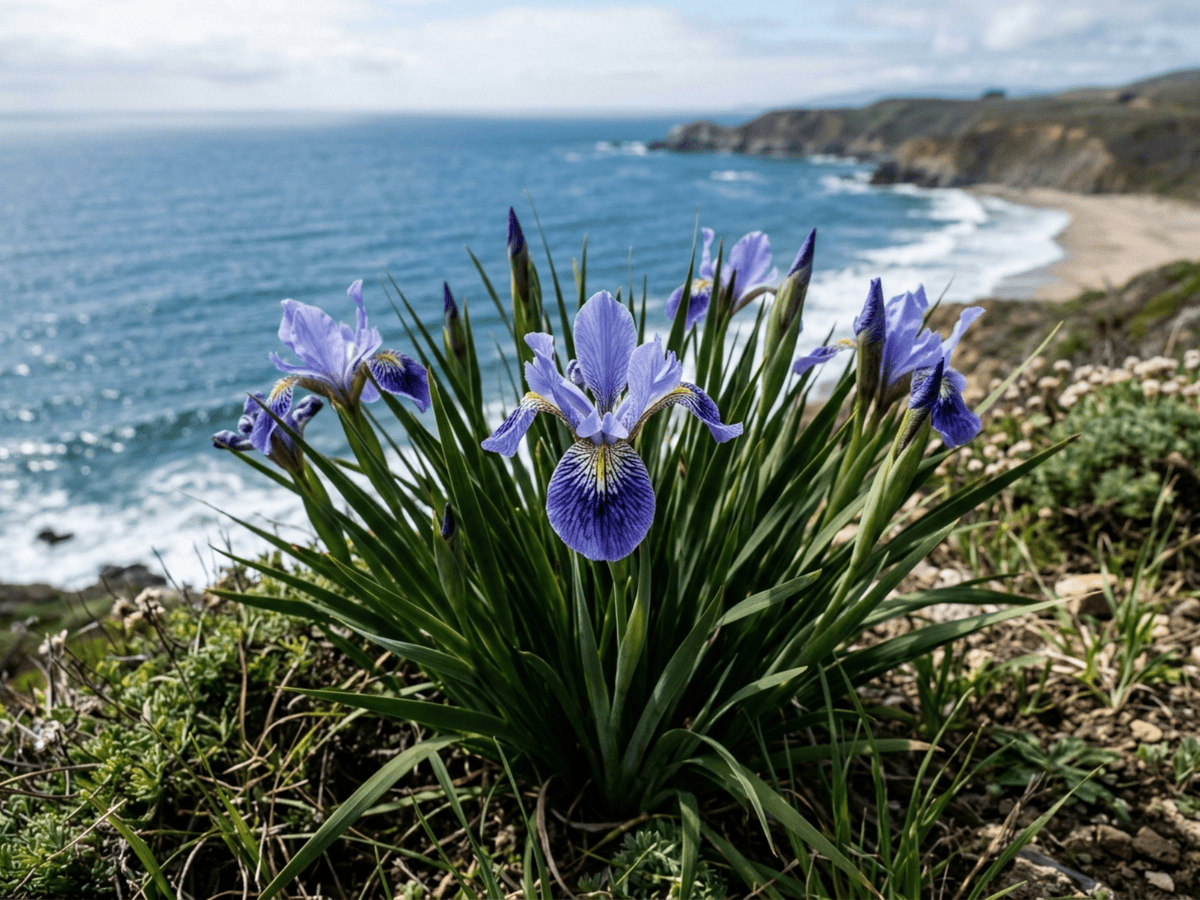 Douglas IrisIris douglasiana
 Japanese IrisIris ensata
 Bearded IrisIris germanica
Plants with similar care
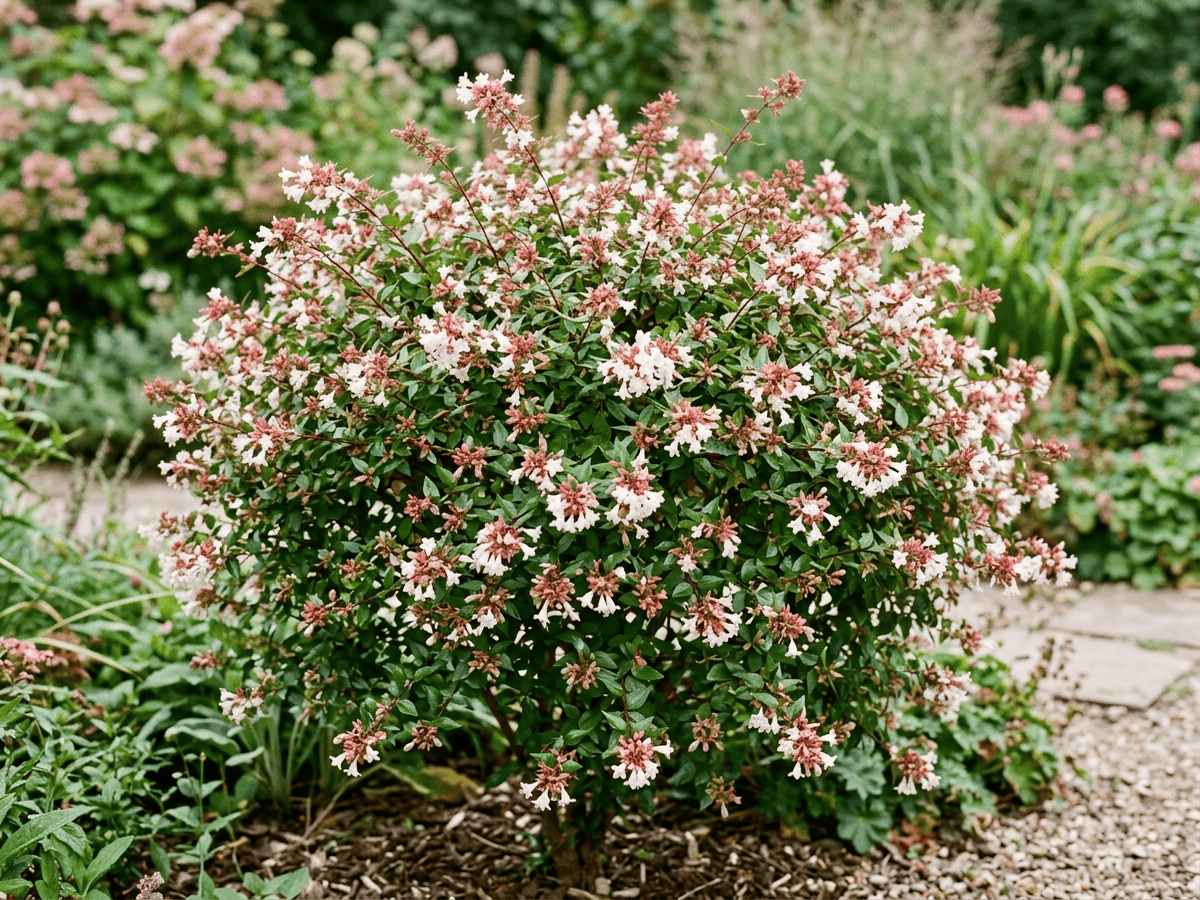 Chinese AbeliaAbelia chinensis
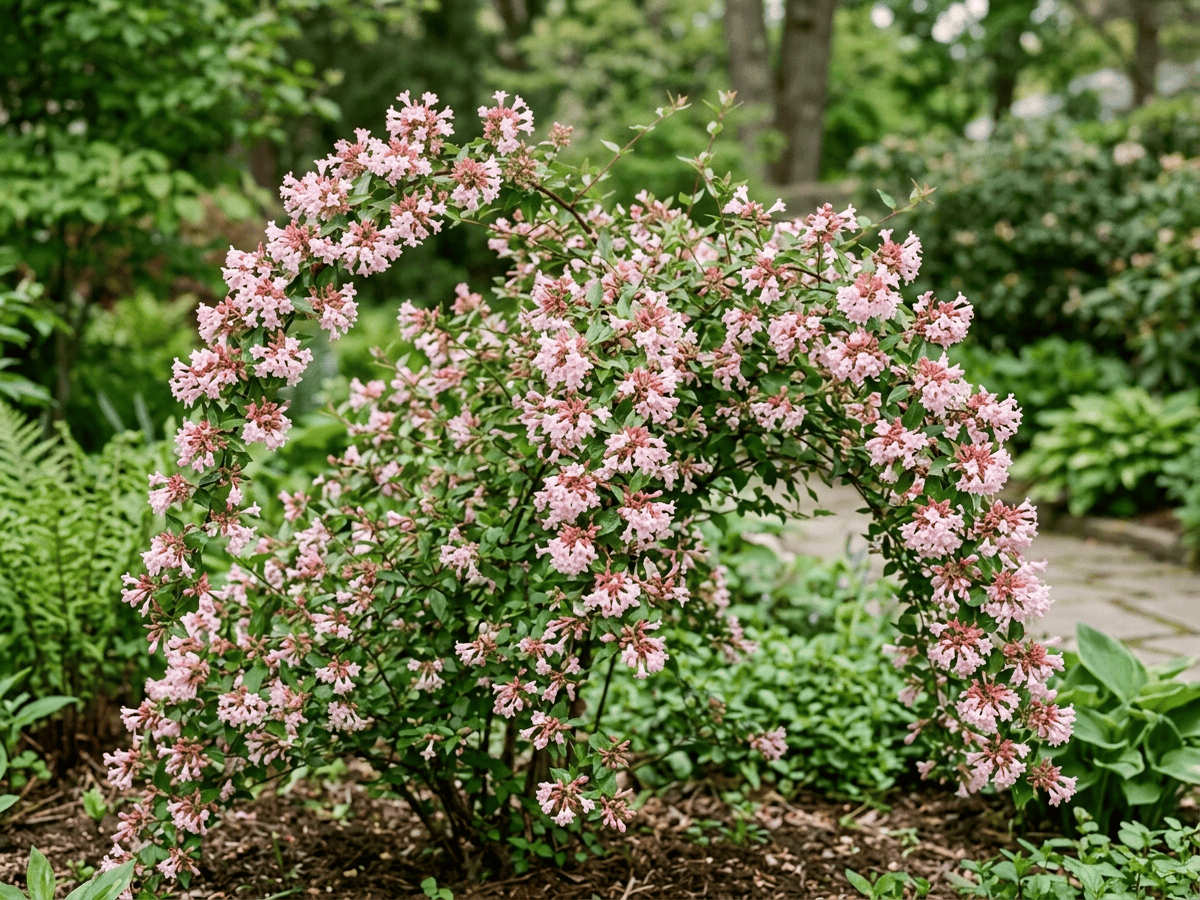 Fragrant AbeliaAbelia mosanensis
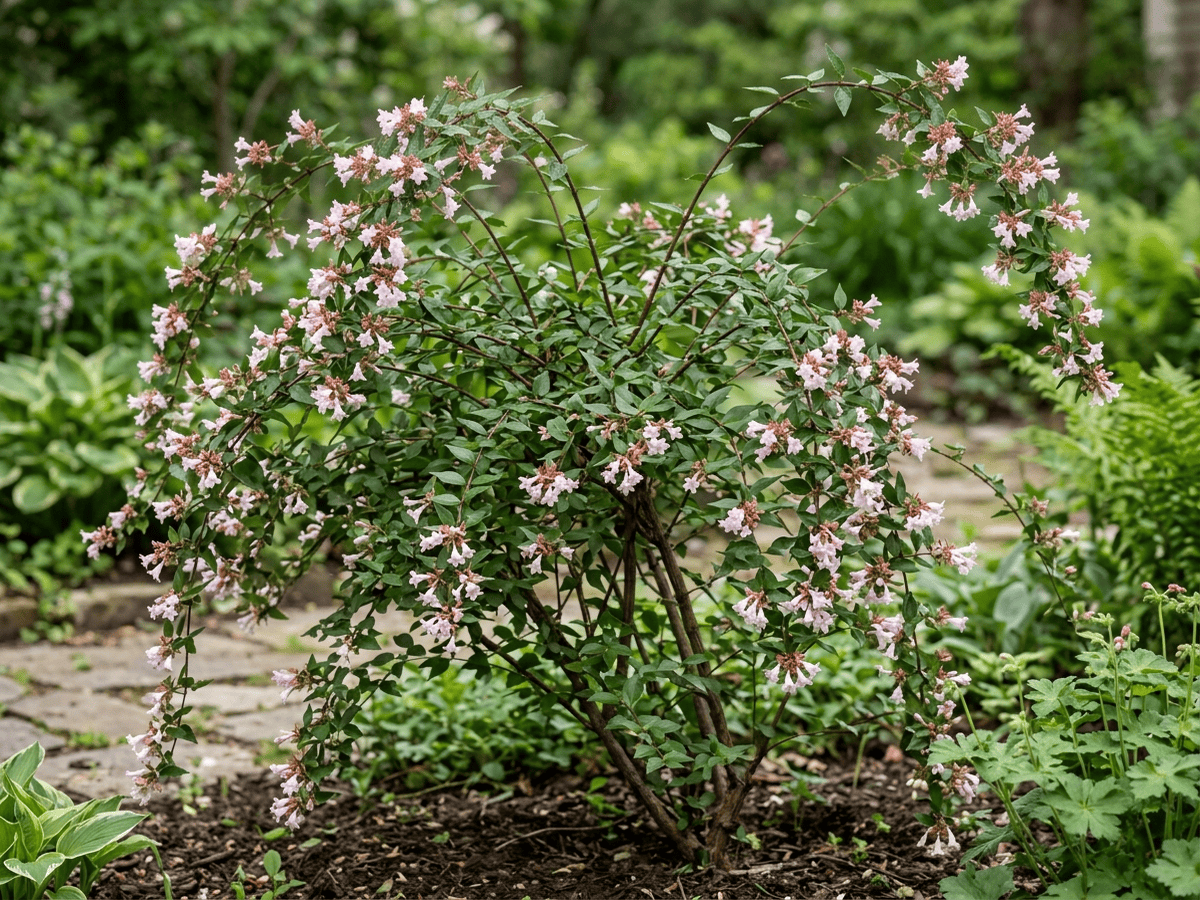 Large-Flowered AbeliaAbelia uniflora
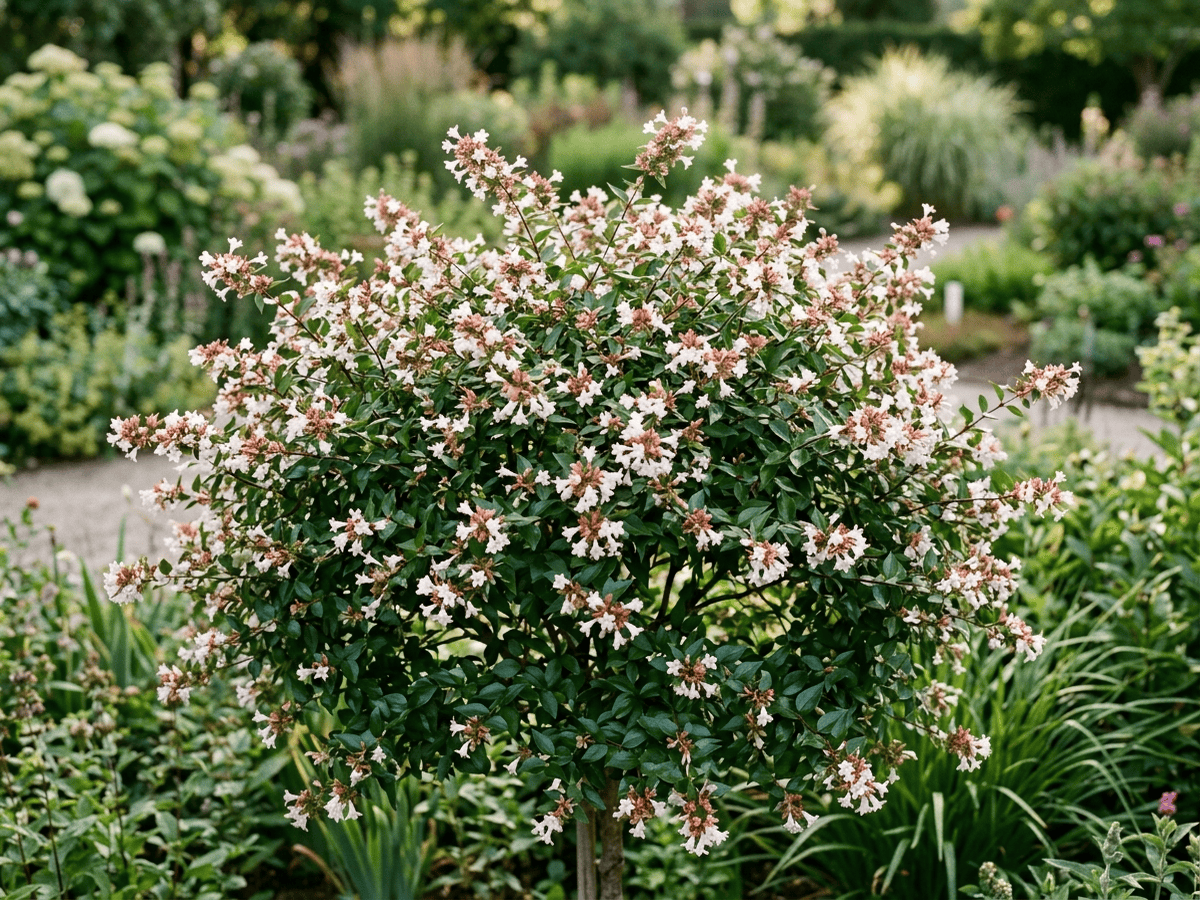 Glossy AbeliaAbelia x grandiflora
Frequently asked questions
How often should I water Northern Blue Flag?
In summer, water about every 1 days; in winter, about every 7 days. Adjust for heat, pot size and drainage.
How much light does Northern Blue Flag need?
Full sun: 6+ hrs direct. Watch the leaves — scorching or stretching means the light needs adjusting.
Is Northern Blue Flag toxic to cats or dogs?
Pets Moderate (Dogs Moderate · Cats Moderate) Educational information, not medical or veterinary advice. If exposure is suspected, contact a doctor or veterinarian.
Is Northern Blue Flag easy to grow?
Yes — it is considered an easy, beginner-friendly plant.
When does Northern Blue Flag bloom?
It typically blooms Mar–May in the Northern Hemisphere.
YardMate
Identify any plant in seconds
Snap a photo — YardMate names the plant, diagnoses problems, and reminds you when to water.
Download on the App Store