 YardMate


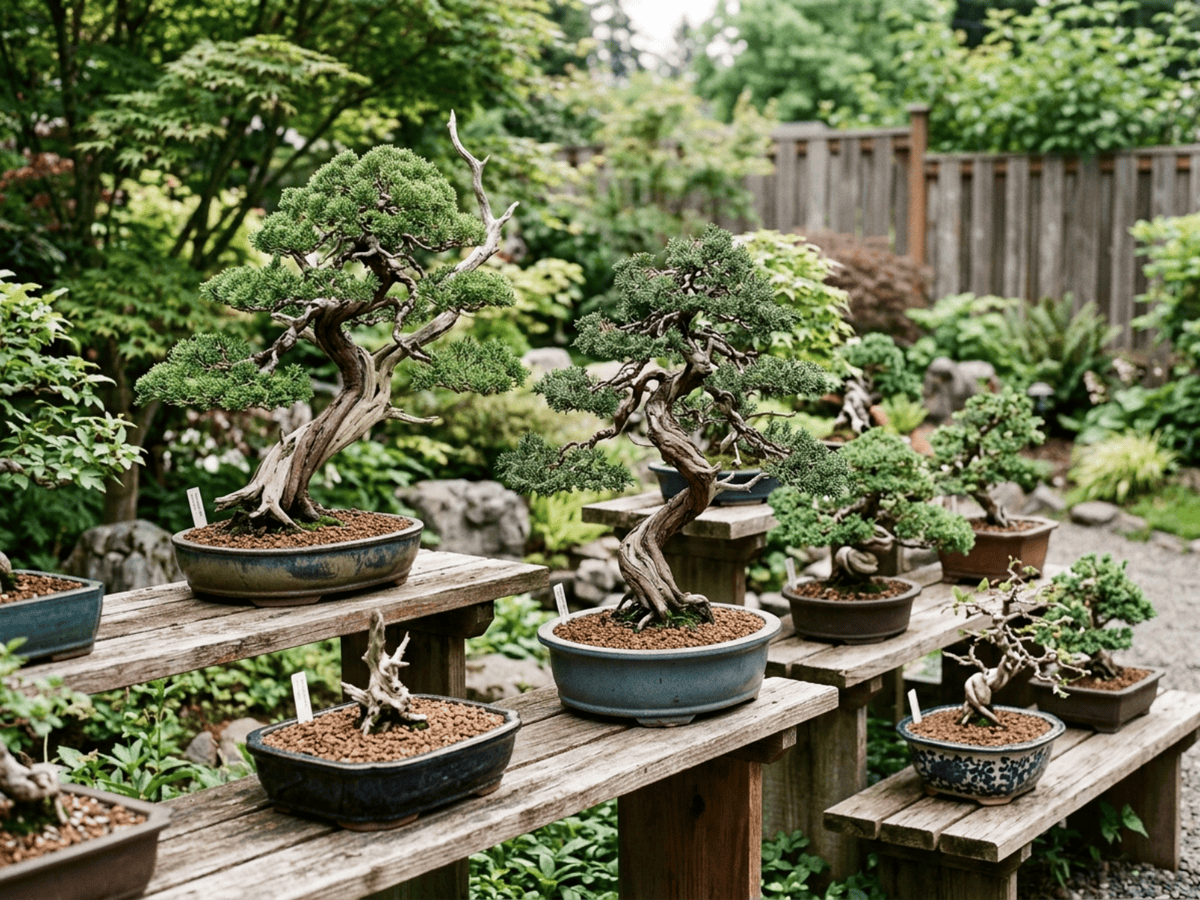
Chinese Juniper
Juniperus chinensis
Easy · Beginner friendlyAbout Chinese Juniper
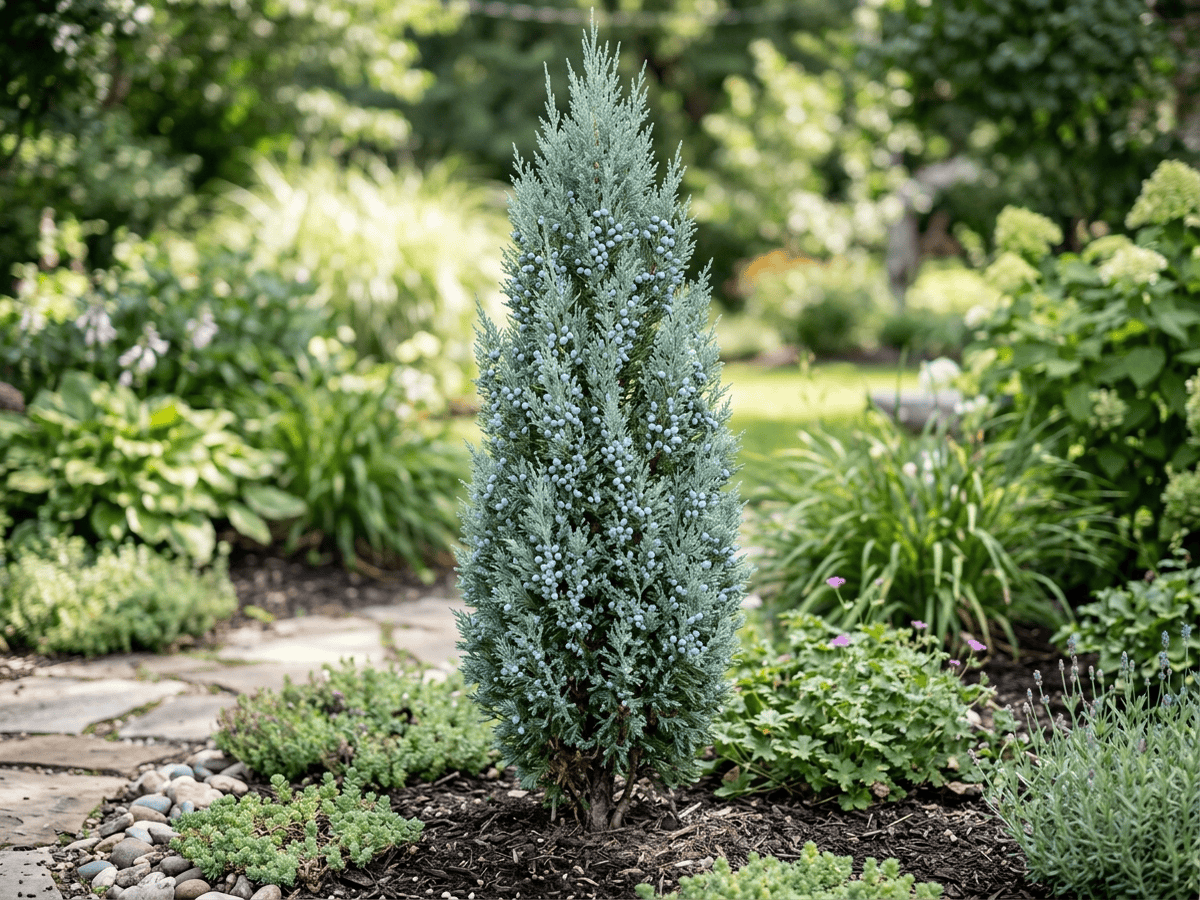
Juniperus chinensis, commonly known as Chinese juniper, is a versatile evergreen conifer native to China, Japan, Mongolia, and Korea. It is one of the most variable juniper species, ranging from prostrate ground covers to upright trees reaching fifteen meters or more depending on the cultivar. The foliage is dimorphic — juvenile growth is sharp and needle-like while mature foliage is soft and scale-like, and both types often appear on the same plant. Small blue-gray berry-like cones ripen in their second year. Chinese juniper is enormously important in bonsai culture, considered one of the classic species alongside Japanese black pine. Ancient, wind-sculpted junipers clinging to mountain cliffs are iconic subjects for bonsai artists seeking to capture the essence of endurance in miniature. In the landscape, popular cultivars like 'Kaizuka' and 'Blue Point' serve as specimens, hedges, and windbreaks. The plant tolerates drought, poor soils, urban pollution, and salt spray, making it adaptable to challenging conditions. Its aromatic wood and foliage have been used traditionally in East Asian temple incense.
- Drought-tolerant
- Evergreen
How to care for Chinese Juniper
Watering
- Springevery 7 days
- Summerevery 5 days
- Fallevery 14 days
- Winterevery 30 days
Soil · Well-draining
- Top dressingPine bark mulch10%
- Main mixPotting soil + perlite 2:170%
- DrainageLECA / gravel20%
Never skip the drainage layer — standing water is the top cause of root rot.
FERTILIZER
Balanced Feed 14-14-14
An even feed covers all three needs at once, keeping leaves, roots and blooms moving together with nothing pushed out of balance.
- Nitrogen · Leaves
- Phosphorus · Roots + Blooms
- Potassium · Strength
- Springevery 60 days
- Summerevery 60 days
At a Glance
- NativeEast Asia, Europe
- Height15–30 ft (4.6–9.1 m)
- Spread10–20 ft (3–6.1 m)
- Foliage colorGreen, Blue-green, Yellow
- SoilLoamy, Well-drained
- LocationsYard
Bloom time
BLOOM CYCLE
Inconspicuous; small blue-gray berry-like cones ripen in the second year
Fragrance
MODERATE FRAGRANCE
Crushed foliage and cut wood emit classic aromatic juniper scent.
Toxicity
Humans Slight · Pets Slight
thujone, pinene, and sabinene
Slight
- Cone
- Ingestion
EXPOSURE Eating cone.
EFFECT Juniper berries contain volatile oils and essential oil can cause kidney damage in large doses.
NOTE Documented concern for humans: Juniper berries contain volatile oils and essential oil can cause kidney damage in large doses.
Slight
- All
- Ingestion
EXPOSURE Eating any part of the plant.
EFFECT Mild GI upset and essential oils potentially harmful in quantity.
NOTE Not a primary ASPCA toxic-plant concern. Essential-oil extracts should be kept away from pets.
Slight
- All
- Ingestion
EXPOSURE Eating any part of the plant.
EFFECT Same as dogs.
NOTE Not a primary ASPCA toxic-plant concern. Essential-oil extracts should be kept away from pets.
Educational information, not medical or veterinary advice. If exposure is suspected, contact a doctor or veterinarian.
DISTRIBUTION


- Native
- Introduced
- East Asia
- Europe
History

Juniperus chinensis is native across temperate eastern Asia, from China and Mongolia to Japan, Korea, and the Russian Far East. It has been cultivated in Chinese and Japanese gardens for more than two thousand years, taking forms from narrow columns to low spreading shrubs. Old plants on cliffs and ridges develop twisted trunks and pale deadwood, the exact qualities that made shimpaku junipers legendary in Japanese bonsai.
Wild-collected specimens from regions such as Itoigawa and Kishu became some of the most valued bonsai material in the world because of their tight foliage and sculptural age. In Western landscapes the species arrived in the 18th century and produced dozens of cultivars, including 'Hetzii', 'Sargentii', 'Torulosa', and 'Blue Point'.
Its aromatic branches and rugged forms carry temple, mountain, and miniature-landscape associations, though gardeners must also respect its susceptibility to cedar-apple rust near orchards.
Symbolism & meaning
What It Symbolizes
The Chinese Juniper expresses eternal strength, ancient cliff-dwelling specimens having endured centuries of wind and weather on remote rock faces. Sacred in Shinto tradition, its fragrant wood is burned as incense to purify shrines and cleanse the air around ceremony. Few conifers combine such spiritual gravity with such physical durability — a tree of timeless endurance and quiet, smoke-borne sanctification.
- Eternal strength — Ancient cliff-dwelling specimens embody timeless endurance against harsh elements
- Purification — Sacred in Shinto tradition, burned as incense to cleanse and purify spaces
Where the Name Comes From
'Juniperus' comes from the Latin word for juniper, possibly related to 'junio' (young) as the plant produces new berries before old ones ripen. 'Chinensis' means from China.
Uses & Fun Facts
- Dense evergreen growth makes tough screens, windbreaks, and clipped forms
- Chinese Juniper spreads as low groundcover on banks and slopes
- Rugged evergreen forms shape screens, bonsai, topiary, and windbreaks
Related plants
More Juniperus plants
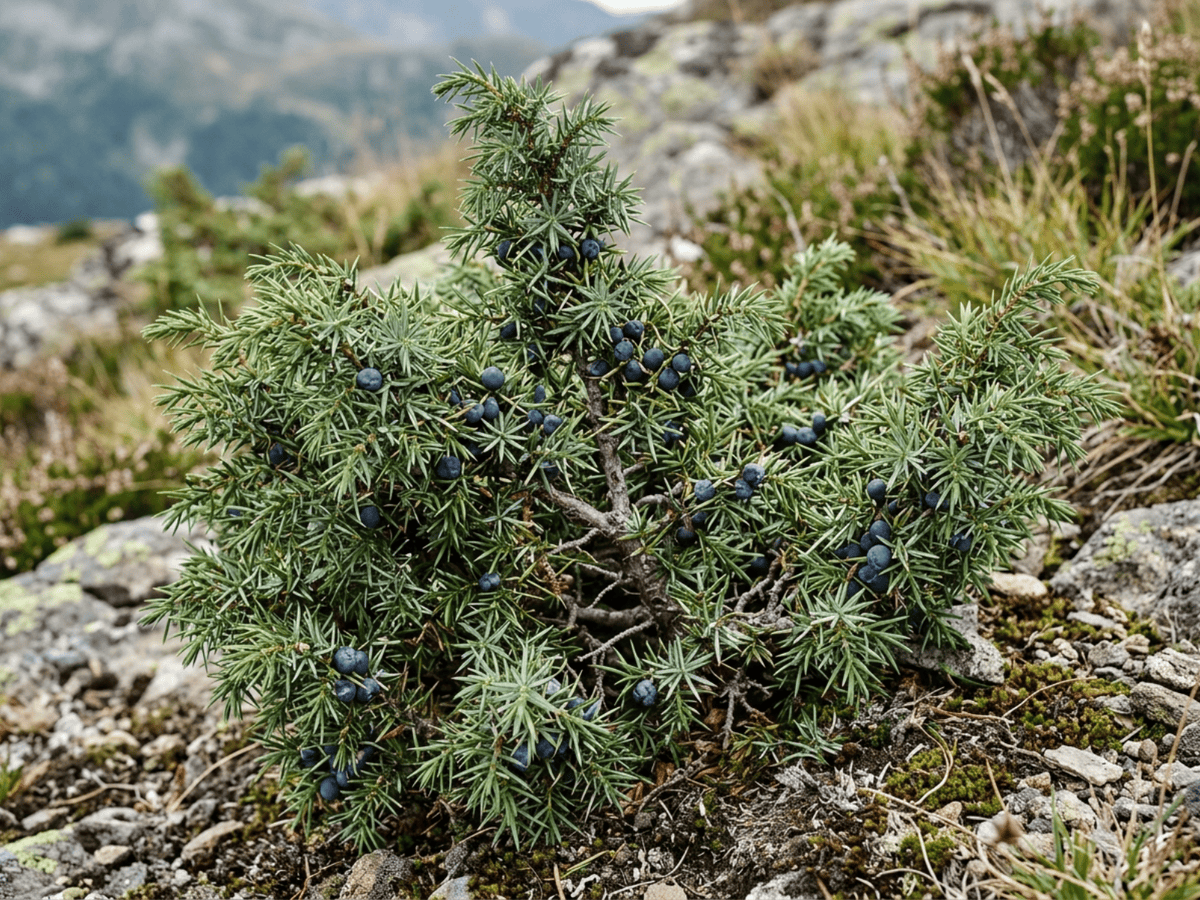 Common JuniperJuniperus communis
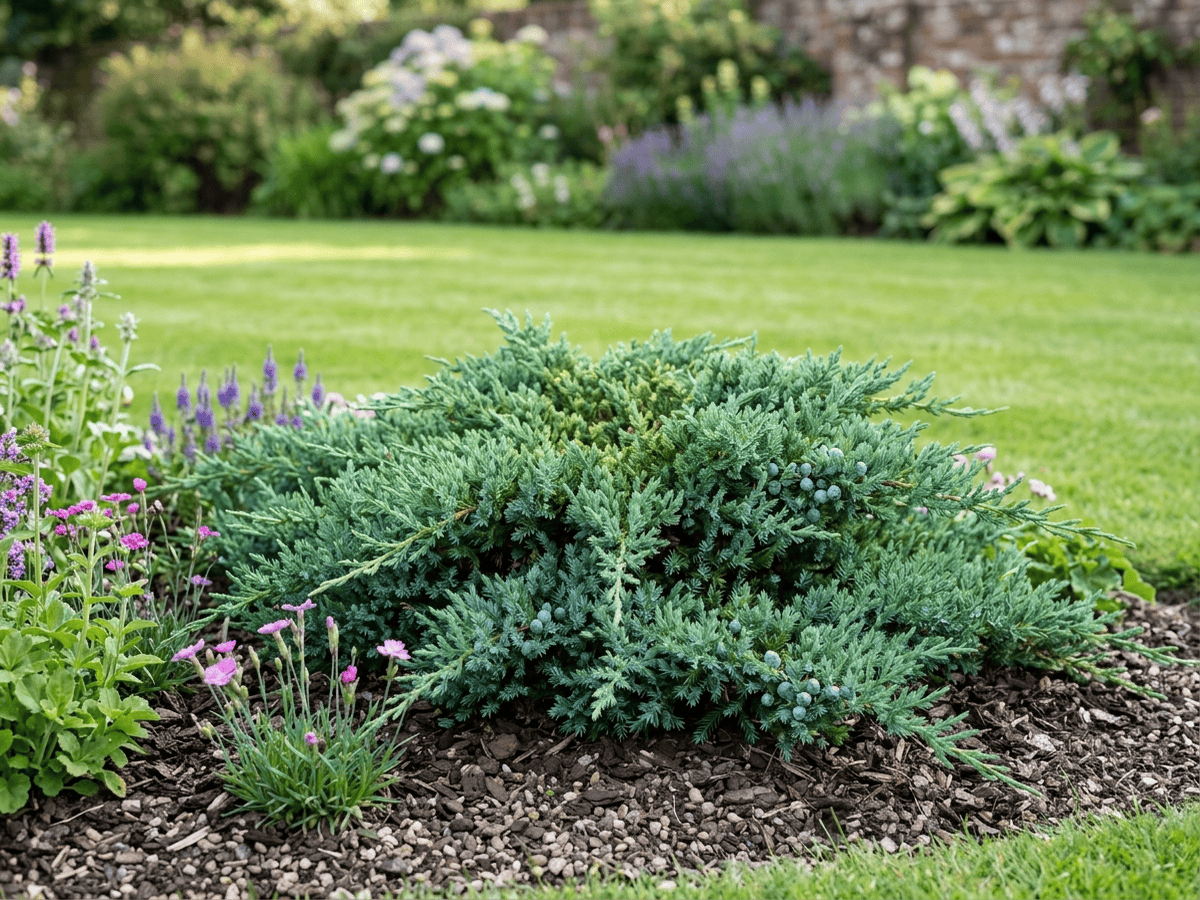 Shore JuniperJuniperus conferta
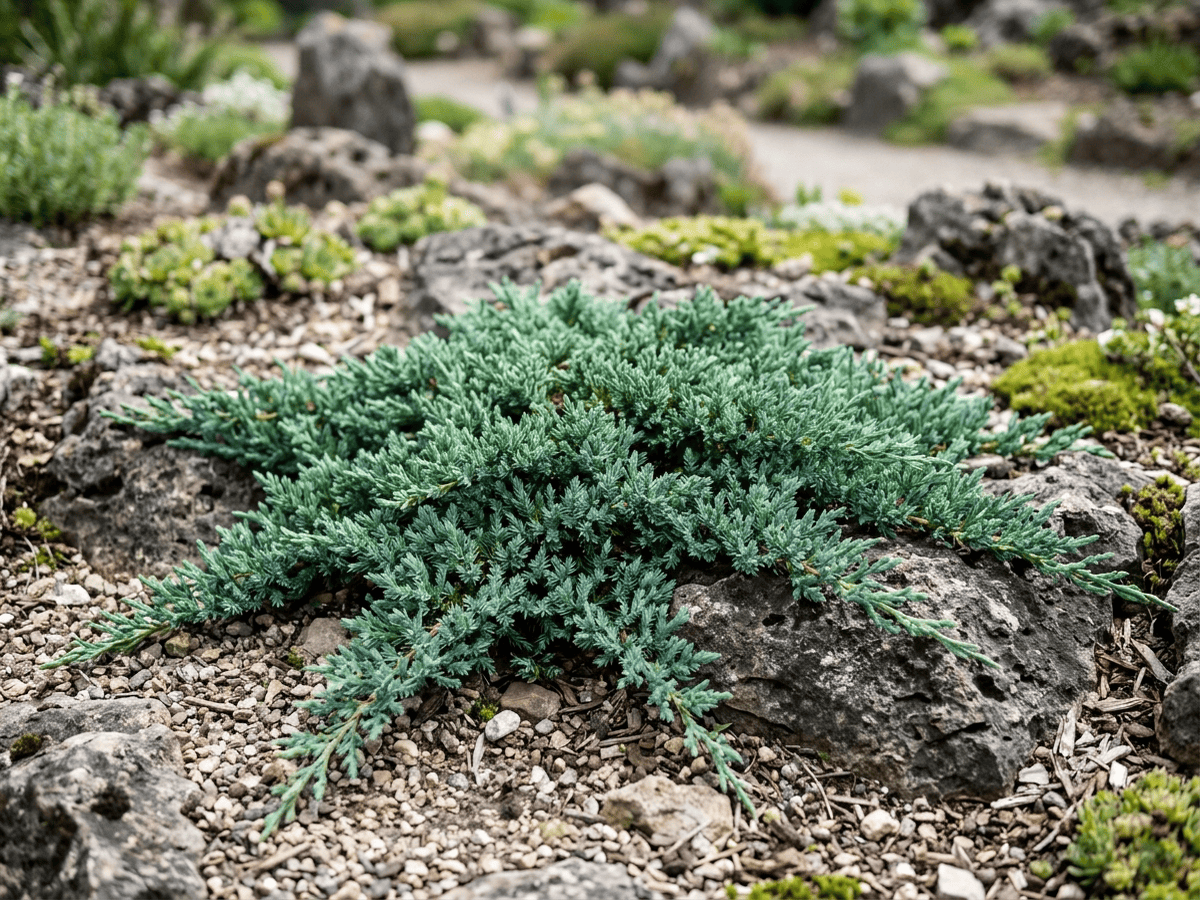 Creeping JuniperJuniperus horizontalis
 Rocky Mountain JuniperJuniperus scopulorum
Plants with similar care
 Chinese AbeliaAbelia chinensis
 Fragrant AbeliaAbelia mosanensis
 Large-Flowered AbeliaAbelia uniflora
 Glossy AbeliaAbelia x grandiflora
Frequently asked questions
How often should I water Chinese Juniper?
In summer, water about every 5 days; in winter, about every 30 days. Adjust for heat, pot size and drainage.
How much light does Chinese Juniper need?
Full sun: 6+ hrs direct. Watch the leaves — scorching or stretching means the light needs adjusting.
Is Chinese Juniper toxic to cats or dogs?
Pets Slight (Dogs Slight · Cats Slight) Educational information, not medical or veterinary advice. If exposure is suspected, contact a doctor or veterinarian.
Is Chinese Juniper easy to grow?
Yes — it is considered an easy, beginner-friendly plant.
YardMate
Identify any plant in seconds
Snap a photo — YardMate names the plant, diagnoses problems, and reminds you when to water.
Download on the App Store