 YardMate
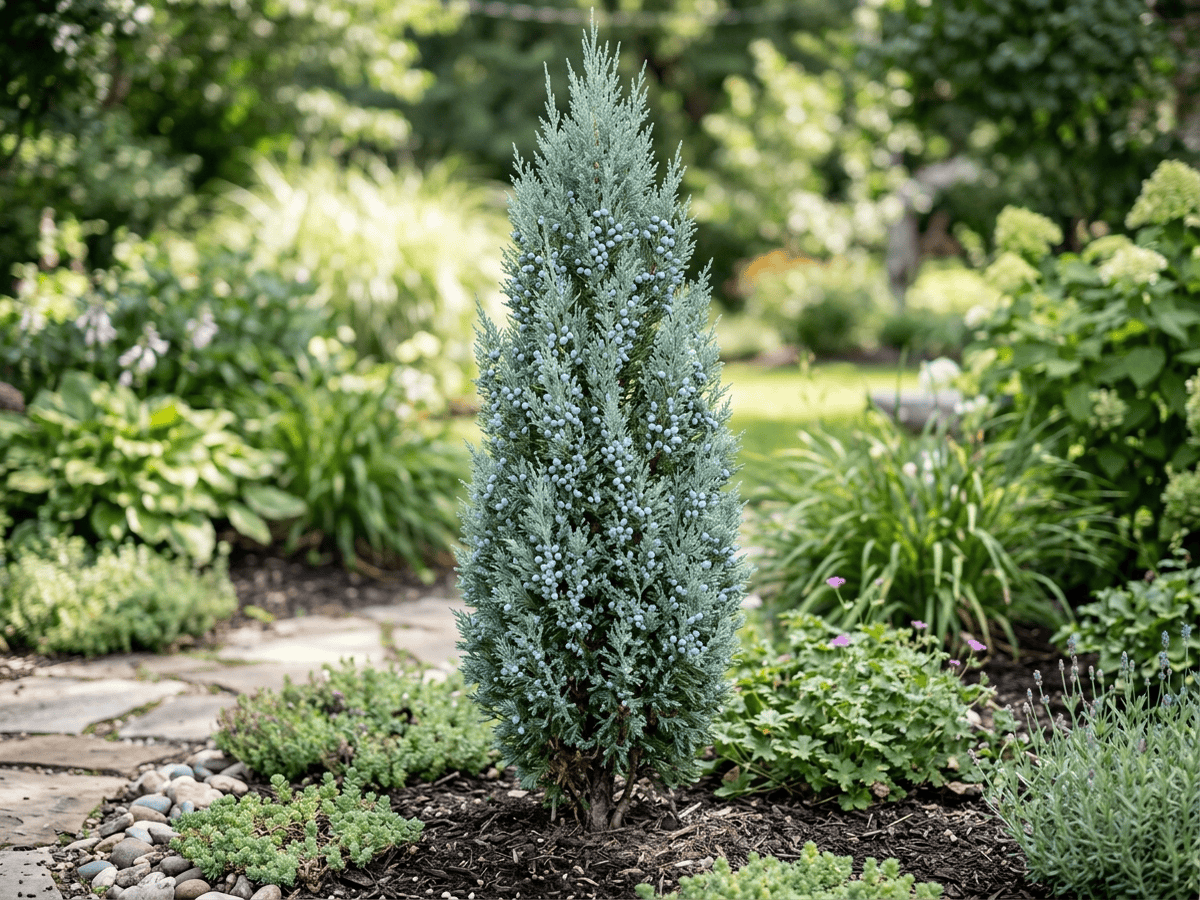


Rocky Mountain Juniper
Juniperus scopulorum
Easy · Beginner friendlyAbout Rocky Mountain Juniper
Rocky Mountain Juniper is a drought-tolerant native evergreen of the interior West, reaching 20-40 feet, with tight columnar or pyramidal form, blue-green scale-like foliage, and powder-blue berries. Exceptionally adapted to dry mountain slopes from Texas to British Columbia. The silver cultivars 'Skyrocket' and 'Wichita Blue' are among the most planted narrow evergreens in American landscapes, prized for vertical accent and minimal water needs.
- Drought-tolerant
- Evergreen
- Native
How to care for Rocky Mountain Juniper
Watering
- Springevery 14 days
- Summerevery 10 days
- Fallevery 21 days
- Winterevery 30 days
Soil · Well-draining
- Top dressingPine bark mulch10%
- Main mixPotting soil + perlite 2:170%
- DrainageLECA / gravel20%
Never skip the drainage layer — standing water is the top cause of root rot.
FERTILIZER
- Springevery 60 days
At a Glance
- NativeNorth America
- Height20–40 ft (6.1–12.2 m)
- Spread8–15 ft (2.4–4.6 m)
- Flower colorYellow, Green
- Foliage colorBlue-green, Silver, Green
- Fruit colorBlue
- SoilSandy, Well-drained
- LocationsYard
Bloom time
BLOOM CYCLE
Small yellow male cones in spring
Fragrance
STRONG FRAGRANCE
The foliage has a resinous juniper-cedar aroma.
Toxicity
Humans Slight · Pets Slight
thujone, cedrol, and savin
Slight
- Leaf
- Fruit
- Ingestion
EXPOSURE Eating leaves and fruit.
EFFECT GI upset from essential oils.
NOTE Junipers contain essential oils causing GI upset; pregnant women should avoid internal use.
Slight
- Fruit
- Leaf
- Ingestion
EXPOSURE Eating fruit and leaves.
EFFECT Vomiting, diarrhea.
NOTE Junipers contain essential oils causing GI upset; pregnant women should avoid internal use.
Slight
- Fruit
- Leaf
- Ingestion
EXPOSURE Eating fruit and leaves.
EFFECT Vomiting, diarrhea.
NOTE Junipers contain essential oils causing GI upset; pregnant women should avoid internal use.
Educational information, not medical or veterinary advice. If exposure is suspected, contact a doctor or veterinarian.
DISTRIBUTION


- Native
- North America
History
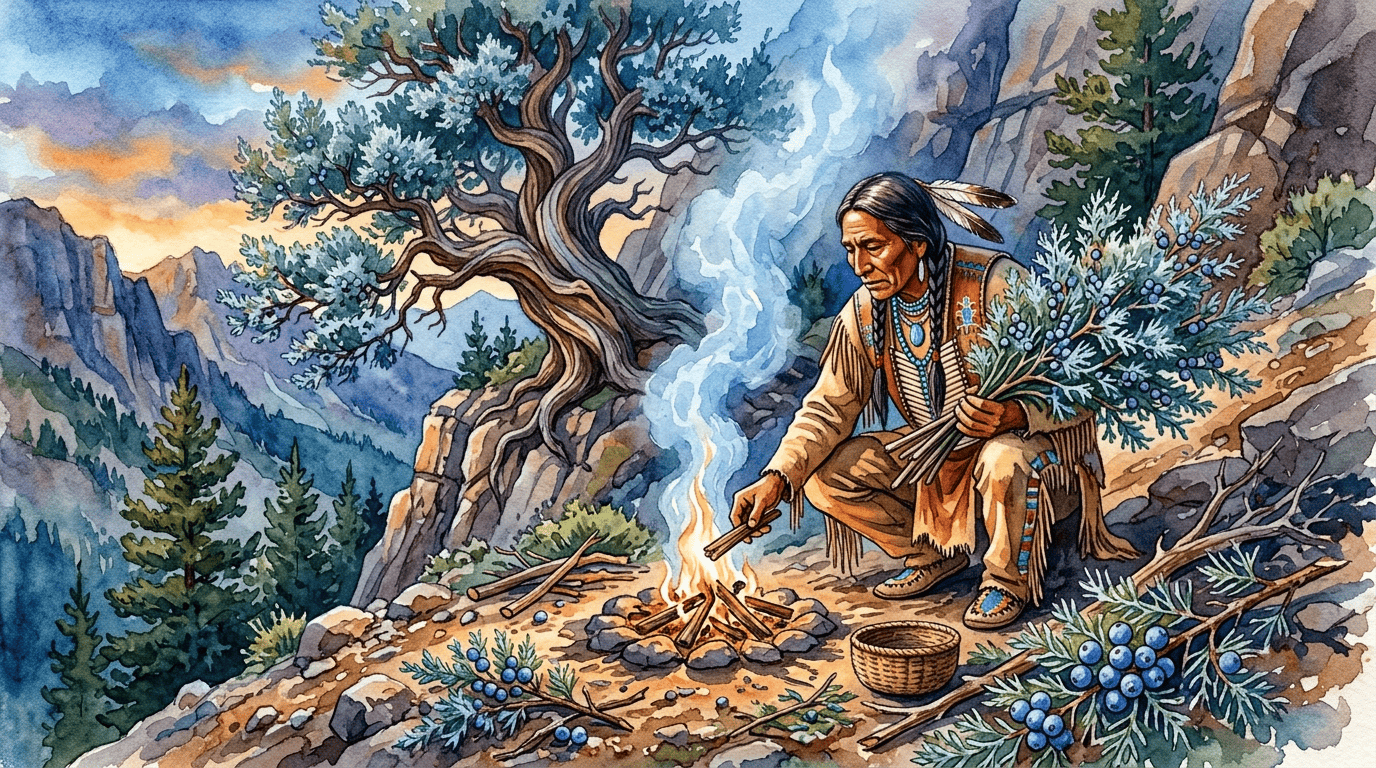
Juniperus scopulorum occurs naturally across the Rocky Mountain region from British Columbia and Alberta south through the Rockies to Arizona, New Mexico, and northern Mexico, and west into the Great Basin. American dendrologist Charles Sprague Sargent described the species in 1897 in the Garden and Forest journal, the epithet scopulorum meaning of cliffs or rocks, referring to its common rocky mountain habitat. Plains and Rocky Mountain indigenous peoples used the slow-grown dense wood for bows, ceremonial items, and incense; the aromatic berries were used medicinally and as flavoring.
In cultivation the species has given rise to some of the most planted ornamental junipers, including the narrow columnar cultivar 'Skyrocket' (introduced 1949 from South Dakota), 'Blue Arrow', 'Wichita Blue', 'Moonglow', and 'Medora'—all valued for blue-to-silver foliage and strict upright habit as vertical accents, hedges, and cemetery plantings. The species hybridizes with J. virginiana where ranges overlap across the Great Plains.
Plains and Rocky Mountain tribes burned the aromatic wood as sacred incense in purification ceremonies. Lewis and Clark collected specimens during their expedition. Some ancient trees on Colorado's Rocky Mountain slopes are over 1,500 years old, among the oldest trees in the Rockies.
Symbolism & meaning
What It Symbolizes
Rocky Mountain Juniper embodies endurance, clinging to wind-scoured ridges and dry rocky slopes where soil is barely a memory. To Plains tribes, its wood holds ceremony — sacred smudge for cleansing and prayer, smoke that has carried intentions skyward for generations. Its meaning is the long marriage of survival and reverence, a tree that simply outlasts hardship while remaining holy in human hands.
- Endurance — thrives on rocky mountain slopes
- Ceremony — sacred smudge wood for Plains tribes
Where the Name Comes From
'Scopulorum' means 'of the rocks', for its mountain rocky habitat.
Uses & Fun Facts
- Berry-like cones traditionally used to flavor game and gin
- Narrow upright forms create evergreen privacy screens
- Sculptural blue-gray pyramid for western xeric landscapes
- Aromatic rot-resistant wood used for fence posts and crafts
Related plants
More Juniperus plants
 Chinese JuniperJuniperus chinensis
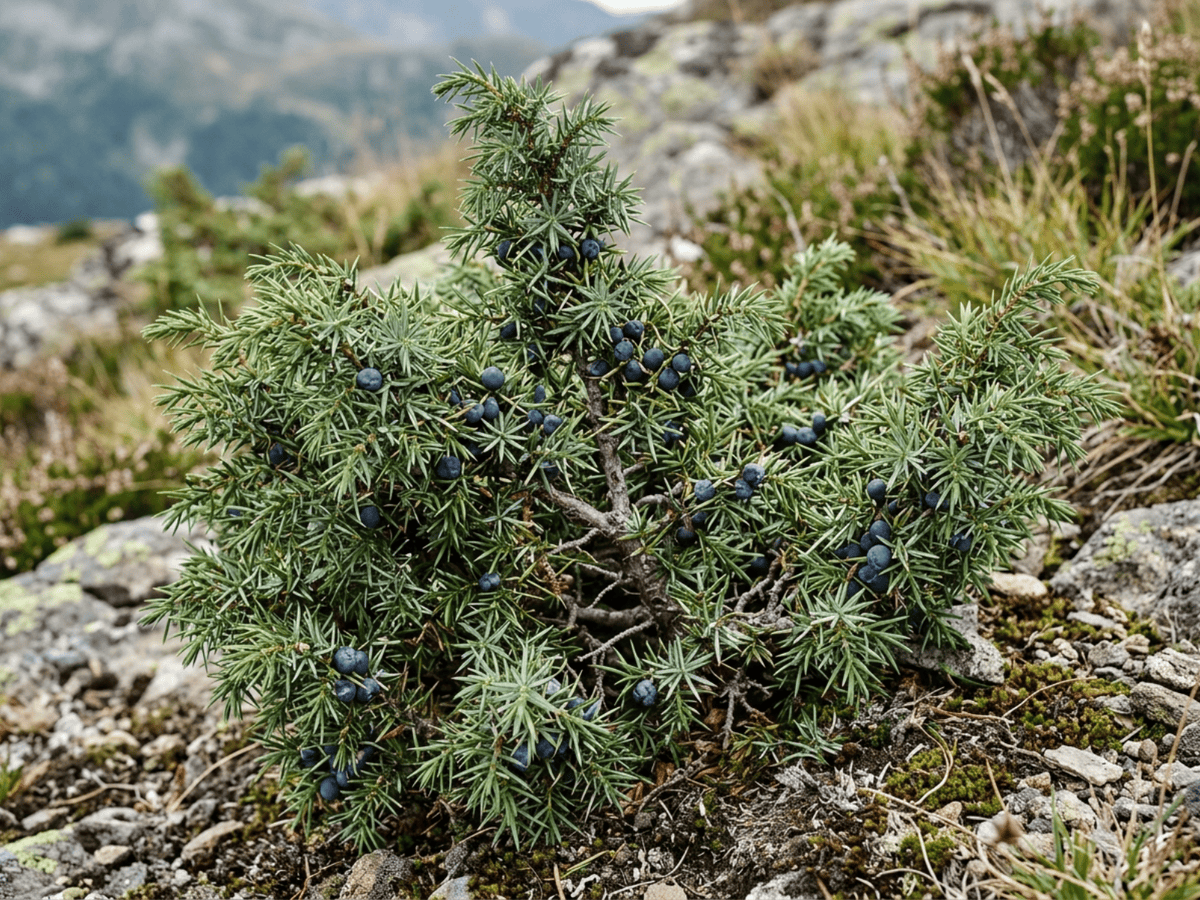 Common JuniperJuniperus communis
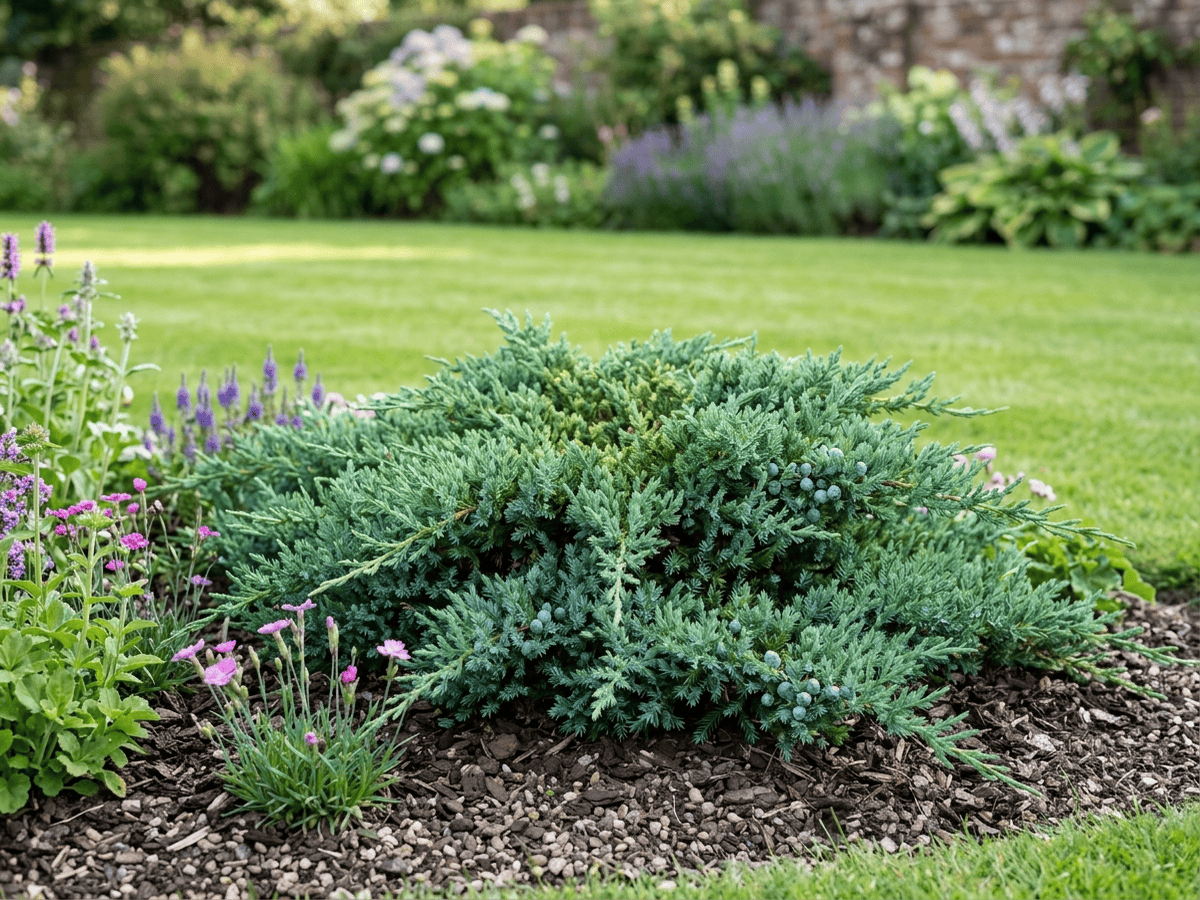 Shore JuniperJuniperus conferta
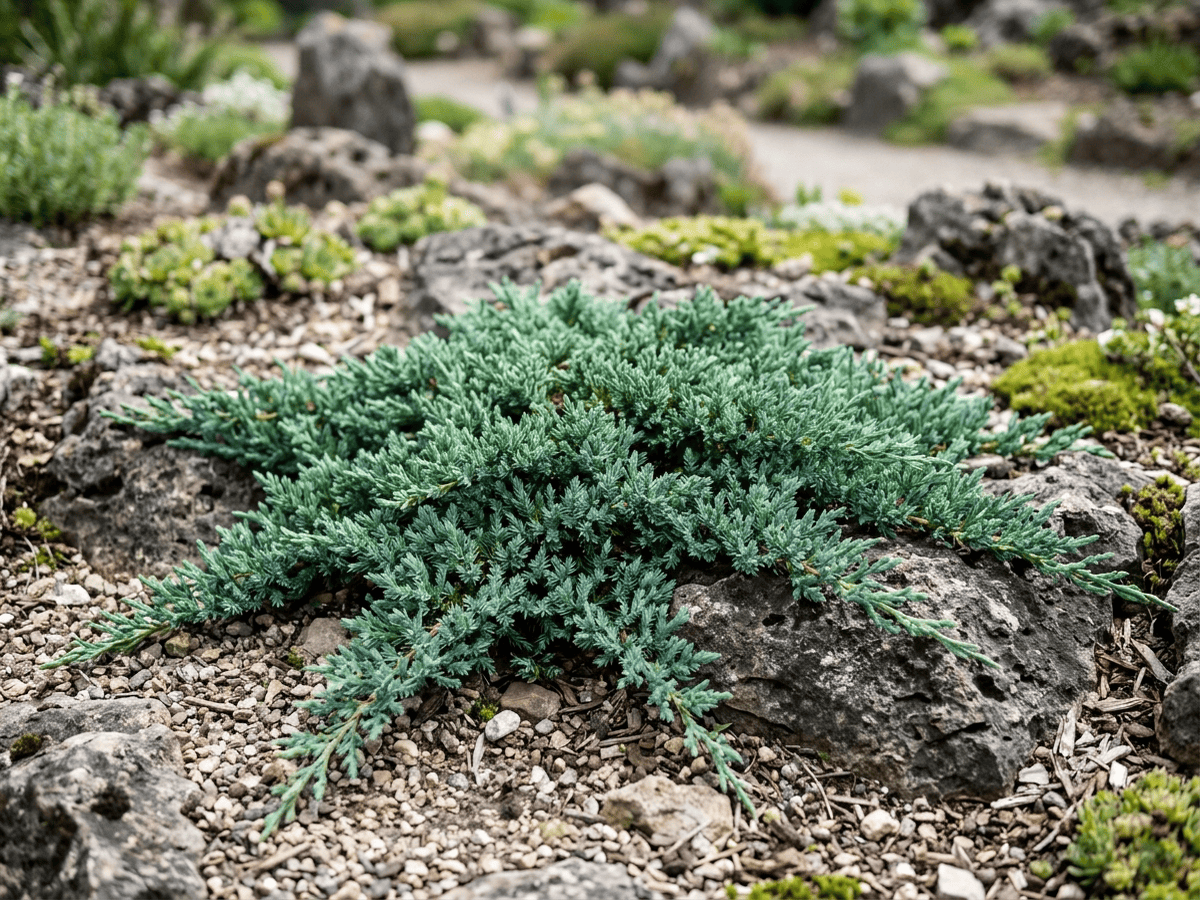 Creeping JuniperJuniperus horizontalis
Plants with similar care
 Chinese AbeliaAbelia chinensis
 Fragrant AbeliaAbelia mosanensis
 Large-Flowered AbeliaAbelia uniflora
 Glossy AbeliaAbelia x grandiflora
Frequently asked questions
How often should I water Rocky Mountain Juniper?
In summer, water about every 10 days; in winter, about every 30 days. Adjust for heat, pot size and drainage.
How much light does Rocky Mountain Juniper need?
Full sun: 6+ hrs direct. Watch the leaves — scorching or stretching means the light needs adjusting.
Is Rocky Mountain Juniper toxic to cats or dogs?
Pets Slight (Dogs Slight · Cats Slight) Educational information, not medical or veterinary advice. If exposure is suspected, contact a doctor or veterinarian.
Is Rocky Mountain Juniper easy to grow?
Yes — it is considered an easy, beginner-friendly plant.
YardMate
Identify any plant in seconds
Snap a photo — YardMate names the plant, diagnoses problems, and reminds you when to water.
Download on the App Store