 YardMate
Common Juniper
Juniperus communis
Easy · Beginner friendlyAbout Common Juniper
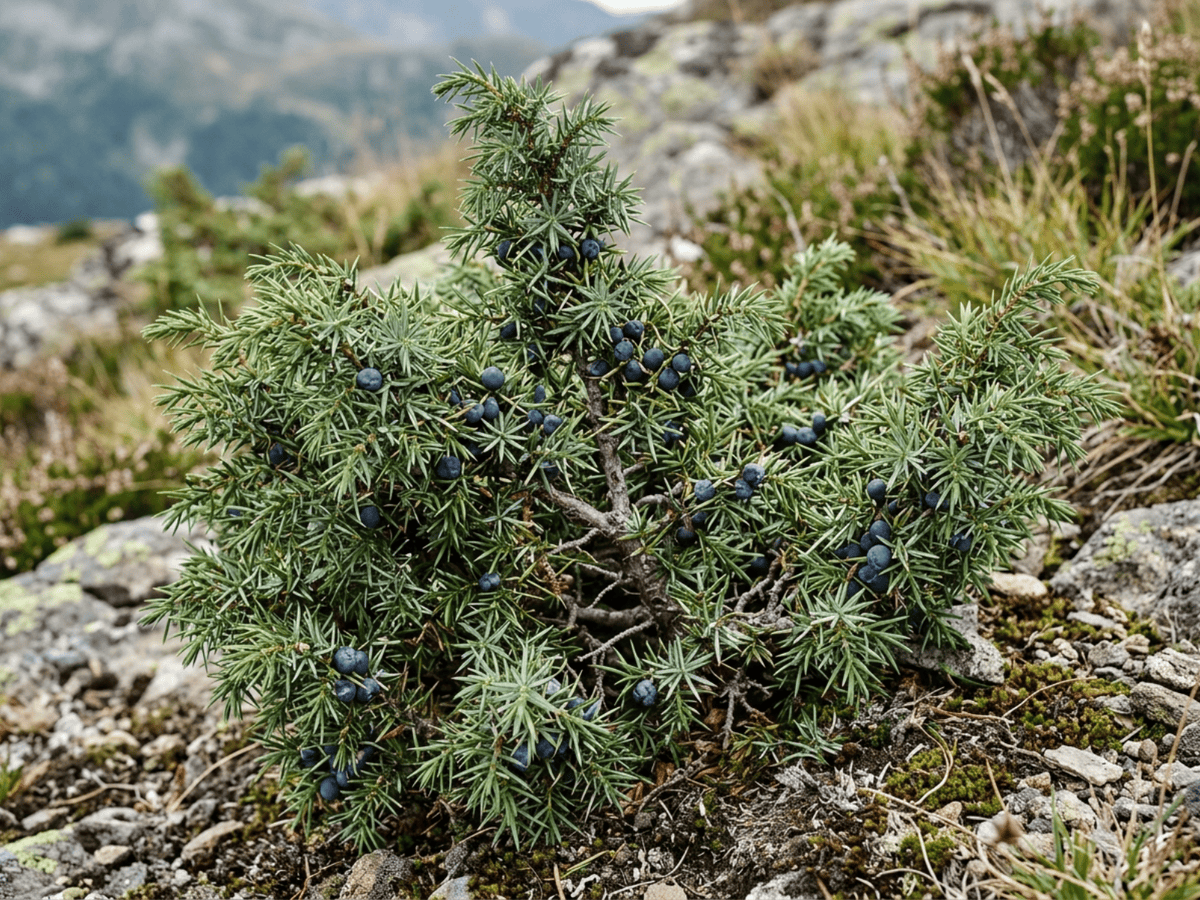
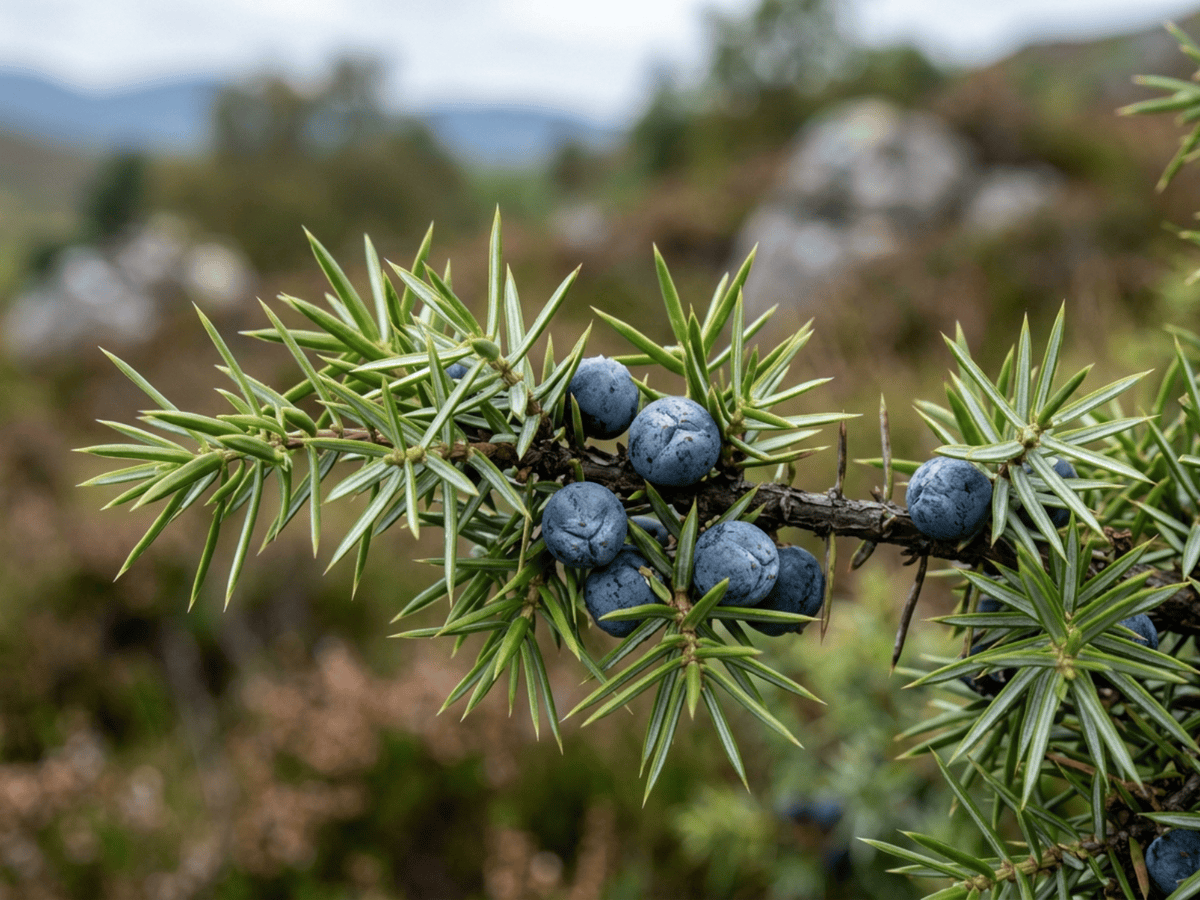
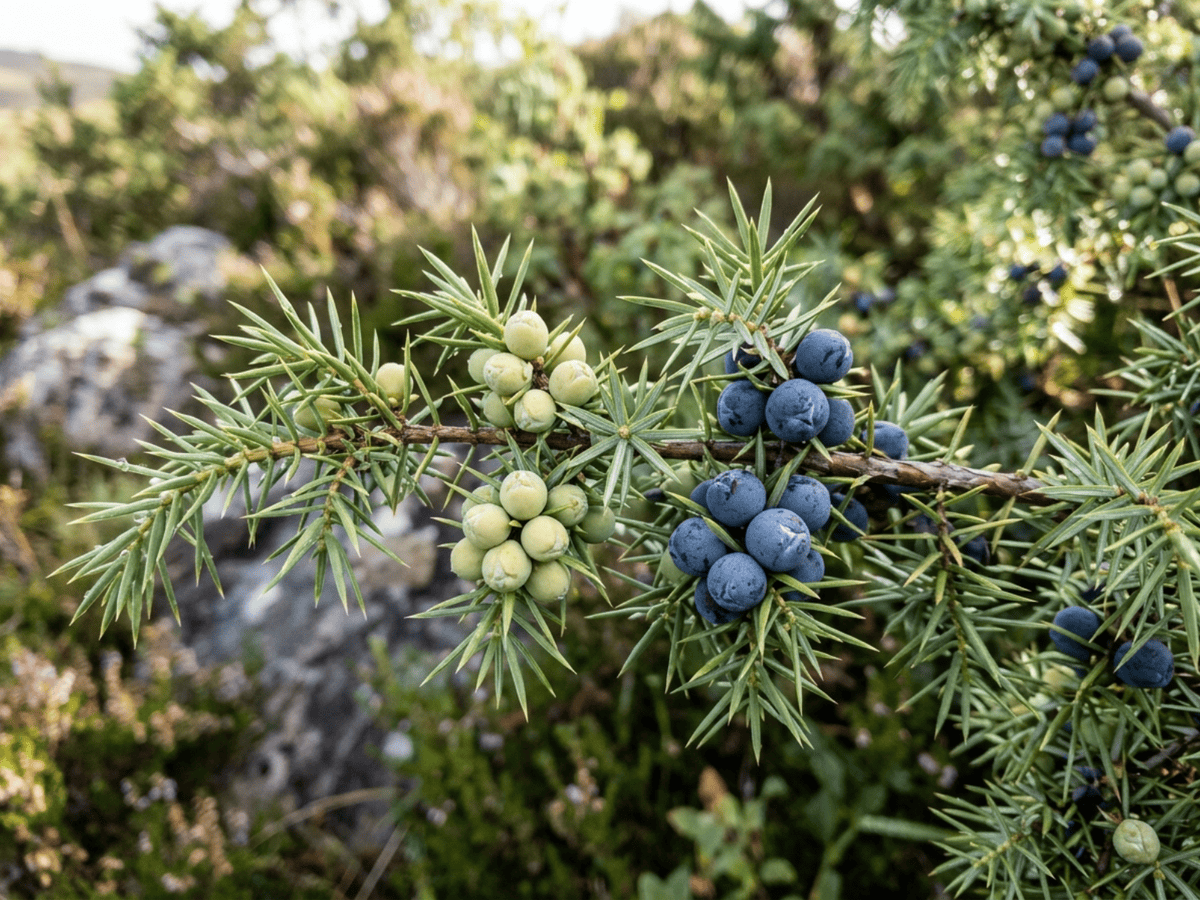
Juniperus communis, the common juniper, holds the distinction of being the most widely distributed conifer on Earth, found across North America, Europe, and Asia from sea level to alpine zones. This tough evergreen varies enormously in form — from prostrate ground-hugging mats in exposed mountain habitats to upright columnar shrubs reaching 5 to 10 meters. Its sharp, needle-like leaves are arranged in whorls of three, and the aromatic blue-black berry-like cones take two to three years to ripen. These juniper berries are the defining botanical ingredient in gin, giving the spirit both its flavor and its name (from Dutch 'jenever'). The berries are also used in Scandinavian and Central European cuisine to flavor game meats, sauerkraut, and smoked foods. Juniper thrives in poor, rocky, well-drained soils and full sun, and is exceptionally drought-tolerant and cold-hardy. Traditional herbalists have used juniper berries for centuries as a diuretic and digestive aid.
- Edible
- Drought-tolerant
- Cold-hardy
- Evergreen
How to care for Common Juniper
Watering
- Springevery 7 days
- Summerevery 5 days
- Fallevery 14 days
- Winterevery 30 days
Soil · Well-draining
- Top dressingPine bark mulch10%
- Main mixPotting soil + perlite 2:170%
- DrainageLECA / gravel20%
Never skip the drainage layer — standing water is the top cause of root rot.
FERTILIZER
Balanced Feed 14-14-14
An even feed covers all three needs at once, keeping leaves, roots and blooms moving together with nothing pushed out of balance.
- Nitrogen · Leaves
- Phosphorus · Roots + Blooms
- Potassium · Strength
- Springevery 60 days
At a Glance
- NativeNorth America
- Height5–30 ft (1.5–9.1 m)
- Spread5–12 ft (1.5–3.7 m)
- Flower colorYellow, Green
- Foliage colorGreen, Blue-green, Silver
- SoilSandy, Well-drained
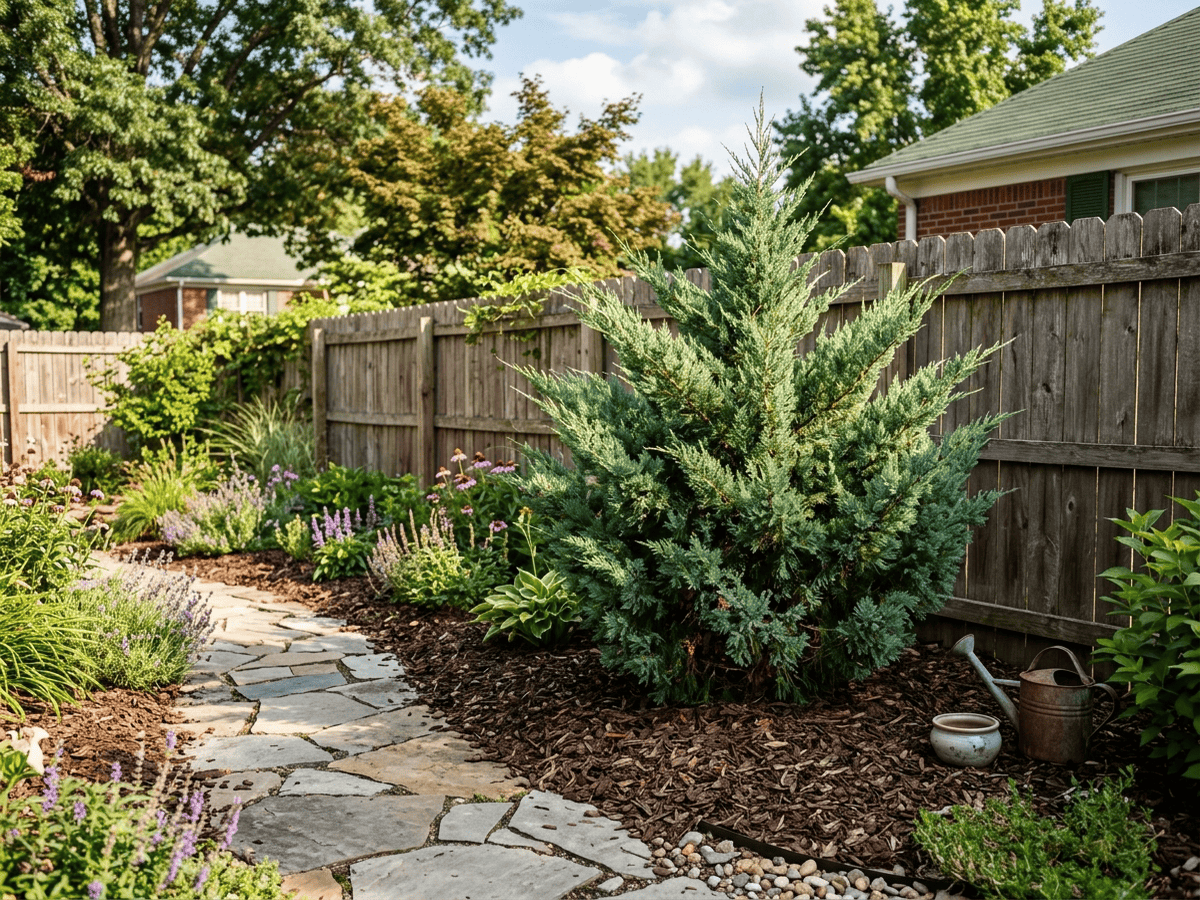
- LocationsYard
Bloom time
BLOOM CYCLE
Inconspicuous wind-pollinated flowers; blue-black berry cones develop over 2-3 years on female plants
Fragrance
MODERATE FRAGRANCE
Resinous, piney, gin-like aroma from crushed foliage and berries.
Toxicity
Humans Slight · Pets Slight
α-pinene, myrcene, sabinene, and terpinen-4-ol
Slight
- Fruit
- Ingestion
EXPOSURE Eating fruit.
EFFECT Berries used in cooking and distilling are safe and essential oil concentrated forms can irritate kidneys in overdose.
NOTE Documented concern for humans: Berries used in cooking and distilling are safe and essential oil concentrated forms can irritate kidneys in overdose.
Slight
- Fruit
- Leaf
- Ingestion
EXPOSURE Eating fruit and leaves.
EFFECT Mild gastrointestinal upset possible and small amounts in food are generally well tolerated.
NOTE Not listed by ASPCA. Culinary use safe; pregnant women and people with kidney disease should avoid concentrated juniper oil.
Slight
- Fruit
- Leaf
- Ingestion
EXPOSURE Eating fruit and leaves.
EFFECT Mild gastrointestinal upset.
NOTE Not listed by ASPCA. Culinary use safe; pregnant women and people with kidney disease should avoid concentrated juniper oil.
Educational information, not medical or veterinary advice. If exposure is suspected, contact a doctor or veterinarian.
DISTRIBUTION


- Native
- Introduced
- North America
History

Juniperus communis has the widest geographic distribution of any woody plant in the world, spanning the entire circumpolar Northern Hemisphere from the Arctic tundra of Alaska, Canada, Scandinavia, and Siberia south to mountain refugia in the Mediterranean, Himalaya, and Rocky Mountains. Its cones — cone-like structures that look like berries and are therefore traditionally called "juniper berries" — require two to three years to mature, turning from green through purple to blue-black with a waxy bloom. The berries' strong piney-resinous flavor has been used for millennia: ancient Egyptian medicinal papyri mention juniper (though probably using imported Mediterranean species), Roman cooks flavored game with them, and medieval European monastics distilled juniper spirits.
The modern gin tradition originated in 17th-century Netherlands as "genever" (from French "genièvre," juniper), a malt-grain spirit flavored with juniper developed as a medicinal tonic; British soldiers fighting in the Netherlands during the Eighty Years' War brought the taste home, and the subsequent 18th-century "Gin Craze" in London redefined the spirit. In Scandinavian tradition, juniper branches were burned to cleanse homes and barns of evil spirits.
Juniper berries also flavor sauerkraut, game meats, gravlax, and the Finnish beer "sahti." Indigenous Plains and Great Basin Native American peoples used juniper smoke ceremonially.
Symbolism & meaning
What It Symbolizes
Common Juniper is the tree of sanctuary — across European folklore, it was traditionally believed to provide shelter and protection from evil. Paired with purification, burning juniper branches has been a cleansing ritual across cultures from Tibet to the Scottish Highlands for millennia. To grow it is to keep one of humanity's oldest protective plants close — both shield and incense in living form.
- Sanctuary — Juniper was traditionally believed to provide shelter and protection from evil
- Purification — Burning juniper branches has been a cleansing ritual across many cultures for millennia
Where the Name Comes From
Juniperus is the classical Latin name for juniper, possibly from 'junio' (young) and 'parere' (to produce), referring to new berries appearing before old ones ripen. Communis means 'common' in Latin.
Uses & Fun Facts
- Aromatic blue cones flavor gin, sauerkraut, and game dishes
- Traditional herbal remedy for digestion and urinary complaints
- Berries and dense cover support cedar waxwings and grouse
Related plants
More Juniperus plants
 Chinese JuniperJuniperus chinensis
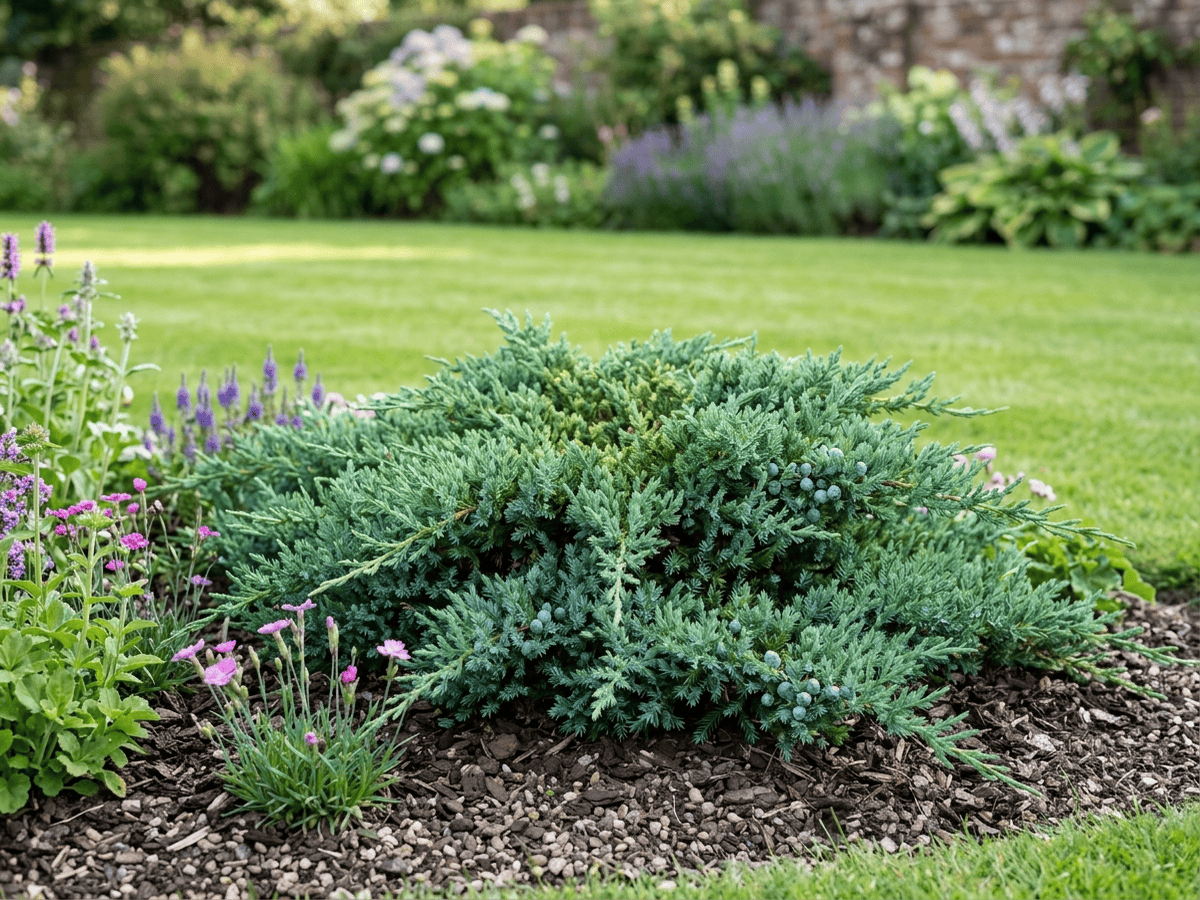 Shore JuniperJuniperus conferta
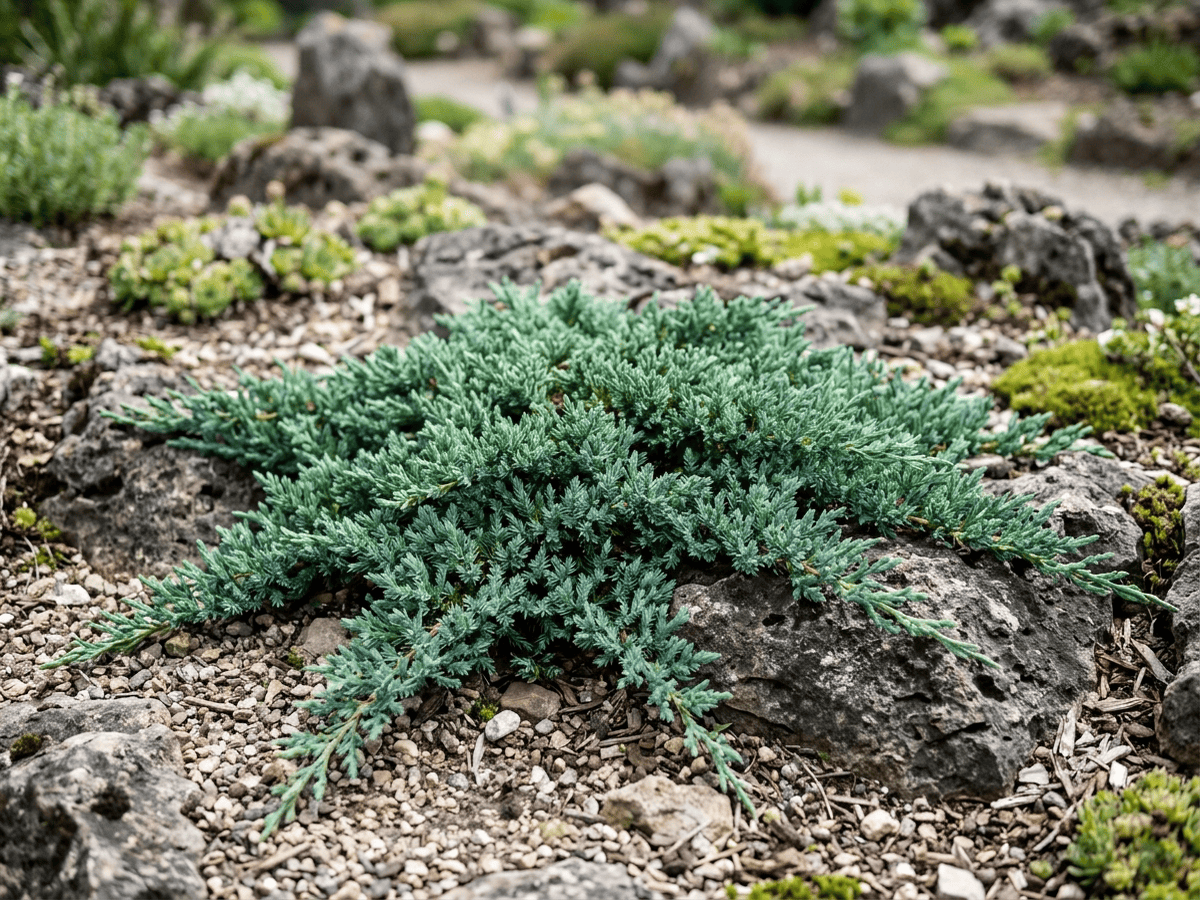 Creeping JuniperJuniperus horizontalis
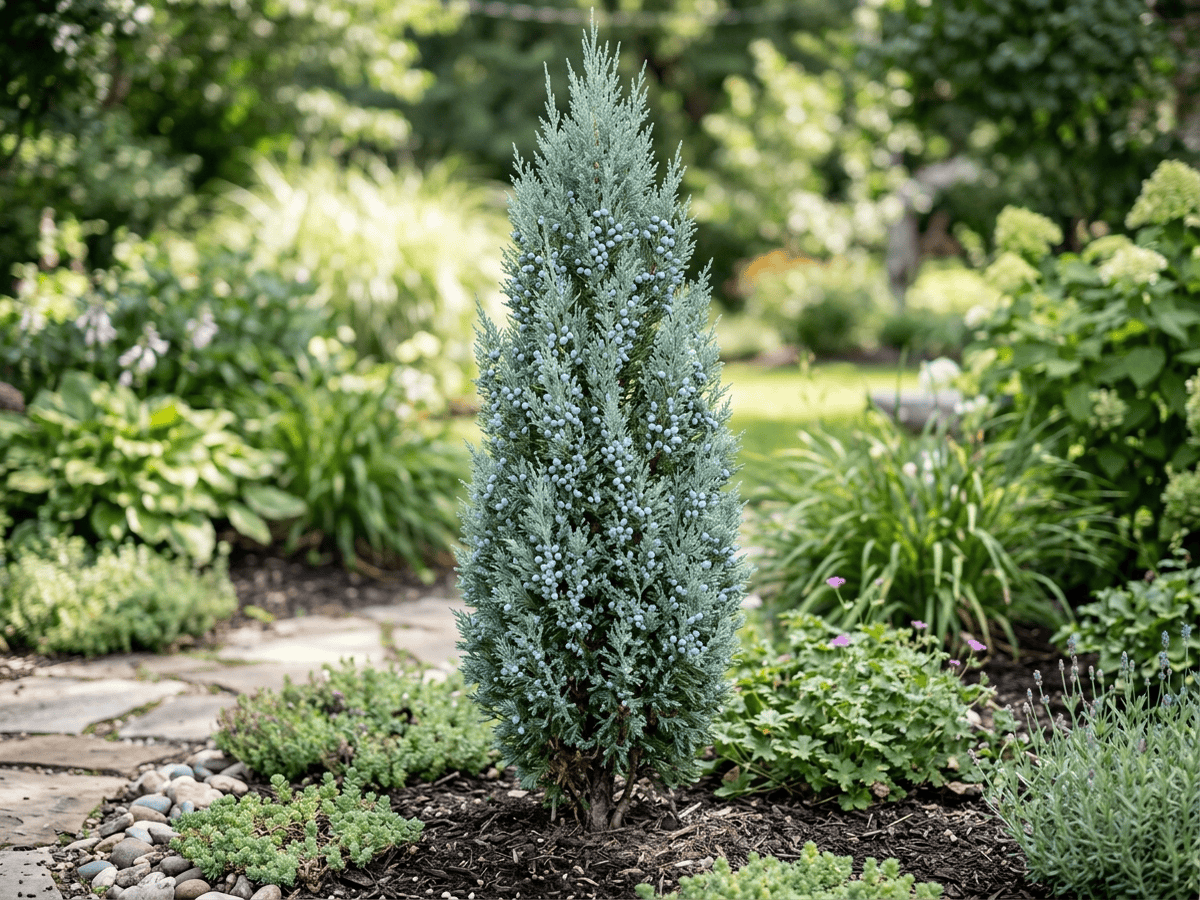 Rocky Mountain JuniperJuniperus scopulorum
Plants with similar care
 Chinese AbeliaAbelia chinensis
 Fragrant AbeliaAbelia mosanensis
 Large-Flowered AbeliaAbelia uniflora
 Glossy AbeliaAbelia x grandiflora
Frequently asked questions
How often should I water Common Juniper?
In summer, water about every 5 days; in winter, about every 30 days. Adjust for heat, pot size and drainage.
How much light does Common Juniper need?
Full sun: 6+ hrs direct. Watch the leaves — scorching or stretching means the light needs adjusting.
Is Common Juniper toxic to cats or dogs?
Pets Slight (Dogs Slight · Cats Slight) Educational information, not medical or veterinary advice. If exposure is suspected, contact a doctor or veterinarian.
Is Common Juniper easy to grow?
Yes — it is considered an easy, beginner-friendly plant.
YardMate
Identify any plant in seconds
Snap a photo — YardMate names the plant, diagnoses problems, and reminds you when to water.
Download on the App Store