 YardMate


Creeping Juniper
Juniperus horizontalis
Easy · Beginner friendlyAbout Creeping Juniper
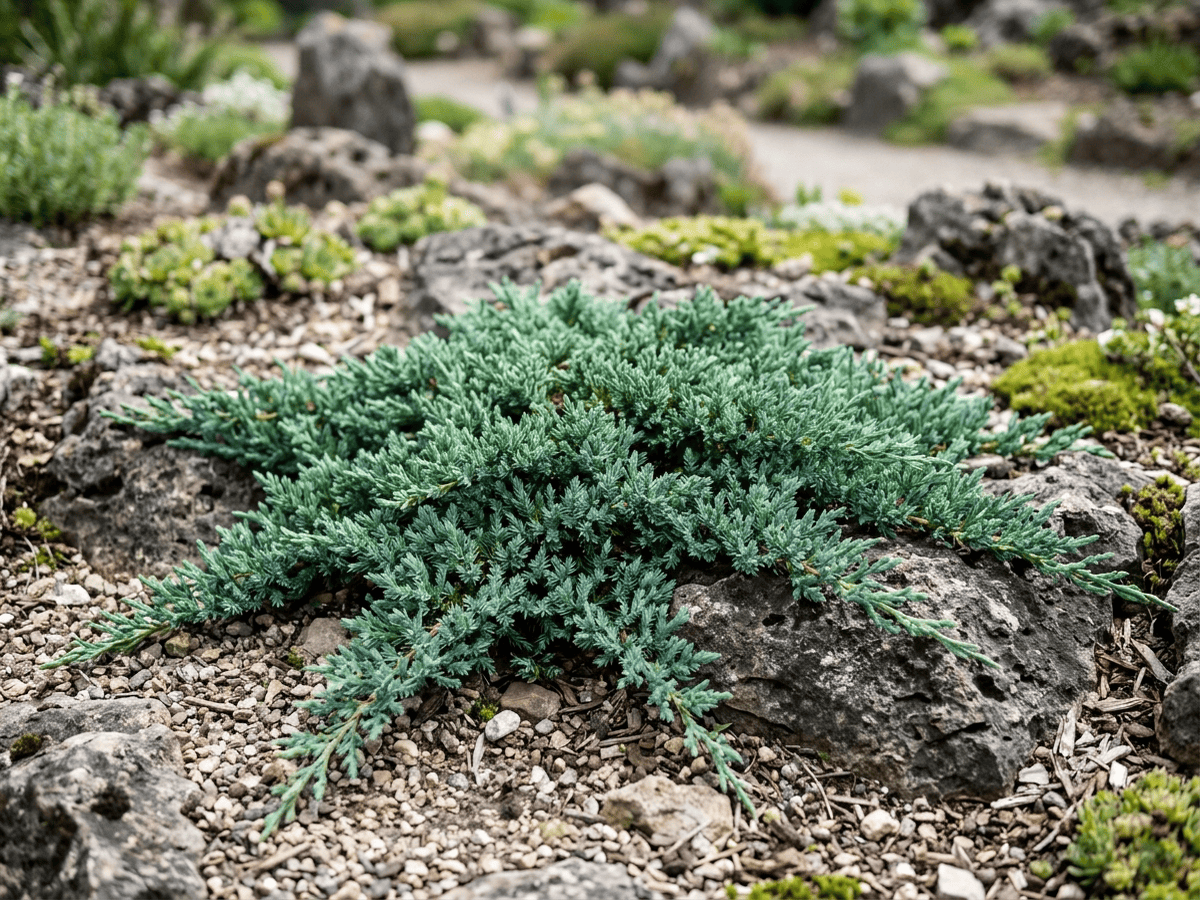
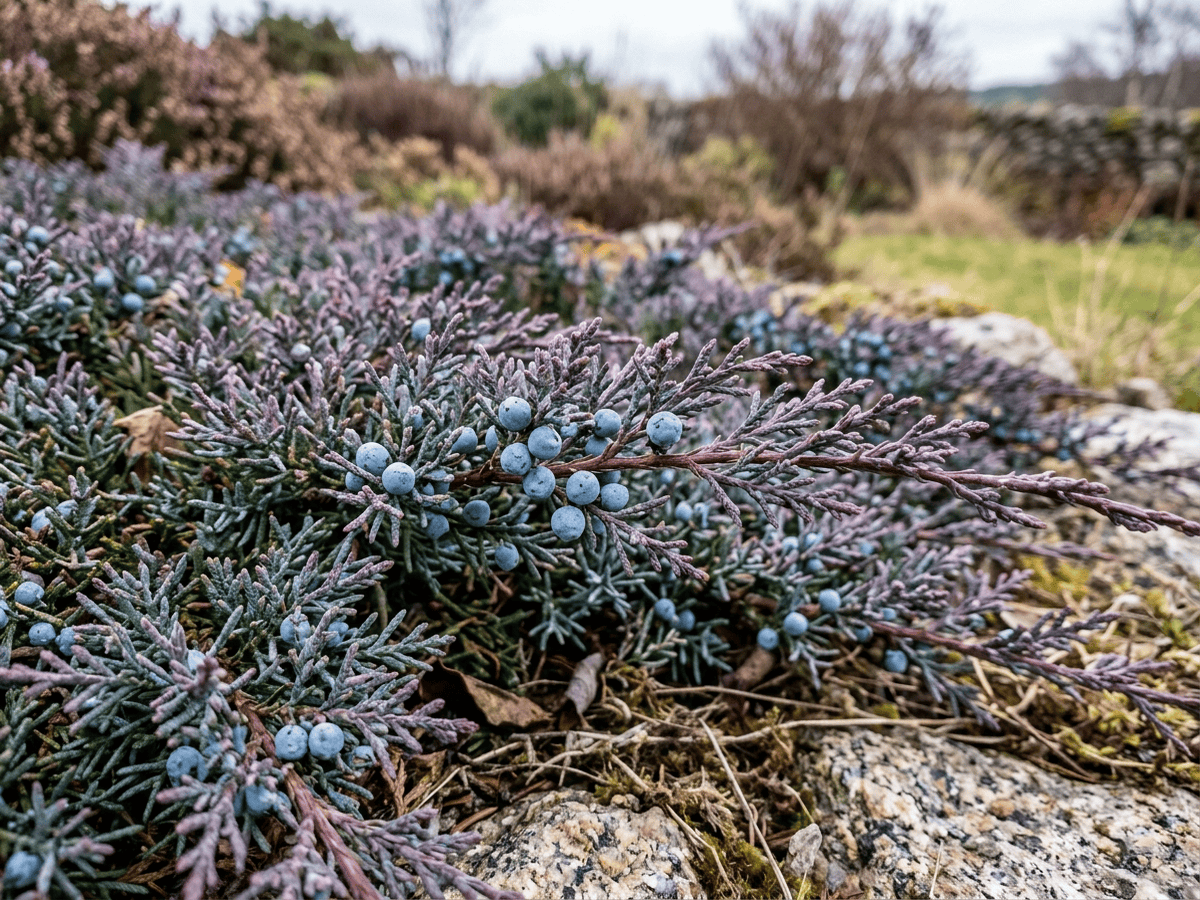
Creeping Juniper is a low-growing native groundcover juniper of northern North America, reaching 6-18 inches tall and spreading 6-8 feet wide. Dense scale-like foliage in gray-green to blue-green carpets the ground and often turns plum-purple in winter. Exceptionally tolerant of rocky soils, heat, cold, and drought, it is a workhorse groundcover for slopes, rock gardens, and difficult landscapes across the northern and central US.
- Drought-tolerant
- Cold-hardy
- Groundcover
- Evergreen
How to care for Creeping Juniper
Watering
- Springevery 14 days
- Summerevery 10 days
- Fallevery 21 days
- Winterevery 30 days
Soil · Well-draining
- Top dressingPine bark mulch10%
- Main mixPotting soil + perlite 2:170%
- DrainageLECA / gravel20%
Never skip the drainage layer — standing water is the top cause of root rot.
FERTILIZER
- Springevery 60 days
At a Glance
- NativeNorth America
- Height0.5–1.5 ft (0.2–0.5 m)
- Spread4–8 ft (1.2–2.4 m)
- Flower colorYellow, Green
- Foliage colorBlue-green, Silver, Green, Purple
- Fruit colorBlue
- SoilSandy, Well-drained
- LocationsYard
Bloom time
BLOOM CYCLE
Inconspicuous
Fragrance
MODERATE FRAGRANCE
The foliage has a resinous juniper scent.
Toxicity
Humans Slight · Pets Slight
thujone and cedrol
Slight
- Leaf
- Fruit
- Ingestion
EXPOSURE Eating leaves and fruit.
EFFECT GI upset from essential oils.
NOTE Juniper essential oils cause mild GI upset; pregnant women should avoid internal use.
Slight
- Fruit
- Leaf
- Ingestion
EXPOSURE Eating fruit and leaves.
EFFECT Vomiting, diarrhea.
NOTE Juniper essential oils cause mild GI upset; pregnant women should avoid internal use.
Slight
- Fruit
- Leaf
- Ingestion
EXPOSURE Eating fruit and leaves.
EFFECT Vomiting, diarrhea.
NOTE Juniper essential oils cause mild GI upset; pregnant women should avoid internal use.
Educational information, not medical or veterinary advice. If exposure is suspected, contact a doctor or veterinarian.
DISTRIBUTION


- Native
- North America
History
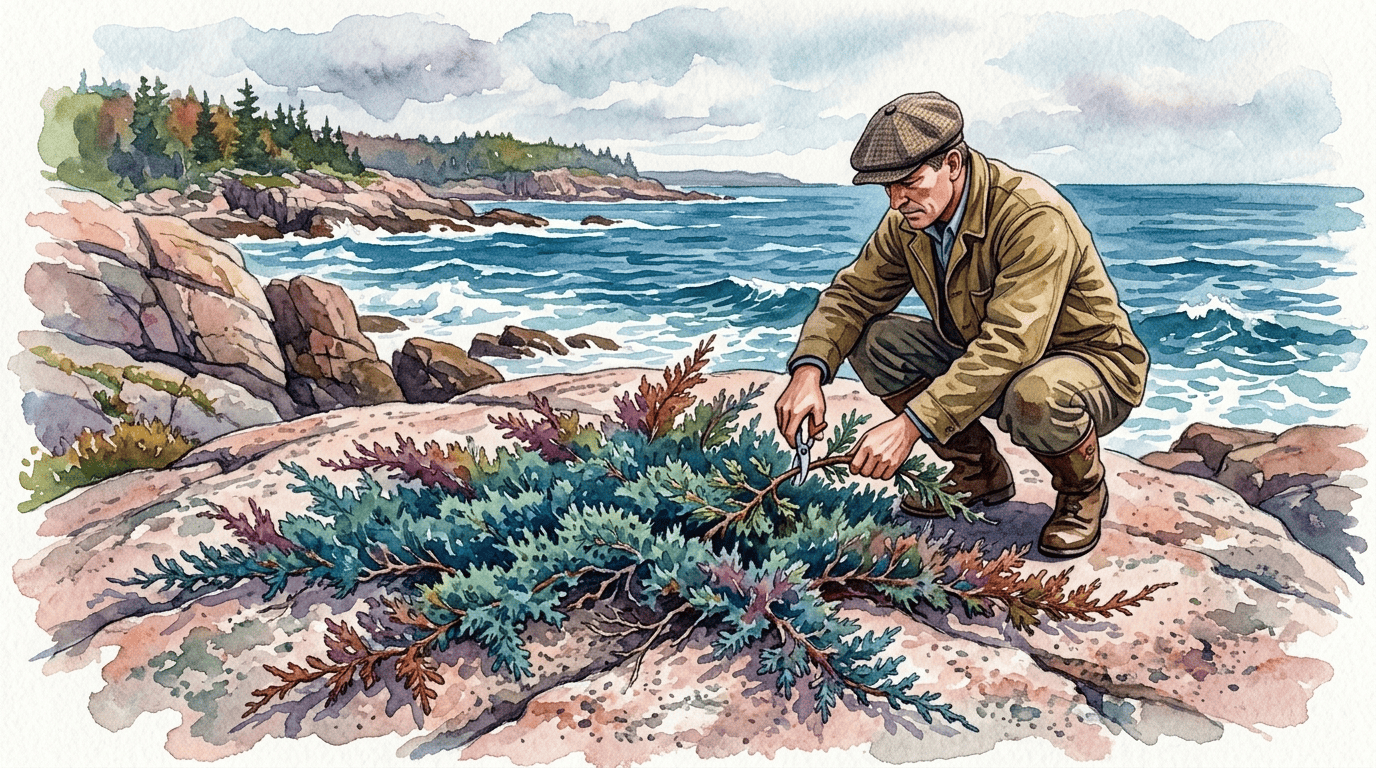
Juniperus horizontalis occurs across the northern latitudes of North America from Alaska and the Yukon east to Newfoundland and south into the northern tier of US states, typically on exposed rocky outcrops, dunes, and boreal openings where taller conifers cannot persist. German botanist Conrad Moench described the species in 1794, the epithet horizontalis describing its strictly prostrate growth habit—it is the only fully ground-hugging juniper native to North America, rarely exceeding 30 cm in height but spreading several meters. The natural ground-clinging form combined with its intense blue-green to purple winter color gave rise to dozens of horticultural selections: 'Bar Harbor' collected from coastal Maine in the 1930s, 'Blue Rug' (also called 'Wiltonii') introduced from Vinalhaven Island, 'Plumosa' (Andorra juniper), 'Blue Chip', and 'Prince of Wales' are among the most widely planted evergreen groundcovers in North American landscapes, particularly on banks, parking lots, and cemeteries.
Native to northern North America from the Arctic to the Appalachians. The cultivar 'Bar Harbor' was selected from wild plants on the Maine coast and remains a standard groundcover juniper.
'Blue Chip' and 'Wiltonii' are other enduringly popular cultivars for American landscapes.
Symbolism & meaning
What It Symbolizes
Creeping Juniper offers protection, hugging soil with dense evergreen branches that prevent erosion and stabilize slopes. Its remarkable adaptability — thriving from Arctic tundra to Appalachian ridges — suggests a quiet, generous toughness. A groundcover that lays its body down on whatever ground it is given and slowly, steadily, holds the world in place.
- Protection — covers and stabilizes soil
- Adaptability — thrives from Arctic to Appalachians
Where the Name Comes From
The name Creeping Juniper describes its low, spreading habit. 'Horizontalis' means 'lying flat', for the prostrate growth habit.
Uses & Fun Facts
- Low evergreen mats blanket slopes and erosion-prone banks
- Blue-green needled juniper for sunny rock and gravel gardens
Related plants
More Juniperus plants
 Chinese JuniperJuniperus chinensis
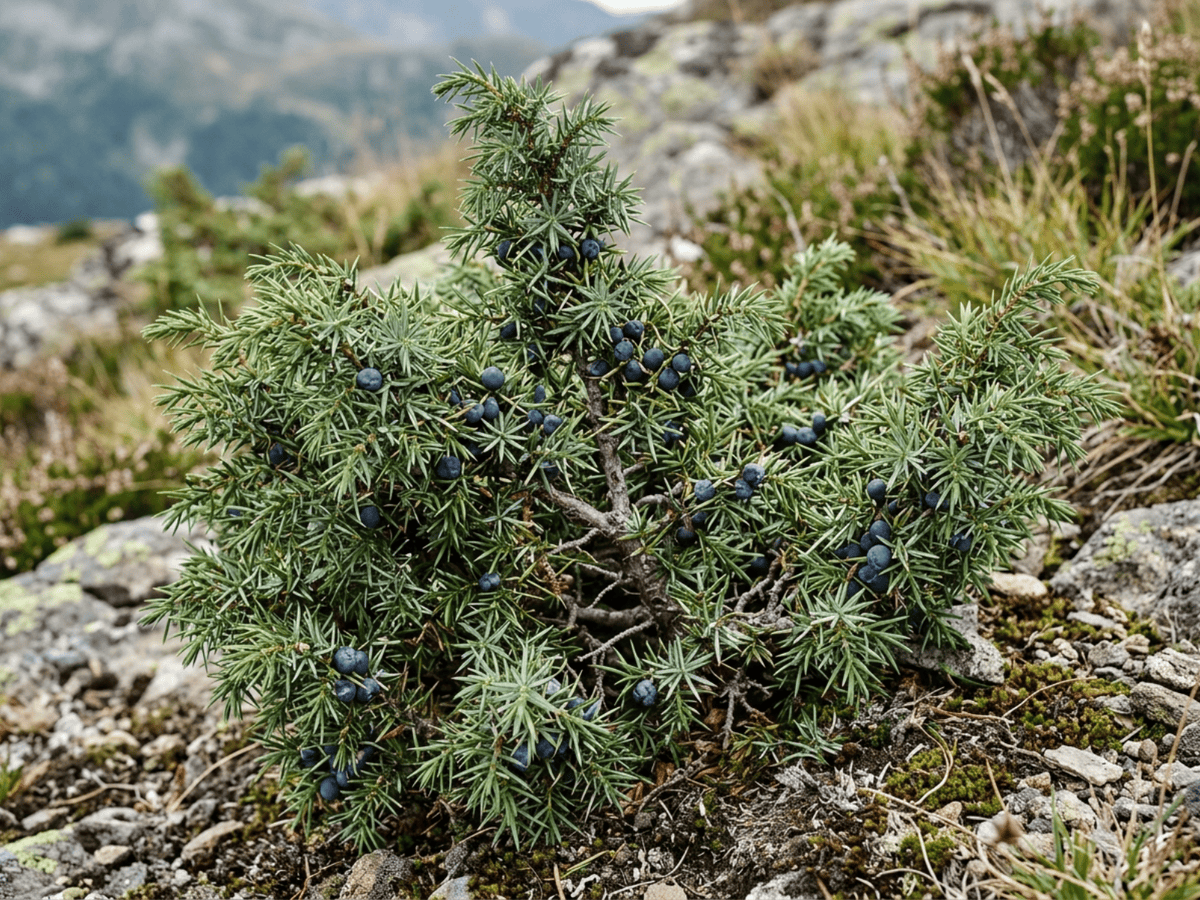 Common JuniperJuniperus communis
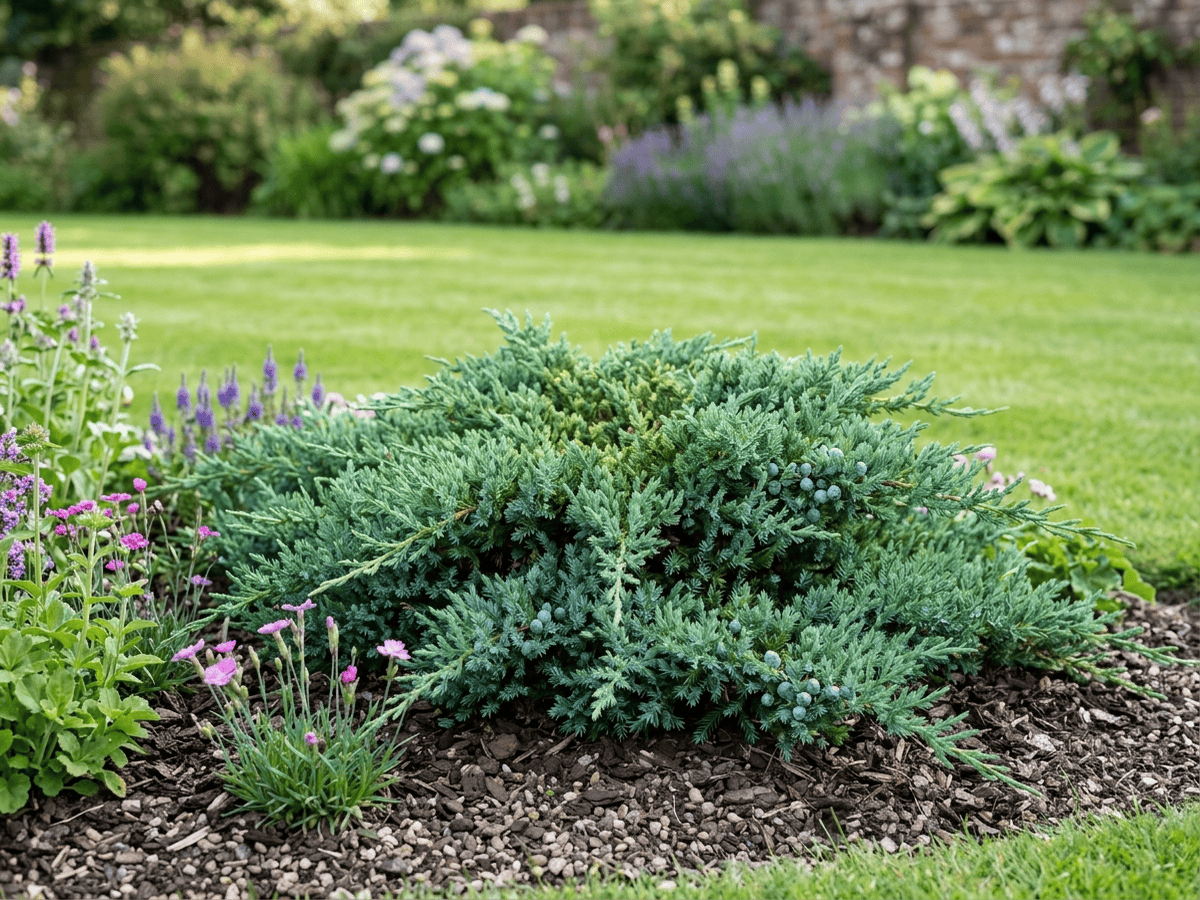 Shore JuniperJuniperus conferta
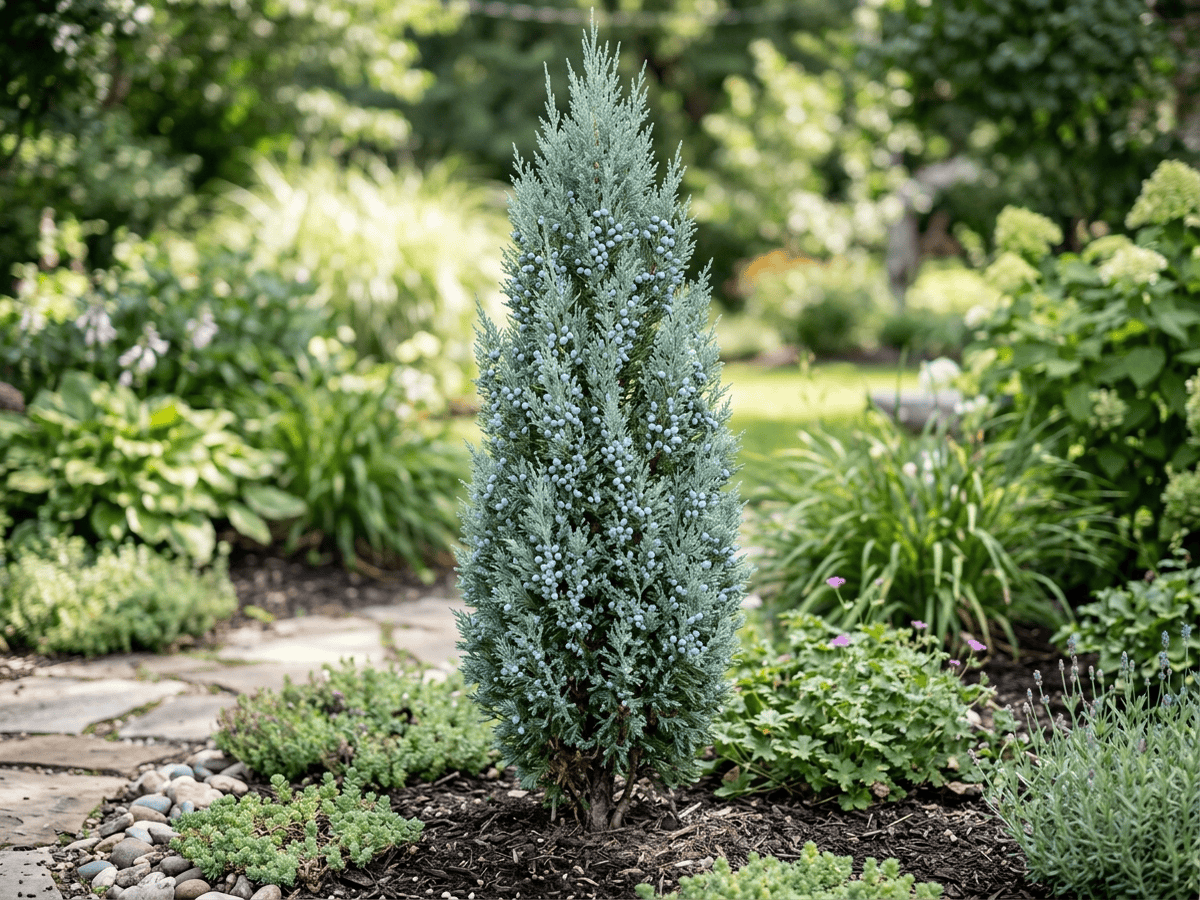 Rocky Mountain JuniperJuniperus scopulorum
Plants with similar care
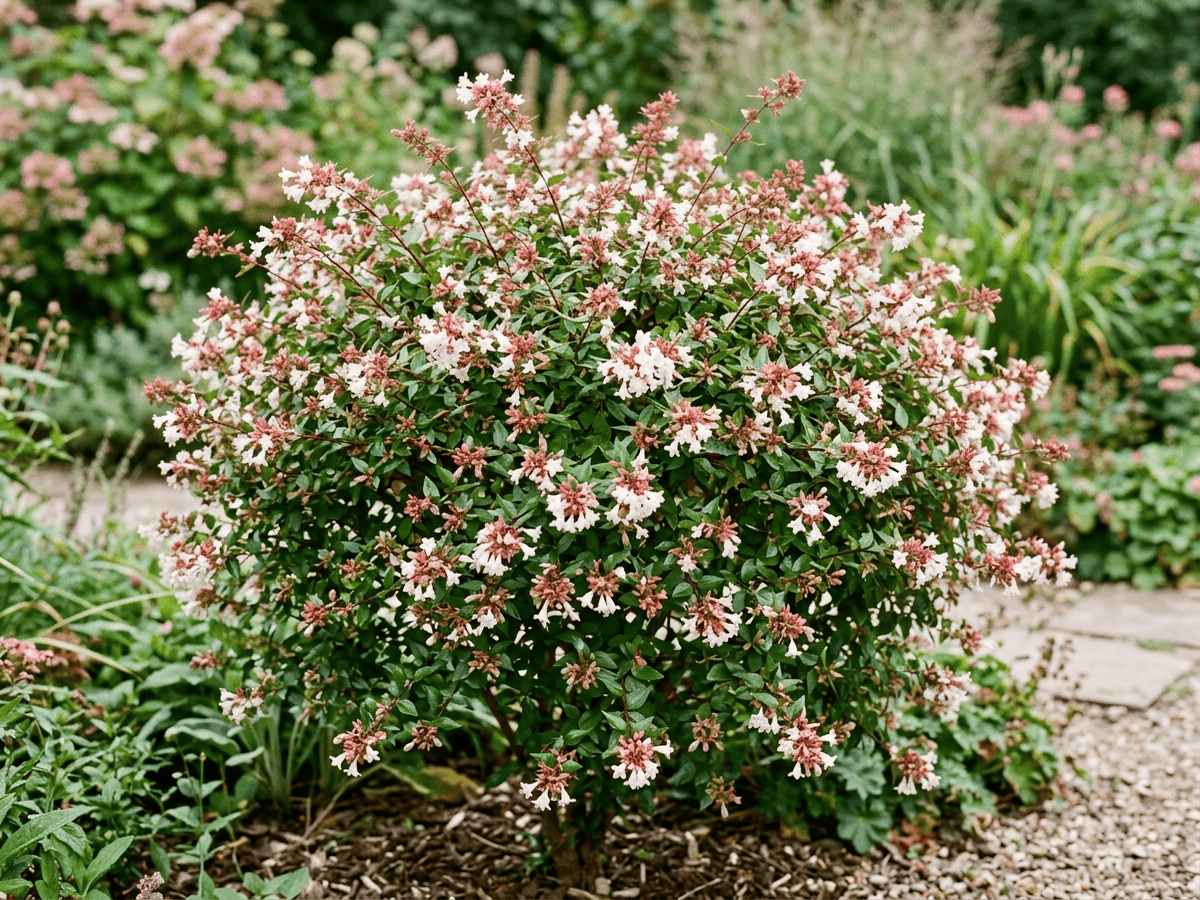 Chinese AbeliaAbelia chinensis
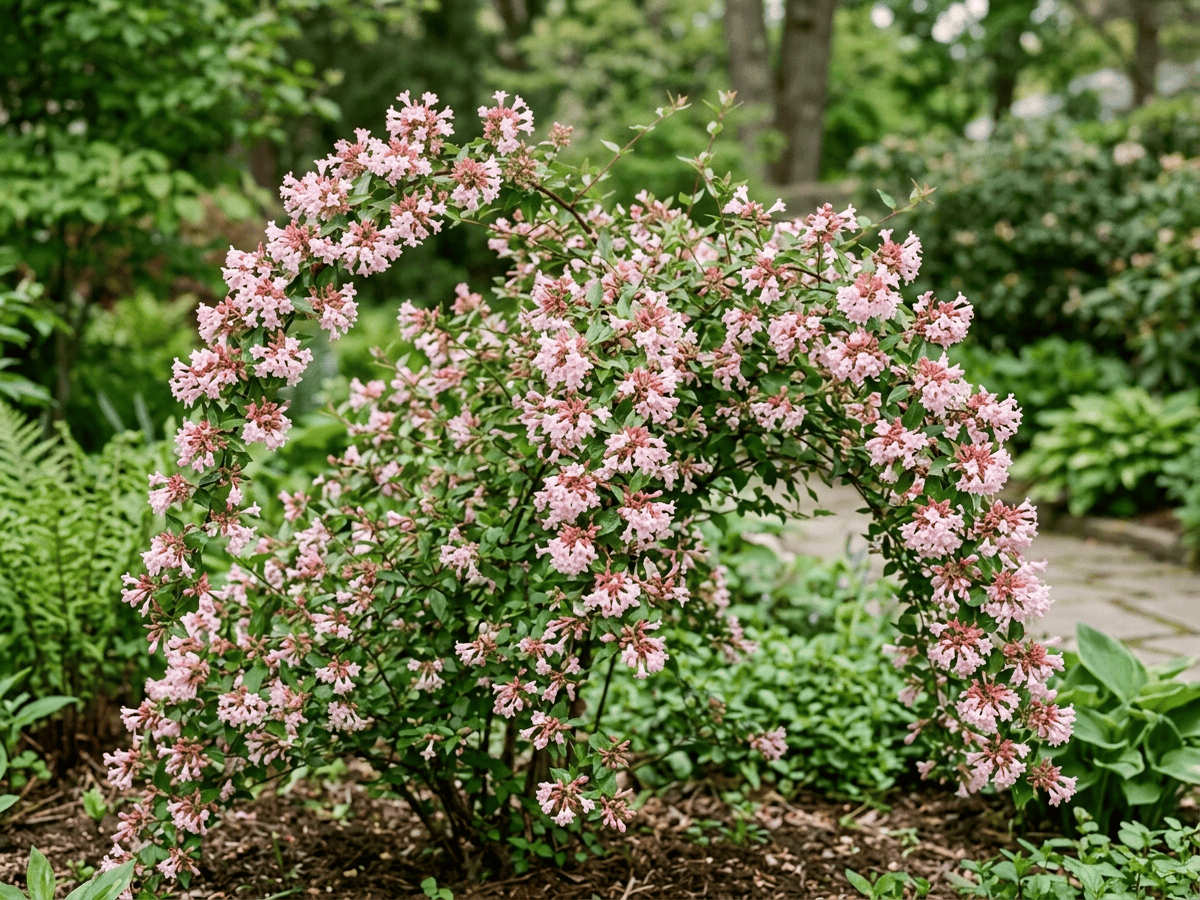 Fragrant AbeliaAbelia mosanensis
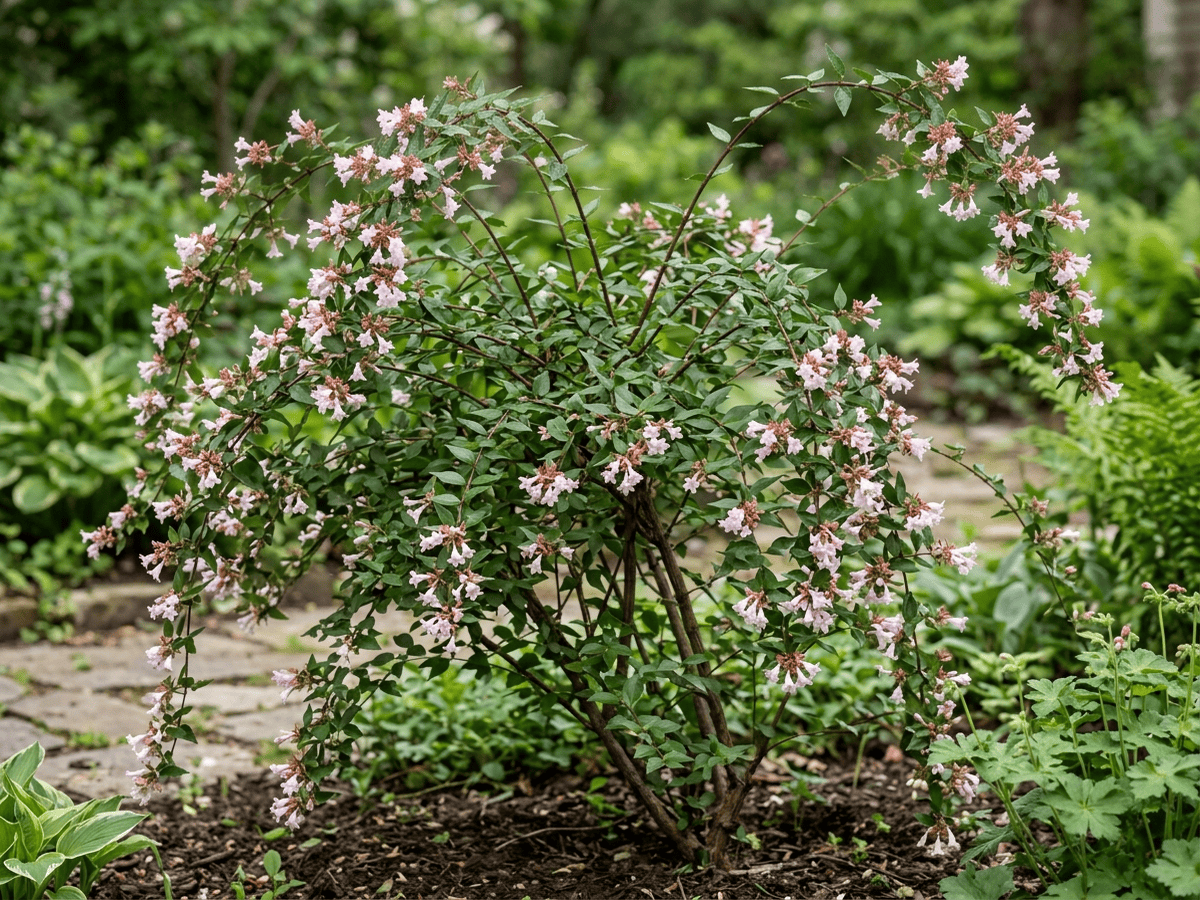 Large-Flowered AbeliaAbelia uniflora
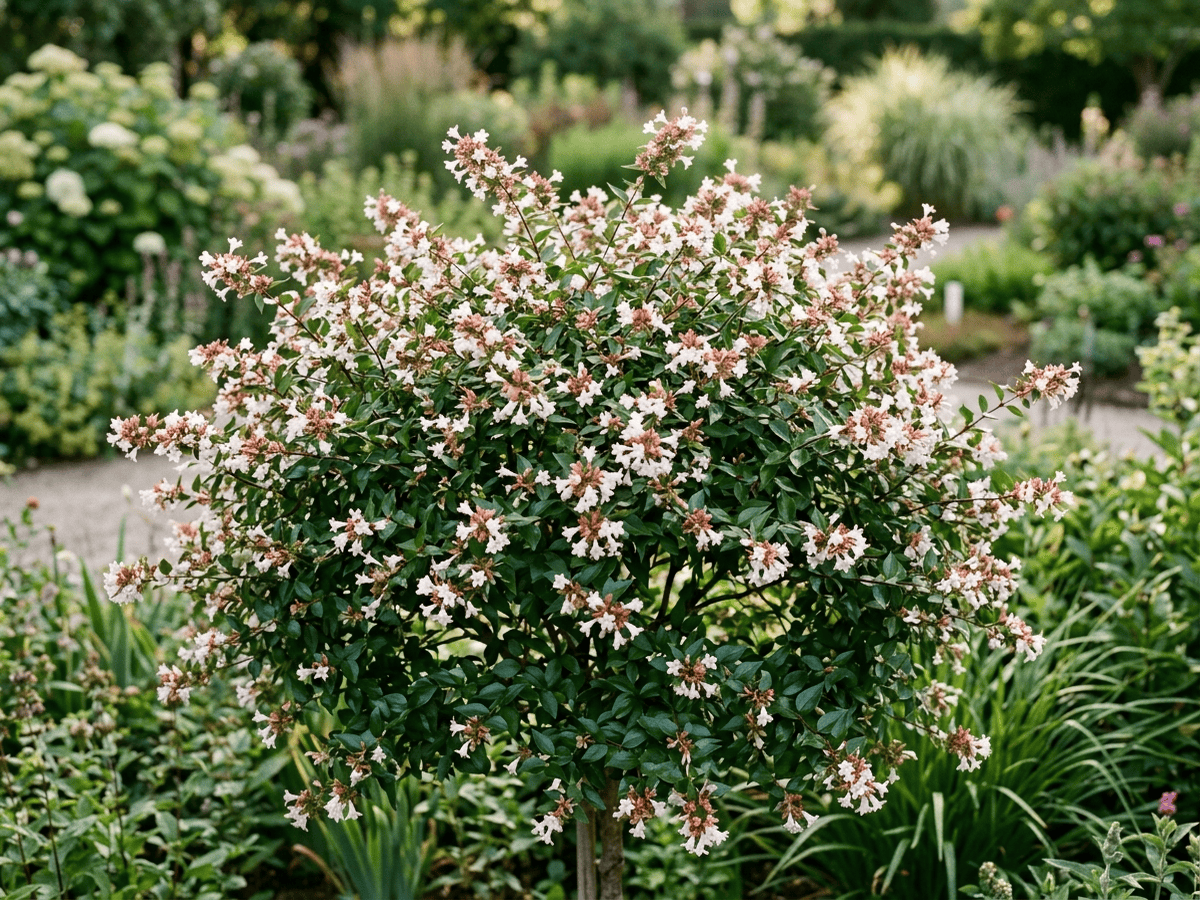 Glossy AbeliaAbelia x grandiflora
Frequently asked questions
How often should I water Creeping Juniper?
In summer, water about every 10 days; in winter, about every 30 days. Adjust for heat, pot size and drainage.
How much light does Creeping Juniper need?
Full sun: 6+ hrs direct. Watch the leaves — scorching or stretching means the light needs adjusting.
Is Creeping Juniper toxic to cats or dogs?
Pets Slight (Dogs Slight · Cats Slight) Educational information, not medical or veterinary advice. If exposure is suspected, contact a doctor or veterinarian.
Is Creeping Juniper easy to grow?
Yes — it is considered an easy, beginner-friendly plant.
YardMate
Identify any plant in seconds
Snap a photo — YardMate names the plant, diagnoses problems, and reminds you when to water.
Download on the App Store