 YardMate

Shore Juniper
Juniperus conferta
Easy · Beginner friendlyAbout Shore Juniper
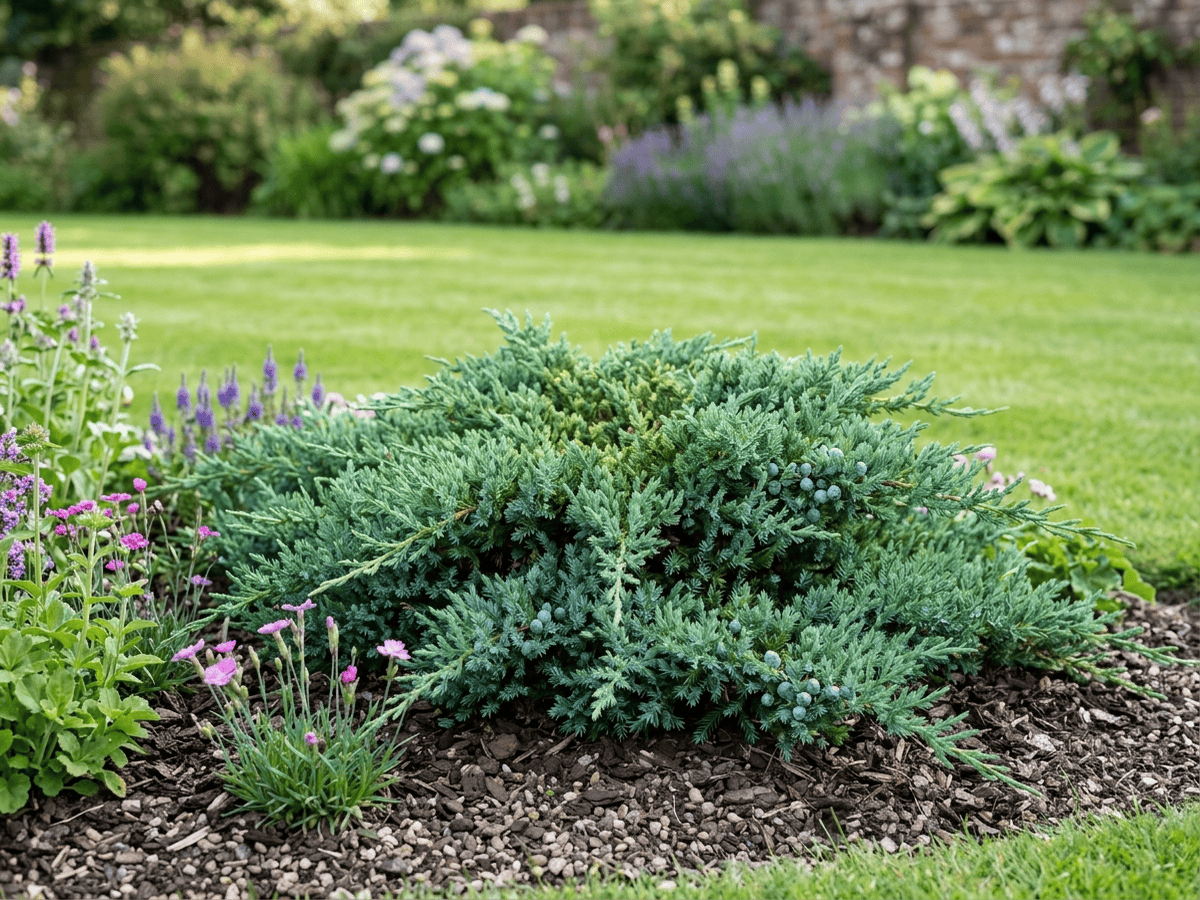
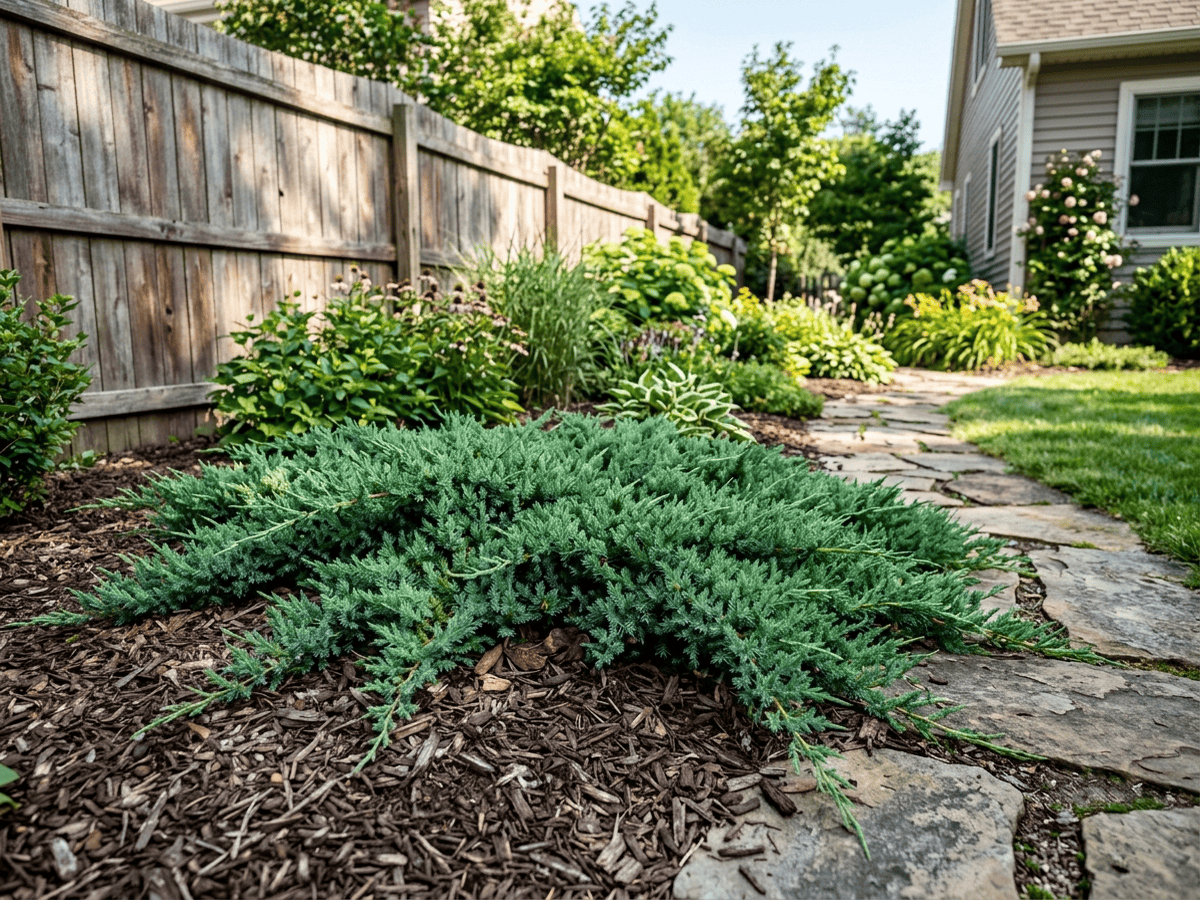
Shore Juniper is a low-spreading evergreen conifer native to Japanese coastal dunes, reaching only 12-18 inches tall but spreading 6-9 feet wide. Its soft needle-like blue-green foliage forms a dense salt-tolerant carpet ideal for slopes, seaside gardens, and cascading over walls. Highly drought-tolerant once established, it thrives in sandy, well-drained soils where many plants fail. The cultivar 'Blue Pacific' is widely planted across coastal California, Oregon, and the Atlantic seaboard.
- Drought-tolerant
- Groundcover
- Evergreen
How to care for Shore Juniper
Watering
- Springevery 14 days
- Summerevery 21 days
- Fallevery 21 days
- Winterevery 45 days
Soil · Well-draining
- Top dressingPine bark mulch10%
- Main mixPotting soil + perlite 2:170%
- DrainageLECA / gravel20%
Never skip the drainage layer — standing water is the top cause of root rot.
FERTILIZER
- Springevery 60 days
At a Glance
- NativeEast Asia
- Height1–2 ft (0.3–0.6 m)
- Spread6–9 ft (1.8–2.7 m)
- Foliage colorGreen, Blue-green
- Fruit colorBlue, Black
- SoilSandy, Well-drained
- LocationsYard
Bloom time
BLOOM CYCLE
Gymnosperm; tiny yellowish male cones and bluish female cones in spring, not showy
Fragrance
MODERATE FRAGRANCE
Resinous juniper aroma from crushed needles and wood.
Toxicity
Humans Slight · Pets Slight
monoterpenes and podophyllotoxin analogs (trace)
Slight
- Leaf
- Fruit
- Ingestion
EXPOSURE Eating leaves and fruit.
EFFECT Gastrointestinal upset.
NOTE Documented concern for humans: Gastrointestinal upset.
Slight
- Leaf
- Fruit
- Ingestion
EXPOSURE Eating leaves and fruit.
EFFECT Vomiting and diarrhea.
NOTE Juniperus species not on ASPCA toxic list but can cause GI upset.
Slight
- Leaf
- Fruit
- Ingestion
EXPOSURE Eating leaves and fruit.
EFFECT Vomiting and diarrhea.
NOTE Juniperus species not on ASPCA toxic list but can cause GI upset.
Educational information, not medical or veterinary advice. If exposure is suspected, contact a doctor or veterinarian.
DISTRIBUTION


- Native
- Introduced
- East Asia
History
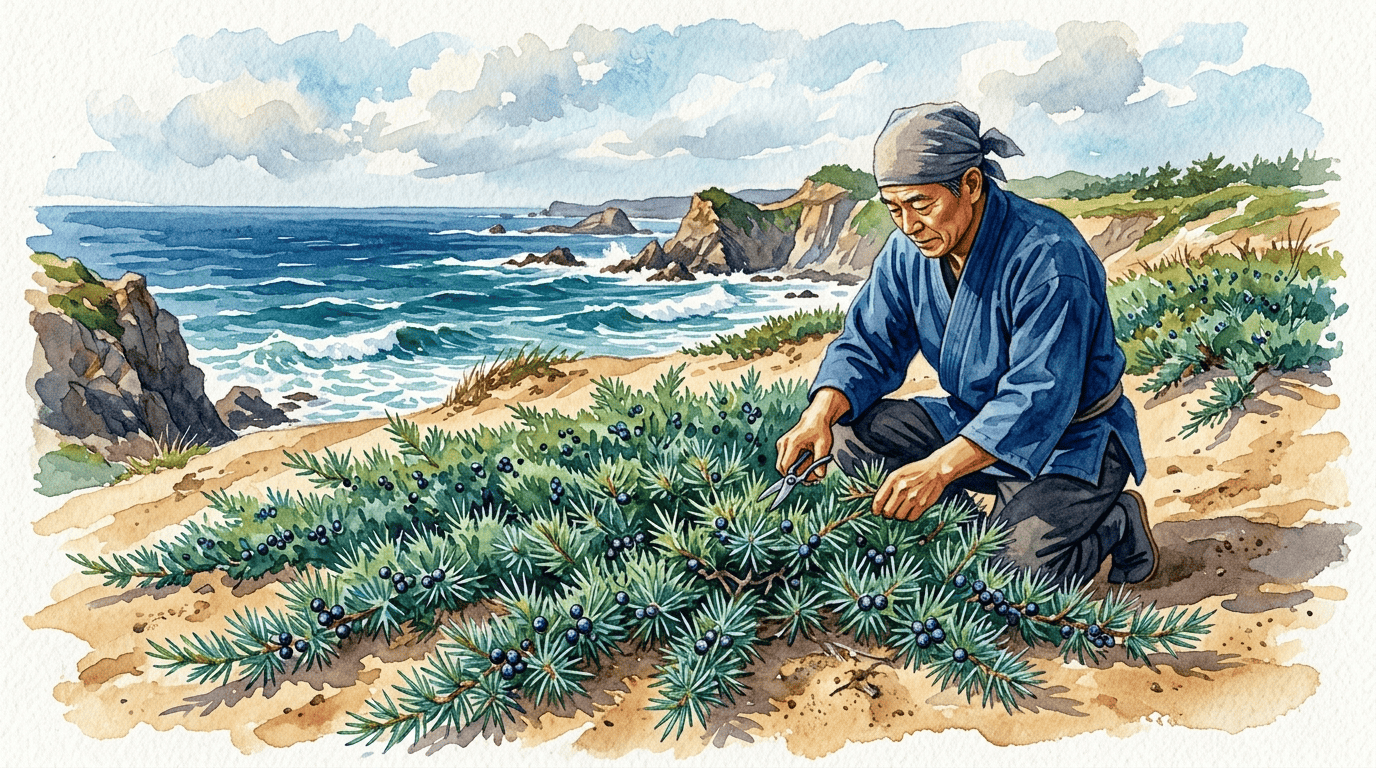
Juniperus conferta, shore juniper or sand juniper, is a prostrate evergreen coniferous shrub native to sandy coastal dunes and cliffs of Japan (Honshu, Shikoku, Kyushu), Sakhalin, and Kuril Islands, with populations also in northeastern China and Korea. Italian botanist Filippo Parlatore described it in 1868. Recent molecular work has led many authorities to reclassify it as a subspecies or variety of the more upright temple juniper, Juniperus rigida subsp. conferta, though horticultural trade retains the original binomial.
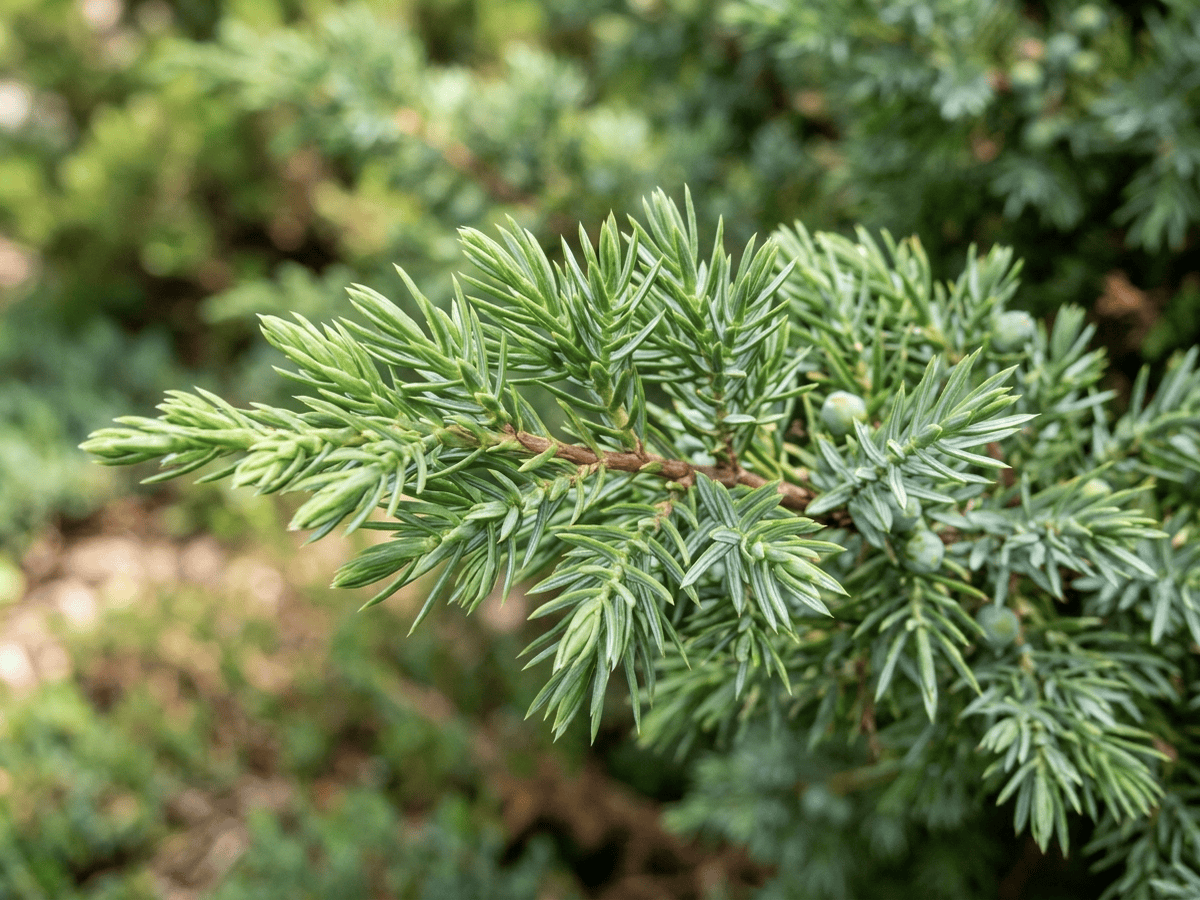
The plant forms dense 30-45 cm tall mats spreading 2-3 meters wide with extremely sharp 10-15 mm bright green to blue-green awl-shaped needles in whorls of three. Small bluish-black berry-like cones mature over two years. The species has been prized in Japan for dry coastal gardens for centuries and became internationally important in 1960s-70s seaside landscaping.
Popular cultivars include 'Blue Pacific' (the dominant trade form, introduced by Monrovia in 1974), 'Emerald Sea', and 'Silver Mist'. Introduced to American horticulture in the late 19th century and adopted widely after WWII for highway plantings. The 'Blue Pacific' cultivar was selected at Monrovia Nursery in California and became the standard groundcover juniper for the western United States.
Symbolism & meaning
What It Symbolizes
Shore Juniper offers protection, its dense low growth shielding slopes from wind and erosion where loose sand and salt spray defeat most other plants. Its endurance is remarkable, thriving in the very conditions that limit its competition. It is often read as a flower of quiet stewardship, a coastal evergreen whose work is to hold ground steady for everything that grows behind its, a guardian disguised as a humble groundcover.
- Protection — shields slopes from erosion and wind
- Endurance — thrives in salt spray and poor sandy soil
Where the Name Comes From
'Juniperus' is the classical Latin name; 'conferta' means crowded or pressed together, referring to the dense needle arrangement.
Uses & Fun Facts
- Salt-tolerant evergreen carpet for seaside slopes
- Low spreading conifer cascades over walls
Related plants
More Juniperus plants
 Chinese JuniperJuniperus chinensis
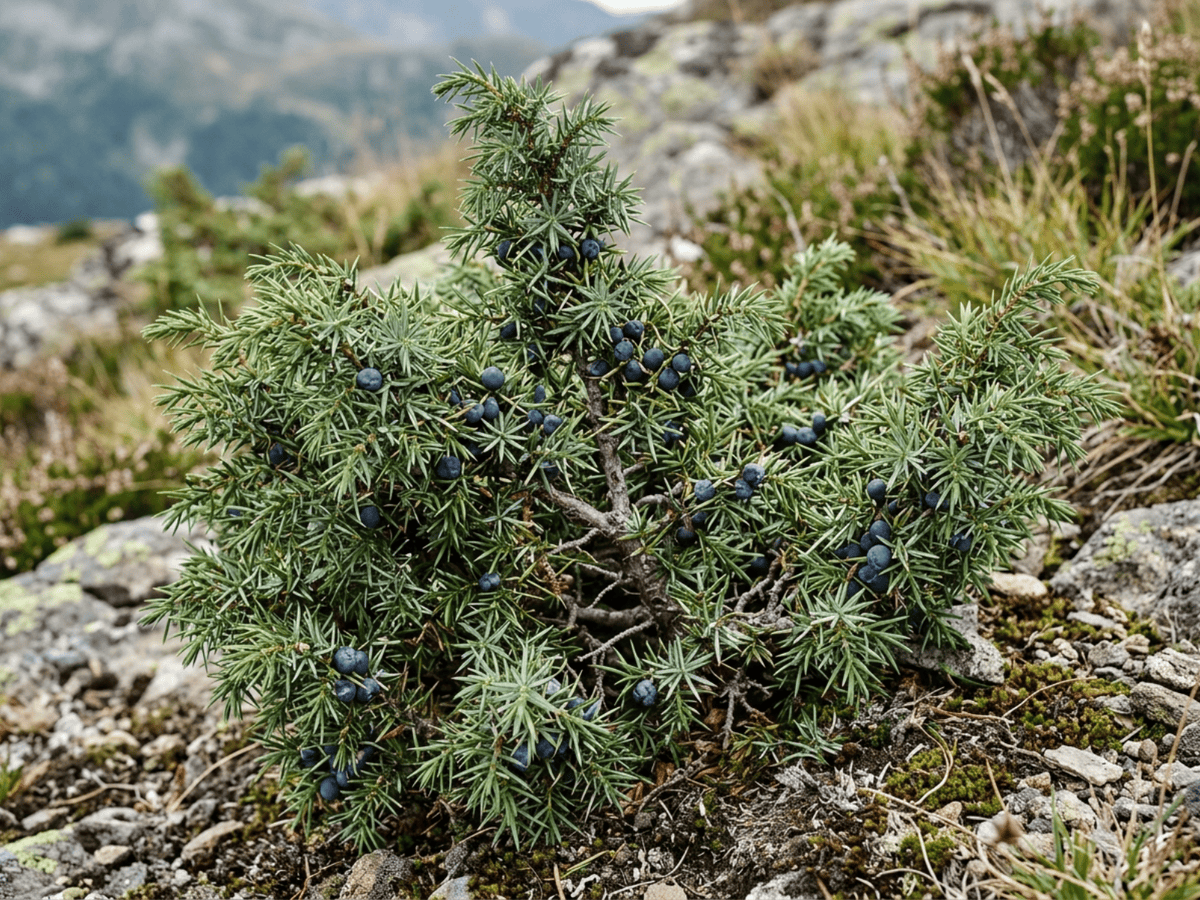 Common JuniperJuniperus communis
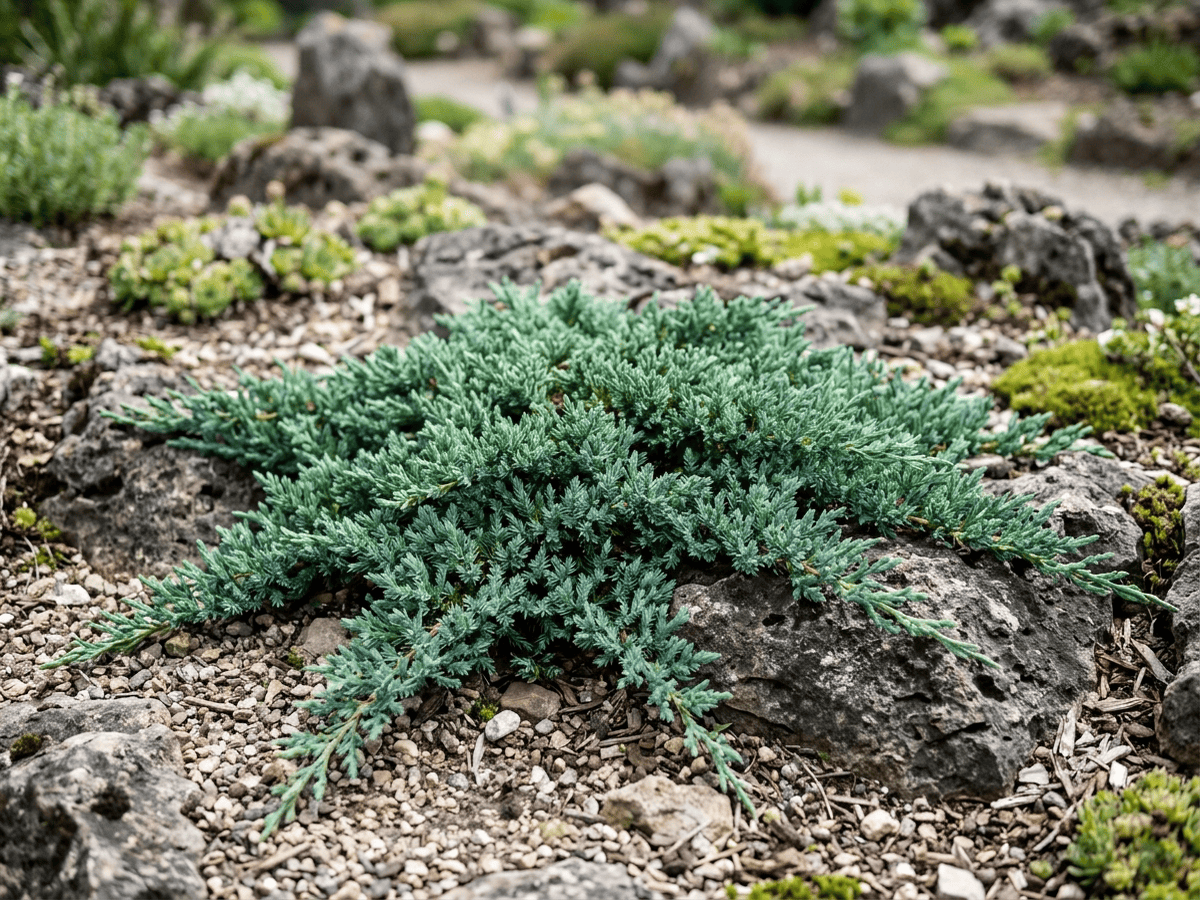 Creeping JuniperJuniperus horizontalis
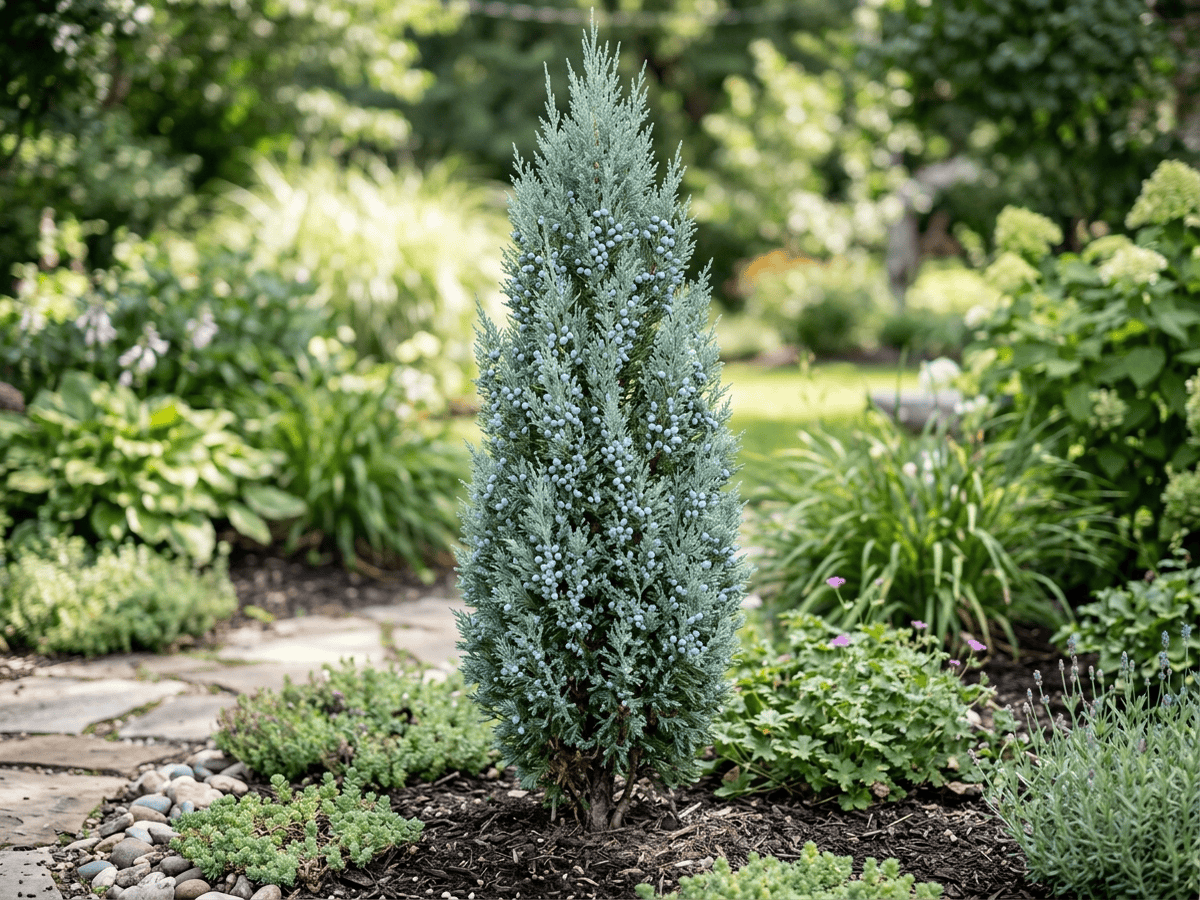 Rocky Mountain JuniperJuniperus scopulorum
Plants with similar care
 Chinese AbeliaAbelia chinensis
 Fragrant AbeliaAbelia mosanensis
 Large-Flowered AbeliaAbelia uniflora
 Glossy AbeliaAbelia x grandiflora
Frequently asked questions
How often should I water Shore Juniper?
In summer, water about every 21 days; in winter, about every 45 days. Adjust for heat, pot size and drainage.
How much light does Shore Juniper need?
Full sun: 6+ hrs direct. Watch the leaves — scorching or stretching means the light needs adjusting.
Is Shore Juniper toxic to cats or dogs?
Pets Slight (Dogs Slight · Cats Slight) Educational information, not medical or veterinary advice. If exposure is suspected, contact a doctor or veterinarian.
Is Shore Juniper easy to grow?
Yes — it is considered an easy, beginner-friendly plant.
YardMate
Identify any plant in seconds
Snap a photo — YardMate names the plant, diagnoses problems, and reminds you when to water.
Download on the App Store