 YardMate


Eastern Redcedar
Juniperus virginiana
Easy · Beginner friendlyAbout Eastern Redcedar
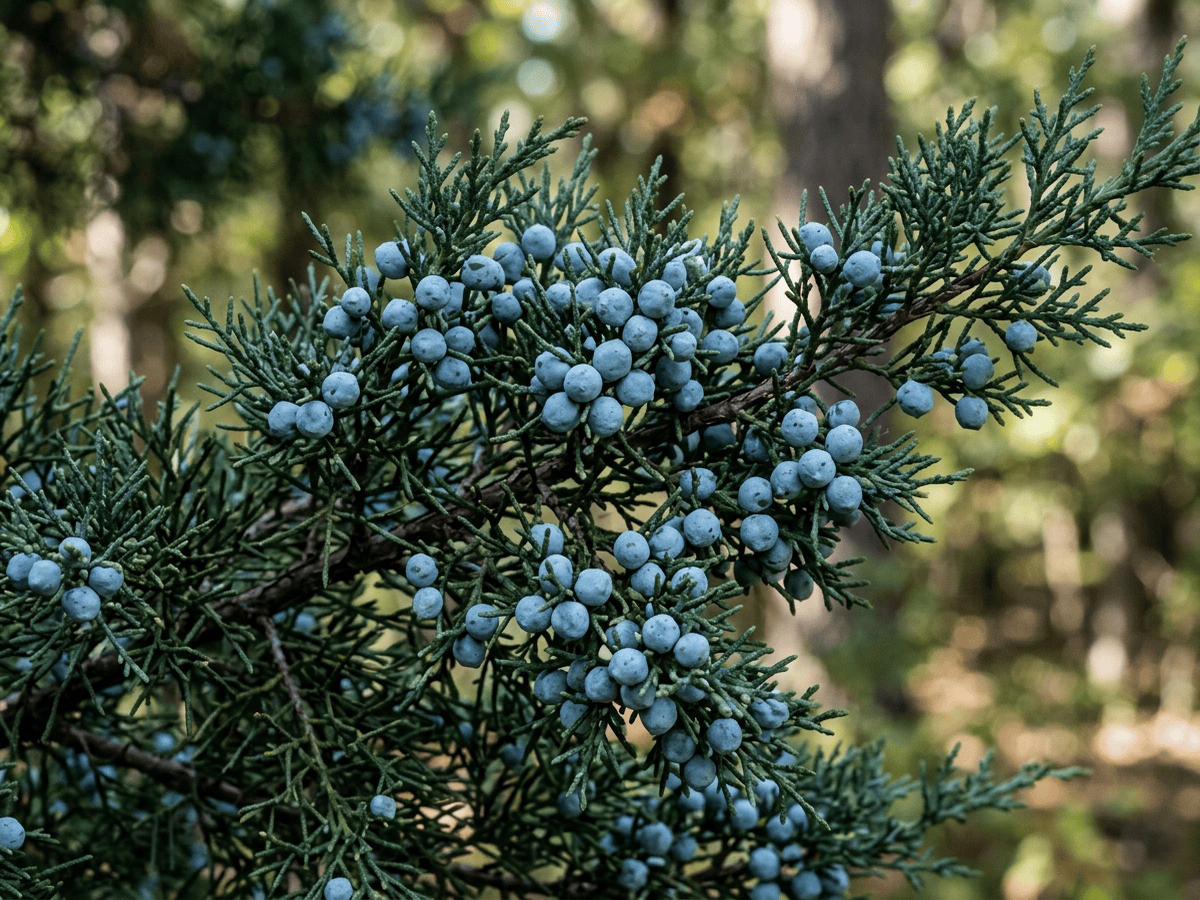
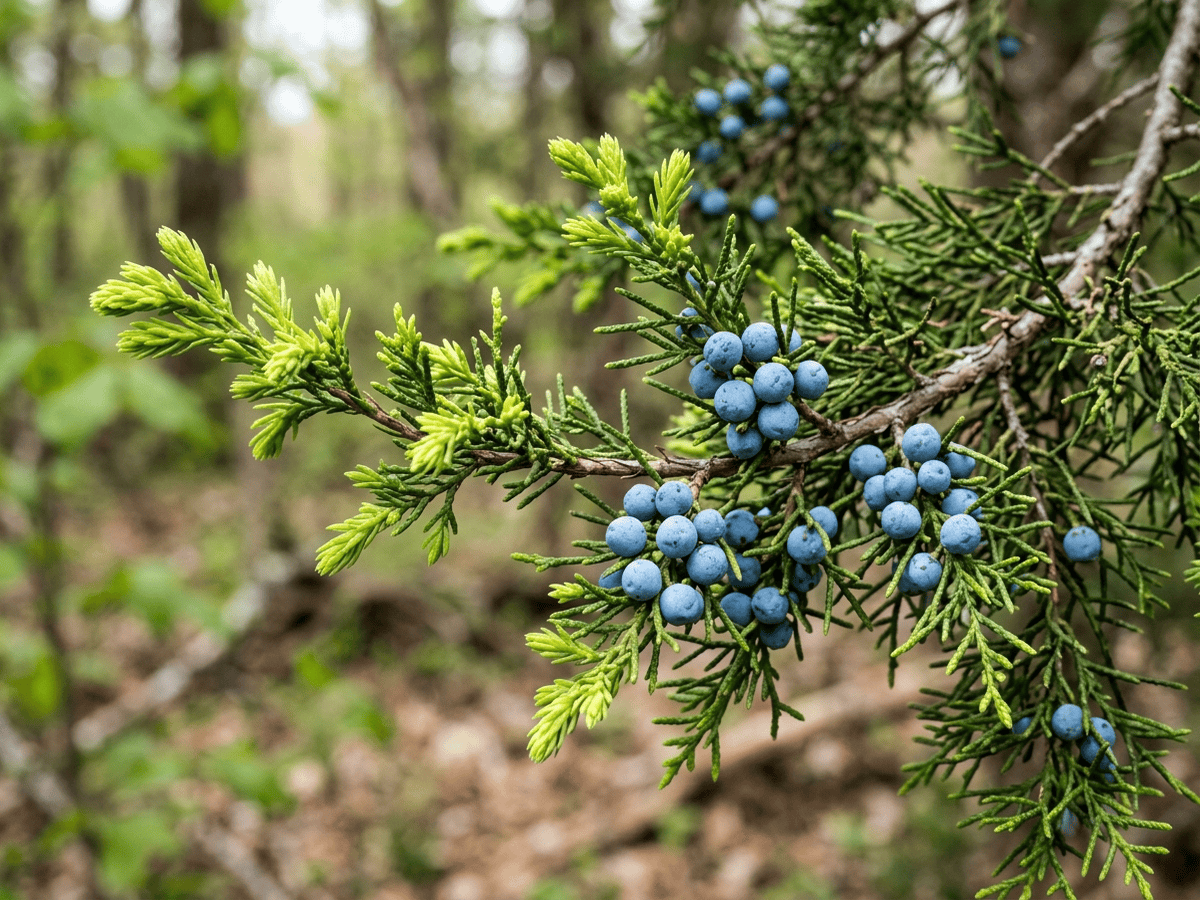
Eastern Red Cedar is a rugged native evergreen of eastern and central North America, reaching 30-50 feet, with dense conical to columnar form, scaly green to blue-green foliage, and powder-blue berry-like cones. Fragrant reddish heartwood has made it the traditional American cedar for closets, chests, and pencil wood. Extremely drought-tolerant and adaptable, it is one of the most widespread native conifers from Maine to Texas.
- Fragrant
- Drought-tolerant
- Evergreen
- Native
How to care for Eastern Redcedar
Watering
- Springevery 14 days
- Summerevery 10 days
- Fallevery 21 days
- Winterevery 30 days
Soil · Well-draining
- Top dressingPine bark mulch10%
- Main mixPotting soil + perlite 2:170%
- DrainageLECA / gravel20%
Never skip the drainage layer — standing water is the top cause of root rot.
FERTILIZER
- Springevery 60 days
At a Glance
- NativeNorth America
- Height30–50 ft (9.1–15.2 m)
- Spread8–20 ft (2.4–6.1 m)
- Flower colorYellow, Green
- Foliage colorGreen, Blue-green, Bronze
- Fruit colorBlue
- SoilWell-drained, Loamy, Alkaline
- LocationsYard
Bloom time
BLOOM CYCLE
Small male cones in spring
Fragrance
STRONG FRAGRANCE
Classic cedar-chest aroma—warm, resinous, insect-repellent.
Toxicity
Humans Slight · Pets Slight
podophyllotoxin, thujone, and cedrol
Slight
- Leaf
- Fruit
- Ingestion
- Contact
EXPOSURE Eating leaves and fruit. Touching leaves and fruit.
EFFECT GI upset from oils; contact dermatitis in sensitive individuals.
NOTE Documented concern for humans: GI upset from oils; contact dermatitis in sensitive individuals.
Slight
- Fruit
- Leaf
- Ingestion
EXPOSURE Eating fruit and leaves.
EFFECT Vomiting, diarrhea.
NOTE All junipers contain essential oils that can cause GI upset; pregnant women should avoid internal use. Not on ASPCA toxic list but can cause mild GI signs in pets.
Slight
- Fruit
- Leaf
- Ingestion
EXPOSURE Eating fruit and leaves.
EFFECT Vomiting, diarrhea.
NOTE All junipers contain essential oils that can cause GI upset; pregnant women should avoid internal use. Not on ASPCA toxic list but can cause mild GI signs in pets.
Educational information, not medical or veterinary advice. If exposure is suspected, contact a doctor or veterinarian.
DISTRIBUTION

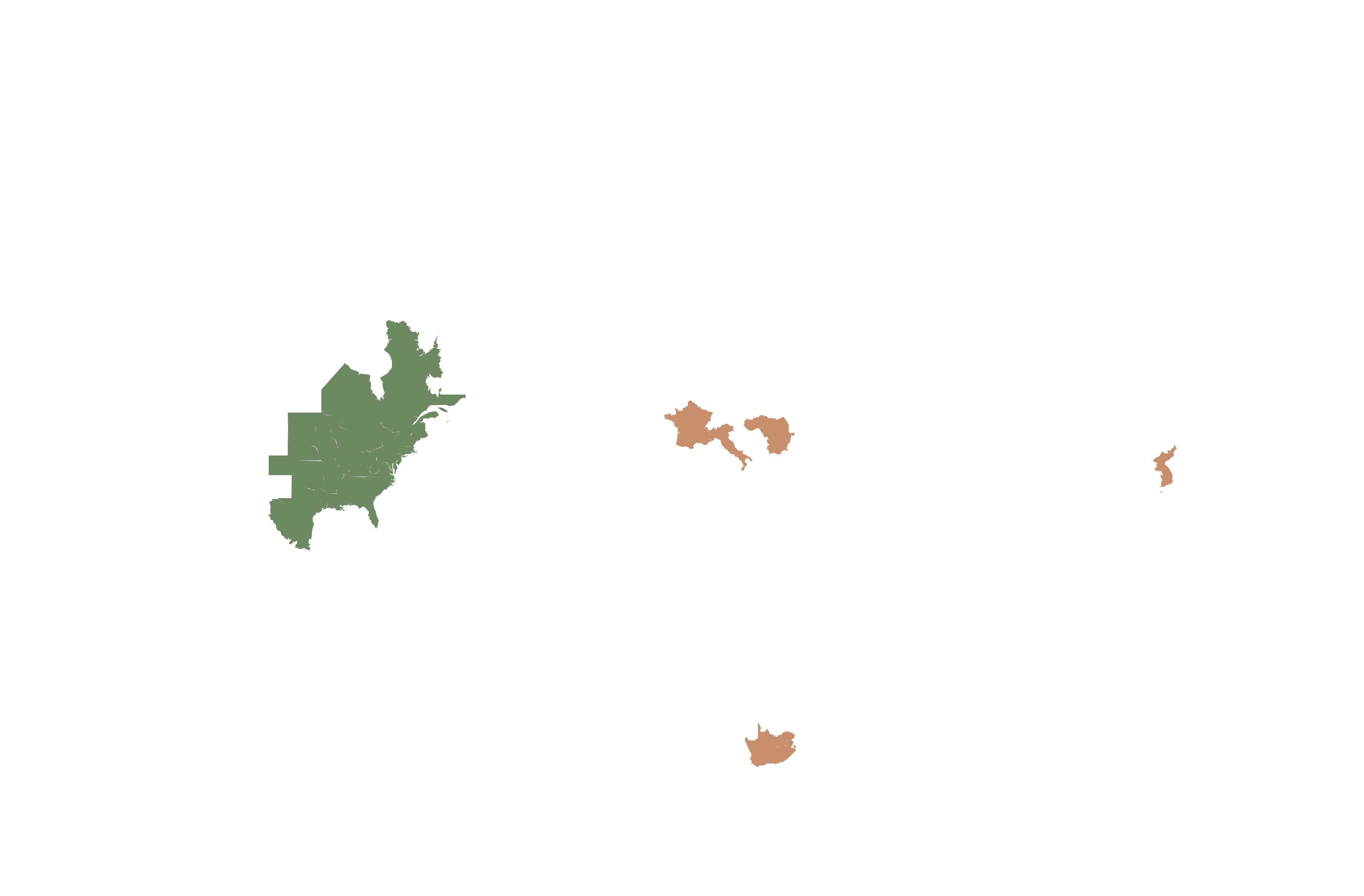
- Native
- Introduced
- North America
History

Juniperus virginiana occurs across eastern North America from Quebec to Florida and west to the Great Plains. Linnaeus described the species in Species Plantarum (1753). Despite the common name, it is a juniper, not a true cedar—though its fragrant, richly colored rot-resistant heartwood has long been compared to Mediterranean cedar.
Indigenous peoples used the aromatic leaves ceremonially and the wood for bows and mats. European colonists found the heartwood ideal for fence posts, closet and chest linings (whose volatile oils repel clothes moths), and cedar oil for perfumery. From the 1860s until the 1940s J. virginiana was the primary wood used for the casings of wooden pencils—the Eberhard Faber and Dixon Ticonderoga companies consumed massive quantities until supplies were exhausted, after which Incense cedar (Calocedrus decurrens) replaced it.
The species is a pioneer of abandoned farmland across the Midwest and is increasingly invasive in grasslands where fire suppression has allowed it to dominate prairie. Native Americans burned cedar as ceremonial incense. Colonial era settlers lined chests with the fragrant insect-repelling wood. The berries flavor traditional gin. Widely planted as windbreaks across the Great Plains in the Dust Bowl era.
Symbolism & meaning
What It Symbolizes
Eastern Redcedar is a tree of Protection — its aromatic wood lining cedar chests for centuries, repelling moths from wool and linen. It also carries Endurance, often the first tree to recolonize abandoned Eastern farmland, holding the soil while slower forests catch up. A pioneer that guards both wardrobes and recovering fields.
- Protection — traditional insect-repelling wood
- Endurance — pioneer on abandoned farmland
Where the Name Comes From
'Eastern redcedar' names the reddish heartwood and its wide eastern North American range, though it is a juniper rather than a true cedar. Virginiana means 'of Virginia', one of the regions from which it was early described.
Uses & Fun Facts
- Dense evergreen cover and berries support birds in winter
- Aromatic red heartwood scents closets and cedar chests
- Rot-resistant timber used for fence posts and pencils
- Pyramidal form makes effective windbreak and screen
Related plants
More Juniperus plants
 Chinese JuniperJuniperus chinensis
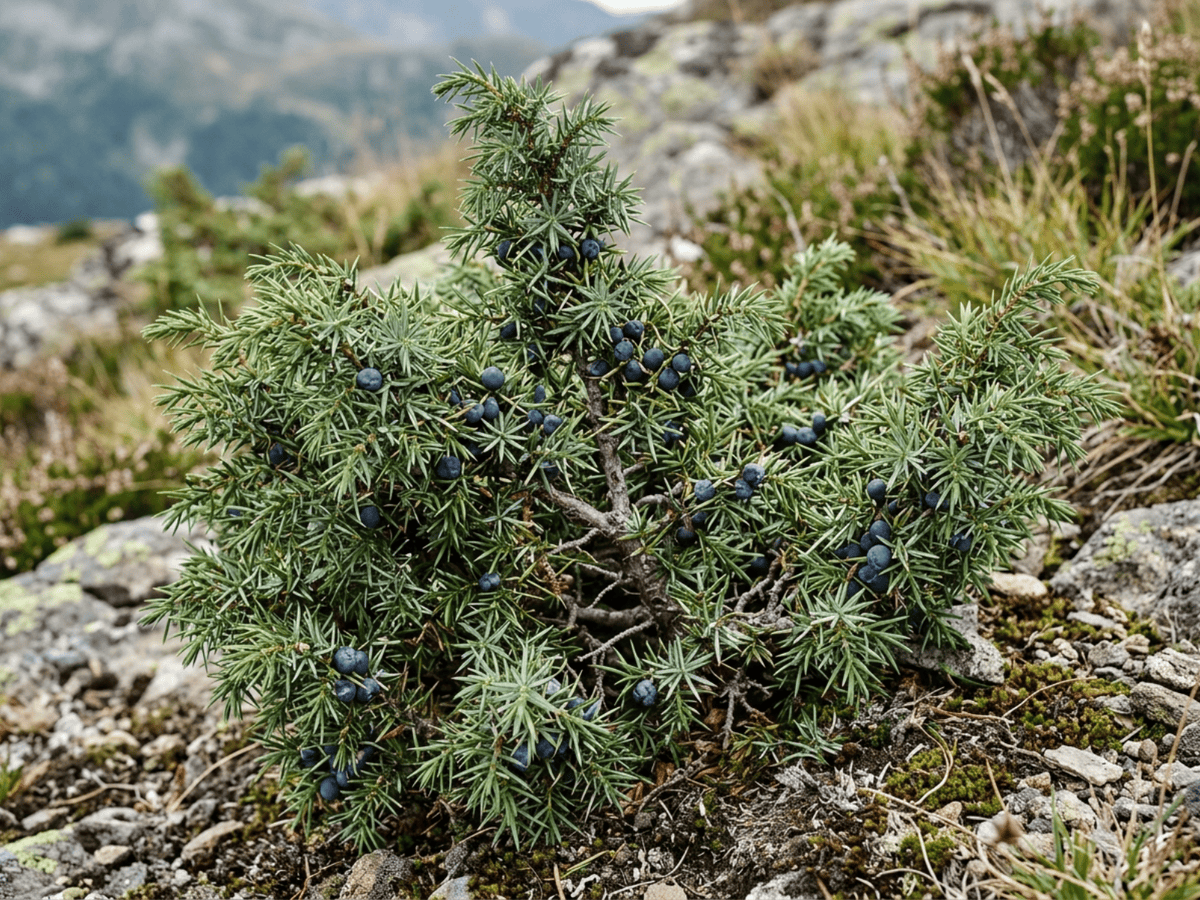 Common JuniperJuniperus communis
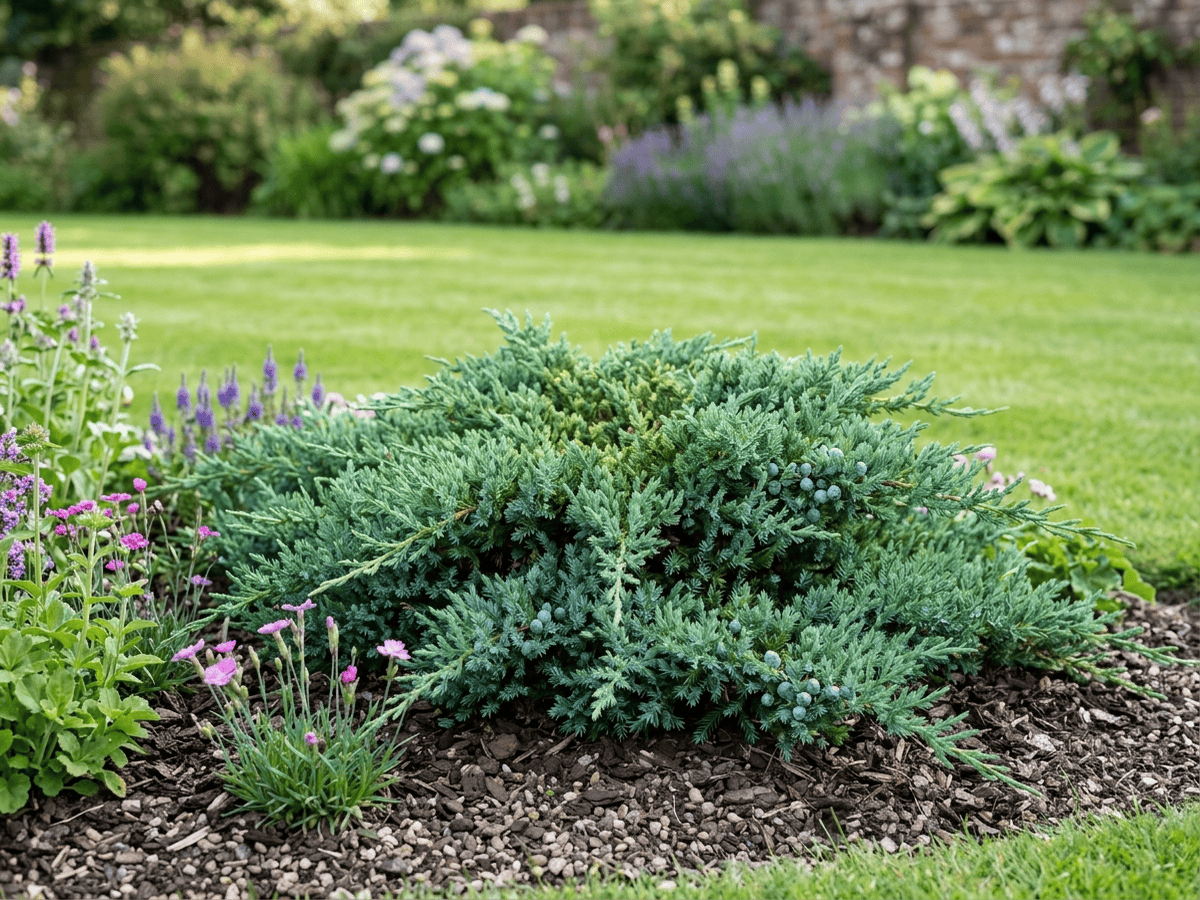 Shore JuniperJuniperus conferta
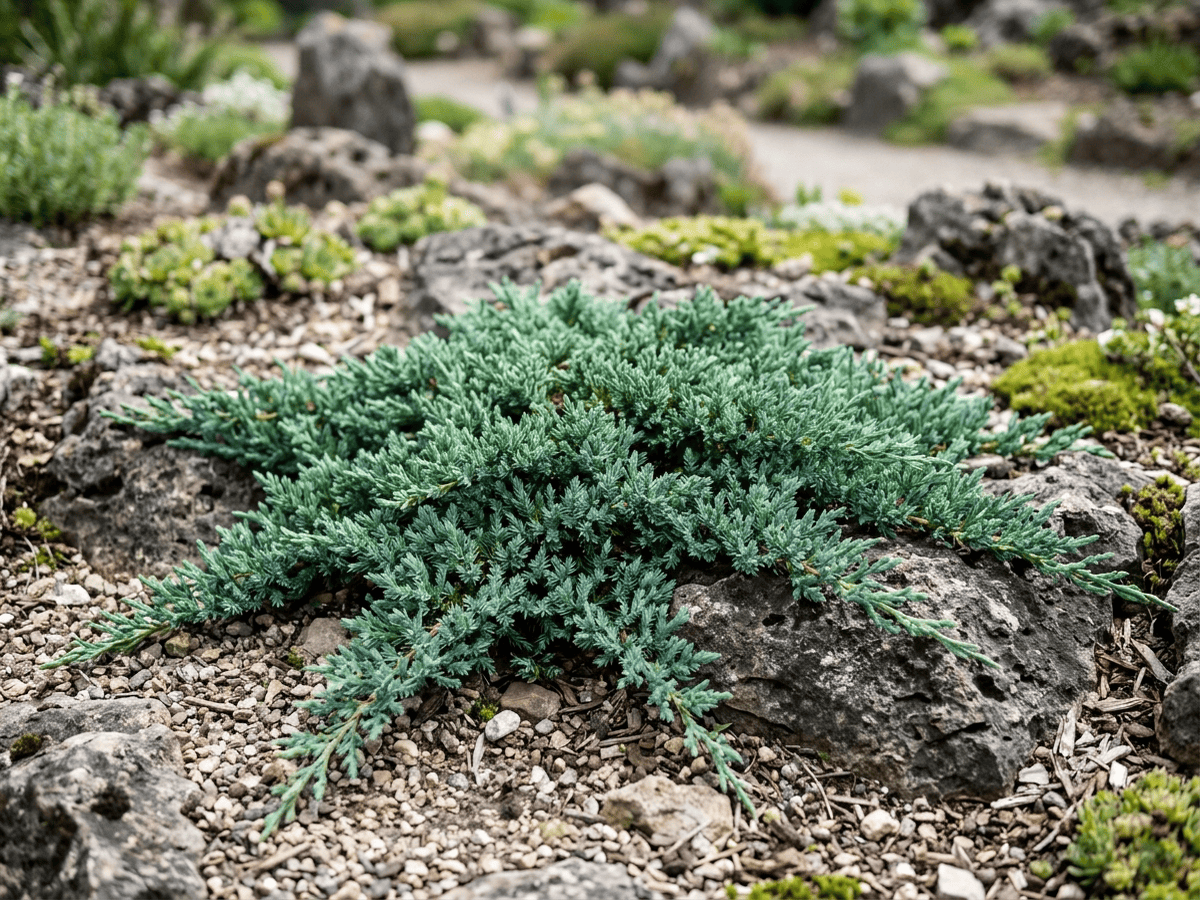 Creeping JuniperJuniperus horizontalis
Plants with similar care
 Chinese AbeliaAbelia chinensis
 Fragrant AbeliaAbelia mosanensis
 Large-Flowered AbeliaAbelia uniflora
 Glossy AbeliaAbelia x grandiflora
Frequently asked questions
How often should I water Eastern Redcedar?
In summer, water about every 10 days; in winter, about every 30 days. Adjust for heat, pot size and drainage.
How much light does Eastern Redcedar need?
Full sun: 6+ hrs direct. Watch the leaves — scorching or stretching means the light needs adjusting.
Is Eastern Redcedar toxic to cats or dogs?
Pets Slight (Dogs Slight · Cats Slight) Educational information, not medical or veterinary advice. If exposure is suspected, contact a doctor or veterinarian.
Is Eastern Redcedar easy to grow?
Yes — it is considered an easy, beginner-friendly plant.
YardMate
Identify any plant in seconds
Snap a photo — YardMate names the plant, diagnoses problems, and reminds you when to water.
Download on the App Store