 YardMate

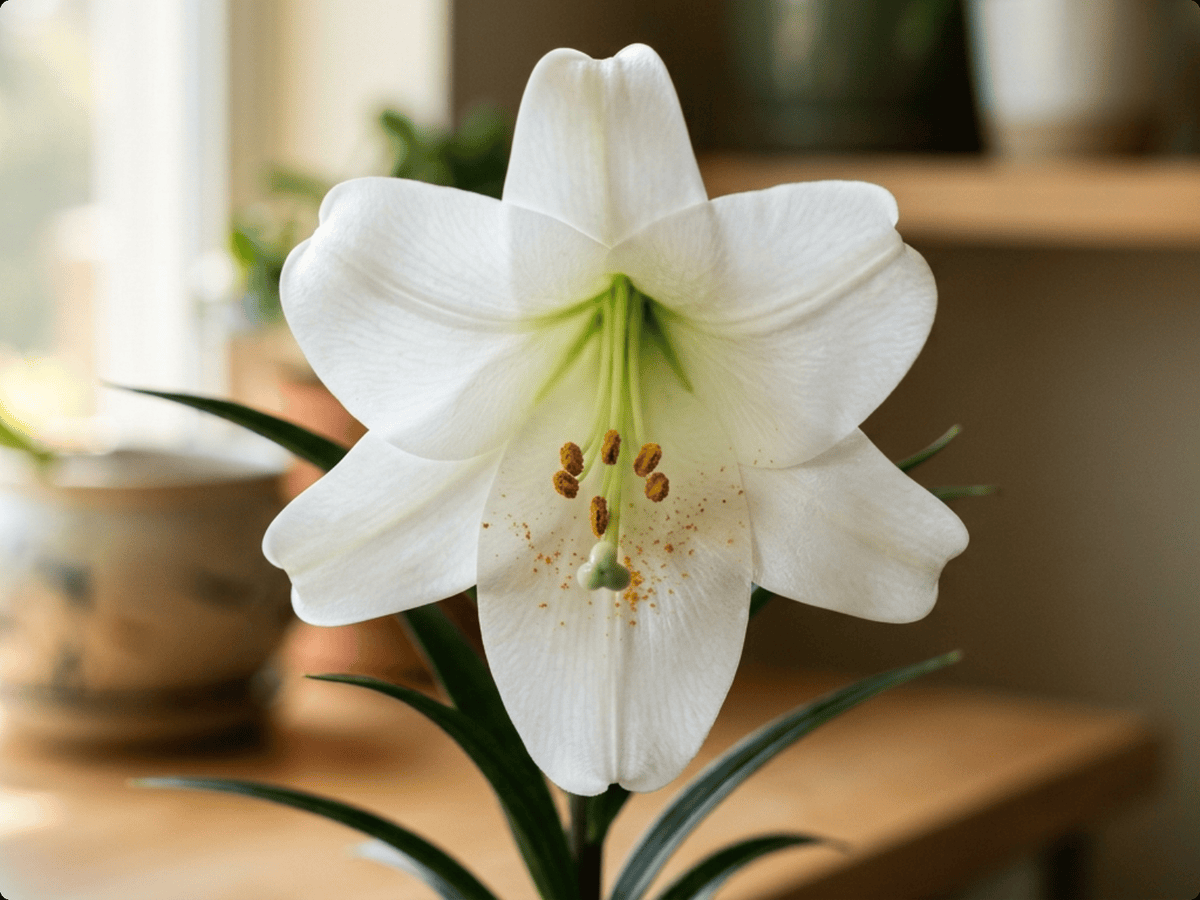


Easter Lily
Lilium longiflorum
Medium · Some experienceAbout Easter Lily
Lilium longiflorum, the Easter lily, produces large, pure white, trumpet-shaped flowers with an intoxicating sweet fragrance. Native to the Ryukyu Islands of southern Japan, it has become the definitive flower of Easter celebrations in Western culture. Each stem carries 3–6 outward-facing trumpets up to 18 cm long. The bulbs are forced in greenhouses for precise Easter timing. After indoor bloom, they can be planted outside where they will naturalize and bloom in summer. The pure white color and heavenly fragrance have made it a universal symbol of purity and resurrection.
- Fragrant
- Cut-flower
How to care for Easter Lily
Watering
- Springevery 7 days
- Summerevery 5 days
- Fallevery 10 days
- Winterevery 21 days
Soil · Well-draining
- Main mixLoam + coarse sand 3:175%
- DrainageGravel25%
Sharp drainage matters most — bulbs rot in wet soil while dormant.
FERTILIZER
Bulb Feed 3-5-3
With bulbs, when matters more than what. One dose goes in the hole at planting, the second when shoots break ground.
- Nitrogen · Leaves
- Phosphorus · Roots + Blooms
- Potassium · Strength
- Springevery 30 days
- Summerevery 30 days
At a Glance
- NativeEast Asia
- Height2–3 ft (0.6–0.9 m)
- Spread0.5–1 ft (0.2–0.3 m)
- Flower colorWhite
- Foliage colorGreen
- SoilLoamy, Well-drained
- LocationsYard · Indoor
Bloom time
BLOOM CYCLE
Peak bloom
Jun–Aug
White trumpets; forced for Easter indoors; plant outside after for summer bloom
Fragrance
STRONG FRAGRANCE
Heavy sweet 'Easter lily' fragrance, powerful enough to fill a room; some find it overwhelming in closed spaces.
Toxicity
Humans Slight · Cats Severe
unidentified nephrotoxin (cat-specific)
Slight
- Flower
- Contact
EXPOSURE Touching flowers.
EFFECT Pollen can stain skin and clothing and some individuals develop contact dermatitis.
NOTE Documented concern for humans: Pollen can stain skin and clothing and some individuals develop contact dermatitis.
Safe
EXPOSURE No exposure route is reported.
EFFECT No toxic effect is reported.
NOTE Listed as non-toxic for dogs; avoid eating ornamental plants unless confirmed edible.
Severe
- Flower
- Leaf
- Stem
- Root
- Ingestion
EXPOSURE Eating flowers, leaves, stems, and roots.
EFFECT Acute nephrotoxicity — vomiting and lethargy within hours, progressing to anuria and fatal kidney failure within 3–7 days without aggressive fluid therapy. All parts including pollen are dangerous and ingestion of any amount warrants emergency veterinary care.
NOTE True lilies are dangerous to cats, but ASPCA/NC State list these Lilium species as non-toxic to dogs. Keep cat warning high; dog exposure is usually not a toxicological concern.
Educational information, not medical or veterinary advice. If exposure is suspected, contact a doctor or veterinarian.
DISTRIBUTION


- Native
- Introduced
- East Asia
History

Lilium longiflorum is native to the southern Japanese islands of the Ryukyu archipelago (including Okinawa) and northern Taiwan, where it grows on coastal cliffs. It was introduced to Western horticulture via Philipp Franz von Siebold's collections from Japan in 1819 and quickly became the dominant white lily of Western Christian religious use, strongly associated with Easter. Before World War II, the US imported nearly all Easter Lily bulbs from Japan; disruption of this trade during the war led a retired soldier named Louis Houghton to expand his backyard bulb crop, and by the 1950s the small cluster of farms in the Smith River area along the Oregon-California border produced essentially all US Easter Lily bulbs — a concentration of supply continuing today.
The bulbs thrived, and when Japan's attack on Pearl Harbor in 1941 cut off Japanese bulb imports, the southern Oregon-northern California coast became the emergency alternative. WARNING: Easter lilies are extremely toxic to cats.
All Lilium species are famously, severely nephrotoxic to cats — ingestion of even a few pollen grains or petals can cause acute kidney failure and death without aggressive veterinary intervention.
Symbolism & meaning
What It Symbolizes
The Easter Lily is often read as a flower of purity — its white trumpets long carrying the Christian symbolism of resurrection, innocence, and divine beauty around the holiday from which it takes its name. Few flowers fuse seasonal observance and spiritual meaning so completely. To bring one indoors at Easter is to repeat a small, fragrant rite that links altar and home.
- Purity — The white trumpet represents resurrection, innocence, and divine beauty
Where the Name Comes From
Lilium from Latin 'lilium' (lily). Longiflorum means 'long-flowered,' for the elongated trumpet shape.
Uses & Fun Facts
- Pure white trumpets release sweet Easter lily perfume
- Classic Easter lily trumpet flowers central to spring bouquets
- Symbol of purity central to Easter floral tradition
Related plants
More Lilium plants
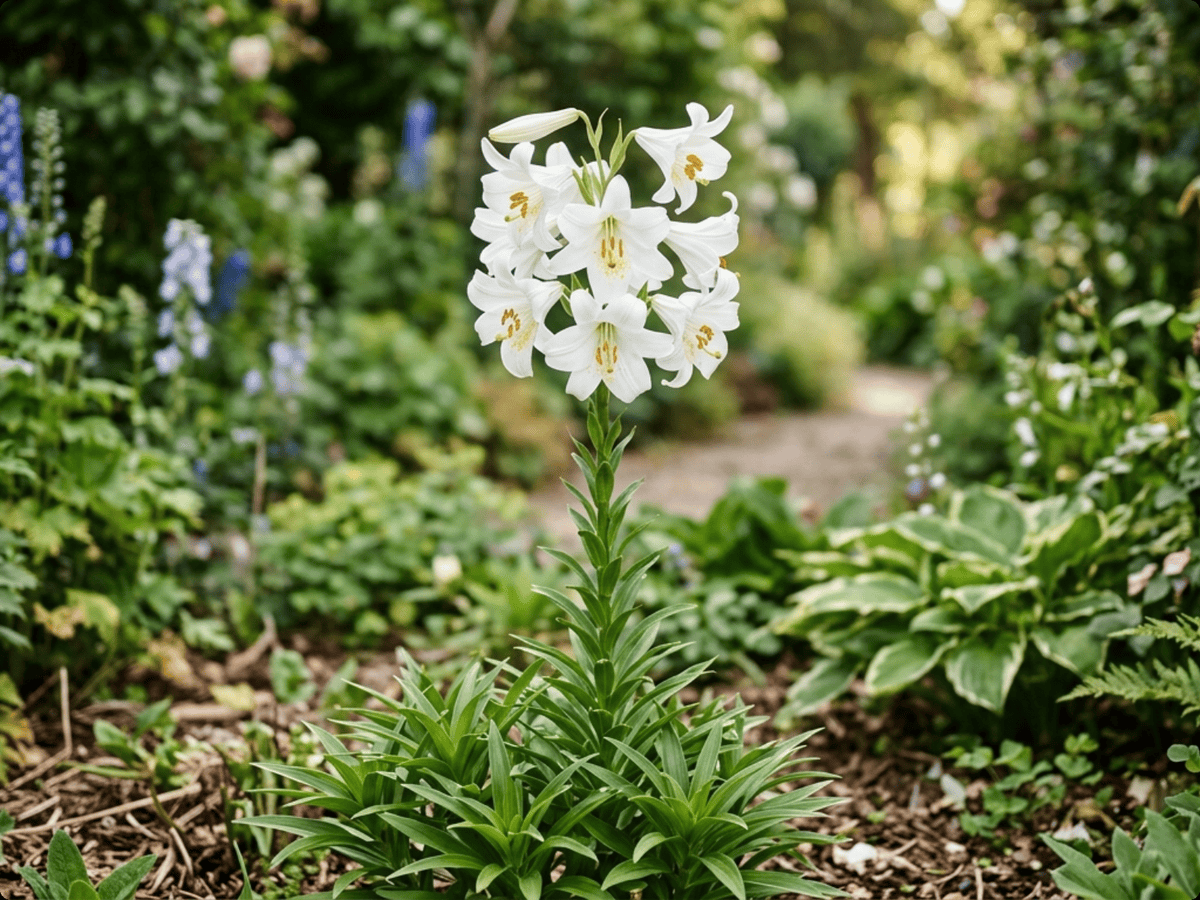 Madonna LilyLilium candidum
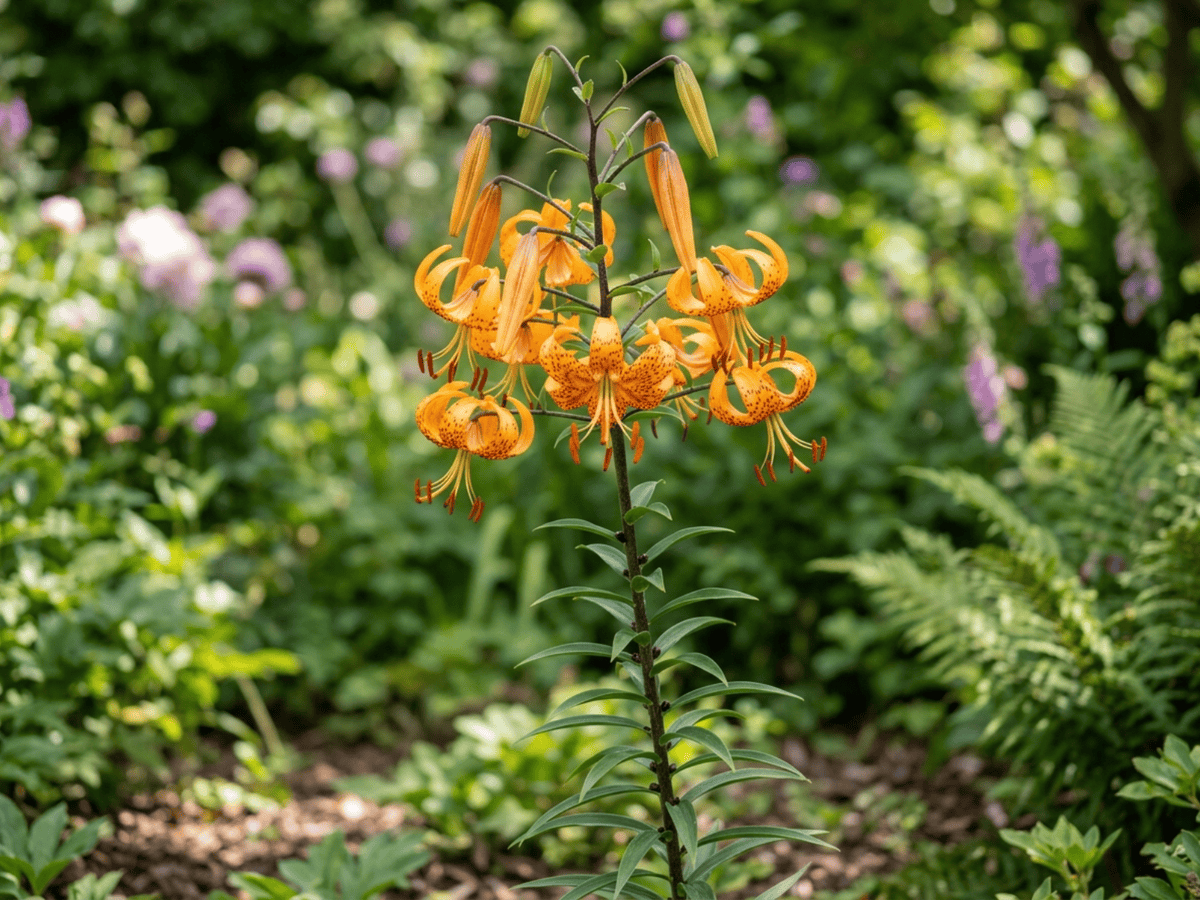 Henry's LilyLilium henryi
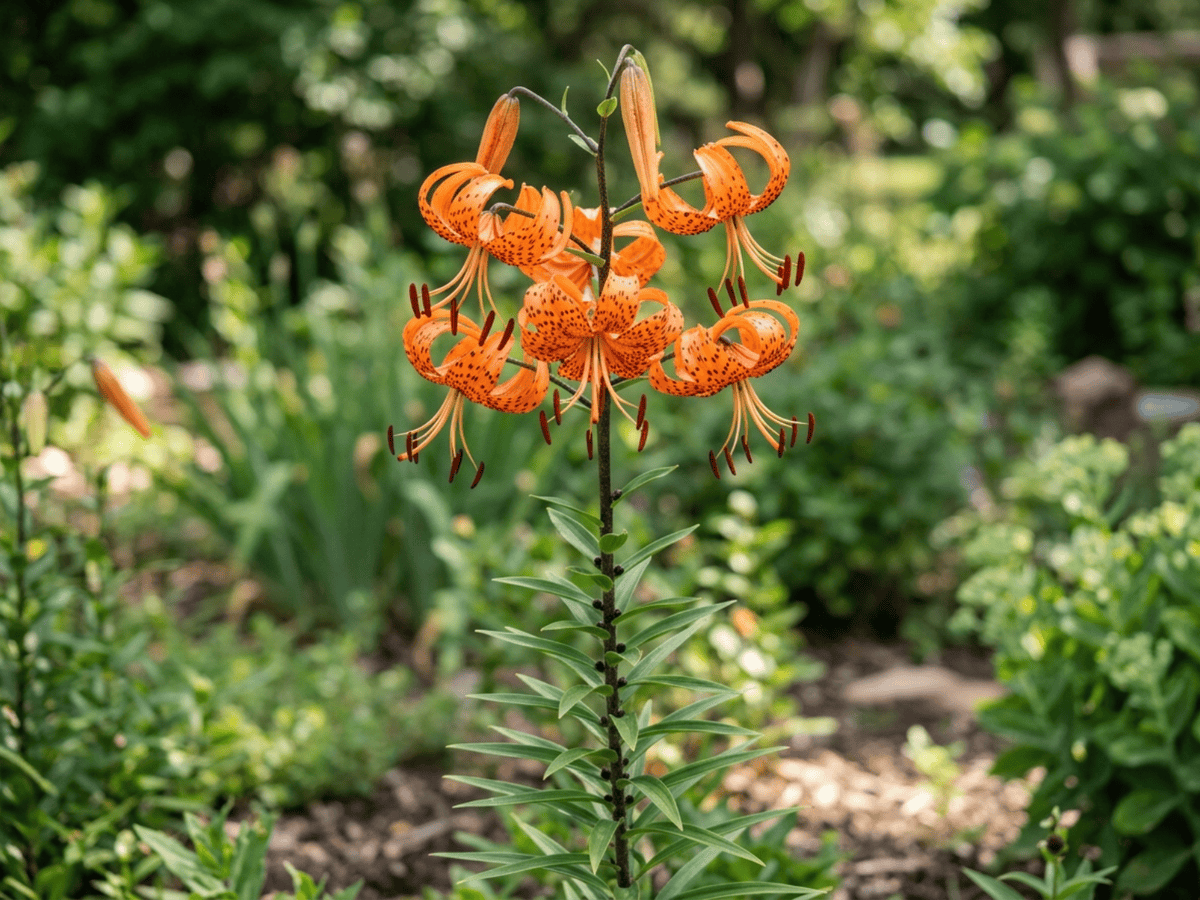 Tiger LilyLilium lancifolium
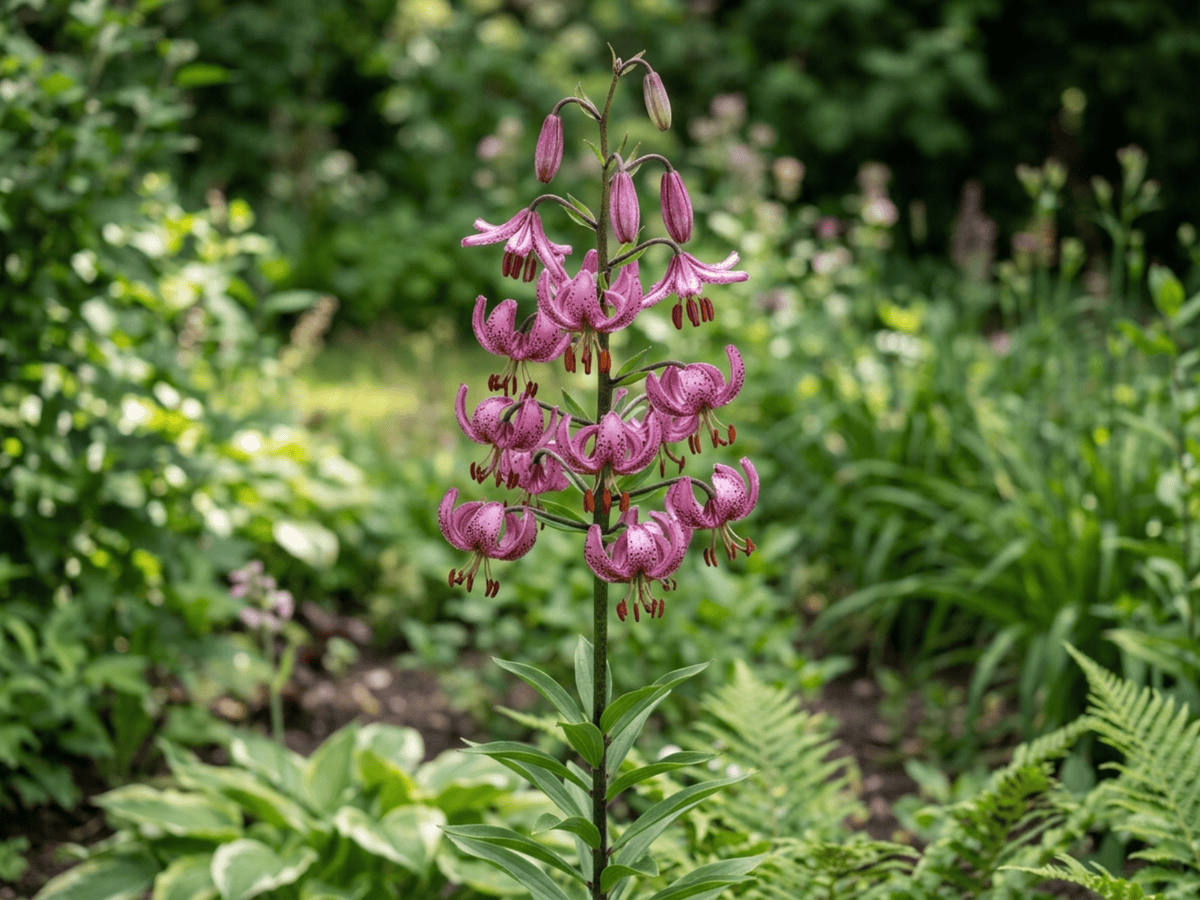 Martagon LilyLilium martagon
Plants with similar care
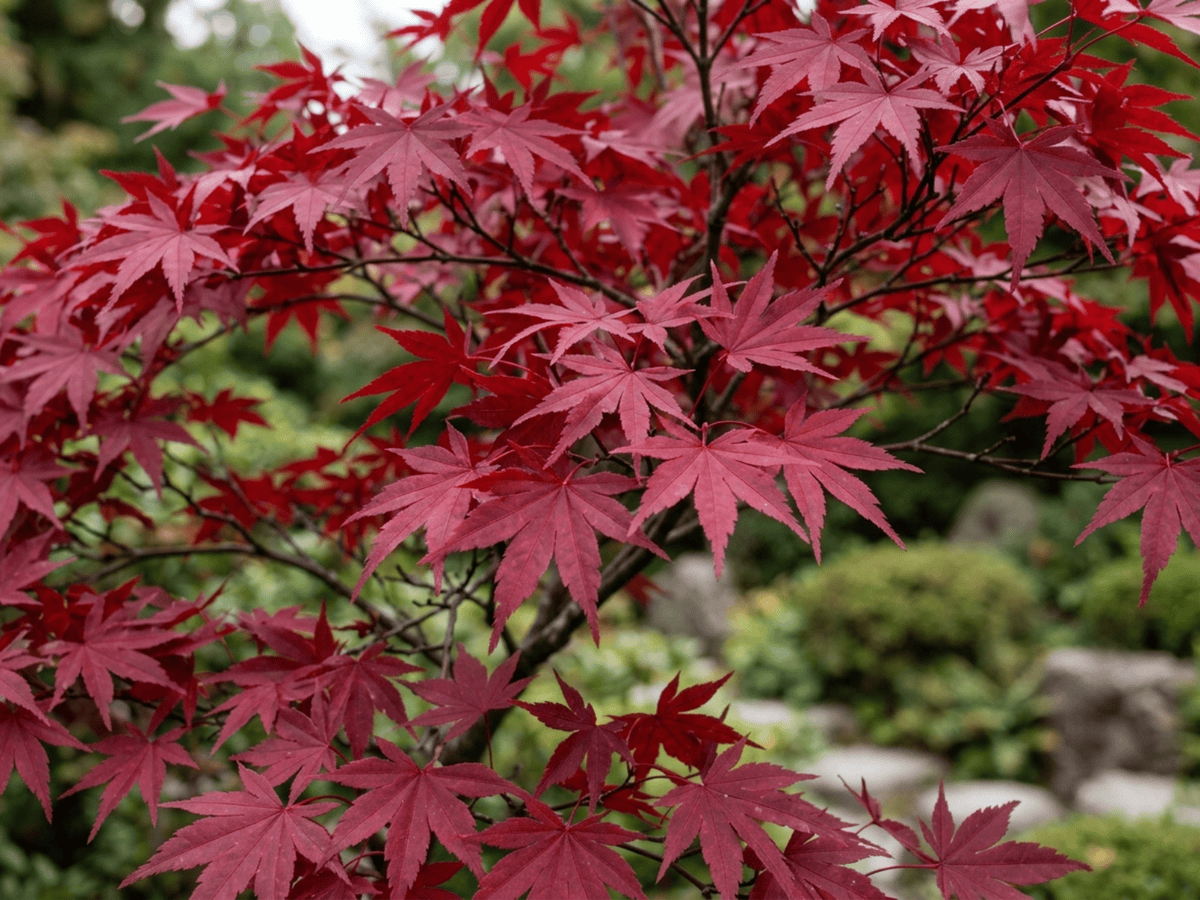 Japanese MapleAcer palmatum
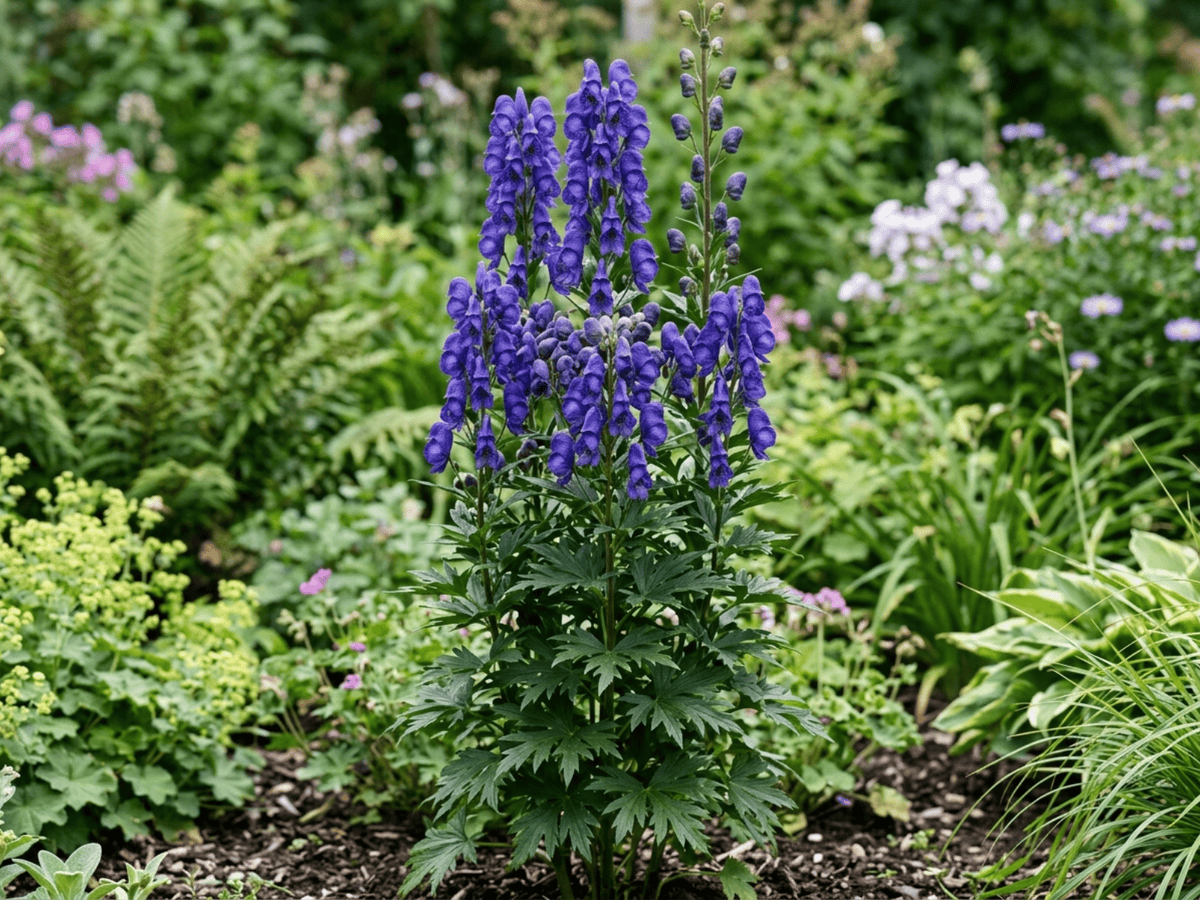 Azure MonkshoodAconitum carmichaelii
 Florida HobblebushAgarista populifolia
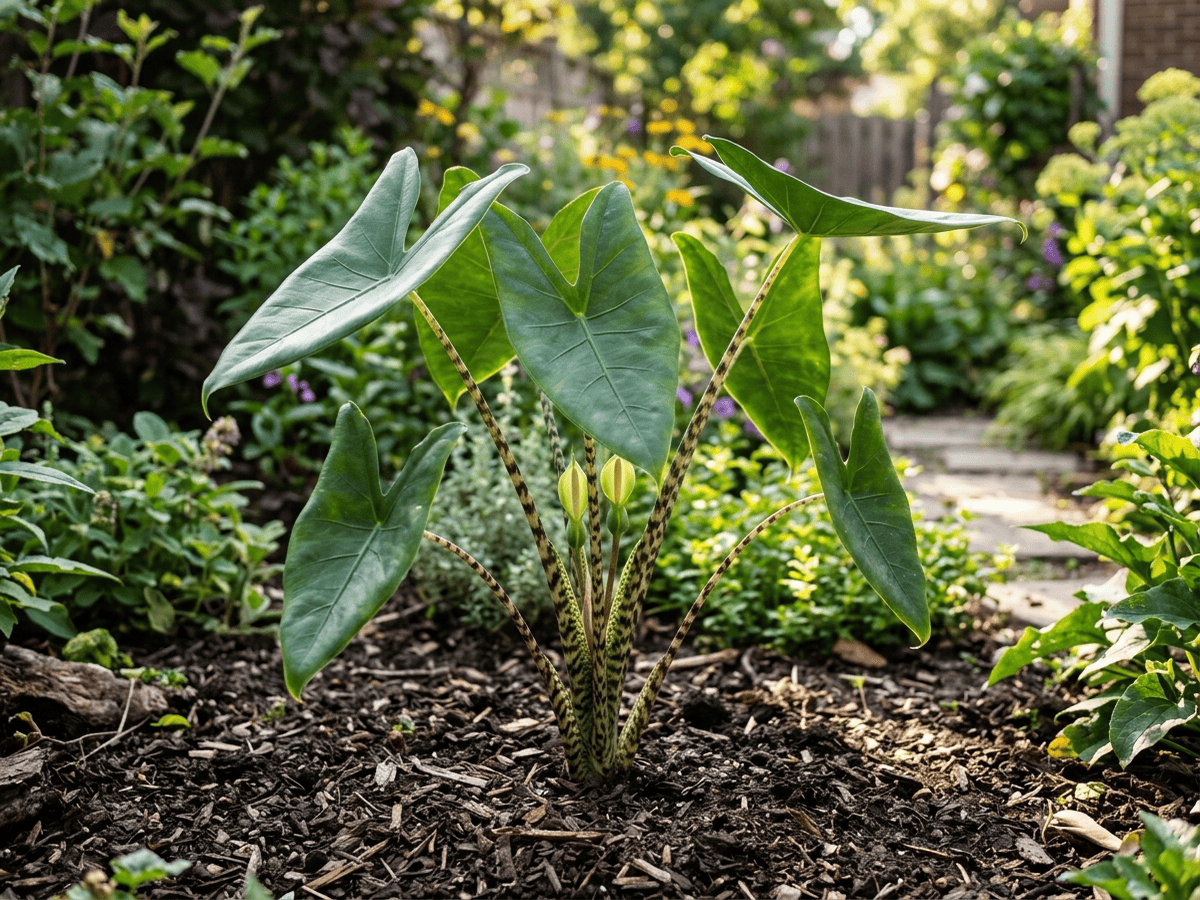 Alocasia zebrinaAlocasia zebrina
Frequently asked questions
How often should I water Easter Lily?
In summer, water about every 5 days; in winter, about every 21 days. Adjust for heat, pot size and drainage.
How much light does Easter Lily need?
Part shade: 2–4 hrs direct. Watch the leaves — scorching or stretching means the light needs adjusting.
Is Easter Lily toxic to cats or dogs?
Pets Severe (Dogs Safe · Cats Severe) Educational information, not medical or veterinary advice. If exposure is suspected, contact a doctor or veterinarian.
Is Easter Lily easy to grow?
It is moderately demanding: a good choice once you have a little experience.
Can Easter Lily be grown indoors?
Yes, it adapts well to indoor growing given the right light.
When does Easter Lily bloom?
It typically blooms Jun–Aug in the Northern Hemisphere.
YardMate
Identify any plant in seconds
Snap a photo — YardMate names the plant, diagnoses problems, and reminds you when to water.
Download on the App Store