 YardMate

Martagon Lily
Lilium martagon
Medium · Some experienceAbout Martagon Lily
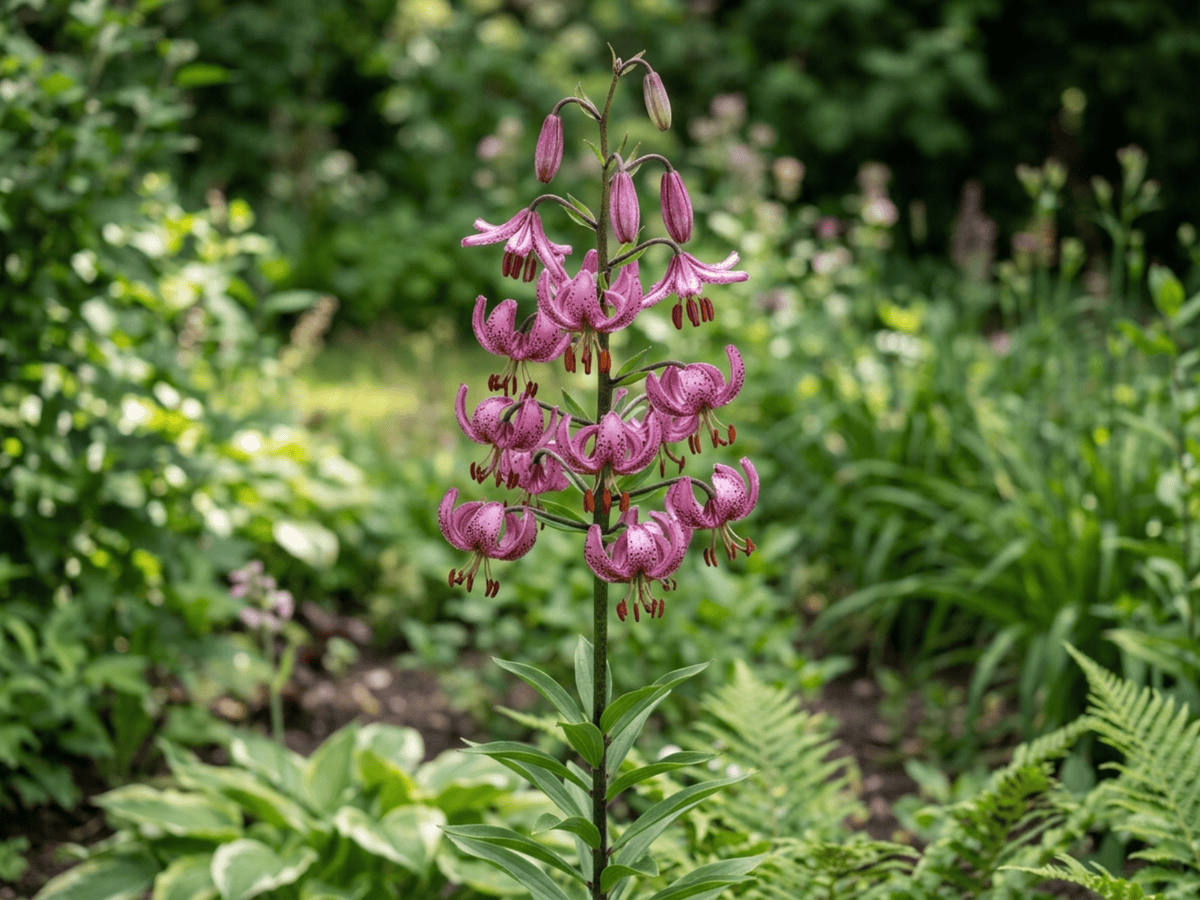
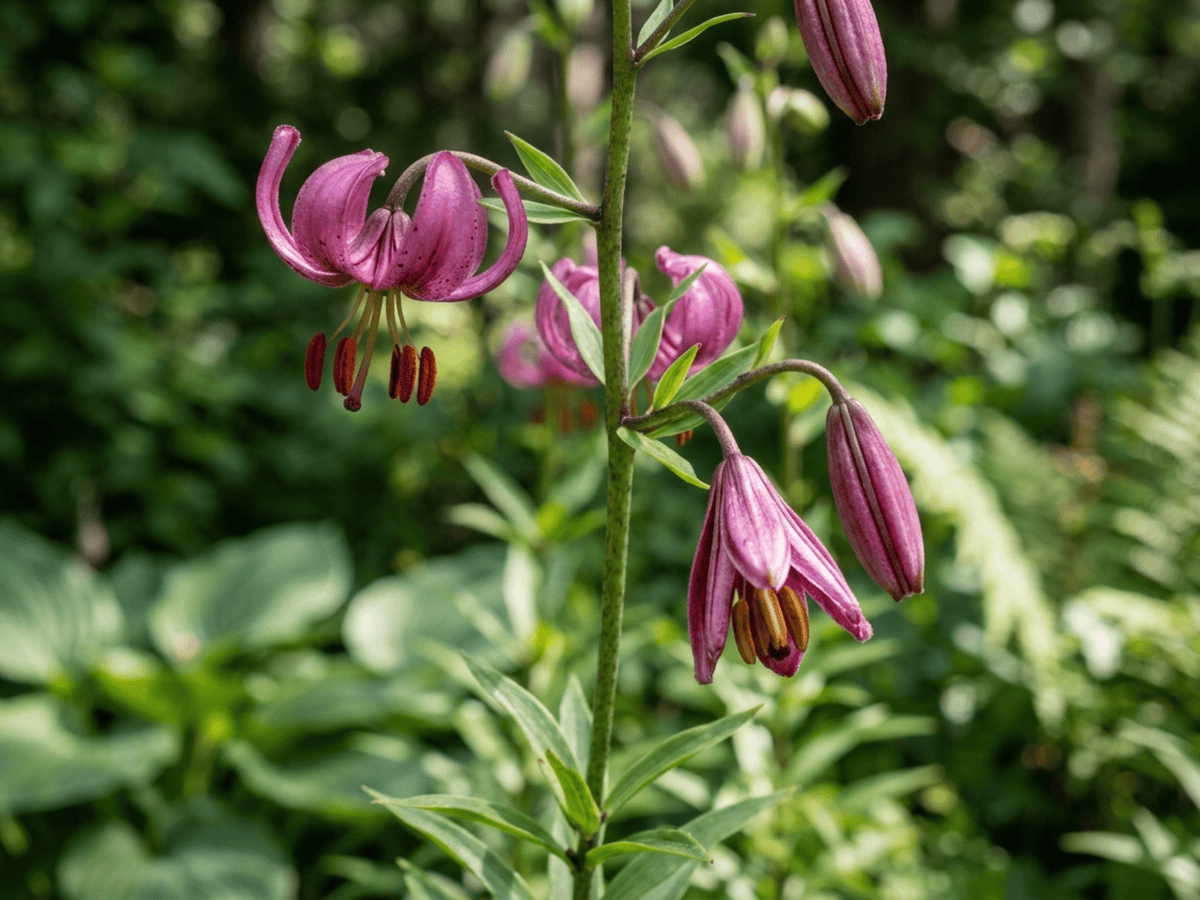
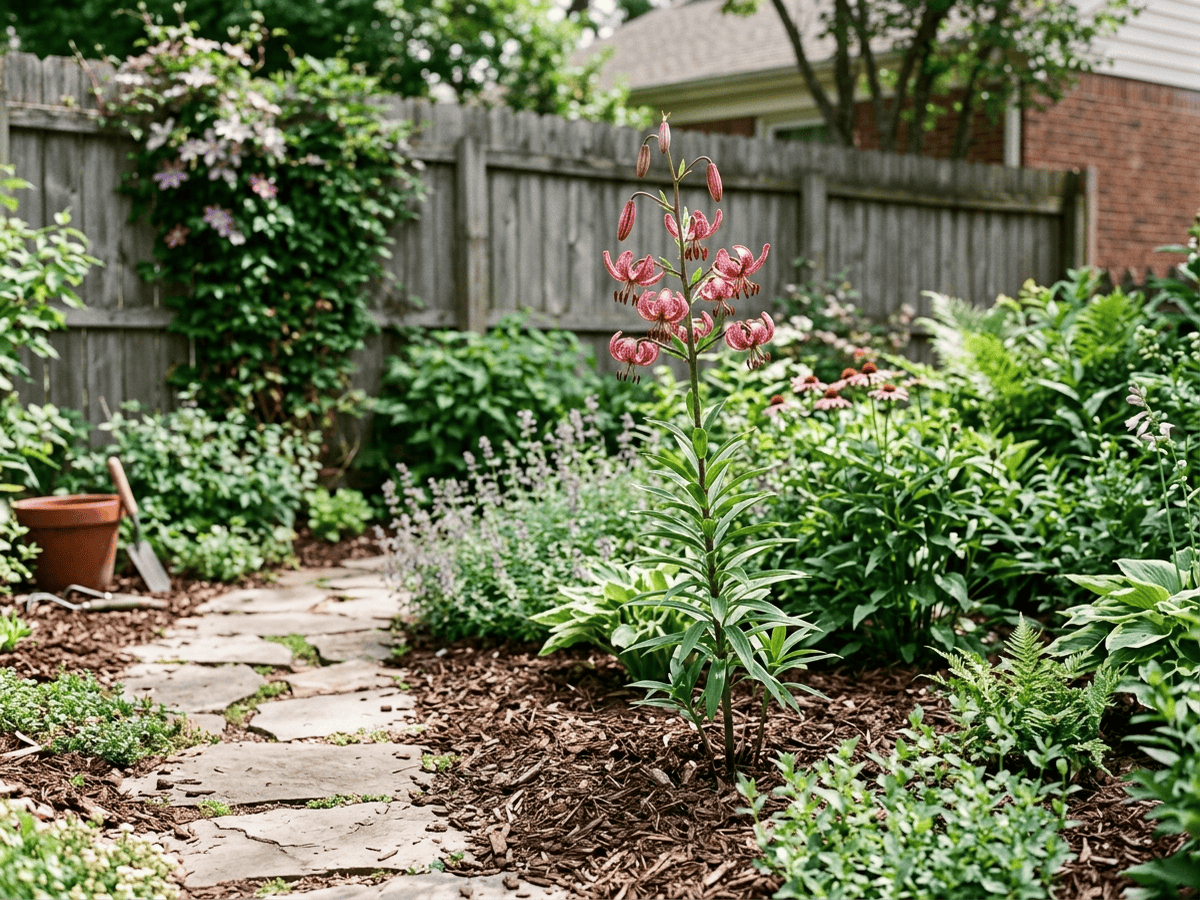
Turk's Cap Lily is a majestic European and Asian species lily with tall candelabra stems of nodding pink, purple, or white flowers with strongly recurved petals resembling a Turkish turban. Growing 3-6 feet tall, it blooms in early to midsummer. Long-lived in American perennial gardens (often outlasting the gardener) and exceptionally cold-hardy to USDA zone 3, it is a signature plant of woodland-edge and cottage garden designs.
- Fragrant
- Cold-hardy
- Pollinator-friendly
How to care for Martagon Lily
Watering
- Springevery 5 days
- Summerevery 4 days
- Fallevery 7 days
- Winterpause watering
Soil · Well-draining
- Main mixLoam + coarse sand 3:175%
- DrainageGravel25%
Sharp drainage matters most — bulbs rot in wet soil while dormant.
FERTILIZER
Balanced Feed 14-14-14
An even feed covers all three needs at once, keeping leaves, roots and blooms moving together with nothing pushed out of balance.
- Nitrogen · Leaves
- Phosphorus · Roots + Blooms
- Potassium · Strength
- Springevery 30 days
- Summerevery 30 days
At a Glance
- NativeEurope, East Asia
- Height3–6 ft (0.9–1.8 m)
- Spread1–1.5 ft (0.3–0.5 m)
- Flower colorPink, Purple, White, Yellow
- Foliage colorGreen
- SoilLoamy, Well-drained, Alkaline
- LocationsYard
Bloom time
BLOOM CYCLE
Peak bloom
Jun–Jul
Pink, purple, or white Turk's-cap flowers June to July
Fragrance
MODERATE FRAGRANCE
The flowers have a musky, unpleasant to some scent.
Toxicity
Humans Slight · Pets Toxic
unidentified nephrotoxin
Slight
- All
- Ingestion
EXPOSURE Eating any part of the plant.
EFFECT Mild GI upset.
NOTE Documented concern for humans: Mild GI upset.
Slight
- All
- Ingestion
EXPOSURE Eating any part of the plant.
EFFECT Mild vomiting.
NOTE ASPCA: all true Lilium species are severely nephrotoxic to cats; ingestion of any part can be fatal.
Toxic
- All
- Ingestion
EXPOSURE Eating any part of the plant.
EFFECT Acute kidney failure, vomiting, lethargy, and death.
NOTE ASPCA: all true Lilium species are severely nephrotoxic to cats; ingestion of any part can be fatal.
Educational information, not medical or veterinary advice. If exposure is suspected, contact a doctor or veterinarian.
DISTRIBUTION

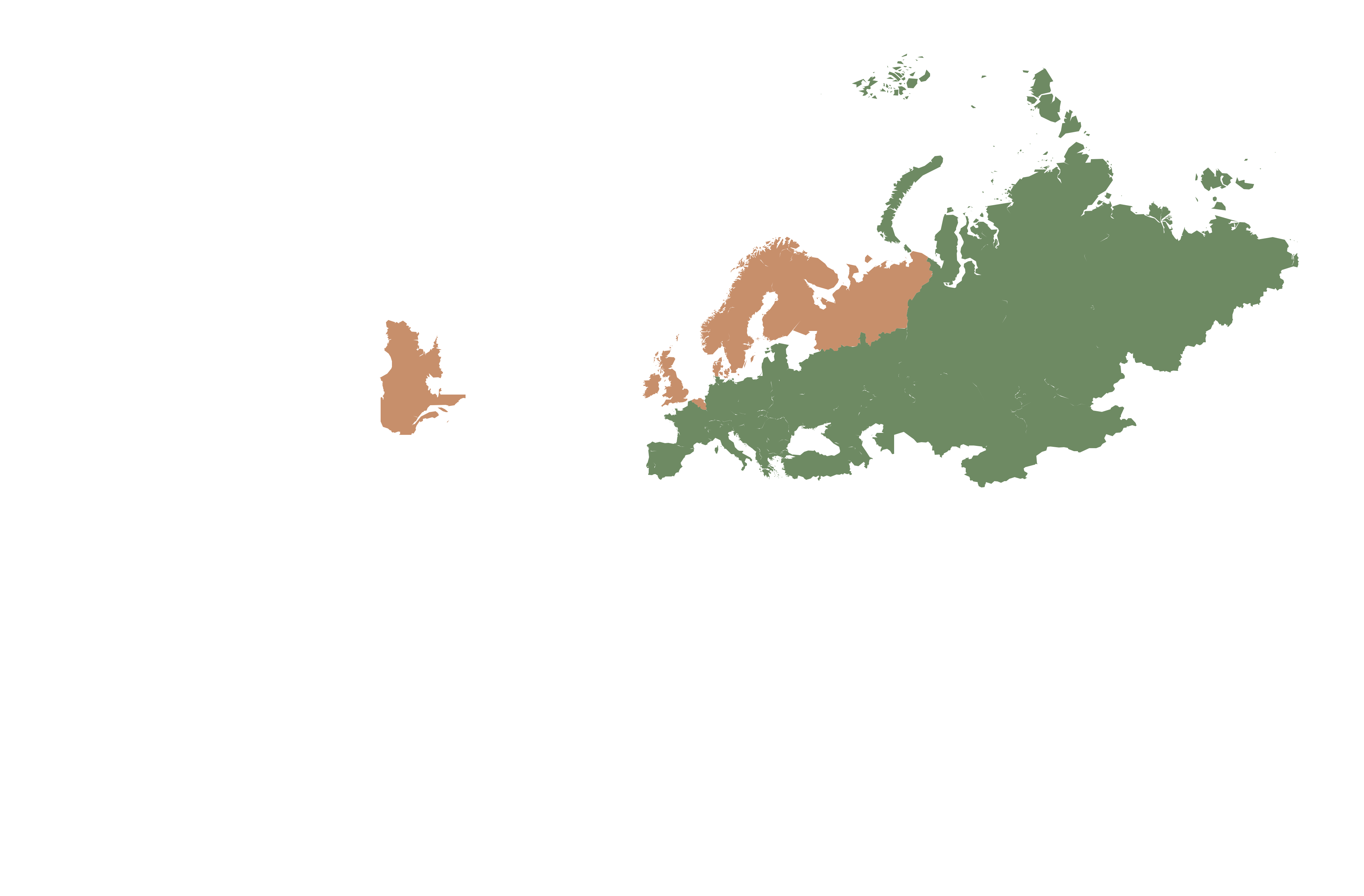
- Native
- Introduced
- Europe
- East Asia
History
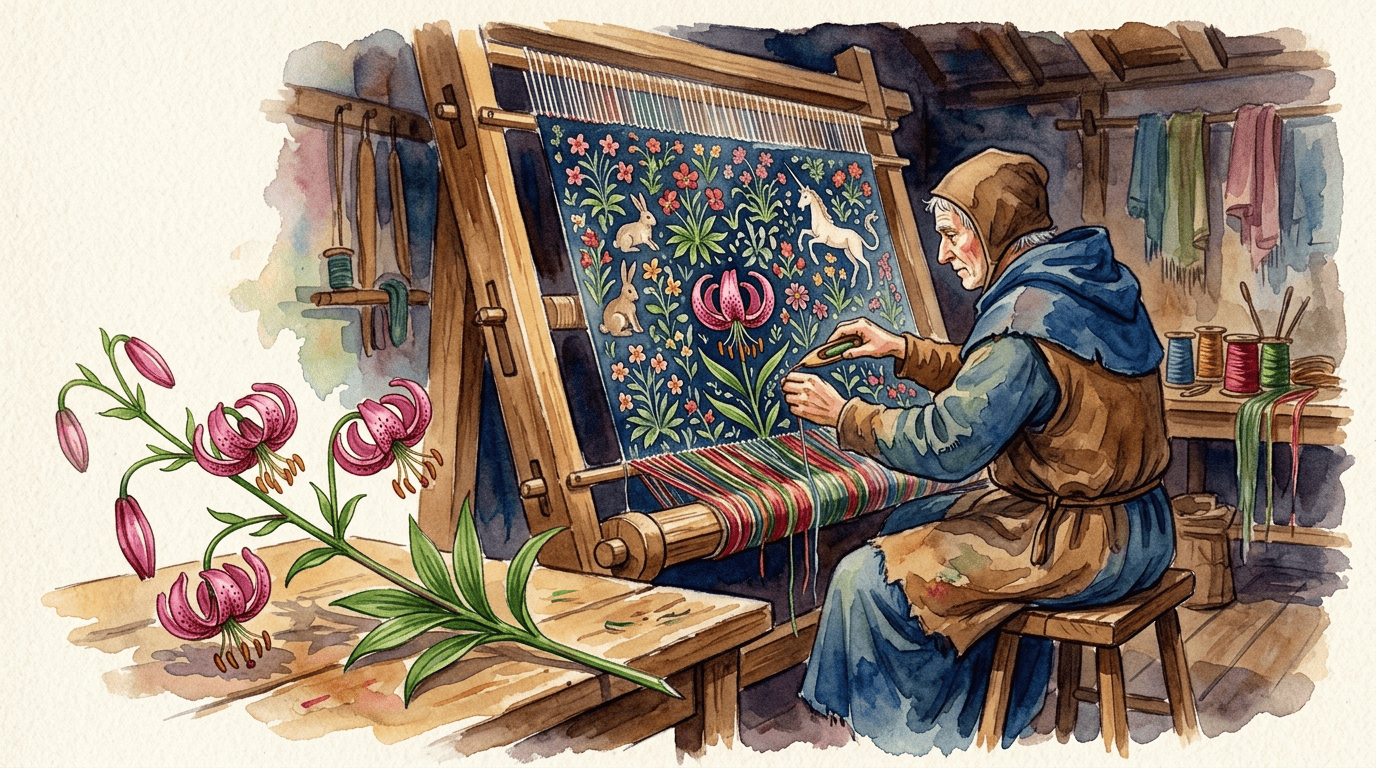
Lilium martagon has one of the widest ranges of any lily species, growing from Portugal eastward across Europe and Siberia to Mongolia. European monastic gardens cultivated it by medieval times; the name martagon derives from a Turkish word adopted into French heraldry. Linnaeus described it in 1753.
Its recurved petals gave rise to Turk's cap and turban lily common names, and the distinctive form appears in 15th-century Flemish tapestries including the Unicorn series. 20th-century breeders including Chris North at the Scottish Crop Research Institute and Jan de Graaff in Oregon crossed it with the North American L. hansonii to produce the Martagon Hybrid group including 'Marhan', 'Mrs. R.O. Backhouse', and the Backhouse Hybrids. These tolerate more shade than other lilies, making them valued for woodland-edge plantings.
Cultivated in European monastery gardens since the Middle Ages. The Backhouse Hybrids (late 1800s) and the modern Orienpet crosses expanded the color range enormously. Bulbs were historically roasted and eaten in some parts of Siberia.
Symbolism & meaning
What It Symbolizes
Martagon Lily embodies ambition, its tall stately spires rising above the woodland floor with rows of small turkscap flowers stacked one above another. It also carries dignity, a heritage lily of the European nobility's parks, its aristocratic presence felt in every well-spaced whorl of blooms. It is often read as a flower of upright aspiration, a lily whose grace lies not in size but in the disciplined climb of it many small flowers.
- Ambition — tall stately spires
- Dignity — heritage lily with aristocratic presence
Where the Name Comes From
'Martagon' is from a Turkish word for 'turban', describing the flower form.
Uses & Fun Facts
- Turk's cap flowers carry sweet evening fragrance
- Tall candelabras of recurved blooms in woodland edges
- Nodding flowers pollinated by bumblebees and moths
Related plants
More Lilium plants
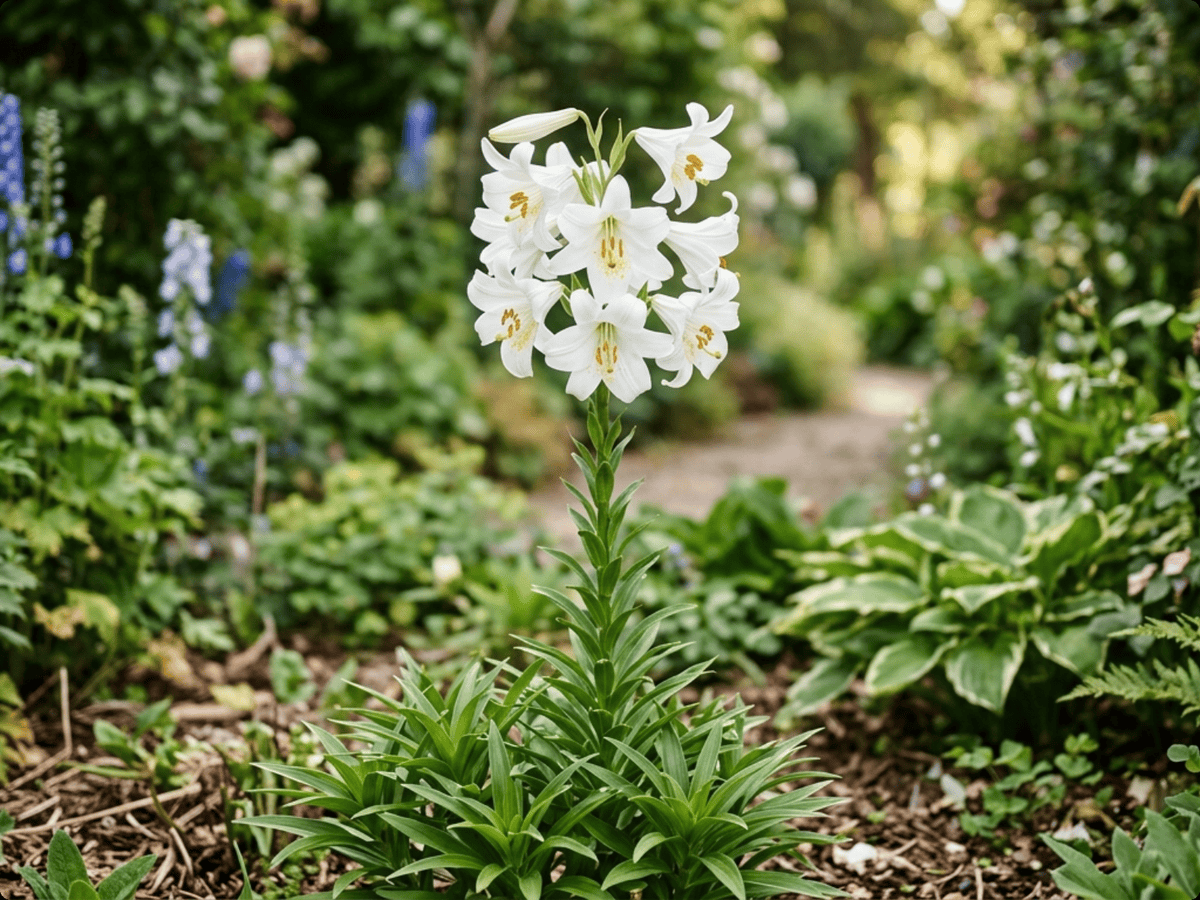 Madonna LilyLilium candidum
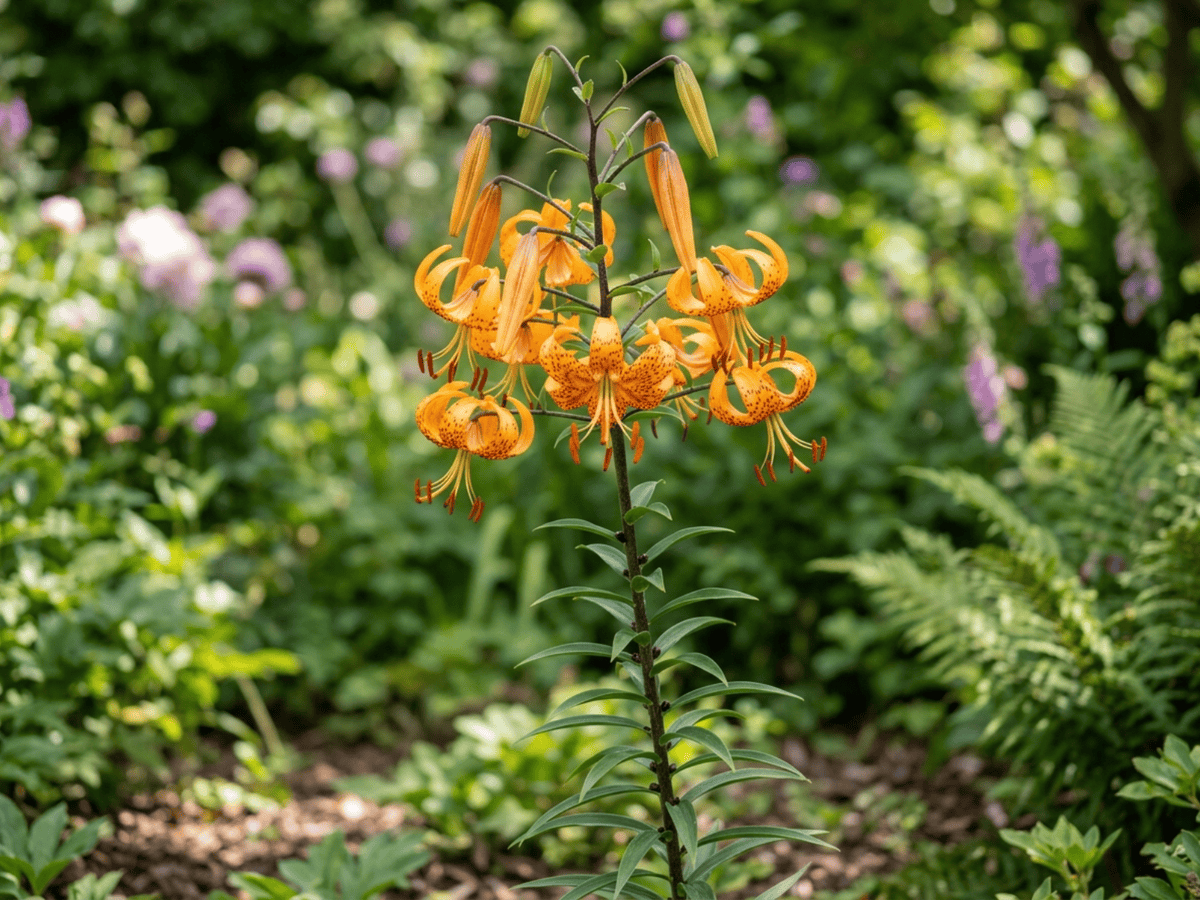 Henry's LilyLilium henryi
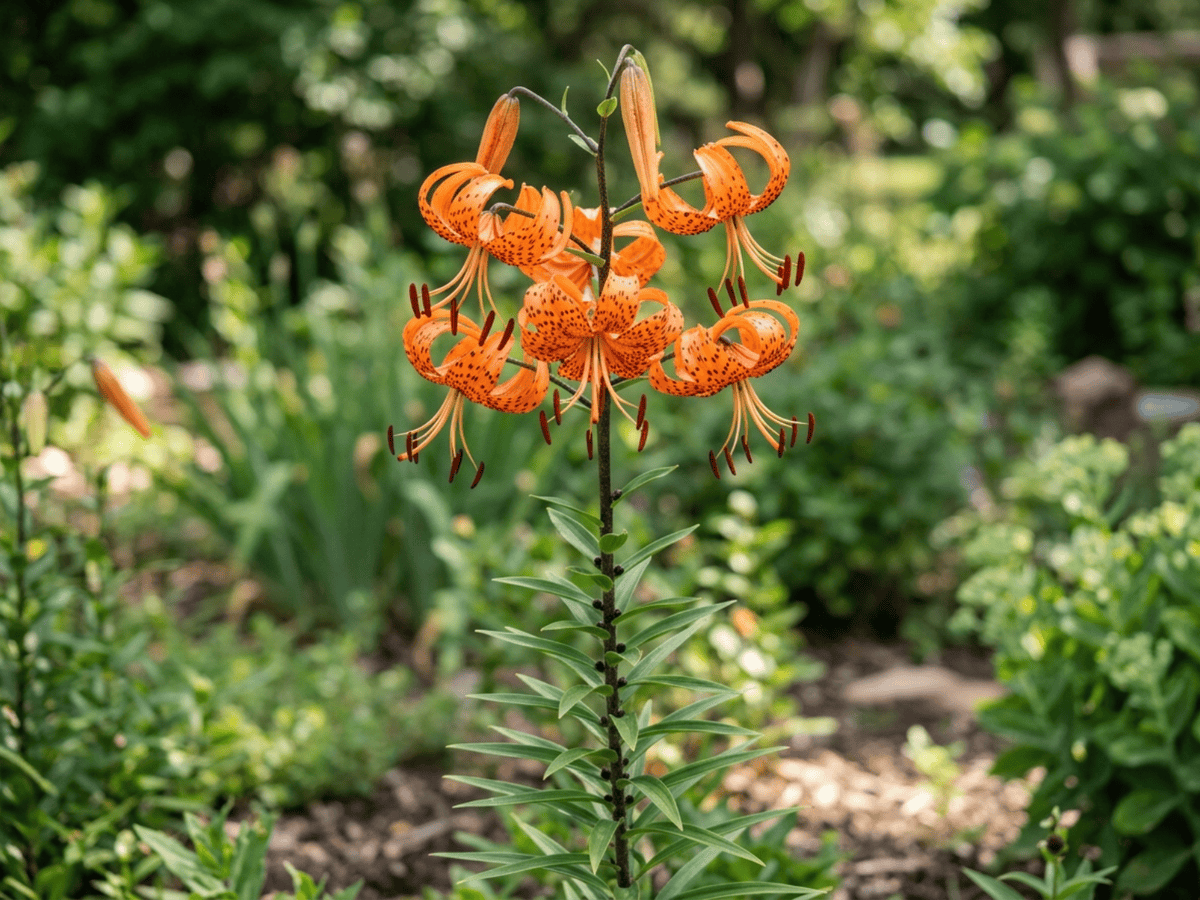 Tiger LilyLilium lancifolium
 Easter LilyLilium longiflorum
Plants with similar care
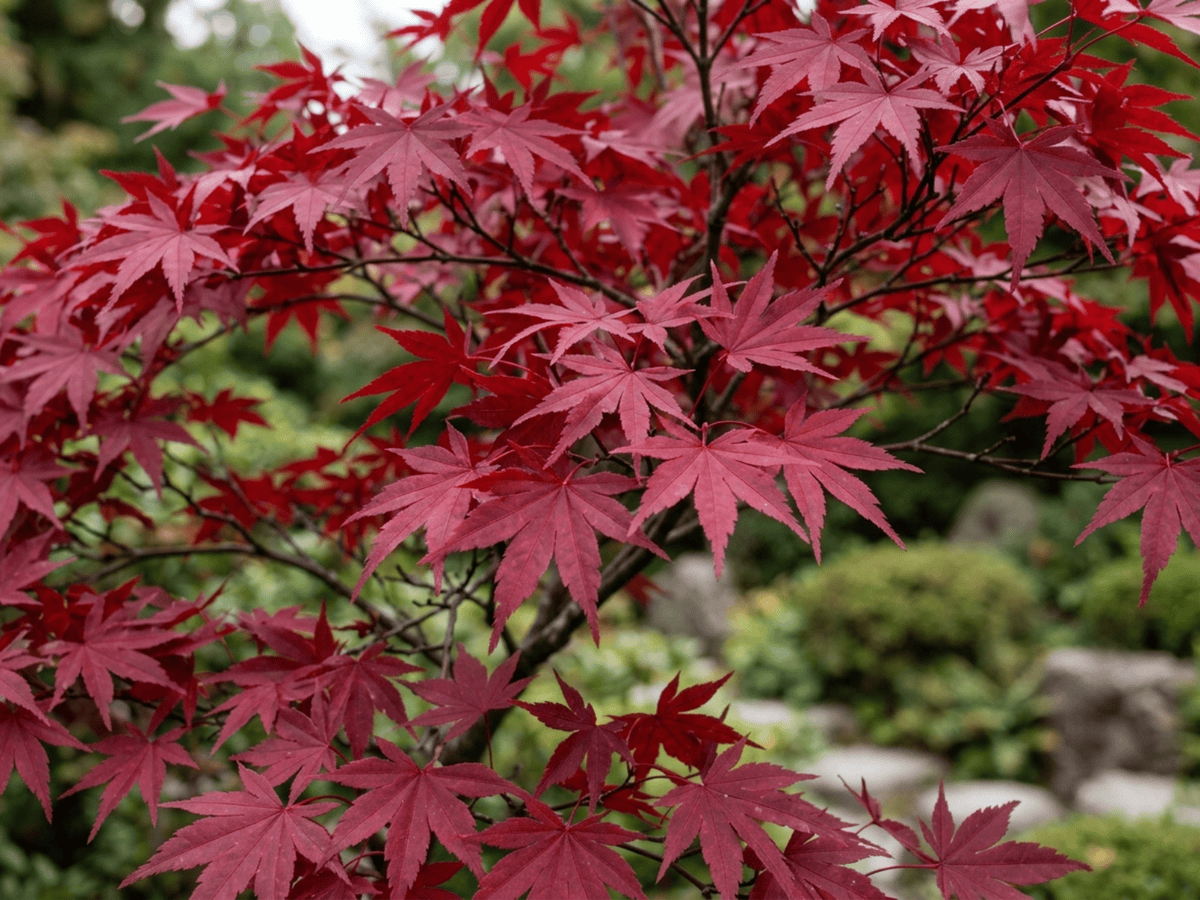 Japanese MapleAcer palmatum
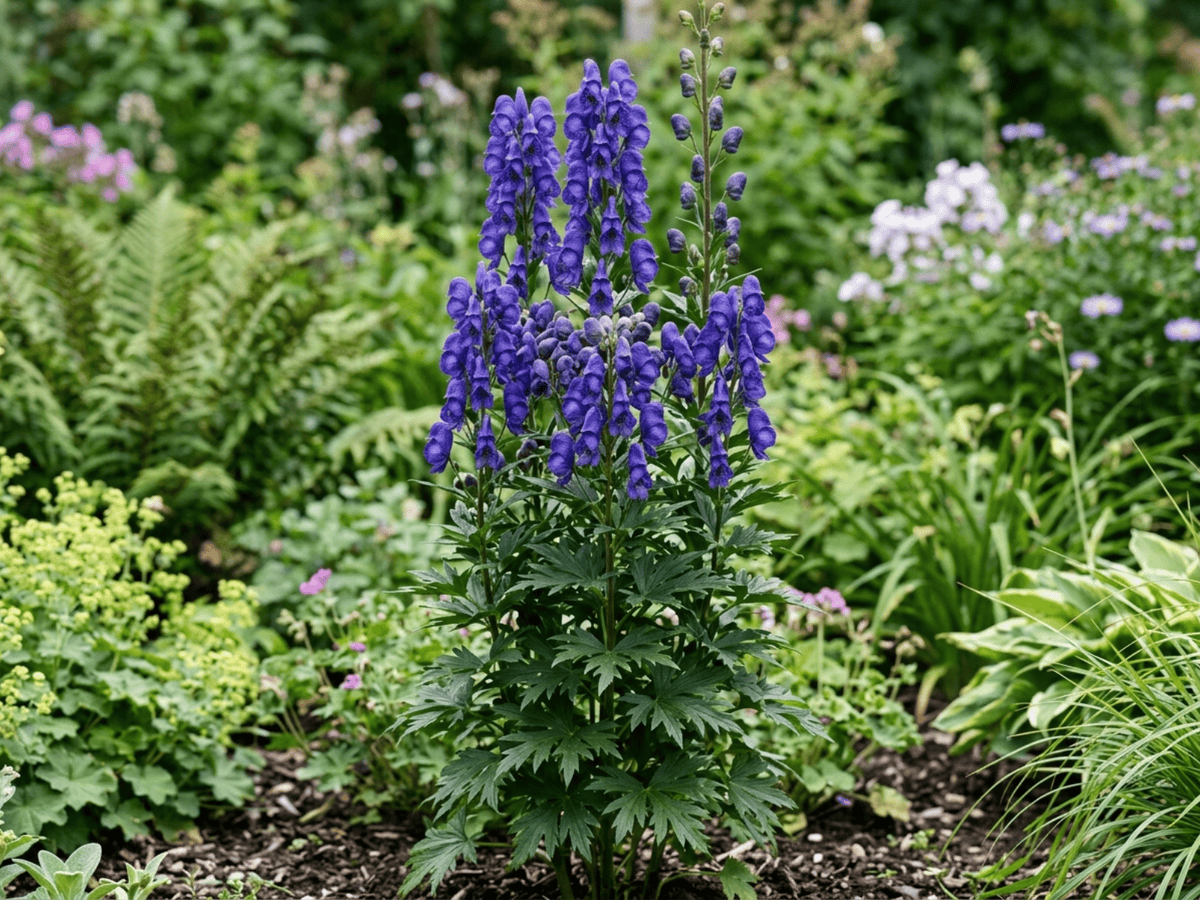 Azure MonkshoodAconitum carmichaelii
 Florida HobblebushAgarista populifolia
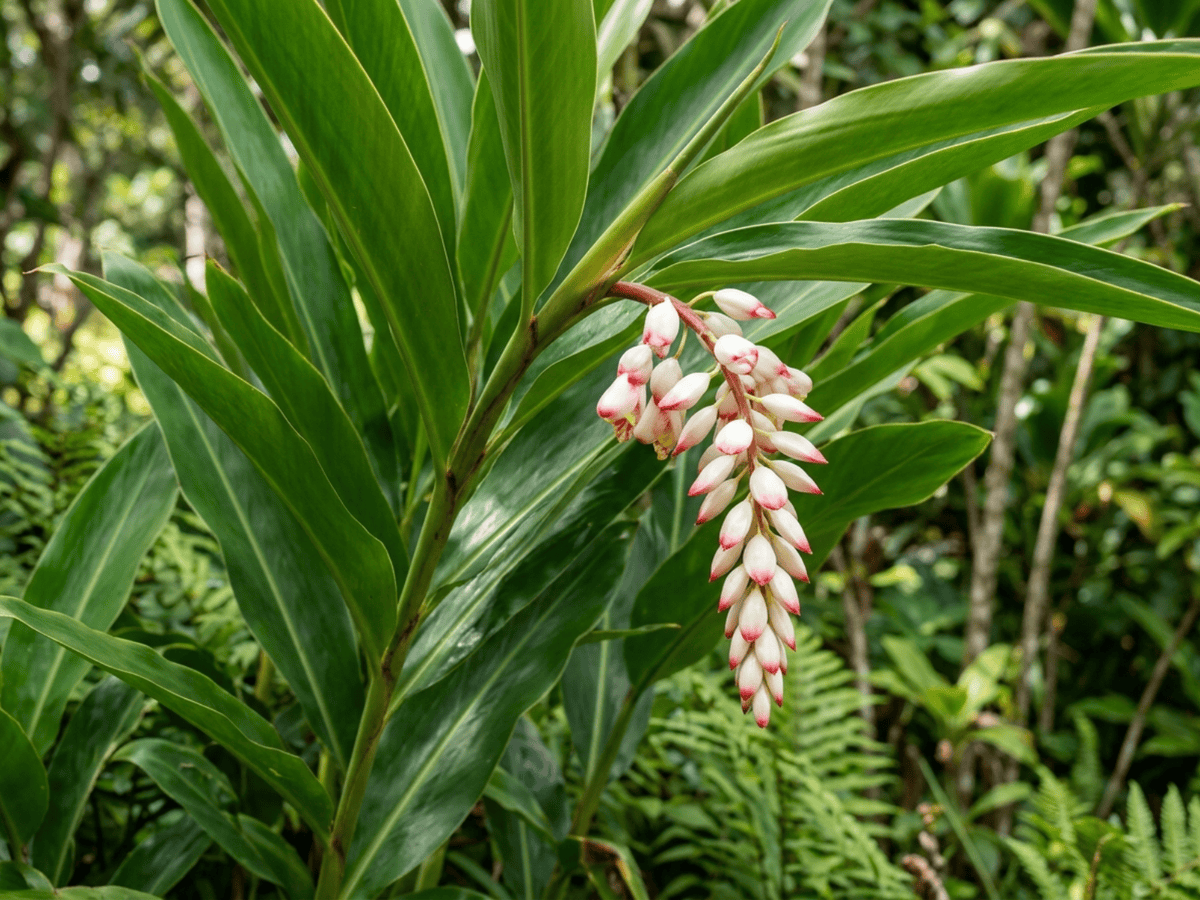 Shell GingerAlpinia zerumbet
Frequently asked questions
How often should I water Martagon Lily?
Water about every 5 days during the growing season, and always let excess water drain away.
How much light does Martagon Lily need?
Part shade: 2–4 hrs direct. Watch the leaves — scorching or stretching means the light needs adjusting.
Is Martagon Lily toxic to cats or dogs?
Pets Toxic (Dogs Slight · Cats Toxic) Educational information, not medical or veterinary advice. If exposure is suspected, contact a doctor or veterinarian.
Is Martagon Lily easy to grow?
It is moderately demanding: a good choice once you have a little experience.
When does Martagon Lily bloom?
It typically blooms Jun–Jul in the Northern Hemisphere.
YardMate
Identify any plant in seconds
Snap a photo — YardMate names the plant, diagnoses problems, and reminds you when to water.
Download on the App Store