 YardMate


Oriental Lily
Lilium orientalis
Medium · Some experienceAbout Oriental Lily
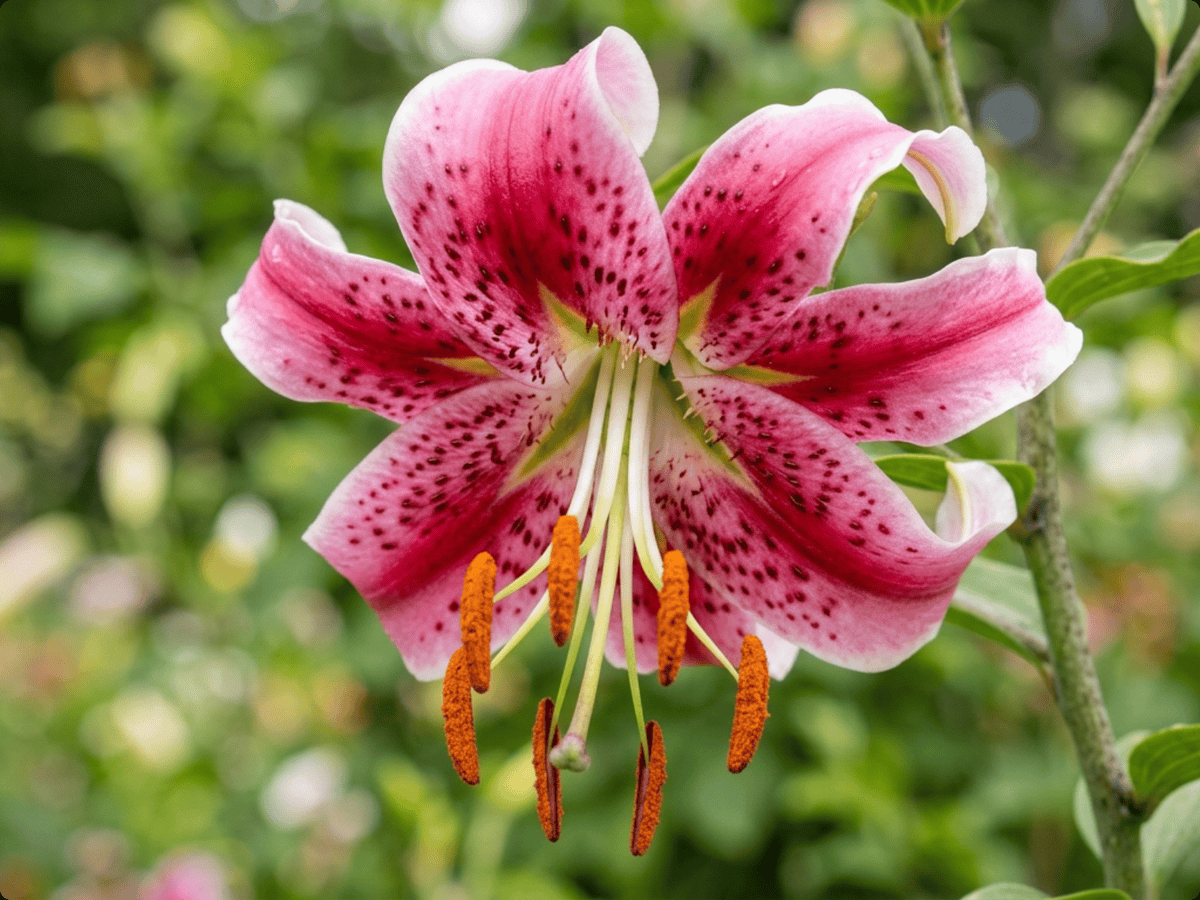
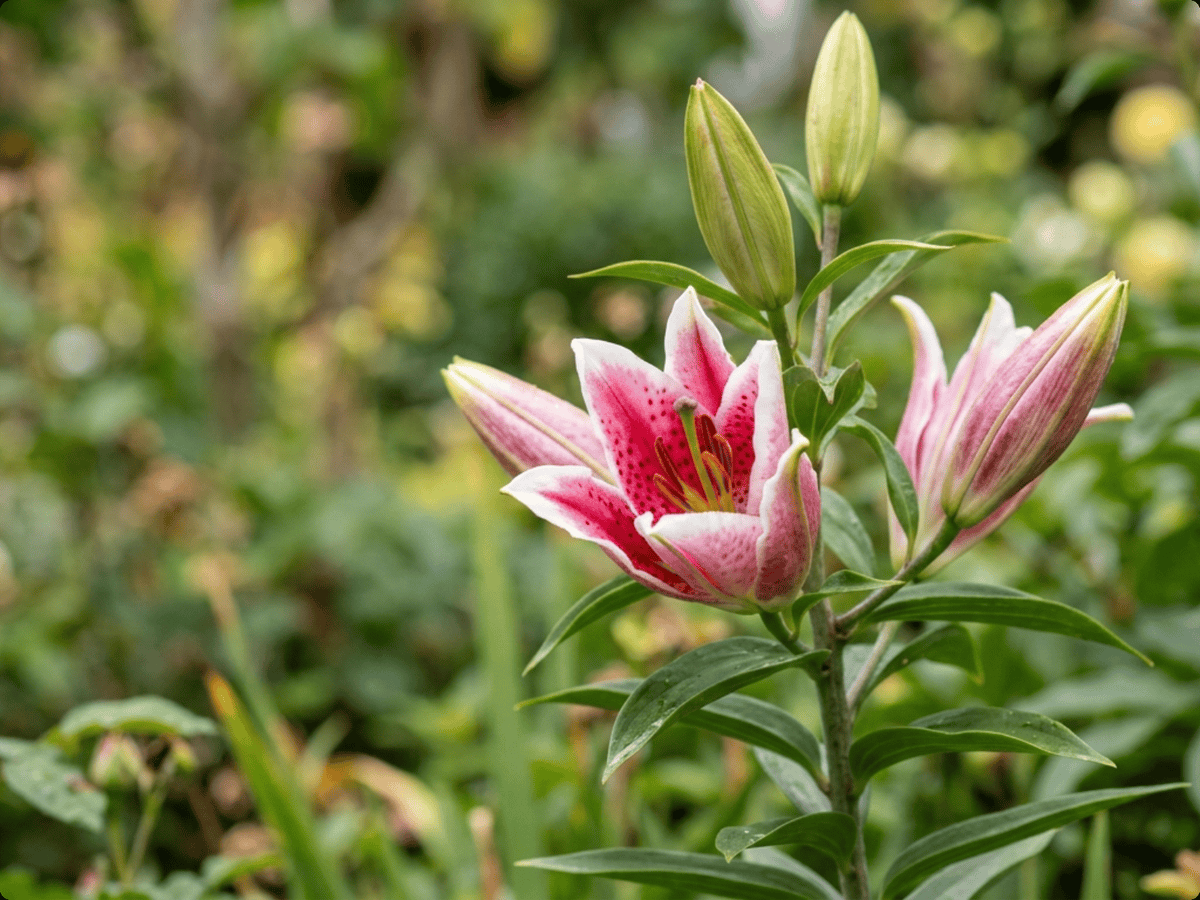
Lilium orientalis (Oriental lily hybrids) produce some of the most spectacular and fragrant flowers in the lily world — enormous outward-facing or slightly nodding blooms up to 25 cm across in white, pink, crimson, and bicolors, often with spots and contrasting edges. The fragrance is powerful, sweet, and spicy — a single stem can scent an entire room. Derived primarily from Japanese species like L. auratum and L. speciosum, they bloom in mid to late summer, later than Asiatic lilies. They prefer acidic soil and light shade in hot climates. 'Stargazer' is the world's most famous cultivar.
- Fragrant
- Cut-flower
How to care for Oriental Lily
Watering
- Springevery 7 days
- Summerevery 5 days
- Fallevery 10 days
- Winterevery 21 days
Soil · Well-draining
- Main mixLoam + coarse sand 3:175%
- DrainageGravel25%
Sharp drainage matters most — bulbs rot in wet soil while dormant.
FERTILIZER
Acid-Loving Feed 4-3-4
One bag does both jobs. An acid feed carries the usual nitrogen, phosphorus and potassium, plus the sulfur and iron that keep the soil sour enough for the roots to take them up at all.
- Nitrogen · Leaves
- Phosphorus · Roots + Blooms
- Potassium · Strength
- Springevery 30 days
- Summerevery 30 days
At a Glance
- NativeEast Asia
- Height3–5 ft (0.9–1.5 m)
- Spread1–1.5 ft (0.3–0.5 m)
- Flower colorPink, White, Red, Yellow
- Foliage colorGreen
- SoilLoamy, Well-drained, Acidic
- LocationsYard
Bloom time
BLOOM CYCLE
Peak bloom
Aug–Sep
Enormous fragrant blooms mid to late summer; mulch to keep roots cool
Fragrance
STRONG FRAGRANCE
Powerfully sweet heavy fragrance — the benchmark 'lily' scent.
Toxicity
Humans Slight · Cats Severe
unidentified nephrotoxin (cat-specific)
Slight
- Flower
- Contact
EXPOSURE Touching flowers.
EFFECT Pollen stains skin and fabric.
NOTE Documented concern for humans: Pollen stains skin and fabric.
Safe
EXPOSURE No exposure route is reported.
EFFECT No toxic effect is reported.
NOTE Listed as non-toxic for dogs; avoid eating ornamental plants unless confirmed edible.
Severe
- Flower
- Leaf
- Stem
- Root
- Ingestion
EXPOSURE Eating flowers, leaves, stems, and roots.
EFFECT Acute fatal kidney failure within 3–7 days from any ingestion and pollen alone can kill. Emergency veterinary care required.
NOTE True lilies are dangerous to cats, but ASPCA/NC State list these Lilium species as non-toxic to dogs. Keep cat warning high; dog exposure is usually not a toxicological concern.
Educational information, not medical or veterinary advice. If exposure is suspected, contact a doctor or veterinarian.
DISTRIBUTION


- Native
- East Asia
History
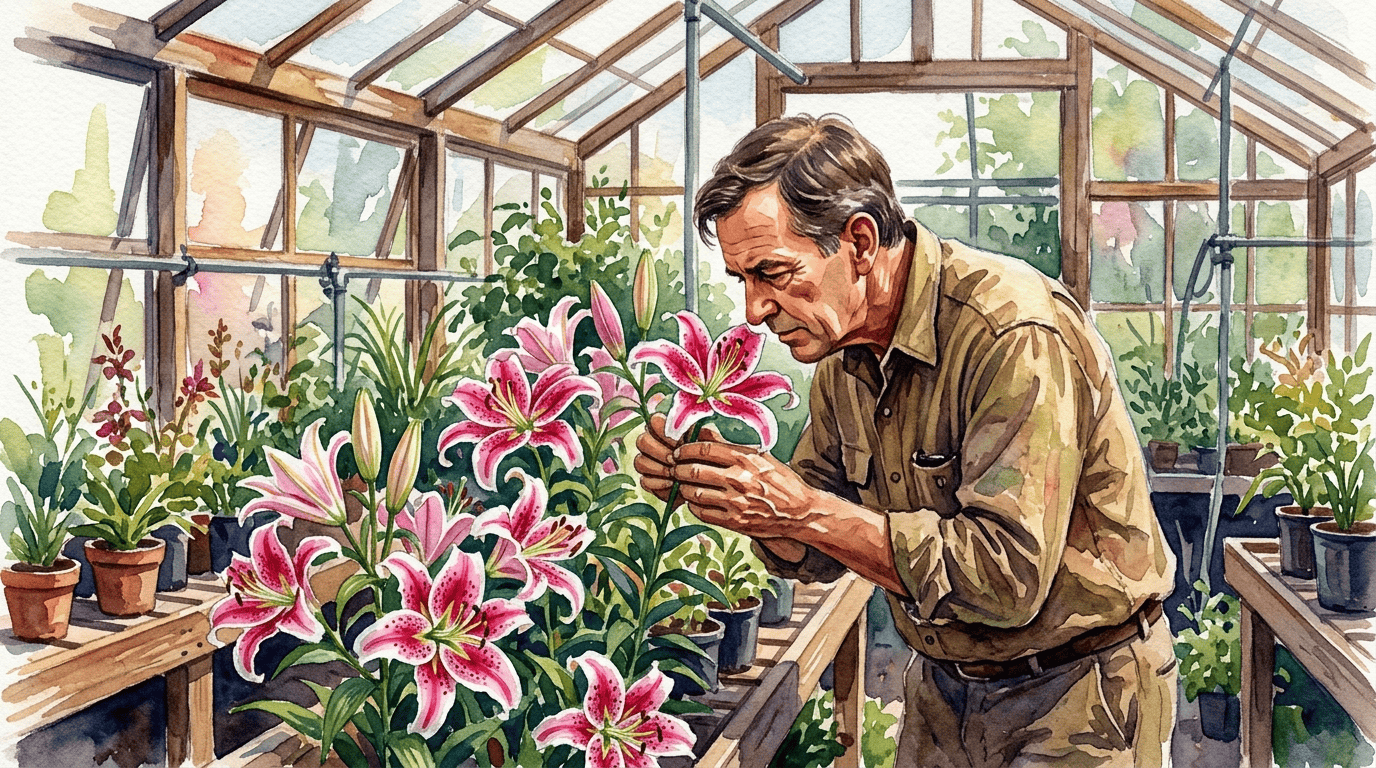
'Lilium orientalis' is not a single species but a group of hybrids — formally called the Oriental Hybrid Lilies — developed from four Japanese wild species: L. auratum, L. speciosum, L. japonicum, and L. rubellum. Dutch and American breeders began the program in the 1950s; the defining cultivar 'Stargazer', introduced in 1978 by California lily breeder Leslie Woodriff, reoriented the flowers to face upward and was the breakthrough that transformed the cut-flower trade. Before 'Stargazer', most lilies had downward- or sideways-facing flowers hard to display in bouquets; after it, Oriental Hybrids became the dominant premium cut lily worldwide.
Dutch production around Hillegom and Lisse today grows the vast majority of the global supply. Same lethal cat toxicity as other true lilies. The 'Stargazer' lily — the world's most popular Oriental hybrid — was created by Californian breeder Leslie Woodriff in 1978.
He crossed multiple species to produce an upward-facing flower (previous Oriental lilies nodded downward) in vivid pink with white edges and dark spots. He named it 'Stargazer' because it looked up at the stars. Woodriff, who was going blind at the time, called it his greatest achievement. Today, Stargazer is the most commercially grown lily in the world. The Dutch lily industry produces over 2 billion lily bulbs annually, with Oriental types commanding the highest prices.
Symbolism & meaning
What It Symbolizes
Oriental Lily wears majesty openly — its enormous, intensely perfumed blooms command attention across any garden or room they enter, representing regal splendor in petal form. Few flowers fill a space so completely with both color and scent. A lily that does not so much decorate as preside, taking the role of monarch in any vase it joins.
- Majesty — Its enormous, perfumed blooms command attention and represent regal splendor
Where the Name Comes From
Lilium from Latin 'lilium.' Orientalis means 'eastern,' as the parent species come from East Asia.
Uses & Fun Facts
- Large blooms release powerful sweet oriental lily perfume
- Tall stems are summer florist staples in luxury bouquets
- Bulbs grown in deep patio pots for fragrant displays
- Late-summer focal blooms for sunny perennial borders
Related plants
More Lilium plants
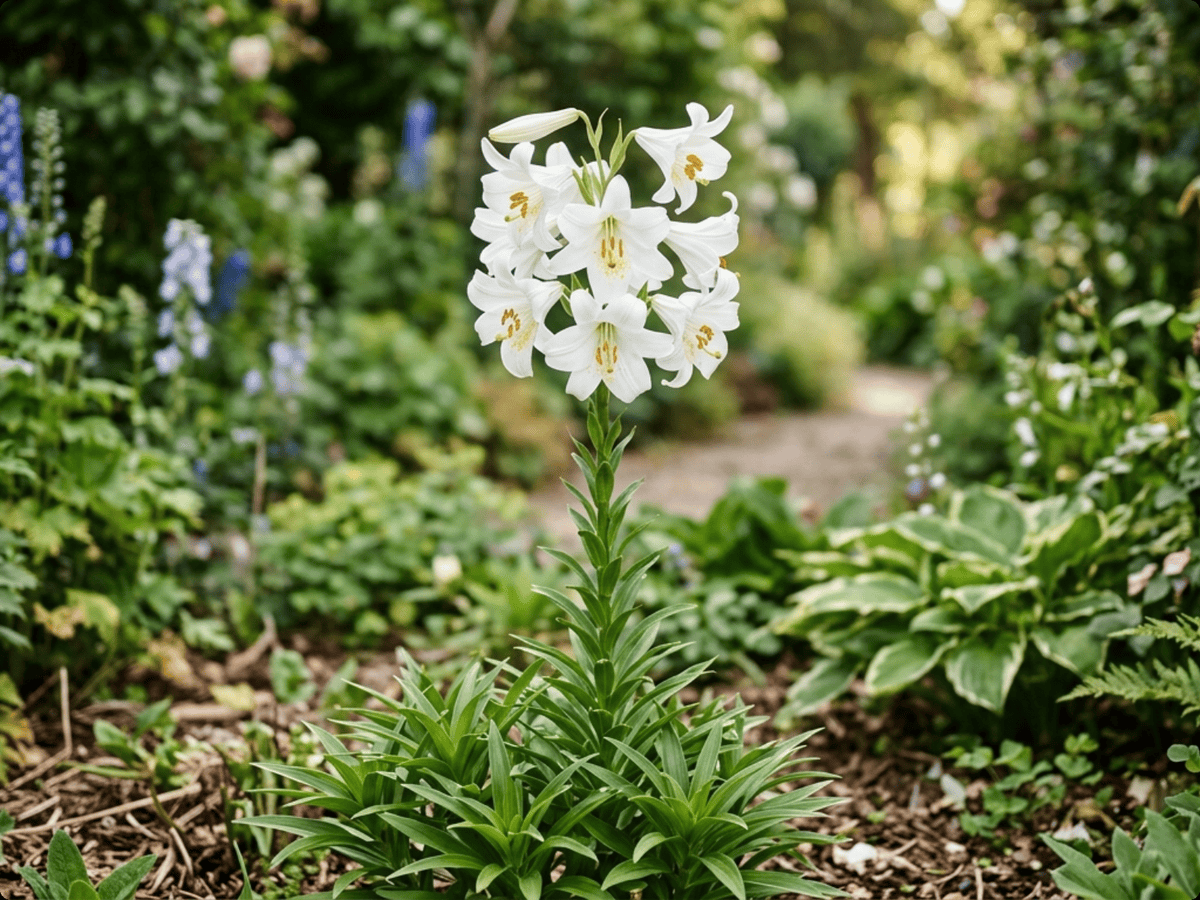 Madonna LilyLilium candidum
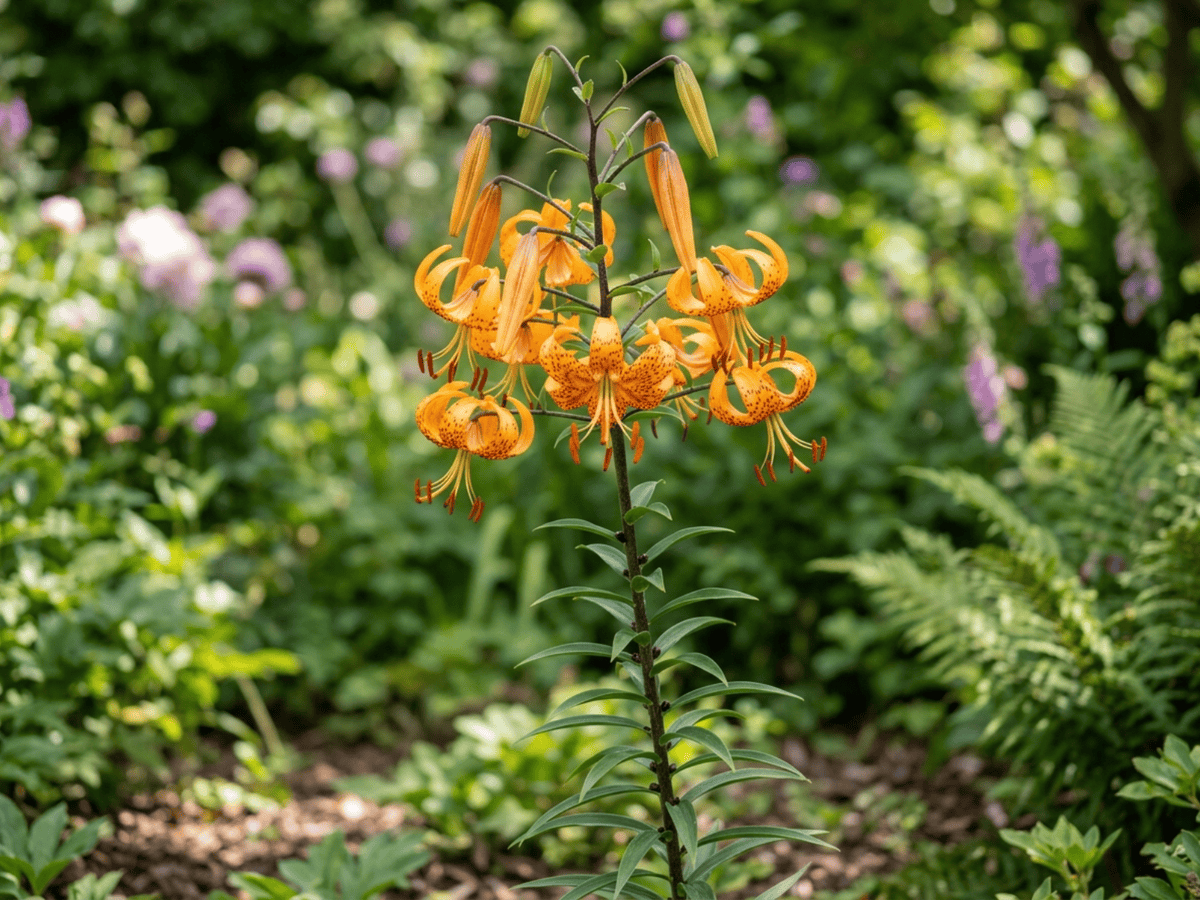 Henry's LilyLilium henryi
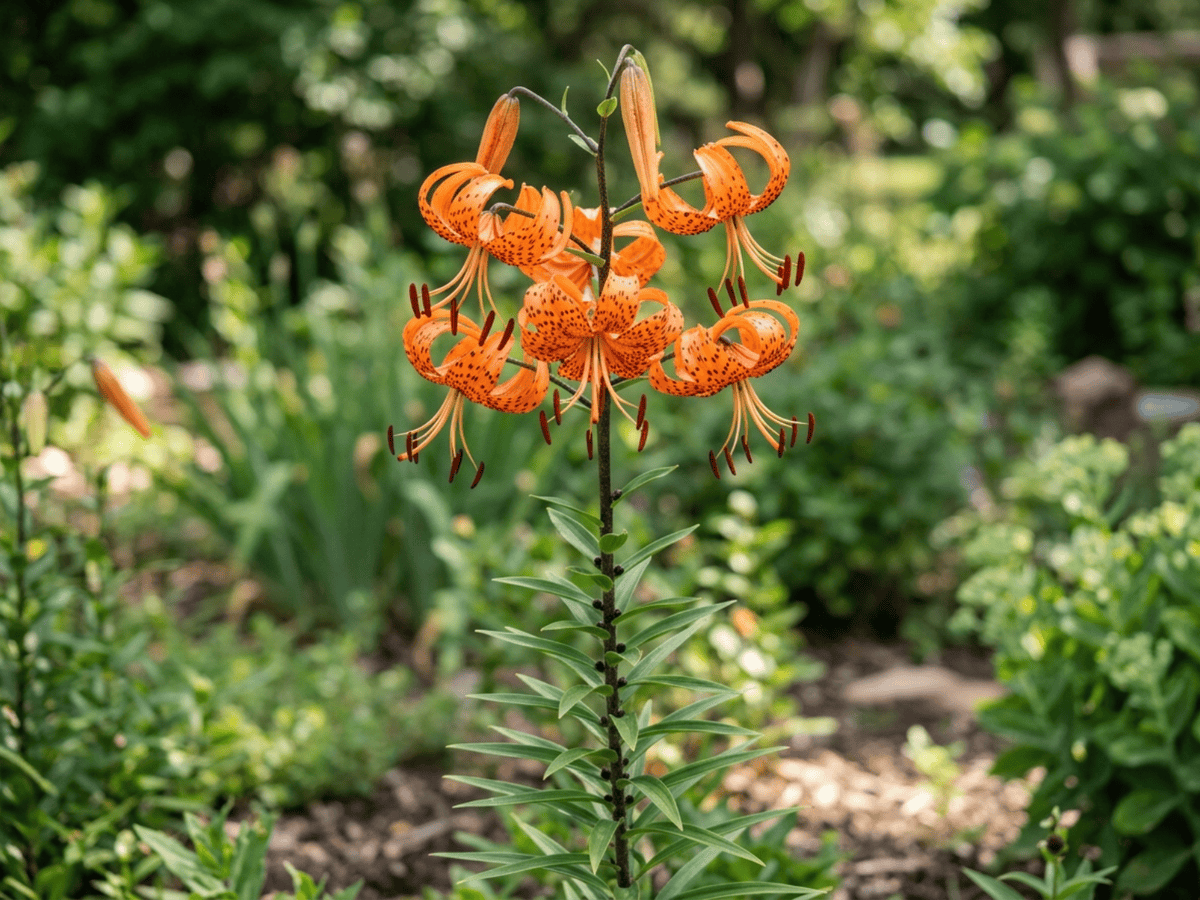 Tiger LilyLilium lancifolium
 Easter LilyLilium longiflorum
Plants with similar care
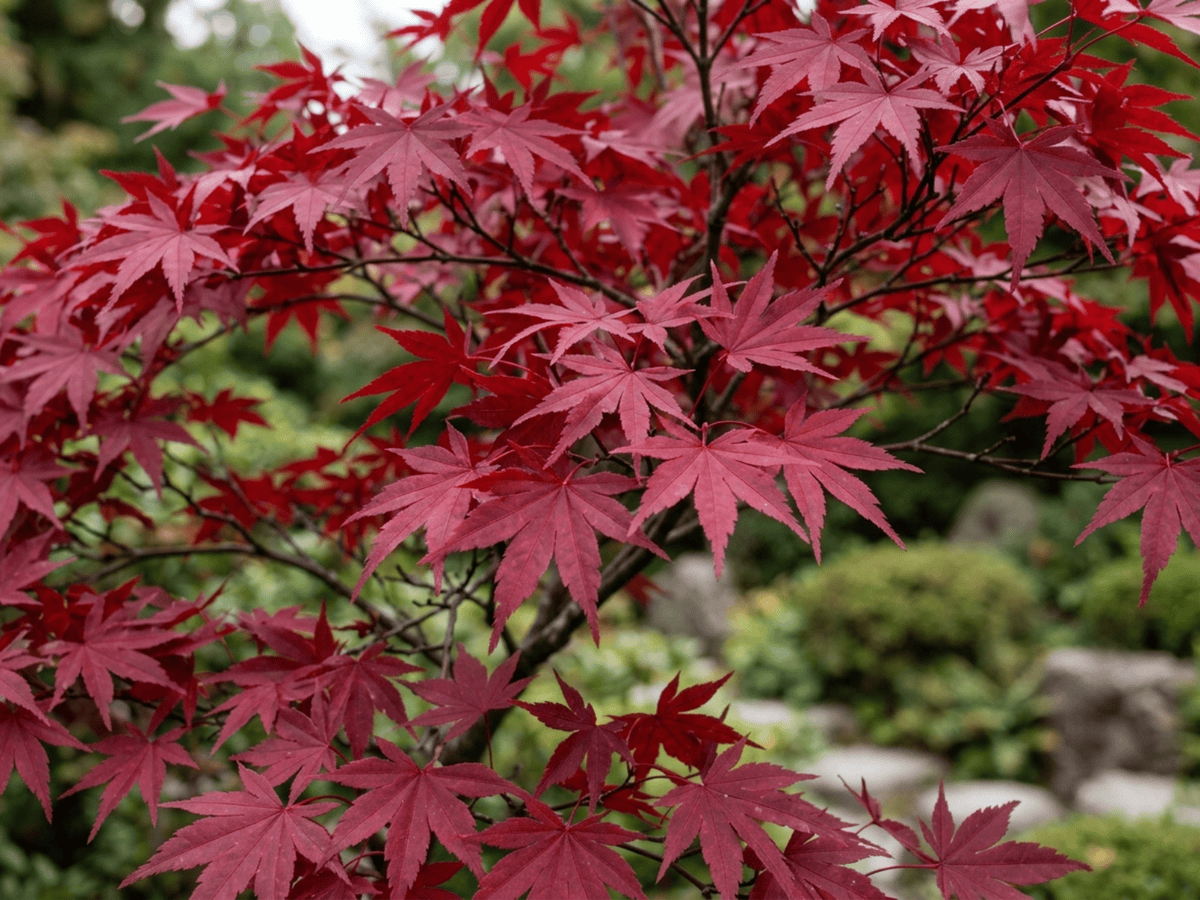 Japanese MapleAcer palmatum
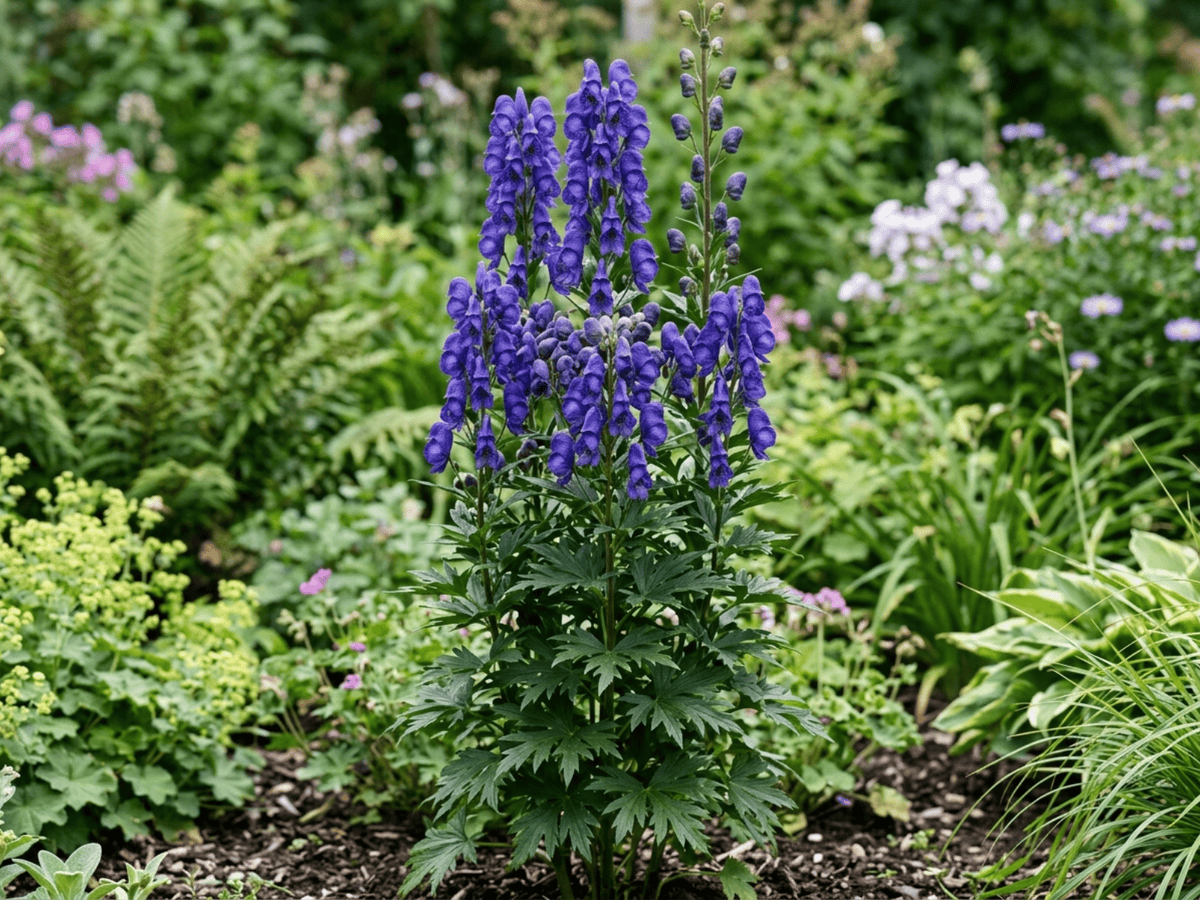 Azure MonkshoodAconitum carmichaelii
 Florida HobblebushAgarista populifolia
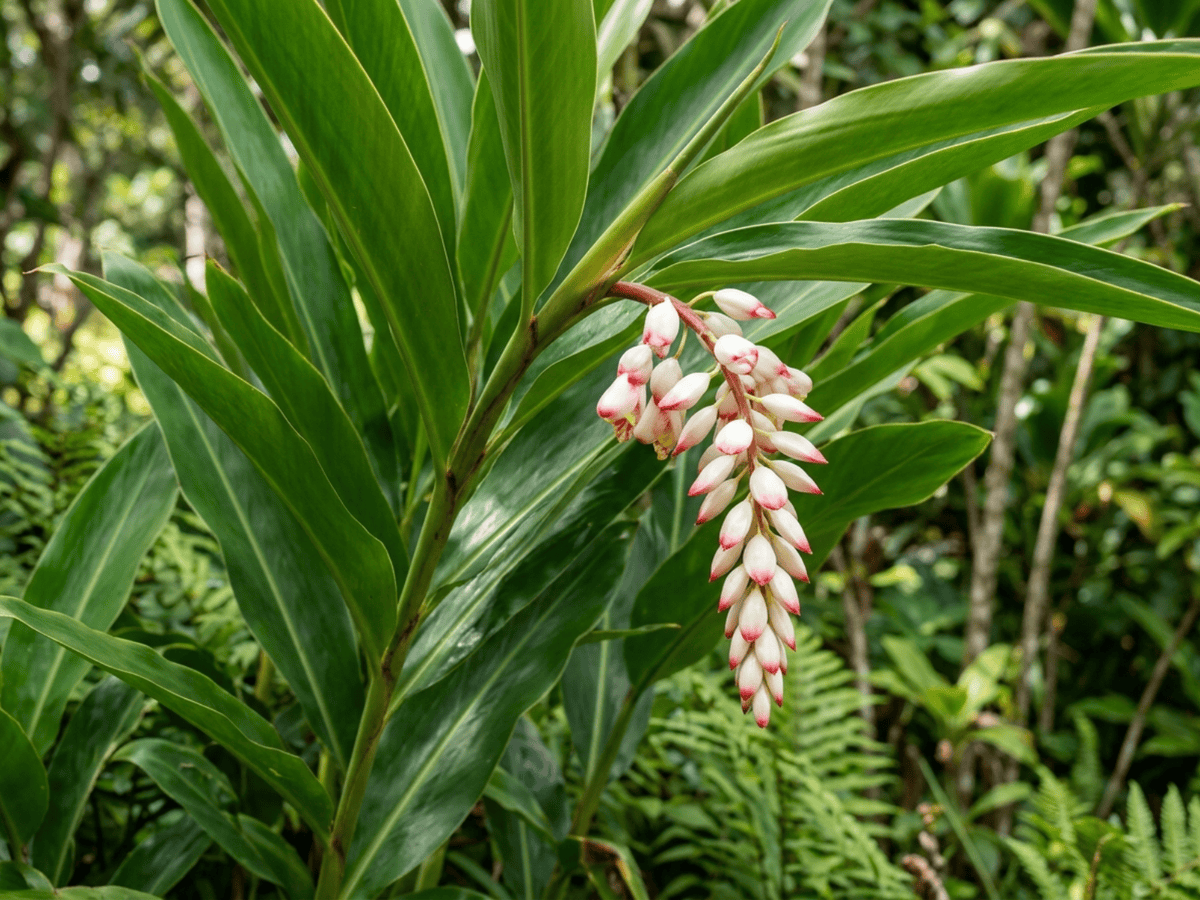 Shell GingerAlpinia zerumbet
Frequently asked questions
How often should I water Oriental Lily?
In summer, water about every 5 days; in winter, about every 21 days. Adjust for heat, pot size and drainage.
How much light does Oriental Lily need?
Part shade: 2–4 hrs direct. Watch the leaves — scorching or stretching means the light needs adjusting.
Is Oriental Lily toxic to cats or dogs?
Pets Severe (Dogs Safe · Cats Severe) Educational information, not medical or veterinary advice. If exposure is suspected, contact a doctor or veterinarian.
Is Oriental Lily easy to grow?
It is moderately demanding: a good choice once you have a little experience.
When does Oriental Lily bloom?
It typically blooms Aug–Sep in the Northern Hemisphere.
YardMate
Identify any plant in seconds
Snap a photo — YardMate names the plant, diagnoses problems, and reminds you when to water.
Download on the App Store