 YardMate

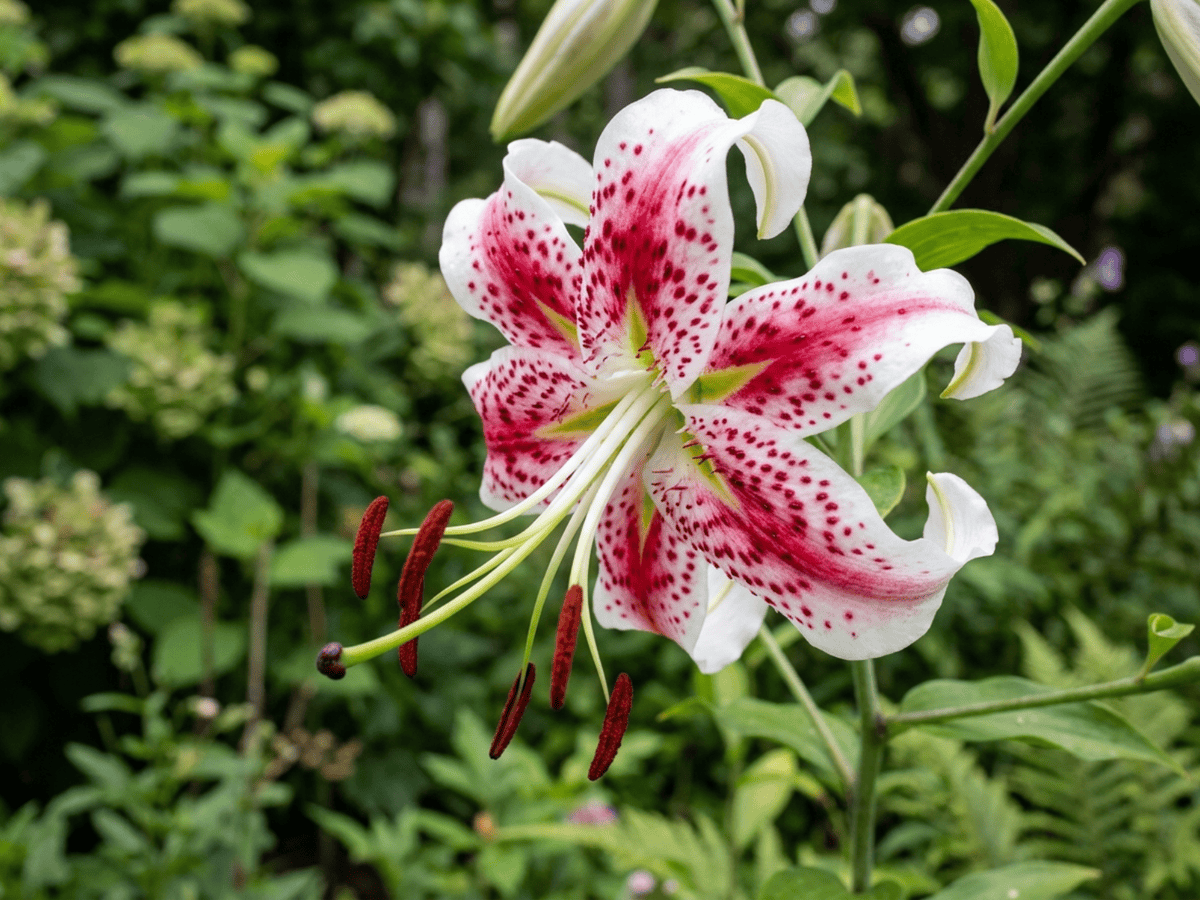


Showy Japanese Lily
Lilium speciosum
Medium · Some experienceAbout Showy Japanese Lily
Showy Japanese Lily is a late-blooming species lily from Japan, Taiwan, and China bearing spectacular nodding pink and white flowers with strongly recurved petals, raised crimson papillae, and prominent stamens. Growing 3-5 feet tall and blooming in late summer to autumn when most lilies are done, it extends the lily season beautifully. A classic for American borders, it is hardy in USDA zones 4-9 and brings elegance to the late-summer garden.
- Fragrant
- Cut-flower
How to care for Showy Japanese Lily
Watering
- Springevery 5 days
- Summerevery 4 days
- Fallevery 7 days
- Winterpause watering
Soil · Well-draining
- Main mixLoam + coarse sand 3:175%
- DrainageGravel25%
Sharp drainage matters most — bulbs rot in wet soil while dormant.
FERTILIZER
Balanced Feed 14-14-14
An even feed covers all three needs at once, keeping leaves, roots and blooms moving together with nothing pushed out of balance.
- Nitrogen · Leaves
- Phosphorus · Roots + Blooms
- Potassium · Strength
- Springevery 30 days
- Summerevery 30 days
At a Glance
- NativeEast Asia
- Height3–5 ft (0.9–1.5 m)
- Spread1–1.5 ft (0.3–0.5 m)
- Flower colorPink, White, Red
- Foliage colorGreen
- SoilLoamy, Well-drained, Acidic
- LocationsYard
Bloom time
BLOOM CYCLE
Peak bloom
Aug–Sep
Pink-and-white recurved flowers August to September
Fragrance
STRONG FRAGRANCE
The flowers have a sweet, heavy, spicy scent.
Toxicity
Humans Slight · Cats Toxic
unidentified nephrotoxin
Slight
- All
- Ingestion
EXPOSURE Eating any part of the plant.
EFFECT Mild GI.
NOTE Documented concern for humans: Mild GI.
Safe
EXPOSURE No exposure route is reported.
EFFECT No toxic effect is reported.
NOTE Listed as non-toxic for dogs; avoid eating ornamental plants unless confirmed edible.
Toxic
- All
- Ingestion
EXPOSURE Eating any part of the plant.
EFFECT Acute kidney failure, vomiting, and death.
NOTE True lilies are dangerous to cats, but ASPCA/NC State list these Lilium species as non-toxic to dogs. Keep cat warning high; dog exposure is usually not a toxicological concern.
Educational information, not medical or veterinary advice. If exposure is suspected, contact a doctor or veterinarian.
DISTRIBUTION


- Native
- East Asia
History

Lilium speciosum grows in subtropical woodlands of southern Japan, southeastern China, and Taiwan. German physician Philipp Franz von Siebold introduced it to Leiden Botanic Garden in 1832 from specimens collected during his service at the Dutch trading post Dejima in Nagasaki. Its waxy pink recurved flowers, powerful fragrance, and late summer bloom made it an immediate horticultural sensation across Europe.
Dutch breeders and later Oregon breeder Jan de Graaff used it as a principal parent for the Oriental hybrid group (Division 7) beginning in the 1940s—crosses with L. auratum and L. rubellum. Oriental hybrids now dominate the commercial lily trade with cultivars including 'Stargazer' (Leslie Woodriff, 1974), 'Casablanca', and 'Muscadet' grown by the millions worldwide.
The cultivar 'Rubrum' with deep crimson flowers and 'Uchida' became foundational parents in Oriental lily breeding, leading to the modern Oriental Hybrid class that includes 'Stargazer' (released 1975)—one of America's best-selling cut flowers of all time.
Symbolism & meaning
What It Symbolizes
Showy Japanese Lily is celebration in late summer, its spectacular pink-spotted recurved flowers throwing one final party as other lilies fade. Its elegant turk's-cap form is the soul of grace, a flower that has graced Japanese summer arrangements for centuries. It is the seasonal coda — the lily that lets August end with a flourish rather than a sigh.
- Celebration — spectacular late-summer display
- Grace — elegant recurved flower form
Where the Name Comes From
'Speciosum' means 'showy' or 'beautiful' in Latin.
Uses & Fun Facts
- Late-season pink-and-white flowers carry rich heady perfume
- Recurved nodding blooms star in autumn floral arrangements
- Extends lily season into late summer and early fall
Related plants
More Lilium plants
 Madonna LilyLilium candidum
 Henry's LilyLilium henryi
 Tiger LilyLilium lancifolium
 Easter LilyLilium longiflorum
Plants with similar care
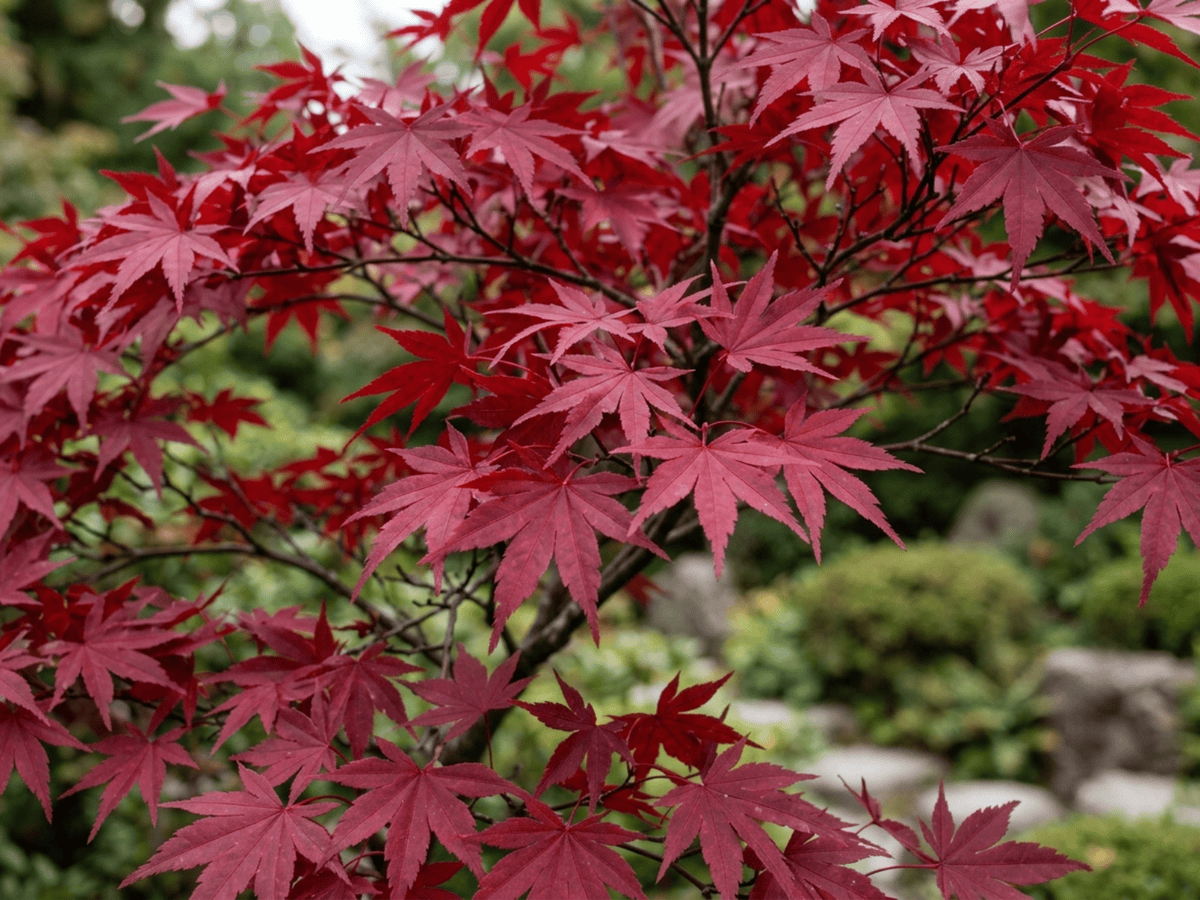 Japanese MapleAcer palmatum
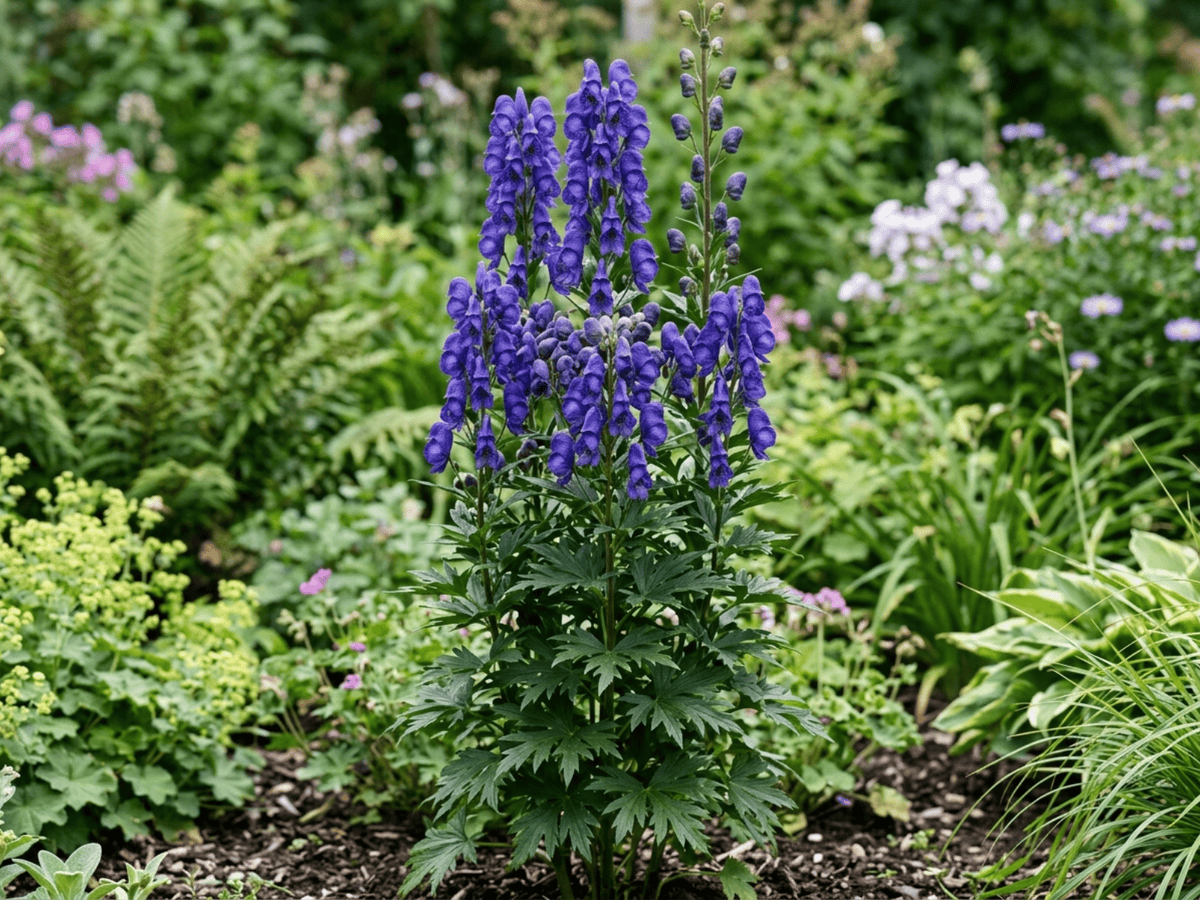 Azure MonkshoodAconitum carmichaelii
 Florida HobblebushAgarista populifolia
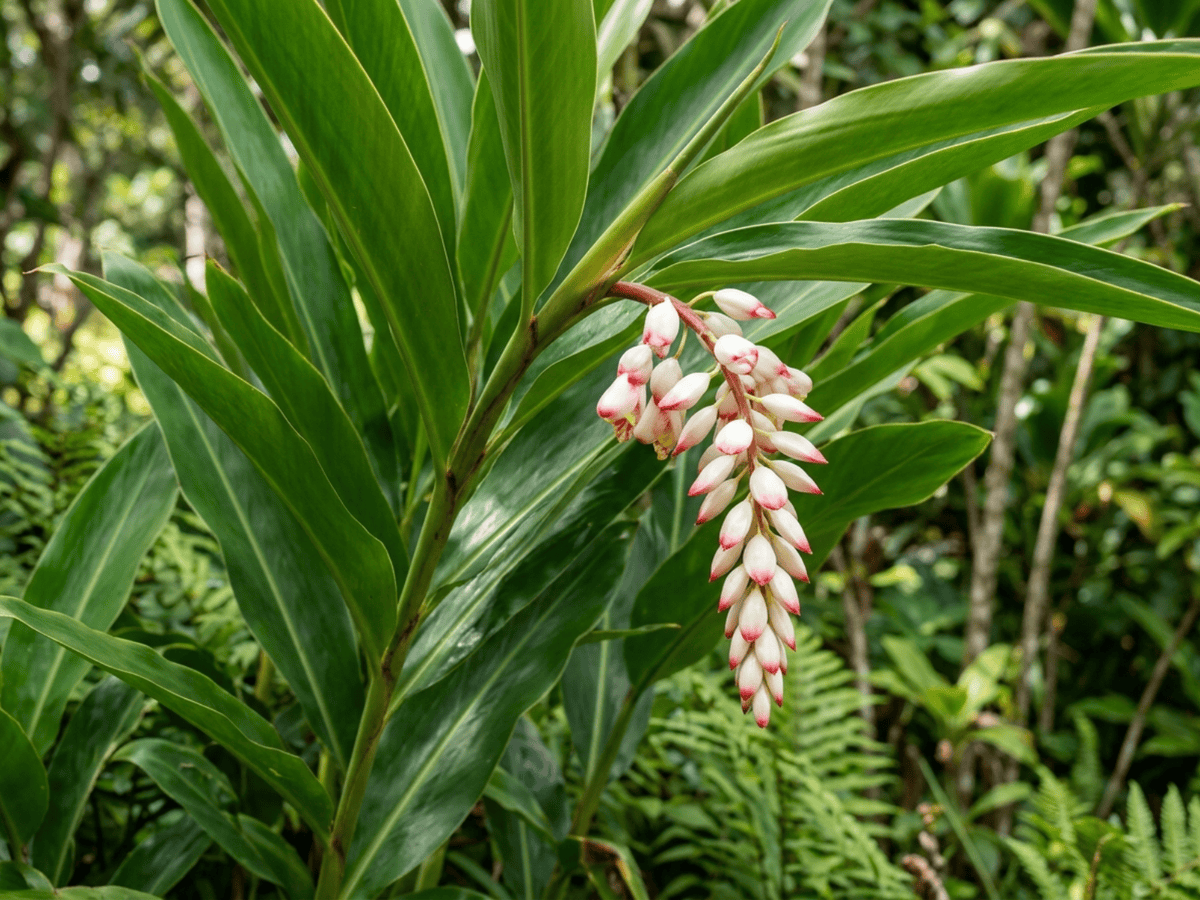 Shell GingerAlpinia zerumbet
Frequently asked questions
How often should I water Showy Japanese Lily?
Water about every 5 days during the growing season, and always let excess water drain away.
How much light does Showy Japanese Lily need?
Part shade: 2–4 hrs direct. Watch the leaves — scorching or stretching means the light needs adjusting.
Is Showy Japanese Lily toxic to cats or dogs?
Pets Toxic (Dogs Safe · Cats Toxic) Educational information, not medical or veterinary advice. If exposure is suspected, contact a doctor or veterinarian.
Is Showy Japanese Lily easy to grow?
It is moderately demanding: a good choice once you have a little experience.
When does Showy Japanese Lily bloom?
It typically blooms Aug–Sep in the Northern Hemisphere.
YardMate
Identify any plant in seconds
Snap a photo — YardMate names the plant, diagnoses problems, and reminds you when to water.
Download on the App Store