 YardMate

Cucumber-Tree
Magnolia acuminata
Medium · Some experienceAbout Cucumber-Tree
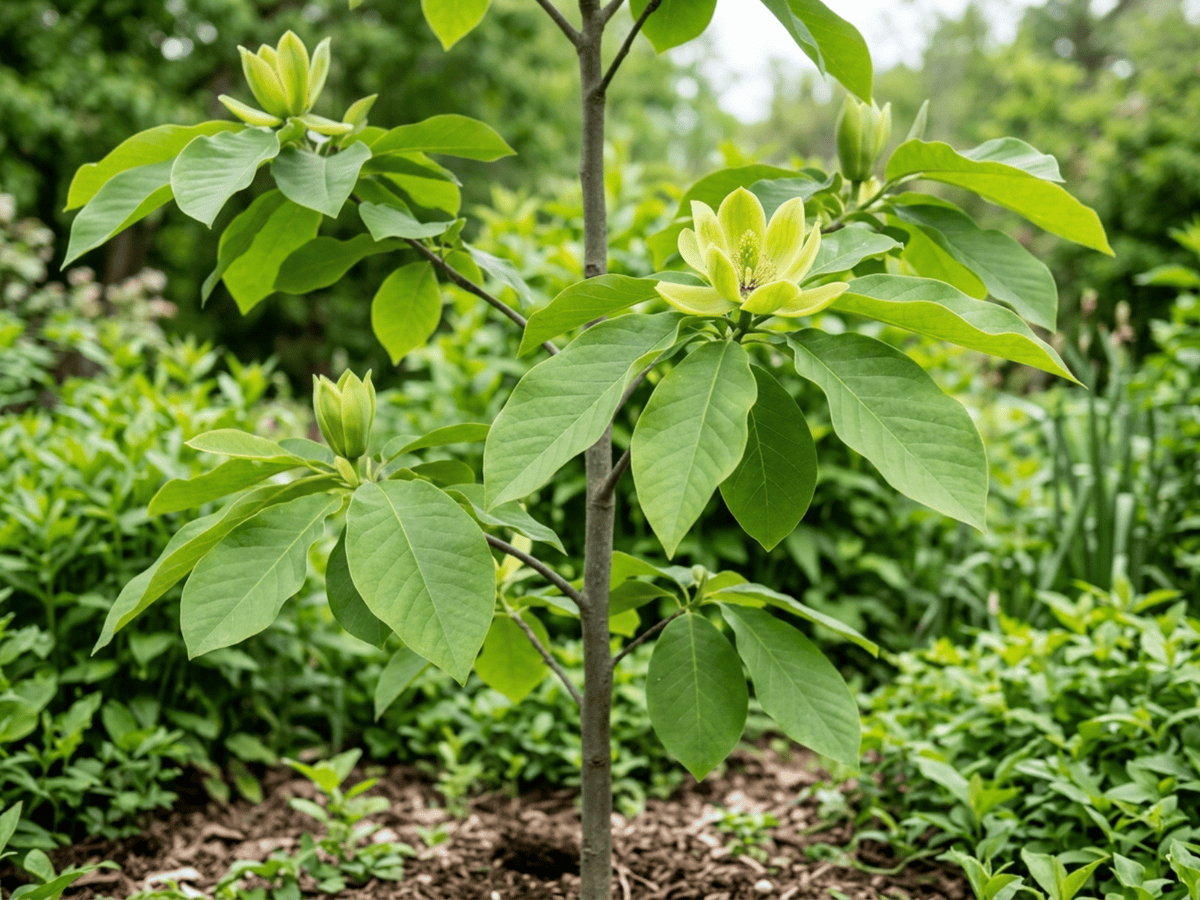
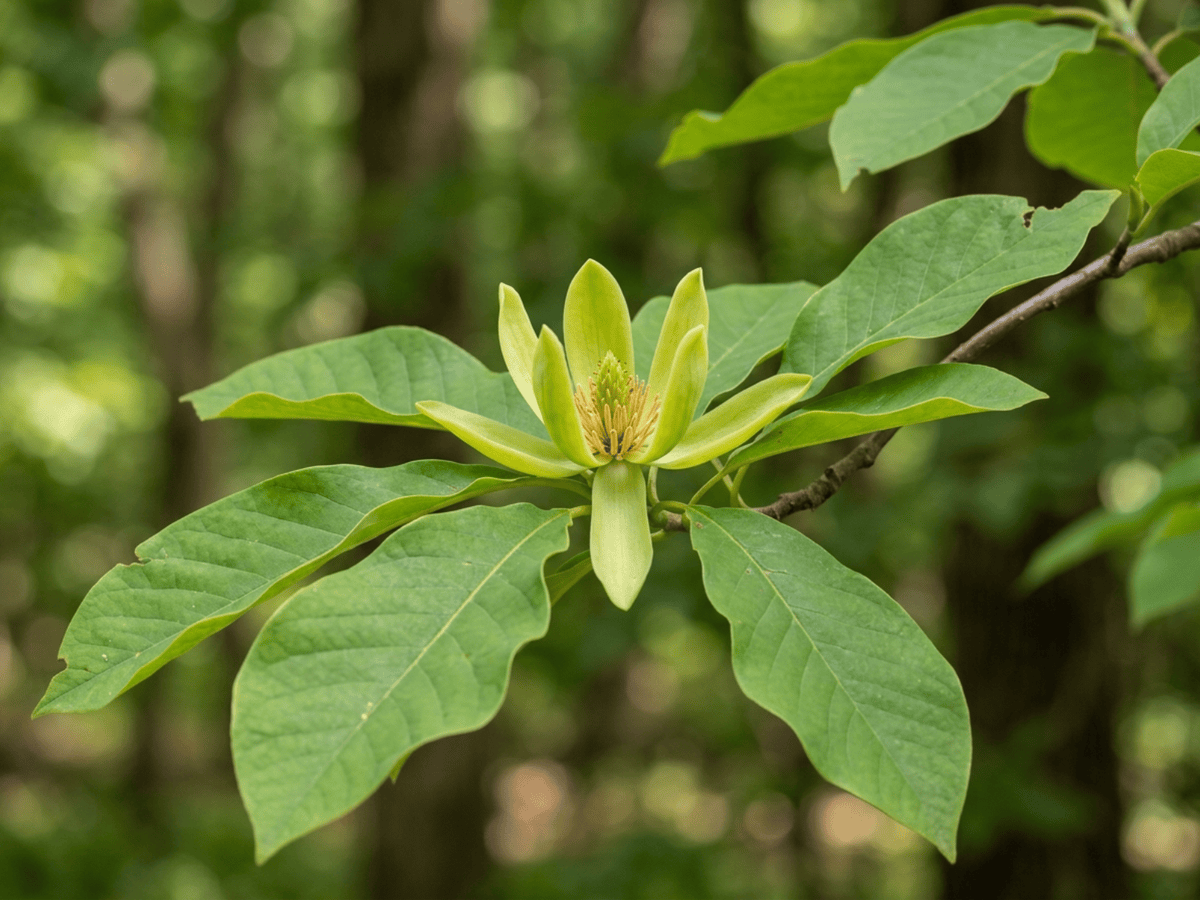
Cucumber Magnolia is a large native American forest magnolia reaching 50-80 feet tall, distinguished by small greenish-yellow flowers held high in the canopy and curious cucumber-shaped seed cones that turn red. One of the few hardy magnolias producing yellow-toned flowers, it has been hybridized with M. denudata and others to produce the popular yellow-flowered cultivars like 'Elizabeth' and 'Butterflies' prized in American gardens.
- Cold-hardy
- Native
- Pollinator-friendly
How to care for Cucumber-Tree
Watering
- Springevery 7 days
- Summerevery 5 days
- Fallevery 10 days
- Winterpause watering
Soil · Well-draining
- Top dressingPine bark mulch10%
- Main mixPotting soil + perlite 2:170%
- DrainageLECA / gravel20%
Never skip the drainage layer — standing water is the top cause of root rot.
FERTILIZER
Acid-Loving Feed 4-3-4
One bag does both jobs. An acid feed carries the usual nitrogen, phosphorus and potassium, plus the sulfur and iron that keep the soil sour enough for the roots to take them up at all.
- Nitrogen · Leaves
- Phosphorus · Roots + Blooms
- Potassium · Strength
- Springevery 60 days
- Summerevery 60 days
At a Glance
- NativeNorth America
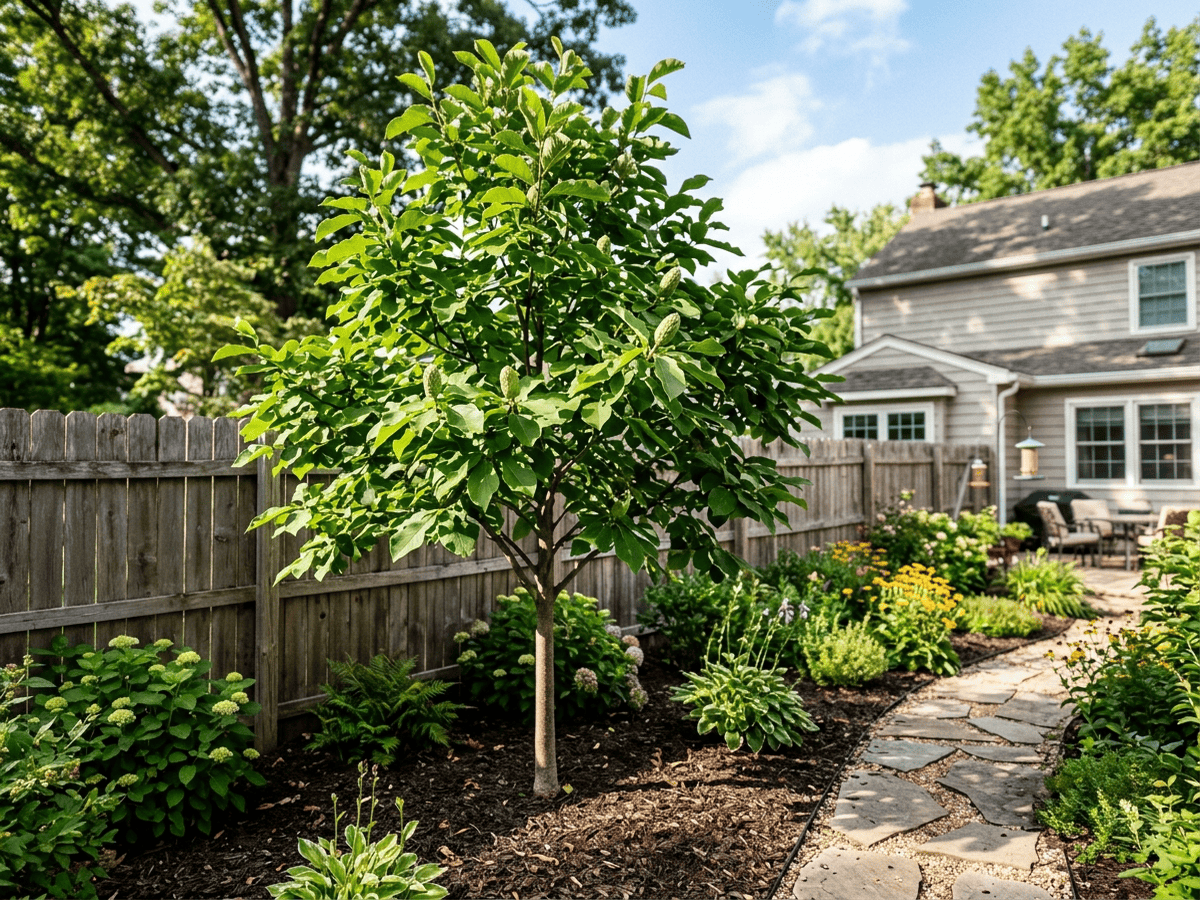
- Height60–80 ft (18.3–24.4 m)
- Spread30–50 ft (9.1–15.2 m)
- Flower colorGreen, Cream
- Foliage colorGreen, Yellow
- Fruit colorRed, Pink
- SoilRich, Loamy, Well-drained
- LocationsYard
Bloom time
BLOOM CYCLE
Peak bloom
May
Greenish-yellow flowers May
Fragrance
LIGHT FRAGRANCE
The flowers have a mild scent.
Toxicity
No toxicity has been reported for this plant. Still, it is wise to keep pets from chewing on any houseplant.
Educational information, not medical or veterinary advice. If exposure is suspected, contact a doctor or veterinarian.
DISTRIBUTION


- Native
- North America
History
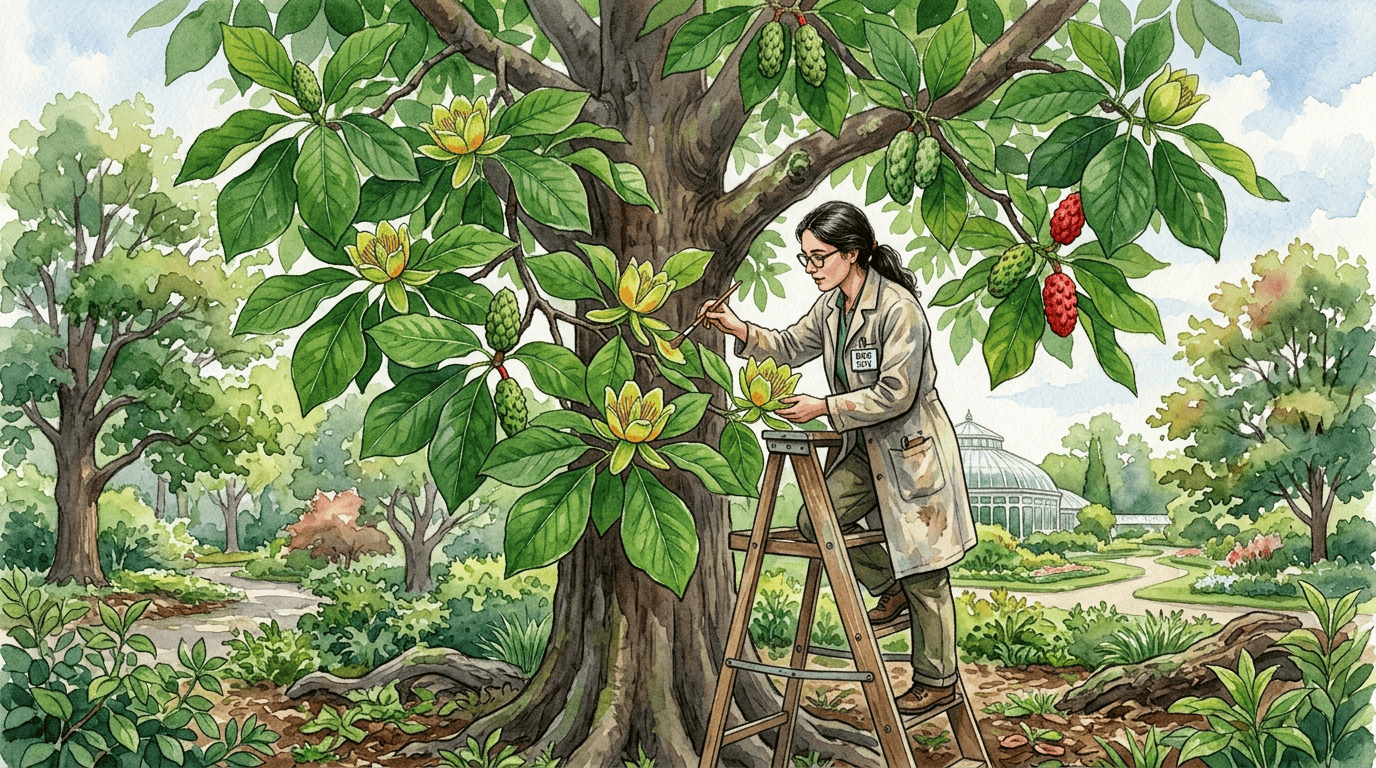
Magnolia acuminata ranges widely across the eastern United States from New York and southern Ontario south through the Appalachians to Georgia and Alabama, west to Illinois and Arkansas. Linnaeus formally described it in 1759 (he recognized it before the transition to the modern reconstructed taxonomy). The common name cucumber tree refers to the cucumber-shaped green unripe aggregate fruit that turn red at maturity.
Reaching over 80 feet, it is North America's largest-growing magnolia species and an important component of eastern deciduous forests. Its yellowish-green flowers are inconspicuous compared to other magnolias, but the species became horticulturally crucial when 20th-century breeders including Phil Savage at the US National Arboretum used it to introduce yellow into magnolia breeding. Cultivars 'Elizabeth' (1977), 'Yellow Bird' (1981), and 'Butterflies' (1991) resulted.
Native throughout Appalachian forests from southern Ontario to northern Georgia and west to Illinois. The hardiest American magnolia. Crossed with M. denudata at the Brooklyn Botanic Garden in the 1970s by Eva Maria Sperber-Harrold to create 'Elizabeth', the first truly yellow magnolia to gain widespread commercial popularity in America.
Symbolism & meaning
What It Symbolizes
The Cucumber-Tree wears nobility in scale: a towering forest monarch among the magnolias, its straight trunk lifting a high green crown over Appalachian coves. Its heritage runs through modern horticulture as the parent of nearly every yellow magnolia cultivar grown today. To meet one in the wild is to glimpse the quiet, lofty ancestor behind the flashier hybrids that crowd nursery aisles.
- Nobility — towering forest monarch
- Heritage — parent of yellow magnolia cultivars
Where the Name Comes From
'Acuminata' means 'tapering to a long point', referring to the leaf tips.
Uses & Fun Facts
- Large yellow-green flowers attract beetles and native bees
- Tall native canopy provides shade in large landscapes
- Stately deciduous magnolia for parks and arboretums
Related plants
More Magnolia plants
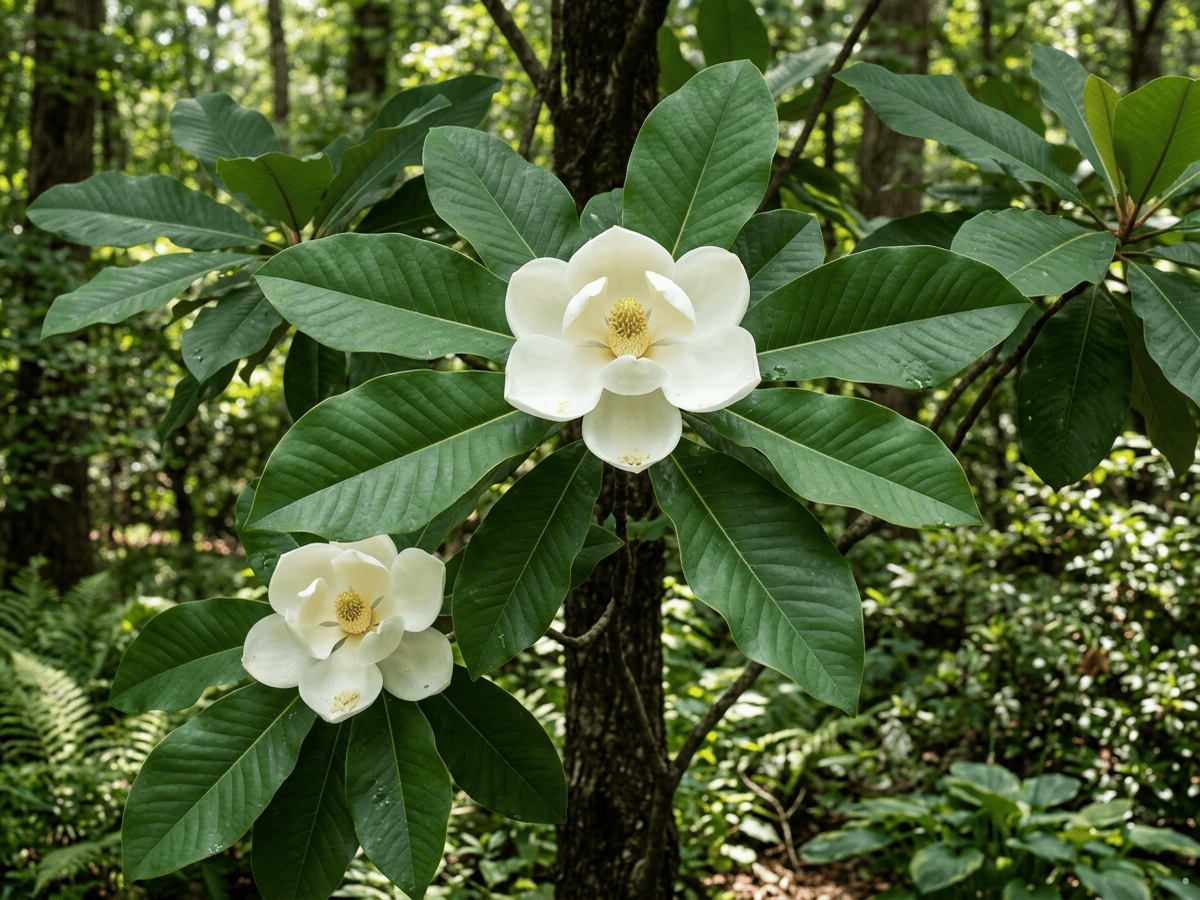 Ashe's MagnoliaMagnolia ashei
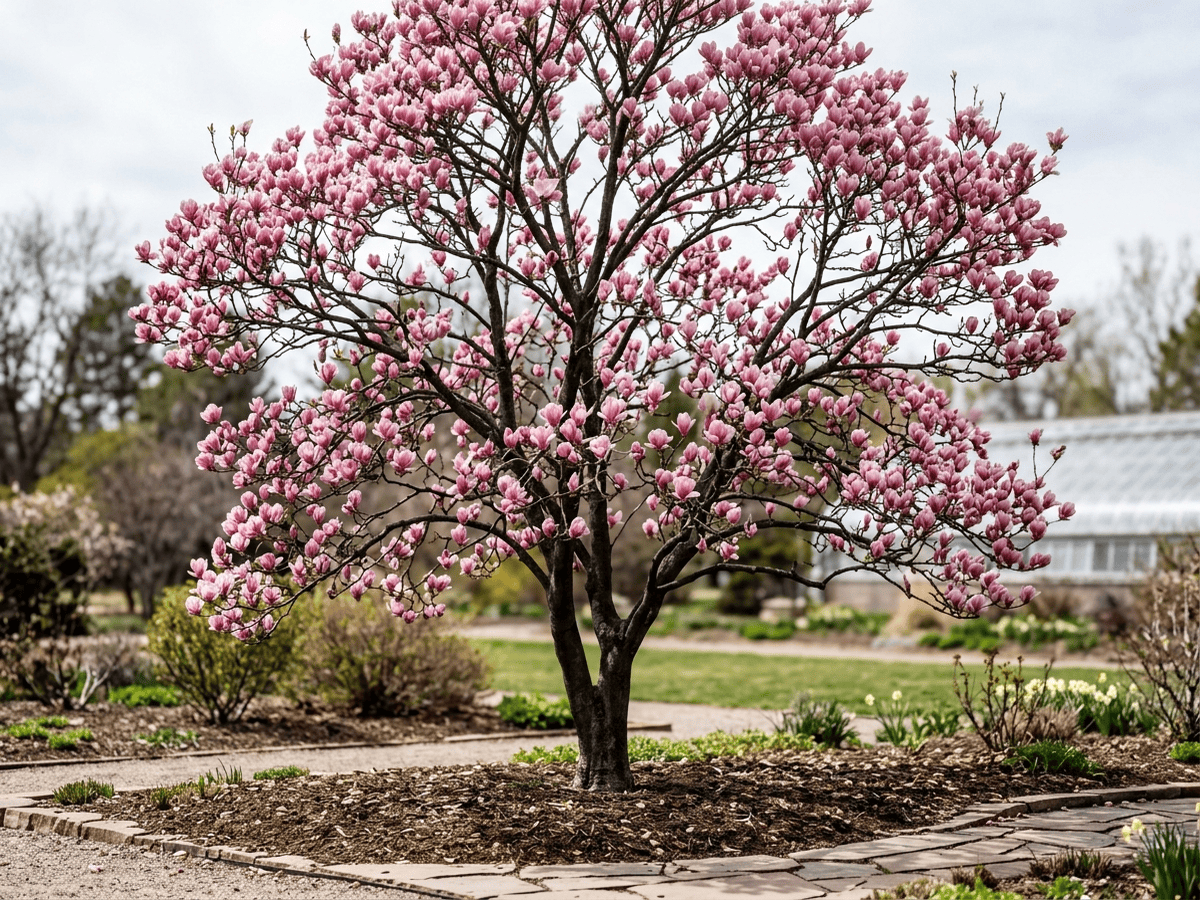 Pink Tulip TreeMagnolia campbellii
 Yulan MagnoliaMagnolia denudata
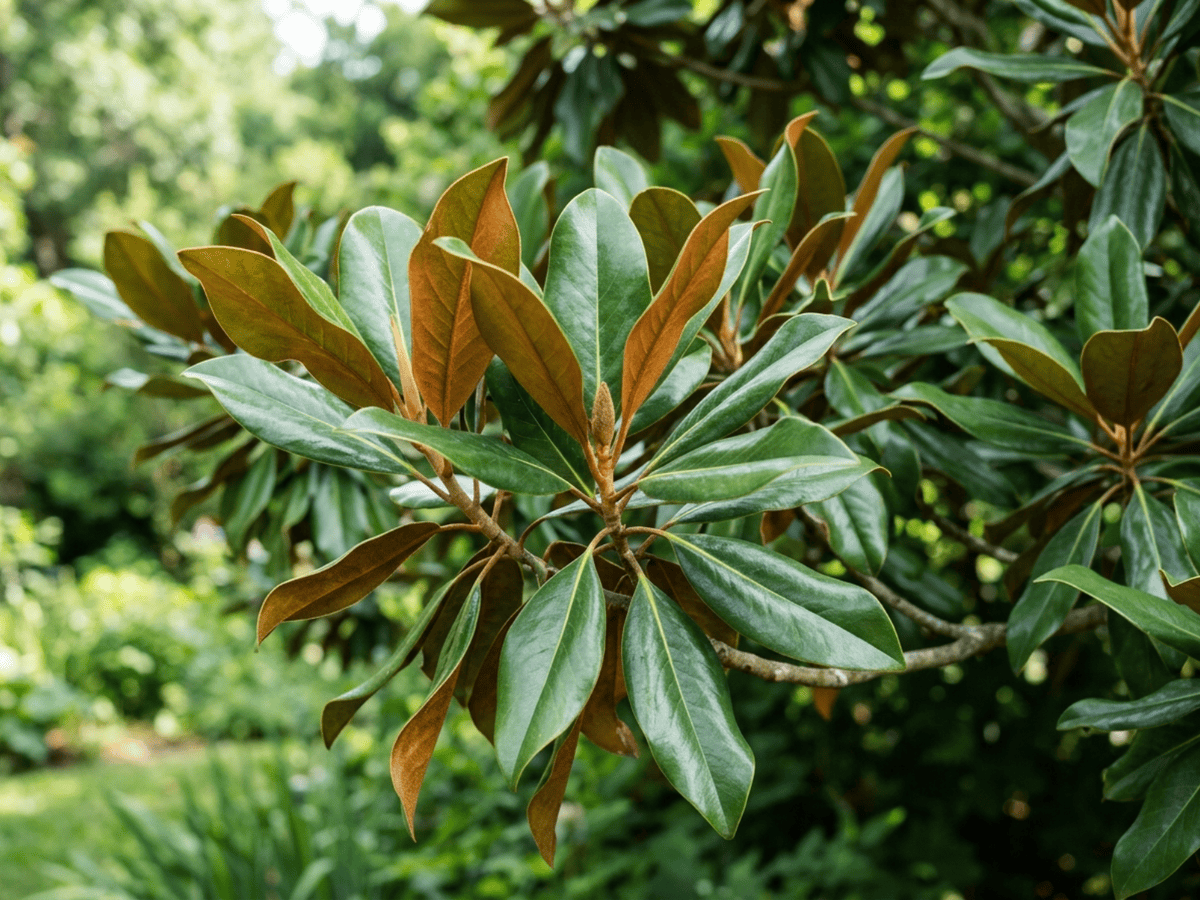 Southern MagnoliaMagnolia grandiflora
Plants with similar care
 Mexican AbeliaAbelia floribunda
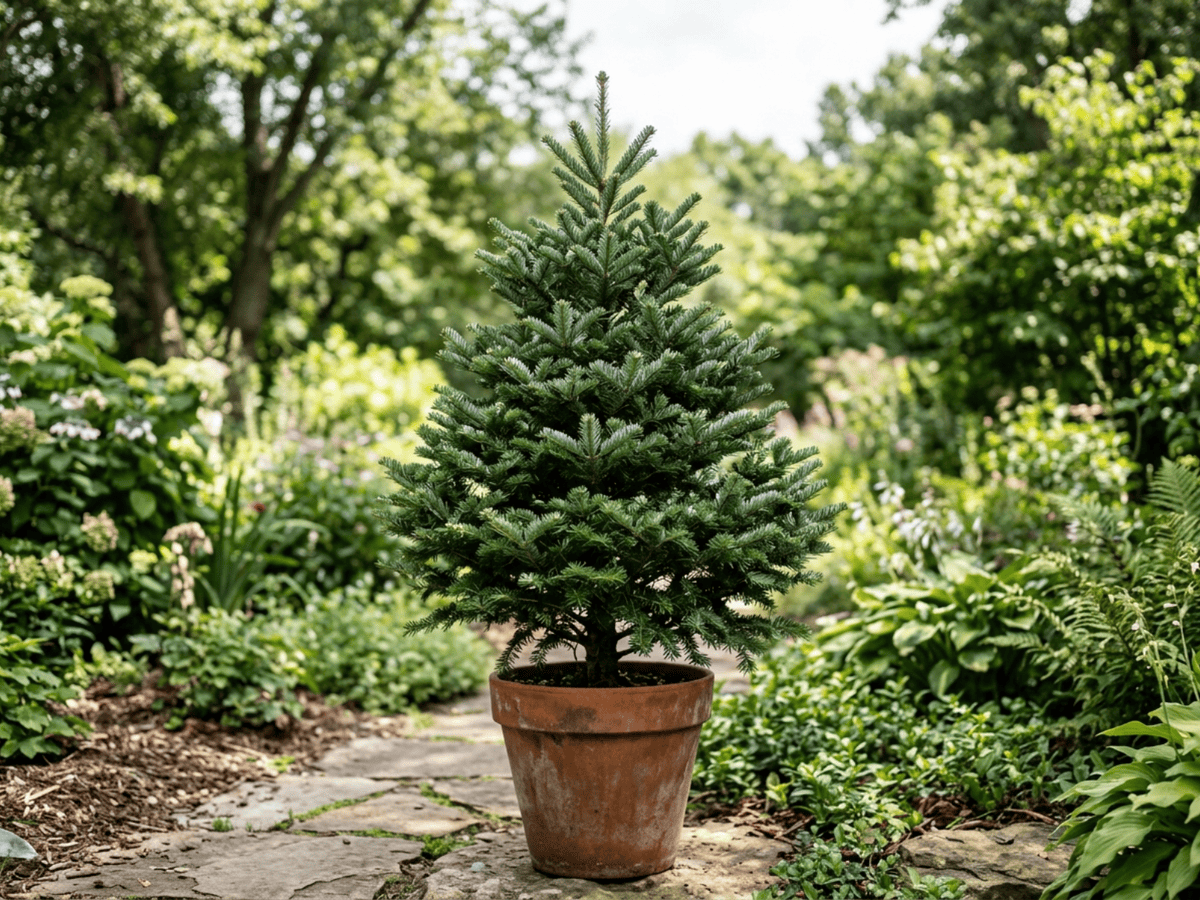 Fraser FirAbies fraseri
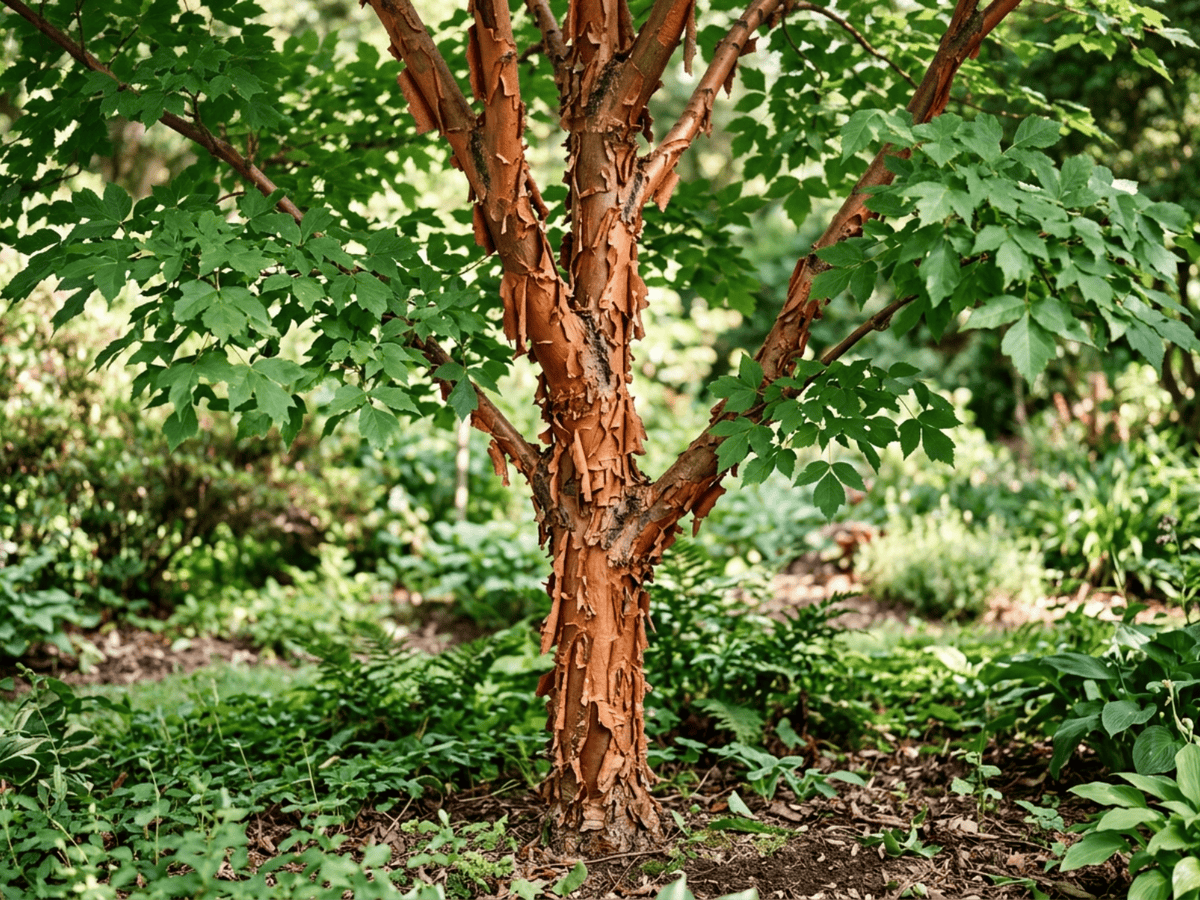 Paperbark MapleAcer griseum
 Sugar MapleAcer saccharum
Frequently asked questions
How often should I water Cucumber-Tree?
Water about every 7 days during the growing season, and always let excess water drain away.
How much light does Cucumber-Tree need?
Full sun: 6+ hrs direct. Watch the leaves — scorching or stretching means the light needs adjusting.
Is Cucumber-Tree toxic to cats or dogs?
No toxicity has been reported for this plant. Still, it is wise to keep pets from chewing on any houseplant. Educational information, not medical or veterinary advice. If exposure is suspected, contact a doctor or veterinarian.
Is Cucumber-Tree easy to grow?
It is moderately demanding: a good choice once you have a little experience.
When does Cucumber-Tree bloom?
It typically blooms May in the Northern Hemisphere.
YardMate
Identify any plant in seconds
Snap a photo — YardMate names the plant, diagnoses problems, and reminds you when to water.
Download on the App Store