 YardMate


Southern Magnolia
Magnolia grandiflora
Easy · Beginner friendlyAbout Southern Magnolia
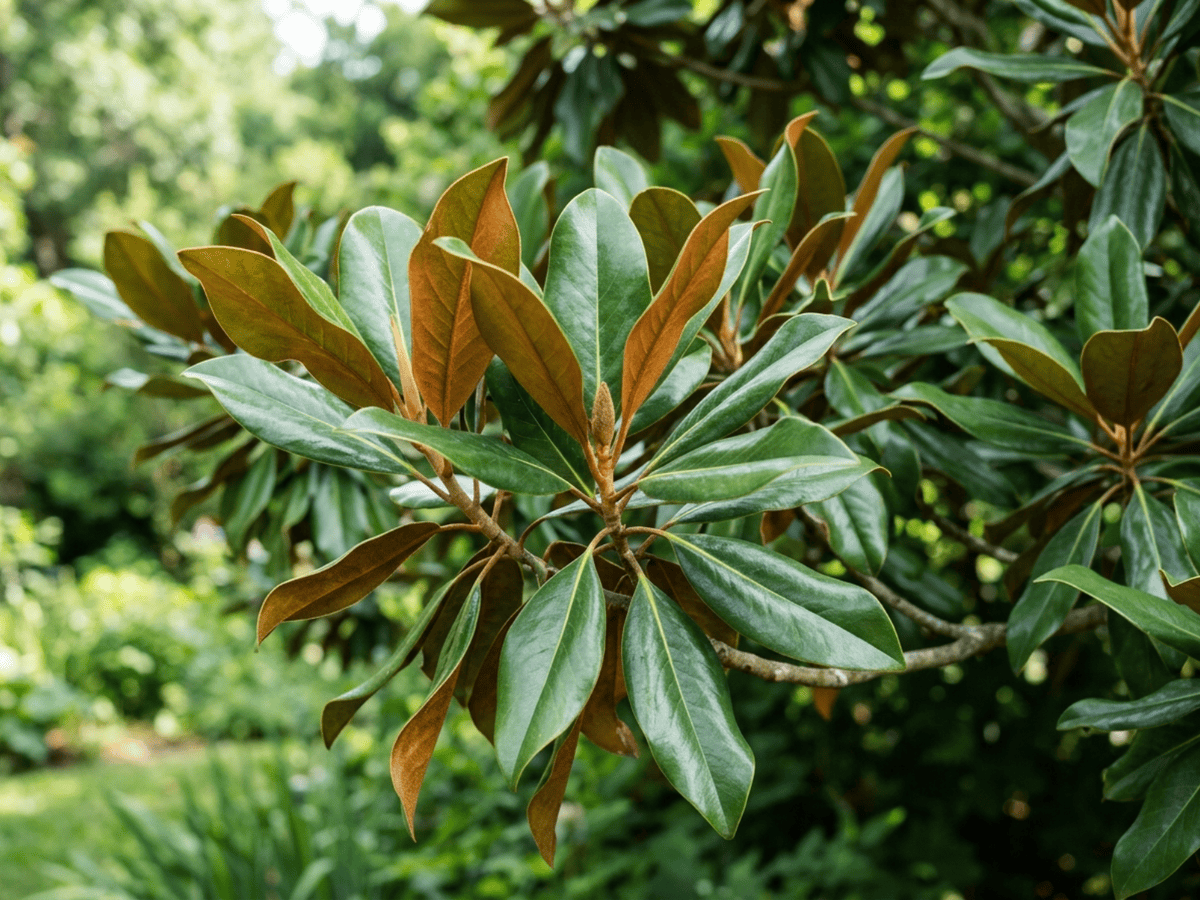
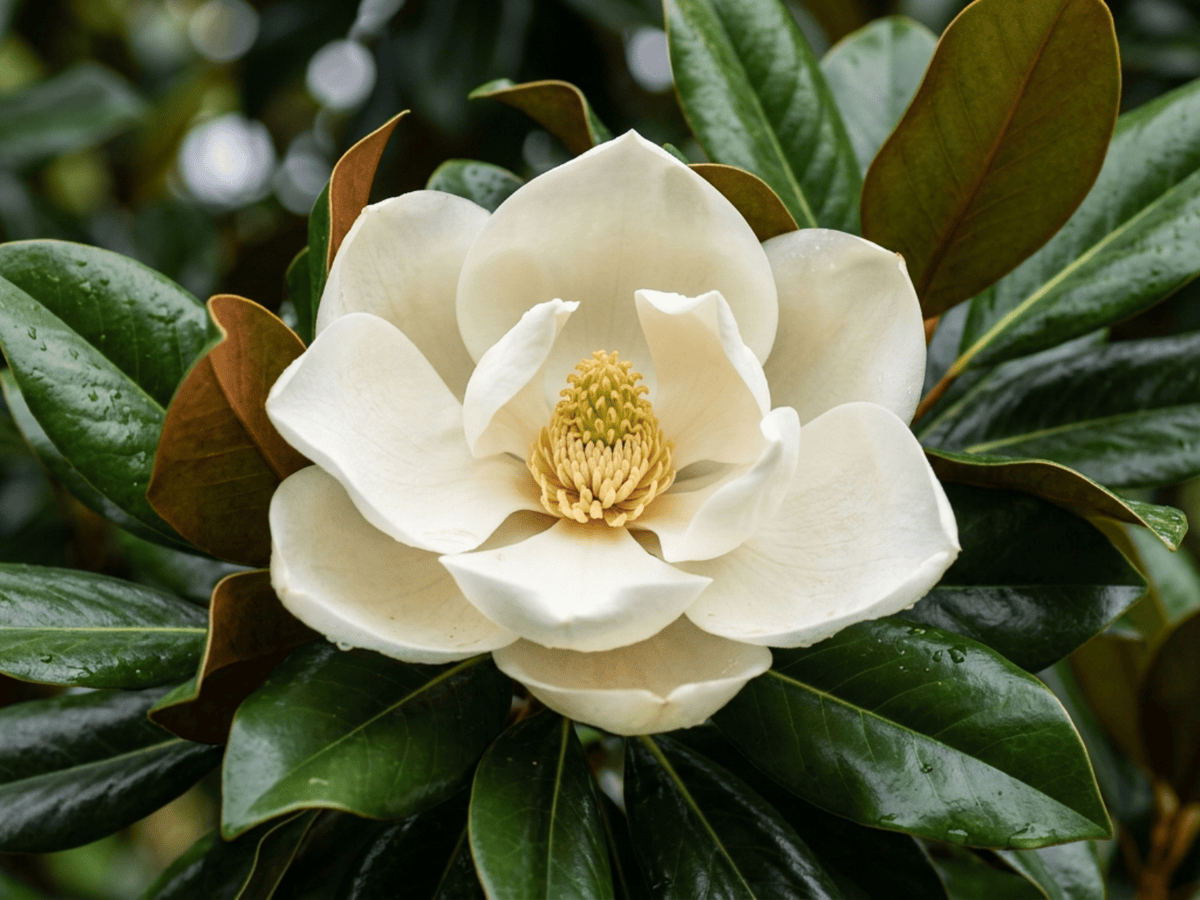
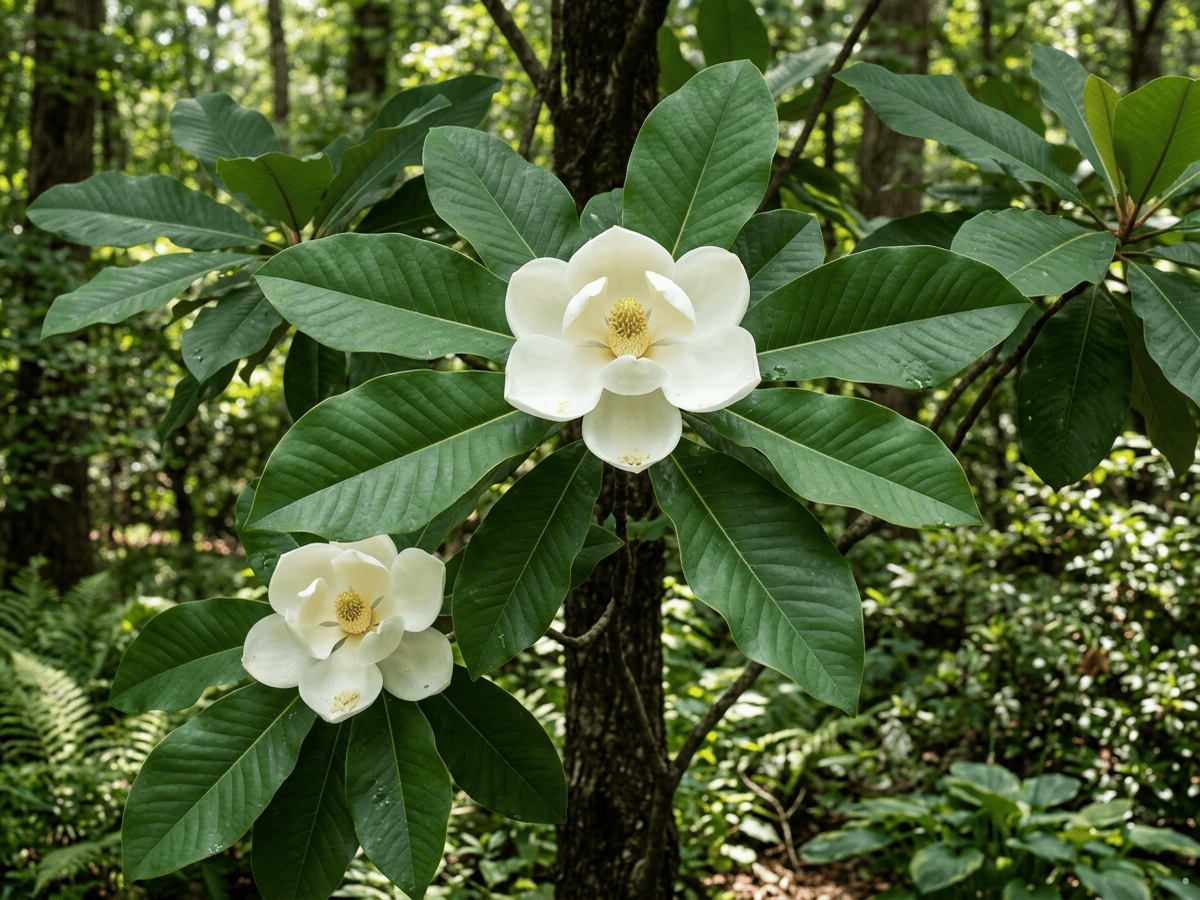
Magnolia grandiflora, the southern magnolia, is a large evergreen tree in the Magnoliaceae family native to the southeastern United States. Growing 20–30 m tall, it features thick, glossy, dark green leaves with rusty-brown felt on the undersides and enormous, creamy white, intensely fragrant flowers up to 30 cm across—among the largest and most beautiful flowers of any tree.
Southern magnolia thrives in USDA zones 7–10 in moist, well-drained, slightly acidic soil and full sun to partial shade. In the northern parts of its range, it benefits from a sheltered position against a south-facing wall. Compact cultivars like 'Little Gem' and 'Teddy Bear' make it feasible for smaller gardens. The thick, leathery leaves drop year-round, creating a persistent leaf litter that can smother lawns.
The southern magnolia is the quintessential tree of the American South—it graces plantation homes, courthouse squares, and the Mississippi state flag. The flowers' fragrance, rich and lemony, is one of the most evocative scents in the garden world. Magnolias are among the most ancient flowering plants, predating bees—their flowers evolved to be pollinated by beetles. The genus has existed for 95+ million years.
- Fragrant
- Evergreen
- Native
How to care for Southern Magnolia
Watering
- Springevery 5 days
- Summerevery 4 days
- Fallevery 7 days
- Winterevery 21 days
Soil · Well-draining
- Top dressingPine bark mulch10%
- Main mixPotting soil + perlite 2:170%
- DrainageLECA / gravel20%
Never skip the drainage layer — standing water is the top cause of root rot.
FERTILIZER
Acid-Loving Feed 4-3-4
One bag does both jobs. An acid feed carries the usual nitrogen, phosphorus and potassium, plus the sulfur and iron that keep the soil sour enough for the roots to take them up at all.
- Nitrogen · Leaves
- Phosphorus · Roots + Blooms
- Potassium · Strength
- Springevery 60 days
At a Glance
- NativeNorth America
- Height60–80 ft (18.3–24.4 m)
- Spread30–50 ft (9.1–15.2 m)
- Flower colorWhite, Cream
- Foliage colorDark-green, Bronze
- SoilLoamy, Moisture-retentive, Acidic
- LocationsYard
Bloom time
BLOOM CYCLE
Peak bloom
May–Aug
Massive fragrant white flowers from late spring through summer; each bloom lasts only 2–3 days but new ones open continuously.
Fragrance
STRONG FRAGRANCE
Intense lemon-vanilla-citrus fragrance from single large flowers; perfumes a room.
Toxicity
Humans Safe · Pets Safe
None reported
Safe
EXPOSURE No exposure route is reported.
EFFECT No significant toxicity and flowers edible in traditional Southern pickling.
NOTE Listed as non-toxic for humans; avoid eating ornamental plants unless confirmed edible.
Safe
EXPOSURE No exposure route is reported.
EFFECT Not listed as toxic.
NOTE Listed as non-toxic for dogs; avoid eating ornamental plants unless confirmed edible.
Safe
EXPOSURE No exposure route is reported.
EFFECT Not listed as toxic.
NOTE Listed as non-toxic for cats; avoid eating ornamental plants unless confirmed edible.
Educational information, not medical or veterinary advice. If exposure is suspected, contact a doctor or veterinarian.
DISTRIBUTION


- Native
- Introduced
- North America
History
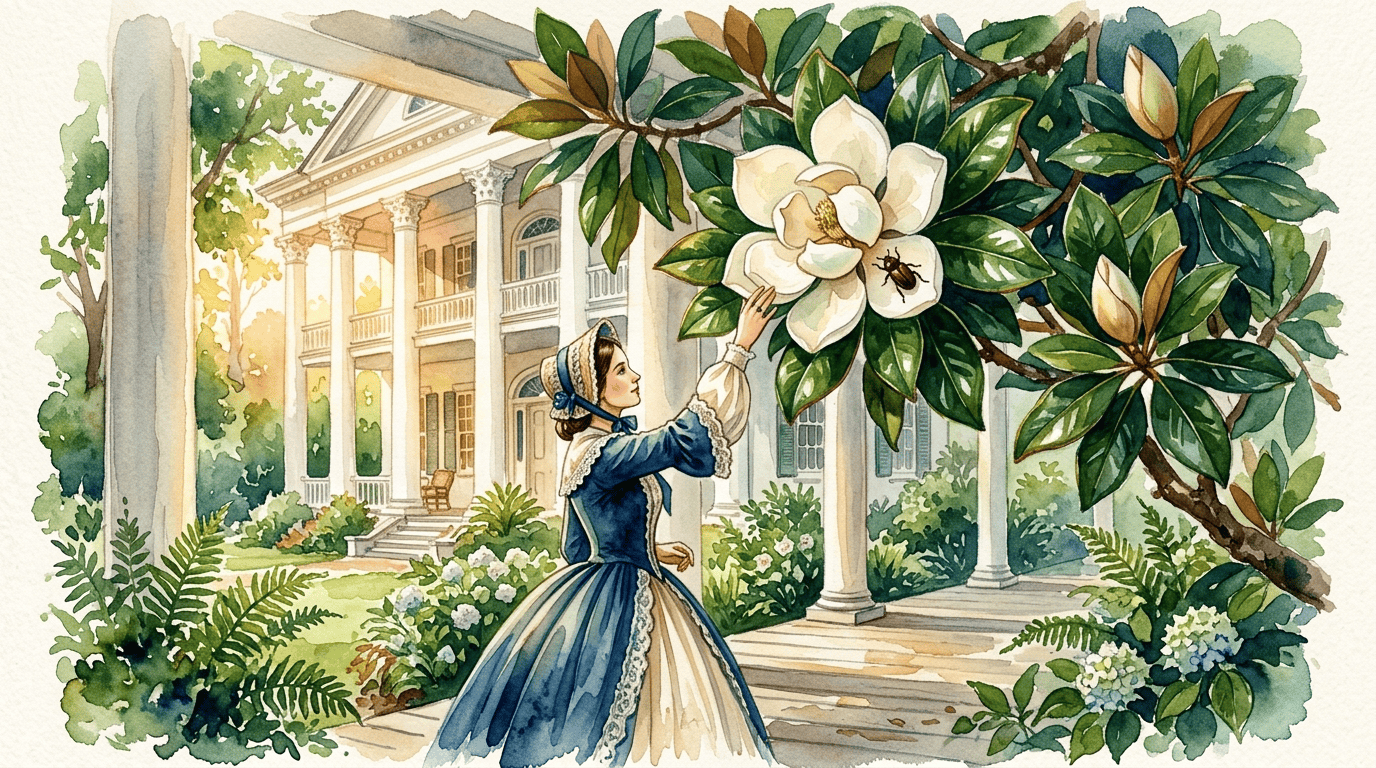
Magnolia grandiflora is native to the southeastern United States, from North Carolina through Florida and west to Texas. French botanist Charles Plumier named the genus Magnolia after Pierre Magnol, the 17th-century director of the Montpellier botanic garden. The English name "magnolia" entered use in the early 18th century.
Southern magnolia is the state flower of Mississippi (the "Magnolia State") and Louisiana. Its cultural resonance in American Southern literature is extensive — William Faulkner, Harper Lee, Tennessee Williams, and many others use the magnolia as a signifier of the Old South. The scientific significance of Magnolia is profound: it is among the most ancient flowering plants, with fossils dating to at least 20 million years ago; because bees did not yet exist, Magnolia flowers evolved to be pollinated by beetles, and they retain primitive beetle-pollination features including tough carpels resistant to chewing and sweet-scented but reward-poor flowers.
Andrew Jackson planted a southern magnolia at the White House in memory of his wife Rachel in 1828, and it stood until 2017 when it was removed due to decay. Modern cultivars include "Little Gem," "Bracken's Brown Beauty," and "Teddy Bear" selected for compact size and cold hardiness. The genus was named in 1703 for French botanist Pierre Magnol. Steel Magnolias (1989) cemented its cultural association with Southern strength and grace.
Symbolism & meaning
What It Symbolizes
The Southern Magnolia can symbolize dignity, a stately tree whose noble, enormous flowers express grace, composure and quiet strength. Another layer is perseverance, for the magnolia genus has survived ninety-five million years of evolution, its blossoms once pollinated by beetles long before bees existed. To plant a Southern Magnolia is to host an ancient lineage in modern soil, a tree whose dignity comes not only from its bearing but from the depth of time it has already weathered.
- Dignity — The stately tree and noble, enormous flowers represent grace, composure, and quiet strength
- Perseverance — Surviving 95 million years of evolution, magnolias symbolize enduring through all conditions
Where the Name Comes From
Magnolia honours Pierre Magnol (1638–1715), French botanist who introduced the concept of plant families; 'grandiflora' means large-flowered.
Uses & Fun Facts
- Huge creamy flowers carry lemon-citrus perfume
- Iconic Southern evergreen lawn tree with glossy leaves
- Dense leathery canopy gives deep year-round shade
- Glossy green leaves with cinnamon felted undersides
Related plants
More Magnolia plants
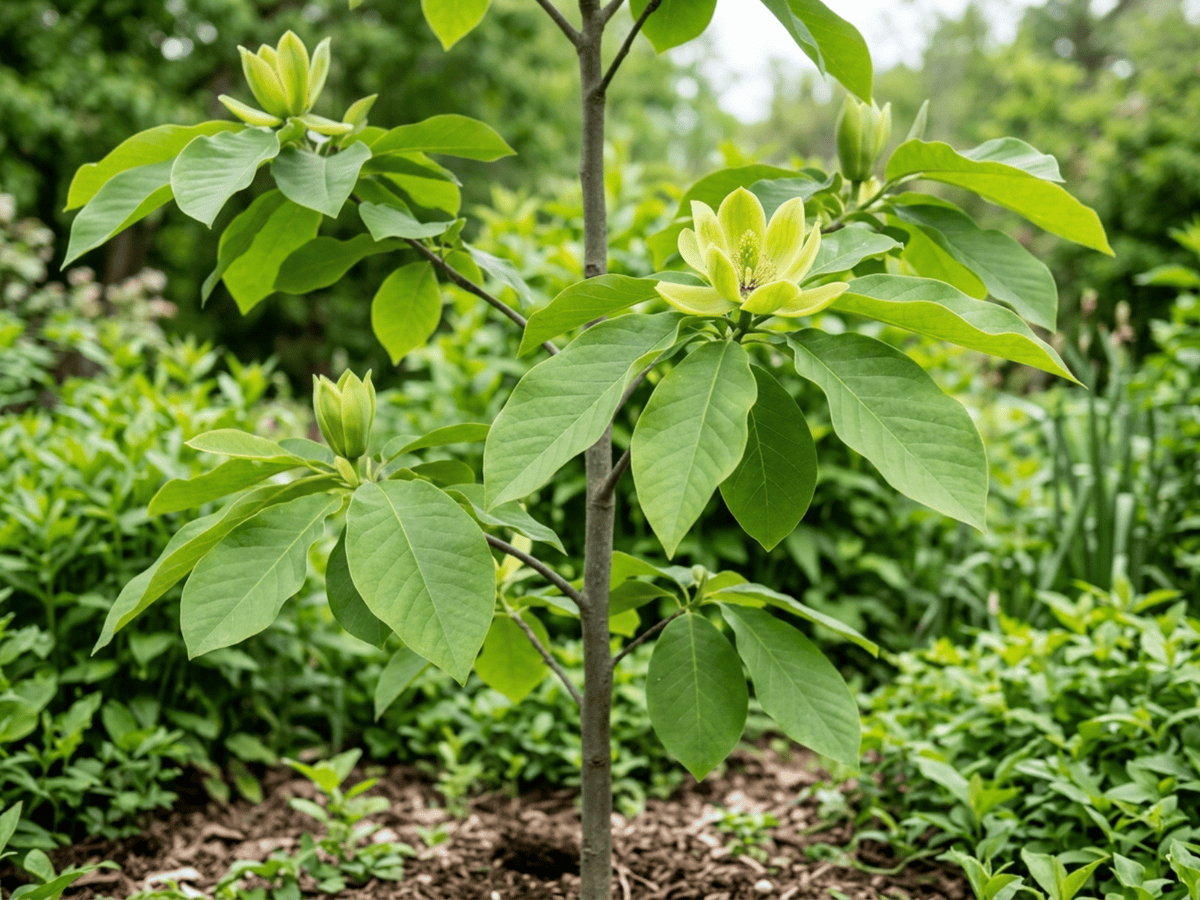 Cucumber-TreeMagnolia acuminata
 Ashe's MagnoliaMagnolia ashei
 Pink Tulip TreeMagnolia campbellii
 Yulan MagnoliaMagnolia denudata
Plants with similar care
 Chinese AbeliaAbelia chinensis
 Fragrant AbeliaAbelia mosanensis
 Large-Flowered AbeliaAbelia uniflora
 Glossy AbeliaAbelia x grandiflora
Frequently asked questions
How often should I water Southern Magnolia?
In summer, water about every 4 days; in winter, about every 21 days. Adjust for heat, pot size and drainage.
How much light does Southern Magnolia need?
Full sun: 6+ hrs direct. Watch the leaves — scorching or stretching means the light needs adjusting.
Is Southern Magnolia toxic to cats or dogs?
Pets Safe (Dogs Safe · Cats Safe) Educational information, not medical or veterinary advice. If exposure is suspected, contact a doctor or veterinarian.
Is Southern Magnolia easy to grow?
Yes — it is considered an easy, beginner-friendly plant.
When does Southern Magnolia bloom?
It typically blooms May–Aug in the Northern Hemisphere.
YardMate
Identify any plant in seconds
Snap a photo — YardMate names the plant, diagnoses problems, and reminds you when to water.
Download on the App Store