 YardMate


Pink Tulip Tree
Magnolia campbellii
Hard · Experienced growersAbout Pink Tulip Tree
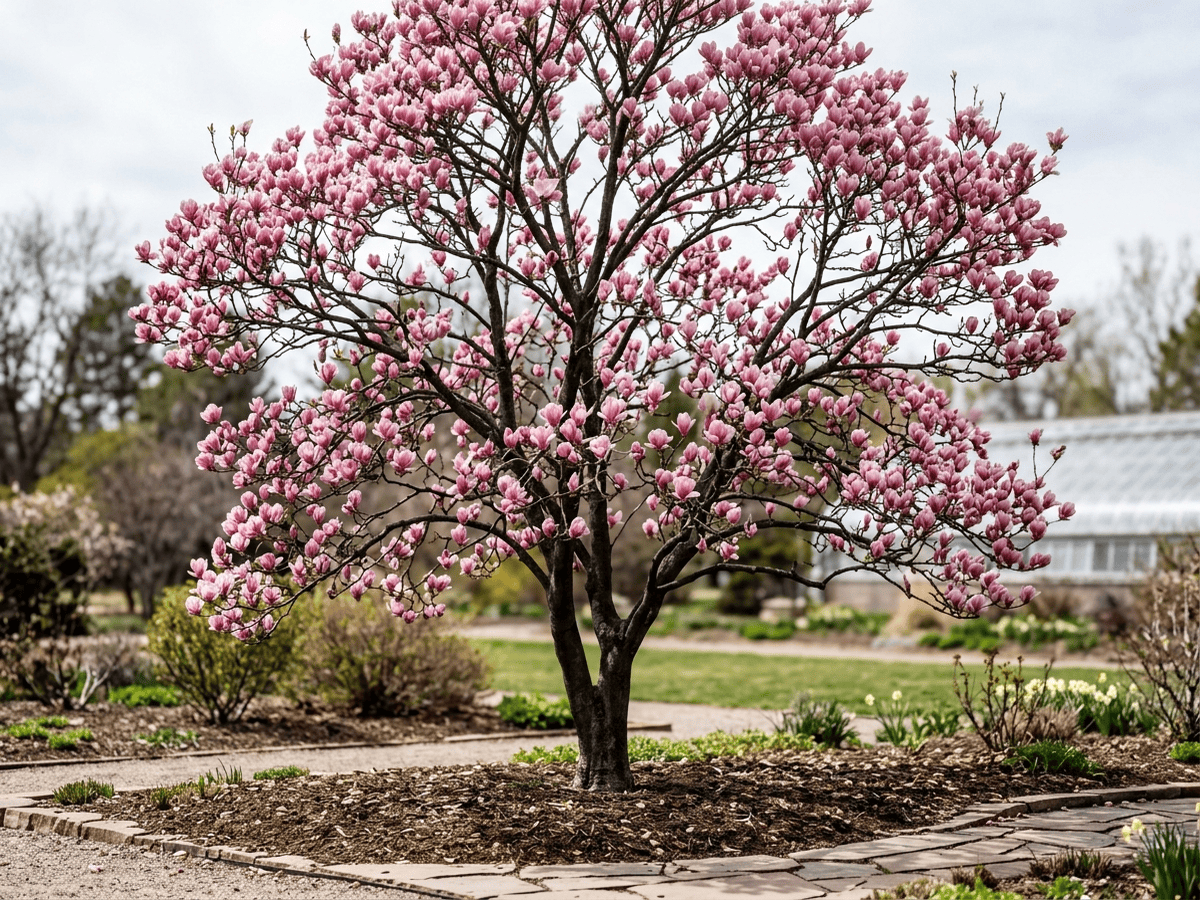
Magnolia campbellii, Campbell's magnolia or the pink tulip tree, is one of the most magnificent flowering trees in the world. Native to the eastern Himalayas at 2000-3000 m elevation (Nepal, Sikkim, Bhutan, northern India, Yunnan), it grows into a massive tree 25-45 m tall and produces enormous 15-25 cm pink-to-rose tulip-shaped flowers in late winter before leaves appear.
The species was discovered by Dr. Archibald Campbell and Joseph Dalton Hooker during Hooker's 1848-1851 Himalayan expedition and introduced to European horticulture in the 1860s. In mild maritime climates (Cornwall, the US Pacific Northwest, southern Ireland, coastal British Columbia), mature specimens bloom into breath-taking pink clouds while surrounding trees remain bare.
Plants are notoriously slow to flower from seed — 20-30 years is typical — but grafted cultivars like 'Charles Raffill' and 'Darjeeling' bloom much sooner. Requires deep rich moist soil, maritime climate, and patience.
- Fragrant
- Architectural
- Long-blooming
How to care for Pink Tulip Tree
Watering
- Springevery 7 days
- Summerevery 5 days
- Fallevery 10 days
- Winterevery 21 days
Soil · Well-draining
- Top dressingPine bark mulch10%
- Main mixPotting soil + perlite 2:170%
- DrainageLECA / gravel20%
Never skip the drainage layer — standing water is the top cause of root rot.
FERTILIZER
Acid-Loving Feed 4-3-4
One bag does both jobs. An acid feed carries the usual nitrogen, phosphorus and potassium, plus the sulfur and iron that keep the soil sour enough for the roots to take them up at all.
- Nitrogen · Leaves
- Phosphorus · Roots + Blooms
- Potassium · Strength
- Springevery 30 days
- Summerevery 30 days
At a Glance
- NativeSouth Asia, East Asia
- Height40–80 ft (12.2–24.4 m)
- Spread25–40 ft (7.6–12.2 m)
- Flower colorPink
- Foliage colorGreen
- Fruit colorRed
- SoilMoisture-retentive, Loamy, Acidic
- LocationsYard
Bloom time
BLOOM CYCLE
Peak bloom
Dec–Feb
Enormous pink tulip flowers open in late winter before leaves, on bare branches.
Fragrance
MODERATE FRAGRANCE
The flowers have a sweet faintly citrus-fruity scent.
Toxicity
No toxicity has been reported for this plant. Still, it is wise to keep pets from chewing on any houseplant.
Educational information, not medical or veterinary advice. If exposure is suspected, contact a doctor or veterinarian.
DISTRIBUTION


- Native
- South Asia
- East Asia
History
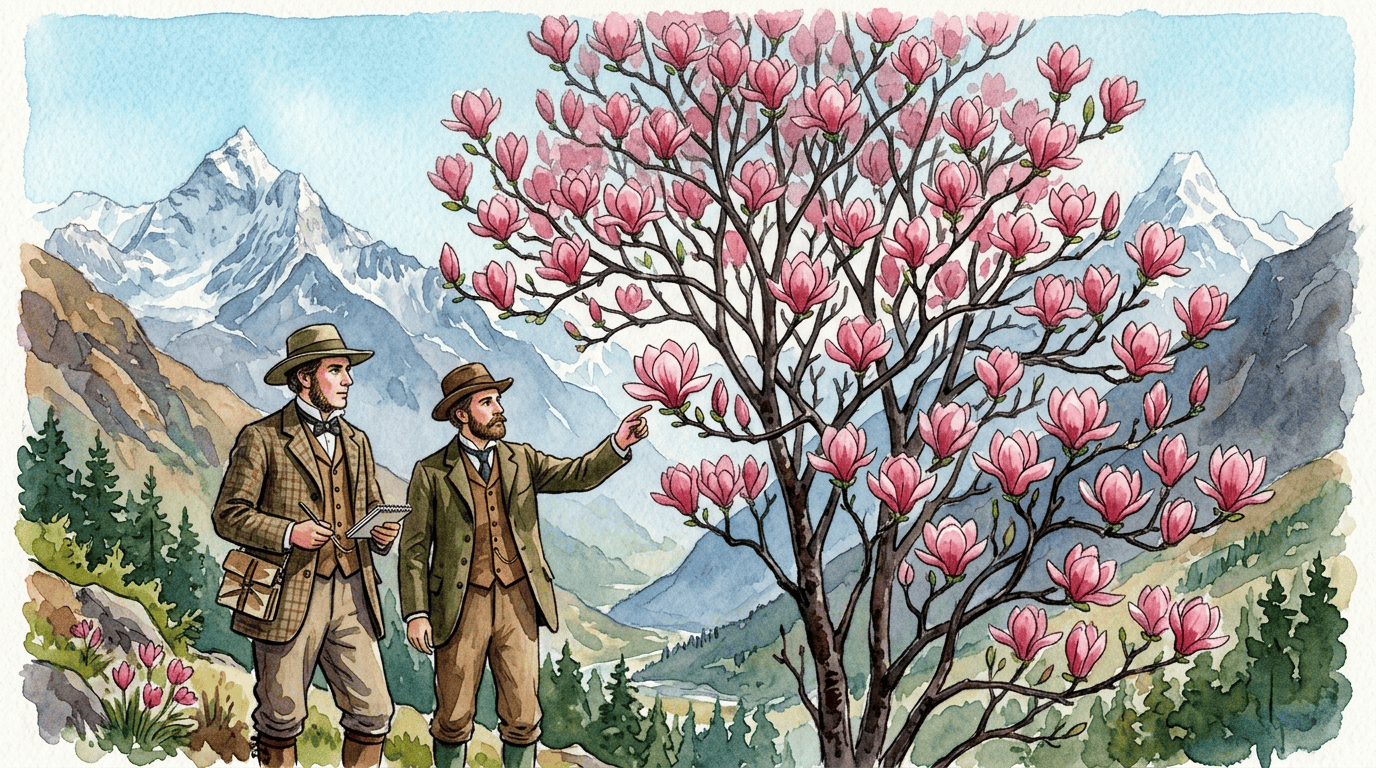
Magnolia campbellii is native to the eastern Himalayas — Nepal, Sikkim, Bhutan, Arunachal Pradesh, southern Tibet, and Yunnan — at elevations of 2000-3000 m. It was discovered by Scottish botanist Joseph Dalton Hooker and Indian Medical Service surgeon Archibald Campbell during Hooker's 1848-1851 Sikkim expedition, described botanically by Hooker and Thomas Thomson in 1855, and named in honor of Campbell. Seed was introduced to European horticulture via Kew in the 1860s, and the tree first flowered in cultivation at Abbotsbury, Dorset, in 1885.
From seed, plants are notoriously slow to flower — 20-30 years is typical, occasionally more. This has given the species a legendary status among collectors as a 'tree planted for grandchildren.' Grafted cultivars on flowering rootstock like 'Charles Raffill' and 'Darjeeling' shorten this wait.
Magnolia campbellii is cold-hardy to roughly USDA zone 7 but its early flowers are frost-sensitive, so the species performs best in mild maritime climates (Cornwall, coastal British Columbia, Pacific Northwest, coastal Ireland). Magnolias as a genus predate bees evolutionarily; they are pollinated by beetles, and the thick flower parts reflect defenses against beetle chewing — a direct window into Cretaceous flower evolution. Flowers earlier than M. soulangeana.
Symbolism & meaning
What It Symbolizes
The Pink Tulip Tree wears Dignity in every cup-shaped bloom — pale pink chalices held high before any leaf appears. It is a flower of Patience, since seed-grown trees may take twenty or thirty years to flower for the first time. Its Ancient Grandeur is even older, magnolia lineage predating bees and still pollinated chiefly by beetles.
- Patience — Takes decades from seed to first flower
- Ancient Grandeur — Magnolia lineage predates bees; pollinated by beetles
Where the Name Comes From
The common name highlights its pink coloring. Magnolia honors French botanist Pierre Magnol; 'campbellii' honors Dr. Archibald Campbell, Hooker's Himalayan companion.
Uses & Fun Facts
- Massive pink chalice flowers bloom on bare late-winter branches
- Iconic Himalayan magnolia for large estate gardens
- Develops broad shade canopy with maturity over time
Related plants
More Magnolia plants
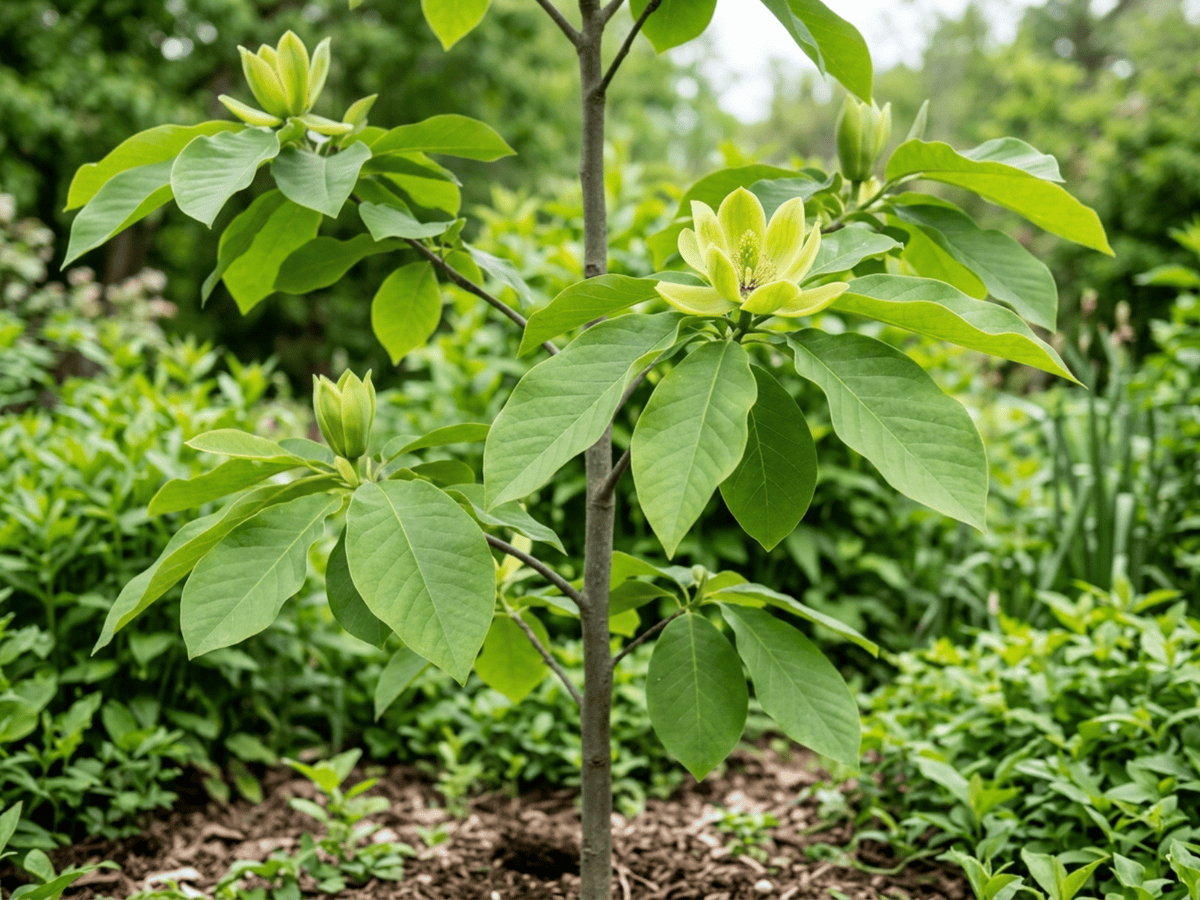 Cucumber-TreeMagnolia acuminata
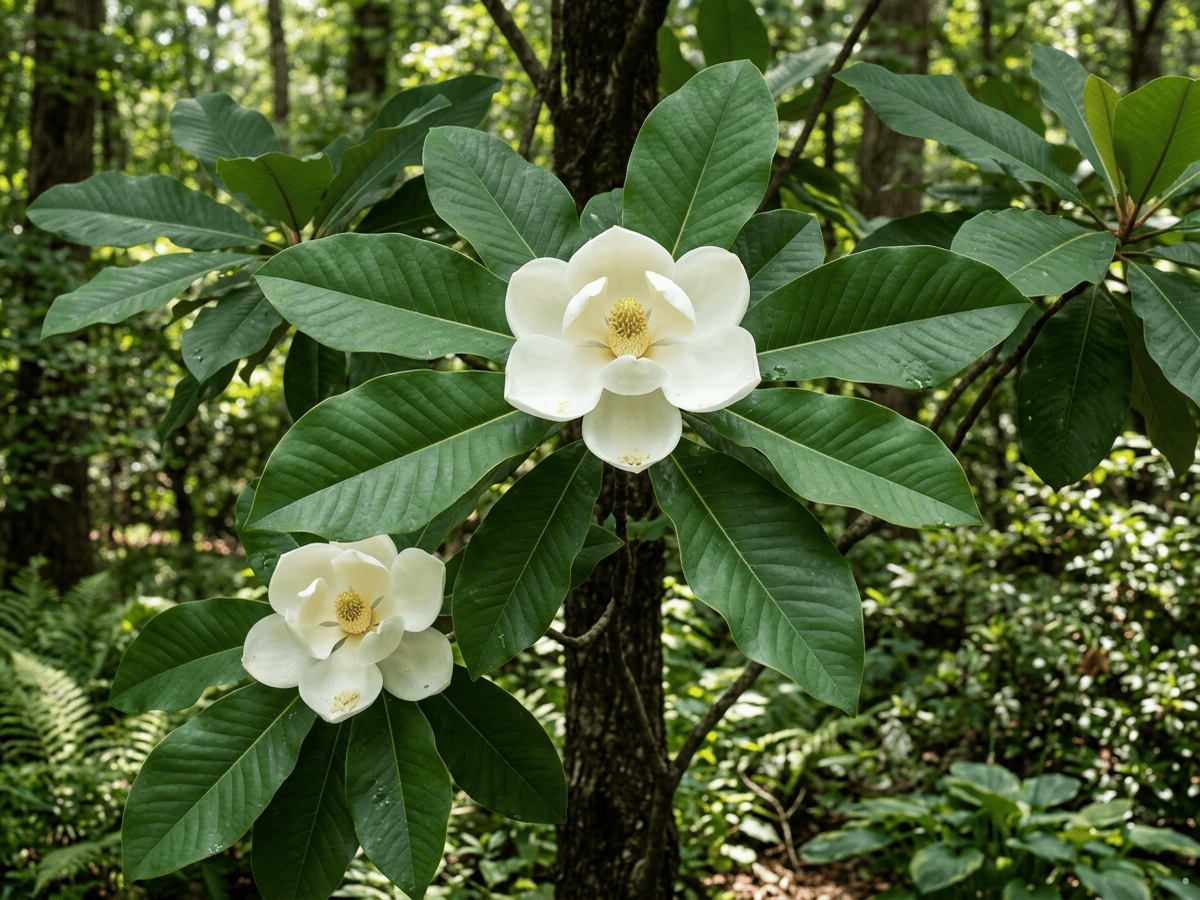 Ashe's MagnoliaMagnolia ashei
 Yulan MagnoliaMagnolia denudata
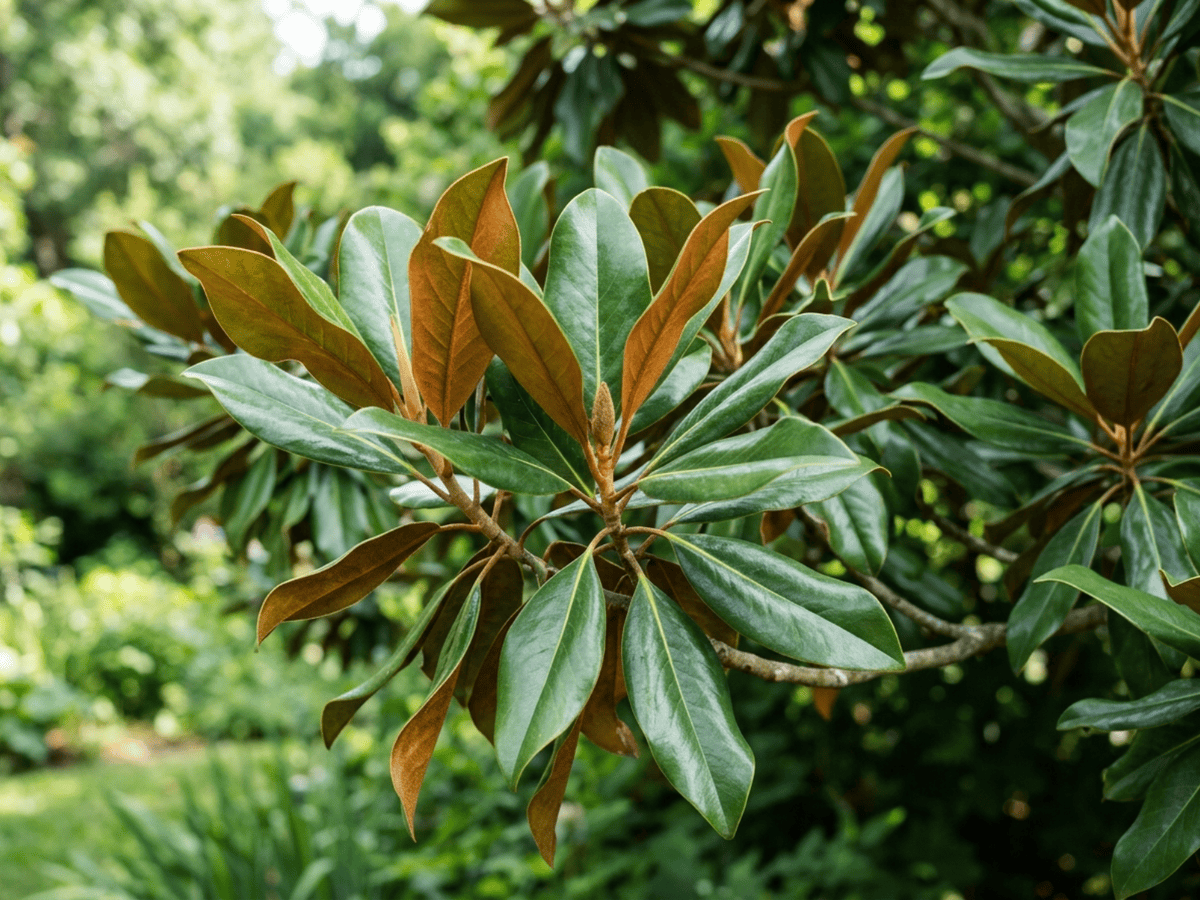 Southern MagnoliaMagnolia grandiflora
Plants with similar care
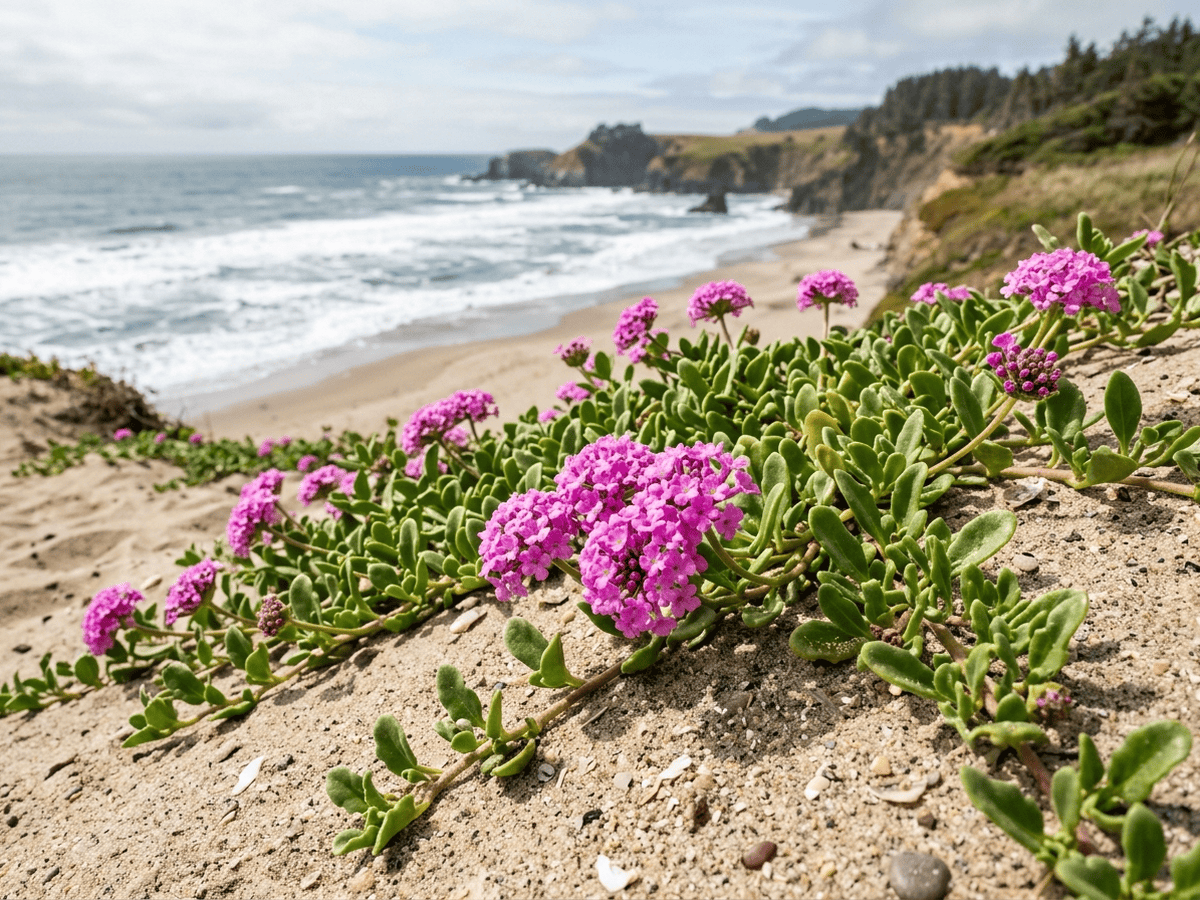 Pink Sand VerbenaAbronia umbellata
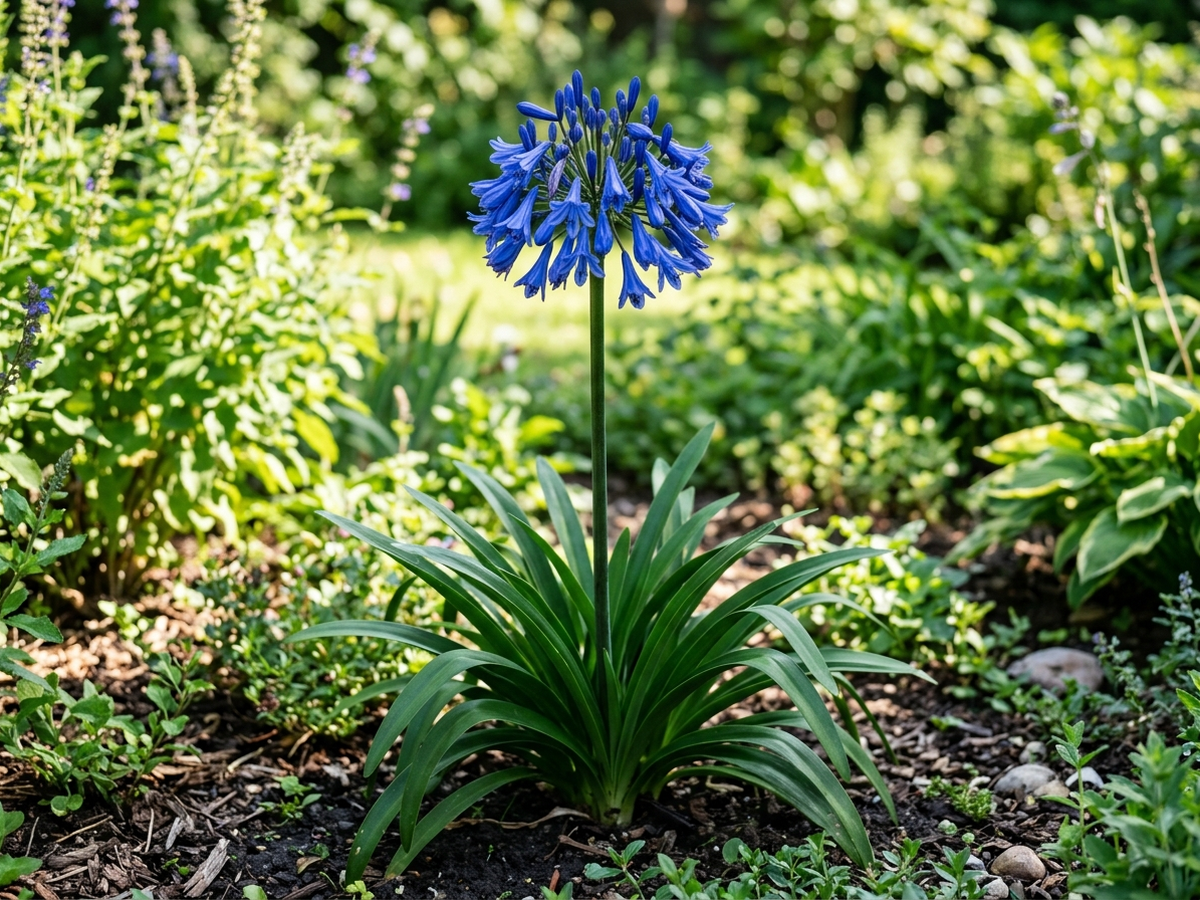 Drooping AgapanthusAgapanthus inapertus
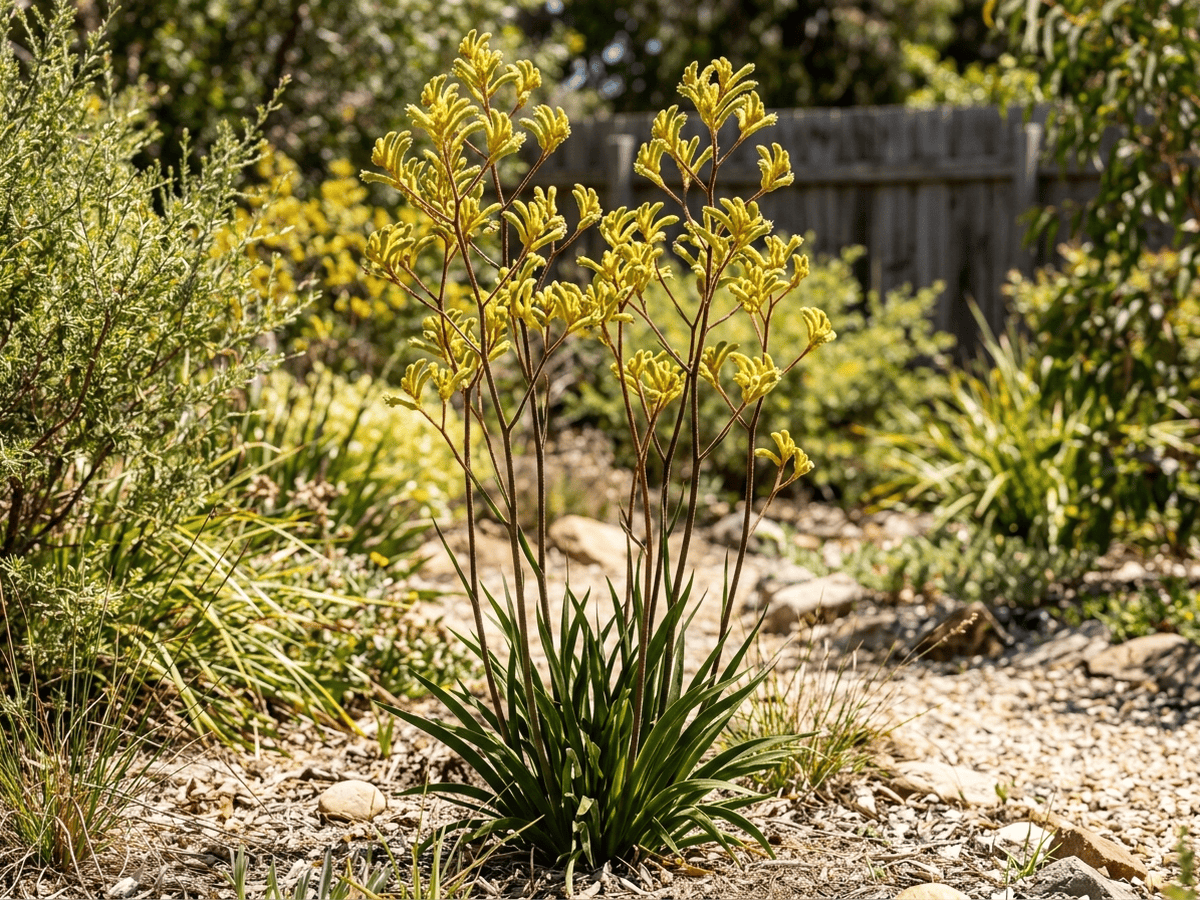 Tall Kangaroo PawAnigozanthos flavidus
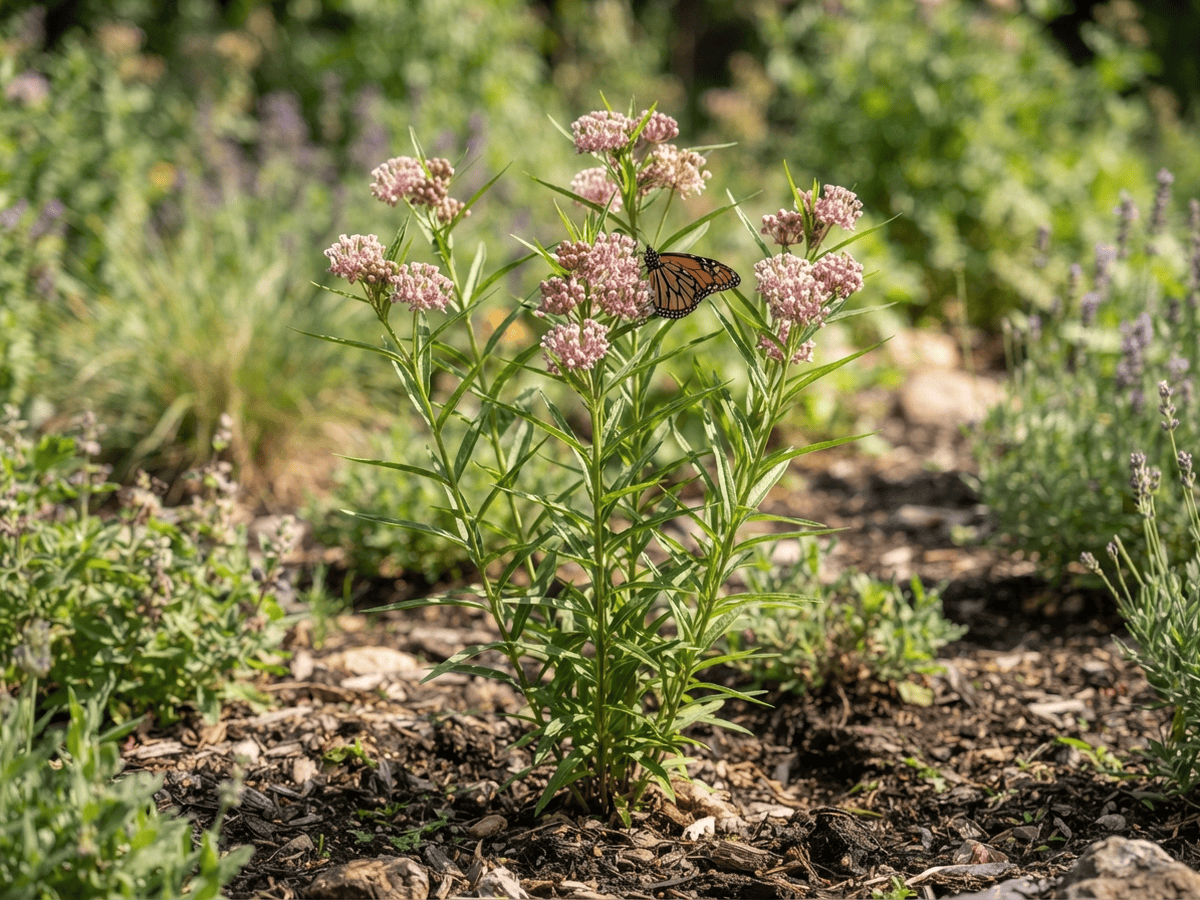 Narrowleaf MilkweedAsclepias fascicularis
Frequently asked questions
How often should I water Pink Tulip Tree?
In summer, water about every 5 days; in winter, about every 21 days. Adjust for heat, pot size and drainage.
How much light does Pink Tulip Tree need?
Full sun: 6+ hrs direct. Watch the leaves — scorching or stretching means the light needs adjusting.
Is Pink Tulip Tree toxic to cats or dogs?
No toxicity has been reported for this plant. Still, it is wise to keep pets from chewing on any houseplant. Educational information, not medical or veterinary advice. If exposure is suspected, contact a doctor or veterinarian.
Is Pink Tulip Tree easy to grow?
It is considered challenging and rewards experienced growers.
When does Pink Tulip Tree bloom?
It typically blooms Dec–Feb in the Northern Hemisphere.
YardMate
Identify any plant in seconds
Snap a photo — YardMate names the plant, diagnoses problems, and reminds you when to water.
Download on the App Store