 YardMate
Ashe's Magnolia
Magnolia ashei
Medium · Some experienceAbout Ashe's Magnolia
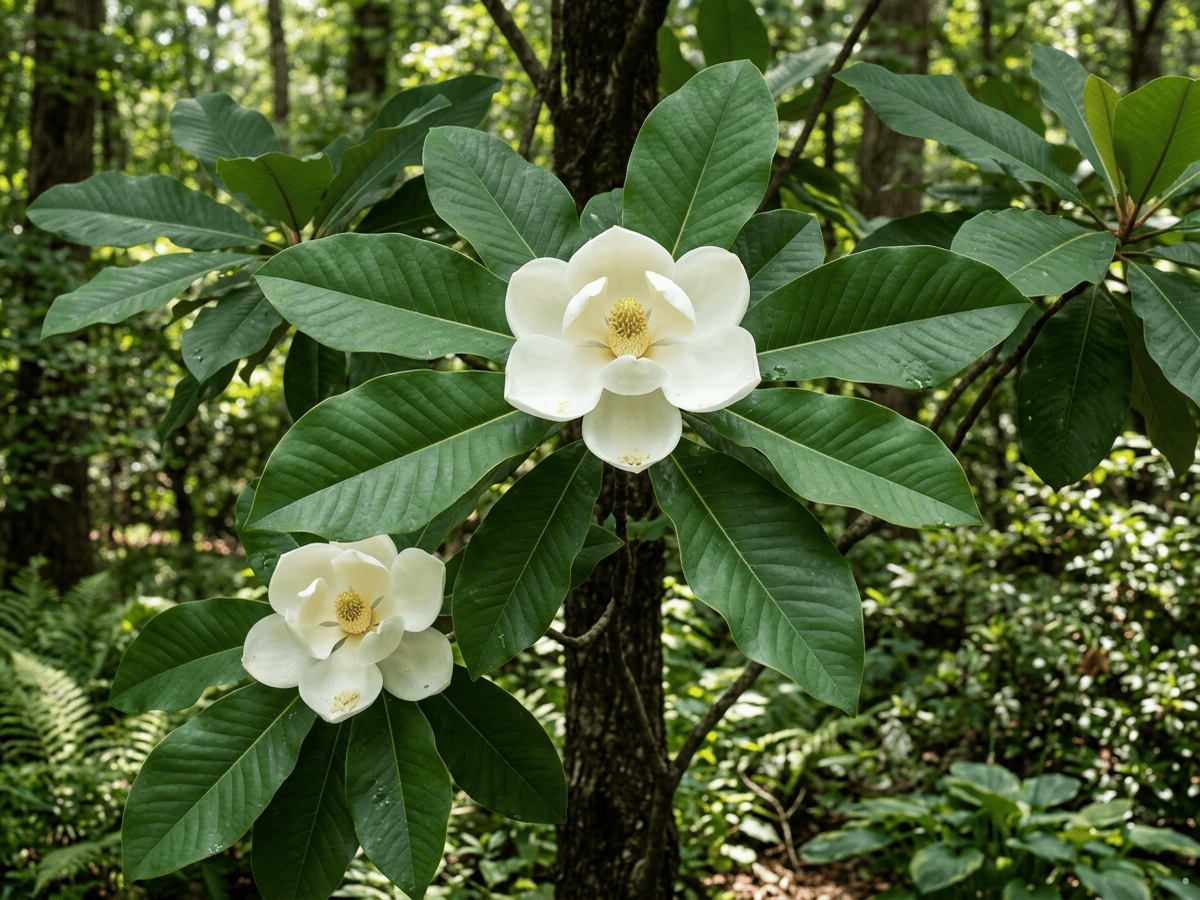
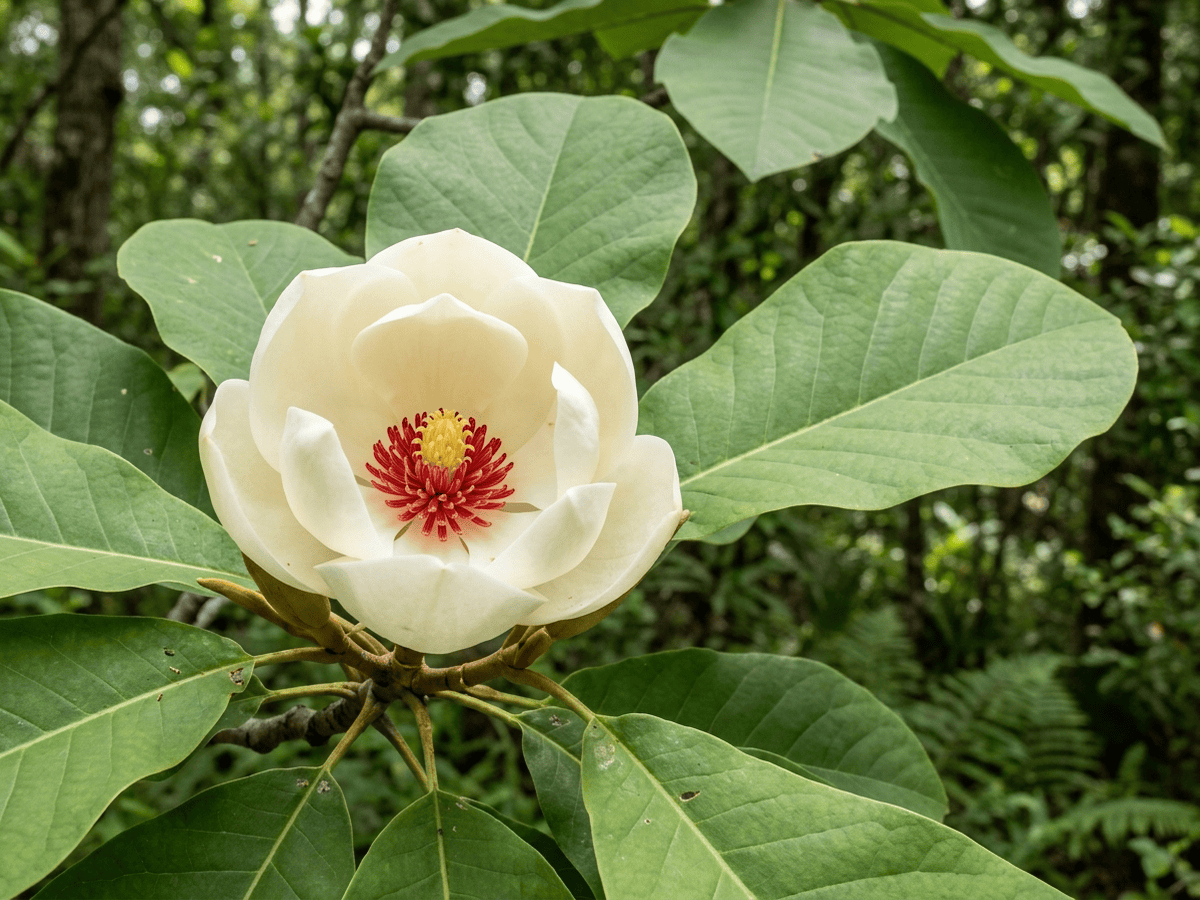
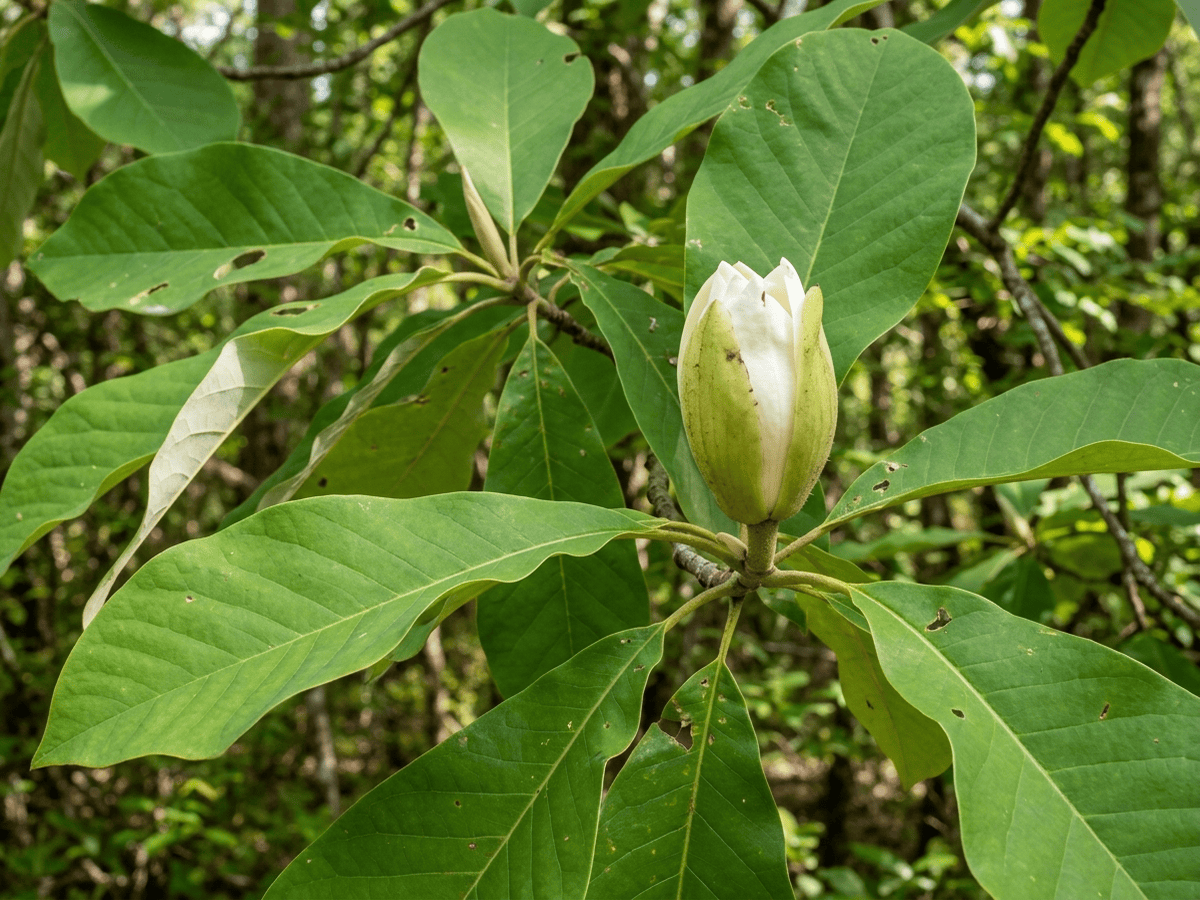
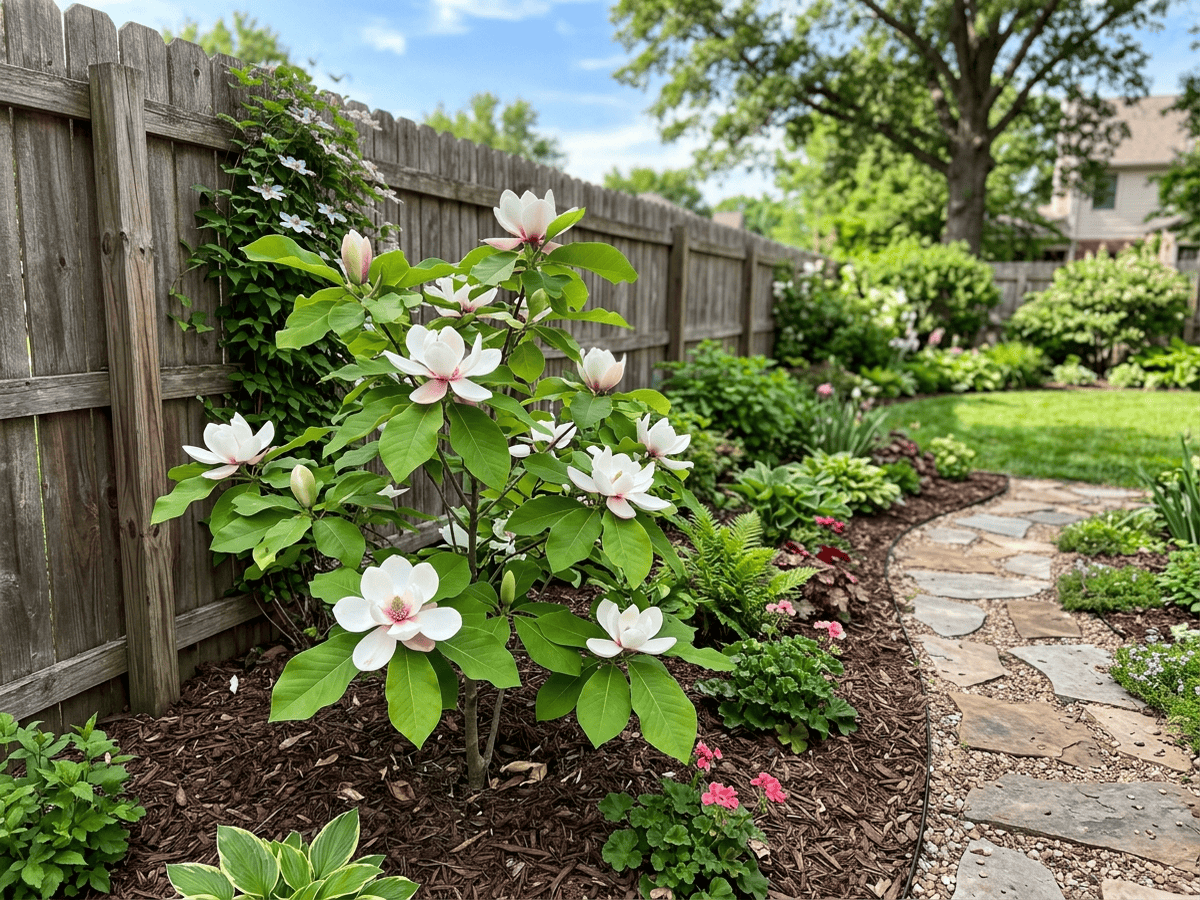
Ashe Magnolia is a rare Southeastern American native deciduous small tree reaching 15-25 feet, with enormous tropical-looking leaves up to 24 inches long and the largest flowers of any tree native to North America—creamy white fragrant blossoms up to 12 inches across appearing in late spring. Endemic to a small area of the Florida Panhandle, it is among the most spectacular and threatened native magnolias. Increasingly planted in Southeastern American gardens as a conservation specimen.
- Native
How to care for Ashe's Magnolia
Watering
- Springevery 7 days
- Summerevery 5 days
- Fallevery 10 days
- Winterevery 14 days
Soil · Well-draining
- Top dressingPine bark mulch10%
- Main mixPotting soil + perlite 2:170%
- DrainageLECA / gravel20%
Never skip the drainage layer — standing water is the top cause of root rot.
FERTILIZER
- Springevery 120 days
At a Glance
- NativeNorth America
- Height15–30 ft (4.6–9.1 m)
- Spread15–25 ft (4.6–7.6 m)
- Flower colorWhite
- Foliage colorGreen
- Fruit colorRed
- SoilLoamy, Acidic, Moisture-retentive
- LocationsYard
Bloom time
BLOOM CYCLE
Peak bloom
May
Massive creamy-white fragrant flowers up to 12 inches in late spring
Fragrance
STRONG FRAGRANCE
The flowers have a heavy sweet lemon-citrus scent.
Toxicity
No toxicity has been reported for this plant. Still, it is wise to keep pets from chewing on any houseplant.
Educational information, not medical or veterinary advice. If exposure is suspected, contact a doctor or veterinarian.
DISTRIBUTION


- Native
- North America
History
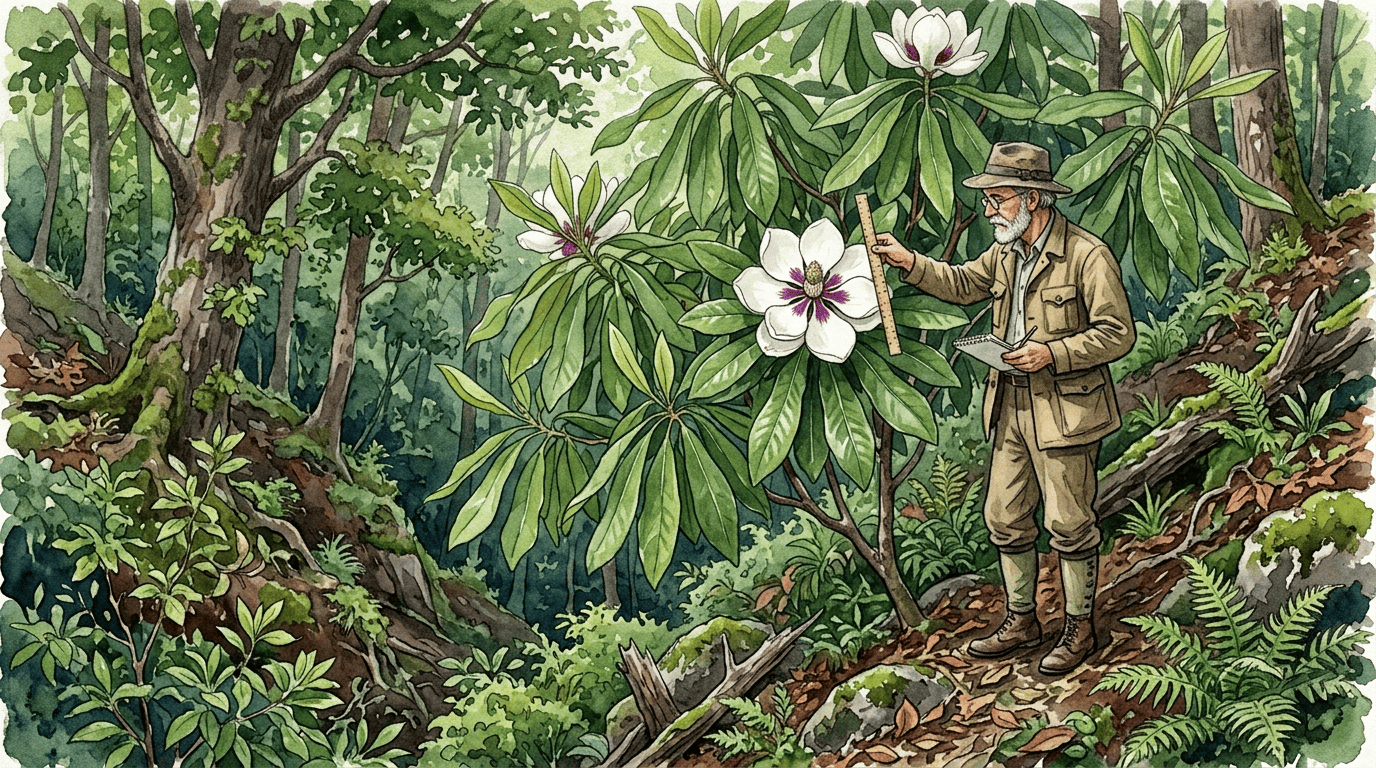
Magnolia ashei, known as Ashe magnolia, is a small deciduous tree endemic to rich ravine slopes in about seven counties of the Florida panhandle, where it grows under canopy with beech and southern magnolia. US Forest Service botanist William Willard Ashe formally described the species in 1926; some taxonomists treat it as a variety of the more widespread bigleaf magnolia Magnolia macrophylla. It produces dinner-plate-sized fragrant white flowers with purple blotches at the base and leaves often exceeding 60 centimeters, among the largest of any North American tree.
Habitat loss and horticultural poaching threaten wild populations, and the plant is protected under Florida state law. It is increasingly propagated by specialty nurseries for native plant gardens.
Among the rarest magnolias in the world, with possibly fewer than 1,000 wild plants remaining. Cultivation in Southeastern American gardens helps preserve this critically threatened native species.
Symbolism & meaning
What It Symbolizes
Ashe's Magnolia bears splendor in single enormous white blooms — over a foot across, the largest flowers of any tree native to North America. Endemic to a handful of Florida Panhandle ravines, it is critically rare in the wild, so cultivation becomes preservation: every garden specimen safeguards genetic material from a vanishing endemic. It is grandeur and fragility on the same trembling petal.
- Splendor — largest flowers of any native North American tree
- Preservation — cultivation safeguards a critically rare endemic
Where the Name Comes From
'Ashei' honors William Willard Ashe (1872-1932), pioneering Southern forester and botanist.
Uses & Fun Facts
- Tropical-textured native rare tree as collector focal point
- Foot-wide creamy spring flowers carry sweet citrus perfume
Related plants
More Magnolia plants
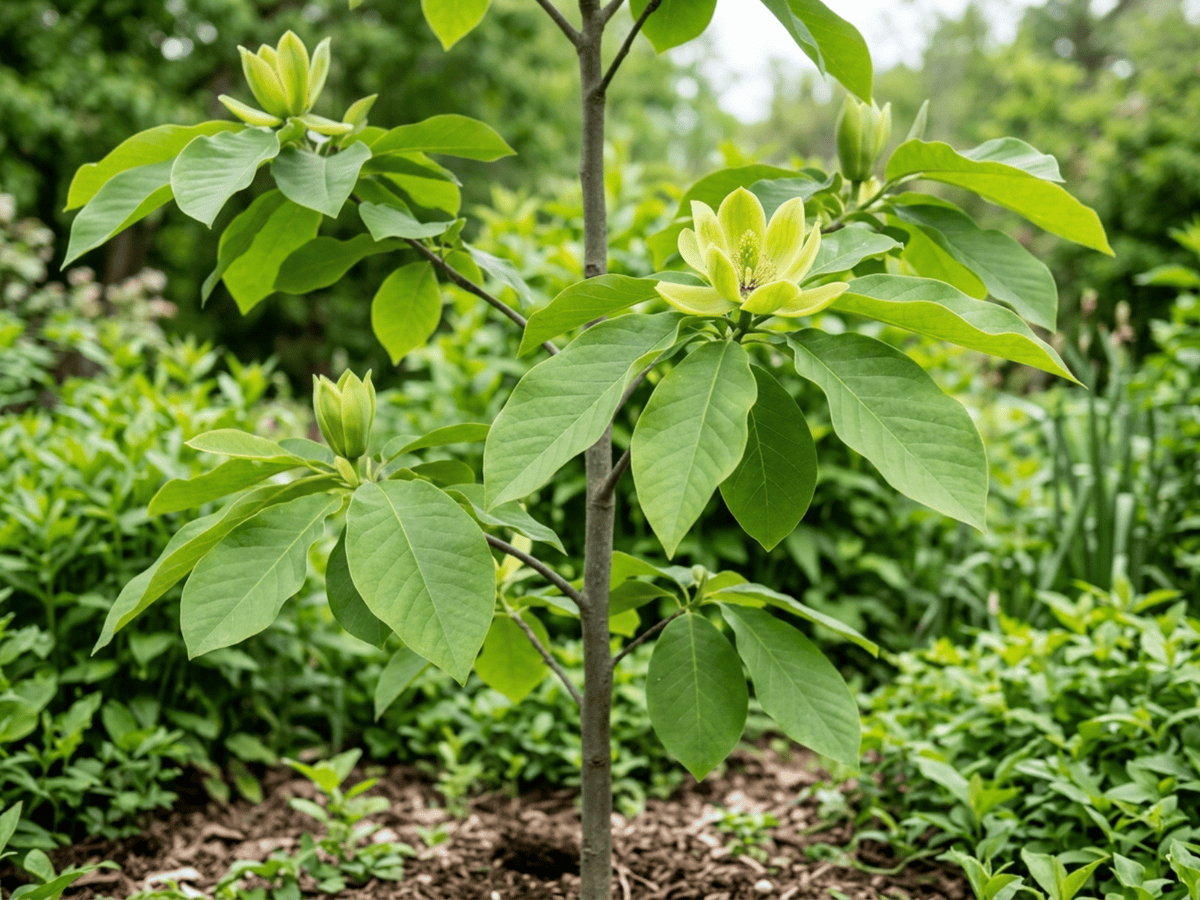 Cucumber-TreeMagnolia acuminata
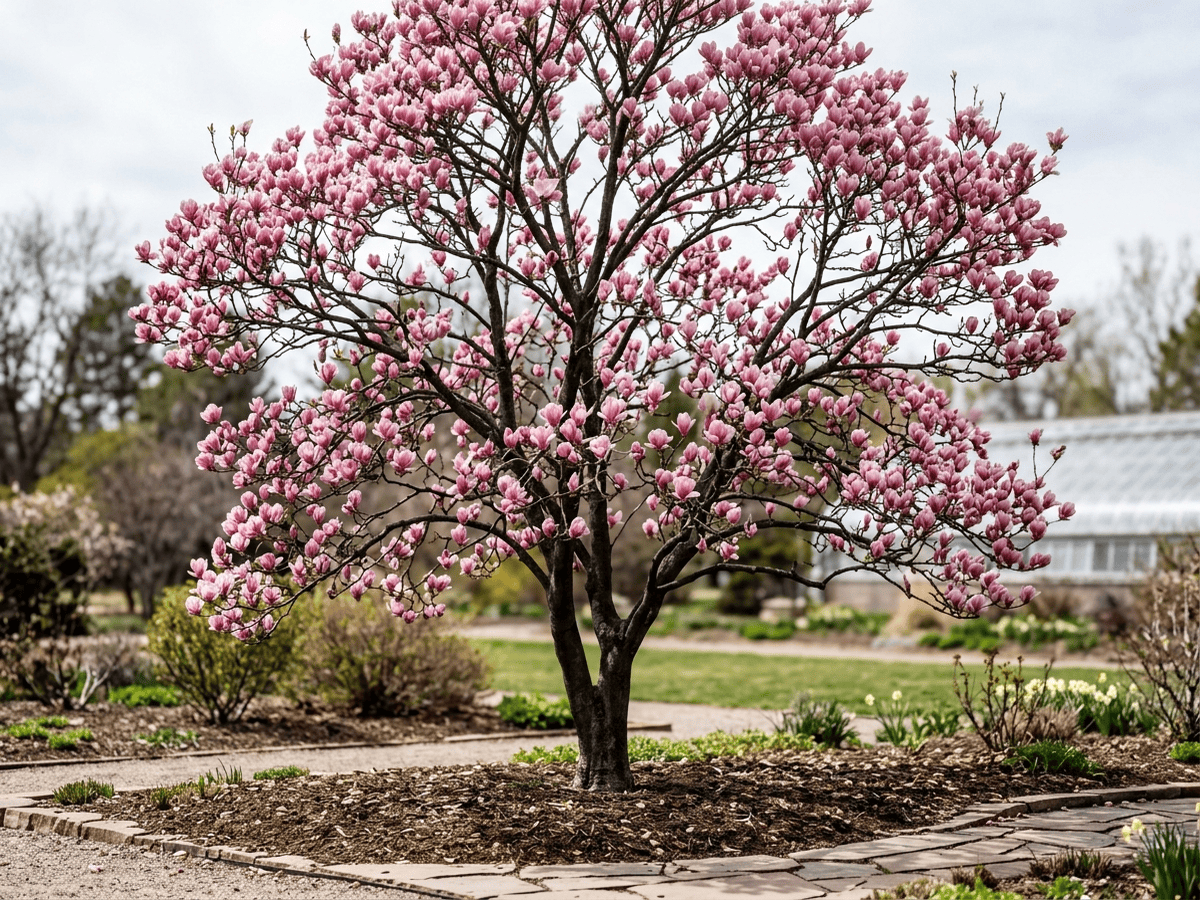 Pink Tulip TreeMagnolia campbellii
 Yulan MagnoliaMagnolia denudata
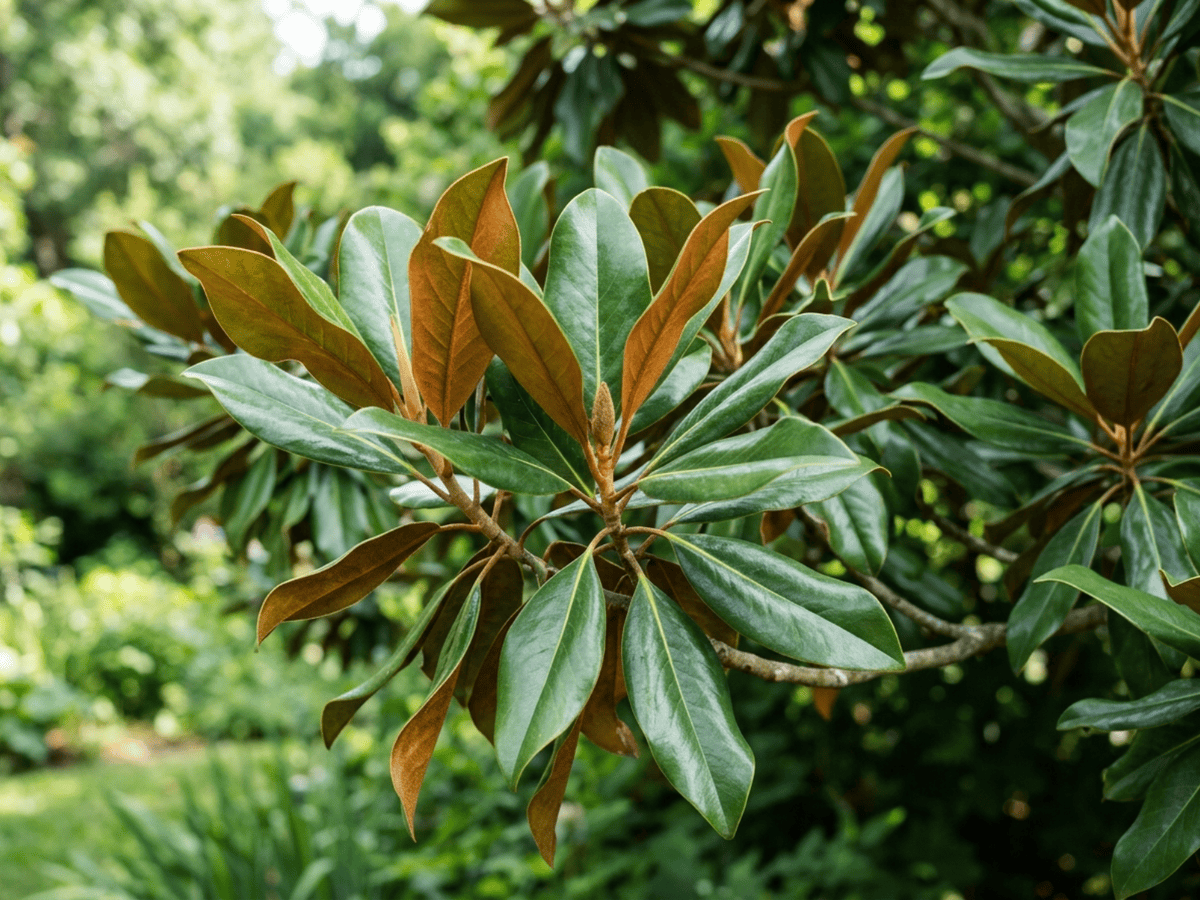 Southern MagnoliaMagnolia grandiflora
Plants with similar care
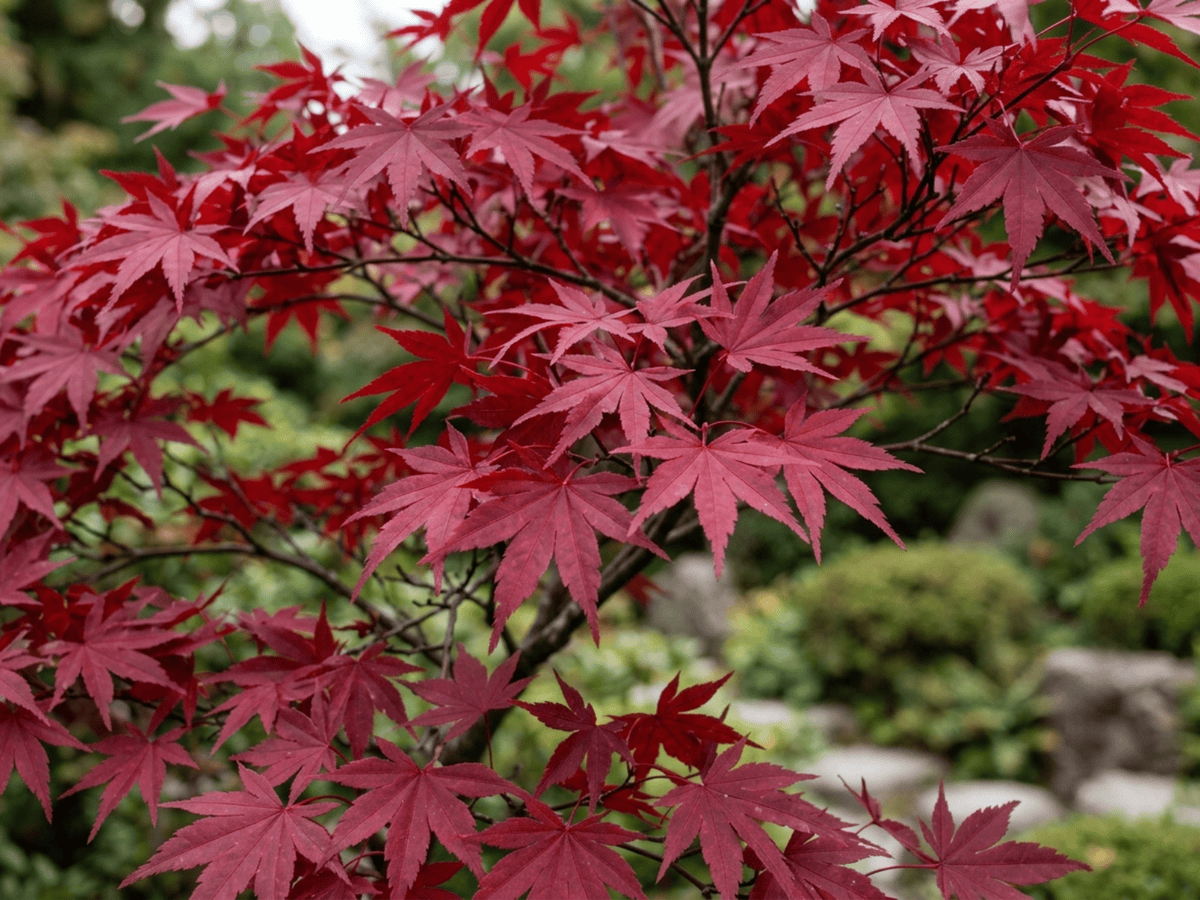 Japanese MapleAcer palmatum
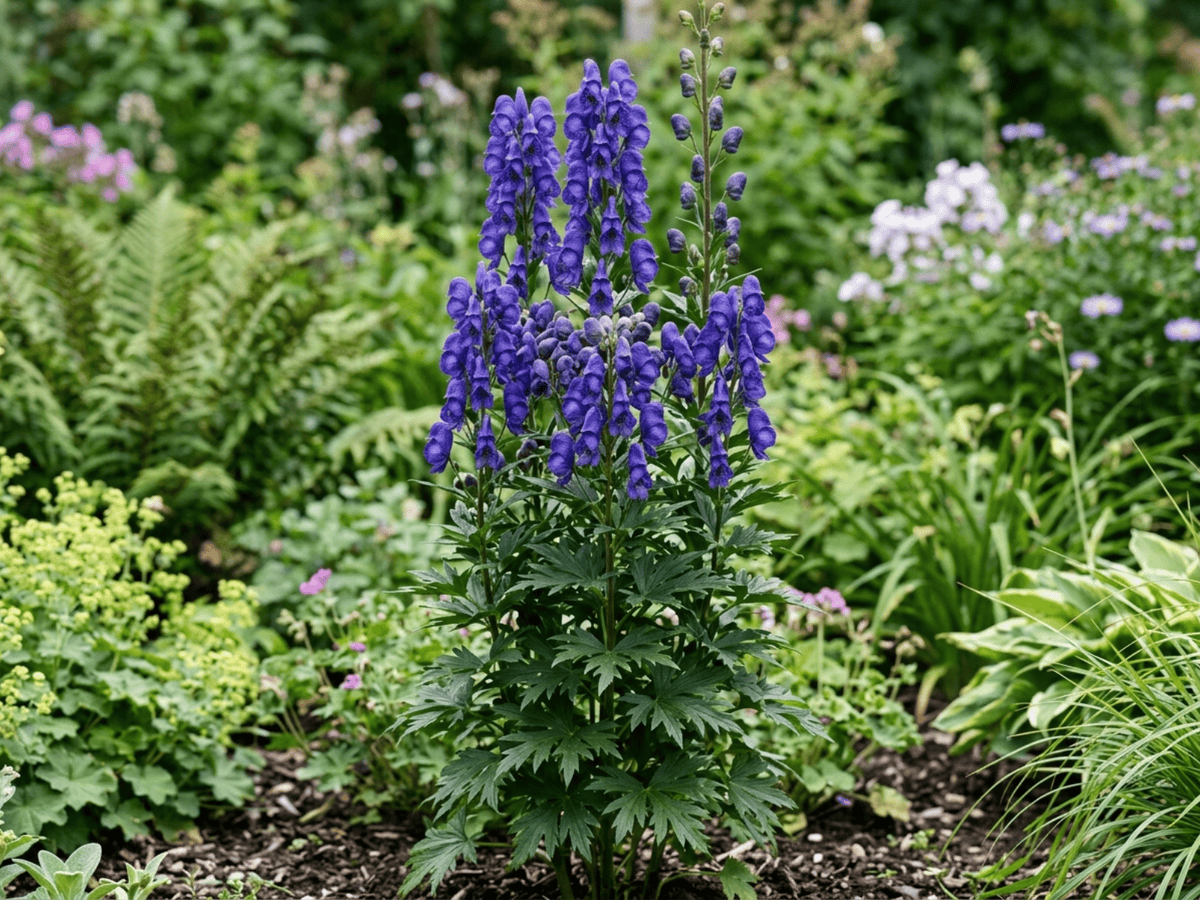 Azure MonkshoodAconitum carmichaelii
 Florida HobblebushAgarista populifolia
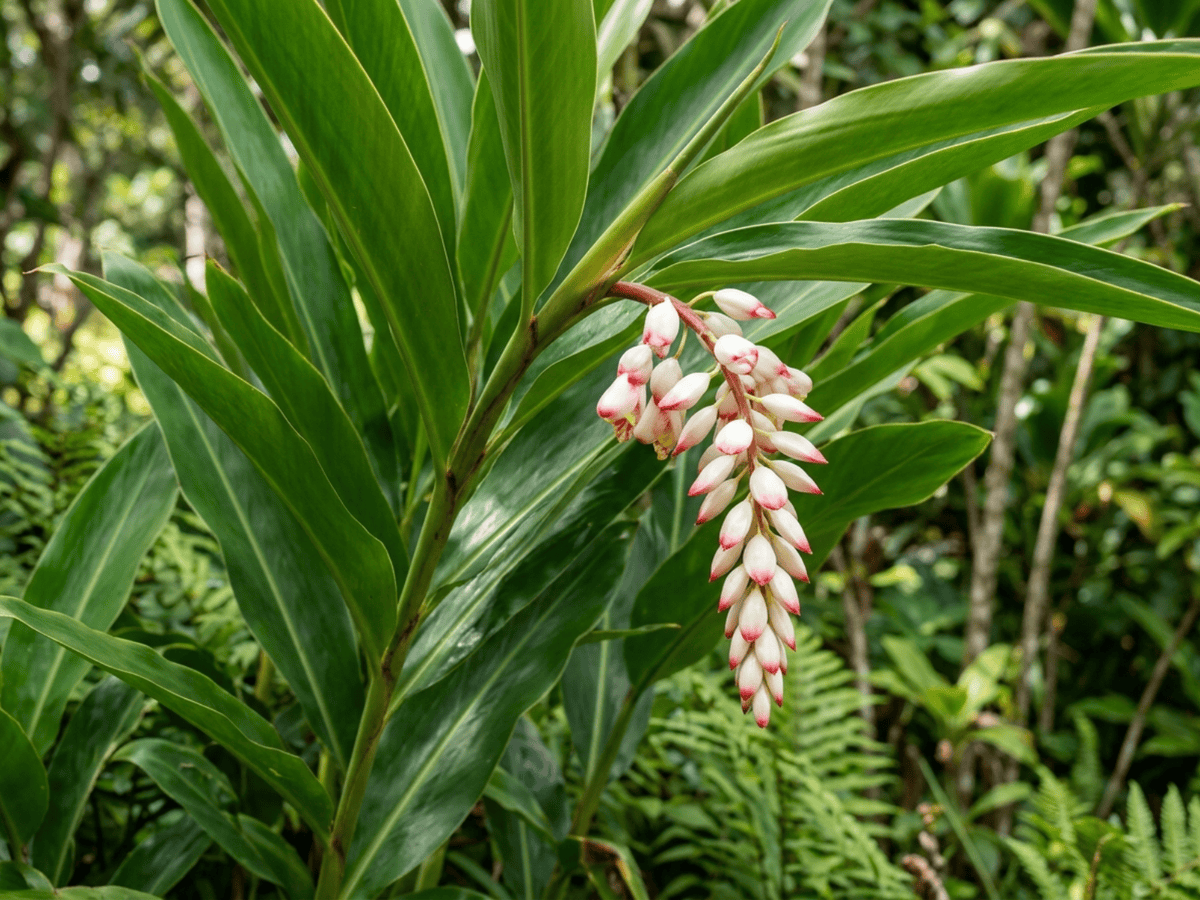 Shell GingerAlpinia zerumbet
Frequently asked questions
How often should I water Ashe's Magnolia?
In summer, water about every 5 days; in winter, about every 14 days. Adjust for heat, pot size and drainage.
How much light does Ashe's Magnolia need?
Part shade: 2–4 hrs direct. Watch the leaves — scorching or stretching means the light needs adjusting.
Is Ashe's Magnolia toxic to cats or dogs?
No toxicity has been reported for this plant. Still, it is wise to keep pets from chewing on any houseplant. Educational information, not medical or veterinary advice. If exposure is suspected, contact a doctor or veterinarian.
Is Ashe's Magnolia easy to grow?
It is moderately demanding: a good choice once you have a little experience.
When does Ashe's Magnolia bloom?
It typically blooms May in the Northern Hemisphere.
YardMate
Identify any plant in seconds
Snap a photo — YardMate names the plant, diagnoses problems, and reminds you when to water.
Download on the App Store