 YardMate


Yulan Magnolia
Magnolia denudata
Medium · Some experienceAbout Yulan Magnolia
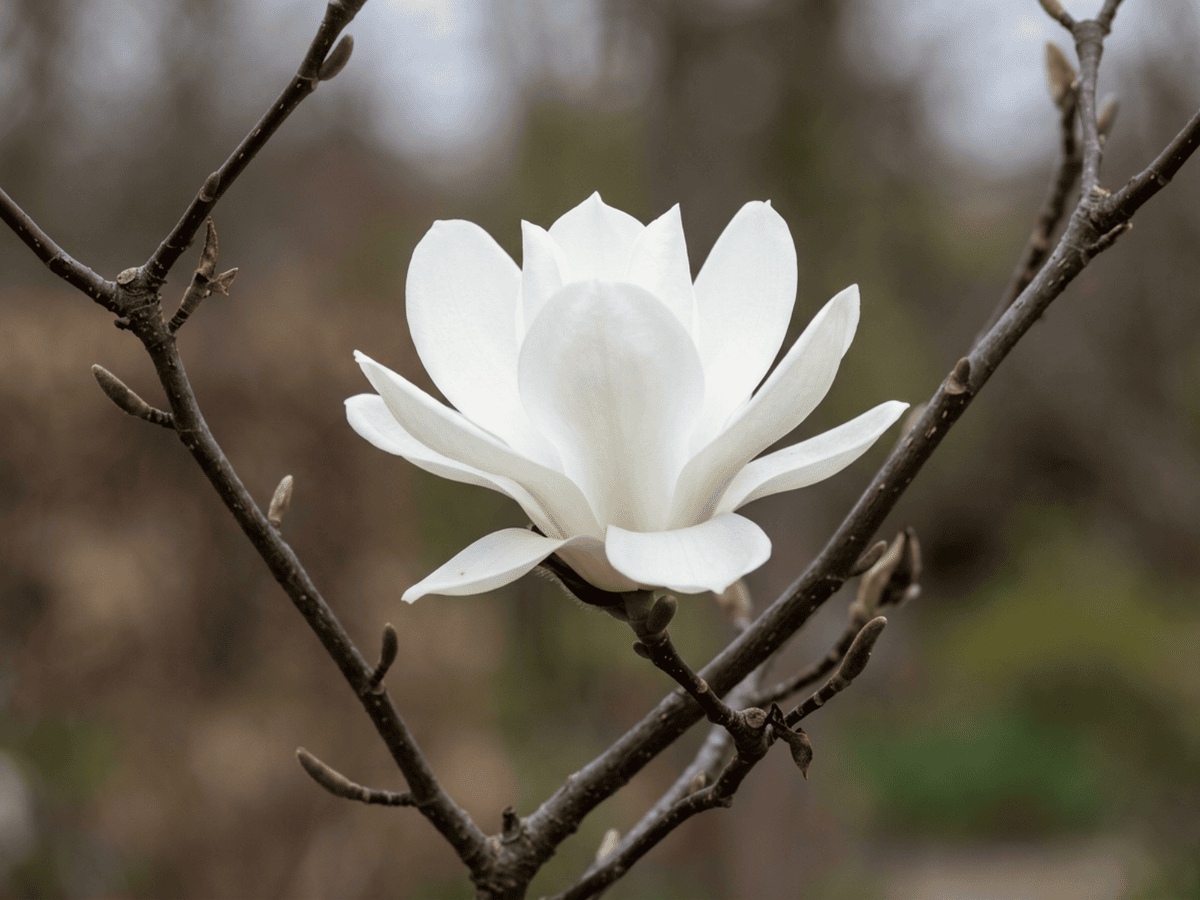
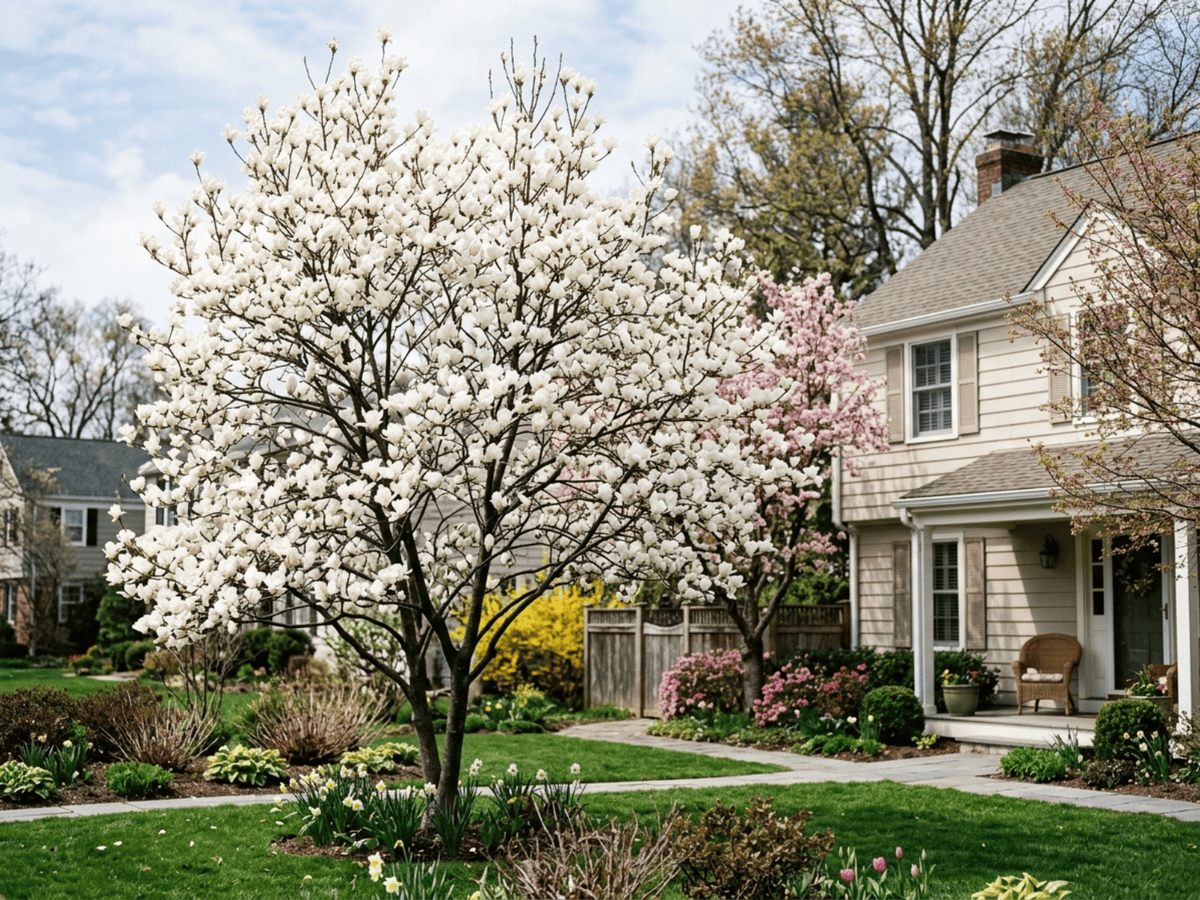
Yulan Magnolia is an exquisite Chinese magnolia bearing large pure white chalice-shaped flowers up to 6 inches across, held upright on bare branches in early spring. Growing 20-40 feet tall, it is one of the most ancient cultivated magnolias, prized in China for 1,400 years. A parent of the saucer magnolia (M. x soulangeana), it remains a stunning specimen in its own right for American gardens in USDA zones 5-8.
- Fragrant
- Pollinator-friendly
How to care for Yulan Magnolia
Watering
- Springevery 7 days
- Summerevery 5 days
- Fallevery 10 days
- Winterpause watering
Soil · Well-draining
- Top dressingPine bark mulch10%
- Main mixPotting soil + perlite 2:170%
- DrainageLECA / gravel20%
Never skip the drainage layer — standing water is the top cause of root rot.
FERTILIZER
Acid-Loving Feed 4-3-4
One bag does both jobs. An acid feed carries the usual nitrogen, phosphorus and potassium, plus the sulfur and iron that keep the soil sour enough for the roots to take them up at all.
- Nitrogen · Leaves
- Phosphorus · Roots + Blooms
- Potassium · Strength
- Springevery 60 days
- Summerevery 60 days
At a Glance
- NativeEast Asia
- Height25–40 ft (7.6–12.2 m)
- Spread20–30 ft (6.1–9.1 m)
- Flower colorWhite, Cream
- Foliage colorGreen
- Fruit colorPink, Red
- SoilLoamy, Moisture-retentive, Acidic
- LocationsYard
Bloom time
BLOOM CYCLE
Peak bloom
Mar–Apr
Pure white chalice flowers March to April
Fragrance
STRONG FRAGRANCE
The flowers have a sweet, lemony scent.
Toxicity
No toxicity has been reported for this plant. Still, it is wise to keep pets from chewing on any houseplant.
Educational information, not medical or veterinary advice. If exposure is suspected, contact a doctor or veterinarian.
DISTRIBUTION


- Native
- East Asia
History
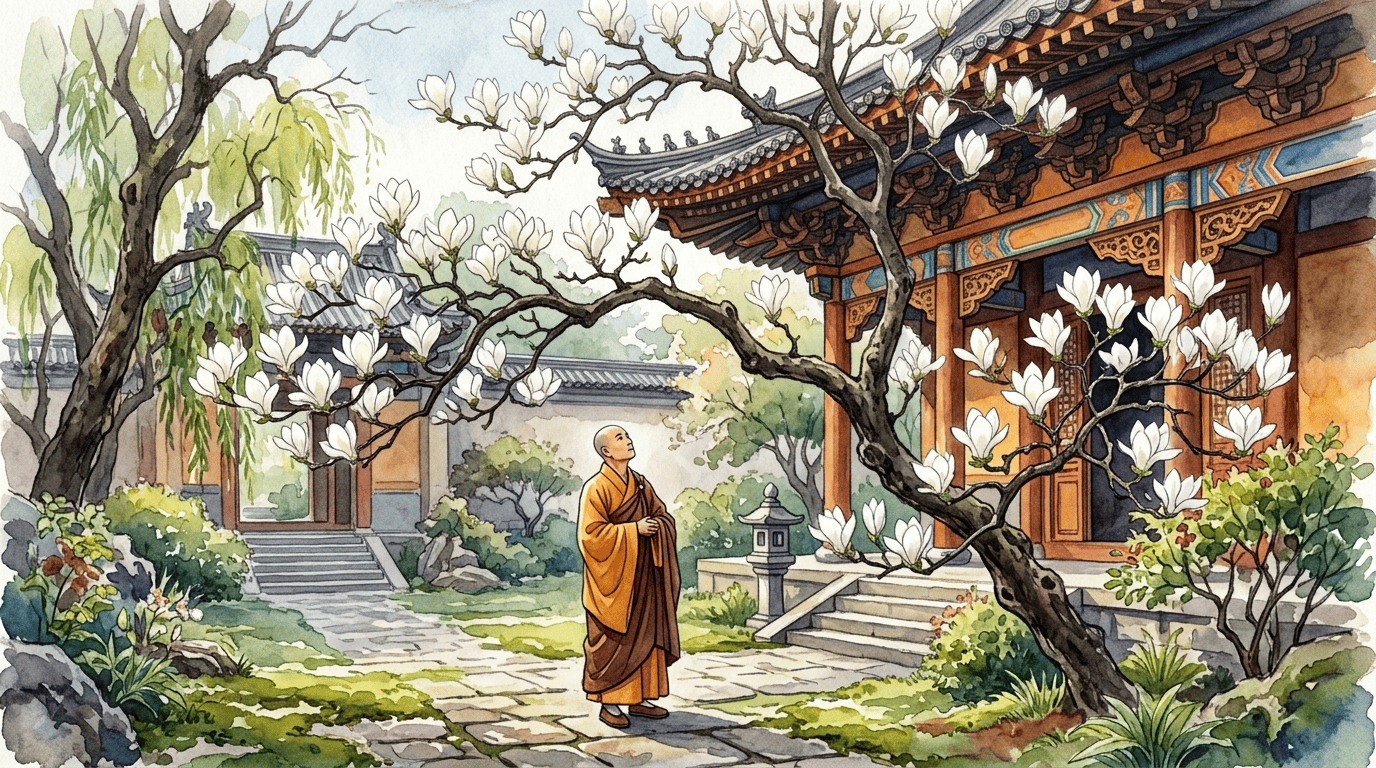
Magnolia denudata is native to central and eastern China, though it has been cultivated in Buddhist temple gardens for over 1300 years—Tang dynasty texts (7th-9th century) describe it, and the Chinese common name yu lan (jade orchid) references its waxy white tulip-shaped flowers. Planted at Han dynasty imperial palaces, it became a symbol of purity in Buddhist iconography. Desfontaines described it scientifically in 1807, though Sir Joseph Banks had introduced living plants to Kew in 1789.
The pure white 6-inch goblet-shaped flowers appearing on bare branches in early spring made it an immediate European sensation. Its crossing with M. liliiflora around 1820 at the nursery of Étienne Soulange-Bodin near Paris produced Magnolia x soulangeana, the saucer magnolia that became arguably the most widely planted flowering tree in temperate world.
Hybridized with M. liliiflora by French soldier Etienne Soulange-Bodin in 1820 to create the saucer magnolia, one of the most widely planted ornamental trees in America today.
Symbolism & meaning
What It Symbolizes
Yulan Magnolia is purity given a chalice, its pristine white flowers opening on bare branches like cups offered toward the spring sky. Cultivated in China for fourteen hundred years, it stands beside imperial palaces and Buddhist temples as a heritage flower of refinement. To meet a yulan in bloom is to keep company with a tradition older than most cathedrals.
- Purity — pristine white chalice flowers
- Heritage — 1,400-year Chinese cultivation history
Where the Name Comes From
'Denudata' means 'denuded', referring to the bare branches in bloom.
Uses & Fun Facts
- Pure white chalice flowers crown bare branches in early spring
- Large blooms release a soft sweet citrus-lemon scent
- Cultivated in Chinese imperial gardens for over 1,400 years
Related plants
More Magnolia plants
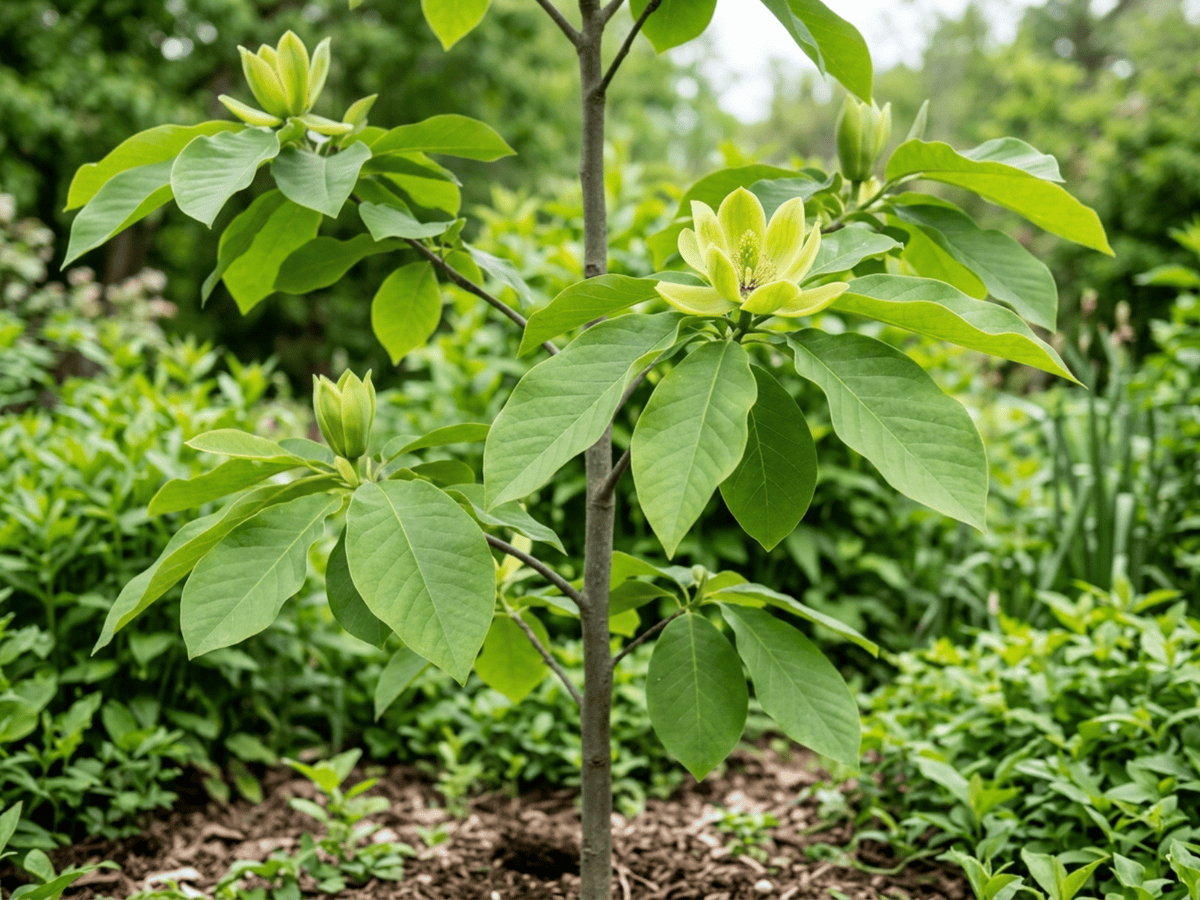 Cucumber-TreeMagnolia acuminata
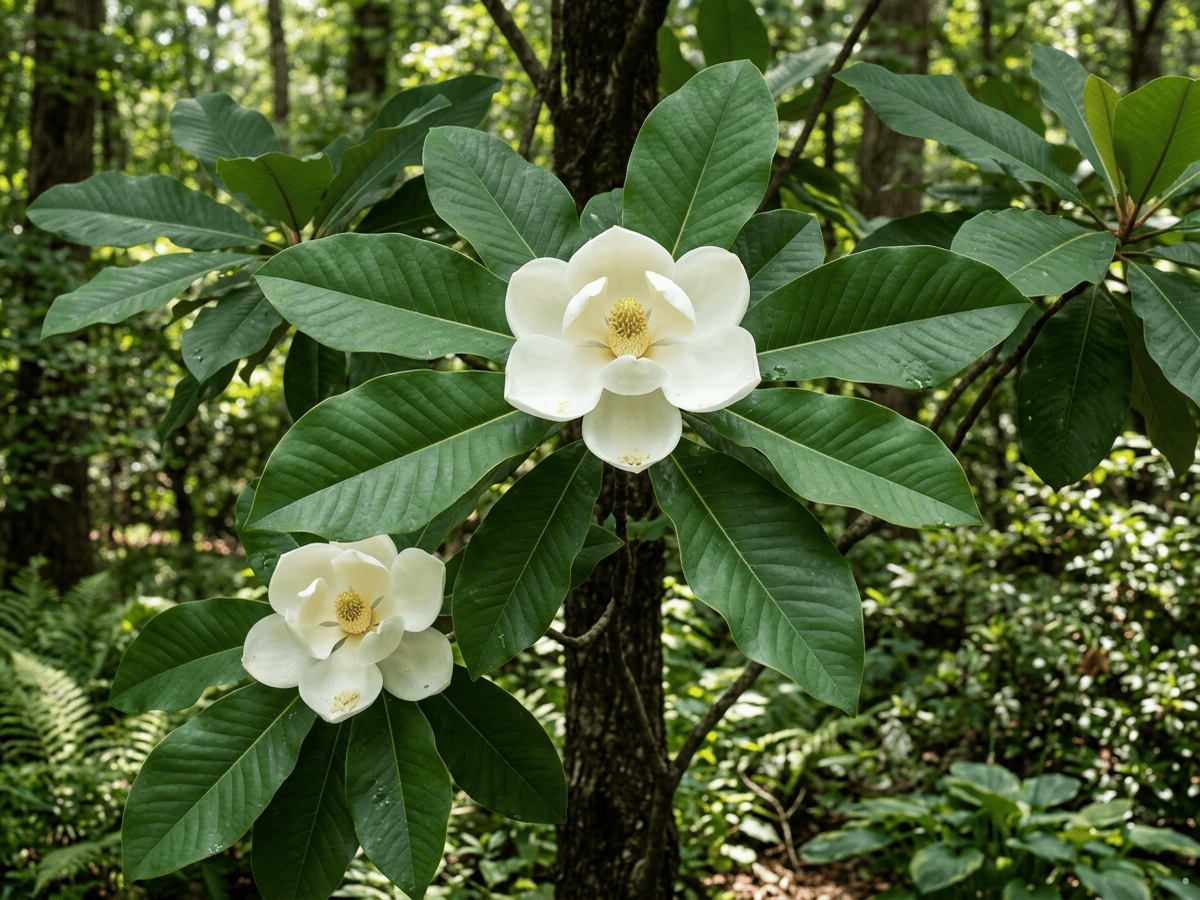 Ashe's MagnoliaMagnolia ashei
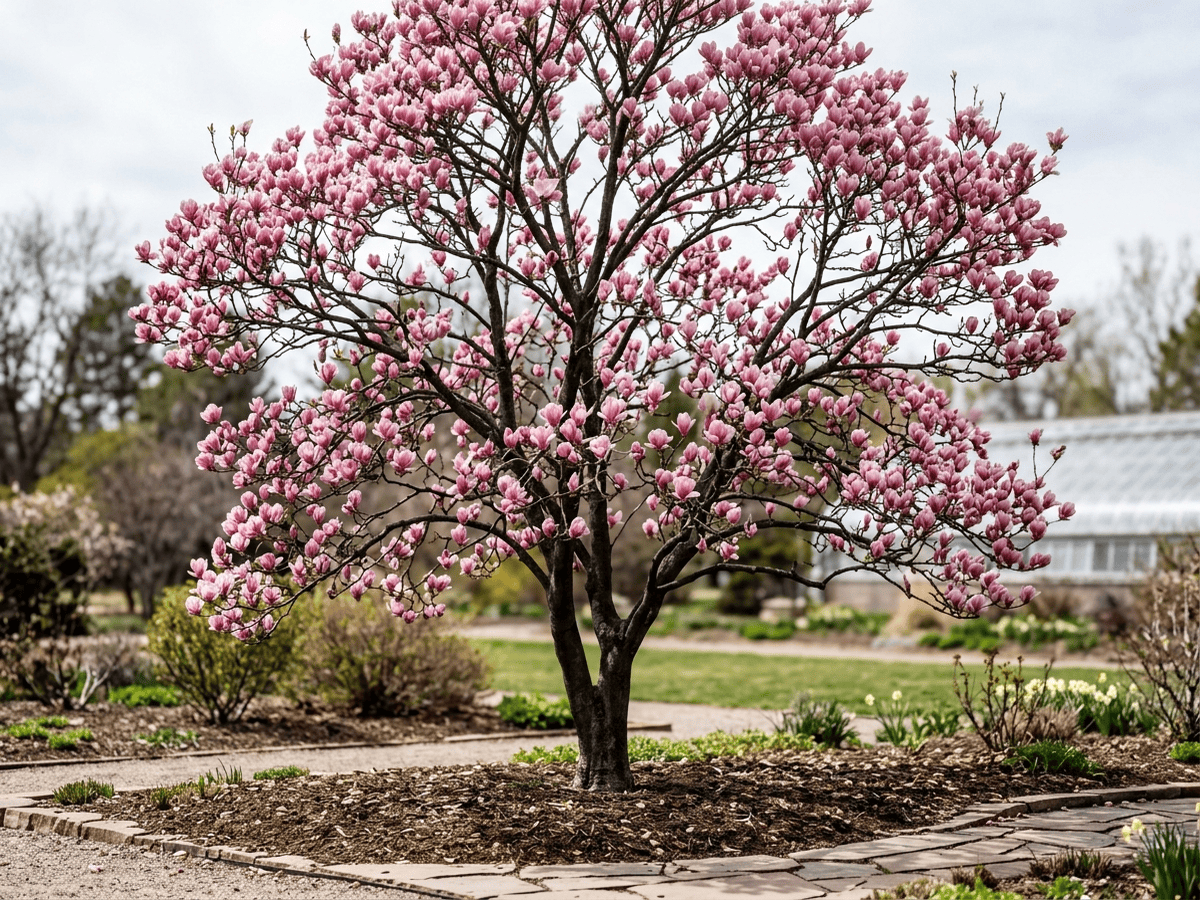 Pink Tulip TreeMagnolia campbellii
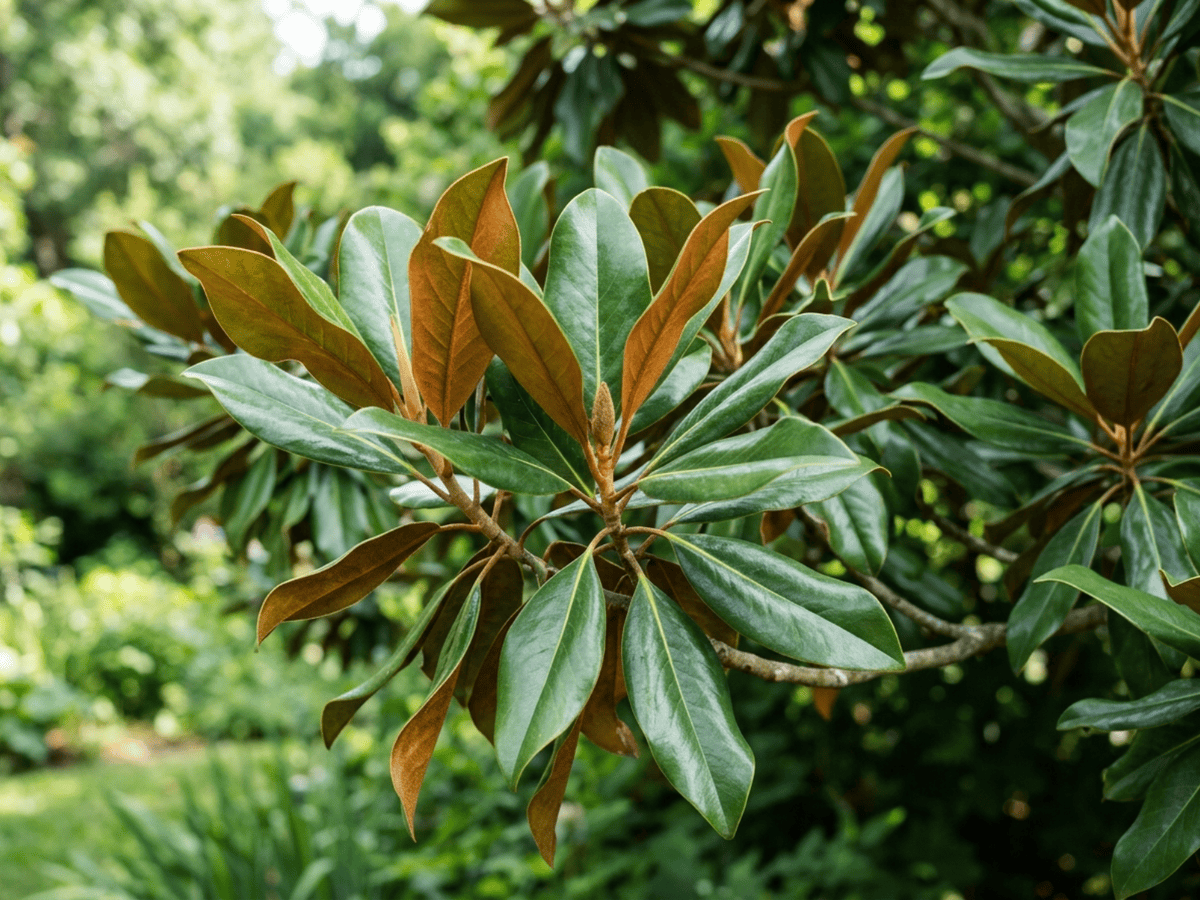 Southern MagnoliaMagnolia grandiflora
Plants with similar care
 Mexican AbeliaAbelia floribunda
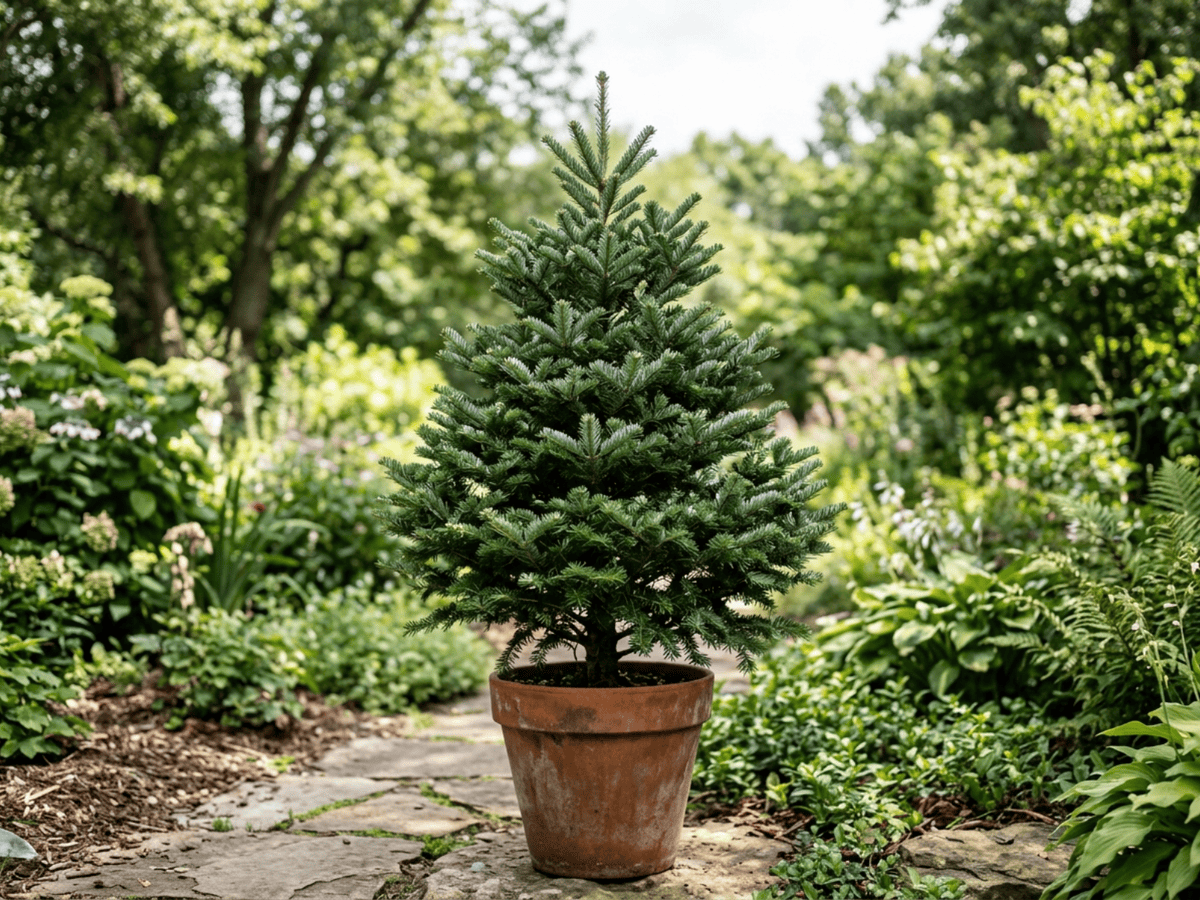 Fraser FirAbies fraseri
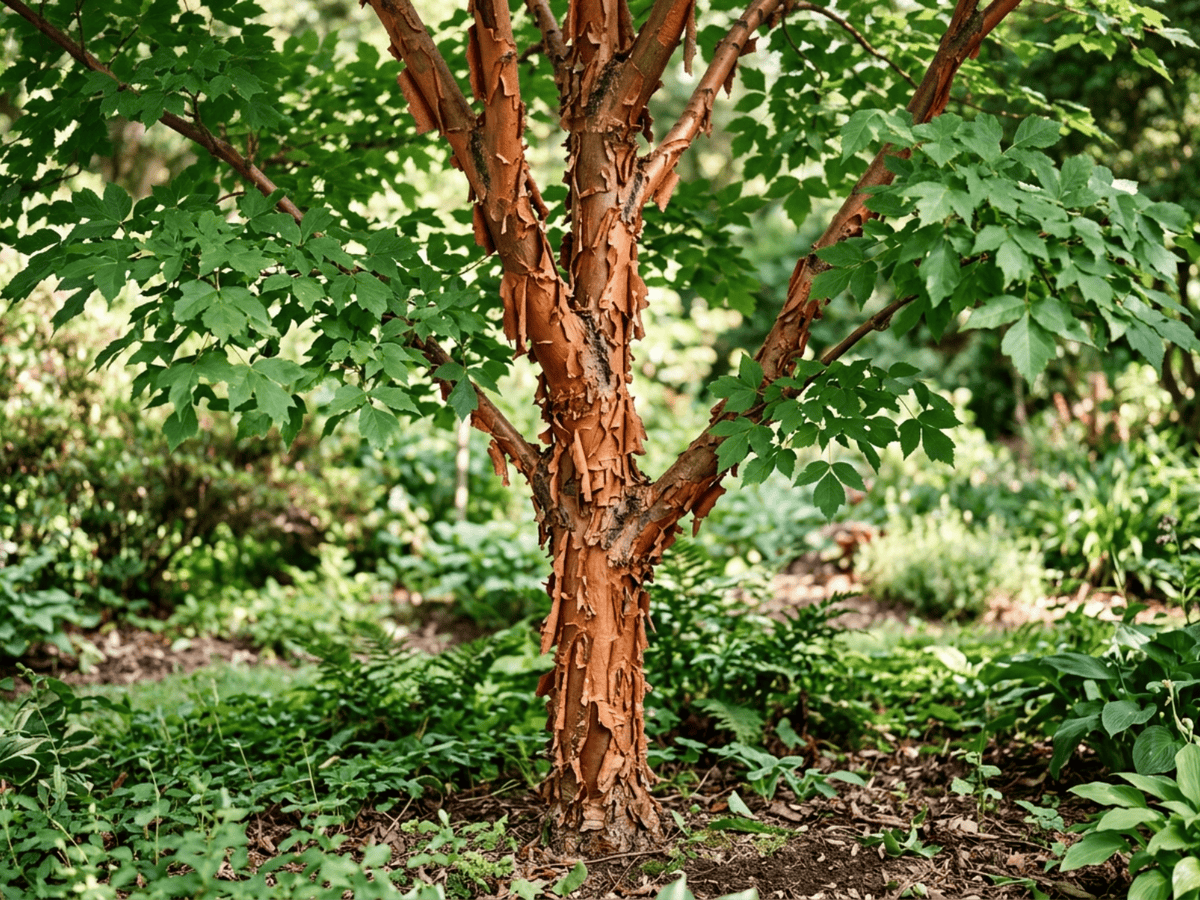 Paperbark MapleAcer griseum
 Sugar MapleAcer saccharum
Frequently asked questions
How often should I water Yulan Magnolia?
Water about every 7 days during the growing season, and always let excess water drain away.
How much light does Yulan Magnolia need?
Full sun: 6+ hrs direct. Watch the leaves — scorching or stretching means the light needs adjusting.
Is Yulan Magnolia toxic to cats or dogs?
No toxicity has been reported for this plant. Still, it is wise to keep pets from chewing on any houseplant. Educational information, not medical or veterinary advice. If exposure is suspected, contact a doctor or veterinarian.
Is Yulan Magnolia easy to grow?
It is moderately demanding: a good choice once you have a little experience.
When does Yulan Magnolia bloom?
It typically blooms Mar–Apr in the Northern Hemisphere.
YardMate
Identify any plant in seconds
Snap a photo — YardMate names the plant, diagnoses problems, and reminds you when to water.
Download on the App Store