 YardMate


Kobus Magnolia
Magnolia kobus
Easy · Beginner friendlyAbout Kobus Magnolia
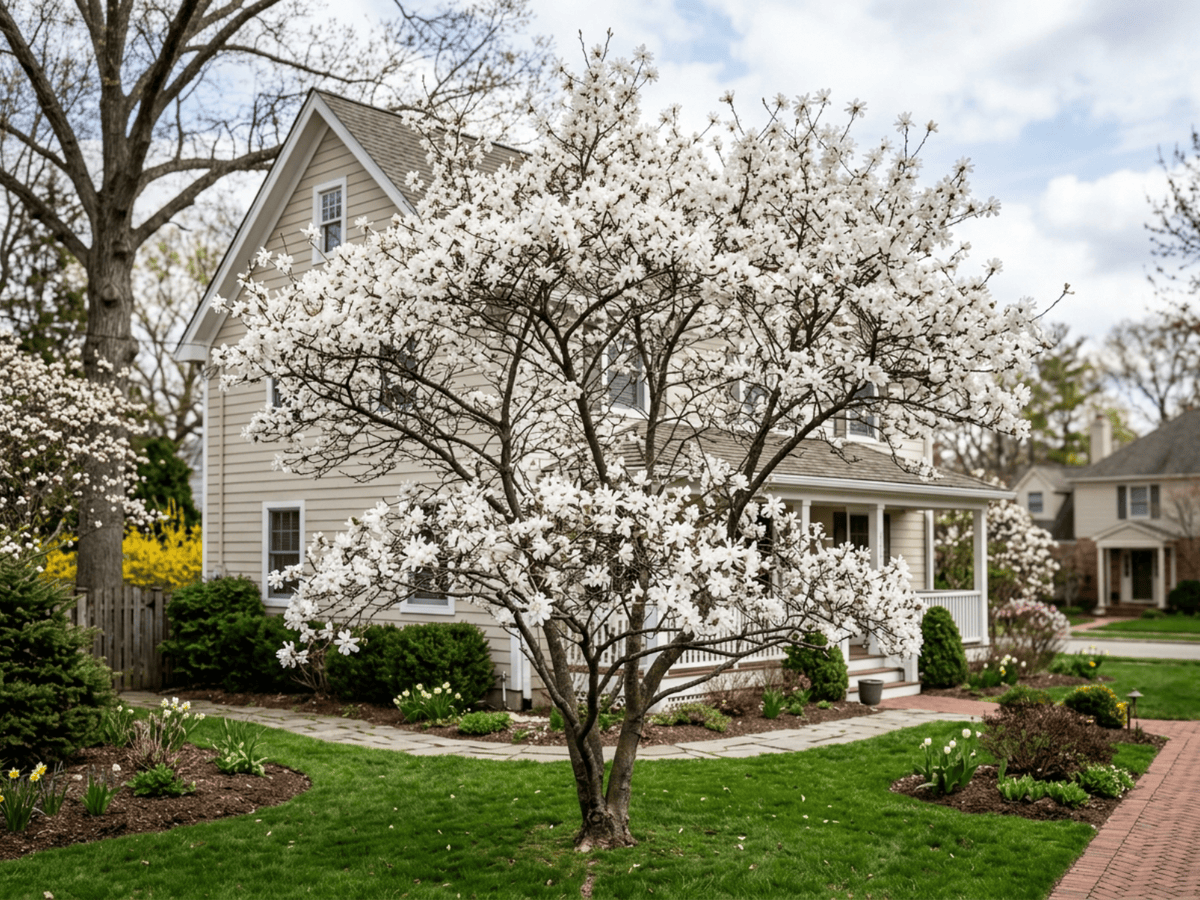
Kobus Magnolia is a large Japanese deciduous magnolia reaching 25-40 feet tall, producing masses of fragrant pure white 4-inch star-shaped flowers on bare branches in early spring. One of the hardiest magnolias (USDA 4-8), it is widely planted across the northern United States where it tolerates cold better than most species. A refined specimen for American landscapes offering early spring spectacle without the frost damage vulnerability of saucer magnolias.
- Fragrant
- Cold-hardy
- Pollinator-friendly
How to care for Kobus Magnolia
Watering
- Springevery 7 days
- Summerevery 5 days
- Fallevery 10 days
- Winterpause watering
Soil · Well-draining
- Top dressingPine bark mulch10%
- Main mixPotting soil + perlite 2:170%
- DrainageLECA / gravel20%
Never skip the drainage layer — standing water is the top cause of root rot.
FERTILIZER
Acid-Loving Feed 4-3-4
One bag does both jobs. An acid feed carries the usual nitrogen, phosphorus and potassium, plus the sulfur and iron that keep the soil sour enough for the roots to take them up at all.
- Nitrogen · Leaves
- Phosphorus · Roots + Blooms
- Potassium · Strength
- Springevery 60 days
- Summerevery 60 days
At a Glance
- NativeEast Asia
- Height25–40 ft (7.6–12.2 m)
- Spread25–30 ft (7.6–9.1 m)
- Flower colorWhite
- Foliage colorGreen
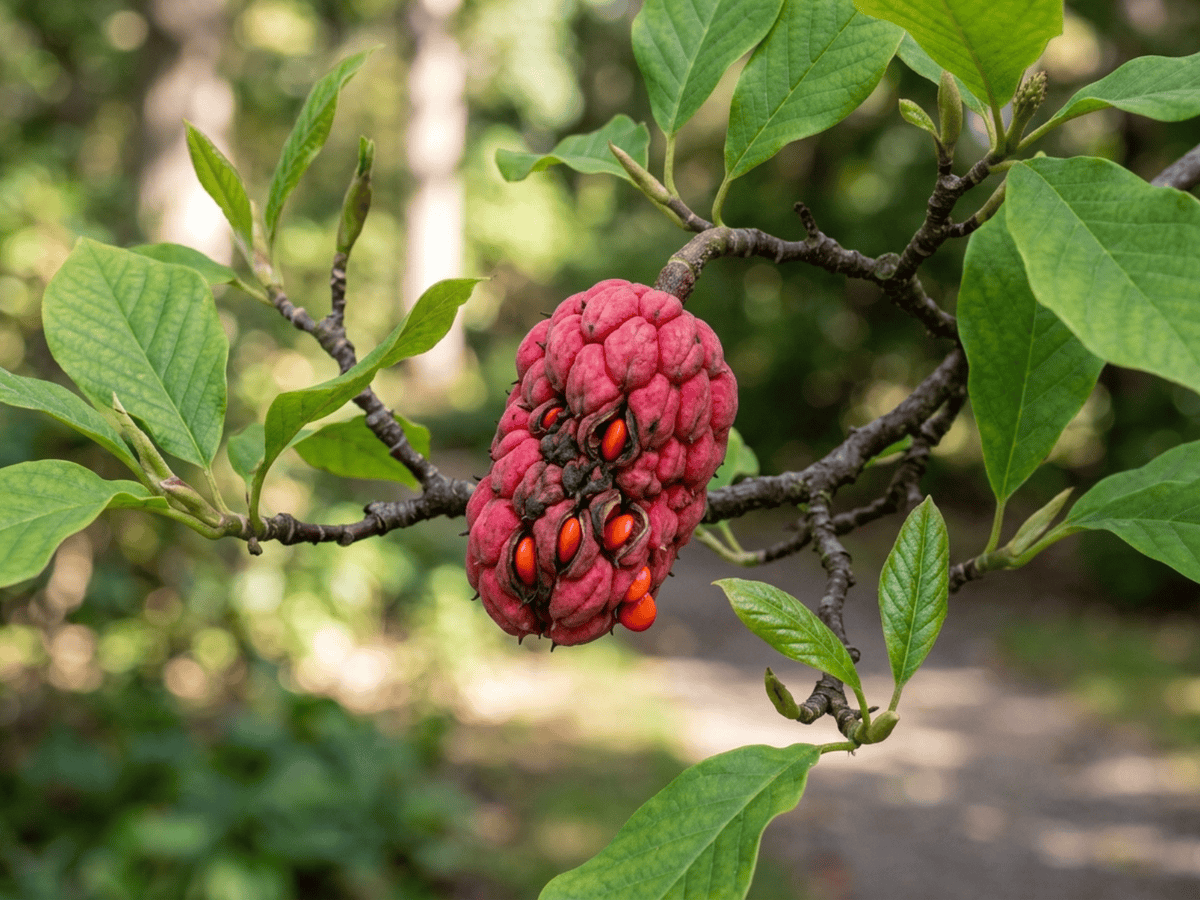
- Fruit colorPink, Red
- SoilLoamy, Moisture-retentive, Acidic
- LocationsYard
Bloom time
BLOOM CYCLE
Peak bloom
Apr
White fragrant flowers April
Fragrance
LIGHT FRAGRANCE
The flowers have a sweet, light scent.
Toxicity
No toxicity has been reported for this plant. Still, it is wise to keep pets from chewing on any houseplant.
Educational information, not medical or veterinary advice. If exposure is suspected, contact a doctor or veterinarian.
DISTRIBUTION


- Native
- Introduced
- East Asia
History
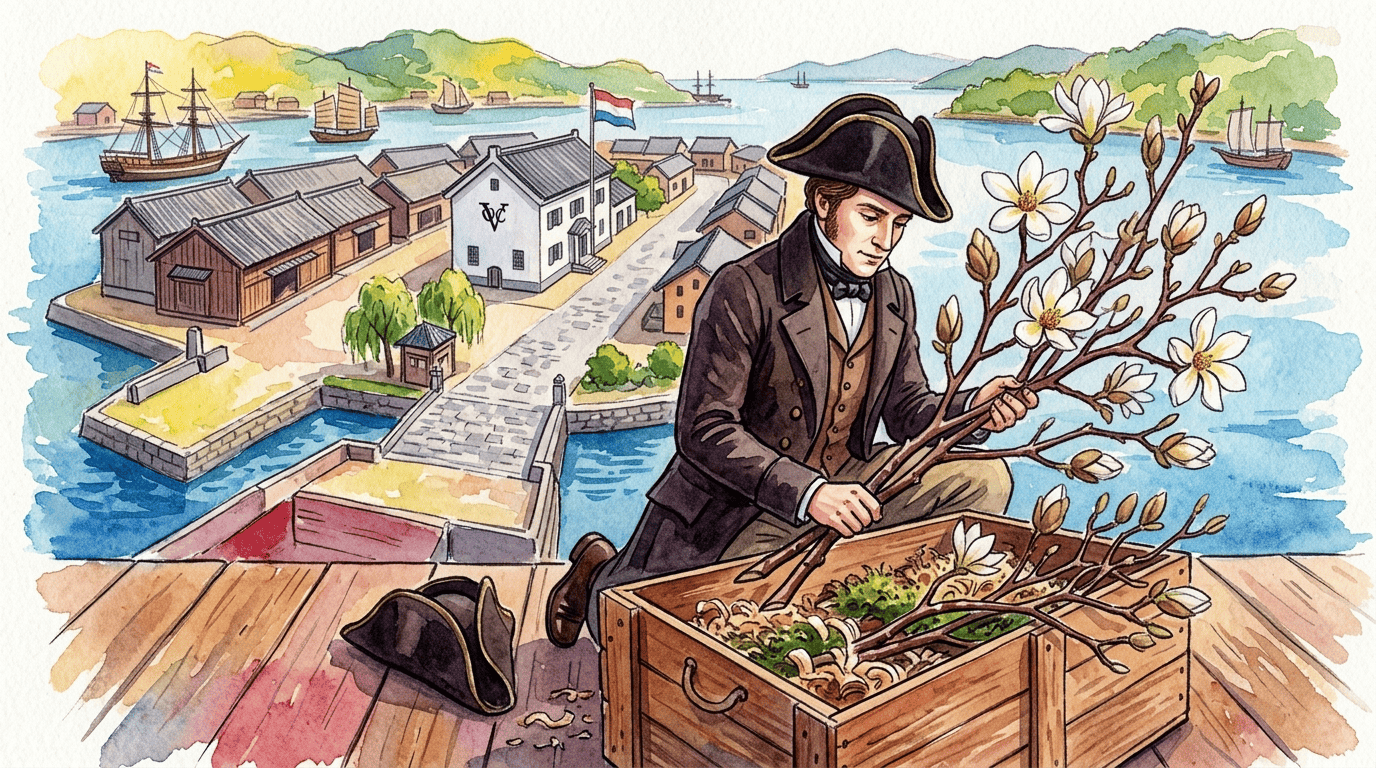
Magnolia kobus grows naturally in temperate forests of Japan's main islands and South Korea. The Japanese common name kobushi (fist) references the fist-like shape of unopened flower buds. German physician Philipp Franz von Siebold, working at Dejima in Nagasaki, collected specimens and introduced them to Leiden Botanic Garden around 1865.
Belgian-German botanist Max Leichtlin and others spread it across European horticulture. The species produces fragrant 4-inch white star flowers on bare branches in early spring, weeks before leaves emerge. German nurseryman Max Löbner at Bonn produced the famous hybrid M. x loebneri (M. kobus × M. stellata) in the early 20th century, parent of cultivars 'Leonard Messel', 'Merrill', and 'Wildcat'.
These hybrids combined the hardiness and vigor of M. kobus with the smaller scale and many-petaled flowers of M. stellata. Introduced to the United States in 1862. One parent of the widely grown Loebner hybrids (M. x loebneri) including 'Merrill' and 'Leonard Messel', popular in American gardens. More cold-hardy and urban-tolerant than most magnolias, it is valued as a reliable street tree in colder American cities.
Symbolism & meaning
What It Symbolizes
The kobus magnolia carries classic magnolia nobility into climates colder than most of its kin will tolerate — its large white flowers opening on bare branches in earliest spring across northern Japan and into hardy American gardens. Its second virtue is resilience: it shrugs off winters that would damage southern magnolias. Dignity and toughness, in this tree, share a single set of branches.
- Nobility — classic magnolia dignity
- Resilience — unusually cold-hardy among magnolias
Where the Name Comes From
'Kobus' comes from the Japanese name for the tree, 'kobushi'.
Uses & Fun Facts
- Star-shaped white flowers release light fresh scent in early spring
- Bare branches covered in white blooms before leaves emerge
- Small ornamental tree as early spring lawn focal point
Related plants
More Magnolia plants
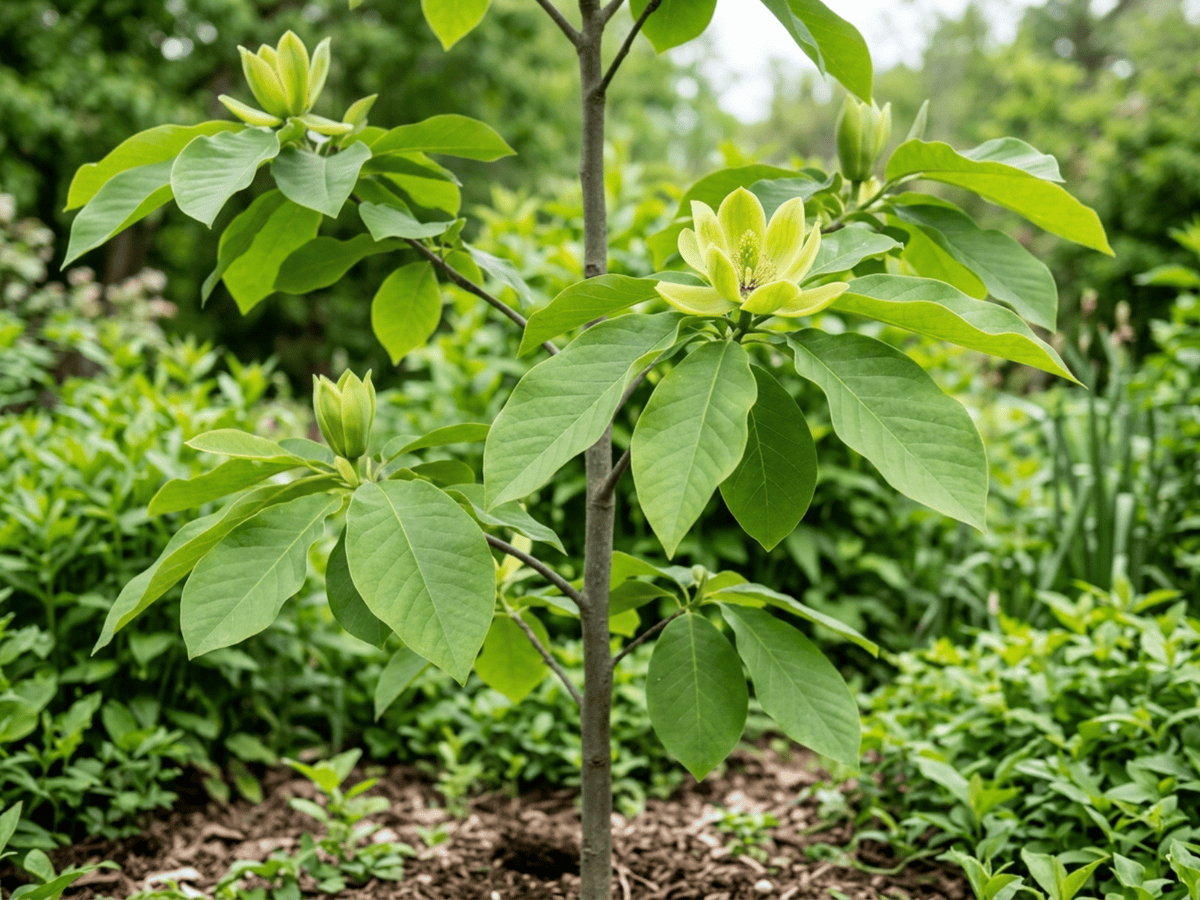 Cucumber-TreeMagnolia acuminata
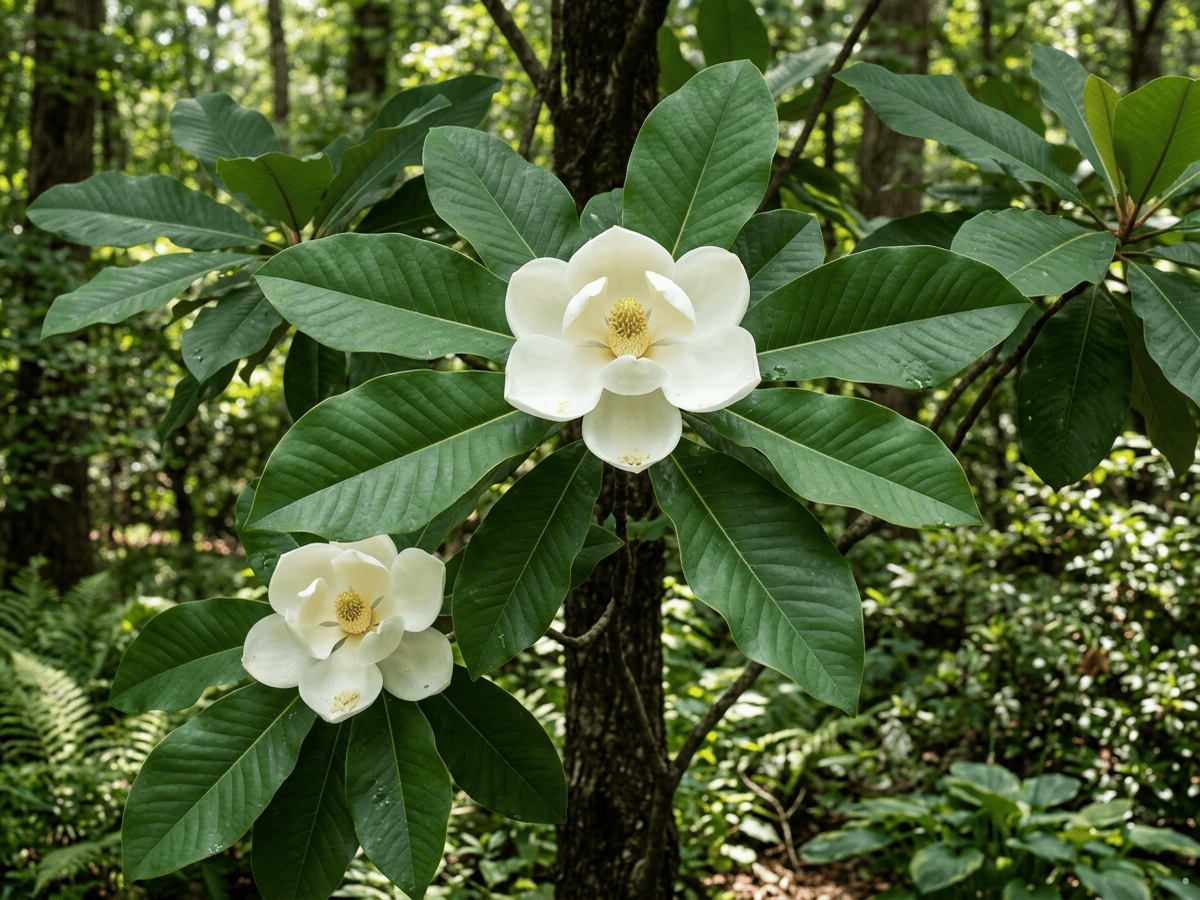 Ashe's MagnoliaMagnolia ashei
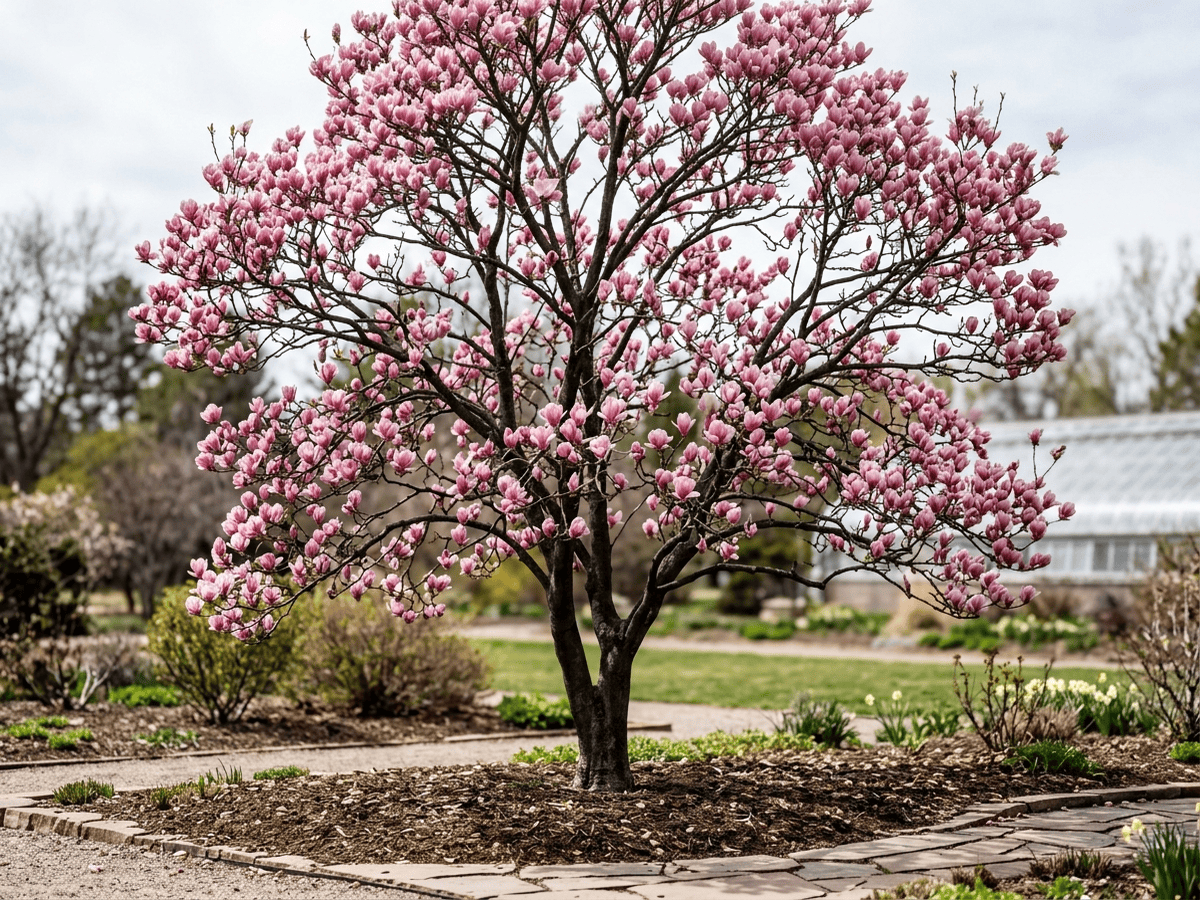 Pink Tulip TreeMagnolia campbellii
 Yulan MagnoliaMagnolia denudata
Plants with similar care
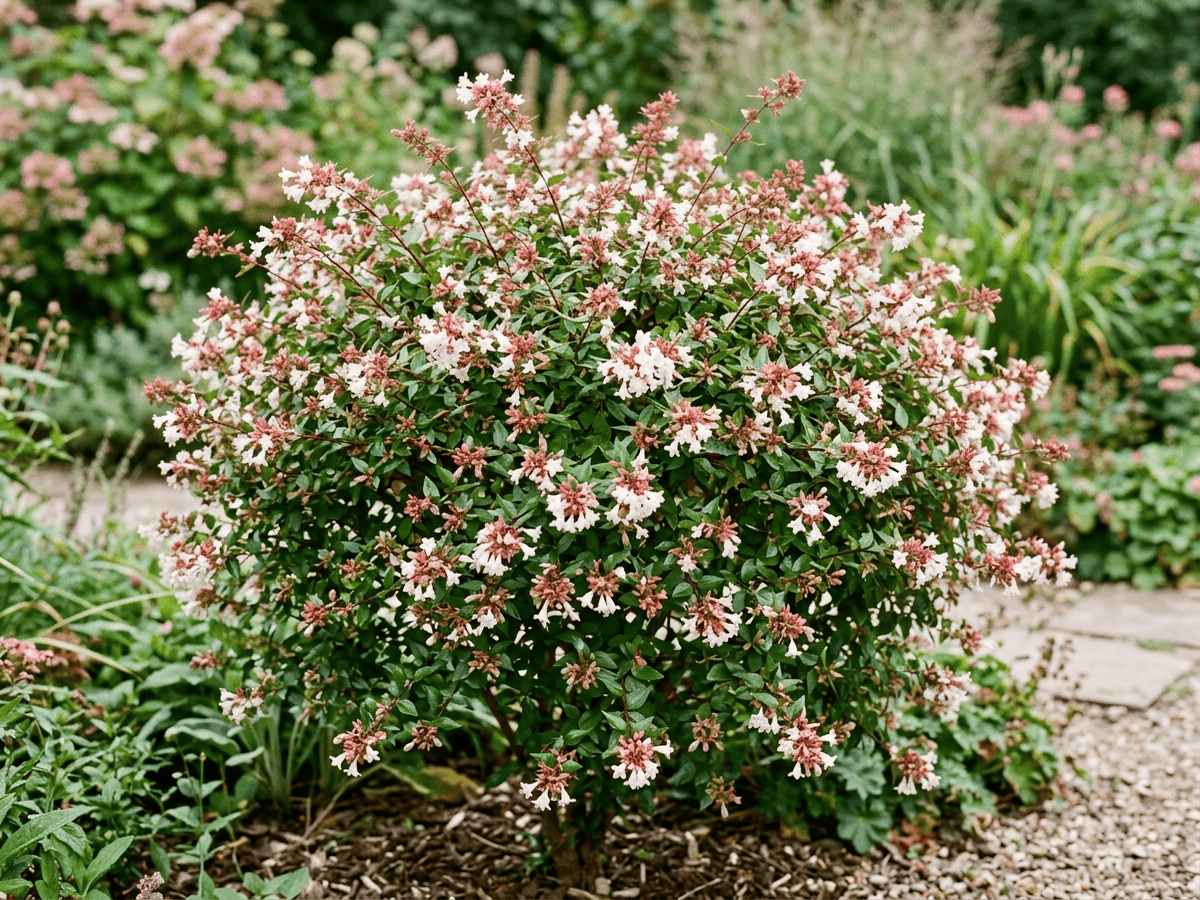 Chinese AbeliaAbelia chinensis
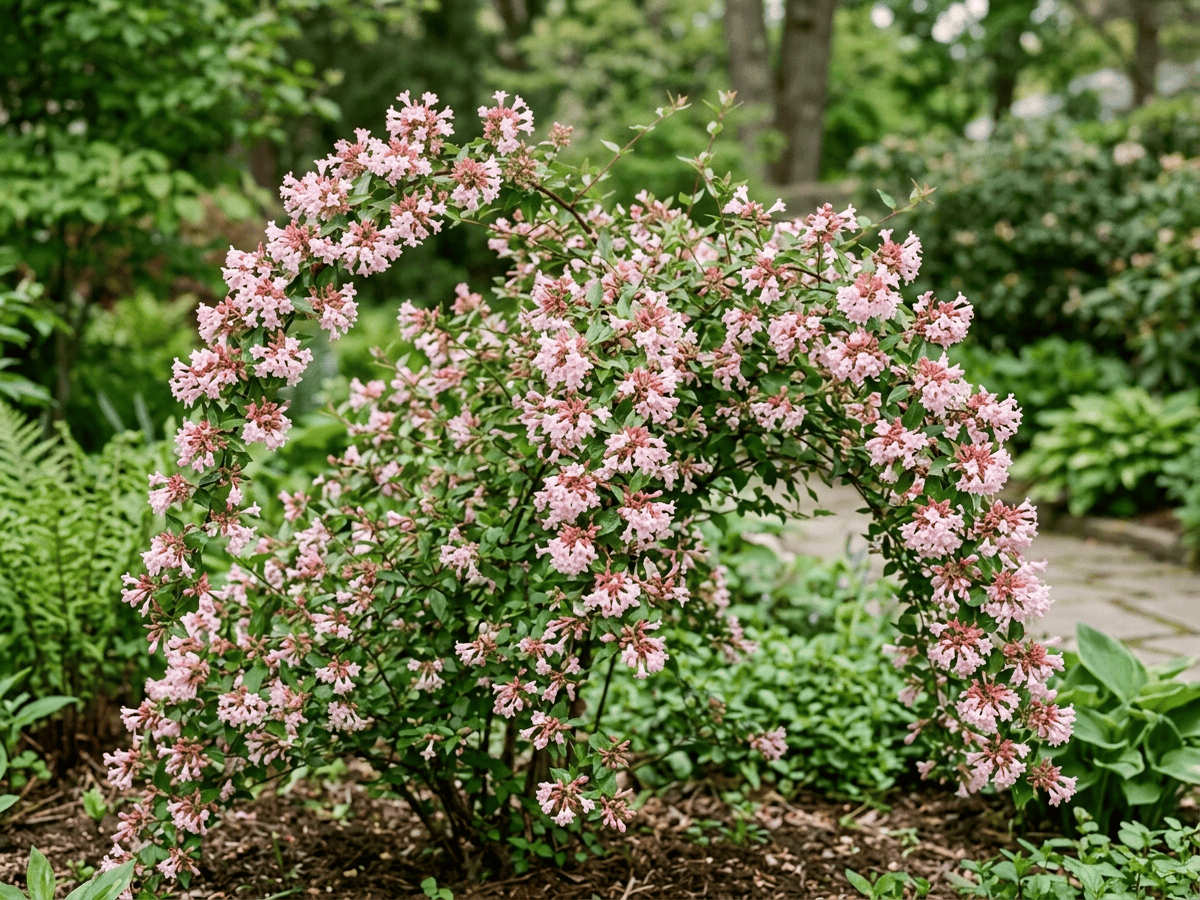 Fragrant AbeliaAbelia mosanensis
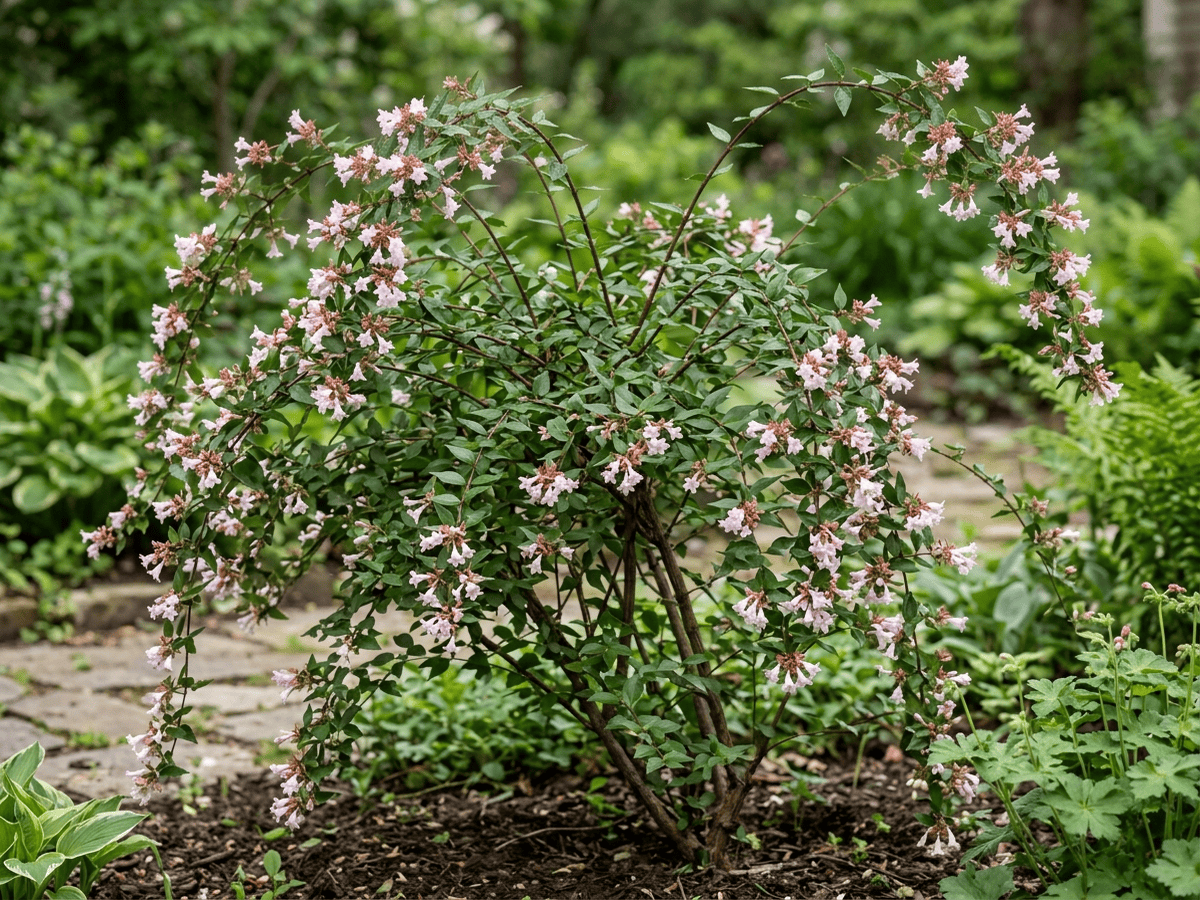 Large-Flowered AbeliaAbelia uniflora
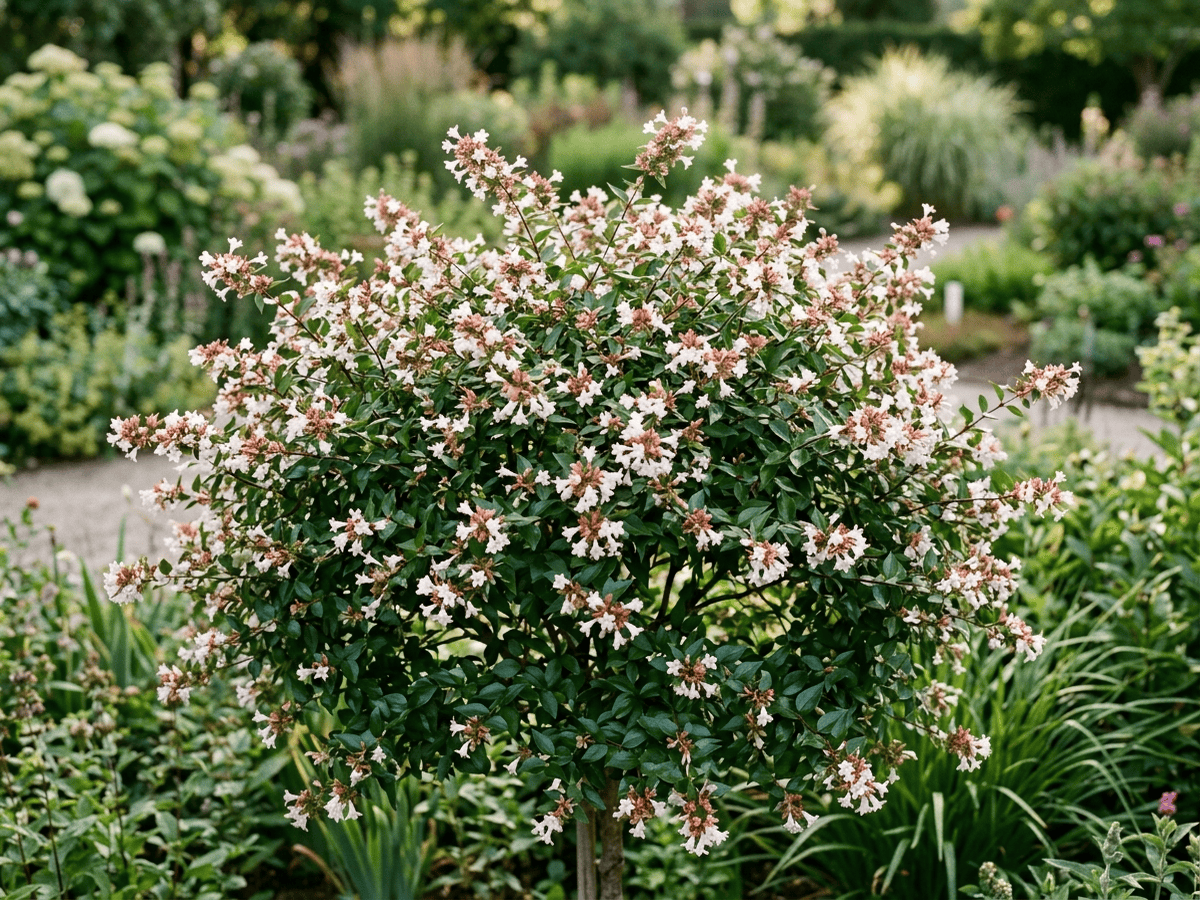 Glossy AbeliaAbelia x grandiflora
Frequently asked questions
How often should I water Kobus Magnolia?
Water about every 7 days during the growing season, and always let excess water drain away.
How much light does Kobus Magnolia need?
Full sun: 6+ hrs direct. Watch the leaves — scorching or stretching means the light needs adjusting.
Is Kobus Magnolia toxic to cats or dogs?
No toxicity has been reported for this plant. Still, it is wise to keep pets from chewing on any houseplant. Educational information, not medical or veterinary advice. If exposure is suspected, contact a doctor or veterinarian.
Is Kobus Magnolia easy to grow?
Yes — it is considered an easy, beginner-friendly plant.
When does Kobus Magnolia bloom?
It typically blooms Apr in the Northern Hemisphere.
YardMate
Identify any plant in seconds
Snap a photo — YardMate names the plant, diagnoses problems, and reminds you when to water.
Download on the App Store