 YardMate


Lily Magnolia
Magnolia liliiflora
Easy · Beginner friendlyAbout Lily Magnolia
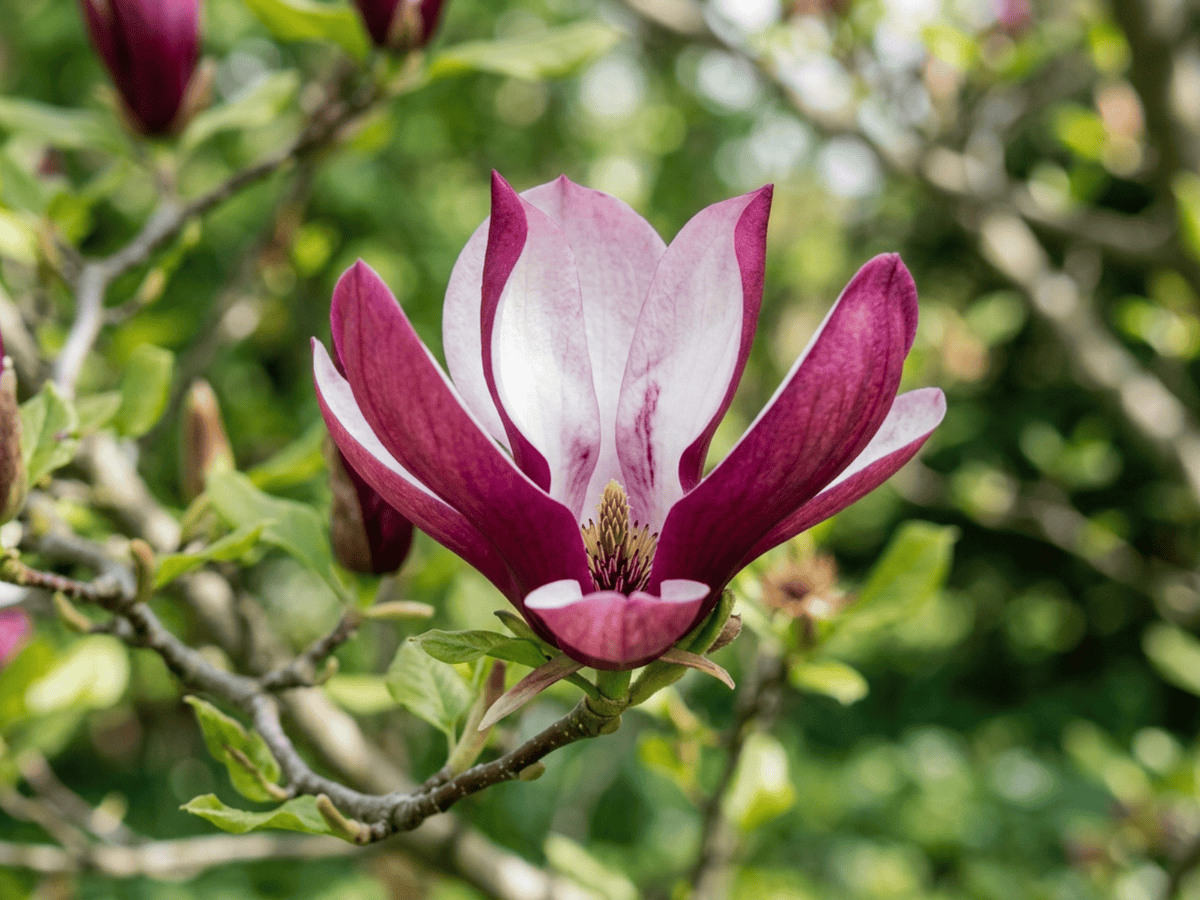
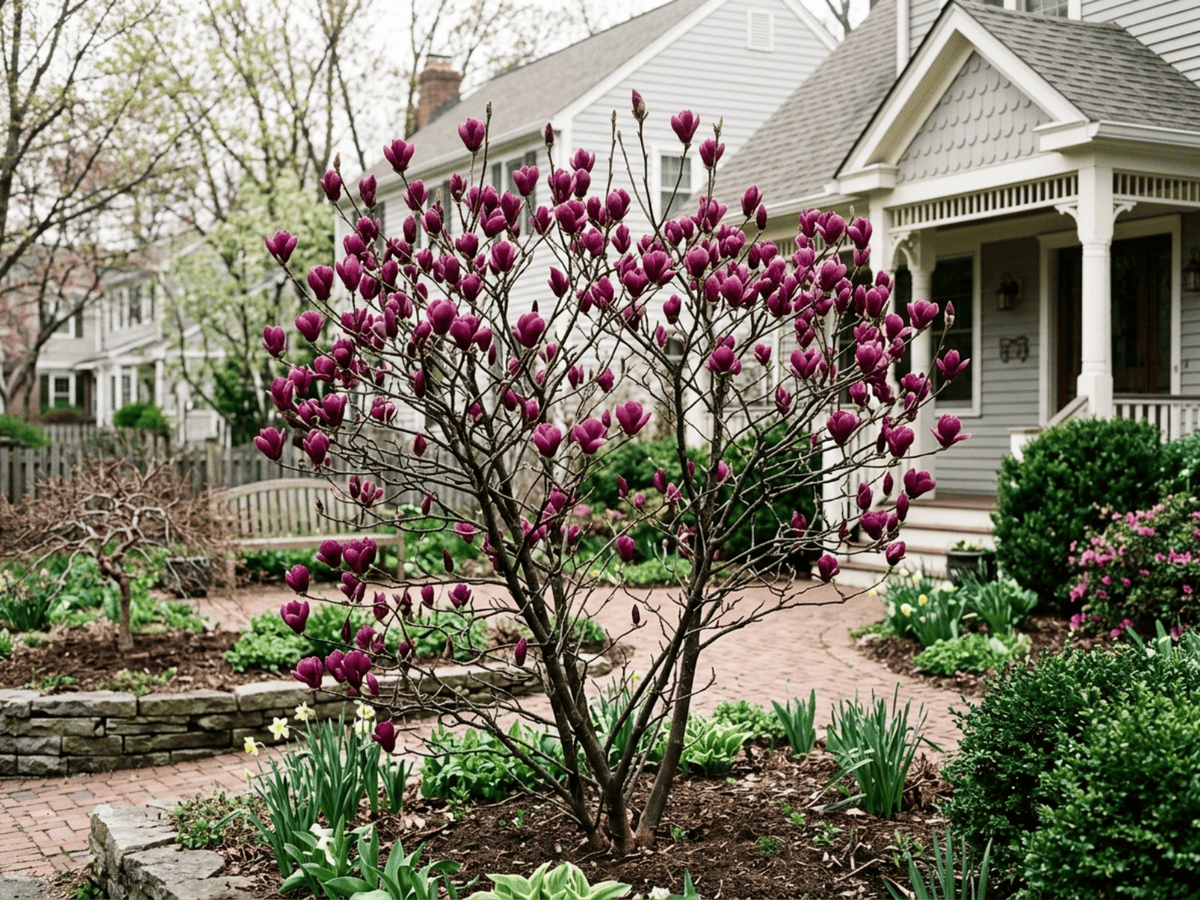
Lily Magnolia is a compact shrubby Asian magnolia growing 8-12 feet tall with tulip-shaped flowers that are deep purple-pink on the outside and paler within, blooming in mid-spring as leaves emerge. More shrubby than tree-like and later blooming than many species, it escapes late spring frosts that damage saucer magnolias. A parent of numerous American garden hybrids including the famous 'Little Girl' series bred by the US National Arboretum.
- Fragrant
- Compact
- Pollinator-friendly
How to care for Lily Magnolia
Watering
- Springevery 7 days
- Summerevery 5 days
- Fallevery 10 days
- Winterpause watering
Soil · Well-draining
- Top dressingPine bark mulch10%
- Main mixPotting soil + perlite 2:170%
- DrainageLECA / gravel20%
Never skip the drainage layer — standing water is the top cause of root rot.
FERTILIZER
Acid-Loving Feed 4-3-4
One bag does both jobs. An acid feed carries the usual nitrogen, phosphorus and potassium, plus the sulfur and iron that keep the soil sour enough for the roots to take them up at all.
- Nitrogen · Leaves
- Phosphorus · Roots + Blooms
- Potassium · Strength
- Springevery 60 days
- Summerevery 60 days
At a Glance
- NativeEast Asia
- Height8–12 ft (2.4–3.7 m)
- Spread8–12 ft (2.4–3.7 m)
- Flower colorPurple, Pink
- Foliage colorGreen
- SoilLoamy, Moisture-retentive, Acidic
- LocationsYard
Bloom time
BLOOM CYCLE
Peak bloom
Apr–May
Purple-pink tulip flowers April to May
Fragrance
LIGHT FRAGRANCE
The flowers have a fruity, light scent.
Toxicity
No toxicity has been reported for this plant. Still, it is wise to keep pets from chewing on any houseplant.
Educational information, not medical or veterinary advice. If exposure is suspected, contact a doctor or veterinarian.
DISTRIBUTION


- Native
- East Asia
History
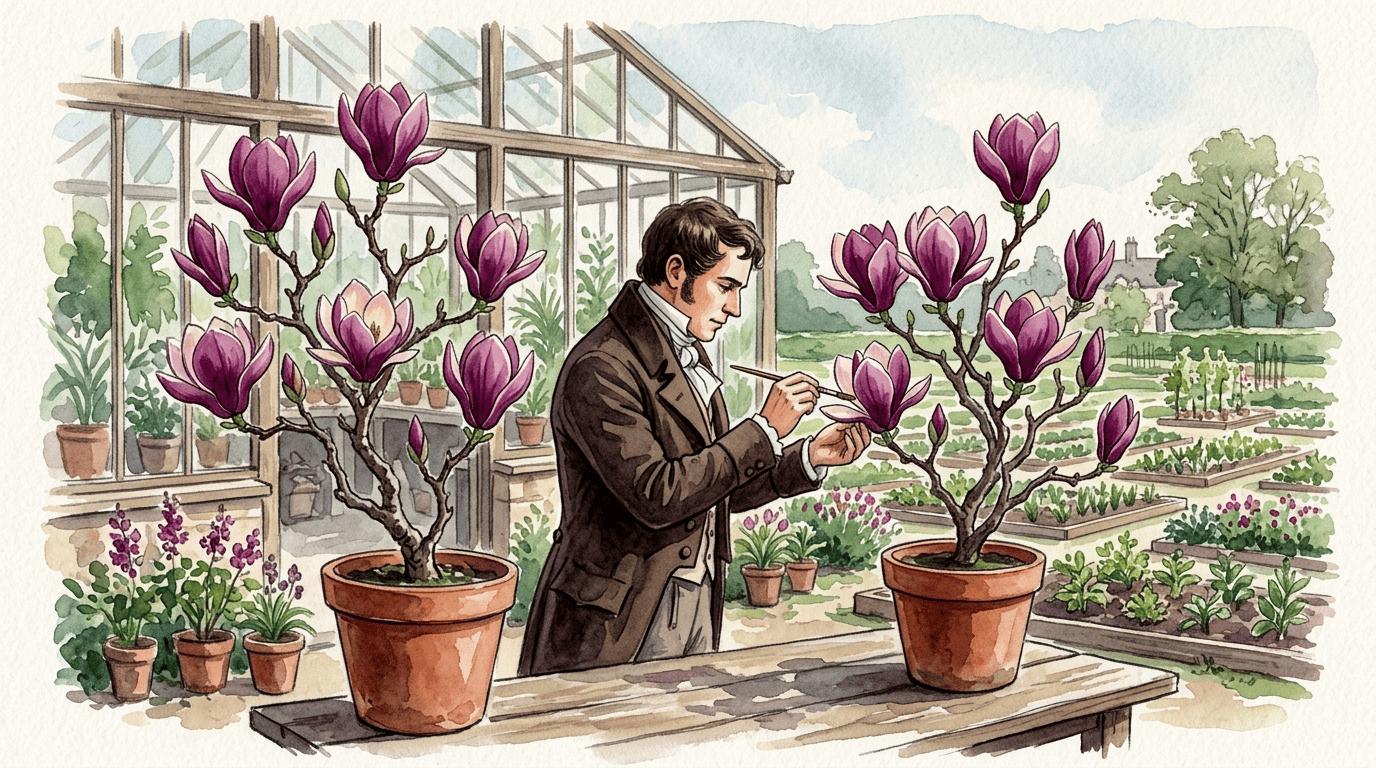
Magnolia liliiflora is native to southwestern China in Yunnan, Sichuan, and Guizhou, though the species has been cultivated in Chinese temple and palace gardens for over 1000 years—so long that its exact wild origins were difficult to establish. The Chinese common name mulan (wood orchid) gave its name to the legendary warrior Hua Mulan of the 5th century CE and through her to the disney film. The tulip-shaped flowers in deep purple-rose outside and paler within appear before the leaves.
Desfontaines formally described it in 1807. Its crossing with M. denudata in the early 19th century by French nurseryman Étienne Soulange-Bodin produced M. x soulangeana (saucer magnolia), among the most widely planted small trees in temperate horticulture. Cultivar 'Nigra' with nearly-black-purple flowers remains especially prized.
Long cultivated in China for ornamental and medicinal use—flower buds (xin yi hua) are used in traditional Chinese medicine. Introduced to Europe in 1790. Crossed with Magnolia stellata at the US National Arboretum to produce the 'Little Girl' series ('Ann', 'Betty', 'Jane', 'Pinkie', 'Randy', 'Ricki', 'Susan') released in the 1960s and 1970s—staples of American residential landscapes.
Symbolism & meaning
What It Symbolizes
The Lily Magnolia embodies dignity, its refined tulip-shaped blooms holding themselves with a poise that rougher magnolias cannot match. As parent of the beloved Little Girl series — Ann, Betty, Jane, Judy and the rest — it carries a heritage that has gentled magnolia breeding for cooler gardens. This is the magnolia of restrained grace, an Asian classic whose composure has shaped a whole modern lineage of small flowering trees.
- Dignity — refined tulip-shaped blooms
- Heritage — parent of the beloved Little Girl series
Where the Name Comes From
'Liliiflora' means 'lily-flowered', referring to the tulip-shaped blooms.
Uses & Fun Facts
- Lightly fruity spring flowers scent courtyards, entries, and small gardens
- Purple-pink goblets bring early drama to shrub borders
- Lily Magnolia flowers nourish foraging bees and pollinators
- Goblet-shaped spring flowers make a small tree for lawns and courtyards
Related plants
More Magnolia plants
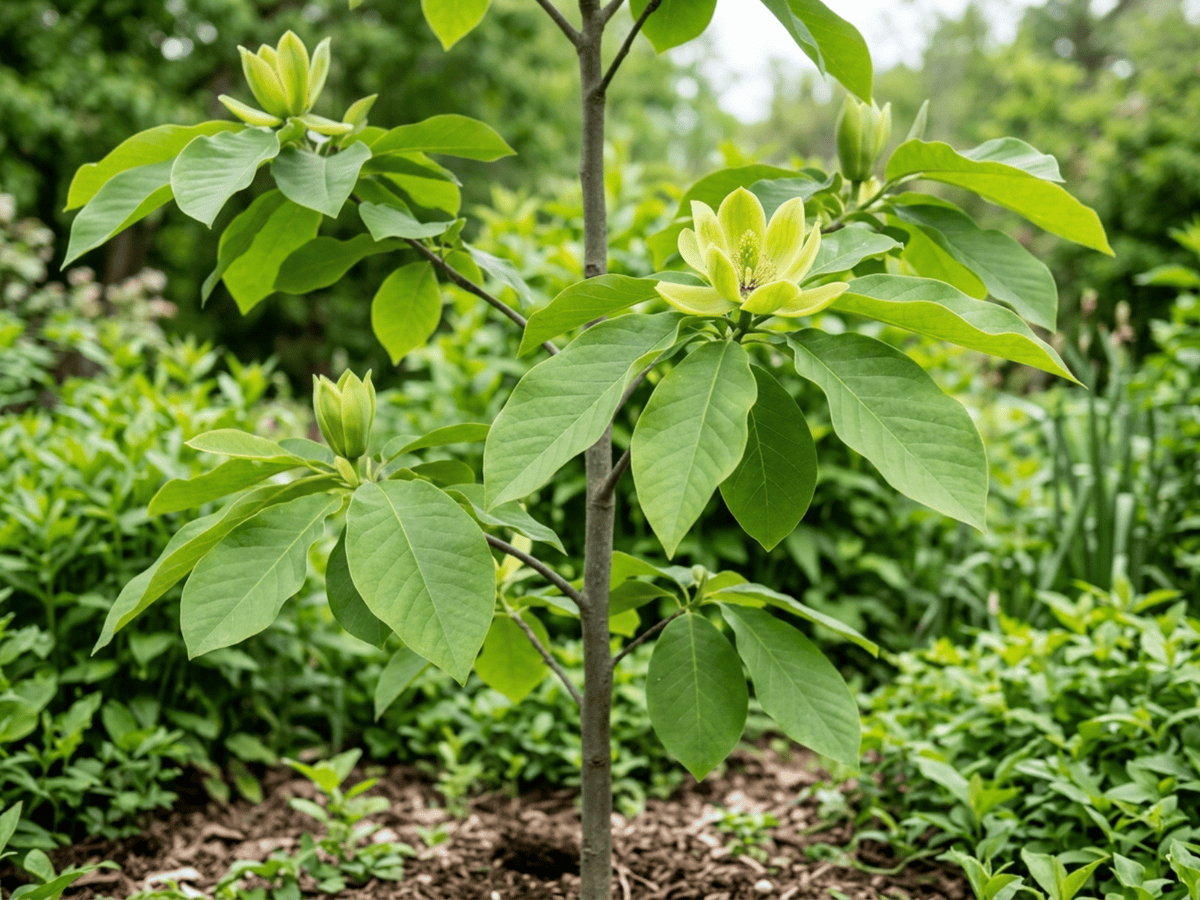 Cucumber-TreeMagnolia acuminata
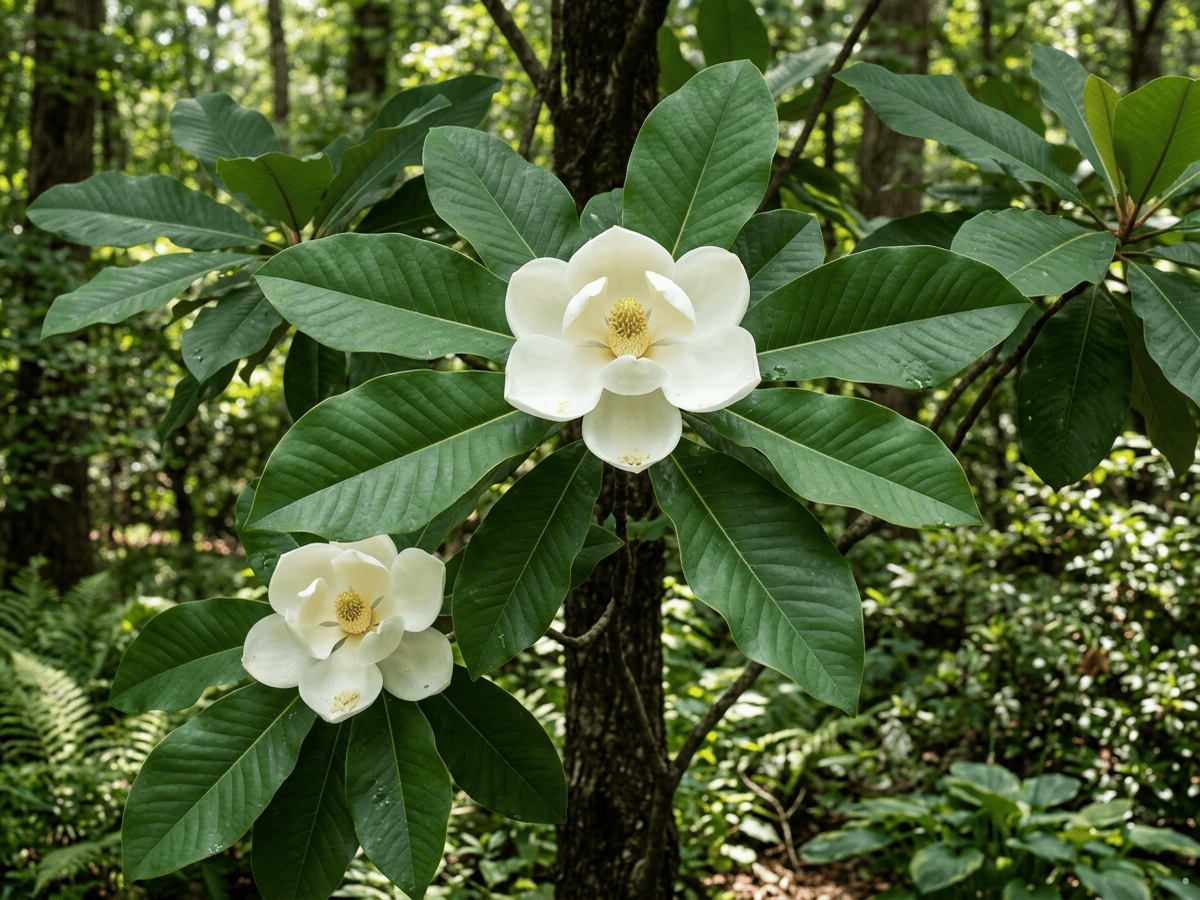 Ashe's MagnoliaMagnolia ashei
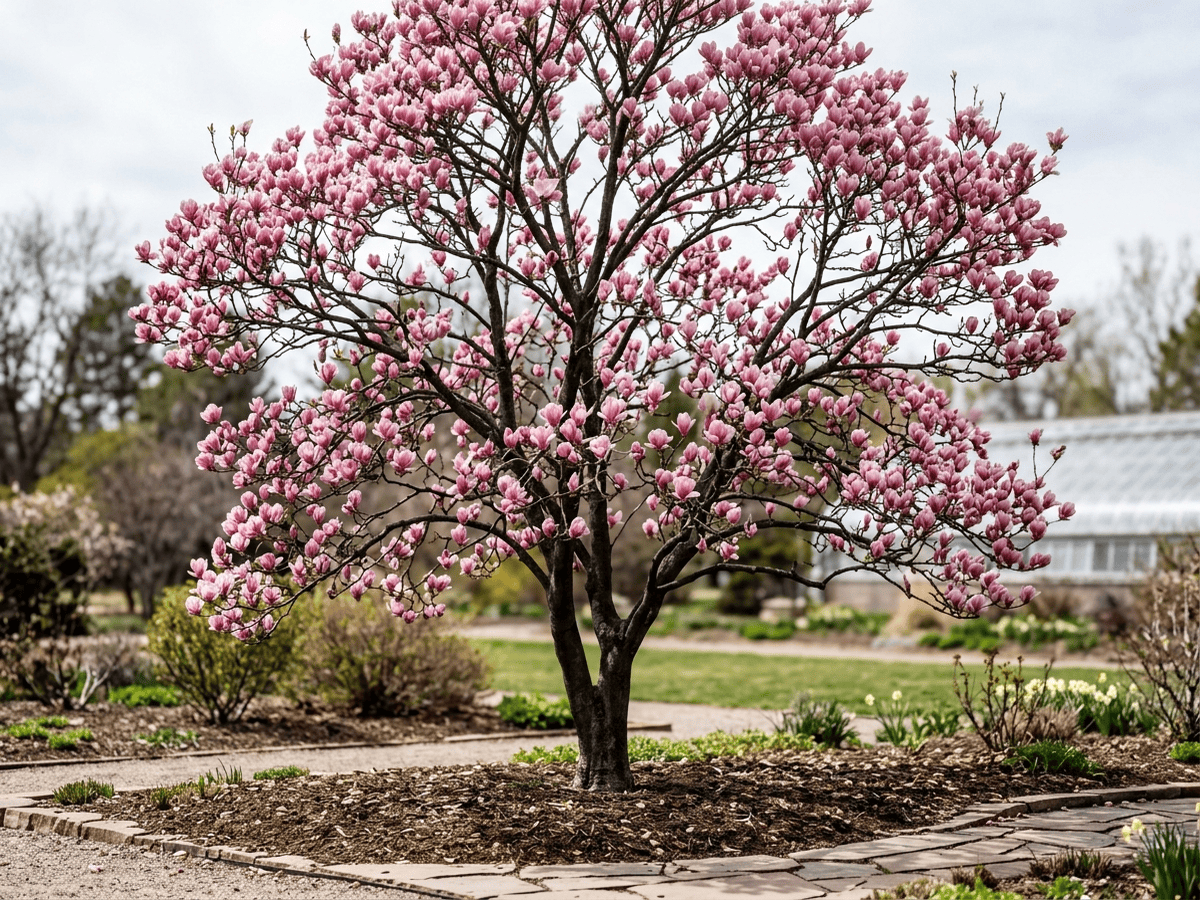 Pink Tulip TreeMagnolia campbellii
 Yulan MagnoliaMagnolia denudata
Plants with similar care
 Chinese AbeliaAbelia chinensis
 Fragrant AbeliaAbelia mosanensis
 Large-Flowered AbeliaAbelia uniflora
 Glossy AbeliaAbelia x grandiflora
Frequently asked questions
How often should I water Lily Magnolia?
Water about every 7 days during the growing season, and always let excess water drain away.
How much light does Lily Magnolia need?
Full sun: 6+ hrs direct. Watch the leaves — scorching or stretching means the light needs adjusting.
Is Lily Magnolia toxic to cats or dogs?
No toxicity has been reported for this plant. Still, it is wise to keep pets from chewing on any houseplant. Educational information, not medical or veterinary advice. If exposure is suspected, contact a doctor or veterinarian.
Is Lily Magnolia easy to grow?
Yes — it is considered an easy, beginner-friendly plant.
When does Lily Magnolia bloom?
It typically blooms Apr–May in the Northern Hemisphere.
YardMate
Identify any plant in seconds
Snap a photo — YardMate names the plant, diagnoses problems, and reminds you when to water.
Download on the App Store