 YardMate


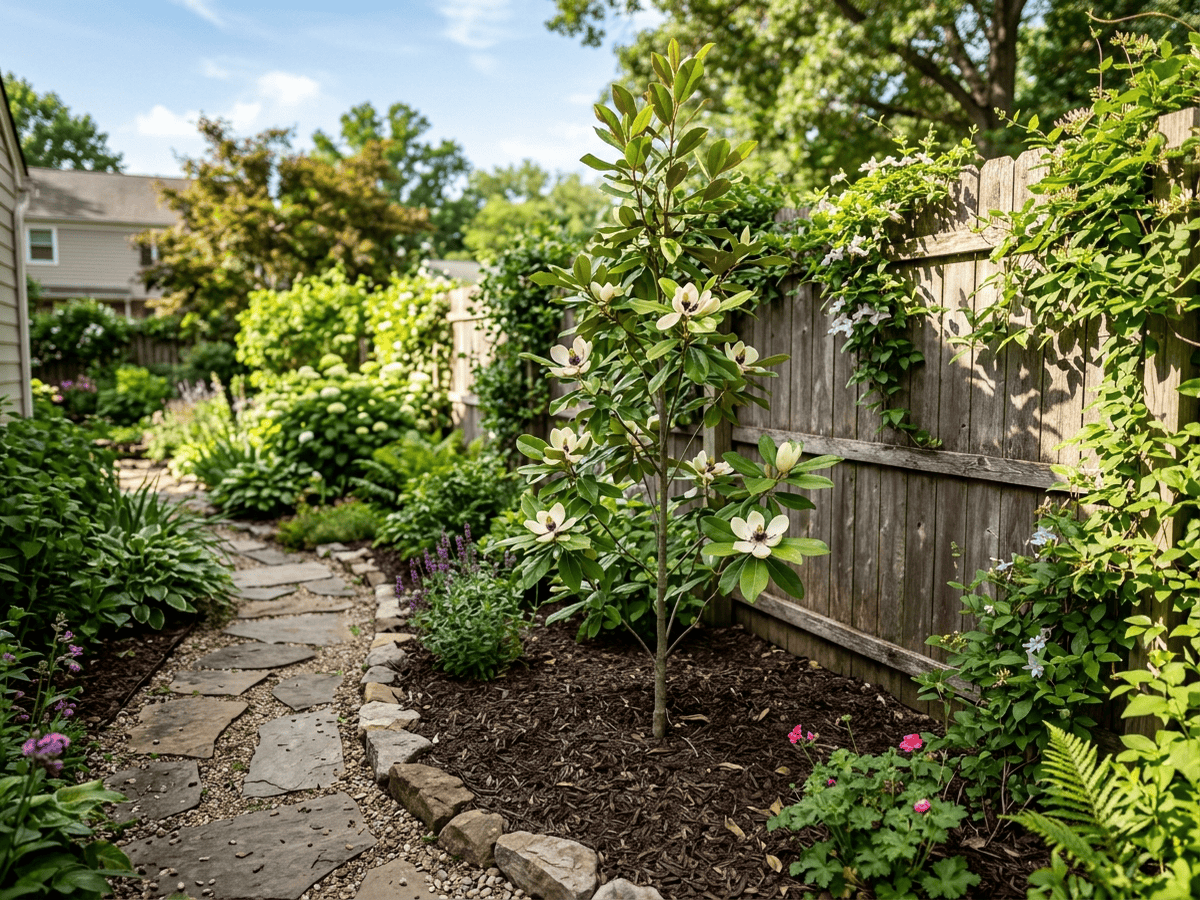
Pyramid Magnolia
Magnolia pyramidata
Medium · Some experienceAbout Pyramid Magnolia
Pyramid Magnolia is a Southeastern American native deciduous tree reaching 25-30 feet, with large bright-green leaves clustered at the tips of branches like umbrellas and creamy-white fragrant flowers up to 5 inches across in late spring. Found in moist deciduous forests from Georgia to Louisiana, its pyramidal form and showy blooms make it an underused native ornamental. Increasingly available through Southeastern native plant nurseries.
- Shade-tolerant
- Native
How to care for Pyramid Magnolia
Watering
- Springevery 7 days
- Summerevery 5 days
- Fallevery 10 days
- Winterevery 14 days
Soil · Well-draining
- Top dressingPine bark mulch10%
- Main mixPotting soil + perlite 2:170%
- DrainageLECA / gravel20%
Never skip the drainage layer — standing water is the top cause of root rot.
FERTILIZER
- Springevery 120 days
At a Glance
- NativeNorth America
- Height20–30 ft (6.1–9.1 m)
- Spread15–20 ft (4.6–6.1 m)
- Flower colorWhite, Cream
- Foliage colorGreen
- Fruit colorRed
- SoilLoamy, Moisture-retentive, Acidic
- LocationsYard
Bloom time
BLOOM CYCLE
Peak bloom
Mar–May
Creamy-white fragrant flowers up to 5 inches in late spring
Fragrance
MODERATE FRAGRANCE
The flowers have a sweet lemony magnolia scent.
Toxicity
No toxicity has been reported for this plant. Still, it is wise to keep pets from chewing on any houseplant.
Educational information, not medical or veterinary advice. If exposure is suspected, contact a doctor or veterinarian.
DISTRIBUTION


- Native
- North America
History
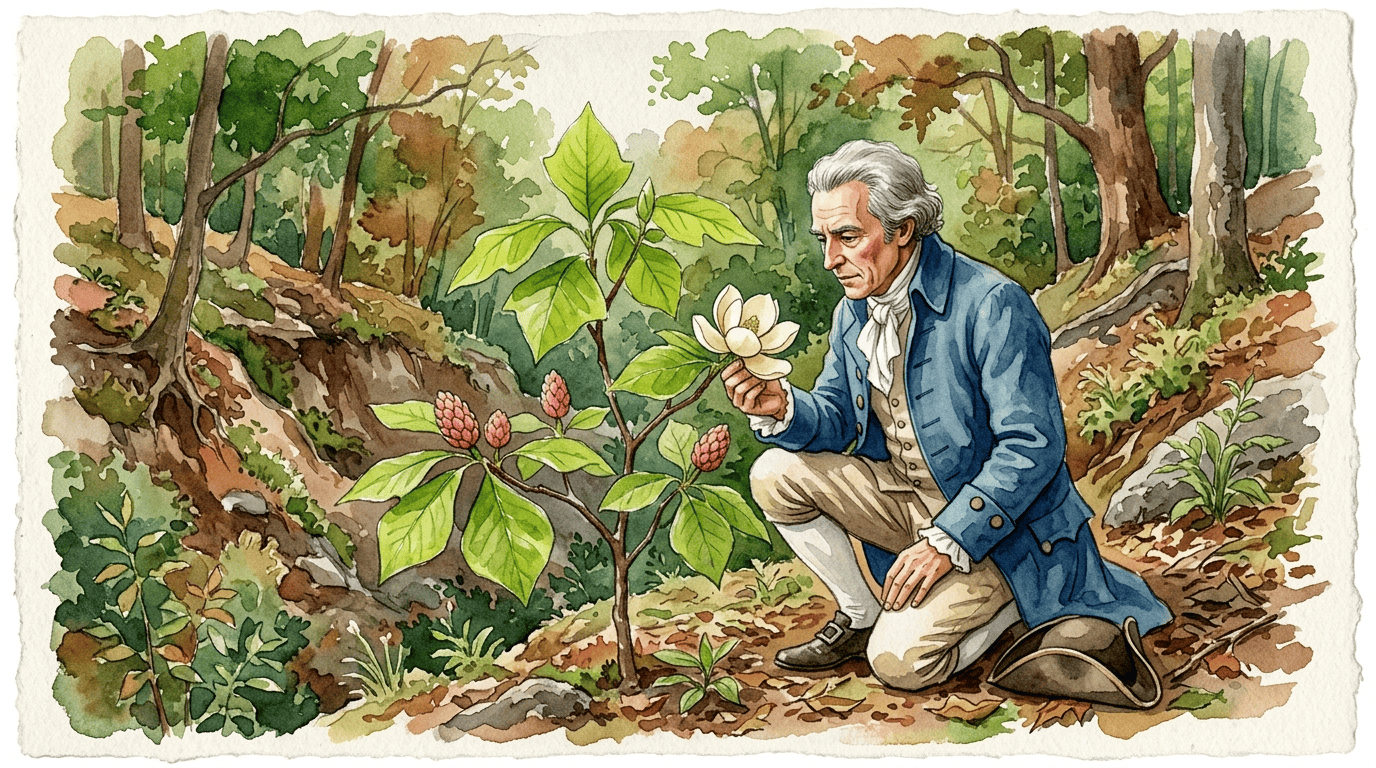
Magnolia pyramidata, the pyramid magnolia, is a small deciduous tree native to scattered populations from South Carolina to eastern Texas, typically found on rich mesic bluffs and ravines. French royal botanist André Michaux encountered and described the species during his 1785 to 1796 North American expeditions, and his son François André Michaux published the formal description. It was long treated as a variety of Magnolia fraseri before gaining species status.
The tree bears large creamy-white fragrant flowers followed by pinkish-red aggregate fruits. Though never widely cultivated, it appears in specialty native plant gardens and has been the subject of conservation monitoring because habitat loss has reduced many populations to small remnants. Native to moist deciduous forests of the Coastal Plain from Georgia and South Carolina to eastern Texas.
A true Southern endemic, it is one of several native deciduous magnolias—often confused with bigleaf magnolia. Increasingly recognized in modern Southeastern naturalistic landscape design. It remains uncommon in both wild and ornamental use.
Symbolism & meaning
What It Symbolizes
Pyramid Magnolia carries grace in its umbrella-like leaf clusters and creamy white blooms, lifted high above the Coastal Plain forest floor. Its heritage runs through the rich bottomlands of the American Southeast, where it stands as a regional endemic — uncommon, uncelebrated, and quietly elegant. To grow it is to honor a Southern magnolia far less famous than its grandflora cousin, but no less worth knowing.
- Grace — umbrella-like leaf clusters and white blooms
- Heritage — Southern endemic of Coastal Plain forests
Where the Name Comes From
'Pyramidata' from Latin meaning pyramidal, for the tree's pyramidal habit.
Uses & Fun Facts
- Creamy spring flowers release lemony magnolia scent
- Rare Pyramid Magnolia with large leaves as woodland accent
Related plants
More Magnolia plants
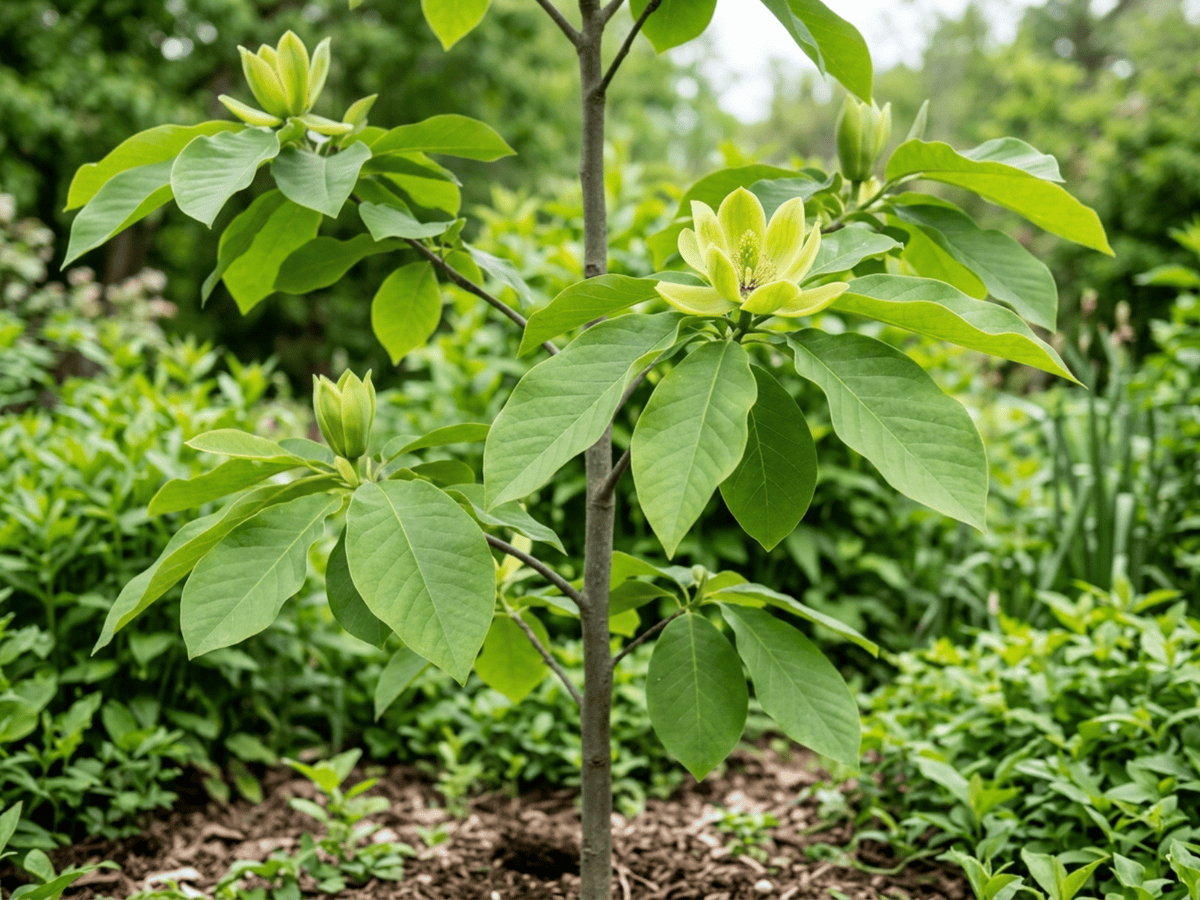 Cucumber-TreeMagnolia acuminata
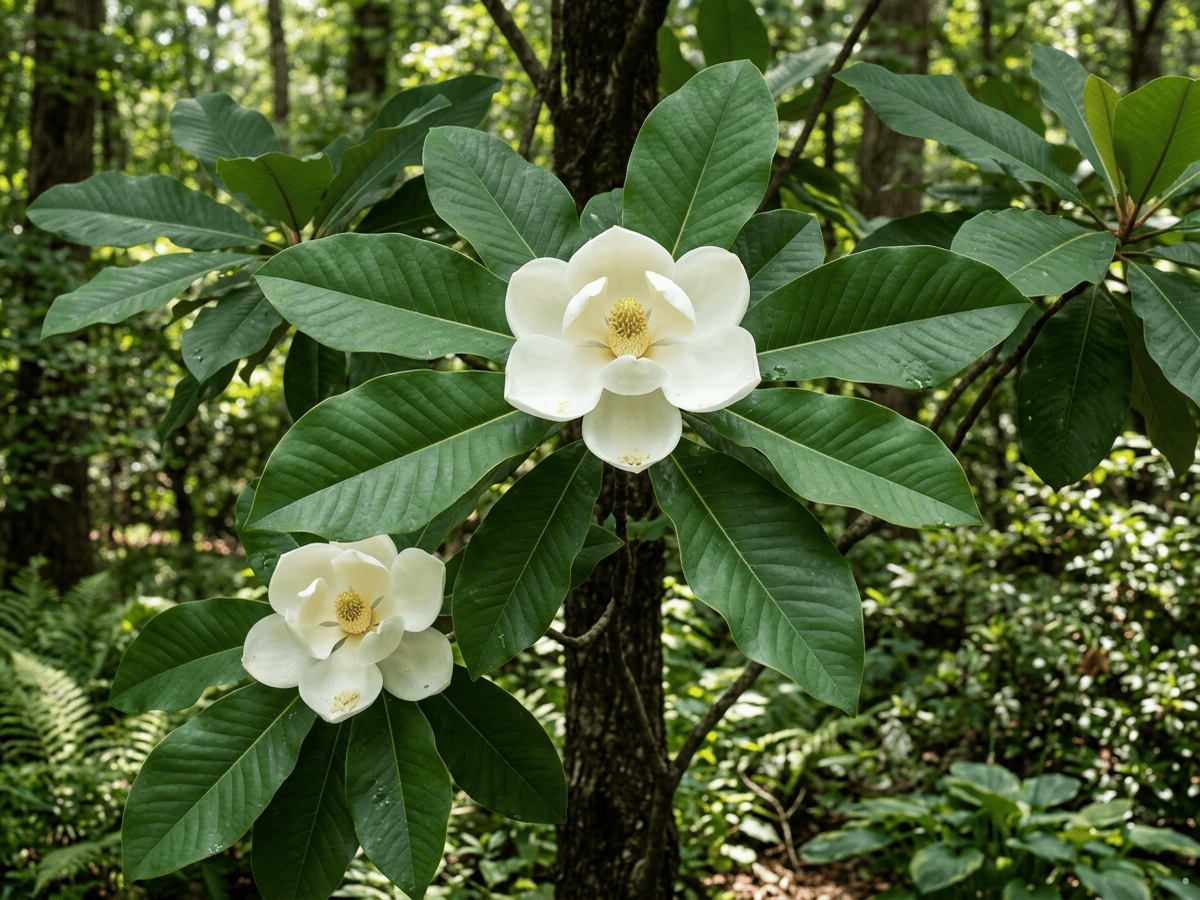 Ashe's MagnoliaMagnolia ashei
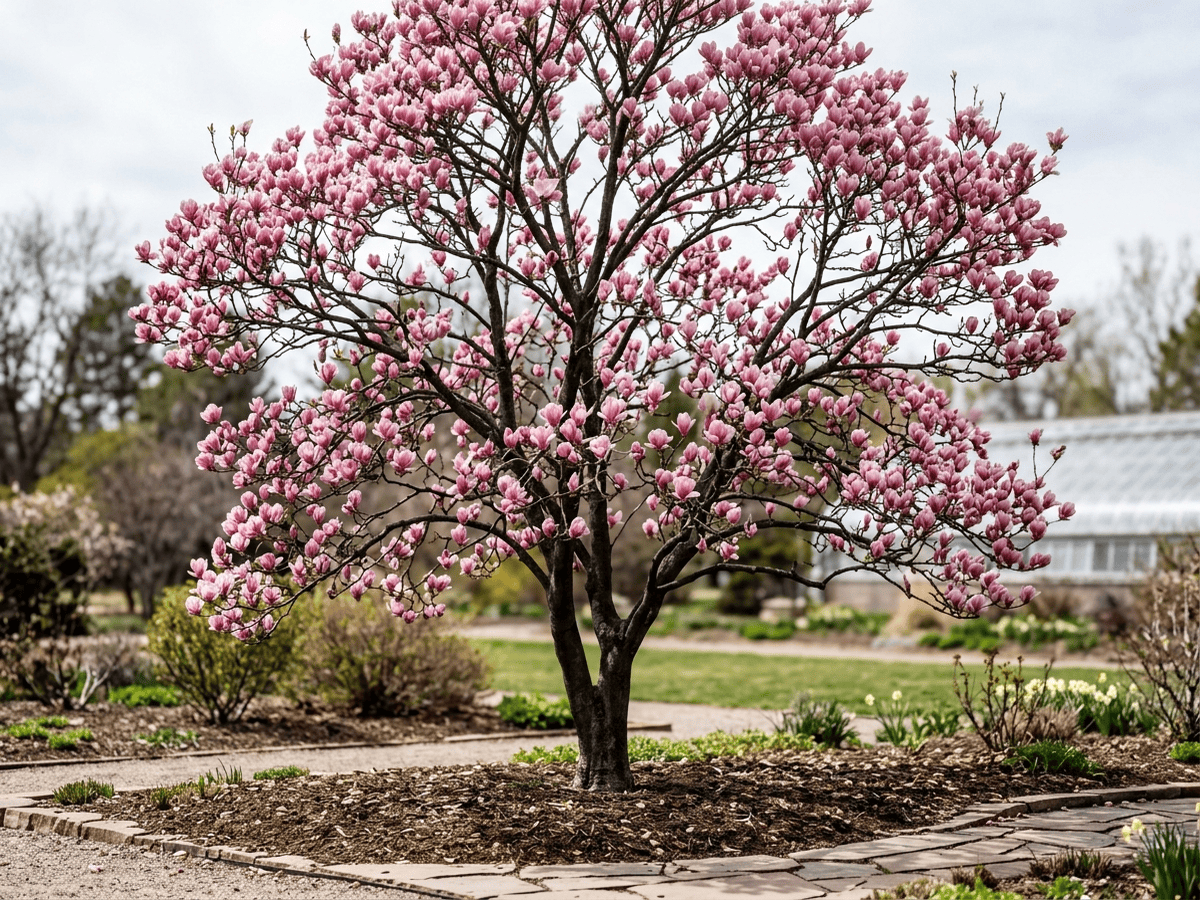 Pink Tulip TreeMagnolia campbellii
 Yulan MagnoliaMagnolia denudata
Plants with similar care
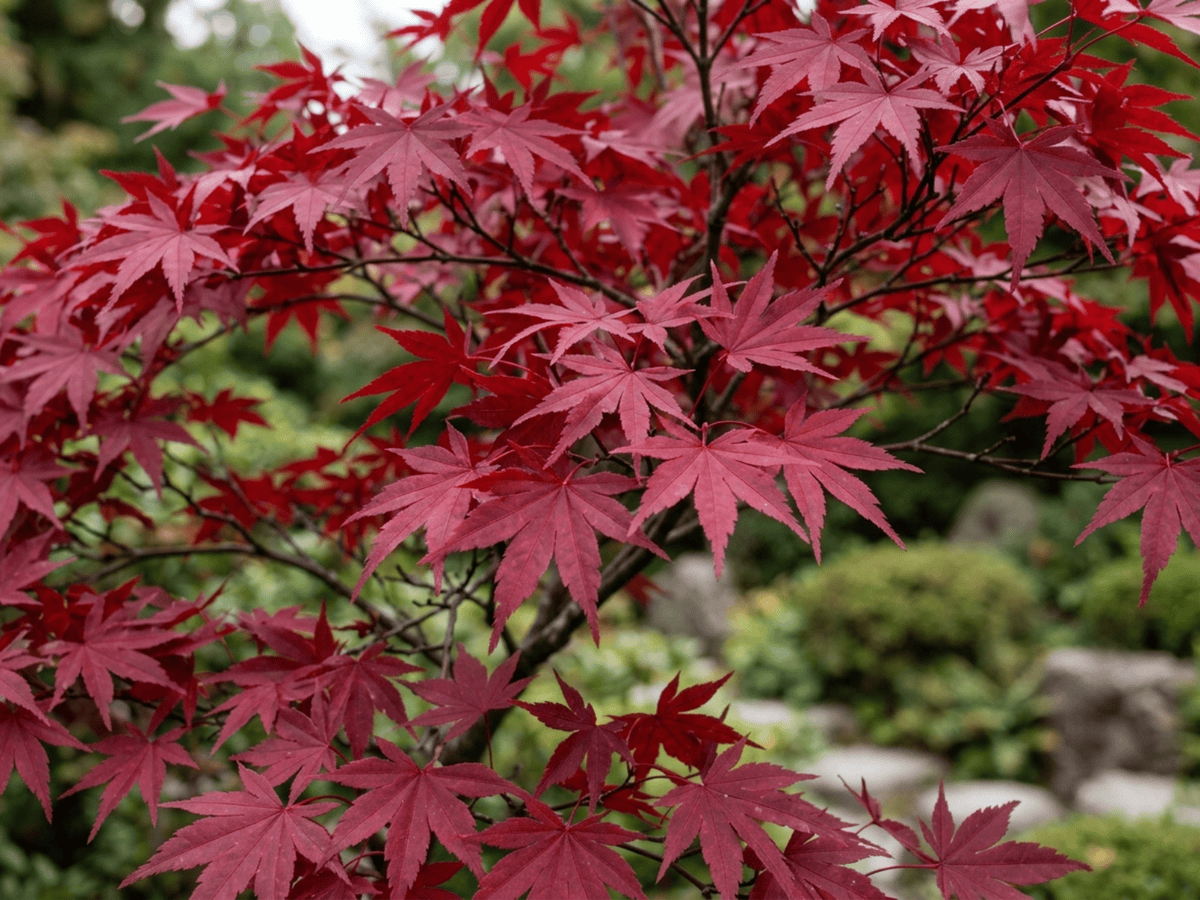 Japanese MapleAcer palmatum
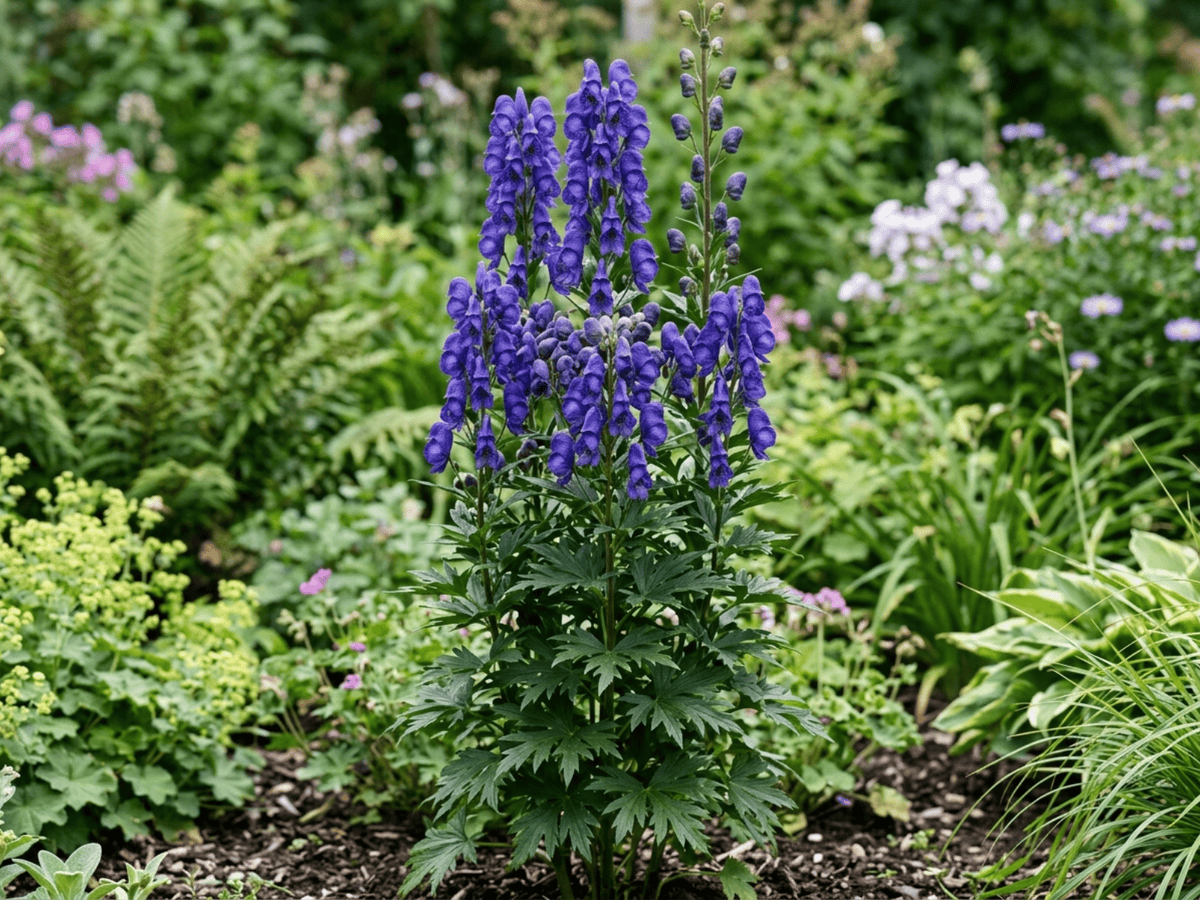 Azure MonkshoodAconitum carmichaelii
 Florida HobblebushAgarista populifolia
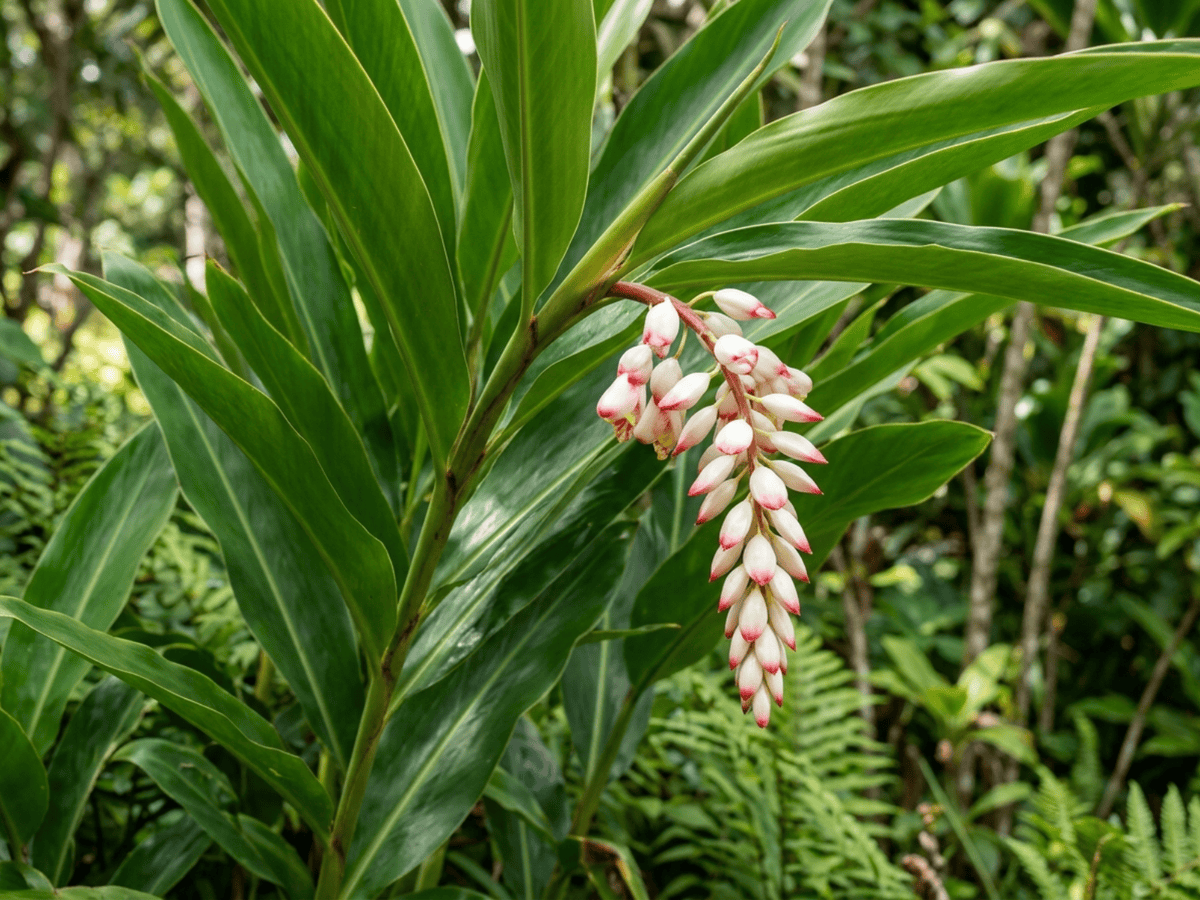 Shell GingerAlpinia zerumbet
Frequently asked questions
How often should I water Pyramid Magnolia?
In summer, water about every 5 days; in winter, about every 14 days. Adjust for heat, pot size and drainage.
How much light does Pyramid Magnolia need?
Part shade: 2–4 hrs direct. Watch the leaves — scorching or stretching means the light needs adjusting.
Is Pyramid Magnolia toxic to cats or dogs?
No toxicity has been reported for this plant. Still, it is wise to keep pets from chewing on any houseplant. Educational information, not medical or veterinary advice. If exposure is suspected, contact a doctor or veterinarian.
Is Pyramid Magnolia easy to grow?
It is moderately demanding: a good choice once you have a little experience.
When does Pyramid Magnolia bloom?
It typically blooms Mar–May in the Northern Hemisphere.
YardMate
Identify any plant in seconds
Snap a photo — YardMate names the plant, diagnoses problems, and reminds you when to water.
Download on the App Store