 YardMate


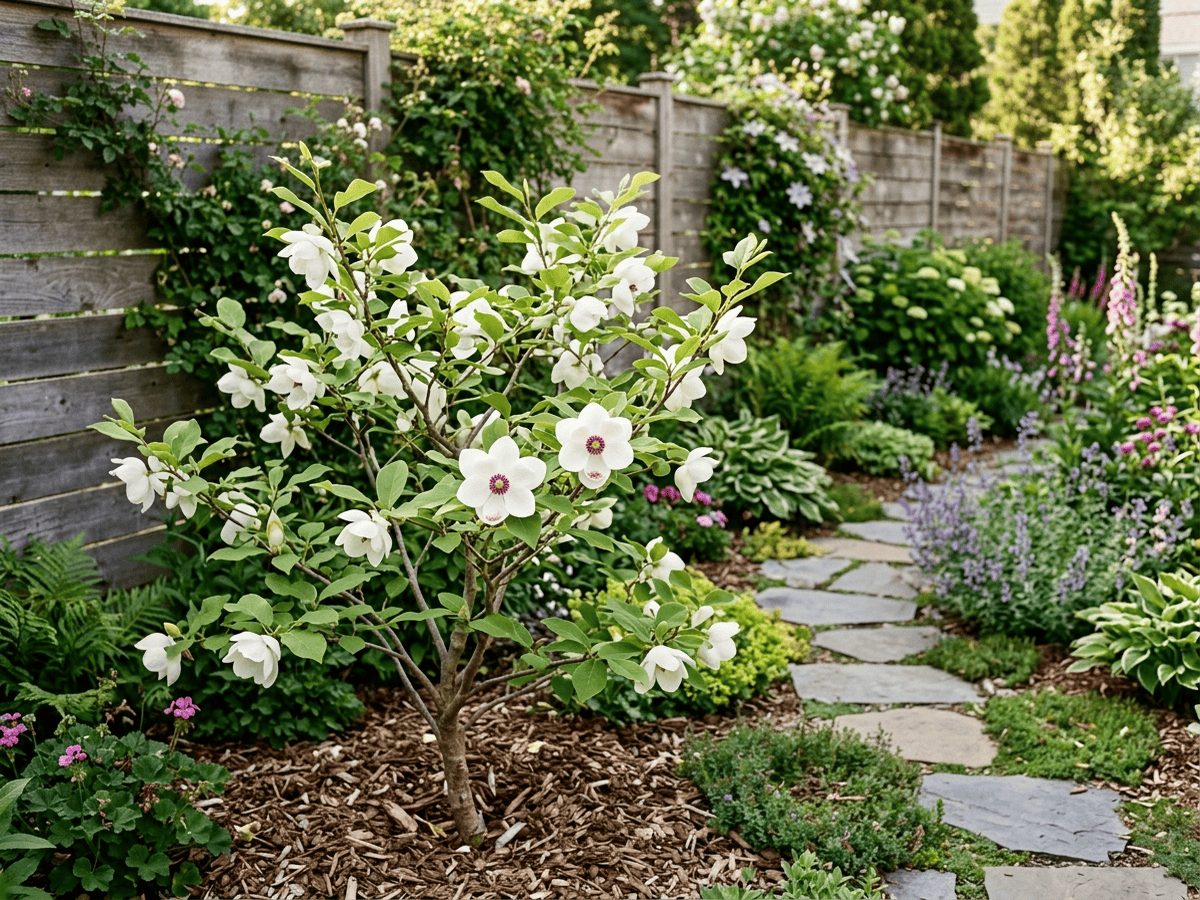
Oyama Magnolia
Magnolia sieboldii
Medium · Some experienceAbout Oyama Magnolia
Oyama Magnolia is an elegant summer-flowering Asian magnolia producing nodding fragrant white cup-shaped flowers with striking crimson stamens against bright yellow anthers, appearing in early summer after the leaves. Growing 15-20 feet tall with a graceful spreading habit, it blooms intermittently into late summer. A refined specimen for partly shaded American gardens in USDA zones 6-8, offering the magnolia experience well into summer.
- Fragrant
- Shade-tolerant
How to care for Oyama Magnolia
Watering
- Springevery 5 days
- Summerevery 4 days
- Fallevery 7 days
- Winterpause watering
Soil · Well-draining
- Top dressingPine bark mulch10%
- Main mixPotting soil + perlite 2:170%
- DrainageLECA / gravel20%
Never skip the drainage layer — standing water is the top cause of root rot.
FERTILIZER
Acid-Loving Feed 4-3-4
One bag does both jobs. An acid feed carries the usual nitrogen, phosphorus and potassium, plus the sulfur and iron that keep the soil sour enough for the roots to take them up at all.
- Nitrogen · Leaves
- Phosphorus · Roots + Blooms
- Potassium · Strength
- Springevery 60 days
- Summerevery 60 days
At a Glance
- NativeEast Asia
- Height15–30 ft (4.6–9.1 m)
- Spread15–25 ft (4.6–7.6 m)
- Flower colorWhite
- Foliage colorGreen
- Fruit colorPink, Red
- SoilLoamy, Moisture-retentive, Acidic
- LocationsYard
Bloom time
BLOOM CYCLE
Peak bloom
May–Aug
Nodding white flowers with crimson stamens May to August
Fragrance
STRONG FRAGRANCE
The flowers have a sweet, lemon-fresh scent.
Toxicity
No toxicity has been reported for this plant. Still, it is wise to keep pets from chewing on any houseplant.
Educational information, not medical or veterinary advice. If exposure is suspected, contact a doctor or veterinarian.
DISTRIBUTION


- Native
- East Asia
History
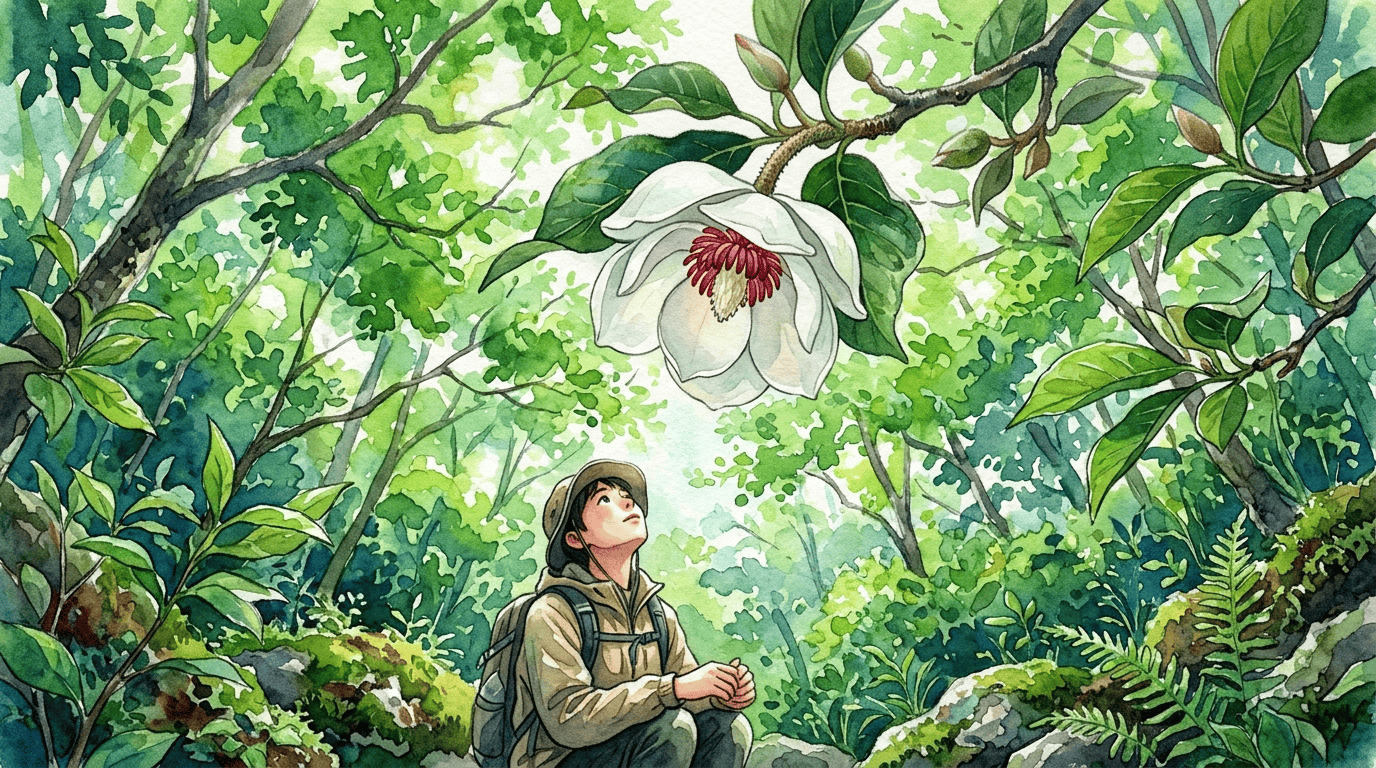
Magnolia sieboldii grows in temperate forests of Japan, Korea, and eastern China. German physician Philipp Franz von Siebold collected material during his service at the Dutch trading post Dejima in Nagasaki. Japanese botanist Ito Keisuke formally described the species in 1840; it was named in honor of Siebold.
Unlike most magnolias blooming on bare wood in spring, M. sieboldii flowers throughout early summer on leafy branches, with nodding cup-shaped 3-4 inch fragrant white flowers showcasing striking crimson stamens at the center. Subspecies sinensis from China has pendant flowers while subsp. sieboldii from Japan has more outward-facing blooms. In Korea it is called ham-bak-kkot and has cultural significance, used on traditional motifs.
It is a parent of hybrids like 'Wada's Memory'. The national flower of North Korea, where it is called 'mongnan'. Treasured in American gardens for its unusually late and extended bloom and its exquisite downward-facing flowers best enjoyed when the tree is viewed from below.
Symbolism & meaning
What It Symbolizes
Oyama Magnolia expresses purity through its crystal-white nodding flowers, each centered with a deep crimson boss of stamens, hung like small lanterns from horizontal branches. Its grace lies in an extended summer-long display rather than the brief spring rush of it larger cousins. It is often read as a flower of restrained refinement, a magnolia whose meaning is unhurried beauty, white blooms appearing one by one rather than all at once.
- Purity — crystal-white nodding flowers
- Grace — elegant summer-long display
Where the Name Comes From
'Sieboldii' honors Philipp Franz von Siebold (1796–1866), German physician and botanist in Japan.
Uses & Fun Facts
- Nodding white summer flowers carry sweet fragrance
- Elegant small magnolia for shaded woodland focal point
Related plants
More Magnolia plants
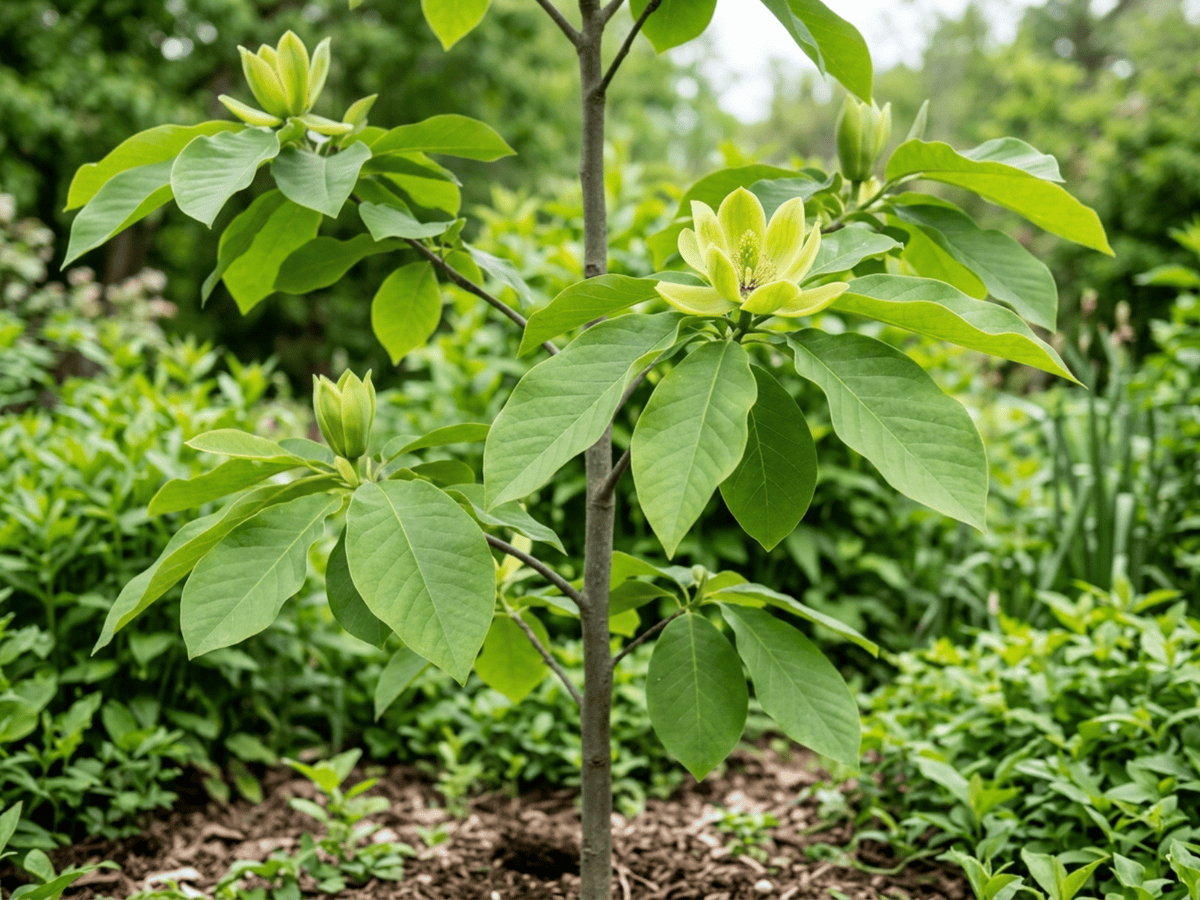 Cucumber-TreeMagnolia acuminata
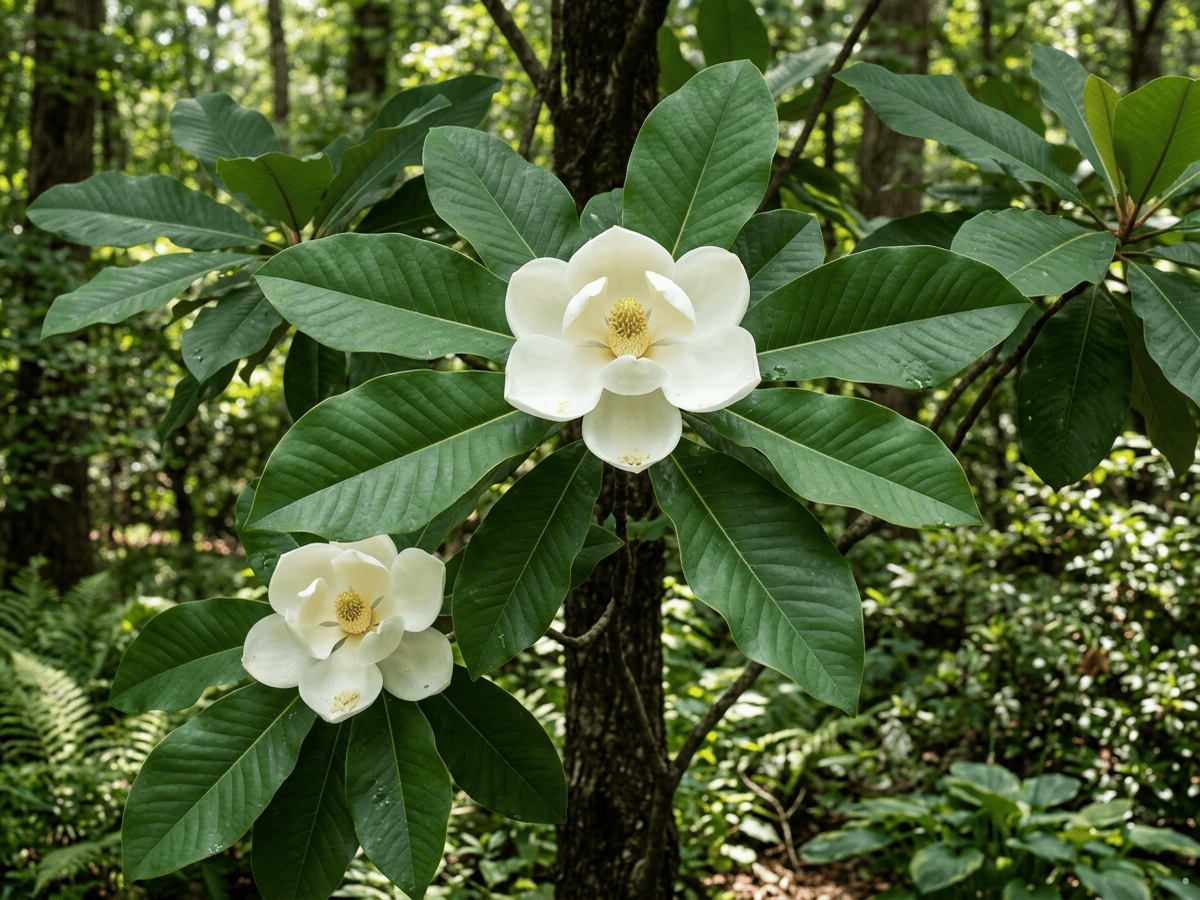 Ashe's MagnoliaMagnolia ashei
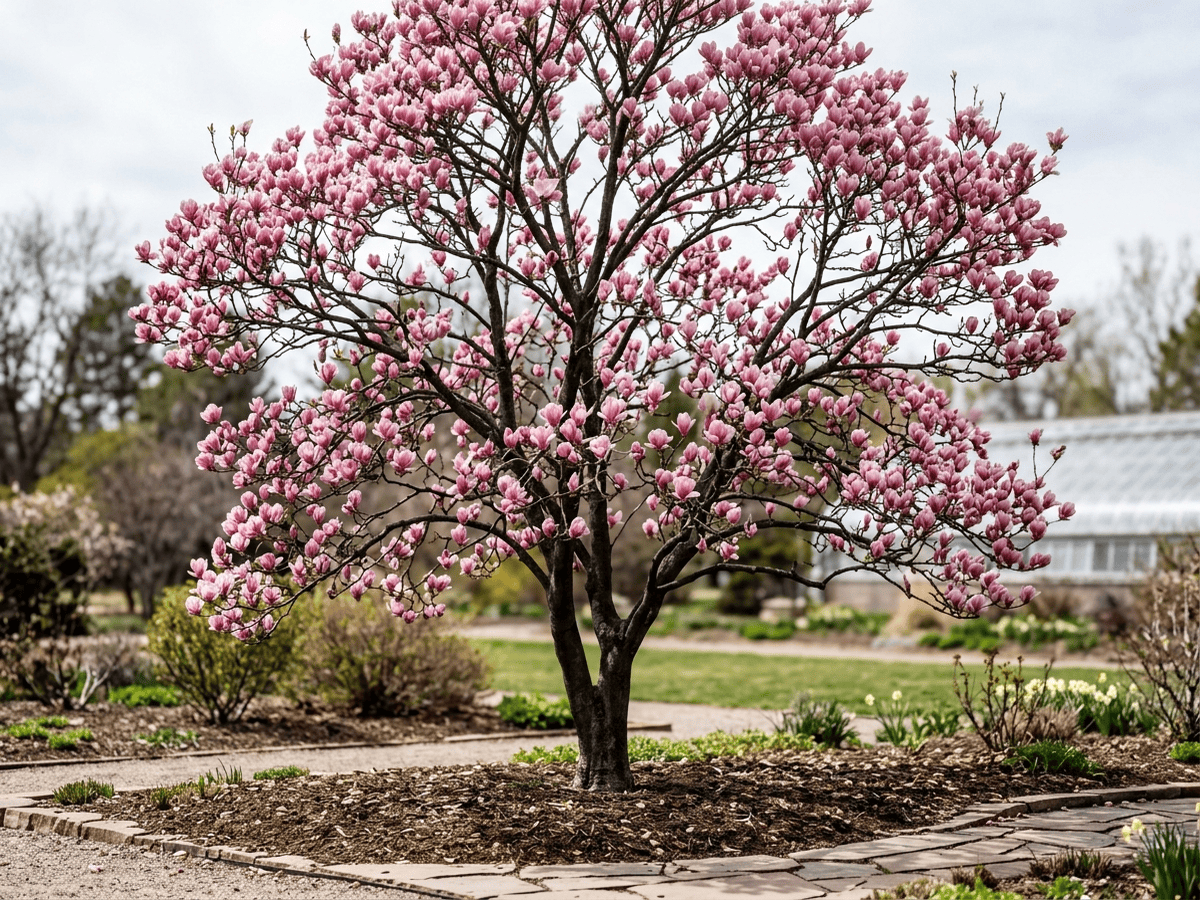 Pink Tulip TreeMagnolia campbellii
 Yulan MagnoliaMagnolia denudata
Plants with similar care
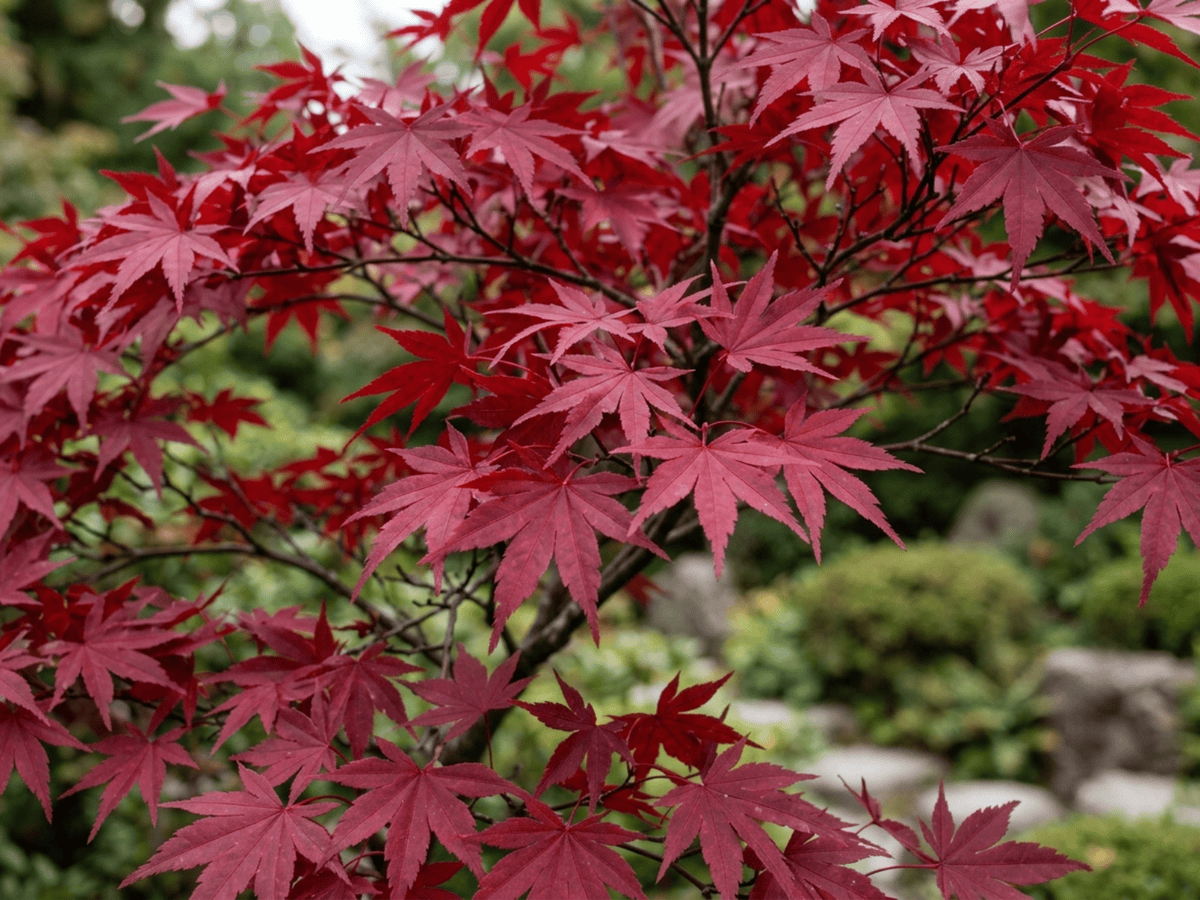 Japanese MapleAcer palmatum
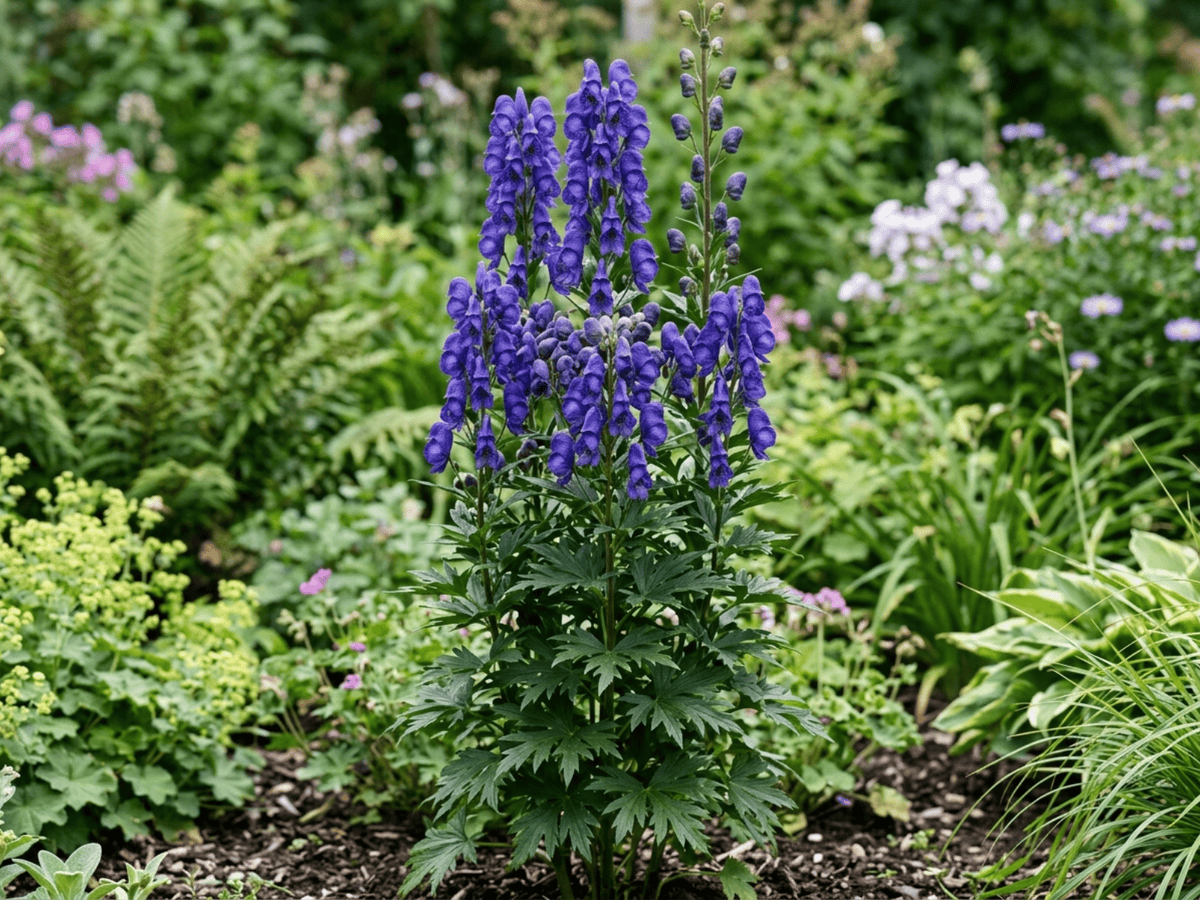 Azure MonkshoodAconitum carmichaelii
 Florida HobblebushAgarista populifolia
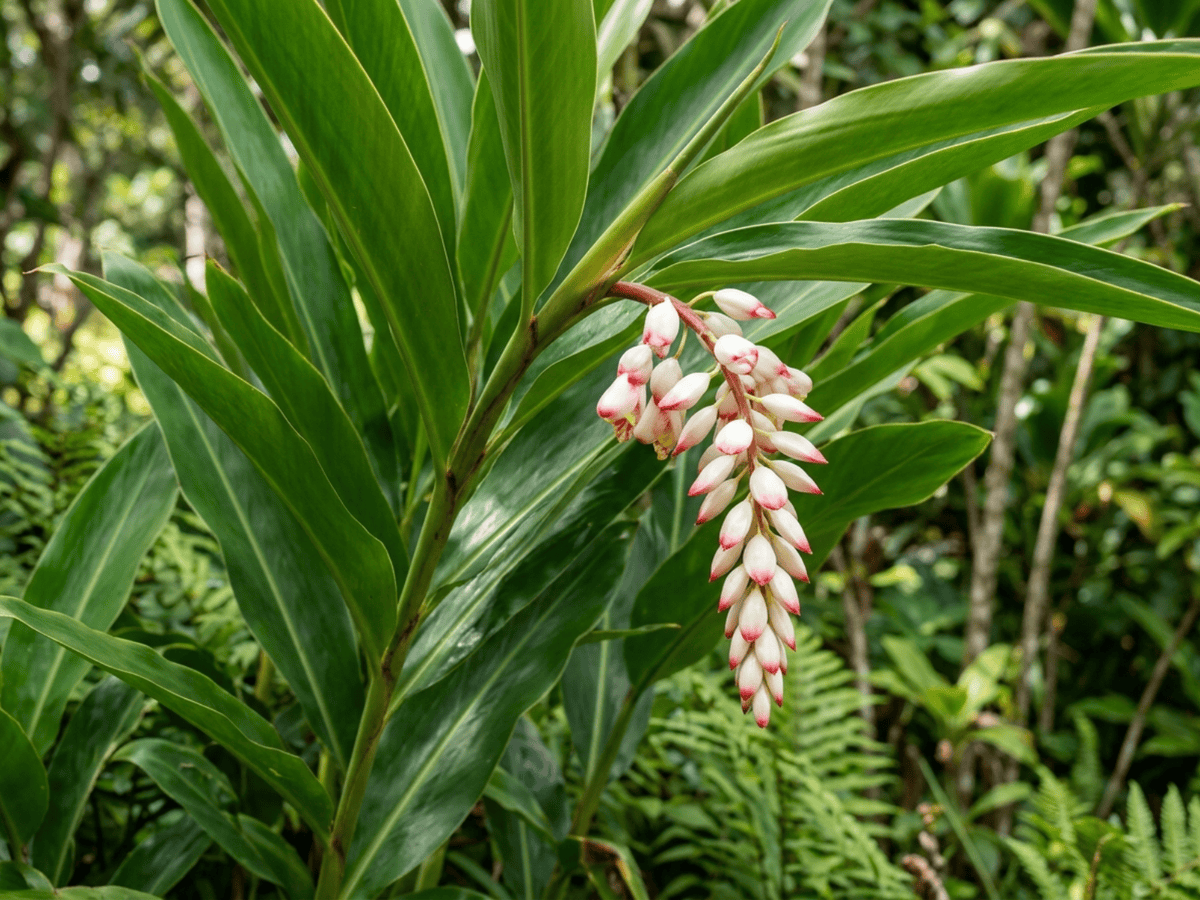 Shell GingerAlpinia zerumbet
Frequently asked questions
How often should I water Oyama Magnolia?
Water about every 5 days during the growing season, and always let excess water drain away.
How much light does Oyama Magnolia need?
Part shade: 2–4 hrs direct. Watch the leaves — scorching or stretching means the light needs adjusting.
Is Oyama Magnolia toxic to cats or dogs?
No toxicity has been reported for this plant. Still, it is wise to keep pets from chewing on any houseplant. Educational information, not medical or veterinary advice. If exposure is suspected, contact a doctor or veterinarian.
Is Oyama Magnolia easy to grow?
It is moderately demanding: a good choice once you have a little experience.
When does Oyama Magnolia bloom?
It typically blooms May–Aug in the Northern Hemisphere.
YardMate
Identify any plant in seconds
Snap a photo — YardMate names the plant, diagnoses problems, and reminds you when to water.
Download on the App Store