 YardMate

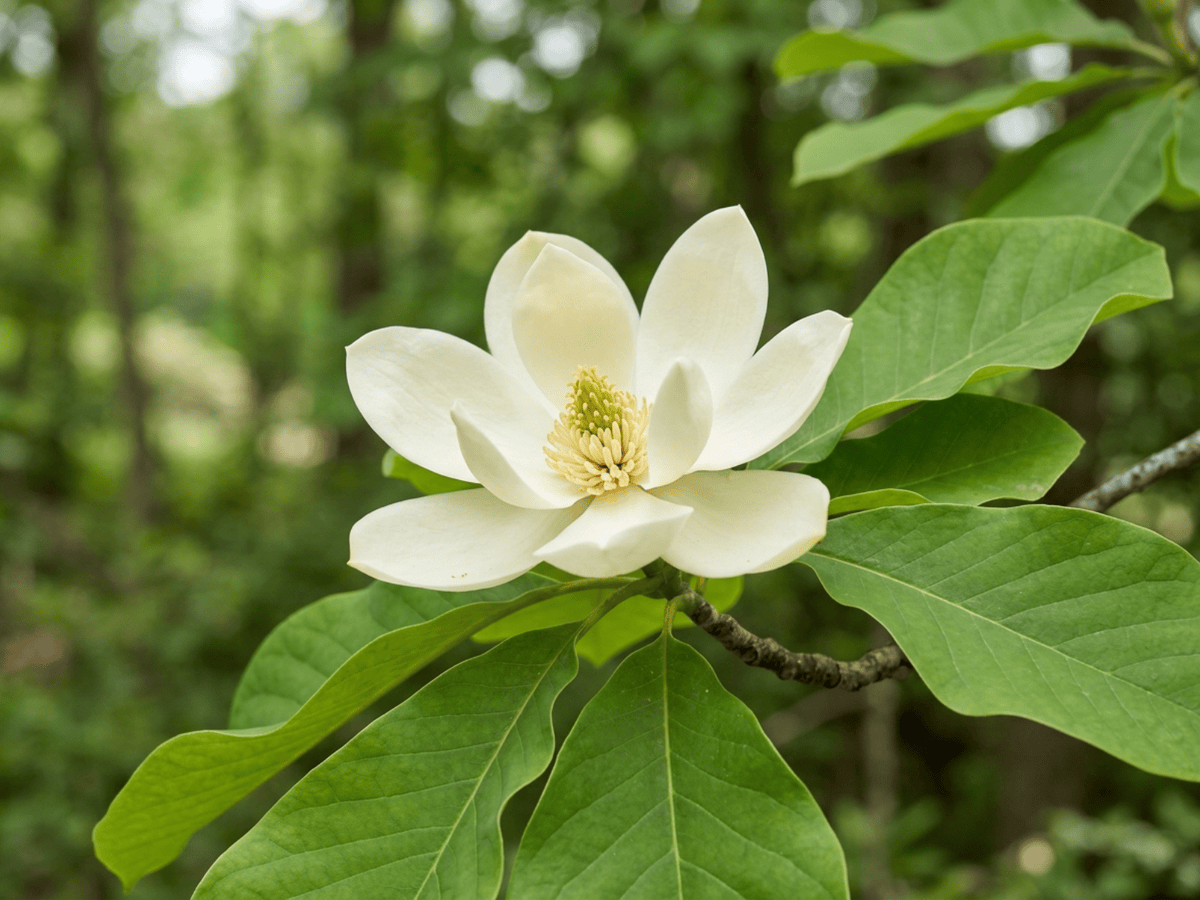


Umbrella Magnolia
Magnolia tripetala
Medium · Some experienceAbout Umbrella Magnolia
Umbrella Magnolia is a bold native American magnolia of the Southern Appalachians producing huge whorled leaves up to 2 feet long arranged in umbrella-like rosettes at branch tips, with large creamy-white fragrant flowers in late spring followed by showy pink-red seed cones. Growing 15-30 feet tall, it is a signature native of Southeastern coves and a striking specimen for American gardens in USDA zones 5-8.
- Fragrant
- Architectural
- Native
How to care for Umbrella Magnolia
Watering
- Springevery 5 days
- Summerevery 4 days
- Fallevery 7 days
- Winterpause watering
Soil · Well-draining
- Top dressingPine bark mulch10%
- Main mixPotting soil + perlite 2:170%
- DrainageLECA / gravel20%
Never skip the drainage layer — standing water is the top cause of root rot.
FERTILIZER
Acid-Loving Feed 4-3-4
One bag does both jobs. An acid feed carries the usual nitrogen, phosphorus and potassium, plus the sulfur and iron that keep the soil sour enough for the roots to take them up at all.
- Nitrogen · Leaves
- Phosphorus · Roots + Blooms
- Potassium · Strength
- Springevery 60 days
- Summerevery 60 days
At a Glance
- NativeNorth America
- Height30–40 ft (9.1–12.2 m)
- Spread20–30 ft (6.1–9.1 m)
- Flower colorWhite, Cream
- Foliage colorGreen
- Fruit colorPink, Red
- SoilRich, Moisture-retentive, Loamy
- LocationsYard
Bloom time
BLOOM CYCLE
Peak bloom
May–Jun
Large creamy-white flowers May to June
Fragrance
MODERATE FRAGRANCE
The flowers have a musky, unpleasant to some scent.
Toxicity
No toxicity has been reported for this plant. Still, it is wise to keep pets from chewing on any houseplant.
Educational information, not medical or veterinary advice. If exposure is suspected, contact a doctor or veterinarian.
DISTRIBUTION


- Native
- Introduced
- North America
History
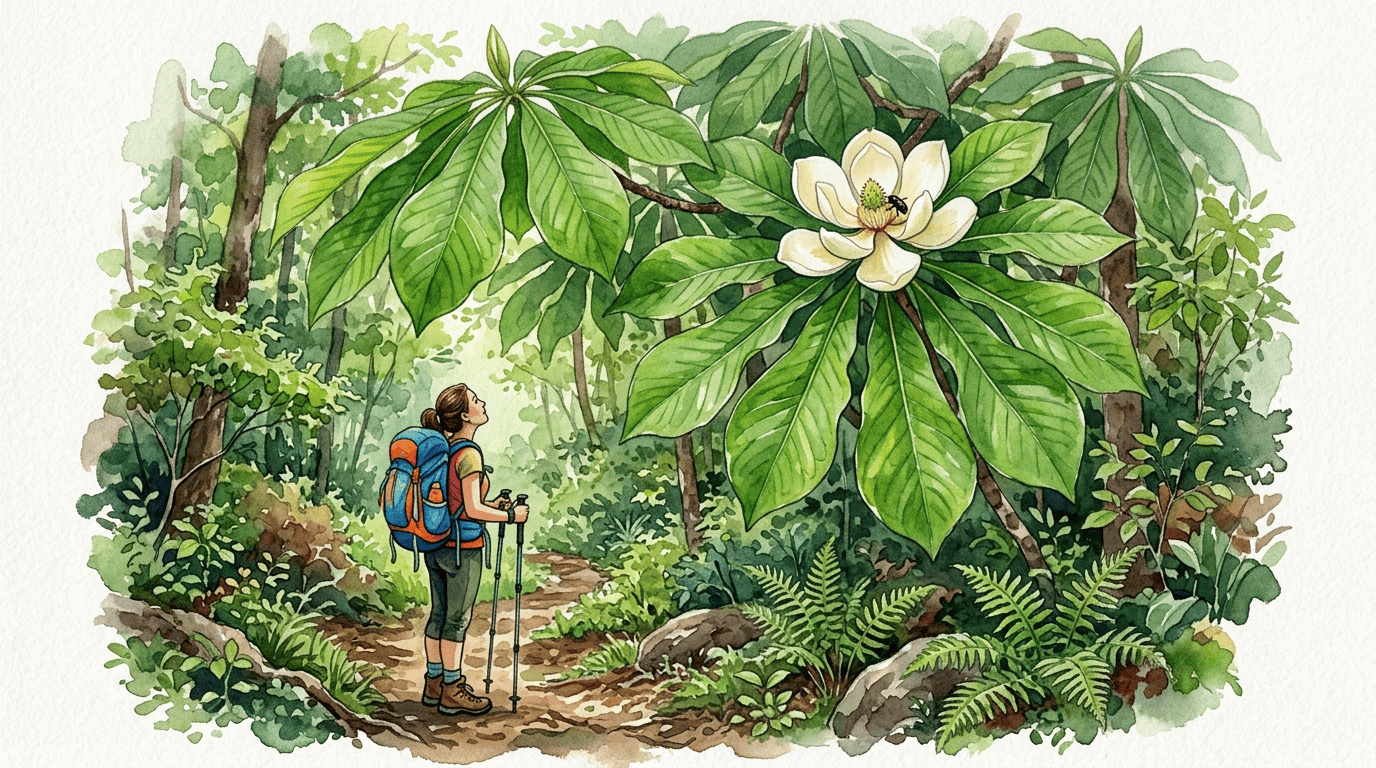
Magnolia tripetala grows in rich cove forests of the southern Appalachians from Pennsylvania south to Georgia and Alabama, with scattered populations westward. Linnaeus described it in 1753 as Magnolia virginiana var. tripetala before it was separated as a distinct species. The specific epithet tripetala refers to the innermost three tepals which appear petal-like while the outer sepal-like tepals curve downward—though magnolias actually have tepals rather than true petals and sepals.
Its enormous 18-24 inch leaves clustered at branch tips resemble umbrellas and are among the largest of any native North American tree. The 10-inch cream-white flowers open in late spring with a somewhat musty fragrance most find unpleasant. It is important to Appalachian woodland ecology but less grown horticulturally than other magnolias due to the heavy foliage texture.
One of only a few native American magnolias. The flowers have a strong musty scent that attracts beetles—evidence of the family's ancient pollination strategy, which predates bees by tens of millions of years. A signature tree of Southeastern heritage plantings.
Symbolism & meaning
What It Symbolizes
Umbrella Magnolia carries strength in bold architectural form — enormous leaves whorled at the branch tips like green umbrellas opened in the understory. As a native Southeastern tree of ancient lineage, it signals heritage older than the surrounding hardwoods, a survivor from a more tropical past. Its meaning is unapologetic presence: a tree that simply takes its space and lets the forest accommodate it.
- Strength — bold architectural form
- Heritage — native Southeastern tree of ancient lineage
Where the Name Comes From
The name Umbrella Magnolia describes umbrella-like whorls or canopy form. 'Tripetala' means 'three-petaled', referring to the three outer tepals that are often recurved.
Uses & Fun Facts
- Large creamy flowers release strong tropical scent
- Huge umbrella-like leaves create bold tropical effect
- Native understory tree gives shade in woodland gardens
Related plants
More Magnolia plants
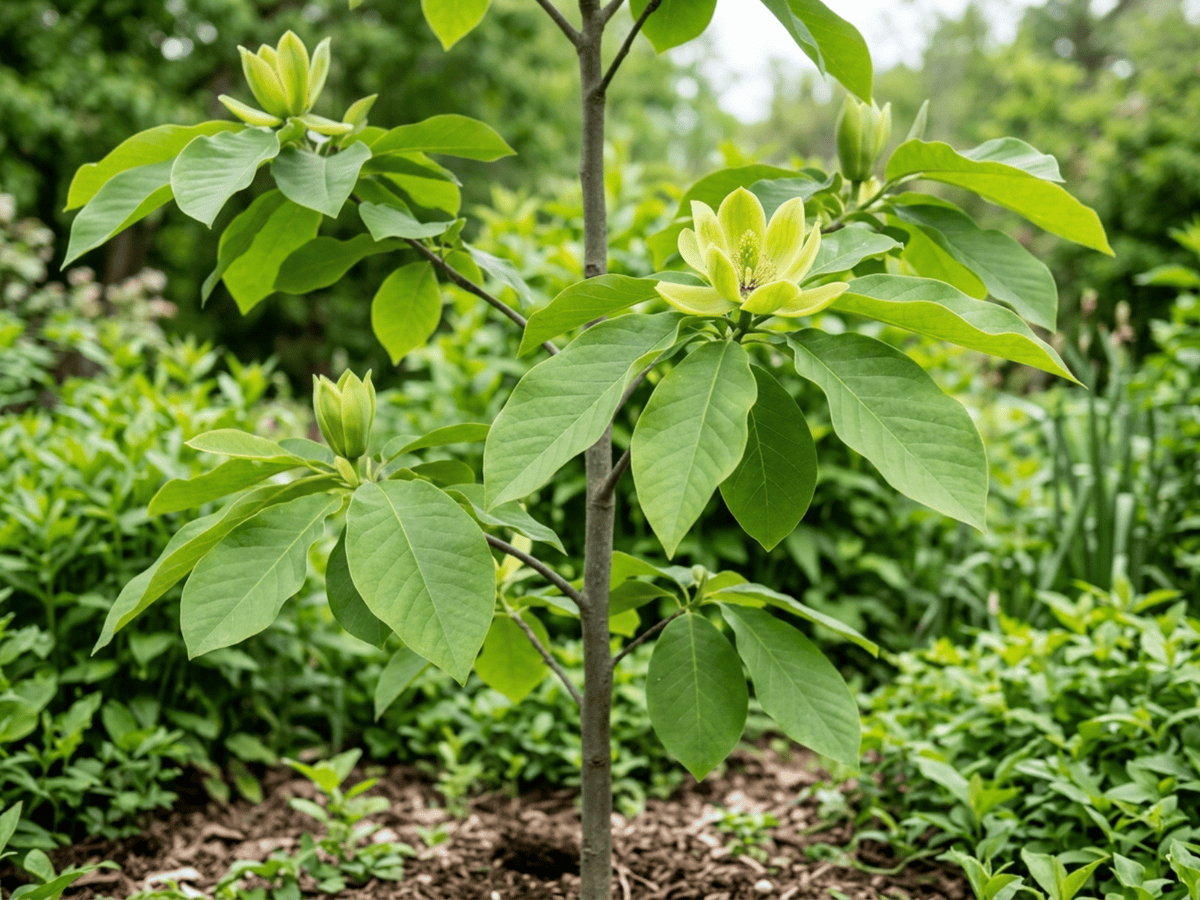 Cucumber-TreeMagnolia acuminata
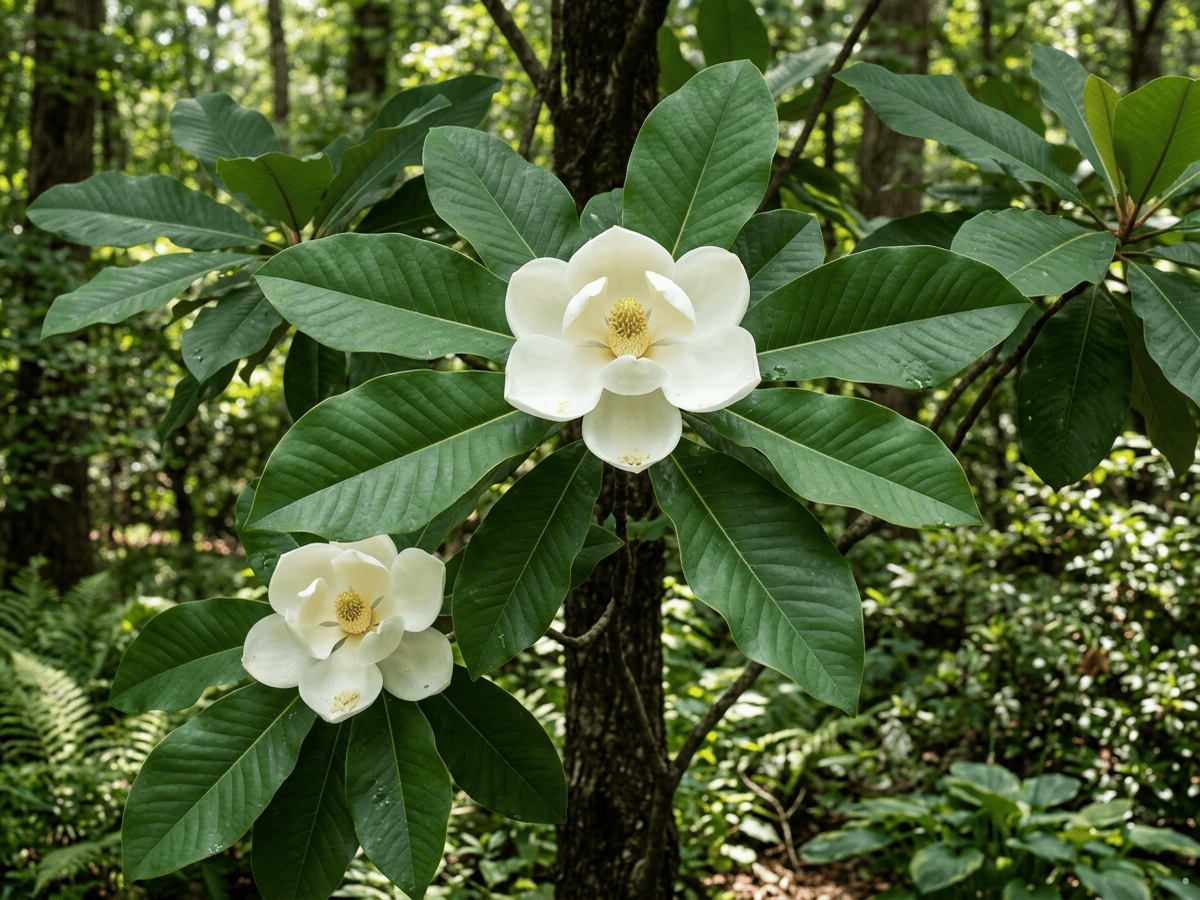 Ashe's MagnoliaMagnolia ashei
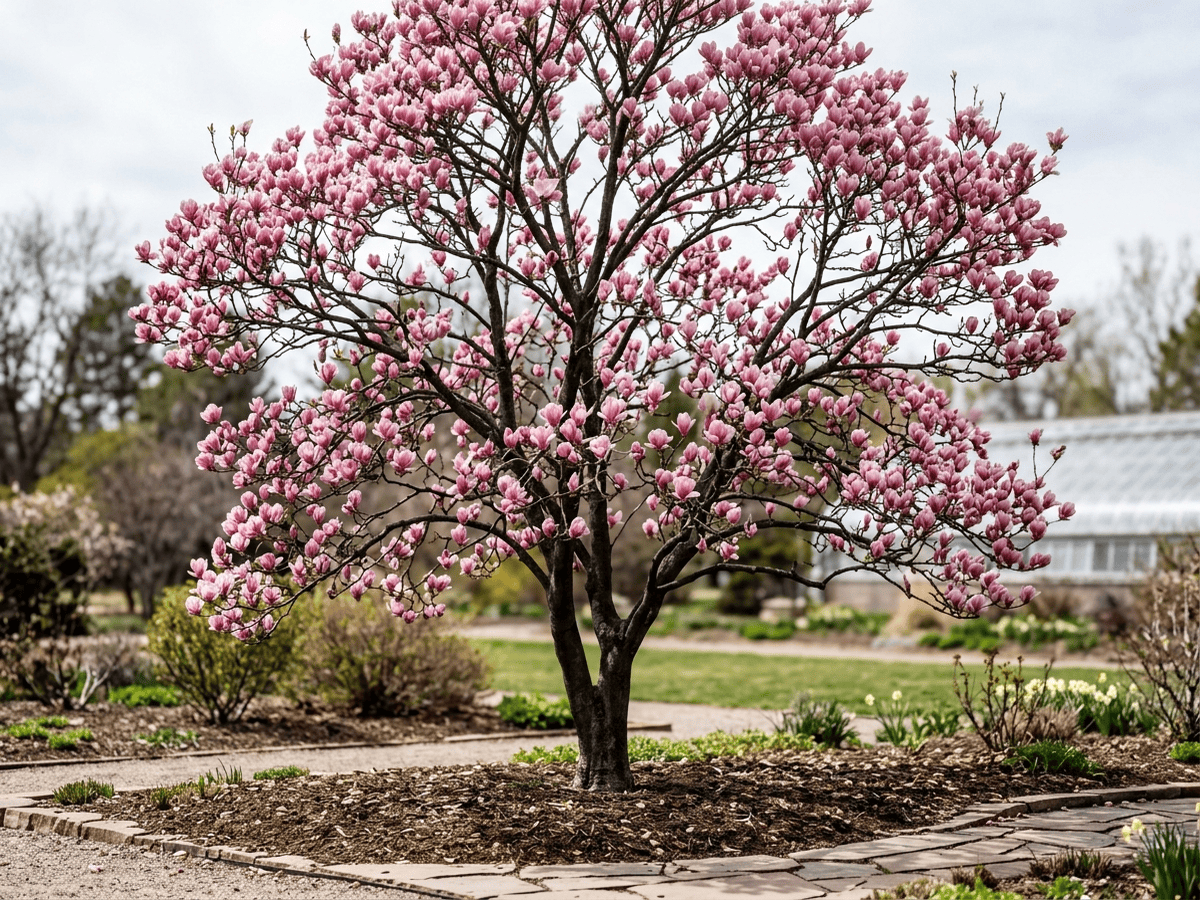 Pink Tulip TreeMagnolia campbellii
 Yulan MagnoliaMagnolia denudata
Plants with similar care
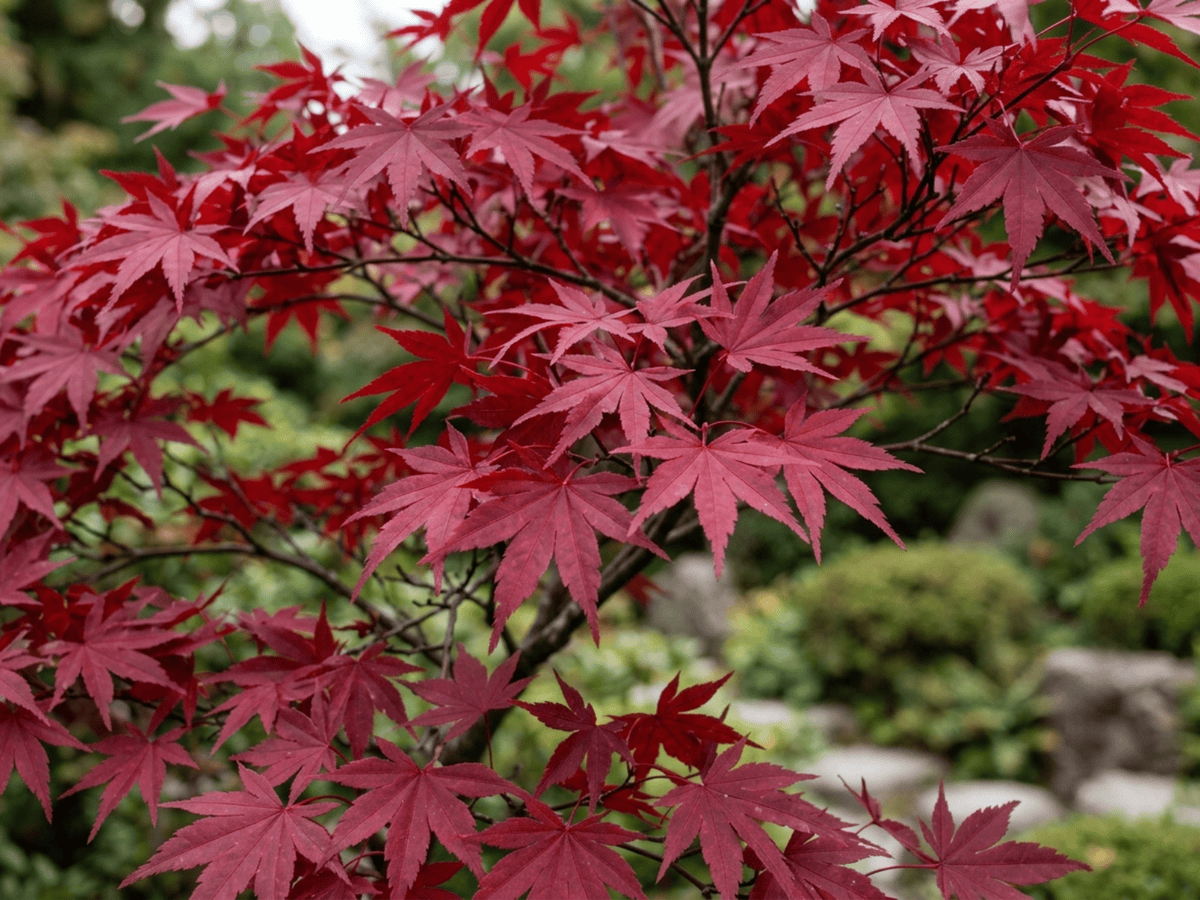 Japanese MapleAcer palmatum
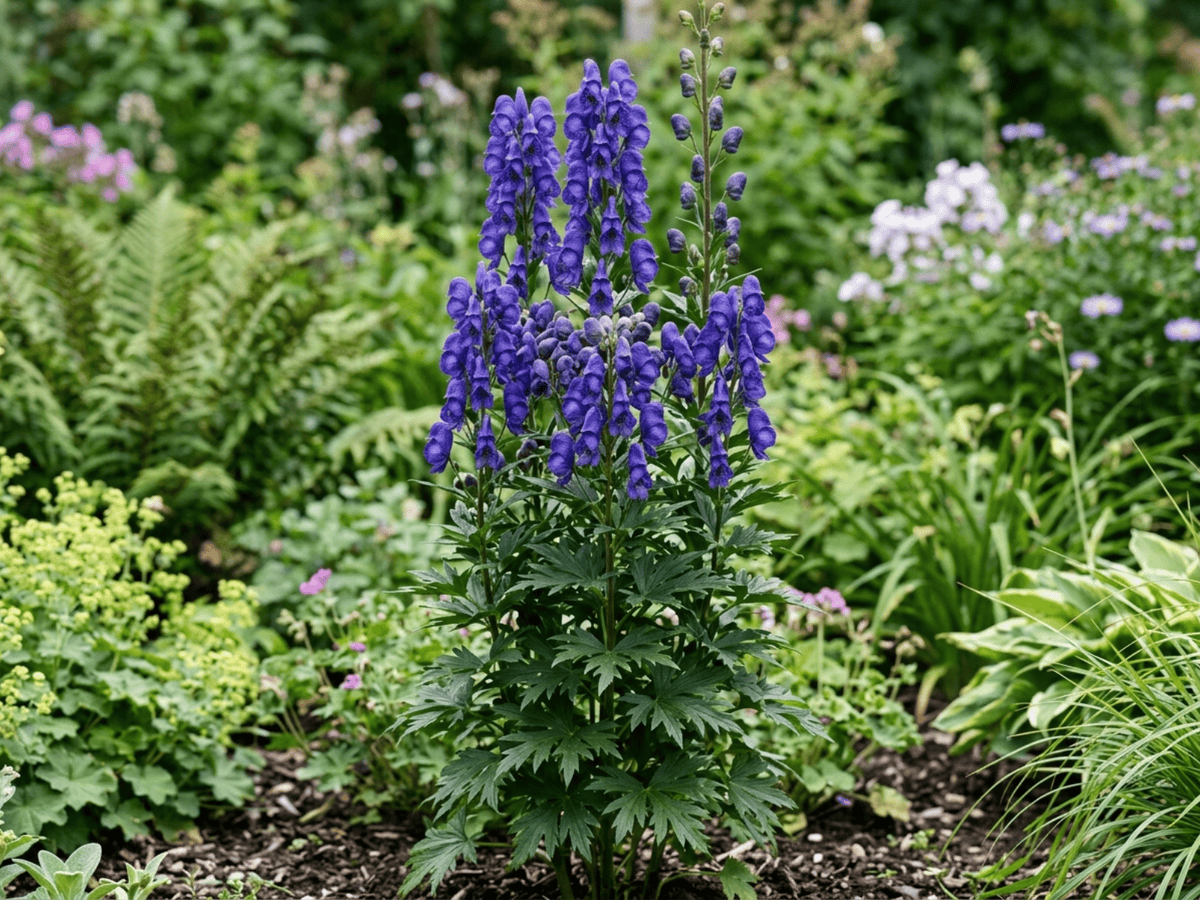 Azure MonkshoodAconitum carmichaelii
 Florida HobblebushAgarista populifolia
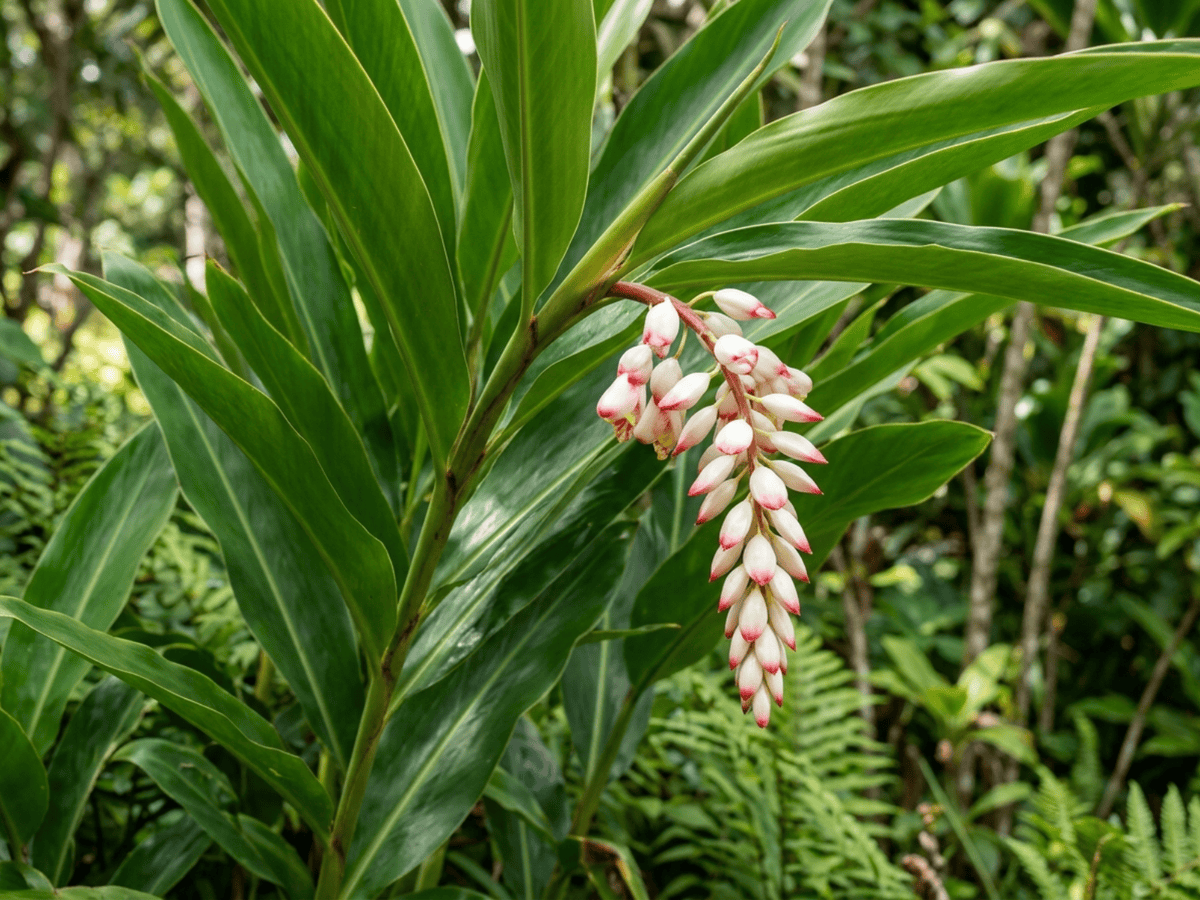 Shell GingerAlpinia zerumbet
Frequently asked questions
How often should I water Umbrella Magnolia?
Water about every 5 days during the growing season, and always let excess water drain away.
How much light does Umbrella Magnolia need?
Part shade: 2–4 hrs direct. Watch the leaves — scorching or stretching means the light needs adjusting.
Is Umbrella Magnolia toxic to cats or dogs?
No toxicity has been reported for this plant. Still, it is wise to keep pets from chewing on any houseplant. Educational information, not medical or veterinary advice. If exposure is suspected, contact a doctor or veterinarian.
Is Umbrella Magnolia easy to grow?
It is moderately demanding: a good choice once you have a little experience.
When does Umbrella Magnolia bloom?
It typically blooms May–Jun in the Northern Hemisphere.
YardMate
Identify any plant in seconds
Snap a photo — YardMate names the plant, diagnoses problems, and reminds you when to water.
Download on the App Store