 YardMate

Chinese Magnolia
Magnolia x soulangeana
Medium · Some experienceAbout Chinese Magnolia
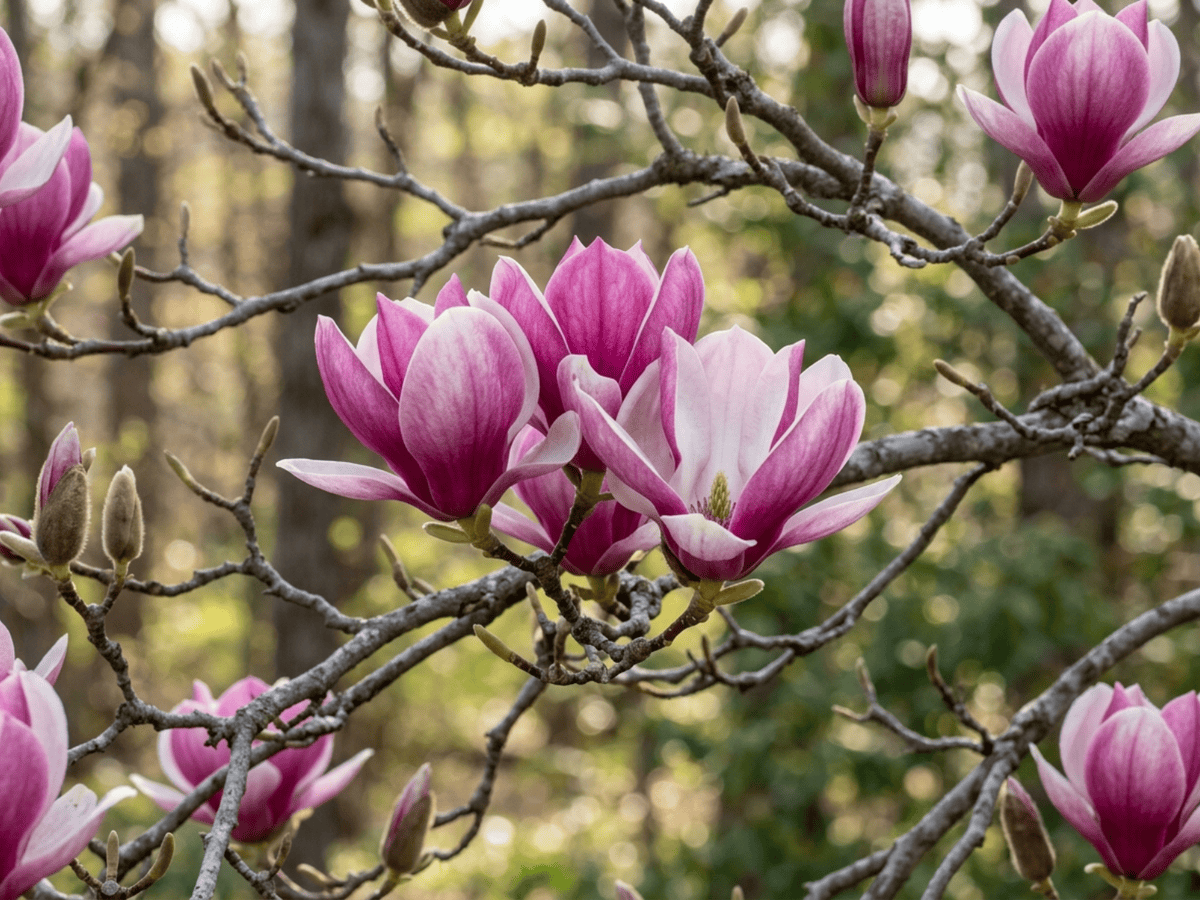
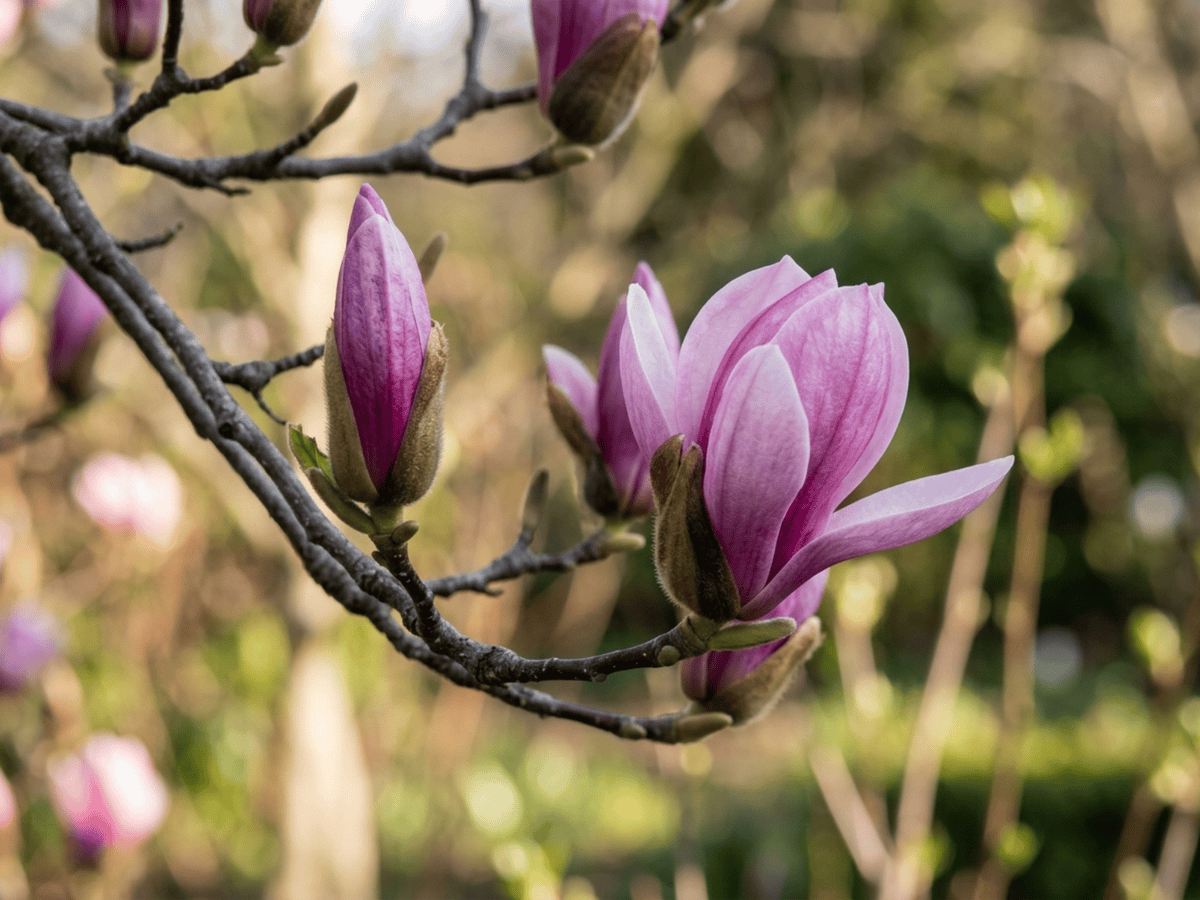
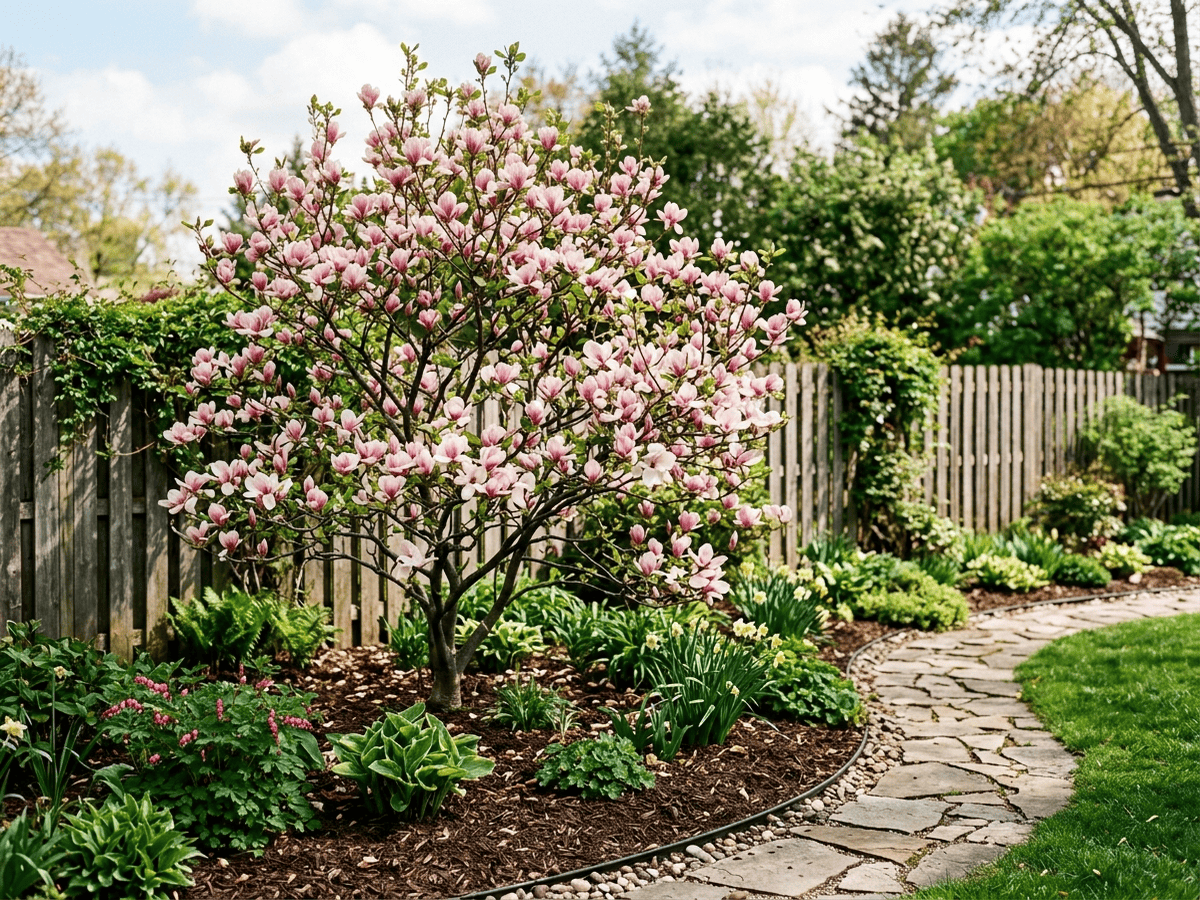
Magnolia x soulangeana, the saucer magnolia, is one of the most beloved flowering trees in temperate gardens. A hybrid between Magnolia denudata and Magnolia liliiflora, it was first raised in 1820 by French retired cavalry officer Etienne Soulange-Bodin. The tree grows 6–9 meters tall with a spreading rounded habit. In early spring before the leaves appear, it erupts in a spectacular display of large goblet-shaped flowers in shades of white, pink, and purple. Each bloom can reach 15 centimeters across. The flowers are delicate and vulnerable to late frosts, which can brown the petals overnight. After flowering, large oval leaves provide dense summer shade. The saucer magnolia tolerates a range of soils and is remarkably adaptable for a magnolia, thriving in both acidic and slightly alkaline conditions. It is the most widely planted magnolia worldwide.
- Fragrant
How to care for Chinese Magnolia
Watering
- Springevery 5 days
- Summerevery 4 days
- Fallevery 7 days
- Winterevery 21 days
Soil · Well-draining
- Top dressingPine bark mulch10%
- Main mixPotting soil + perlite 2:170%
- DrainageLECA / gravel20%
Never skip the drainage layer — standing water is the top cause of root rot.
FERTILIZER
Acid-Loving Feed 4-3-4
One bag does both jobs. An acid feed carries the usual nitrogen, phosphorus and potassium, plus the sulfur and iron that keep the soil sour enough for the roots to take them up at all.
- Nitrogen · Leaves
- Phosphorus · Roots + Blooms
- Potassium · Strength
- Springevery 45 days
At a Glance
- Height20–30 ft (6.1–9.1 m)
- Spread20–30 ft (6.1–9.1 m)
- Flower colorPink, White, Purple
- Foliage colorGreen
- SoilLoamy, Moisture-retentive, Acidic
- LocationsYard
Bloom time
BLOOM CYCLE
Peak bloom
Mar–Apr
Goblet-shaped pink-white flowers appear before leaves in early spring; protect from late frost
Fragrance
LIGHT FRAGRANCE
The flowers have a sweet light floral scent.
Toxicity
Humans Safe · Pets Safe
None reported
Safe
EXPOSURE No exposure route is reported.
EFFECT No significant toxicity.
NOTE Listed as non-toxic for humans; avoid eating ornamental plants unless confirmed edible.
Safe
EXPOSURE No exposure route is reported.
EFFECT Not listed as toxic.
NOTE Listed as non-toxic for dogs; avoid eating ornamental plants unless confirmed edible.
Safe
EXPOSURE No exposure route is reported.
EFFECT Not listed as toxic.
NOTE Listed as non-toxic for cats; avoid eating ornamental plants unless confirmed edible.
Educational information, not medical or veterinary advice. If exposure is suspected, contact a doctor or veterinarian.
DISTRIBUTION


- Native
- Introduced
History
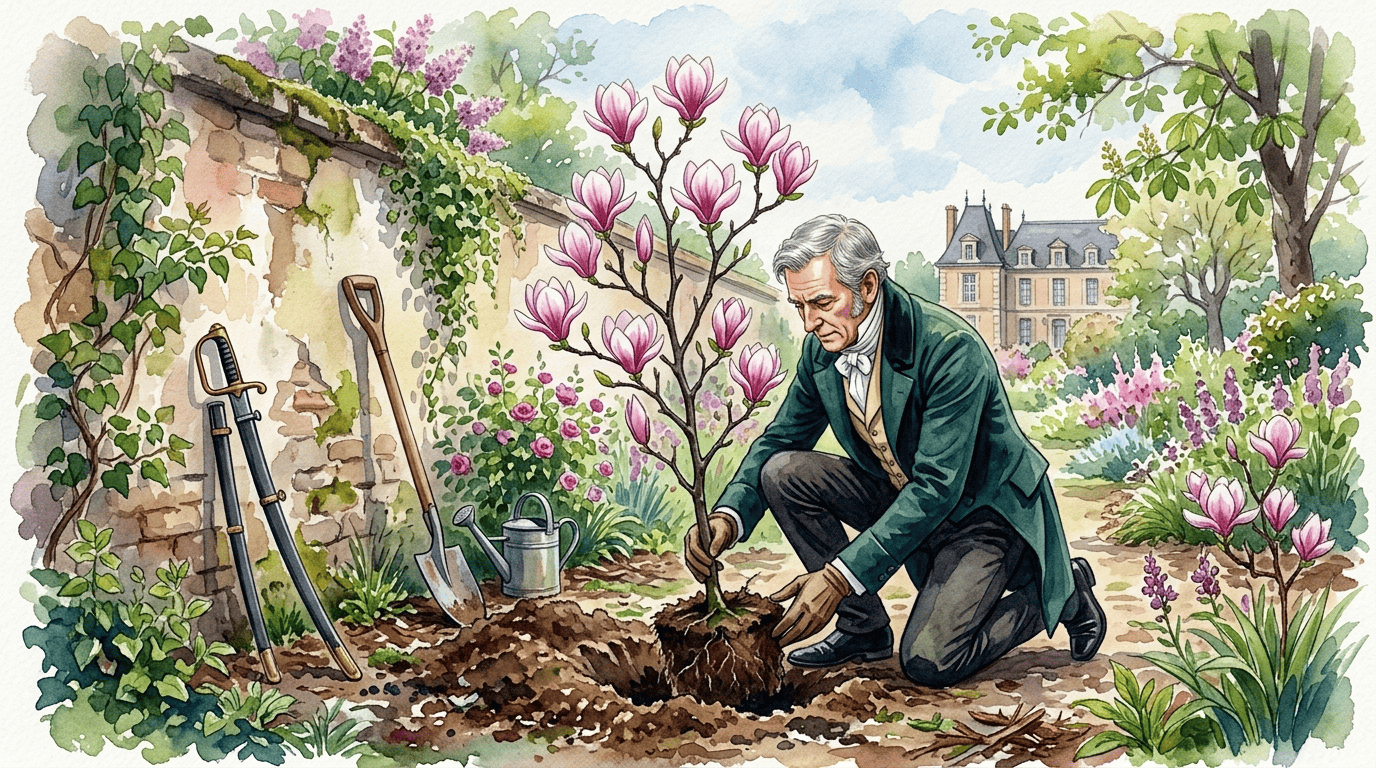
Magnolia x soulangeana is a hybrid created around 1820 by Étienne Soulange-Bodin at his estate near Paris, crossing Magnolia denudata (Chinese white yulan magnolia) with Magnolia liliiflora (Chinese purple lily magnolia). Both parents had been long cultivated in China and had reached French horticulture by the late 18th century. The resulting hybrid combined the large cup-shaped flowers of M. denudata with the pink-purple coloration of M. liliiflora, producing spectacular spring flowers before the leaves emerge.
Soulange-Bodin distributed the hybrid widely, and it rapidly became one of the most popular ornamental trees in 19th and 20th century European and American gardens. Many named cultivars now exist — "Alexandrina," "Brozzonii," "Lennei," "Rustica Rubra" — with subtly different flower colors and bloom times. The susceptibility of the early flowers to late spring frost can make blooming erratic in marginal climates, and breeding has produced later-flowering selections to address this.
Saucer magnolia flowers remain a defining ornamental event of spring in temperate-climate gardens. Etienne Soulange-Bodin created this hybrid in 1820 at his estate near Paris, reportedly declaring he would rather plant magnolias than fight wars after witnessing the Napoleonic campaigns. The tree now blooms every spring at the White House and in countless botanical gardens. Magnolias are among the most ancient flowering plants, with fossils dating back 95 million years.
Symbolism & meaning
What It Symbolizes
Saucer Magnolia is nobility in goblet form, its enormous pink-and-white chalices opening on bare branches before the leaves arrive — regal and dignified above the still-brown garden. Its perseverance is famous: it dares to bloom while late frost still threatens, and gardeners hold their breath each spring hoping the cold will pass. It is the early aristocrat who arrives boldly underdressed and rarely regrets it.
- Nobility — the regal goblet-shaped blooms represent dignity and refined beauty
- Perseverance — flowering bravely in early spring when frost still threatens
Where the Name Comes From
Magnolia honors Pierre Magnol, a 17th-century French botanist. Soulangeana commemorates Etienne Soulange-Bodin who first hybridized it.
Uses & Fun Facts
- Saucer-flowered focal tree for front-yard spring drama
- Pink-and-white tulip-shaped blossoms perfume early spring gardens
Related plants
More Magnolia plants
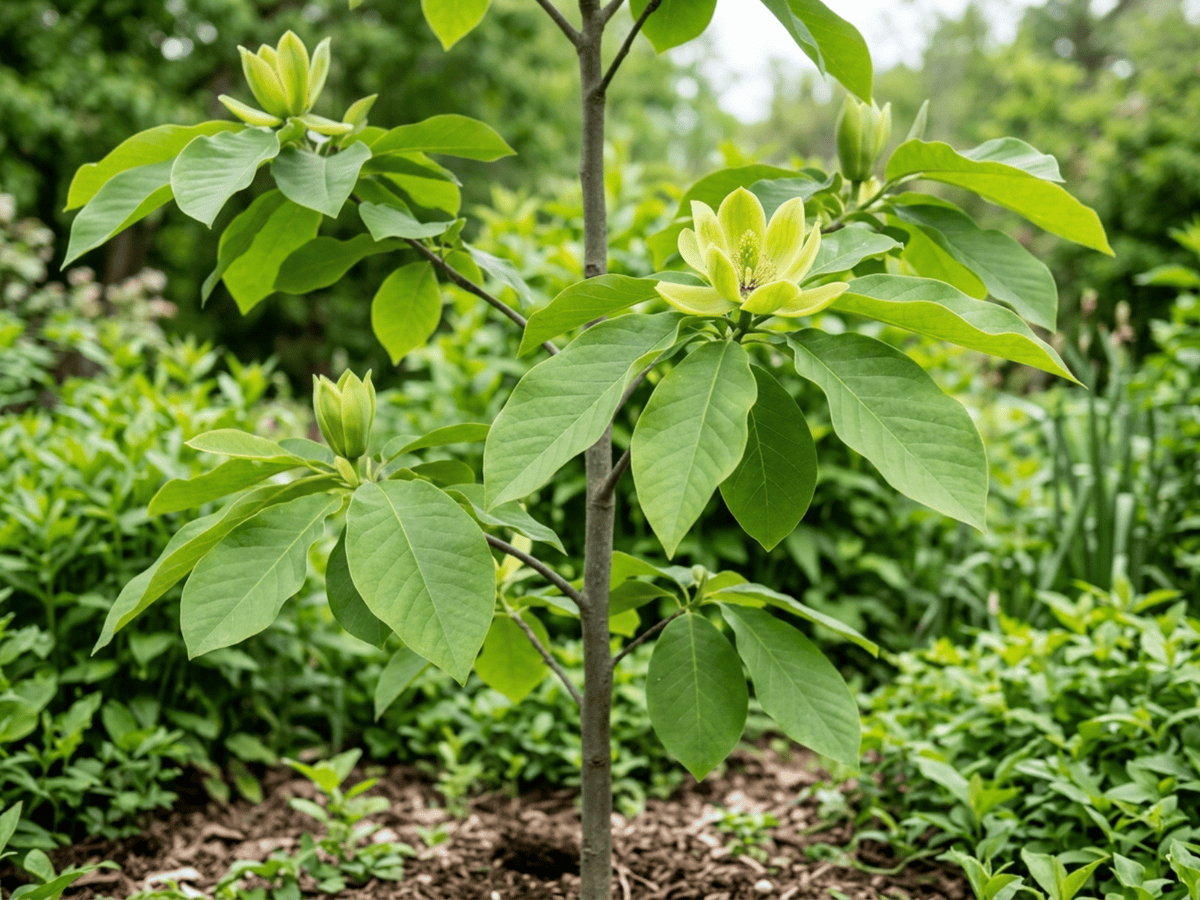 Cucumber-TreeMagnolia acuminata
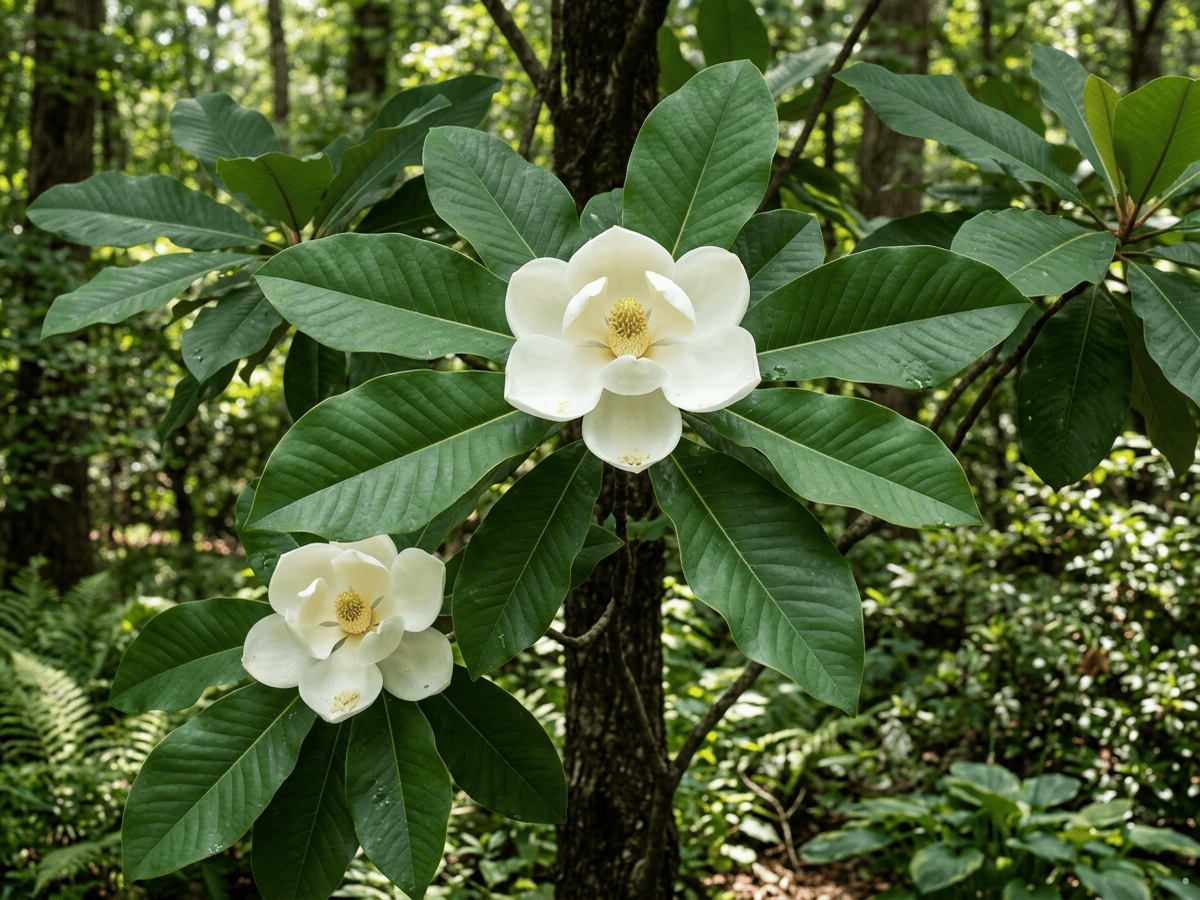 Ashe's MagnoliaMagnolia ashei
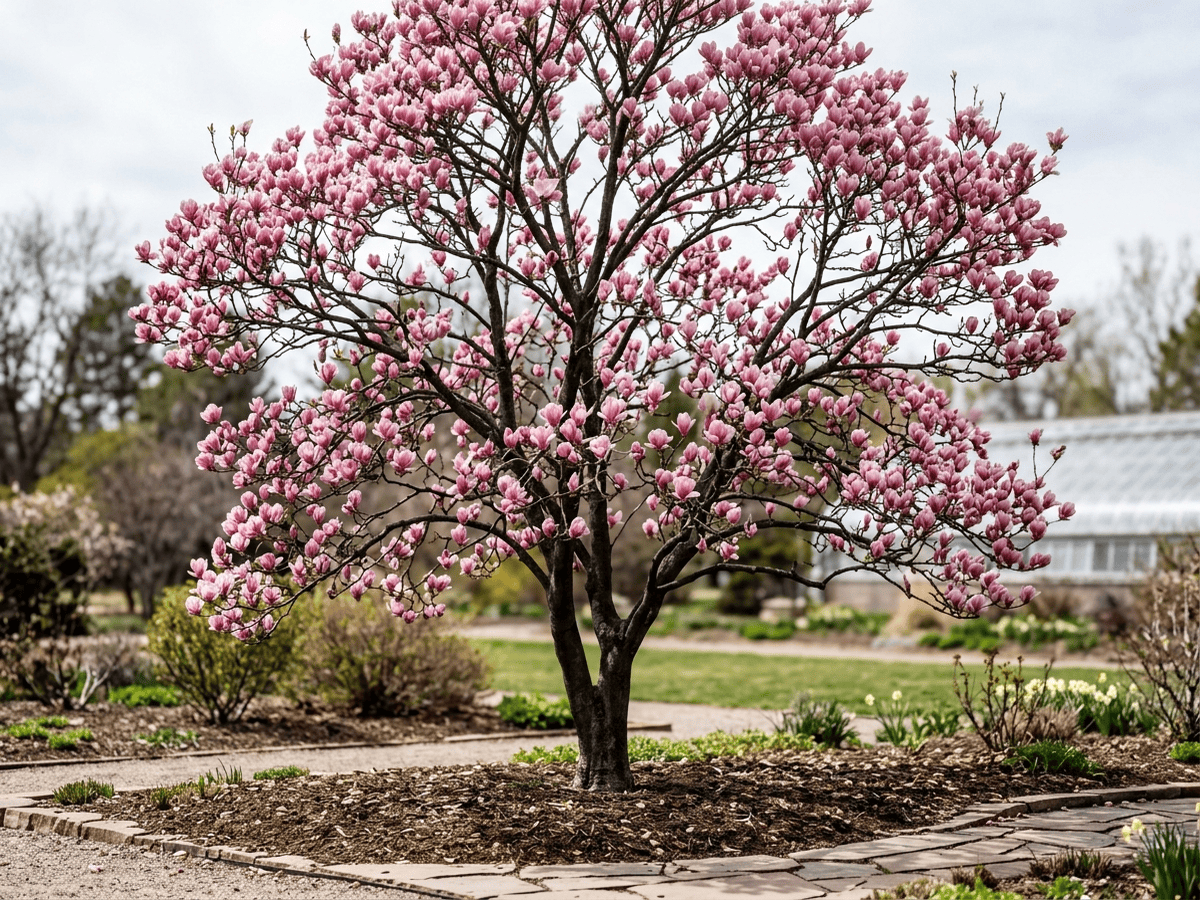 Pink Tulip TreeMagnolia campbellii
 Yulan MagnoliaMagnolia denudata
Plants with similar care
 Mexican AbeliaAbelia floribunda
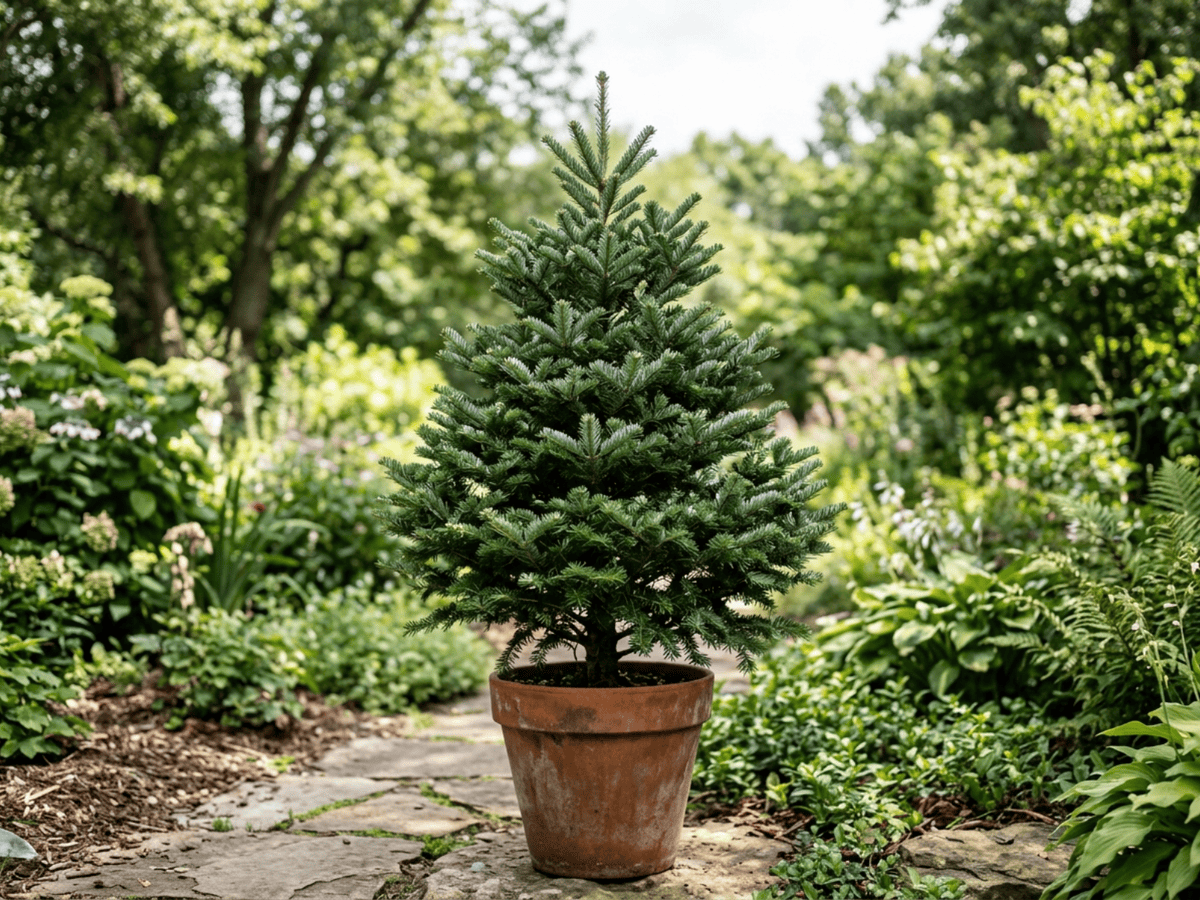 Fraser FirAbies fraseri
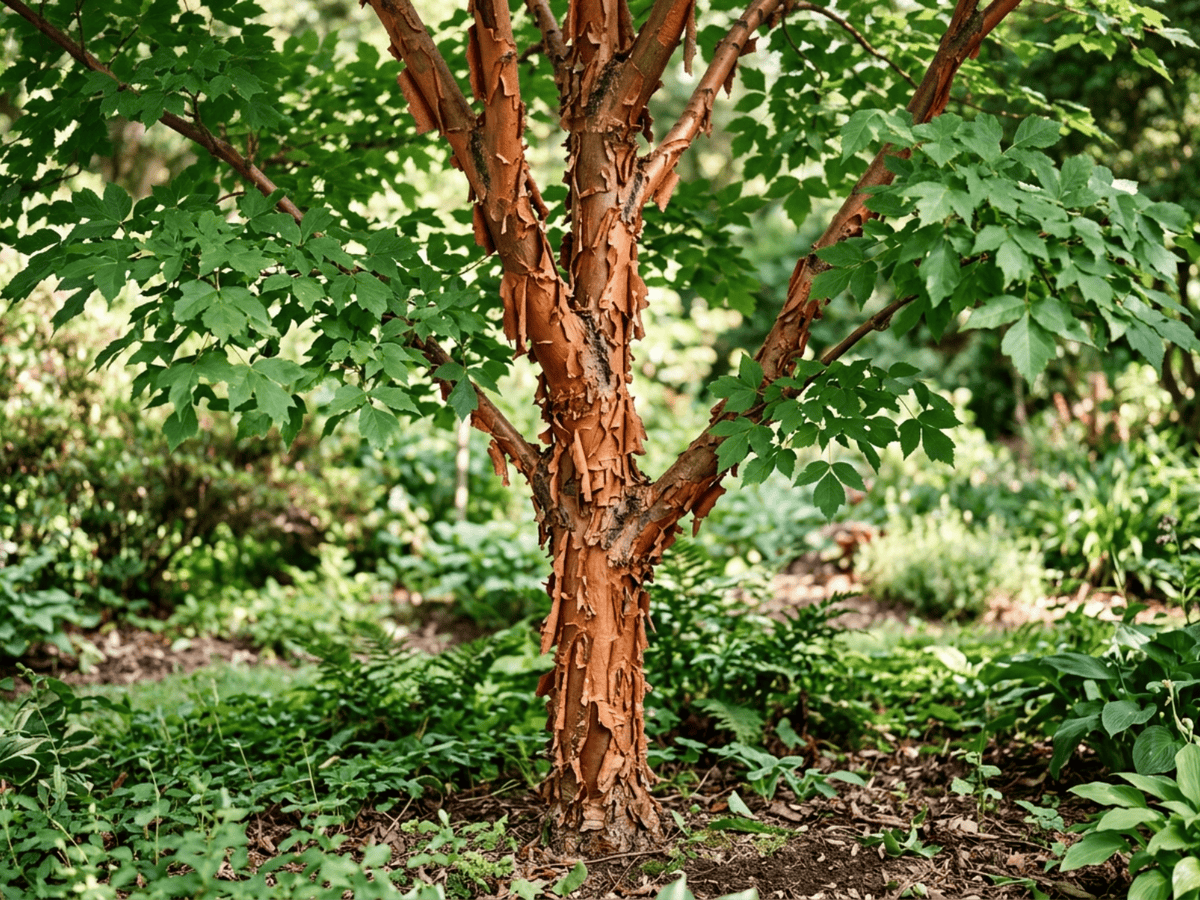 Paperbark MapleAcer griseum
 Sugar MapleAcer saccharum
Frequently asked questions
How often should I water Chinese Magnolia?
In summer, water about every 4 days; in winter, about every 21 days. Adjust for heat, pot size and drainage.
How much light does Chinese Magnolia need?
Full sun: 6+ hrs direct. Watch the leaves — scorching or stretching means the light needs adjusting.
Is Chinese Magnolia toxic to cats or dogs?
Pets Safe (Dogs Safe · Cats Safe) Educational information, not medical or veterinary advice. If exposure is suspected, contact a doctor or veterinarian.
Is Chinese Magnolia easy to grow?
It is moderately demanding: a good choice once you have a little experience.
When does Chinese Magnolia bloom?
It typically blooms Mar–Apr in the Northern Hemisphere.
YardMate
Identify any plant in seconds
Snap a photo — YardMate names the plant, diagnoses problems, and reminds you when to water.
Download on the App Store