 YardMate


German Chamomile
Matricaria chamomilla
Easy · Beginner friendlyAbout German Chamomile
Matricaria chamomilla, German chamomile, is the annual chamomile most often grown for tea. Fine feathery leaves carry small white daisies with hollow yellow cone centers, and the whole plant gives off a sweet apple-like fragrance when warmed by sun. It grows quickly from seed, reaches 30-60 cm, and self-sows readily in open soil, herb beds, and meadow edges. Harvest flower heads on dry mornings and dry them gently to preserve scent. German chamomile differs from Roman chamomile by its annual habit, taller stems, and hollow receptacles. The blue color of its distilled essential oil comes from chamazulene formed during distillation, one of the small chemical surprises hidden inside a modest daisy.
- Edible
- Medicinal
How to care for German Chamomile
Watering
- Springevery 4 days
- Summerevery 3 days
- Fallevery 6 days
- Winterevery 10 days
Soil · Rich & well-draining
- Top dressingCompost10%
- Main mixPotting soil + compost 3:180%
- DrainageGravel10%
Top up the compost layer each season.
FERTILIZER
- Springevery 30 days
- Summerevery 30 days
- Fallevery 45 days
At a Glance
- NativeEurope, Western Asia
- Height1–2 ft (0.3–0.6 m)
- Spread0.5–1 ft (0.2–0.3 m)
- Flower colorWhite, Yellow
- Foliage colorGreen
- SoilLoamy, Well-drained, Sandy
- LocationsYard
Bloom time
BLOOM CYCLE
Peak bloom
May–Aug
Small daisies for tea; self-seeds freely; hollow flower center distinguishes from Roman chamomile
Fragrance
MODERATE FRAGRANCE
Sweet herbal-hay aroma; lighter than Roman chamomile.
Toxicity
Humans Slight · Pets Slight
chamazulene, bisabolol, and apigenin
Slight
- Flower
- Contact
EXPOSURE Touching flowers.
EFFECT Asteraceae contact allergy in sensitive individuals.
NOTE Documented concern for humans: Asteraceae contact allergy in sensitive individuals.
Slight
- All
- Ingestion
EXPOSURE Eating any part of the plant.
EFFECT Vomiting, diarrhea (per ASPCA).
NOTE ASPCA lists chamomile as mildly toxic to pets.
Slight
- All
- Ingestion
EXPOSURE Eating any part of the plant.
EFFECT Vomiting, diarrhea.
NOTE ASPCA lists chamomile as mildly toxic to pets.
Educational information, not medical or veterinary advice. If exposure is suspected, contact a doctor or veterinarian.
DISTRIBUTION

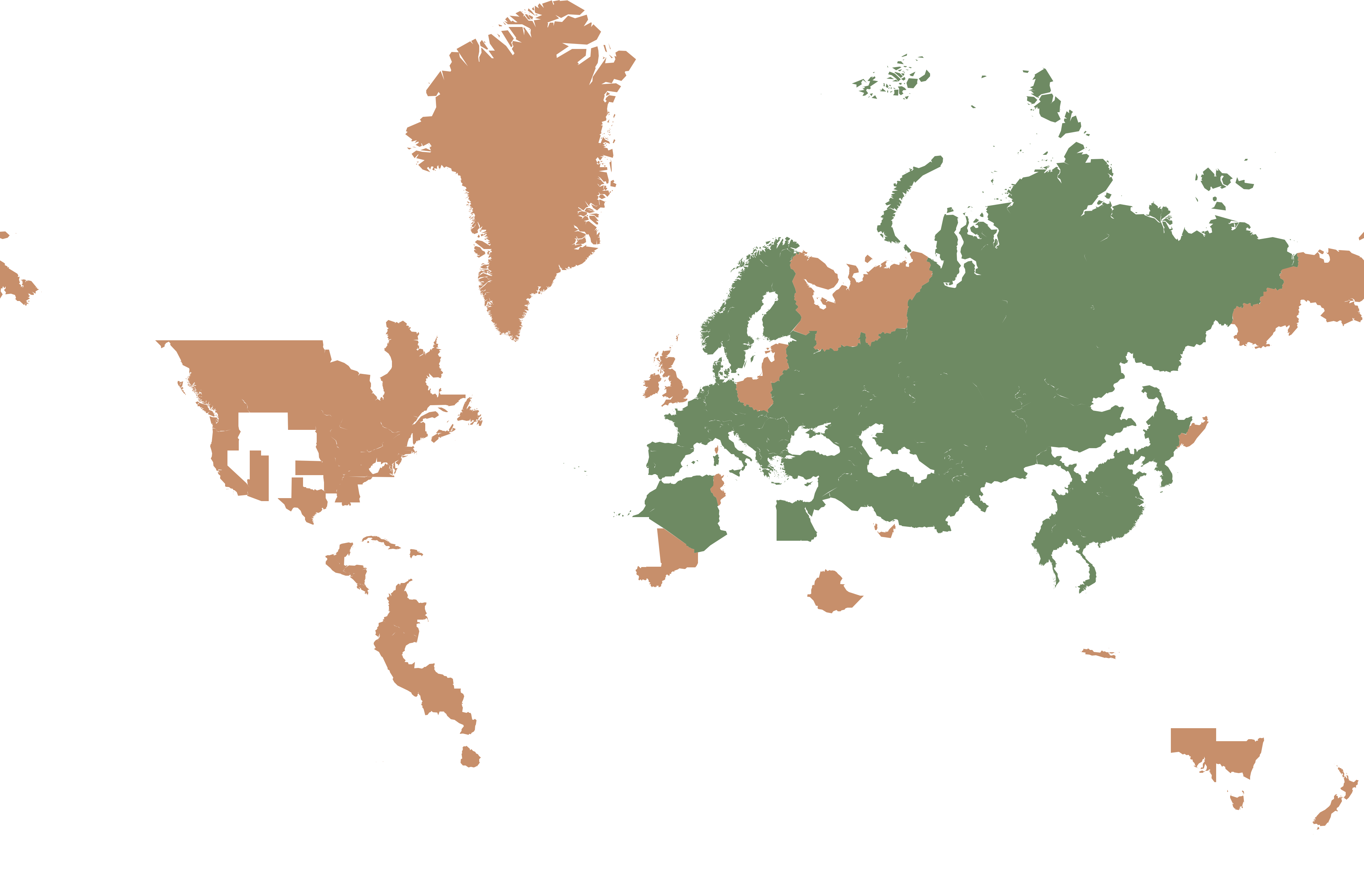
- Native
- Introduced
- Europe
- Western Asia
History

Matricaria chamomilla is native to southern and eastern Europe and western Asia, and is the annual chamomile — as opposed to Chamaemelum nobile, which is perennial — used in most commercial chamomile tea production. The genus name derives from Latin "matrix" (womb), reflecting traditional use in women's health complaints. Commercial cultivation for essential oil centers on Hungary, Egypt, and Germany; Hungarian chamomile is considered the gold standard.
The steam-distilled oil is rich in chamazulene — formed during distillation from its precursor matricin — which gives the oil a striking deep inky-blue color and significant anti-inflammatory activity. Chamazulene-rich blue chamomile oil is used in cosmetics, topical anti-inflammatory formulations, and aromatherapy. Unlike Roman chamomile, German chamomile is an annual that self-seeds aggressively and has become widespread as a weedy naturalized plant in North America, where it grows in fields, roadsides, and disturbed ground.
German chamomile is the commercial powerhouse of the chamomile world — Egypt, Argentina, and Eastern Europe produce thousands of tonnes annually. In Germany, chamomile is the most-prescribed herbal medicine — covered by health insurance for gastrointestinal and skin conditions. Blonde Europeans have used chamomile rinses to lighten hair for centuries.
Symbolism & meaning
What It Symbolizes
German Chamomile is the ultimate calming herb, and so its meaning is calm itself, the gentle peace that arrives in a small ceramic teapot at the end of a difficult day. The pure scent of its tiny daisy flowers has soothed European households for centuries, threaded through monastic gardens and country kitchens alike. In the language of herbs, chamomile is the quiet healer, the plant whose symbolism is inseparable from the literal experience of taking a slow, warm sip.
- Calm — The ultimate calming herb — representing peace, serenity, and gentle healing
Where the Name Comes From
Matricaria comes from Latin 'matrix' (womb), an old reference to women's herbal traditions. Chamomilla comes from Greek for ground apple.
Uses & Fun Facts
- Daisy flowers brewed into classic chamomile tea
- Traditional remedy for sleep and digestive complaints
Related plants
Plants with similar care
 Chinese AbeliaAbelia chinensis
 Fragrant AbeliaAbelia mosanensis
 Large-Flowered AbeliaAbelia uniflora
 Glossy AbeliaAbelia x grandiflora
Frequently asked questions
How often should I water German Chamomile?
In summer, water about every 3 days; in winter, about every 10 days. Adjust for heat, pot size and drainage.
How much light does German Chamomile need?
Full sun: 6+ hrs direct. Watch the leaves — scorching or stretching means the light needs adjusting.
Is German Chamomile toxic to cats or dogs?
Pets Slight (Dogs Slight · Cats Slight) Educational information, not medical or veterinary advice. If exposure is suspected, contact a doctor or veterinarian.
Is German Chamomile easy to grow?
Yes — it is considered an easy, beginner-friendly plant.
When does German Chamomile bloom?
It typically blooms May–Aug in the Northern Hemisphere.
YardMate
Identify any plant in seconds
Snap a photo — YardMate names the plant, diagnoses problems, and reminds you when to water.
Download on the App Store