 YardMate


Purple Bergamot
Monarda media
Easy · Beginner friendlyAbout Purple Bergamot
Purple Bergamot is an eastern North American native perennial producing dense whorled heads of red-purple tubular flowers atop square stems in midsummer. Growing 2 to 4 feet tall with aromatic minty foliage, it is less common than its cousin bee balm but prized by native plant gardeners for its rich purple color and hummingbird appeal. A heritage American prairie and woodland edge plant.
- Fragrant
- Cold-hardy
- Native
- Pollinator-friendly
How to care for Purple Bergamot
Watering
- Springevery 5 days
- Summerevery 3 days
- Fallevery 7 days
- Winterevery 14 days
Soil · Well-draining
- Top dressingPine bark mulch10%
- Main mixPotting soil + perlite 2:170%
- DrainageLECA / gravel20%
Never skip the drainage layer — standing water is the top cause of root rot.
FERTILIZER
Balanced Feed 14-14-14
An even feed covers all three needs at once, keeping leaves, roots and blooms moving together with nothing pushed out of balance.
- Nitrogen · Leaves
- Phosphorus · Roots + Blooms
- Potassium · Strength
- Springevery 30 days
- Summerevery 45 days
At a Glance
- NativeNorth America
- Height2–4 ft (0.6–1.2 m)
- Spread2–3 ft (0.6–0.9 m)
- Flower colorPurple
- Foliage colorGreen
- SoilLoamy, Moisture-retentive
- LocationsYard
Bloom time
BLOOM CYCLE
Peak bloom
Jun–Aug
Red-purple whorled flower heads in midsummer
Fragrance
STRONG FRAGRANCE
Whole plant strongly minty-oregano scented, typical of Monarda.
Toxicity
No toxicity has been reported for this plant. Still, it is wise to keep pets from chewing on any houseplant.
Educational information, not medical or veterinary advice. If exposure is suspected, contact a doctor or veterinarian.
DISTRIBUTION


- Native
- Introduced
- North America
History
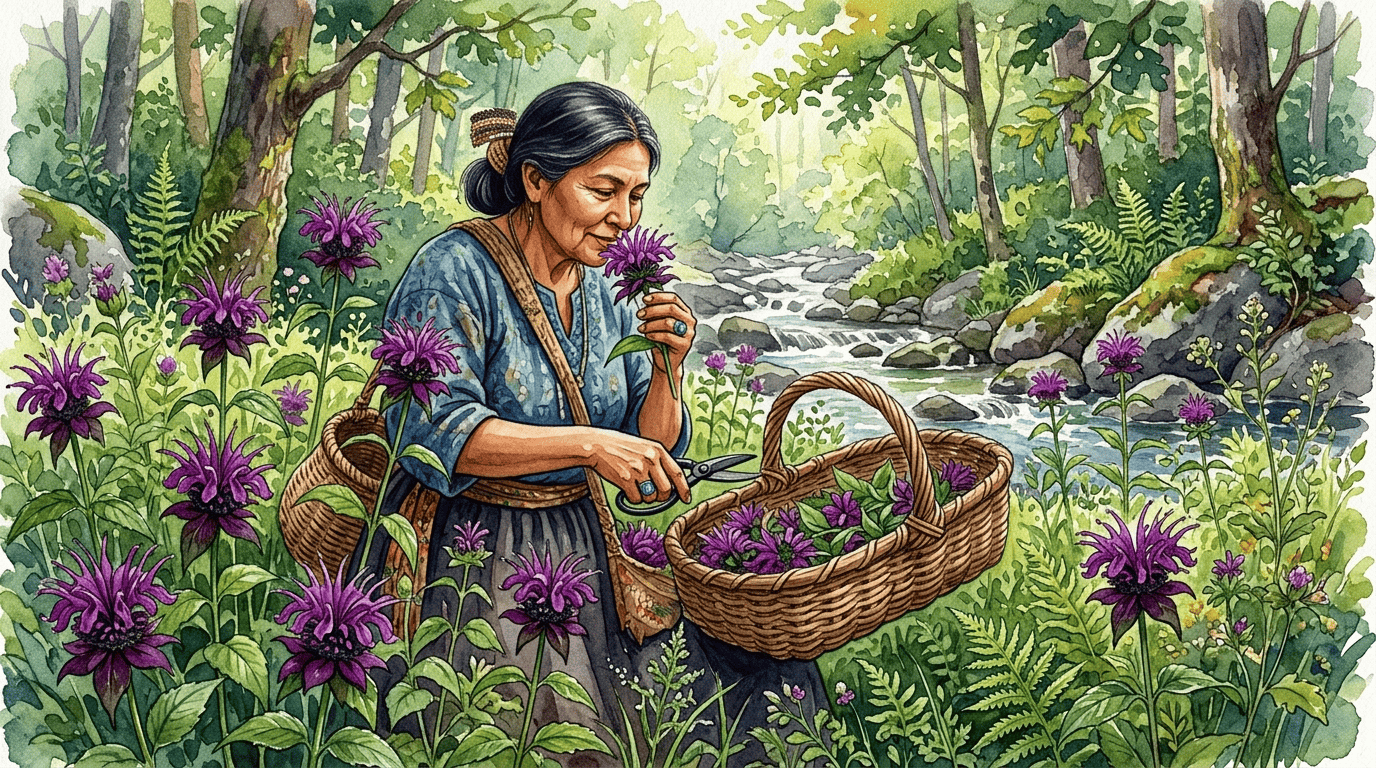
Monarda media, purple bergamot, grows naturally in open woods and moist thickets of the central Appalachian and Ohio valley regions. The Berlin botanist Karl Ludwig Willdenow described it in 1809. Though rarer in the wild than its cousin M. didyma, Cherokee and other eastern tribes used small amounts of its aromatic foliage as a minor fever remedy and flavoring, following broader Monarda traditions.
The species reached British gardens by the 1820s, valued for its deep royal-purple bracts and willingness to bloom in partial shade. It naturally hybridizes with M. didyma and M. fistulosa, and those crosses underlie several modern mildew-resistant bee balm cultivars.
Native to the eastern US from New York to Georgia, historically used by Cherokee and other Indigenous peoples as aromatic tea and medicinal herb. Less cultivated than M. Today it remains a specialty plant prized by native-plant and pollinator gardeners.
Symbolism & meaning
What It Symbolizes
Purple Bergamot carries rare warmth — a less-common deep-purple bee balm in a genus better known for reds and pinks. Paired with traditional tea, it shares the aromatic heritage of Indigenous beverage herbs, kin to the Oswego tea once steeped on Northeastern hearths. To grow it is to keep a quietly traditional plant: pollinator magnet by day, fragrant tisane on the table by evening.
- Rare warmth — less common purple bee balm
- Traditional tea — Indigenous aromatic beverage herb
Where the Name Comes From
The common name highlights its purple coloring. 'Monarda' honors 16th-century Spanish physician Nicolas Monardes; 'media' from Latin means intermediate, likely referring to appearance between related species.
Uses & Fun Facts
- Crushed foliage releases minty-bergamot aroma like its cousins
- Purple whorled flowers magnetic to bumblebees and hummingbirds
- Purple bee balm with whorled flower heads for sunny borders
Related plants
More Monarda plants
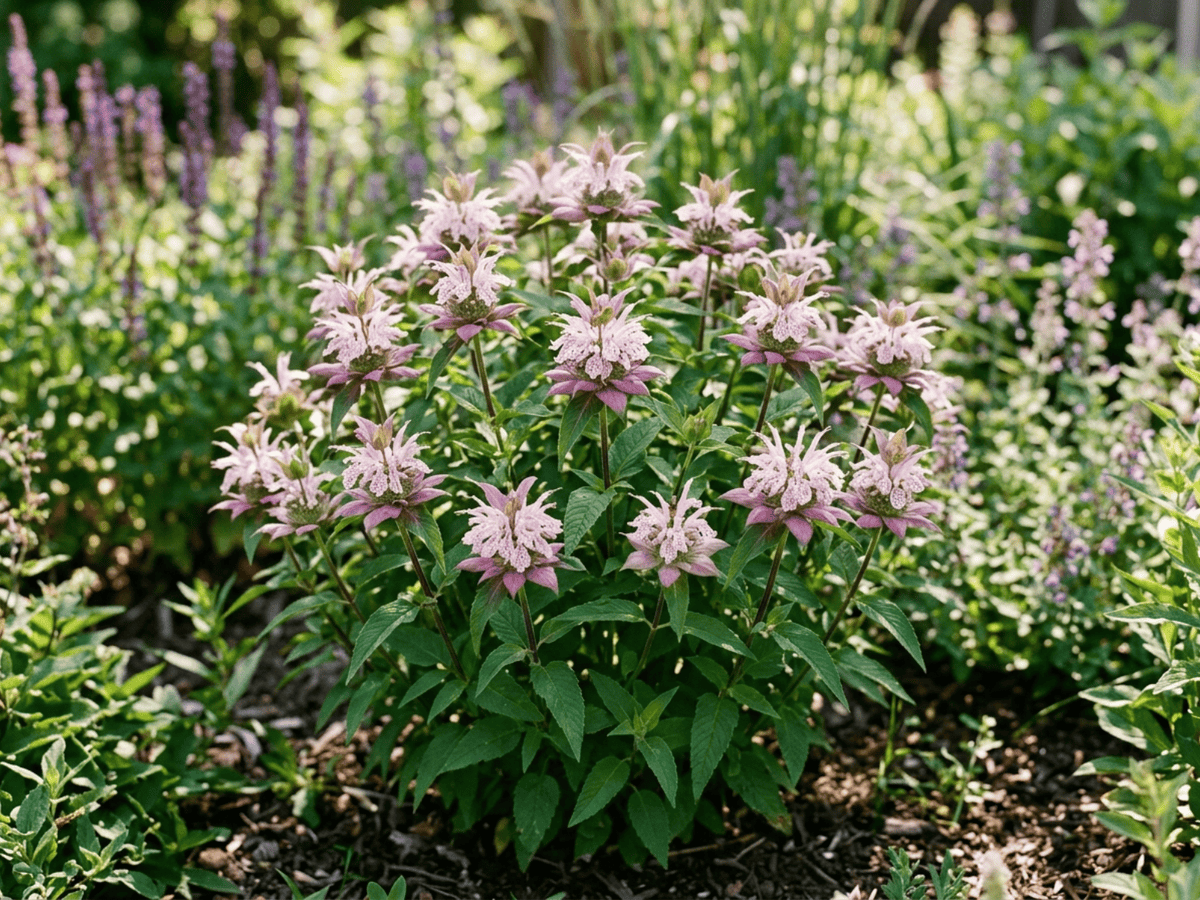 Eastern BeebalmMonarda bradburiana
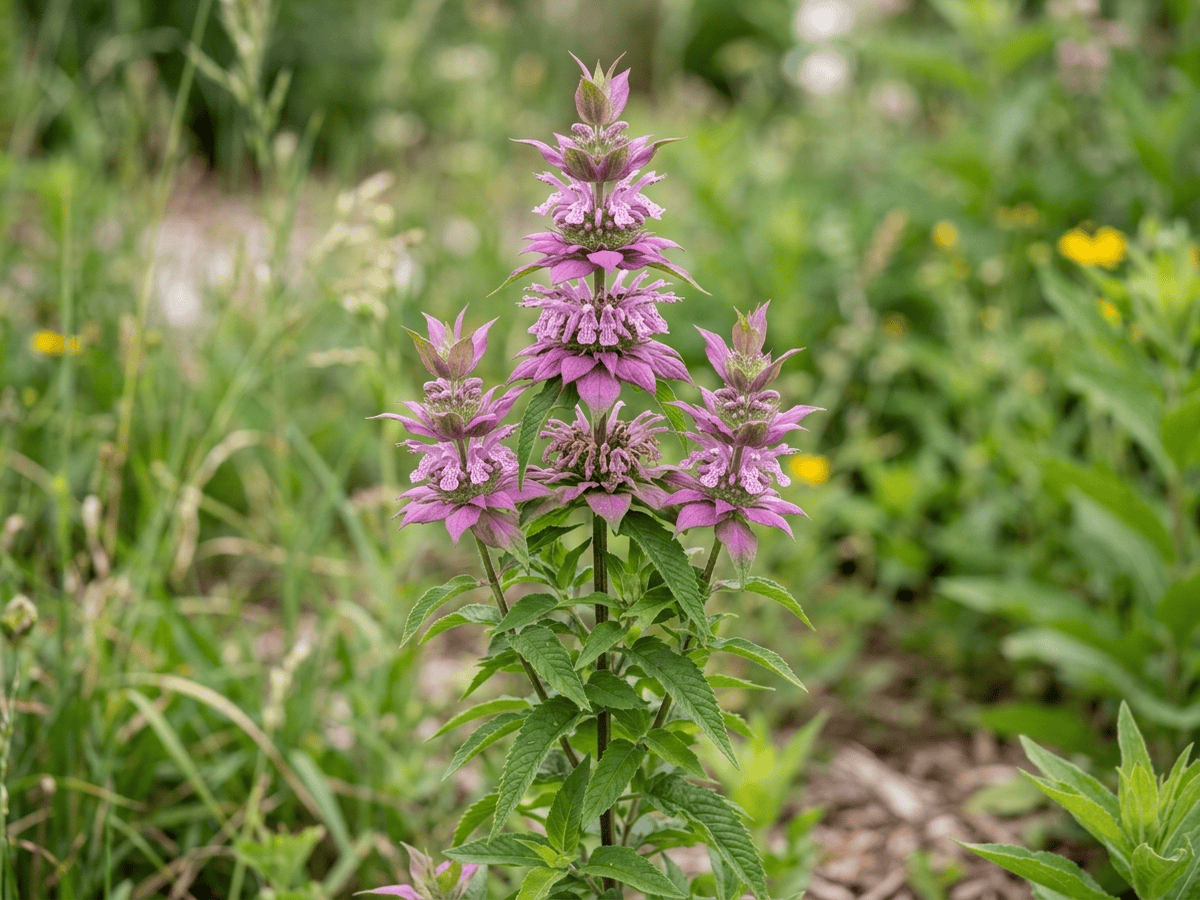 Lemon BeebalmMonarda citriodora
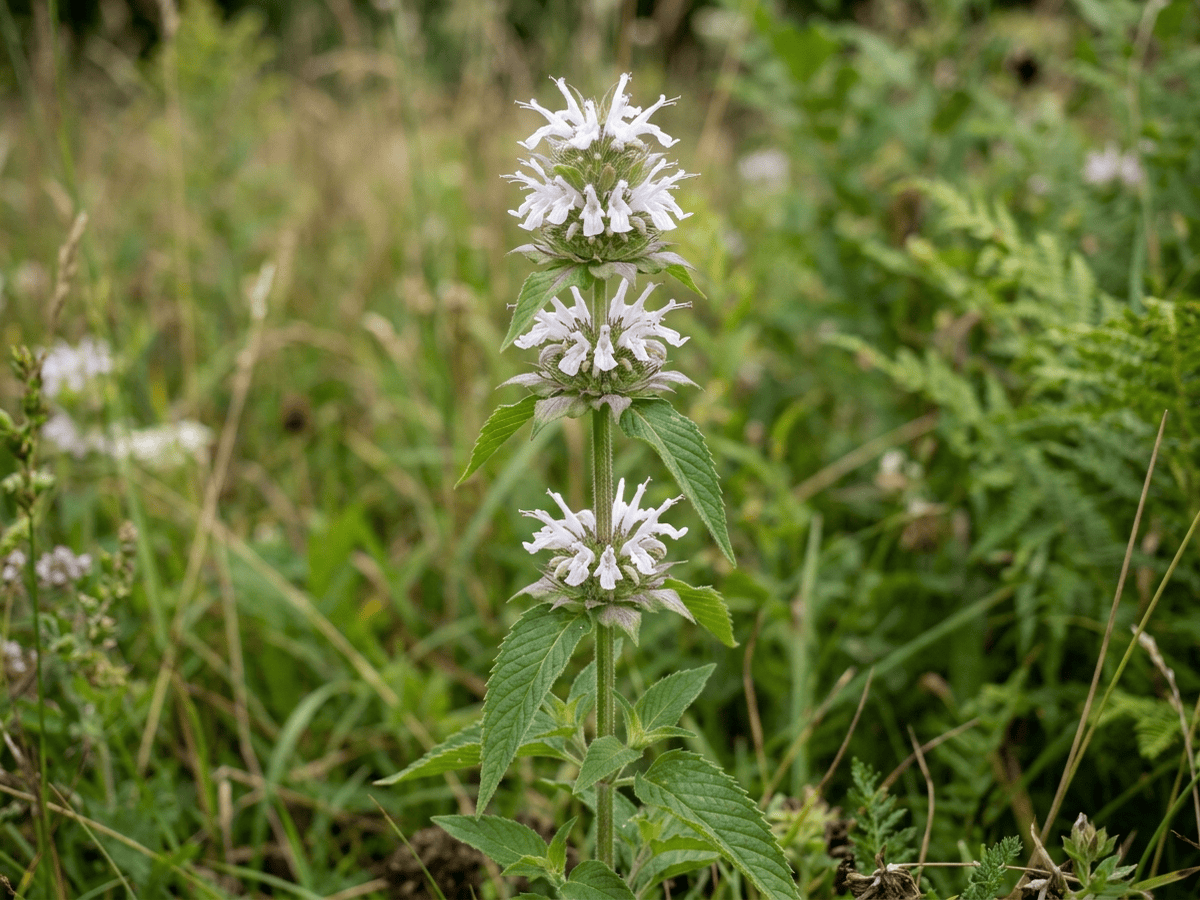 White BergamotMonarda clinopodia
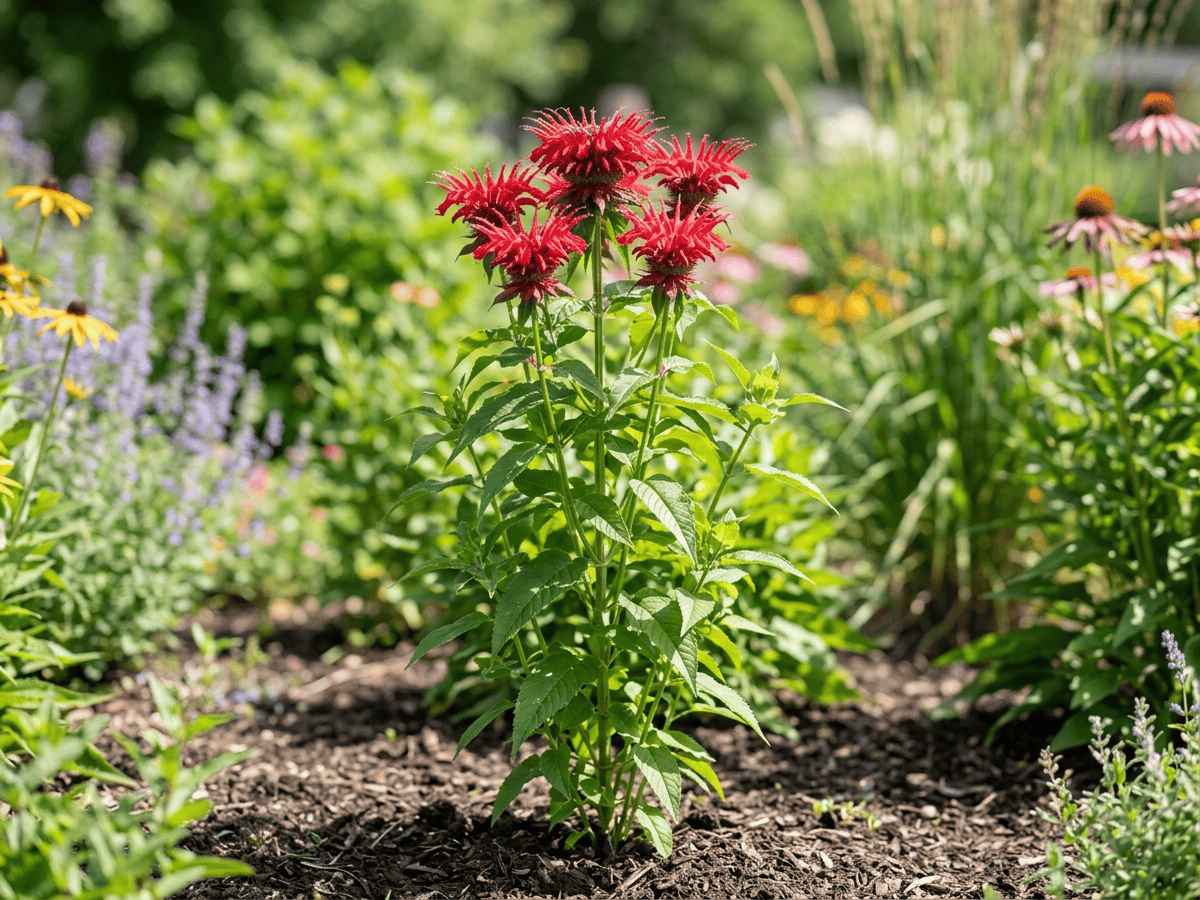 Scarlet BeebalmMonarda didyma
Plants with similar care
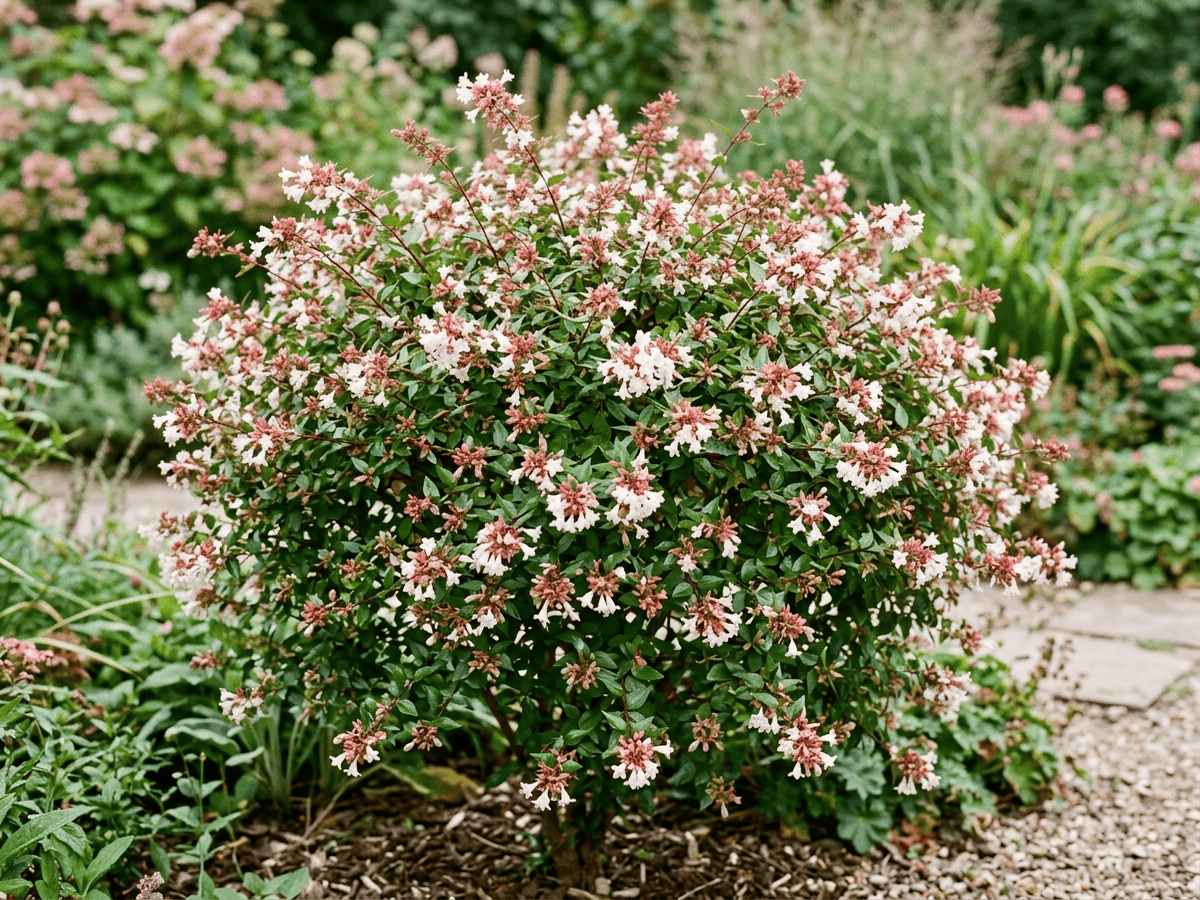 Chinese AbeliaAbelia chinensis
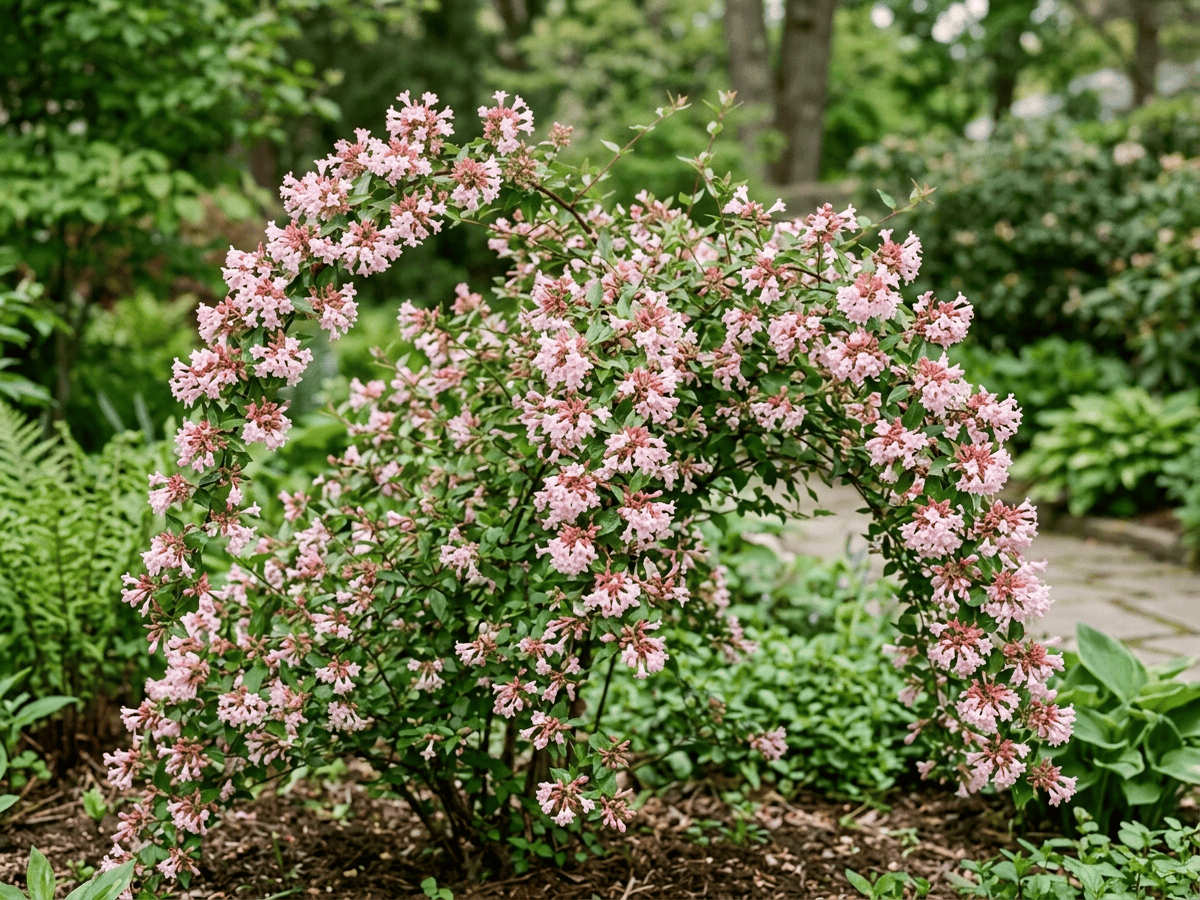 Fragrant AbeliaAbelia mosanensis
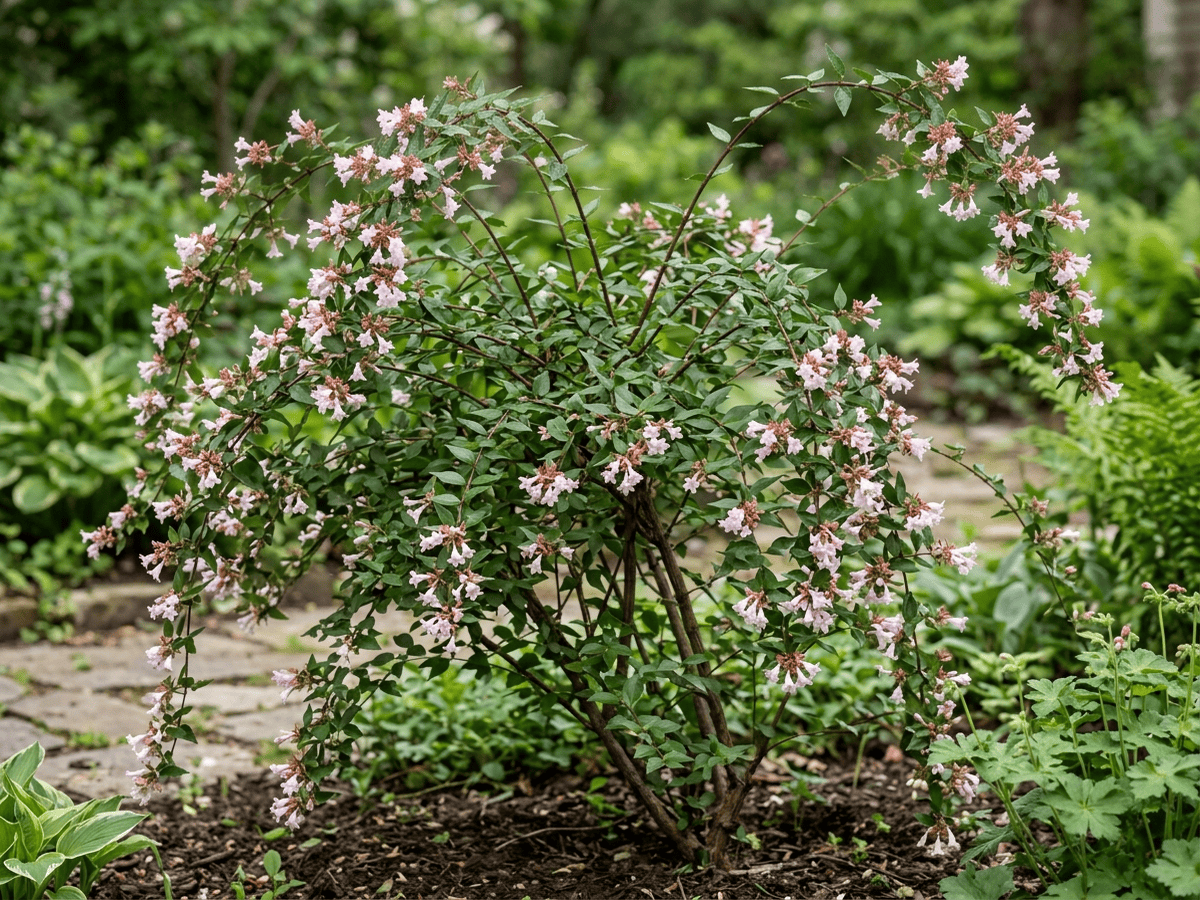 Large-Flowered AbeliaAbelia uniflora
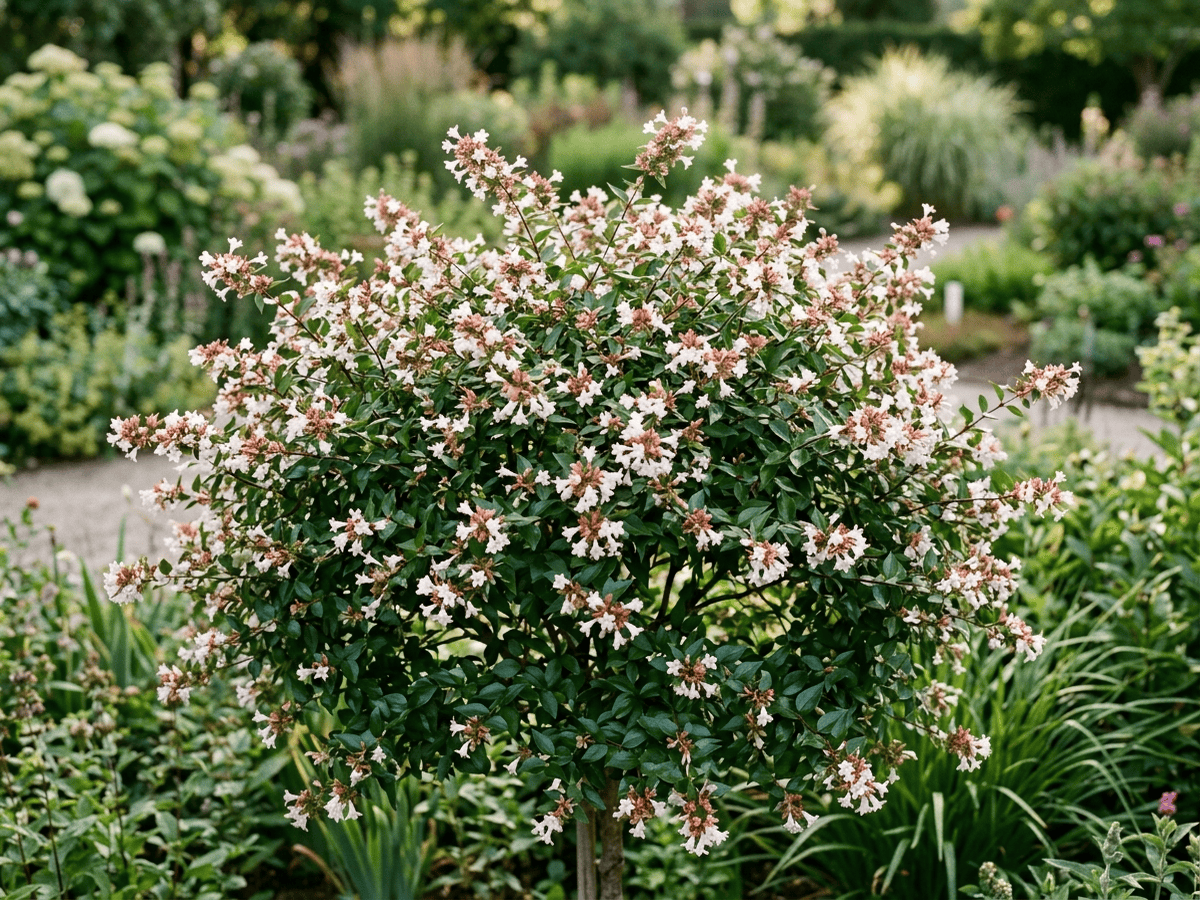 Glossy AbeliaAbelia x grandiflora
Frequently asked questions
How often should I water Purple Bergamot?
In summer, water about every 3 days; in winter, about every 14 days. Adjust for heat, pot size and drainage.
How much light does Purple Bergamot need?
Full sun: 6+ hrs direct. Watch the leaves — scorching or stretching means the light needs adjusting.
Is Purple Bergamot toxic to cats or dogs?
No toxicity has been reported for this plant. Still, it is wise to keep pets from chewing on any houseplant. Educational information, not medical or veterinary advice. If exposure is suspected, contact a doctor or veterinarian.
Is Purple Bergamot easy to grow?
Yes — it is considered an easy, beginner-friendly plant.
When does Purple Bergamot bloom?
It typically blooms Jun–Aug in the Northern Hemisphere.
YardMate
Identify any plant in seconds
Snap a photo — YardMate names the plant, diagnoses problems, and reminds you when to water.
Download on the App Store