 YardMate


Spotted Horsemint
Monarda punctata
Easy · Beginner friendlyAbout Spotted Horsemint
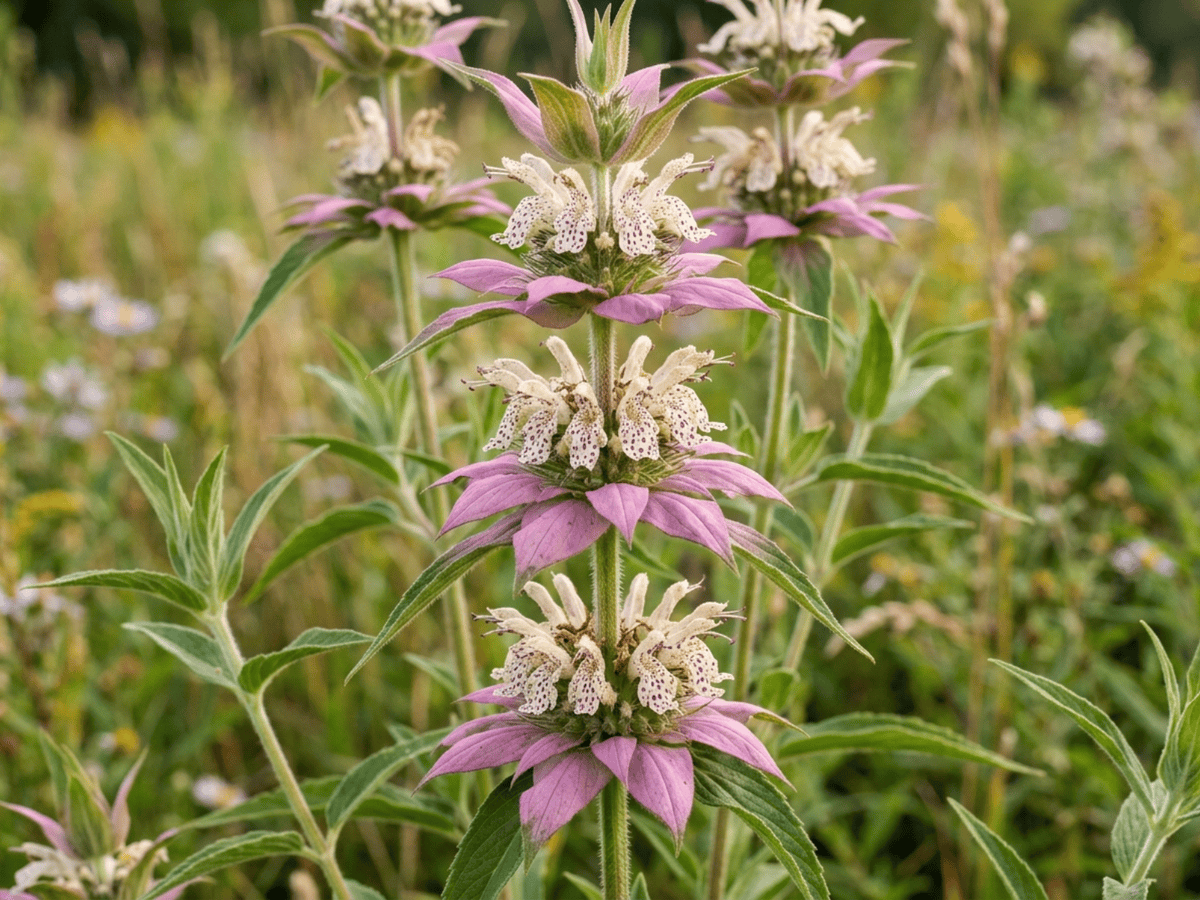
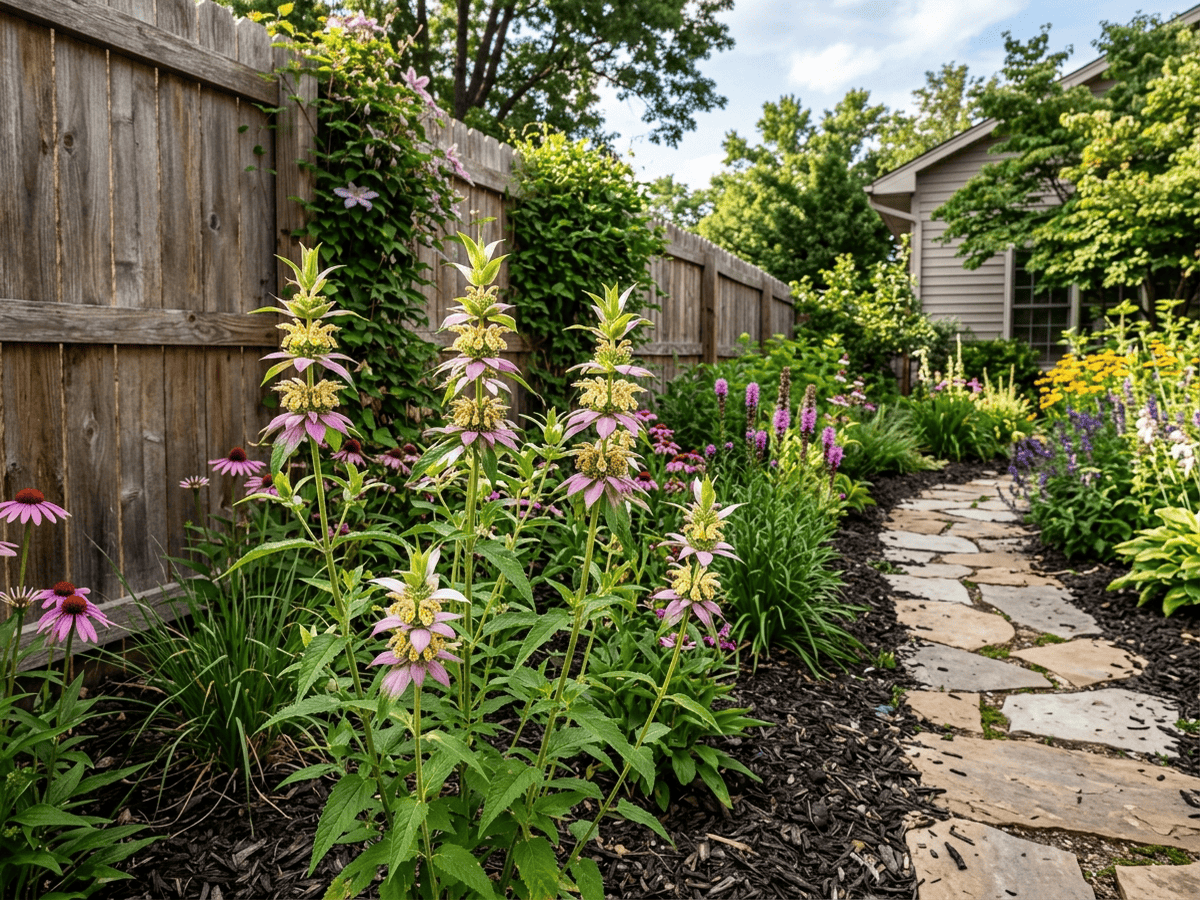
Spotted Bee Balm is a striking native American perennial ranging from the eastern seaboard to Texas, distinguished by its tiered whorls of pale yellow flowers spotted with purple, subtended by showy pink-to-lilac bracts. Growing 12-36 inches tall, it blooms in mid to late summer on aromatic stems. Extremely valuable to native pollinators, especially specialist bees, and a favorite of wildflower and pollinator garden designers.
- Fragrant
- Drought-tolerant
- Deer-resistant
- Native
How to care for Spotted Horsemint
Watering
- Springevery 7 days
- Summerevery 5 days
- Fallevery 10 days
- Winterpause watering
Soil · Well-draining
- Top dressingPine bark mulch10%
- Main mixPotting soil + perlite 2:170%
- DrainageLECA / gravel20%
Never skip the drainage layer — standing water is the top cause of root rot.
FERTILIZER
- Springevery 30 days
- Summerevery 30 days
At a Glance
- NativeNorth America
- Height1–3 ft (0.3–0.9 m)
- Spread1–2 ft (0.3–0.6 m)
- Flower colorYellow, Pink, Purple
- Foliage colorGreen
- SoilSandy, Well-drained
- LocationsYard
Bloom time
BLOOM CYCLE
Peak bloom
Jul–Sep
Tiered yellow-and-pink bracts July to September
Fragrance
STRONG FRAGRANCE
The foliage has a thyme-like, oregano-like scent.
Toxicity
Humans Slight · Pets Slight
thymol and carvacrol
Slight
- Leaf
- Contact
- Ingestion
EXPOSURE Touching leaves. Eating leaves.
EFFECT Mild skin irritation and gI upset in large doses.
NOTE Traditionally medicinal; essential oil can irritate in concentrated form.
Slight
- All
- Ingestion
EXPOSURE Eating any part of the plant.
EFFECT Mild vomiting.
NOTE Traditionally medicinal; essential oil can irritate in concentrated form.
Slight
- All
- Ingestion
EXPOSURE Eating any part of the plant.
EFFECT Mild vomiting.
NOTE Traditionally medicinal; essential oil can irritate in concentrated form.
Educational information, not medical or veterinary advice. If exposure is suspected, contact a doctor or veterinarian.
DISTRIBUTION


- Native
- North America
History

Monarda punctata ranges across eastern and central North America in sandy soils. Linnaeus named it in 1753 honoring 16th-century Spanish physician Nicolás Monardes, who authored an important early treatise on New World medicinal plants. The species is unusually rich in thymol—the antimicrobial phenol found in thyme—and became a commercial pharmaceutical crop in the late 19th and early 20th centuries for oil of horsemint, used in cough preparations and antiseptics.
Indigenous peoples including the Meskwaki used it for colds, bronchitis, and digestive complaints. Its distinctive multi-tiered whorls of pale yellow bracts with purple spots attract specialized wasps and solitary bees. Modern native-plant gardens include it for both pollinator value and ornamental interest. Native from Quebec to Florida and west to Texas. The Meskwaki and other tribes used it ceremonially. An ecologically important plant hosting specialist bee species.
Symbolism & meaning
What It Symbolizes
Spotted Horsemint is harmony built in rings. Pale bracts, dotted flowers, and aromatic leaves gather pollinators into layered whorls, each level holding its own small traffic. Its cultural history is deep, but in the garden its meaning is cooperative structure: many small parts making one fragrant summer tower.
- Healing — traditional Indigenous medicinal plant
- Harmony — cooperative flowering in tiered whorls
Where the Name Comes From
Genus honors Nicolás Monardes, 16th-century Spanish physician and botanist; 'punctata' means 'spotted'.
Uses & Fun Facts
- Aromatic foliage rich in thymol used by Indigenous herbalists
- Crushed leaves release strong oregano-thyme scent
- Tiered whorls feed specialist bees and predatory wasps
- Striking pink-bracted spotted flowers in dry meadows
Related plants
More Monarda plants
 Eastern BeebalmMonarda bradburiana
 Lemon BeebalmMonarda citriodora
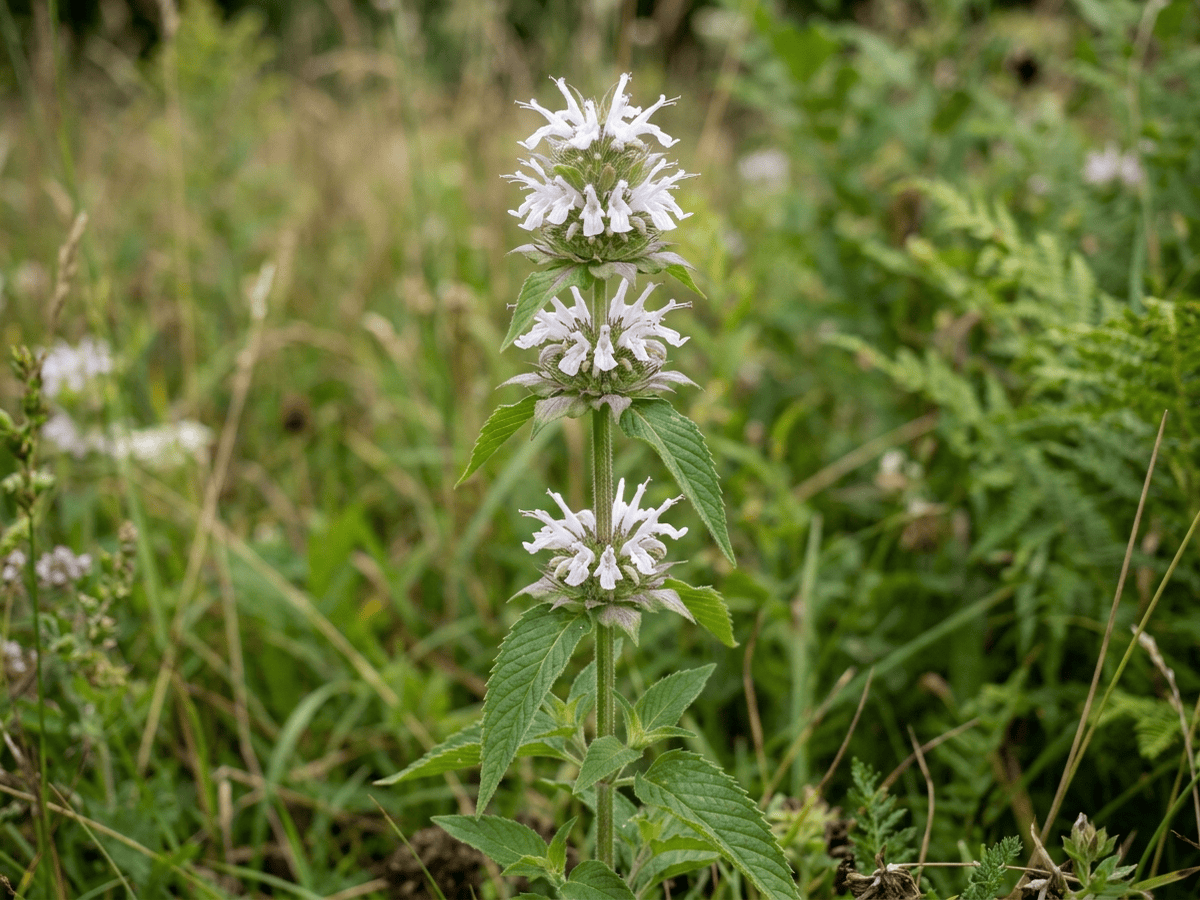 White BergamotMonarda clinopodia
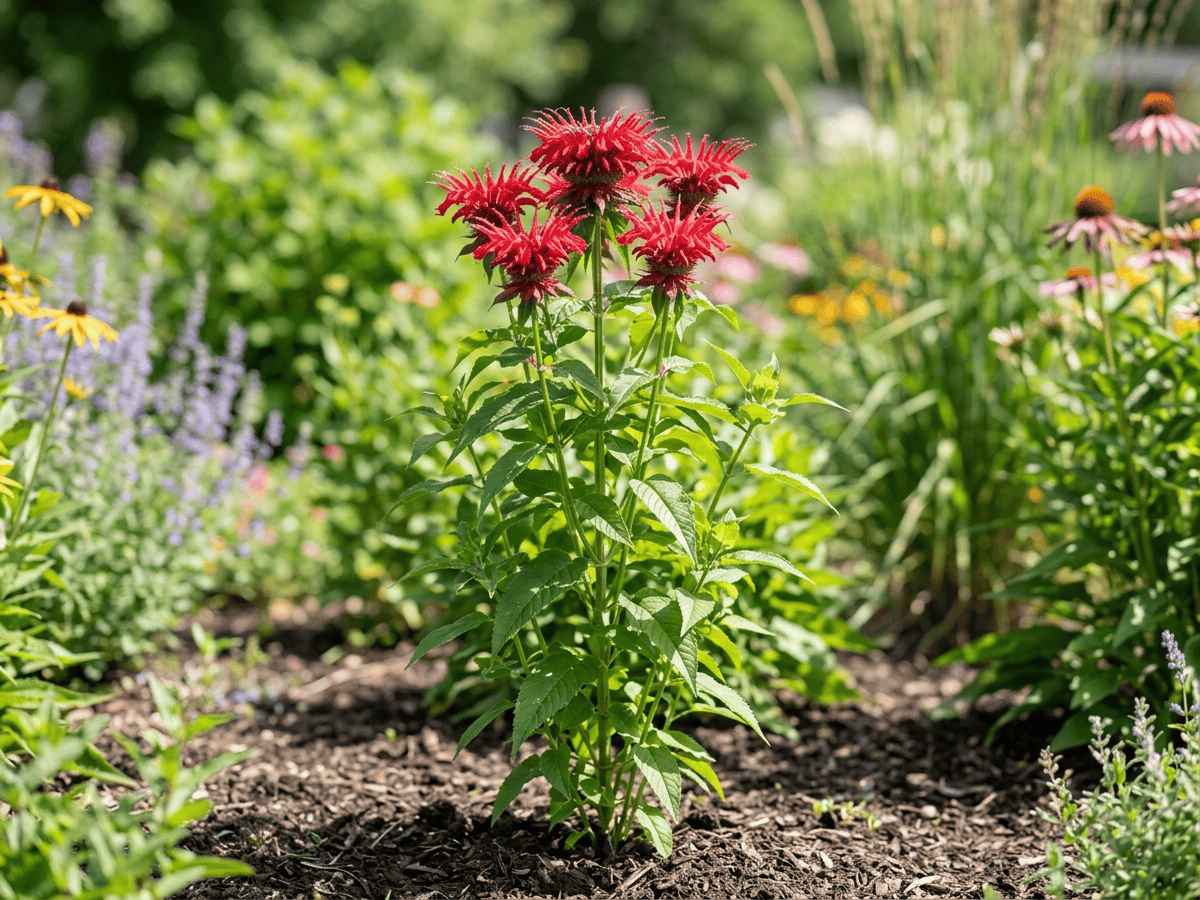 Scarlet BeebalmMonarda didyma
Plants with similar care
 Chinese AbeliaAbelia chinensis
 Fragrant AbeliaAbelia mosanensis
 Large-Flowered AbeliaAbelia uniflora
 Glossy AbeliaAbelia x grandiflora
Frequently asked questions
How often should I water Spotted Horsemint?
Water about every 7 days during the growing season, and always let excess water drain away.
How much light does Spotted Horsemint need?
Full sun: 6+ hrs direct. Watch the leaves — scorching or stretching means the light needs adjusting.
Is Spotted Horsemint toxic to cats or dogs?
Pets Slight (Dogs Slight · Cats Slight) Educational information, not medical or veterinary advice. If exposure is suspected, contact a doctor or veterinarian.
Is Spotted Horsemint easy to grow?
Yes — it is considered an easy, beginner-friendly plant.
When does Spotted Horsemint bloom?
It typically blooms Jul–Sep in the Northern Hemisphere.
YardMate
Identify any plant in seconds
Snap a photo — YardMate names the plant, diagnoses problems, and reminds you when to water.
Download on the App Store