 YardMate
Laniata Monstera
Monstera adansonii laniata
Hard · Experienced growersAbout Laniata Monstera
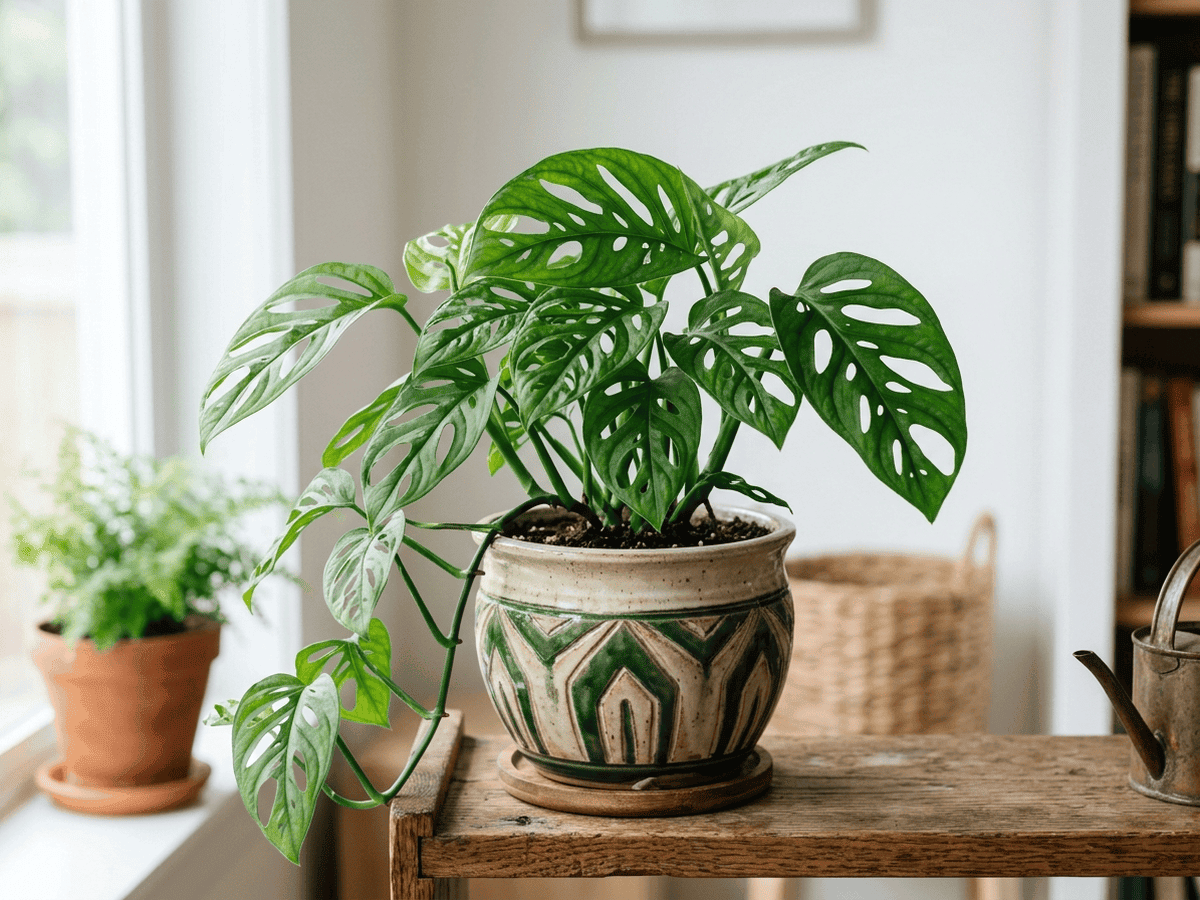
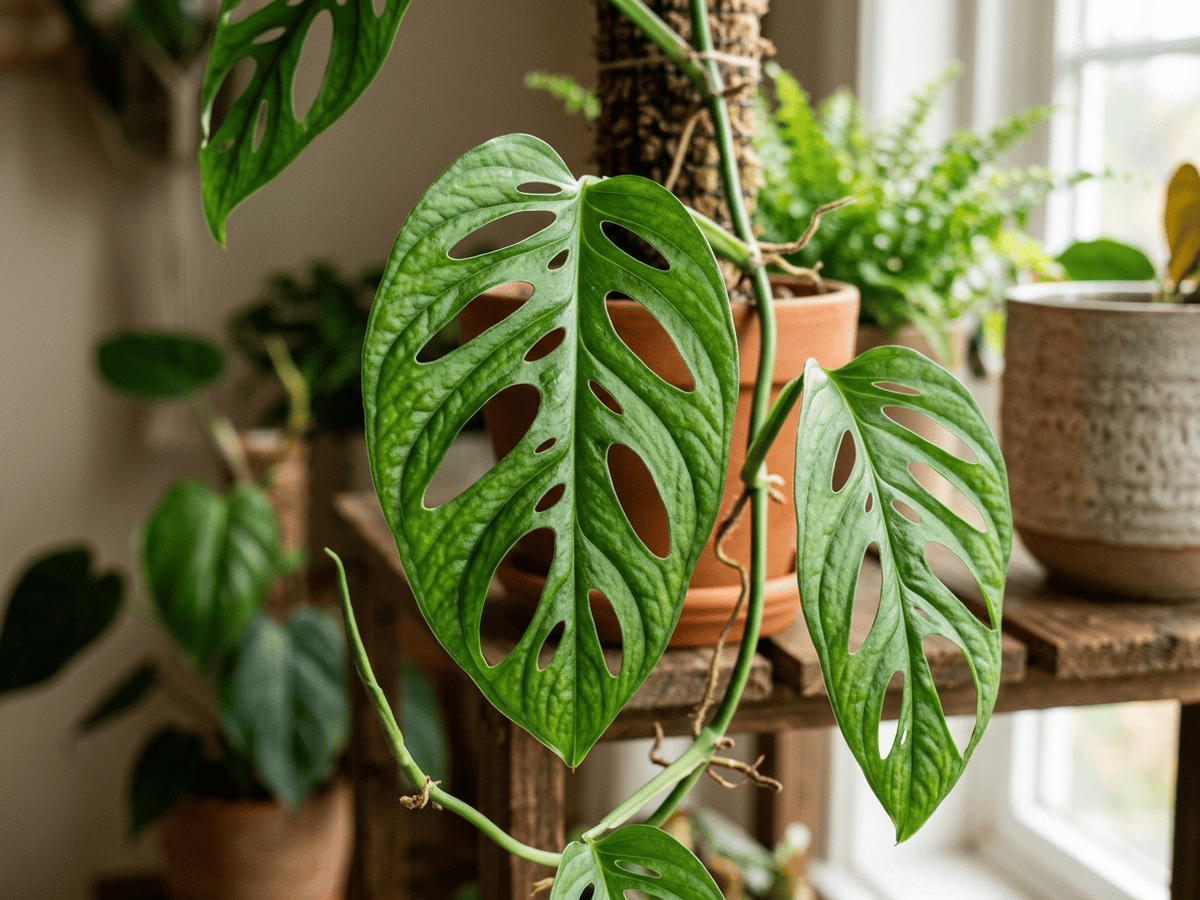
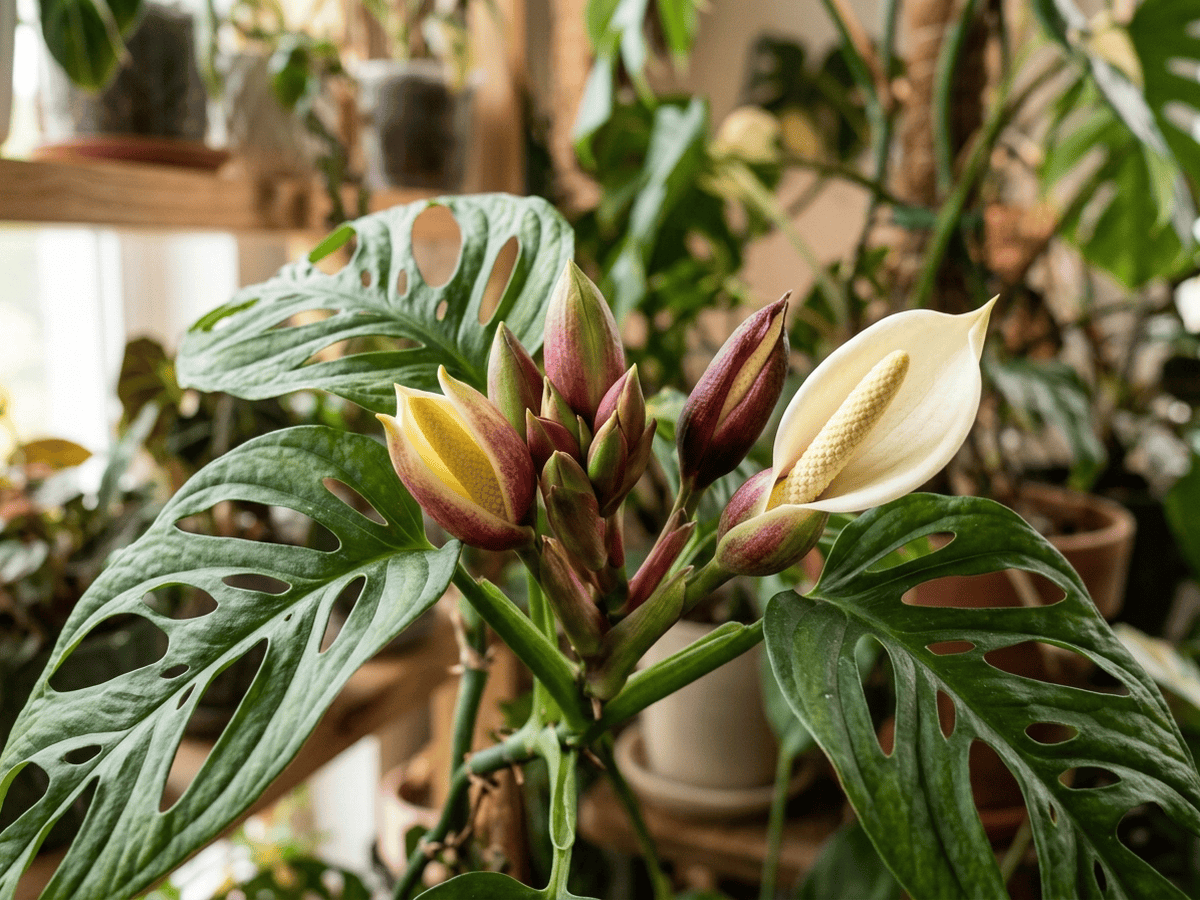
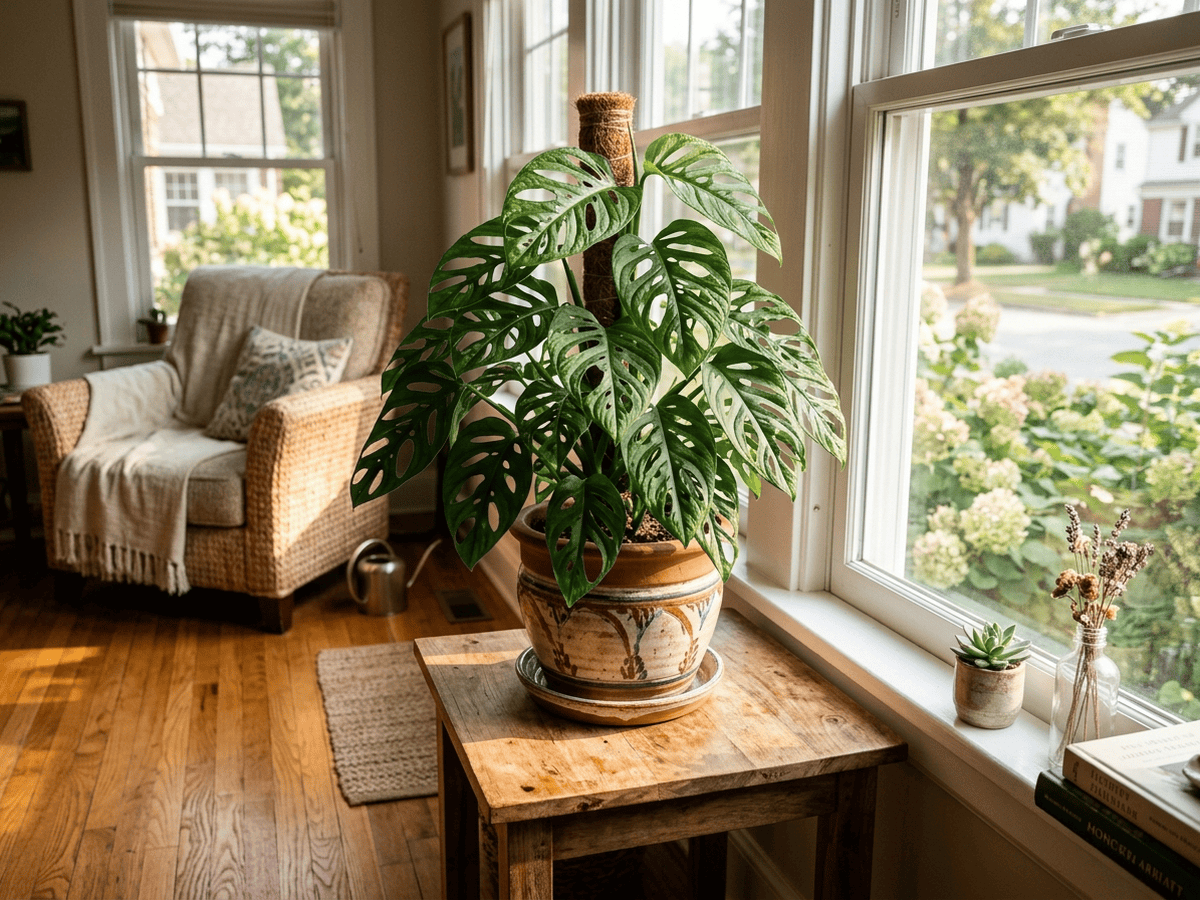
Monstera adansonii subsp. laniata is a climbing tropical vine native to the Andean foothills of western Colombia, Ecuador, and Peru—a subspecies distinguished by its woolly, densely pubescent spathe, the hood-like floral covering from which its Latin name derives. The fenestrated leaves are somewhat narrower and more elongated than the nominate adansonii form, and the plant climbs vigorously by aerial roots. Like the other Swiss Cheese Vine subspecies, Laniata Monstera thrives in filtered light and high humidity, tolerates containers well, and makes a compact but lush indoor climber. Its woolly spathe—rarely seen in home cultivation—sets it apart botanically from the other adansonii subspecies.
- Evergreen
- Climbing
- Container-friendly
- Fast-growing
- Shade-tolerant
How to care for Laniata Monstera
Watering
- Springevery 7 days
- Summerevery 7 days
- Fallevery 14 days
- Winterevery 14 days
Soil · Chunky & airy
- Top dressingBark chips10%
- Main mixBark + potting soil + perlite 1:1:170%
- DrainageLECA20%
Chunky pieces hold air pockets open so thick roots don't suffocate.
FERTILIZER
Foliage Feed 24-8-16
Nitrogen leads so the plant spends its energy on dense green growth. Phosphorus and potassium follow just far enough to keep roots and stems up to speed.
- Nitrogen · Leaves
- Phosphorus · Roots + Blooms
- Potassium · Strength
- Springevery 30 days
- Summerevery 30 days
At a Glance
- NativeCentral America, South America
- Height3–6 ft (0.9–1.8 m)
- Spread2–4 ft (0.6–1.2 m)
- Foliage colorGreen
- SoilWell-drained, Loamy
- LocationsIndoor · Balcony
Fragrance
NO FRAGRANCE
Foliage unscented; flowers rarely produced in cultivation.
Toxicity
Toxicity unknown
None reported
Unknown
EXPOSURE No exposure route is reported.
EFFECT No toxic effect is reported.
NOTE Toxicity for humans is not well documented; use caution until verified.
Unknown
EXPOSURE No exposure route is reported.
EFFECT No toxic effect is reported.
NOTE Toxicity for dogs is not well documented; use caution until verified.
Unknown
EXPOSURE No exposure route is reported.
EFFECT No toxic effect is reported.
NOTE Toxicity for cats is not well documented; use caution until verified.
Educational information, not medical or veterinary advice. If exposure is suspected, contact a doctor or veterinarian.
DISTRIBUTION


- Native
- Introduced
- Central America
- South America
History
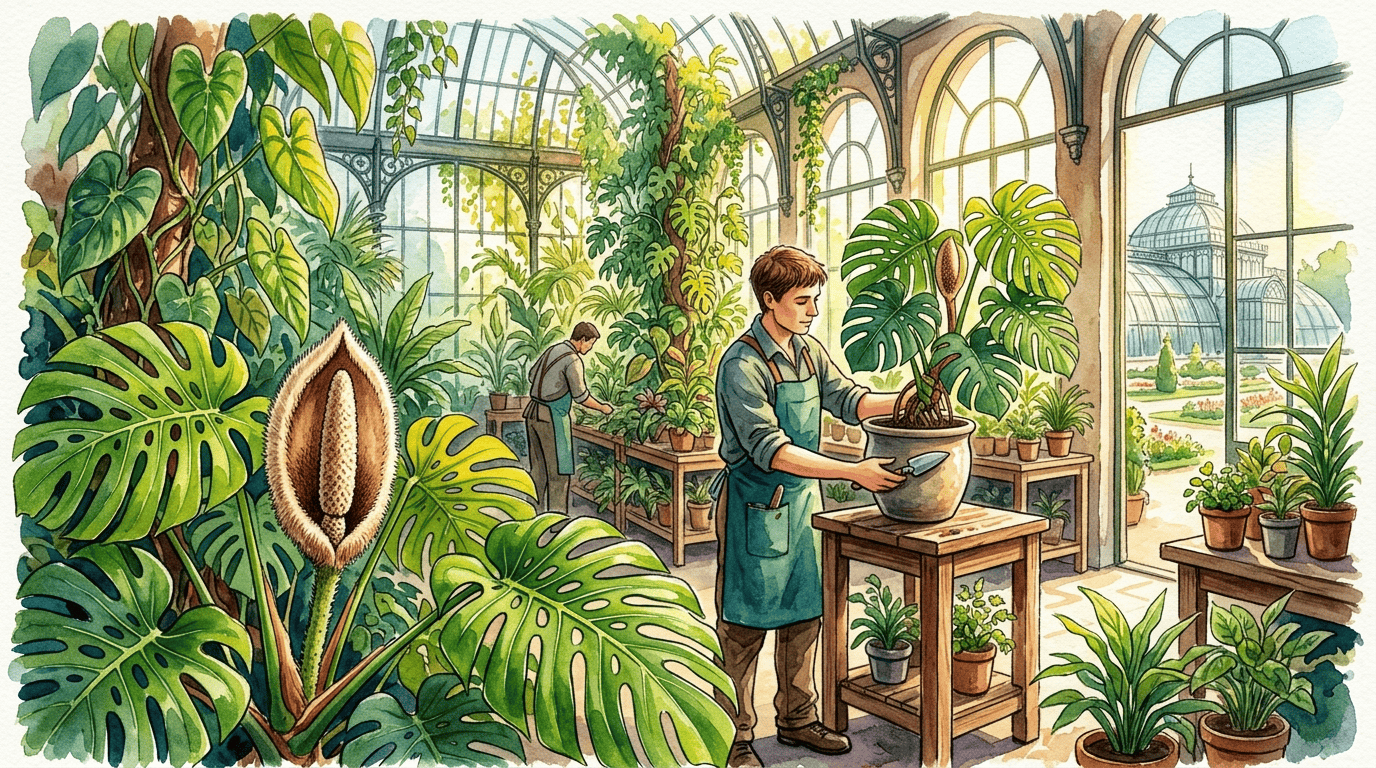
Heinrich Wilhelm Schott (1794–1865) was the foremost aroid specialist of the 19th century. As director of the Imperial Gardens of Schönbrunn in Vienna—the Habsburg court's great botanical estate—he had access to living plants and herbarium specimens from across the tropics, and he spent decades making systematic order of the Araceae, the great family of aroids. His two monumental works, Meletemata Botanica (1832) and Prodromus Systematis Aroidearum (1860), described hundreds of new species and established the taxonomic framework for the family that persists today.
Schott described Monstera adansonii laniata in 1857 from specimens collected in the Andean foothills of western South America. The subspecies name laniata—from the Latin lana, wool—refers to the distinctly woolly, densely pubescent spathe of the inflorescence, a hairy floral covering that separates it from the glabrous or lightly pubescent spathes of the other adansonii subspecies. It is a quiet distinguishing detail: the same fenestrated leaves, the same climbing habit, but when the plant flowers, the spathe announces a difference.
Schott's method was precise and systematic in a way that the tropical collecting expeditions were not. He sat in Vienna, received specimens from explorers in South America, dissected flowers under magnifying glass, and found the details that separated one species from another—a woolly surface here, a different leaf shape there. His work on Monstera alone involved sorting through dozens of forms collected across Central and South America and imposing taxonomic order on what was, to most observers, simply a collection of large climbing plants with holey leaves.
Symbolism & meaning
What It Symbolizes
Schott never traveled to South America. He made his discoveries by sitting still and paying close attention to what others brought him. The woolly spathe—the detail that made laniata distinct—would have been invisible to anyone not looking specifically for it.
- hidden distinction — Laniata Monstera looks just like its relatives until it flowers—then the woolly spathe announces that something different is here, unseen until the right moment.
- systematic patience — Schott spent decades receiving specimens from distant places and finding what made each one particular—a model for the patient work of telling things apart.
Where the Name Comes From
Monstera derives from the Latin monstrum (wonder), referring to the extraordinary fenestrated leaves. The species adansonii honors the French botanist Michel Adanson (1727–1806). The subspecies name laniata comes from the Latin lana (wool), describing the distinctly woolly, densely pubescent spathe of its inflorescence—described by Heinrich Wilhelm Schott in 1857.
Uses & Fun Facts
- Rare climbing subspecies with fenestrated narrow leaves suited to moss poles and trellises; valued by collectors for its botanical distinction and Andean origin
- In native Andean foothill forests of Colombia, Ecuador, and Peru, climbs host trees as part of a rich cloud-forest understory community
Related plants
More Monstera plants
 Swiss Cheese-PlantMonstera adansonii
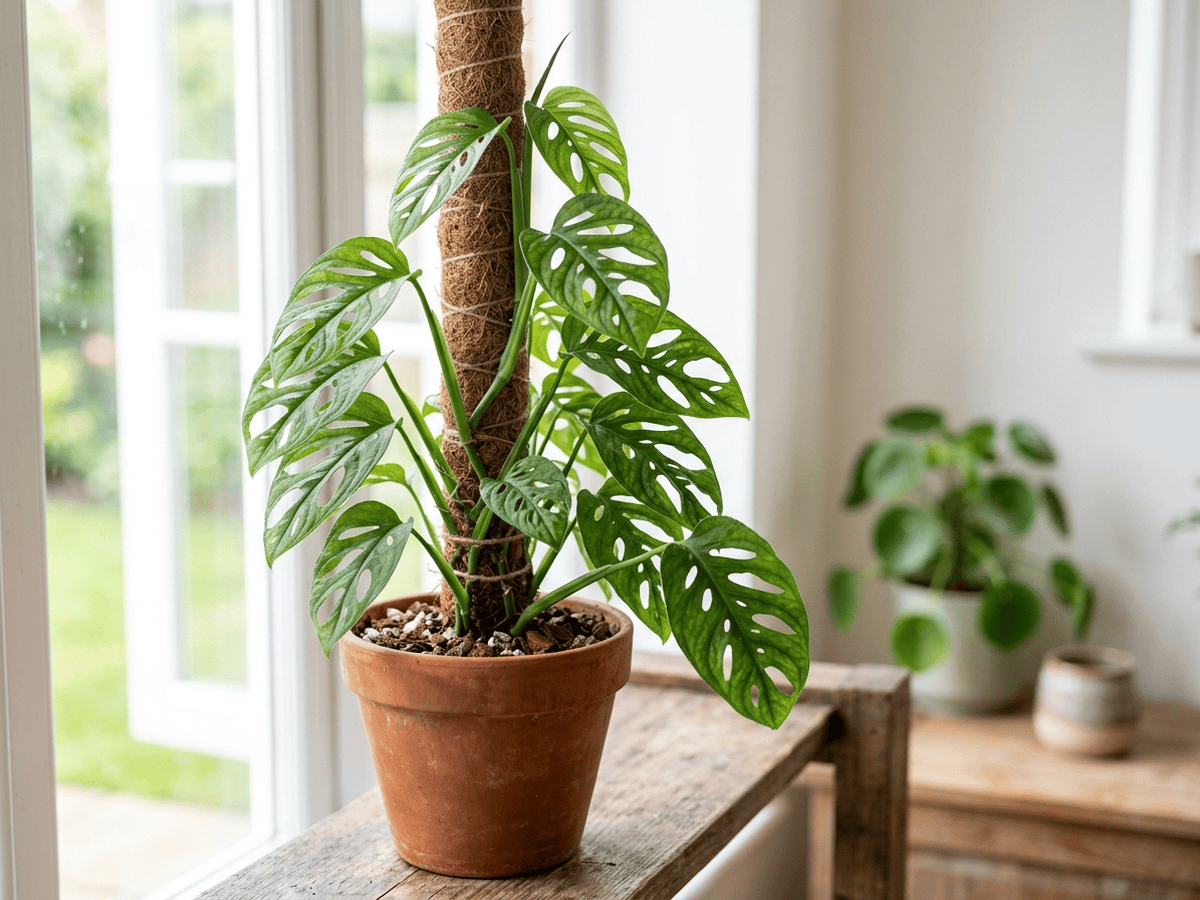 Swiss Cheese VineMonstera adansonii adansonii
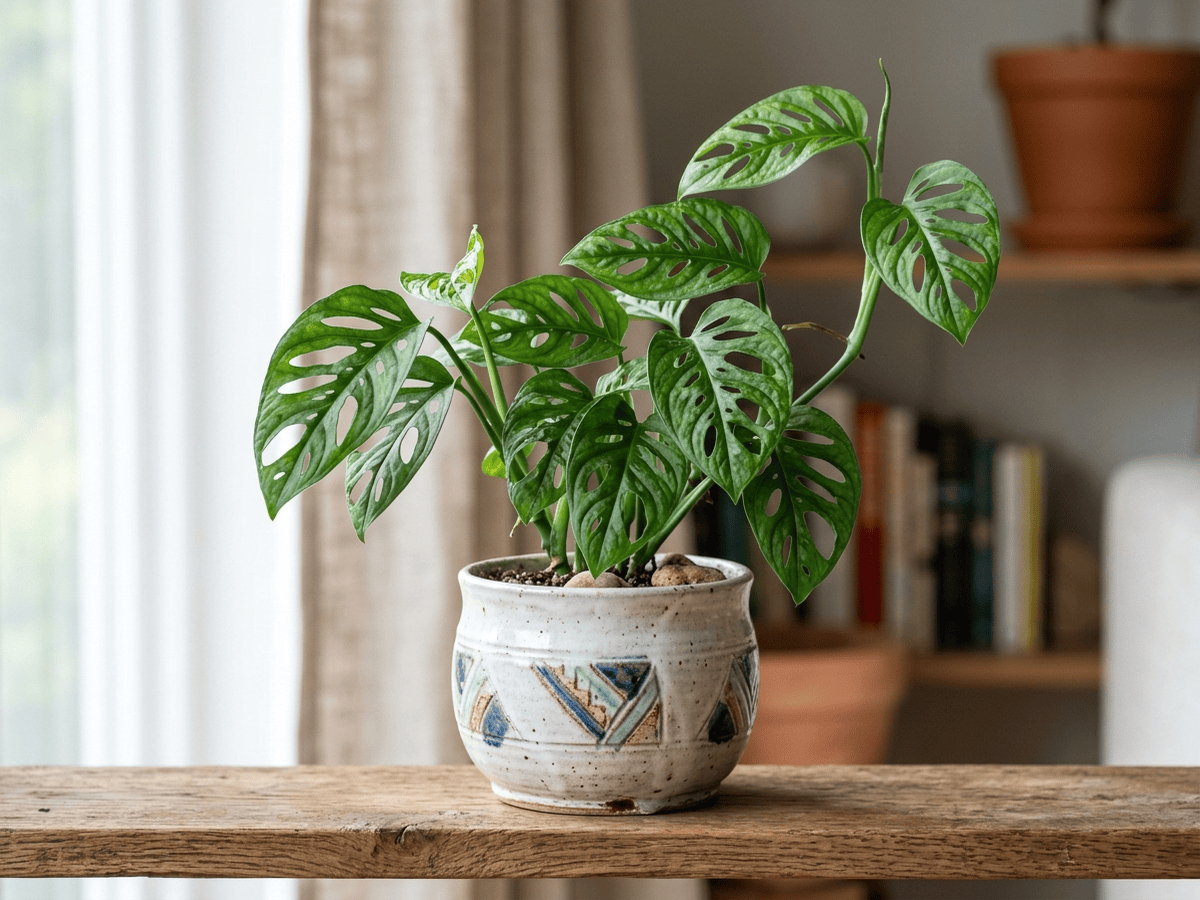 Blanchet's Swiss Cheese VineMonstera adansonii blanchetii
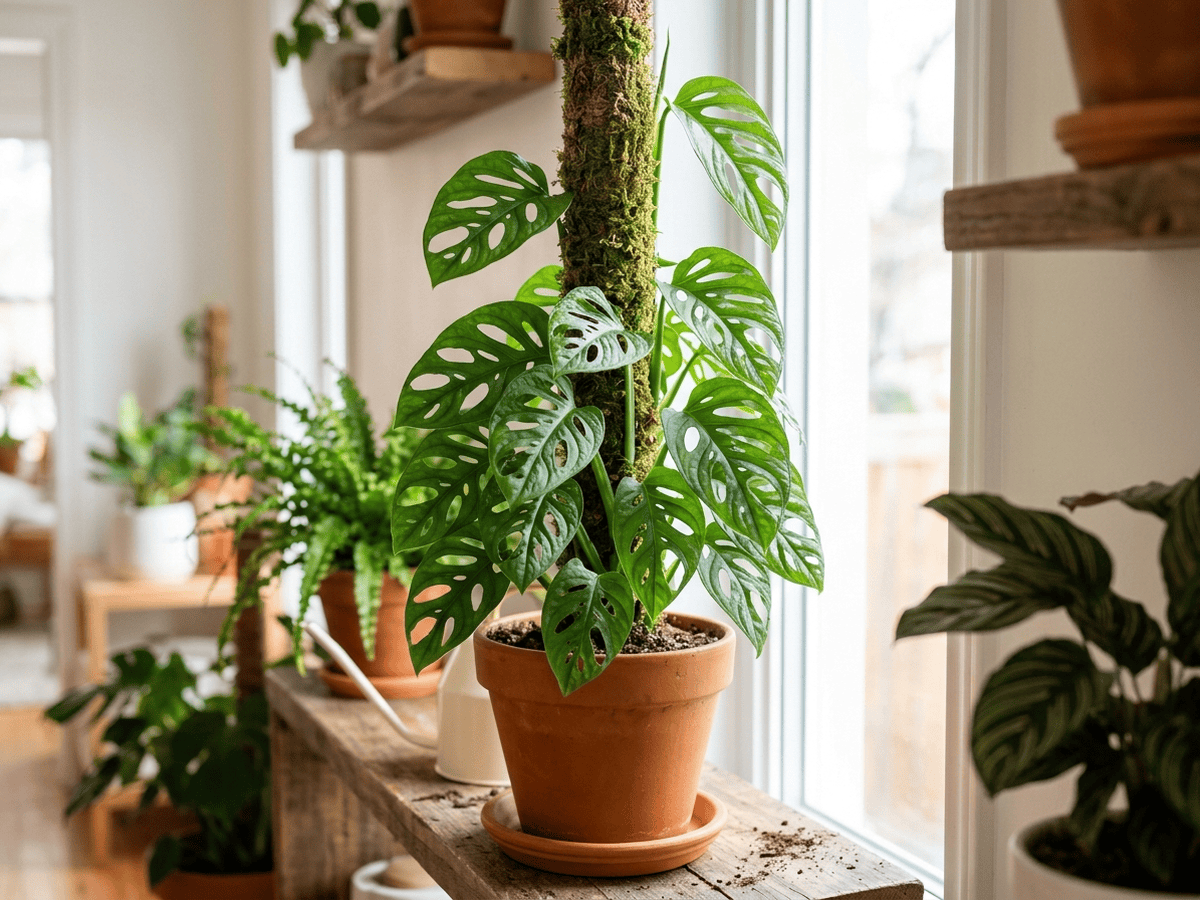 Klotzsch's Swiss Cheese VineMonstera adansonii klotzschiana
Plants with similar care
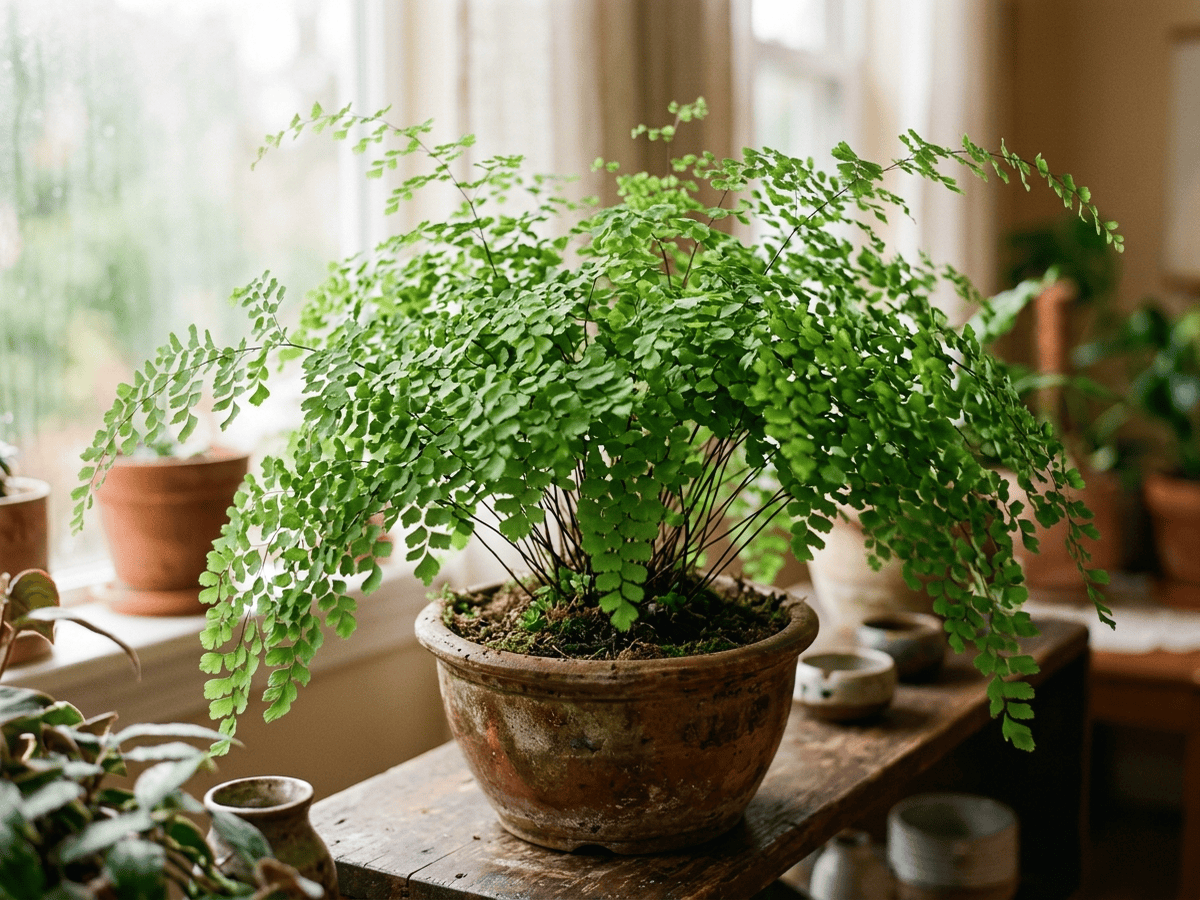 Delta Maidenhair FernAdiantum raddianum
 African Mask PlantAlocasia amazonica
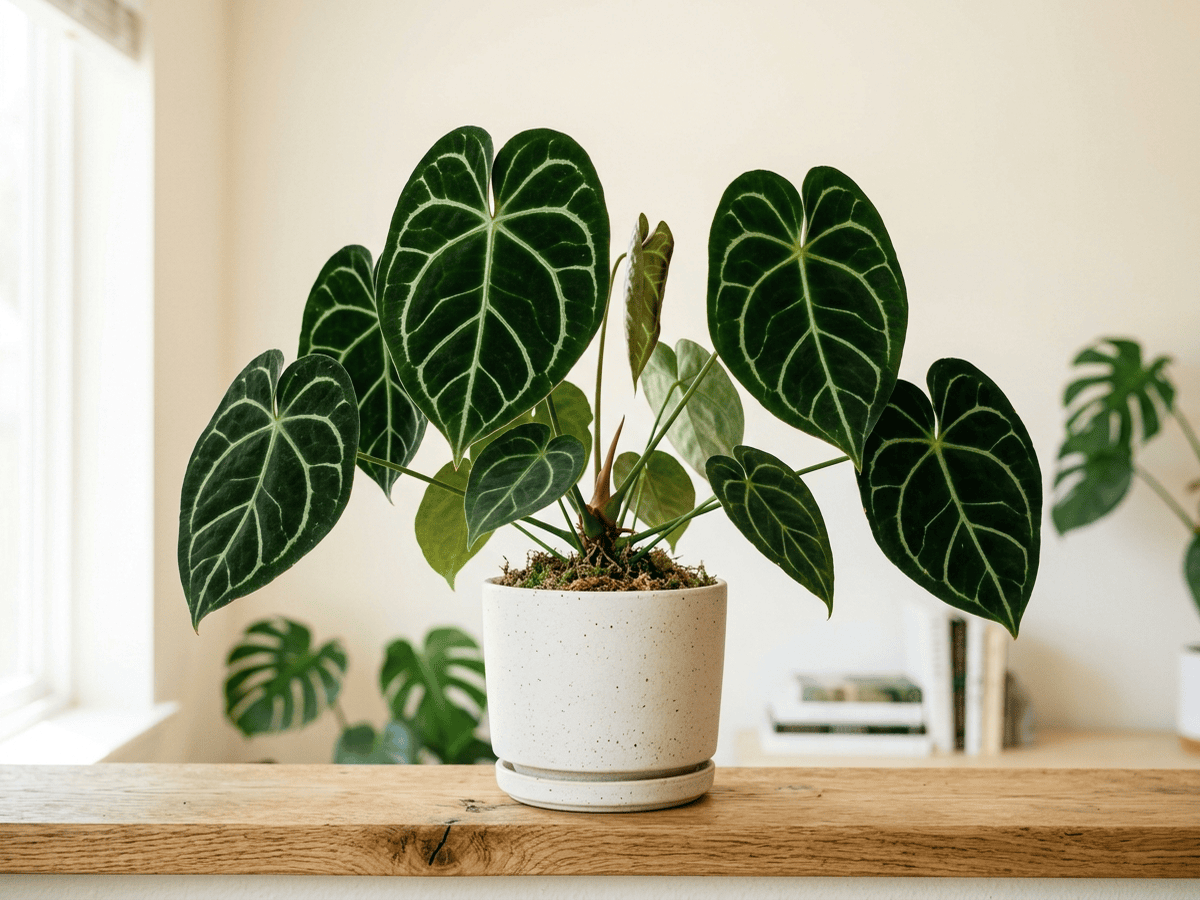 Anthurium clarinerviumAnthurium clarinervium
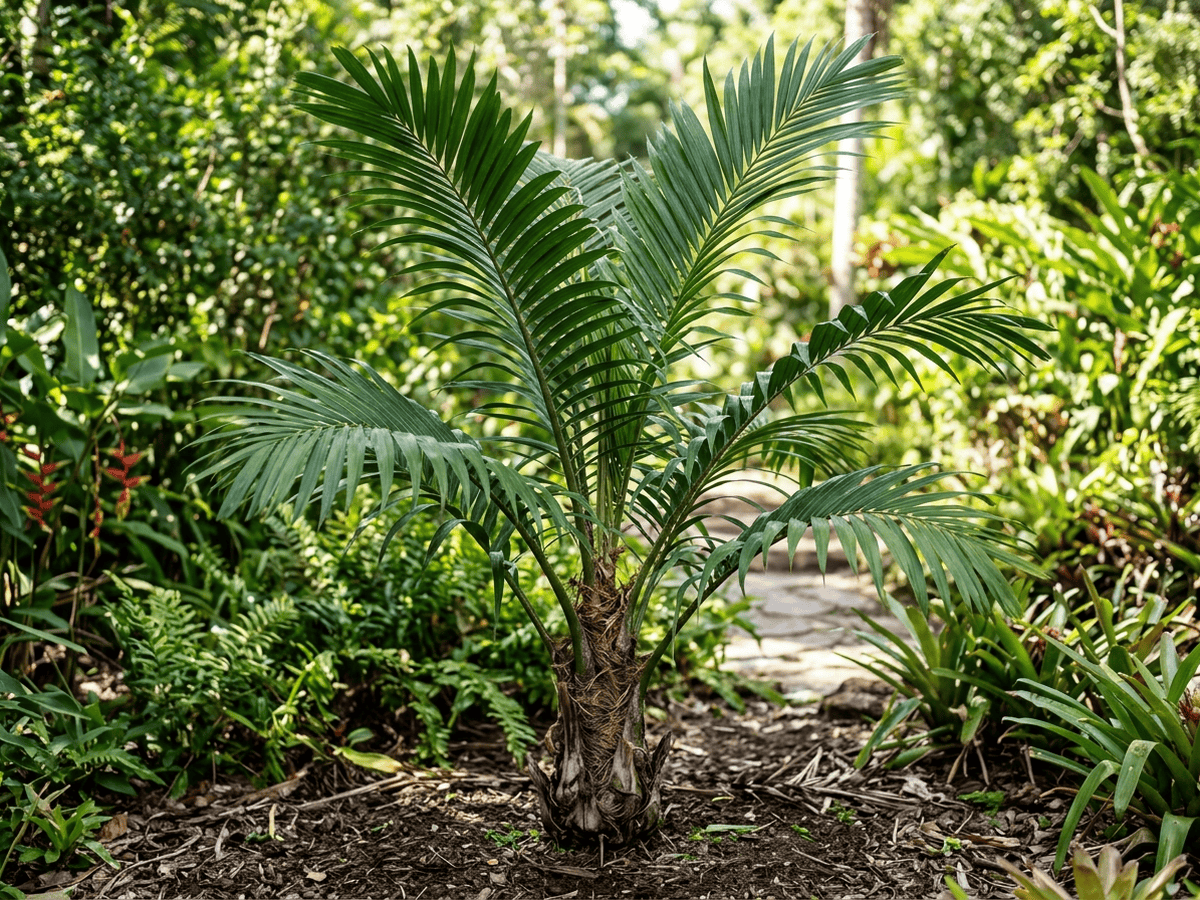 Formosa PalmArenga engleri
Frequently asked questions
How often should I water Laniata Monstera?
In summer, water about every 7 days; in winter, about every 14 days. Adjust for heat, pot size and drainage.
How much light does Laniata Monstera need?
Part shade: 2–4 hrs direct. Watch the leaves — scorching or stretching means the light needs adjusting.
Is Laniata Monstera toxic to cats or dogs?
Pets Unknown (Dogs Unknown · Cats Unknown) Educational information, not medical or veterinary advice. If exposure is suspected, contact a doctor or veterinarian.
Is Laniata Monstera easy to grow?
It is considered challenging and rewards experienced growers.
Can Laniata Monstera be grown indoors?
Yes, it adapts well to indoor growing given the right light.
YardMate
Identify any plant in seconds
Snap a photo — YardMate names the plant, diagnoses problems, and reminds you when to water.
Download on the App Store