 YardMate


Swiss Cheese-Plant
Monstera adansonii
Easy · Beginner friendlyAbout Swiss Cheese-Plant
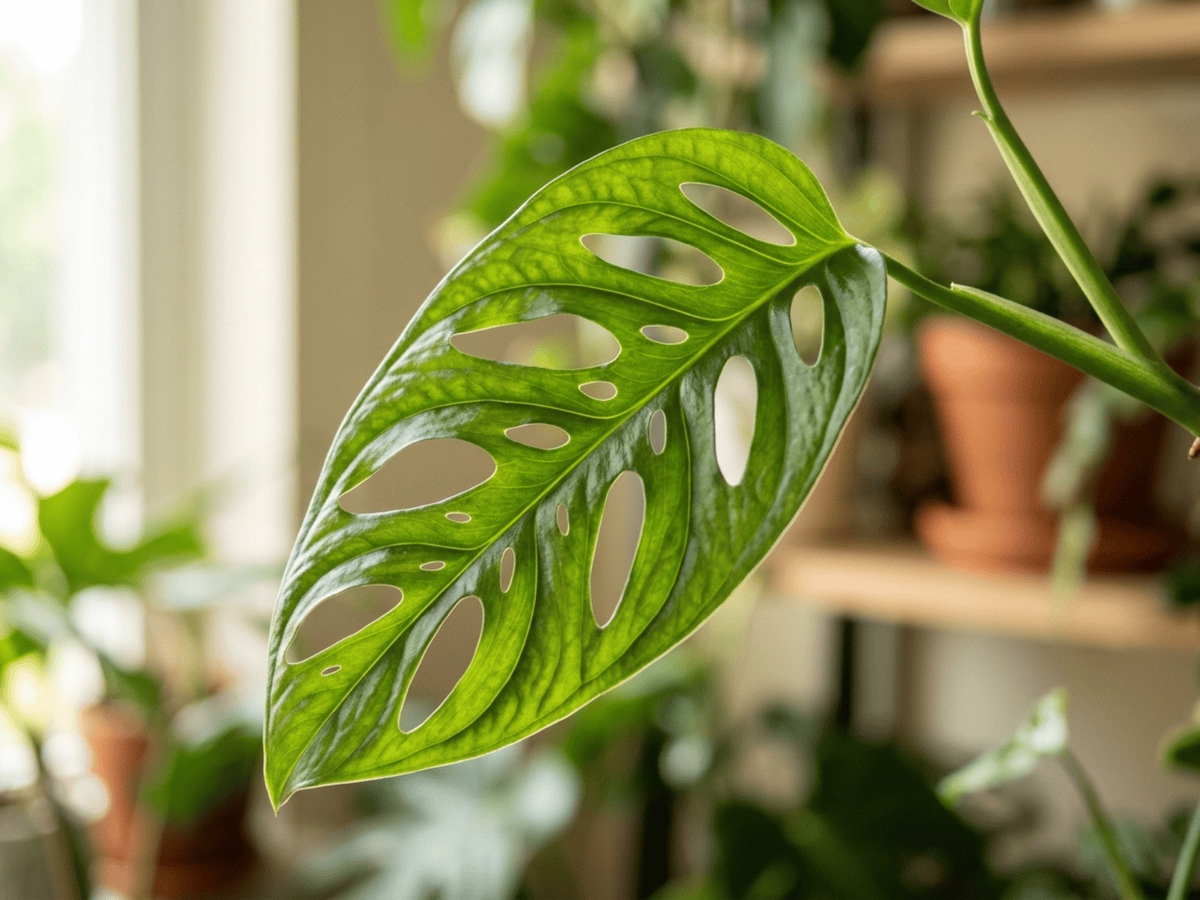
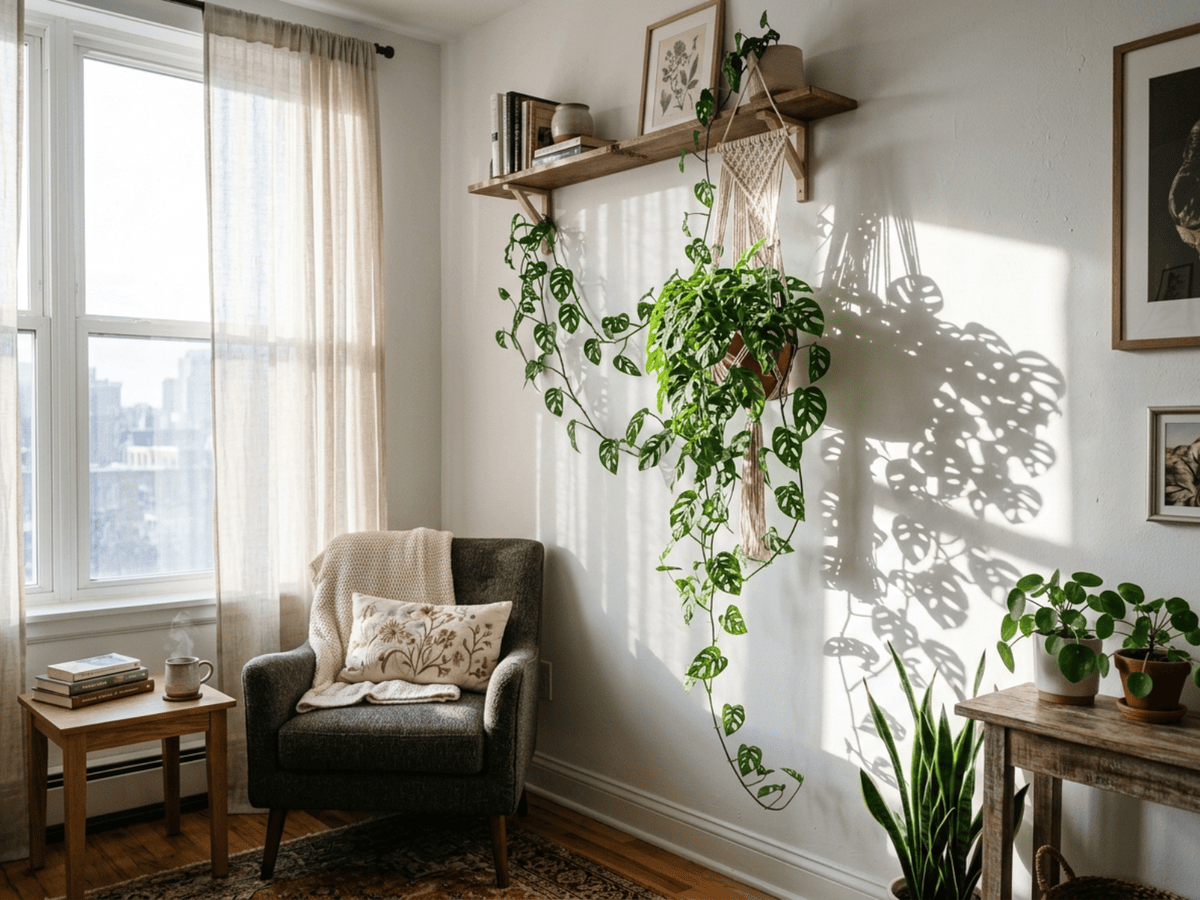
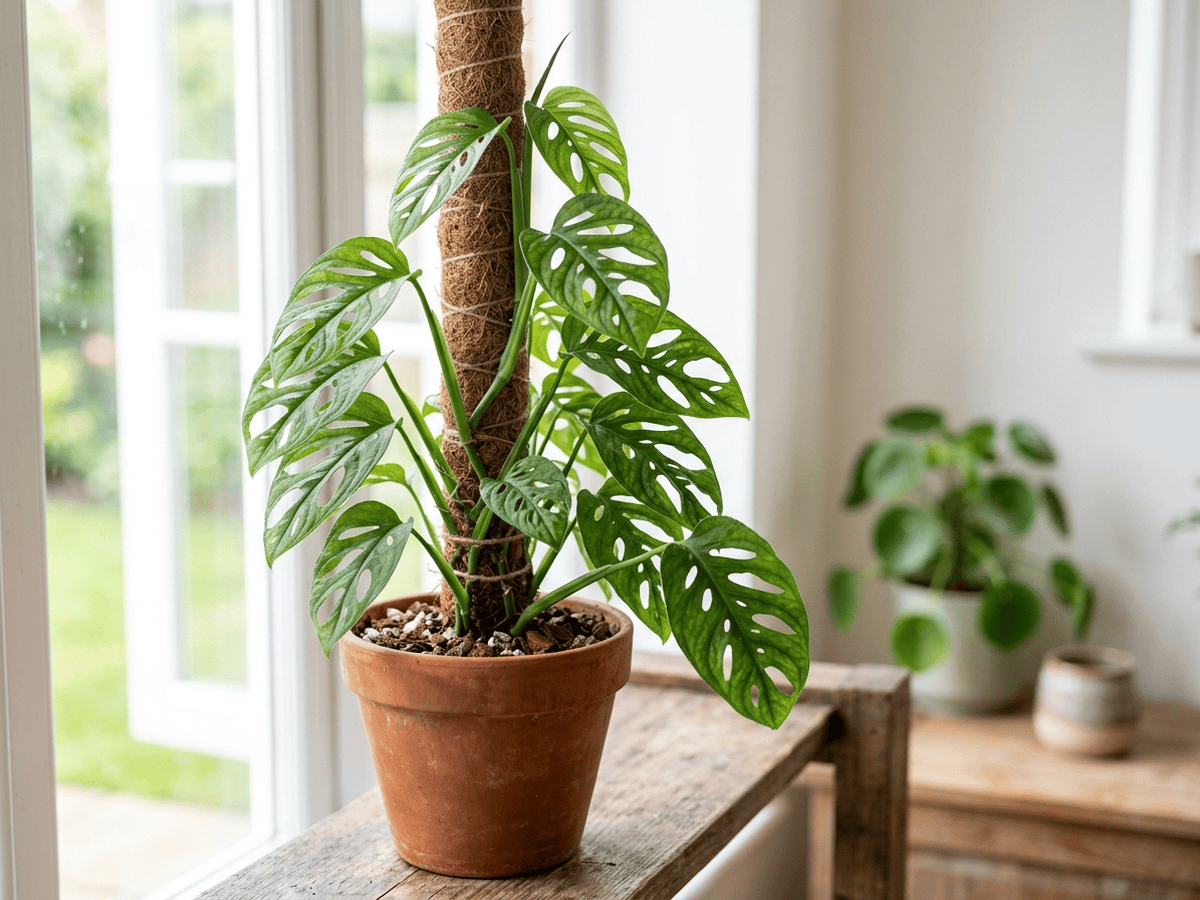
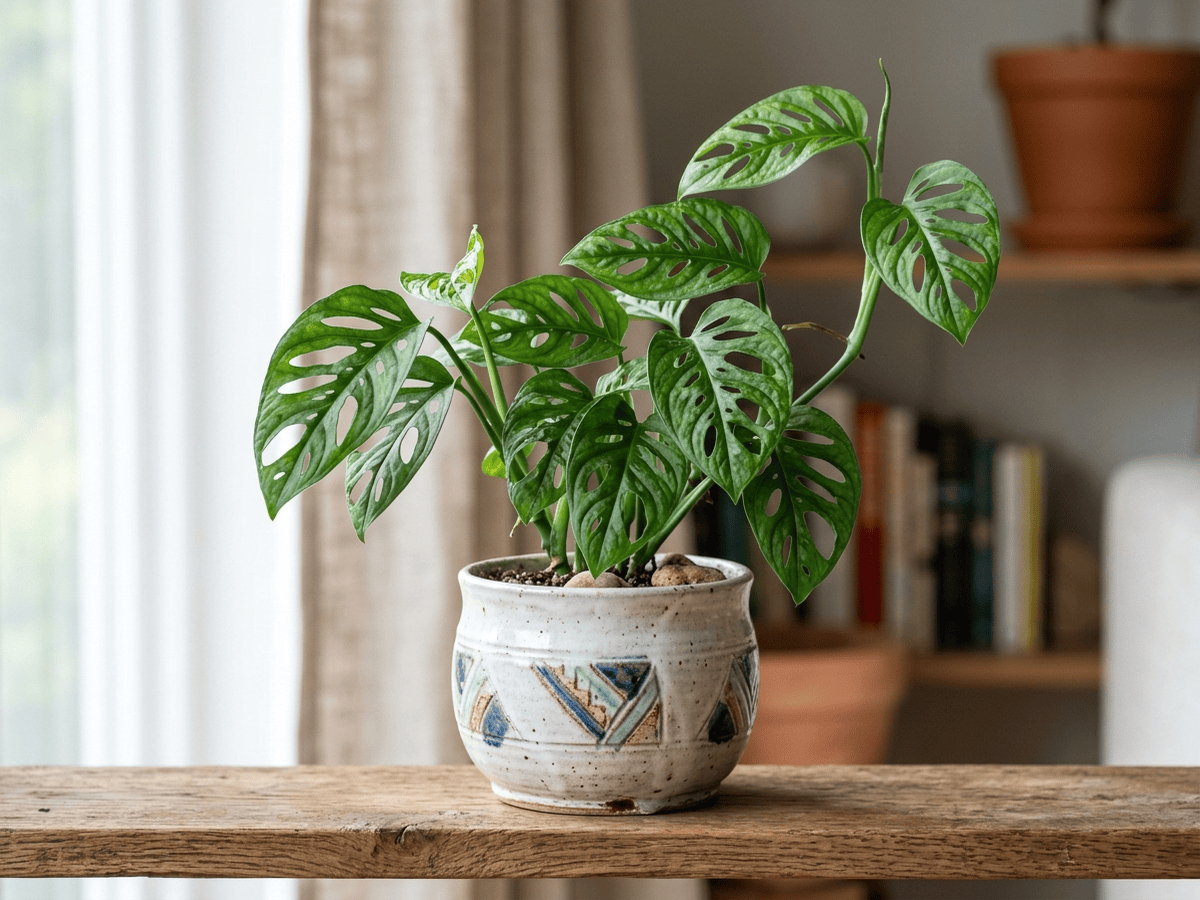
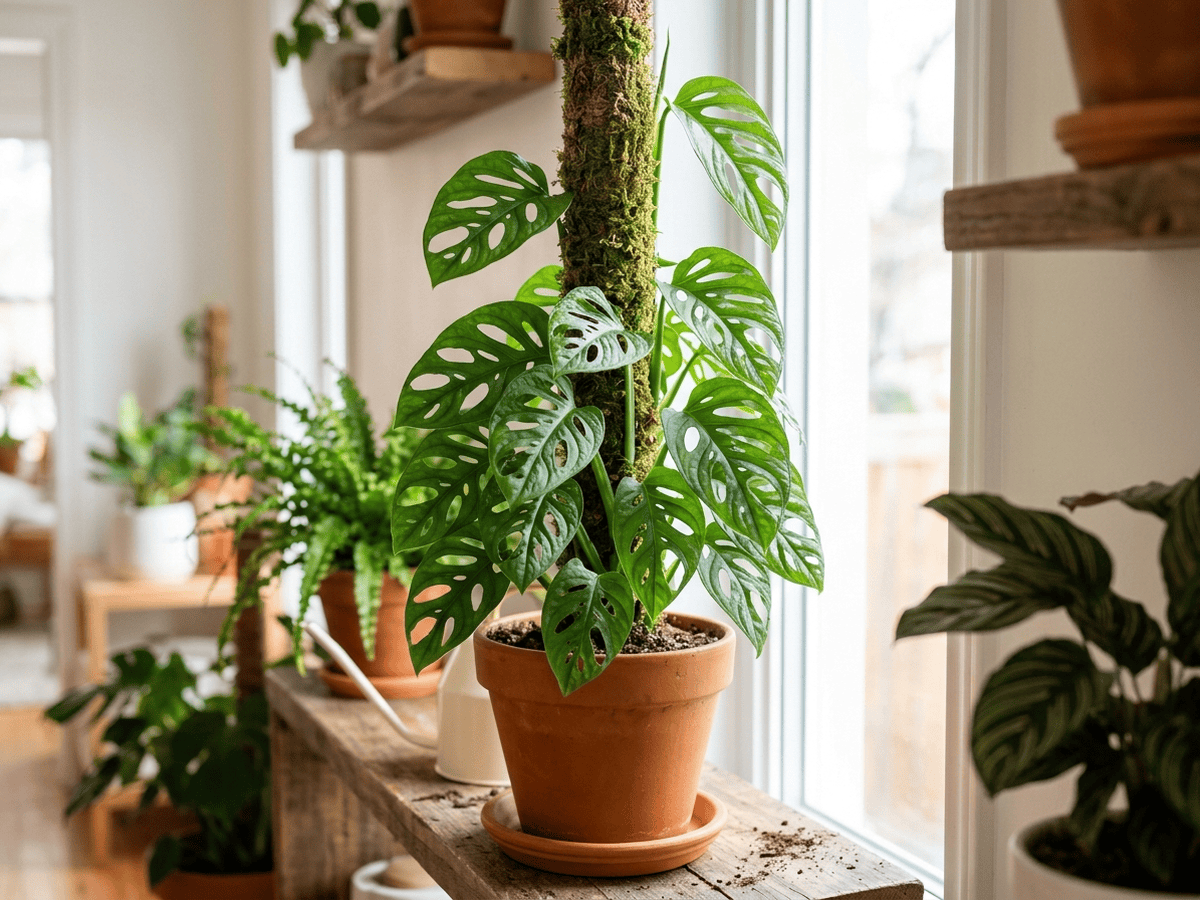
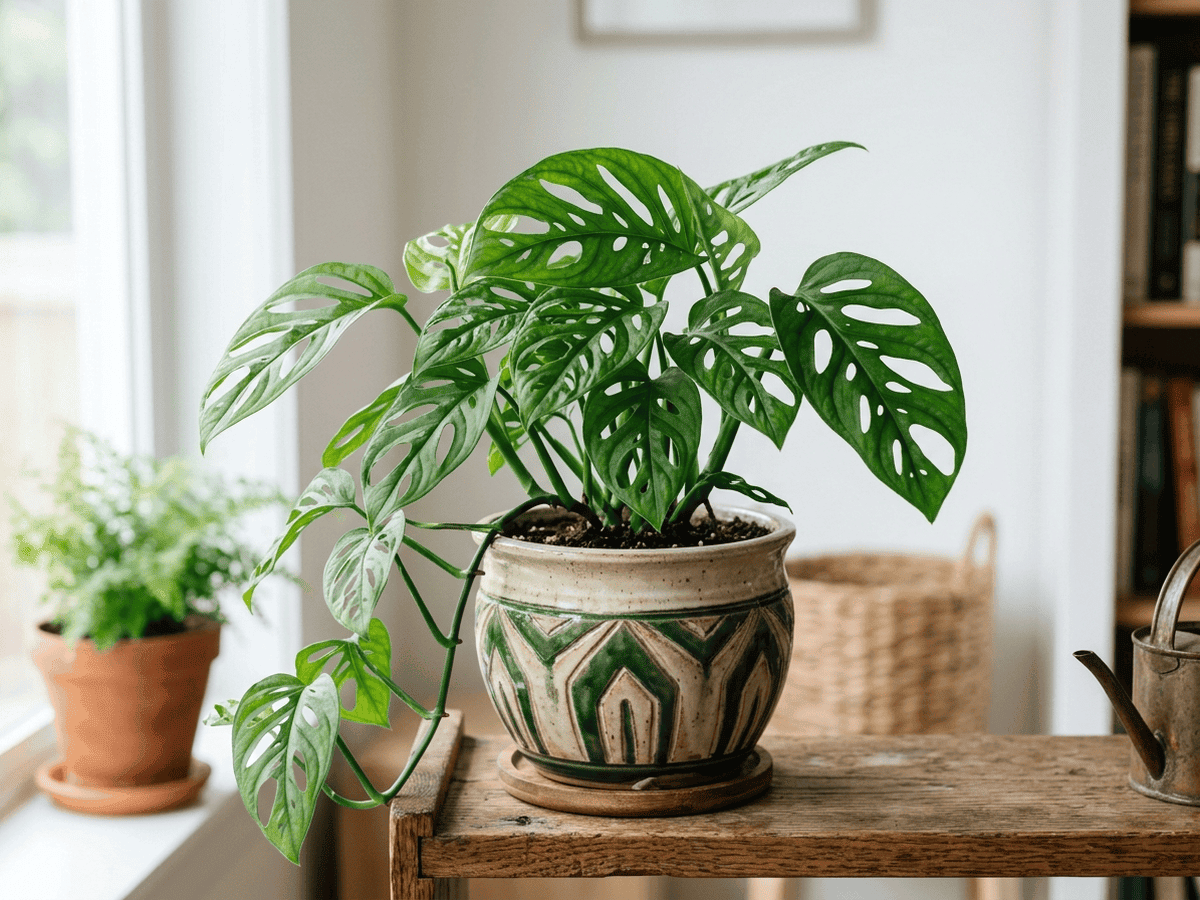
Swiss Cheese Vine is a charming tropical climber native to Central and South America, named for the distinctive oval holes (fenestrations) that develop in its heart-shaped leaves. Unlike its larger cousin Monstera deliciosa, this species retains more leaf tissue between its holes, creating an intricate lace-like pattern. The leaves are typically 6 to 12 inches long on mature plants, much smaller than M. deliciosa. It is a vigorous epiphytic climber that uses aerial roots to attach to trees in the wild, reaching over 60 feet into the canopy. As a houseplant, it grows beautifully in hanging baskets where the vines cascade elegantly, or trained up a moss pole where the leaves grow progressively larger. It thrives in bright indirect light with consistent moisture and high humidity. The plant grows rapidly and can produce several feet of new growth per year in good conditions. It has become one of the most popular houseplants of the 2020s, beloved for its quirky perforated leaves and easy-going nature.
- Climbing
- Fast-growing
How to care for Swiss Cheese-Plant
Watering
- Springevery 5 days
- Summerevery 4 days
- Fallevery 7 days
- Winterevery 14 days
Soil · Chunky & airy
- Top dressingBark chips10%
- Main mixBark + potting soil + perlite 1:1:170%
- DrainageLECA20%
Chunky pieces hold air pockets open so thick roots don't suffocate.
FERTILIZER
Balanced Feed 14-14-14
An even feed covers all three needs at once, keeping leaves, roots and blooms moving together with nothing pushed out of balance.
- Nitrogen · Leaves
- Phosphorus · Roots + Blooms
- Potassium · Strength
- Springevery 30 days
- Summerevery 30 days
- Fallevery 30 days
- Winterevery 60 days
At a Glance
- NativeNorth America, Central America, South America
- Height3–6 ft (0.9–1.8 m)
- Spread2–3 ft (0.6–0.9 m)
- Flower colorWhite, Cream
- Foliage colorGreen, Variegated
- SoilLoamy, Well-drained, Rich
- LocationsIndoor · Balcony
Bloom time
BLOOM CYCLE
Rarely blooms indoors; small cream spadix if it does
Fragrance
NO FRAGRANCE
No notable fragrance.
Toxicity
Humans Moderate · Pets Moderate
insoluble calcium oxalate raphides
Moderate
- All
- Ingestion
EXPOSURE Eating any part of the plant.
EFFECT Calcium oxalate oral burning and irritation.
NOTE Documented concern for humans: Calcium oxalate oral burning and irritation.
Moderate
- Leaf
- Stem
- Ingestion
EXPOSURE Eating leaves and stems.
EFFECT Oral pain, drooling, vomiting.
NOTE ASPCA lists Monstera adansonii as toxic to dogs and cats (under common name "Swiss cheese plant").
Moderate
- Leaf
- Stem
- Ingestion
EXPOSURE Eating leaves and stems.
EFFECT Same as dogs — calcium oxalate toxicity.
NOTE ASPCA lists Monstera adansonii as toxic to dogs and cats (under common name "Swiss cheese plant").
Educational information, not medical or veterinary advice. If exposure is suspected, contact a doctor or veterinarian.
DISTRIBUTION


- Native
- Introduced
- North America
- Central America
- South America
History
Monstera adansonii is a climbing tropical aroid native to a broad tropical American range — from southern Mexico through Central America, the Caribbean, and into much of tropical South America (including parts of the Amazon basin). It is a smaller-growing relative of the better-known Monstera deliciosa (Swiss cheese plant, split-leaf philodendron — though not actually a philodendron), and grows as a climbing hemi-epiphyte using aerial roots to ascend forest trees. Unlike M. deliciosa, which produces leaves with both outer marginal lobes and interior holes (fenestrations), M. adansonii produces leaves with only interior fenestrations, not outer lobes — a distinction useful for ID. The scientific name honors 18th-century French botanist Michel Adanson, author of the 1763 "Familles des plantes."
Through the late 2010s and especially during the 2020-2022 COVID pandemic-era global houseplant craze, M. adansonii exploded in popularity alongside other Monstera, philodendron, and pothos species — driven by Instagram and TikTok aesthetic trends, low-light tolerance, relative ease of care, and the distinctive fenestrated leaf aesthetic. Wholesale tissue-culture production has since largely caught up with demand and prices have stabilized for the common green form, though variegated sports ("half-moon," "Albo," "Aurea") still command collector premiums. Monstera adansonii was first described by the German botanist Heinrich Wilhelm Schott in 1830, named in honor of the French botanist Michel Adanson.
The plant languished in relative obscurity compared to M. deliciosa until the Instagram plant boom of the late 2010s, when its photogenic perforated leaves made it a social media sensation. In the wild, the fenestrations are believed to help leaves withstand heavy tropical downpours and allow light to reach lower foliage.
Symbolism & meaning
What It Symbolizes
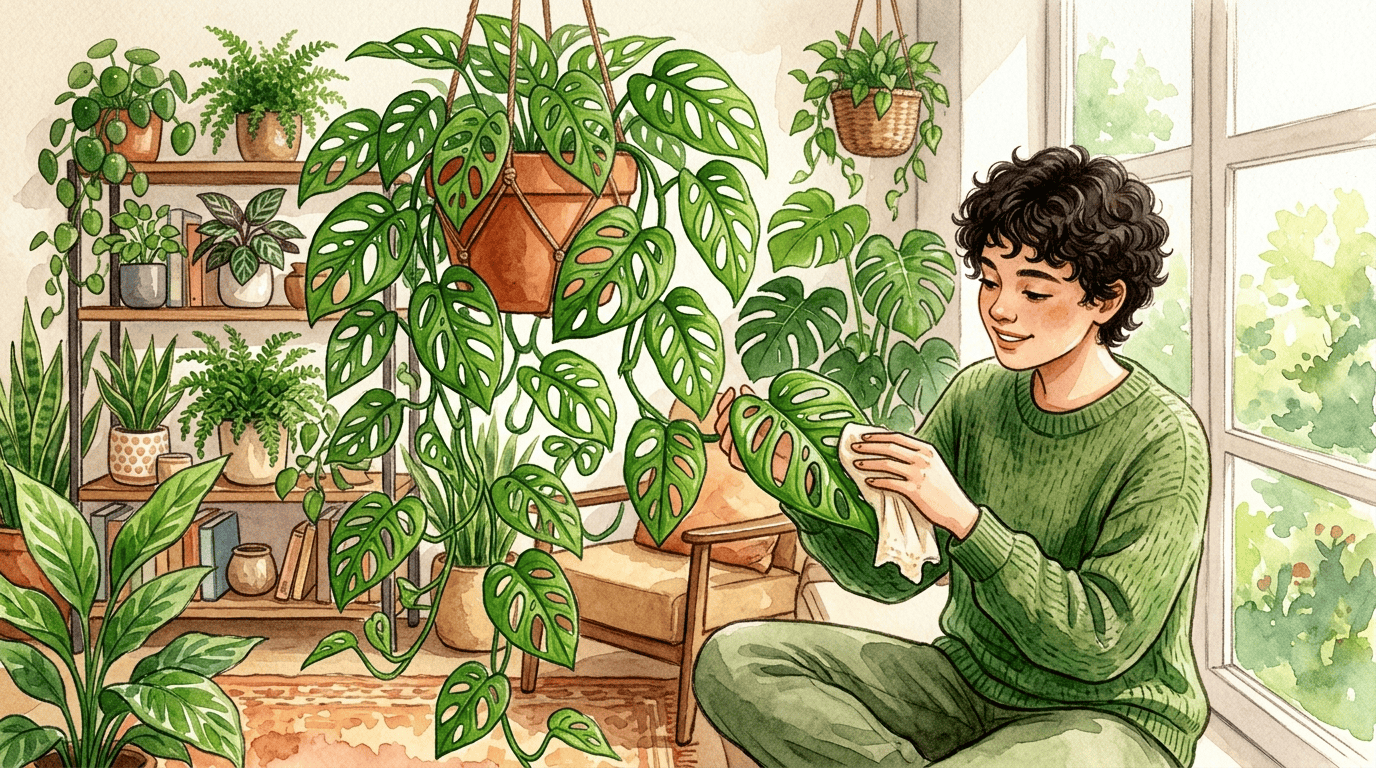
Swiss Cheese-Plant embodies curiosity, the unique fenestrations in each leaf sparking wonder and exploration about why such holes evolved at all. It also carries connection — a popular plant for sharing cuttings, passed between friends and roommates as a symbol of friendship and community. Few houseplants have built so many small social bridges through a single propagation jar.
- Curiosity — the unique holes in the leaves spark wonder and exploration
- Connection — a popular plant for sharing cuttings, symbolizing friendship and community
Where the Name Comes From
'Monstera' from Latin 'monstrum' (monster), for the genus's unusually large and perforated leaves. 'Adansonii' honors Michel Adanson (1727-1806), a pioneering French naturalist who explored Senegal.
Uses & Fun Facts
- Aerial-rooted vine trained up moss poles indoors
- Perforated-leaf houseplant prized in hanging baskets and pots
- Swiss-cheese leaves for bright humid indoor jungles
Related plants
More Monstera plants
 Swiss Cheese VineMonstera adansonii adansonii
 Blanchet's Swiss Cheese VineMonstera adansonii blanchetii
 Klotzsch's Swiss Cheese VineMonstera adansonii klotzschiana
 Laniata MonsteraMonstera adansonii laniata
Plants with similar care
 Philippine EvergreenAglaonema commutatum
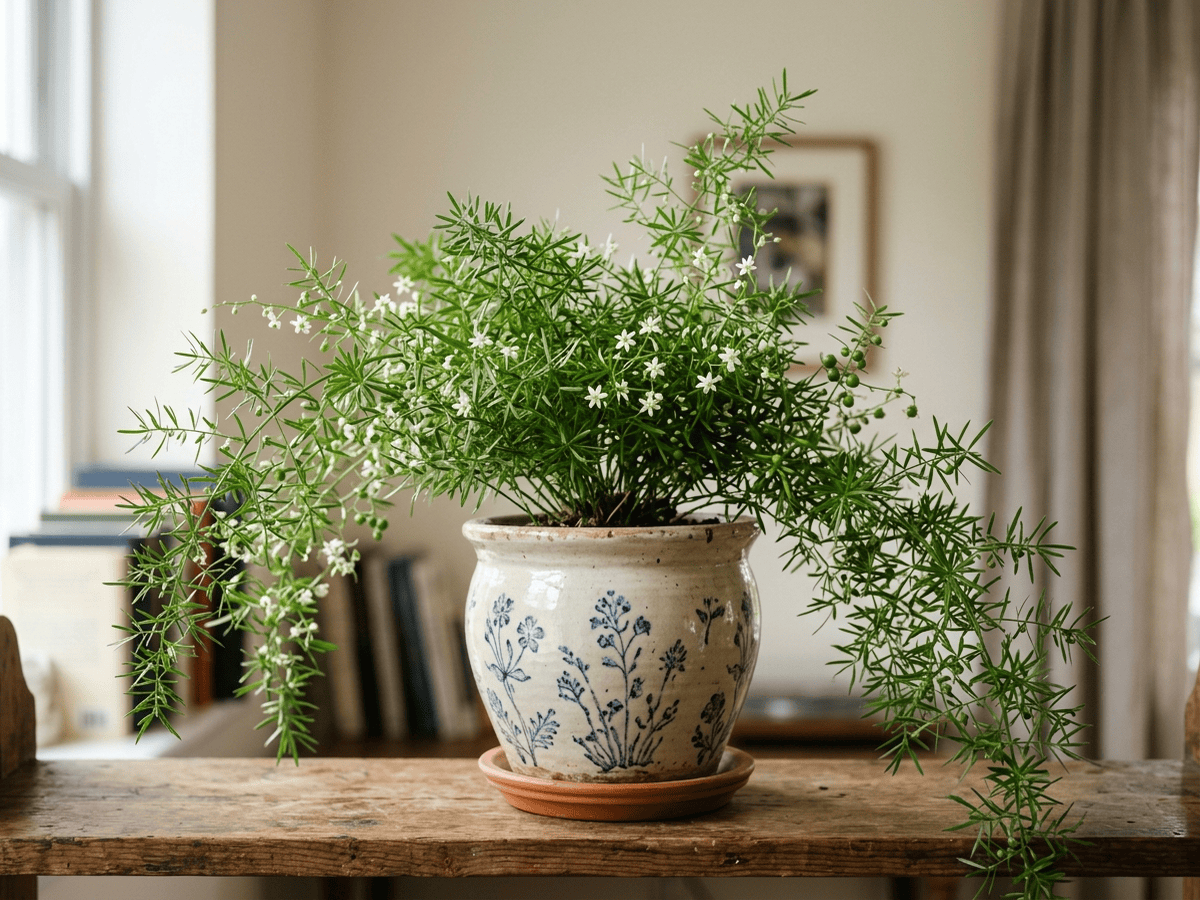 Sprenger's AsparagusAsparagus densiflorus
 Entire-Leaf False Goat’s BeardAstilbe simplicifolia
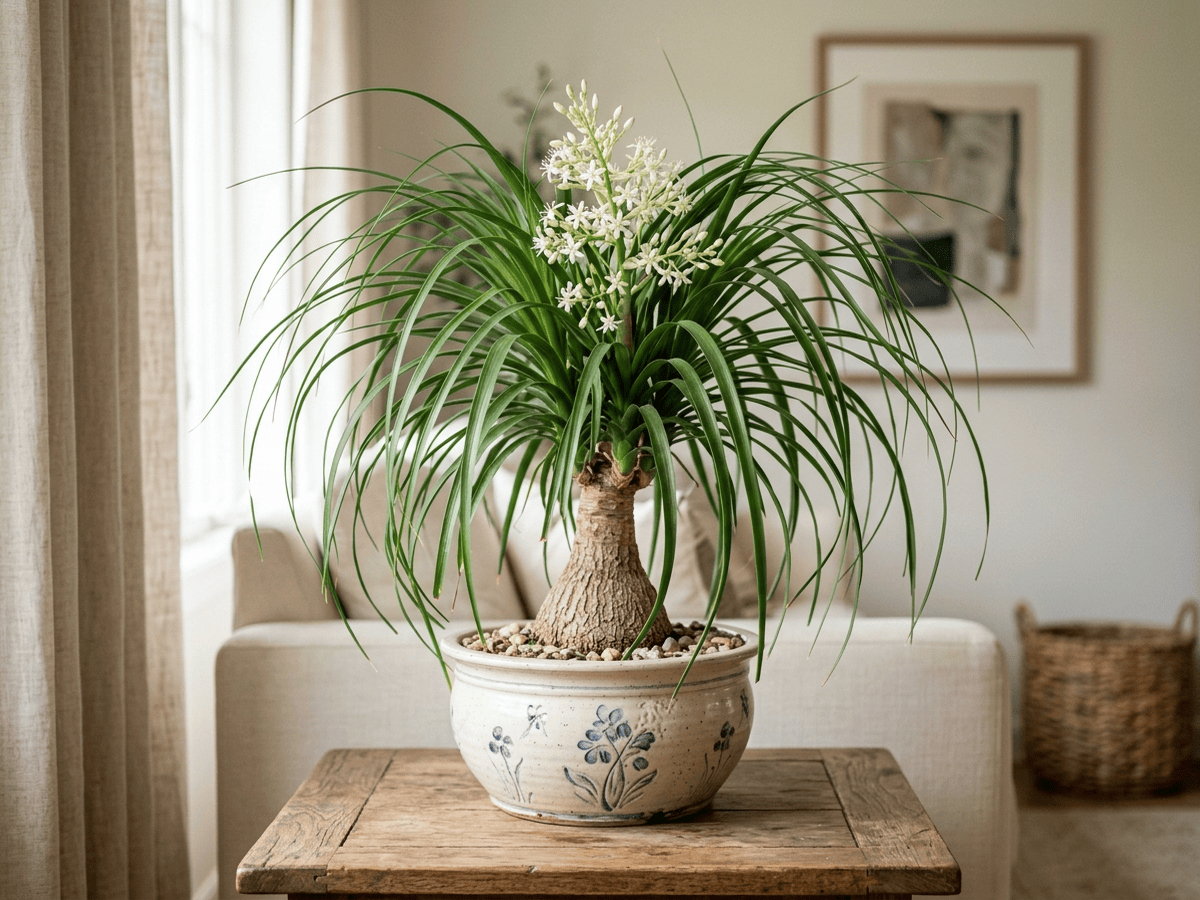 Ponytail PalmBeaucarnea recurvata
Frequently asked questions
How often should I water Swiss Cheese-Plant?
In summer, water about every 4 days; in winter, about every 14 days. Adjust for heat, pot size and drainage.
How much light does Swiss Cheese-Plant need?
Part shade: 2–4 hrs direct. Watch the leaves — scorching or stretching means the light needs adjusting.
Is Swiss Cheese-Plant toxic to cats or dogs?
Pets Moderate (Dogs Moderate · Cats Moderate) Educational information, not medical or veterinary advice. If exposure is suspected, contact a doctor or veterinarian.
Is Swiss Cheese-Plant easy to grow?
Yes — it is considered an easy, beginner-friendly plant.
Can Swiss Cheese-Plant be grown indoors?
Yes, it adapts well to indoor growing given the right light.
YardMate
Identify any plant in seconds
Snap a photo — YardMate names the plant, diagnoses problems, and reminds you when to water.
Download on the App Store