 YardMate
Swiss Cheese Vine
Monstera adansonii adansonii
Hard · Experienced growersAbout Swiss Cheese Vine
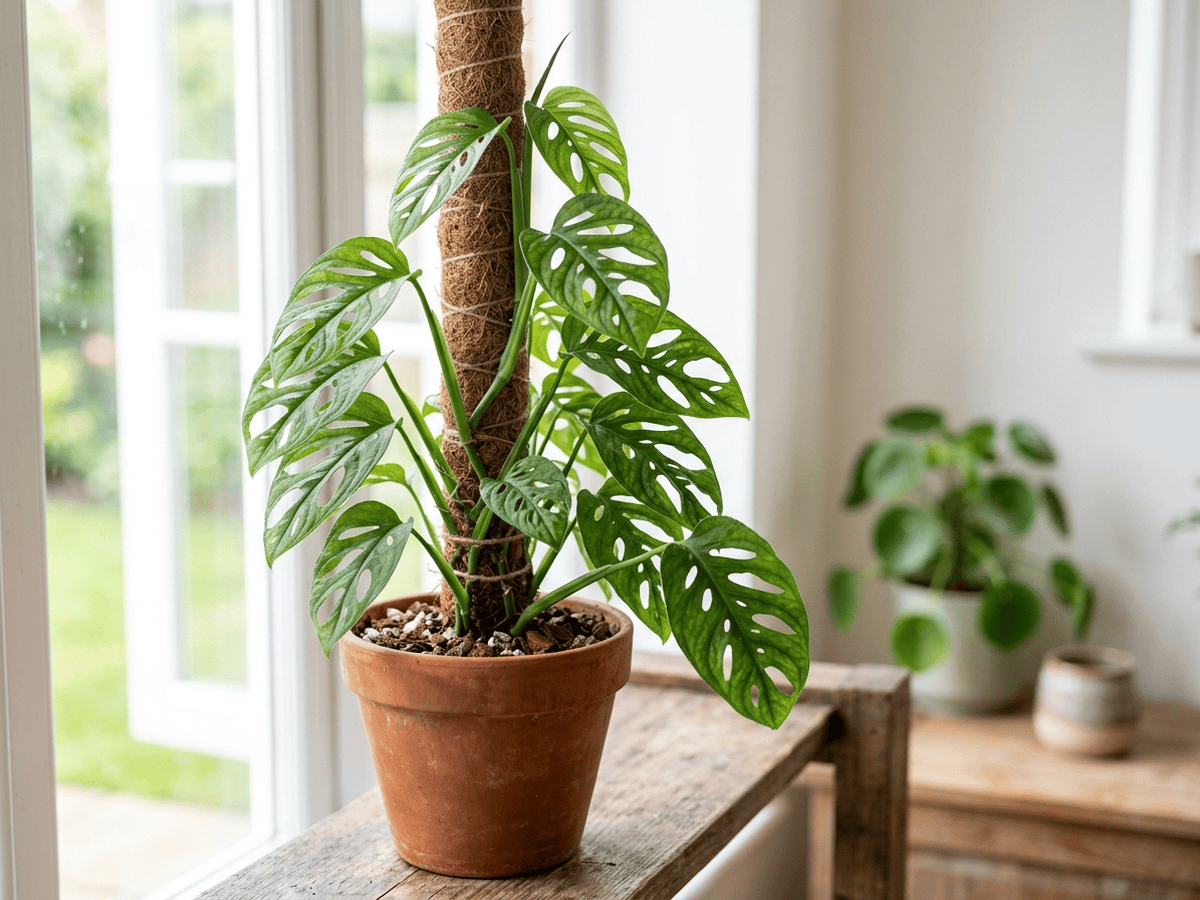
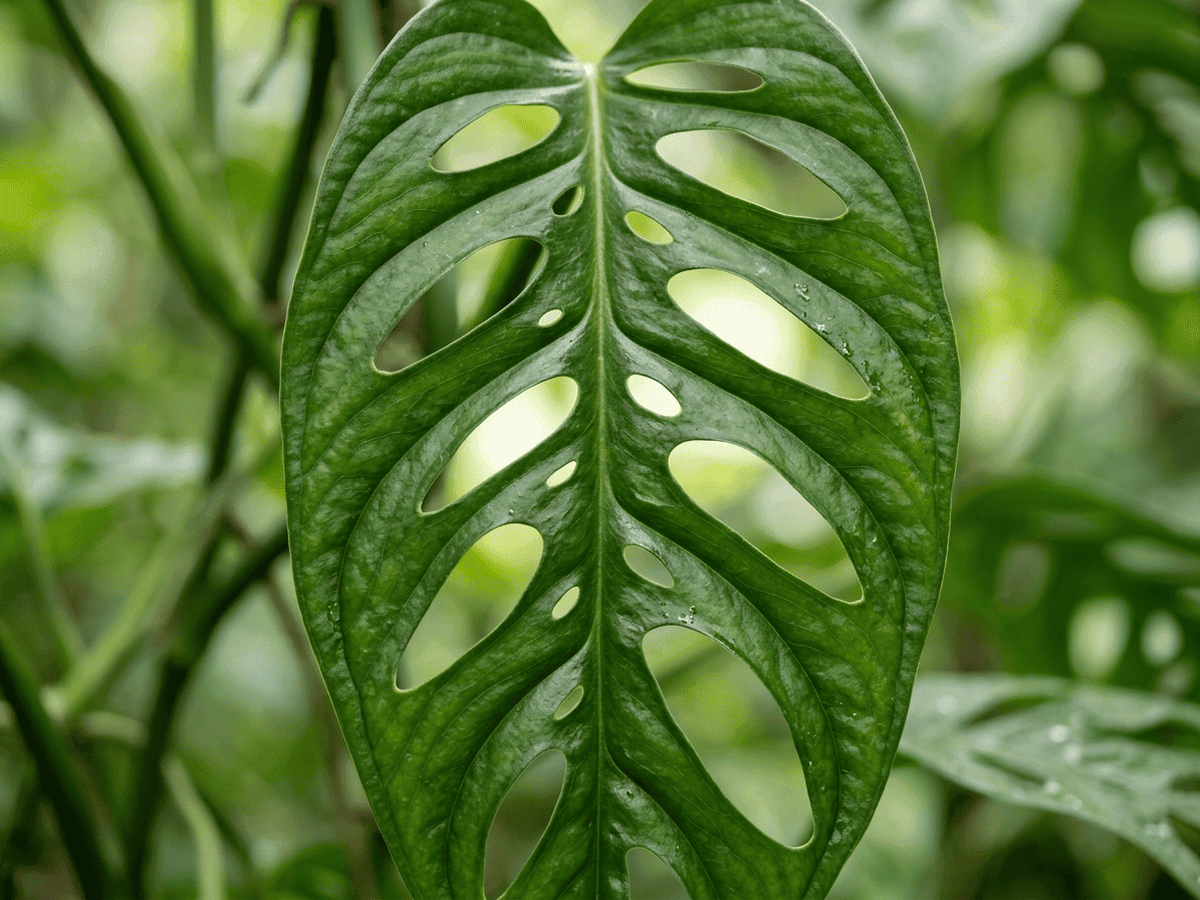
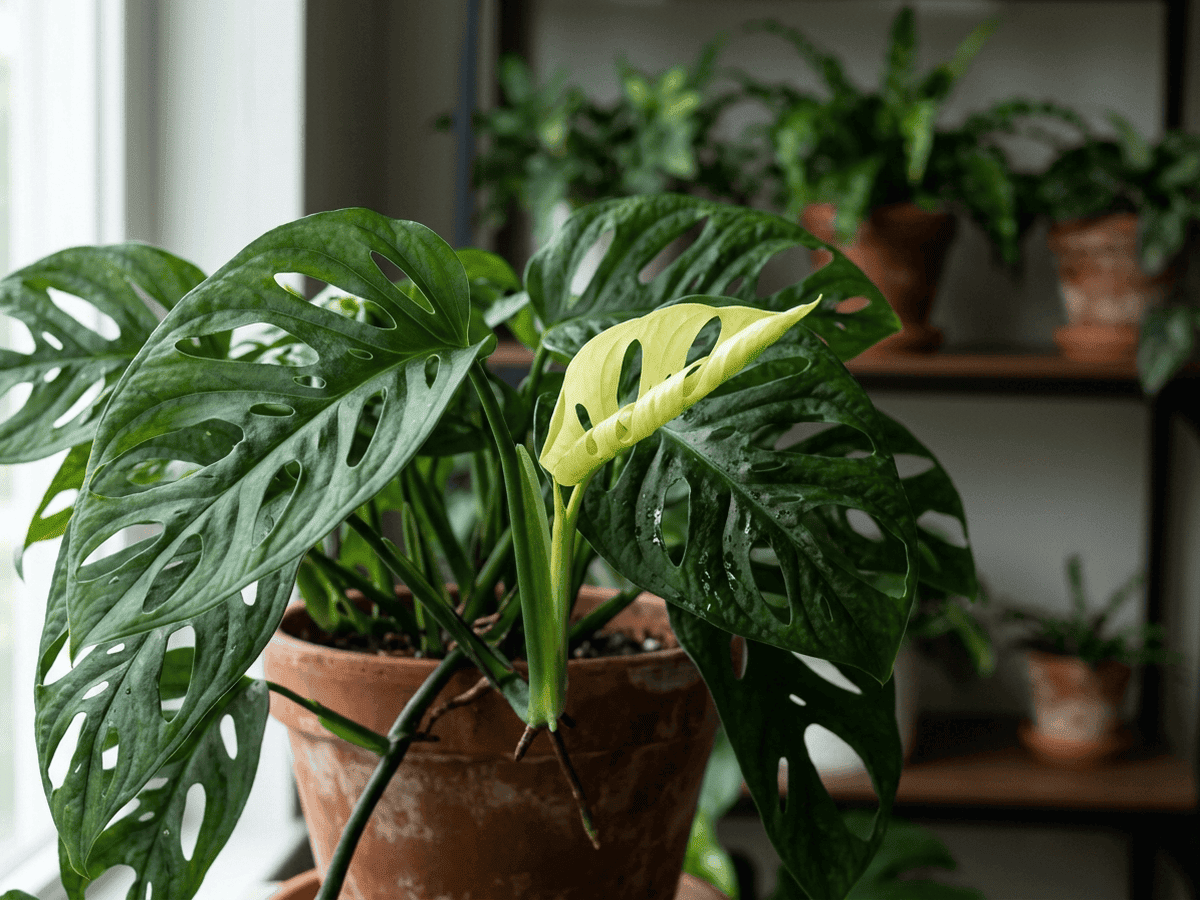
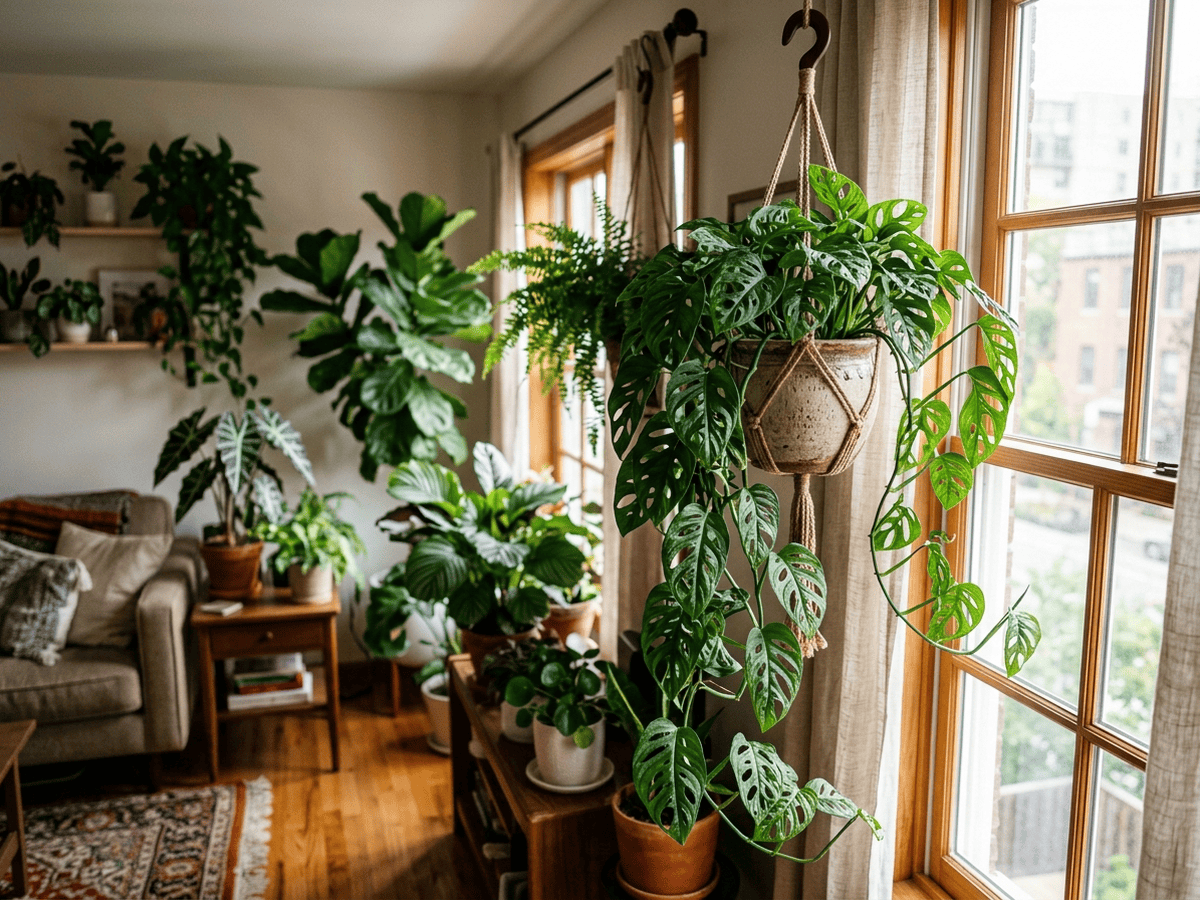
Monstera adansonii subsp. adansonii, the Swiss Cheese Vine, is the most widely cultivated form of this beloved tropical houseplant—a fast-growing climbing vine from the rainforests of Central and South America bearing heart-shaped leaves perforated with rows of oval holes that give it its 'Swiss cheese' nickname. The nominate subspecies has the characteristically narrow, elongated leaf form with well-spaced oval fenestrations along either side of the midrib. Far more compact and trainable than the giant Monstera deliciosa, Swiss Cheese Vine thrives in bright indirect light, climbs readily on moss poles and trellises, and cascades beautifully from hanging baskets. Its rapid growth and forgiving nature have made it a mainstay of the modern indoor jungle.
- Fast-growing
- Climbing
- Container-friendly
- Evergreen
- Shade-tolerant
How to care for Swiss Cheese Vine
Watering
- Springevery 14 days
- Summerevery 7 days
- Fallevery 20 days
- Winterevery 30 days
Soil · Chunky & airy
- Top dressingBark chips10%
- Main mixBark + potting soil + perlite 1:1:170%
- DrainageLECA20%
Chunky pieces hold air pockets open so thick roots don't suffocate.
FERTILIZER
Foliage Feed 24-8-16
Nitrogen leads so the plant spends its energy on dense green growth. Phosphorus and potassium follow just far enough to keep roots and stems up to speed.
- Nitrogen · Leaves
- Phosphorus · Roots + Blooms
- Potassium · Strength
- Springevery 30 days
- Summerevery 30 days
- Fallevery 30 days
At a Glance
- NativeCentral America, South America
- Height3–6 ft (0.9–1.8 m)
- Spread2–3 ft (0.6–0.9 m)
- Foliage colorGreen
- SoilWell-drained, Moist
- LocationsIndoor · Balcony
Fragrance
NO FRAGRANCE
Flowers rarely produced indoors; foliage unscented.
Toxicity
Toxicity unknown
None reported
Unknown
EXPOSURE No exposure route is reported.
EFFECT No toxic effect is reported.
NOTE Toxicity for humans is not well documented; use caution until verified.
Unknown
EXPOSURE No exposure route is reported.
EFFECT No toxic effect is reported.
NOTE Toxicity for dogs is not well documented; use caution until verified.
Unknown
EXPOSURE No exposure route is reported.
EFFECT No toxic effect is reported.
NOTE Toxicity for cats is not well documented; use caution until verified.
Educational information, not medical or veterinary advice. If exposure is suspected, contact a doctor or veterinarian.
DISTRIBUTION


- Native
- Introduced
- Central America
- South America
History
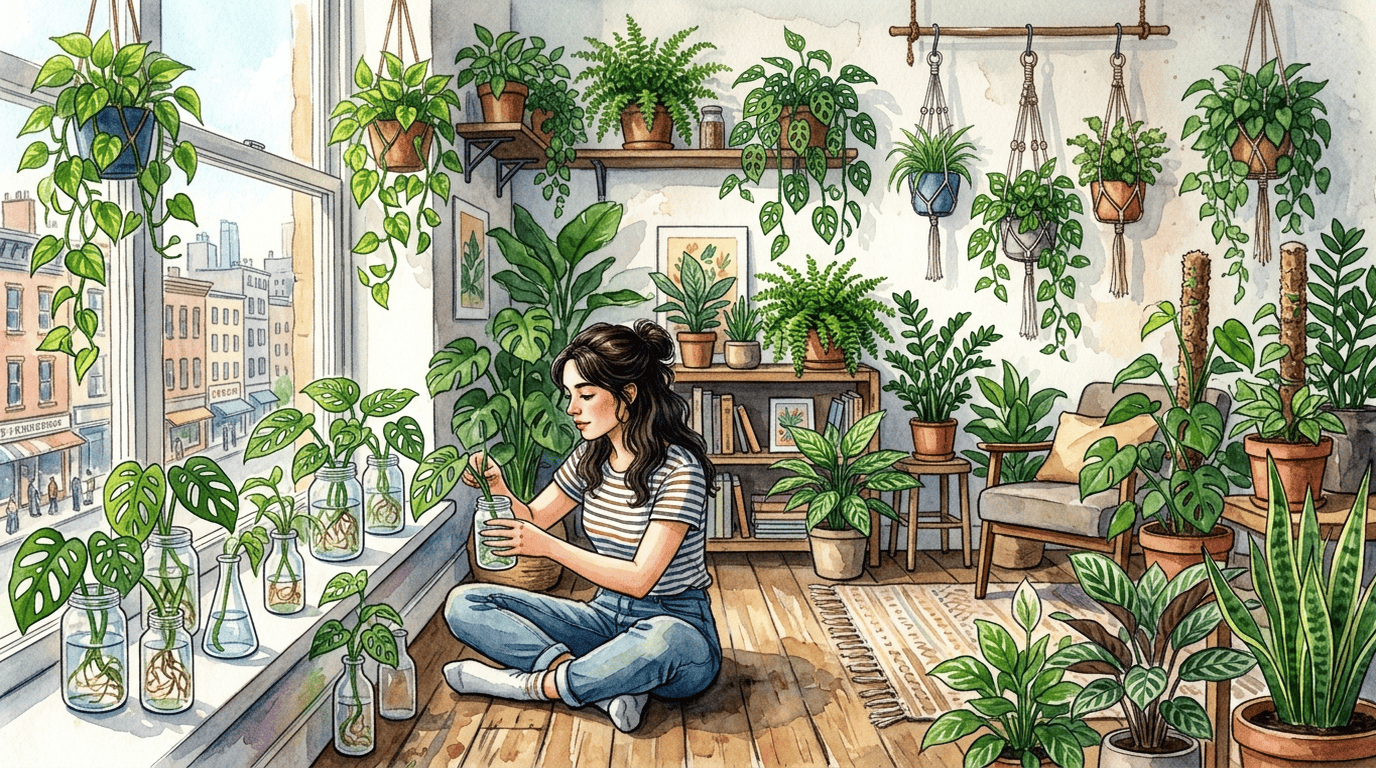
Monstera adansonii was formally described by the German botanist Heinrich Wilhelm Schott in 1829, who named it in honor of Michel Adanson (1727–1806)—the French botanist who spent years in Senegal documenting African flora and was known for his idiosyncratic approach to plant classification. The genus name Monstera comes from the Latin monstrum, meaning wonder or monster, referring to the extraordinary fenestrated leaves that had been puzzling European naturalists since the first tropical specimens arrived.
The evolutionary origin of Monstera's leaf holes has been debated for decades. The most widely supported hypothesis is that fenestrations evolved as adaptations to the forest floor and subcanopy: allowing wind and rain to pass through the large leaves without tearing them in tropical storms, while also letting dappled light filter down to the lower portions of the same plant climbing a host tree. A 2013 study by Christopher Muir provided evidence for a 'light-fleck capture' model—the holes may actually increase the probability that scattered spots of sunlight hit the leaf surface in the shifting light of a forest interior.
In cultivation, Monstera adansonii had a quiet career as a specialist houseplant until the 2010s, when social media transformed plant collecting into a visual culture. The #urbanjungle aesthetic—rooms filled with lush foliage—drove demand for fast-growing, photogenic plants, and Swiss Cheese Vine became one of its emblems. Its holey leaves photographed distinctively, it grew quickly, it propagated easily in water, and it tolerated imperfect light. By 2020, rare Monstera adansonii variants were selling for thousands of dollars online.
Symbolism & meaning
What It Symbolizes
Every hole is intentional. The leaf evolved toward the gaps—to let wind through, to catch light where there isn't much. A plant built around its absences, and none the worse for it.
- thriving imperfection — Full of holes yet more beautiful for it—Swiss Cheese Vine became a symbol of the 2010s philosophy that imperfection can be the whole point.
- light-seeking — The fenestrations evolved to capture fleeting spots of light in a dense rainforest—a plant designed from the inside to find what it needs.
Where the Name Comes From
Monstera comes from the Latin monstrum (wonder, monster), referring to the extraordinary fenestrated leaves. The species adansonii honors Michel Adanson (1727–1806), the French botanist who spent years in Senegal documenting African flora. The common name 'Swiss Cheese Vine' compares the oval holes in the leaves to the bubbles in Swiss Emmental cheese, while 'vine' distinguishes it from the larger Monstera deliciosa ('Swiss Cheese Plant').
Uses & Fun Facts
- One of the most popular indoor climbing vines, ideal for moss poles, trellises, and hanging baskets; fast-growing with distinctive holey foliage that adapts to lower light than most tropical plants
- In its native Central and South American rainforest habitat, the aerial roots attach to host trees and the plant climbs into the canopy; fruits eaten by birds and bats
Related plants
More Monstera plants
 Swiss Cheese-PlantMonstera adansonii
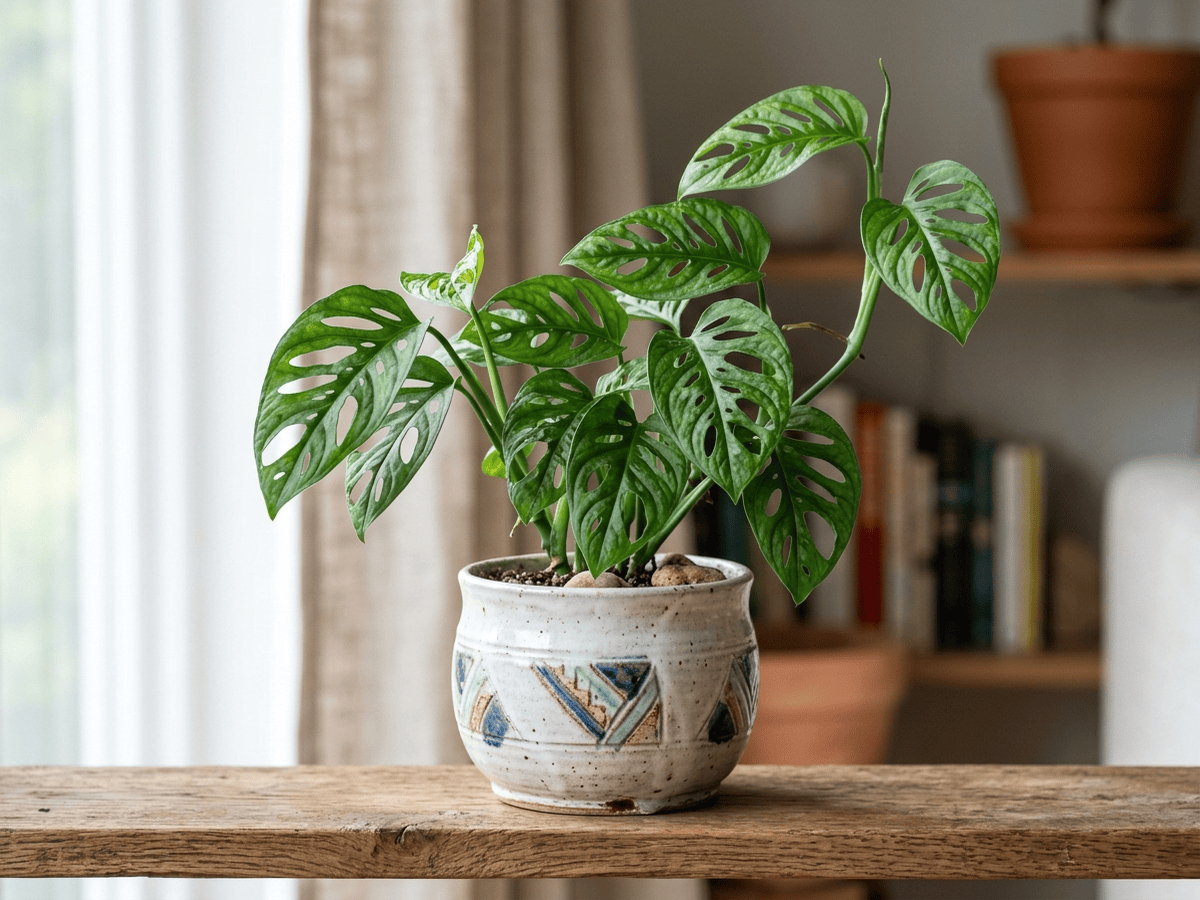 Blanchet's Swiss Cheese VineMonstera adansonii blanchetii
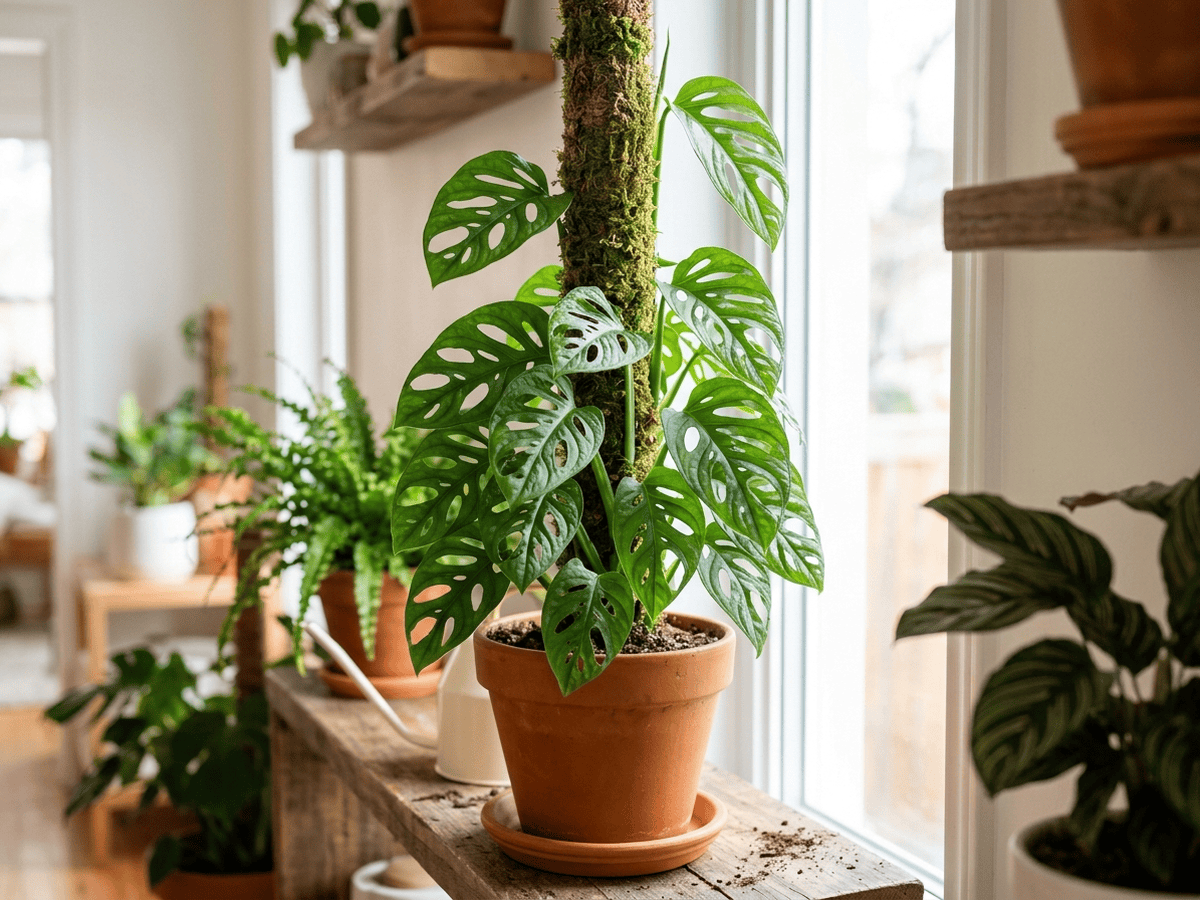 Klotzsch's Swiss Cheese VineMonstera adansonii klotzschiana
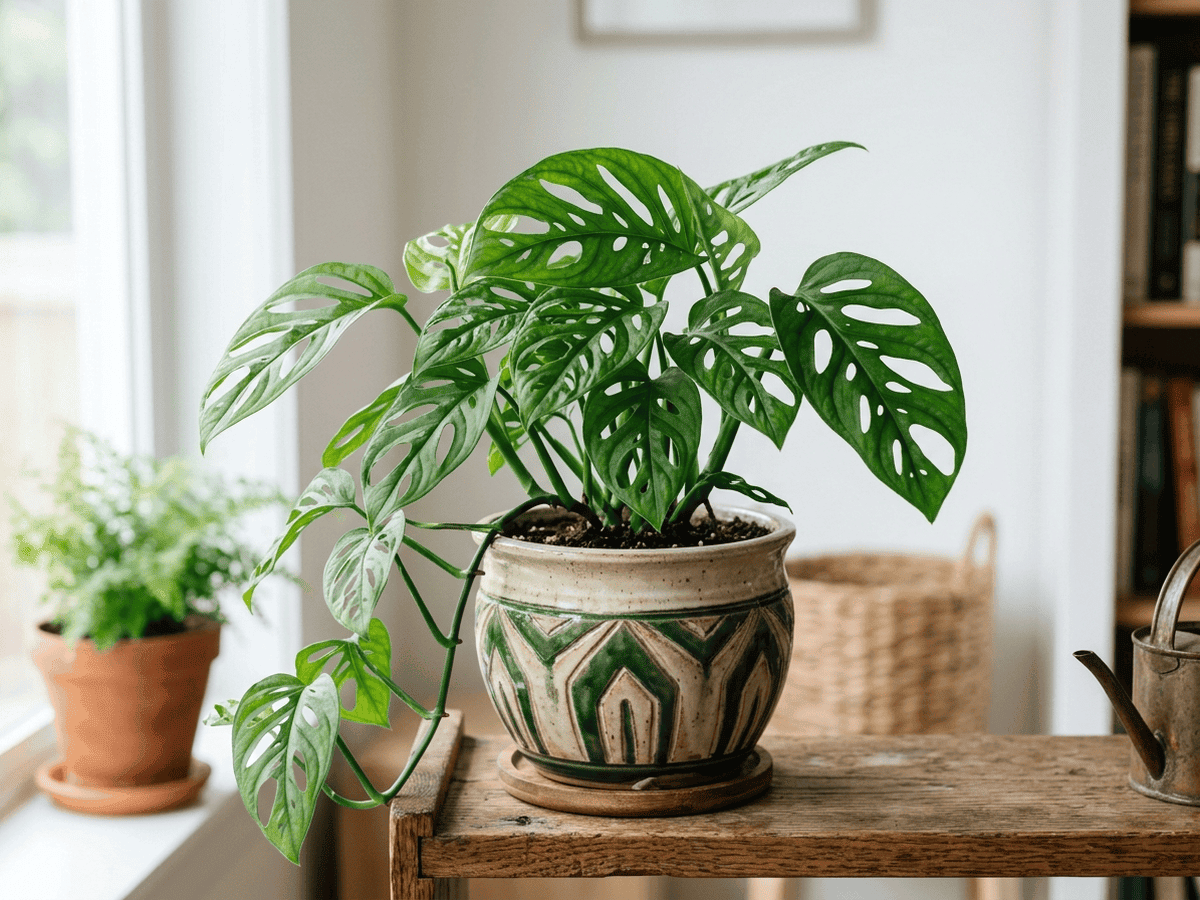 Laniata MonsteraMonstera adansonii laniata
Plants with similar care
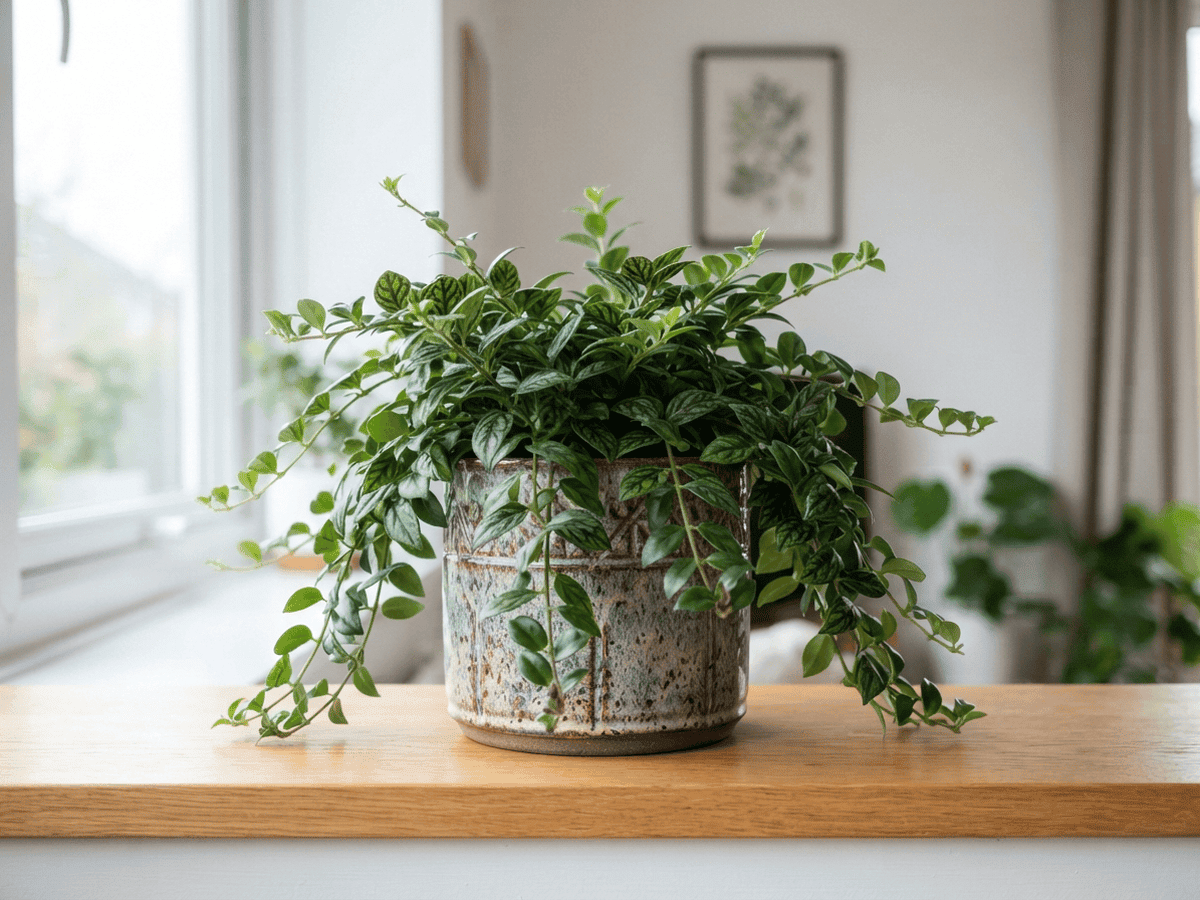 Lipstick PlantAeschynanthus longicaulis
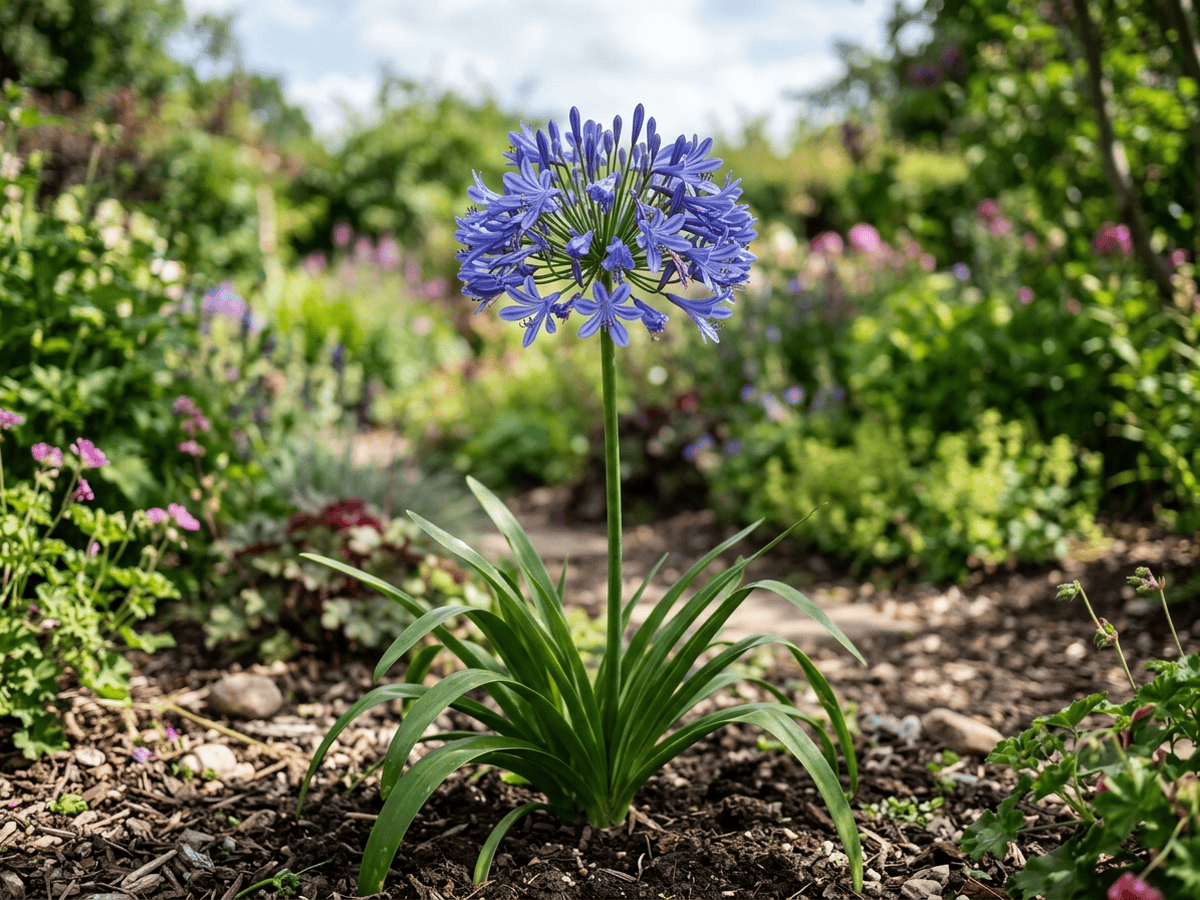 African LilyAgapanthus africanus
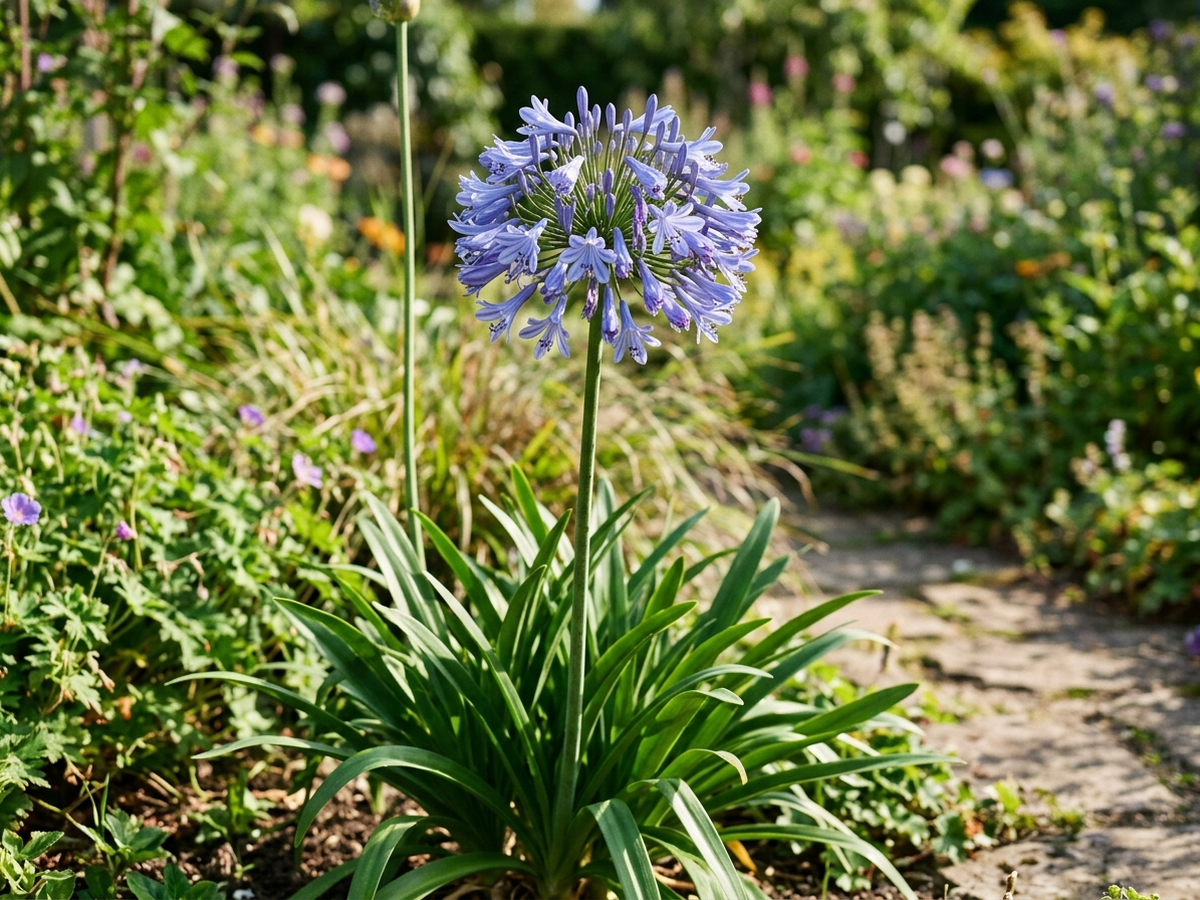 Bell AgapanthusAgapanthus campanulatus
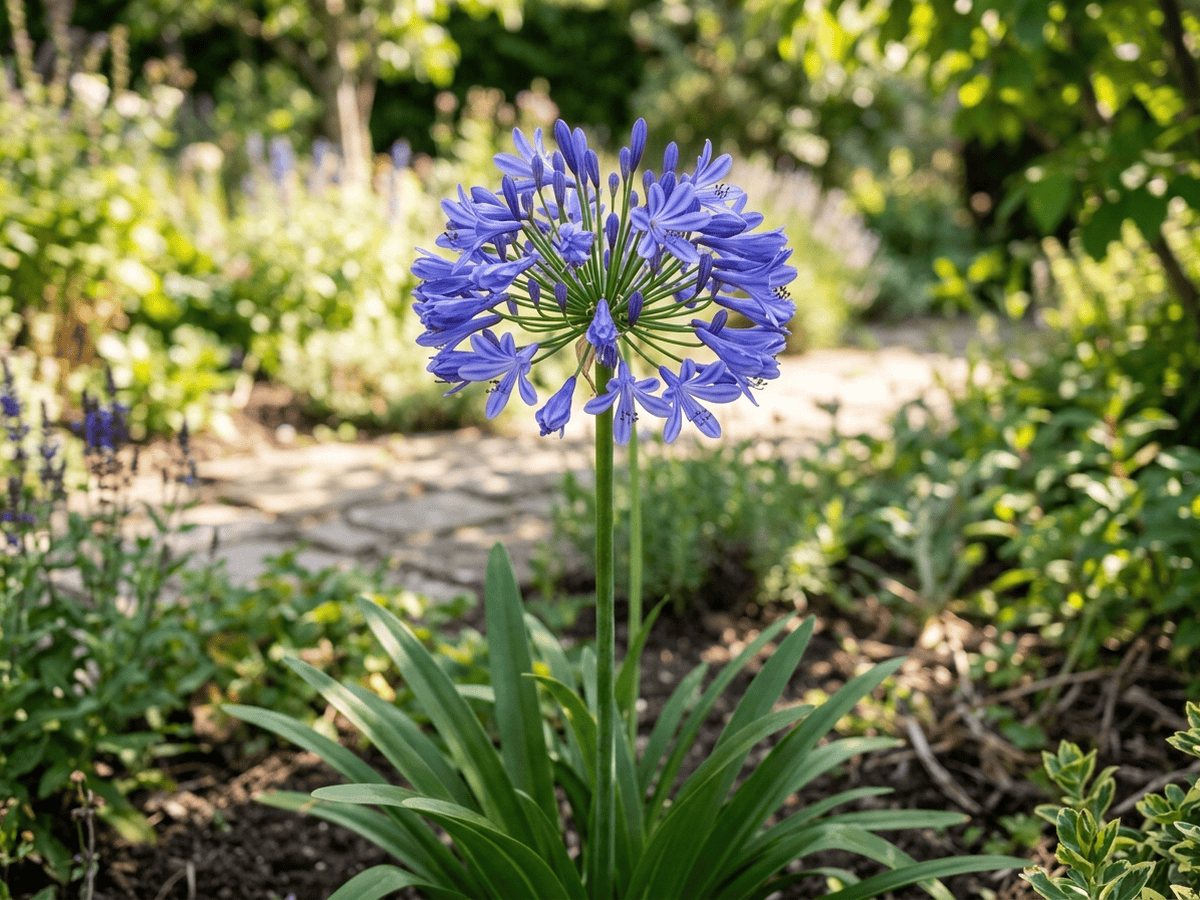 Common AgapanthusAgapanthus praecox
Frequently asked questions
How often should I water Swiss Cheese Vine?
In summer, water about every 7 days; in winter, about every 30 days. Adjust for heat, pot size and drainage.
How much light does Swiss Cheese Vine need?
Part sun: 4–6 hrs direct. Watch the leaves — scorching or stretching means the light needs adjusting.
Is Swiss Cheese Vine toxic to cats or dogs?
Pets Unknown (Dogs Unknown · Cats Unknown) Educational information, not medical or veterinary advice. If exposure is suspected, contact a doctor or veterinarian.
Is Swiss Cheese Vine easy to grow?
It is considered challenging and rewards experienced growers.
Can Swiss Cheese Vine be grown indoors?
Yes, it adapts well to indoor growing given the right light.
YardMate
Identify any plant in seconds
Snap a photo — YardMate names the plant, diagnoses problems, and reminds you when to water.
Download on the App Store