 YardMate


Swiss Cheese Plant
Monstera deliciosa
Easy · Beginner friendlyAbout Swiss Cheese Plant
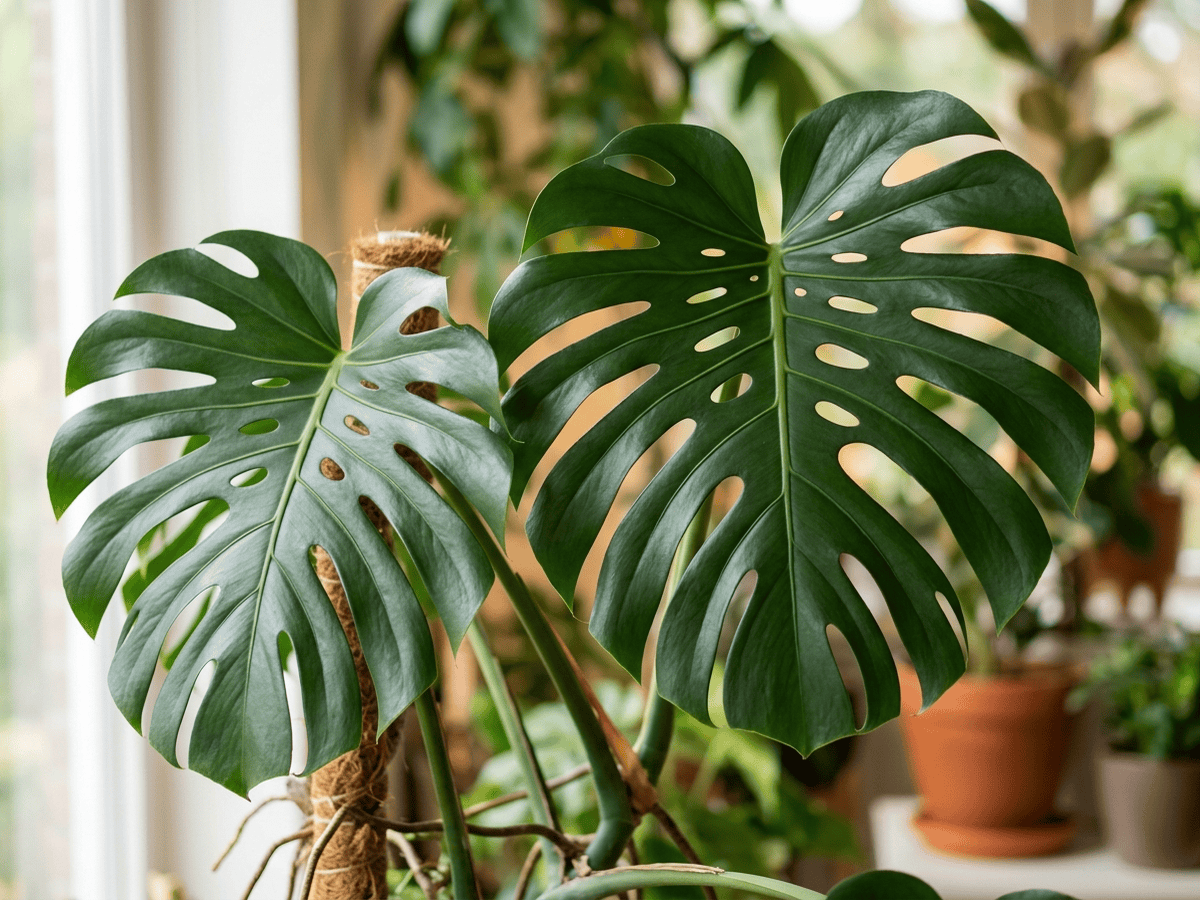
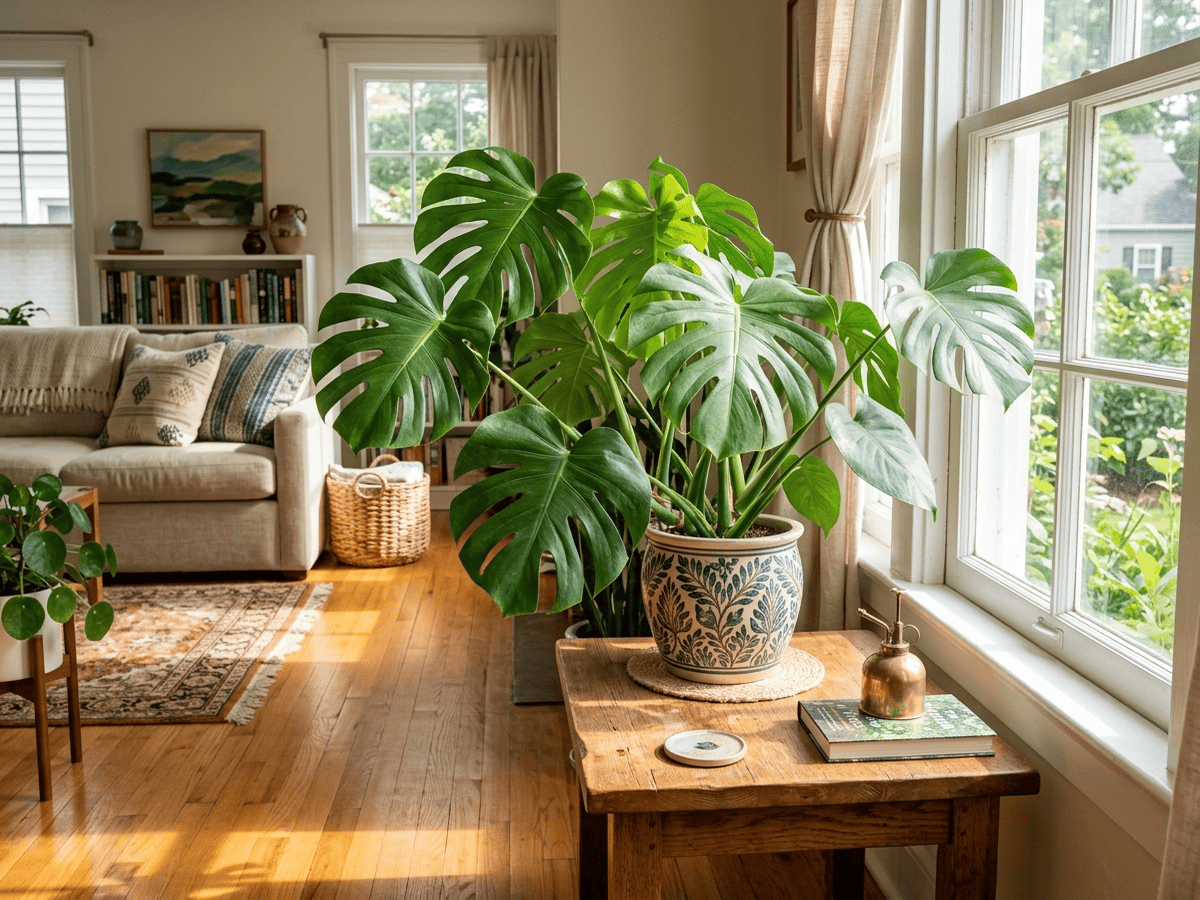
The Swiss Cheese Plant is one of the most iconic houseplants worldwide, native to the tropical rainforests of southern Mexico and Central America. Its large, fenestrated leaves develop characteristic splits and holes as the plant matures, a trait believed to help it withstand heavy tropical rainfall. In the wild it climbs trees using aerial roots, reaching impressive heights. The fruit, when fully ripe, tastes like a blend of pineapple and banana — though unripe fruit contains calcium oxalate and should never be eaten. It became a mid-century modern design icon in the 1950s and has remained a symbol of lush indoor living ever since.
- Air-purifying
- Low-maintenance
- Climbing
How to care for Swiss Cheese Plant
Watering
- Springevery 7 days
- Summerevery 5 days
- Fallevery 10 days
- Winterevery 14 days
Soil · Chunky & airy
- Top dressingBark chips10%
- Main mixBark + potting soil + perlite 1:1:170%
- DrainageLECA20%
Chunky pieces hold air pockets open so thick roots don't suffocate.
FERTILIZER
Balanced Feed 14-14-14
An even feed covers all three needs at once, keeping leaves, roots and blooms moving together with nothing pushed out of balance.
- Nitrogen · Leaves
- Phosphorus · Roots + Blooms
- Potassium · Strength
- Springevery 30 days
- Summerevery 30 days
- Fallevery 60 days
At a Glance
- NativeCentral America, North America
- Height6–10 ft (1.8–3 m)
- Spread3–6 ft (0.9–1.8 m)
- Flower colorWhite, Cream
- Foliage colorGreen
- Fruit colorGreen
- SoilRich, Loamy, Well-drained
- LocationsIndoor
Bloom time
BLOOM CYCLE
Rarely flowers indoors; mature plants produce a creamy spathe and spadix that develops into edible fruit
Fragrance
LIGHT FRAGRANCE
Ripe fruit carries a tropical pineapple-banana scent; foliage is not fragrant.
Toxicity
Humans Slight · Pets Moderate
insoluble calcium oxalate crystals (raphides)
Slight
- Leaf
- Stem
- Sap
- Contact
- Ingestion
EXPOSURE Touching leaves, stems, and sap. Eating leaves, stems, and sap.
EFFECT Oral burning, lip and tongue swelling, drooling, and temporary difficulty swallowing from raw sap or unripe fruit and skin contact may cause dermatitis.
NOTE Fully ripe fruit is safe and edible; unripe fruit contains the same oxalate crystals as the leaves.
Moderate
- Leaf
- Stem
- Ingestion
EXPOSURE Eating leaves and stems.
EFFECT Intense oral pain, drooling, vomiting, and swelling of mouth and tongue and per ASPCA.
NOTE Fully ripe fruit is safe and edible; unripe fruit contains the same oxalate crystals as the leaves.
Moderate
- Leaf
- Stem
- Ingestion
EXPOSURE Eating leaves and stems.
EFFECT Oral irritation, intense burning of mouth and tongue, excessive drooling, vomiting, and difficulty swallowing and per ASPCA.
NOTE Fully ripe fruit is safe and edible; unripe fruit contains the same oxalate crystals as the leaves.
Educational information, not medical or veterinary advice. If exposure is suspected, contact a doctor or veterinarian.
DISTRIBUTION


- Native
- Introduced
- Central America
- North America
History

First formally described by Danish botanist Frederik Liebmann in 1849 from Mexican specimens, Monstera deliciosa had long been known to indigenous peoples of the Central American rainforest, who harvested the ripe fruit for its pineapple-banana flavor. European collectors brought it back as a curiosity in the 19th century, but it was Henri Matisse's mid-20th-century paintings and the post-war modernist design movement that transformed it into a household icon. By the 1950s its fenestrated silhouette defined tropical chic in Palm Springs and Scandinavian interiors alike.
The species name 'deliciosa' refers to the edible ripe fruit; the leaf fenestrations are thought to help the plant shed heavy rainfall and withstand canopy winds in its native habitat. The name 'Monstera' comes from Latin 'monstrum' (monster) referring to its enormous leaves.
In Mexican folk tradition, the plant was believed to trap evil spirits in its leaf holes. It became a global design phenomenon when featured in Henri Matisse's paintings.
Symbolism & meaning
What It Symbolizes
The Swiss Cheese Plant has long symbolized longevity, its enormous fenestrated leaves seeming to promise a long and fulfilling life held under one generous canopy. In several traditions it also stands for respect — leaves so distinctive and architectural that they cannot help but command honor in any room. Its meaning gathers around endurance and esteem: a houseplant grown into a household elder.
- Longevity — symbolizes a long and fulfilling life
- Respect — represents honor and deep respect for others
Where the Name Comes From
From Latin 'monstrum' (monster) for its gigantic, unusually perforated leaves. 'Deliciosa' refers to its edible fruit.
Uses & Fun Facts
- Bold split-leaf tropical popular as indoor floor plant
- Aerial roots train onto moss poles and tree supports
- Ripe fruit eaten fresh tasting like pineapple and banana
Related plants
More Monstera plants
 Swiss Cheese-PlantMonstera adansonii
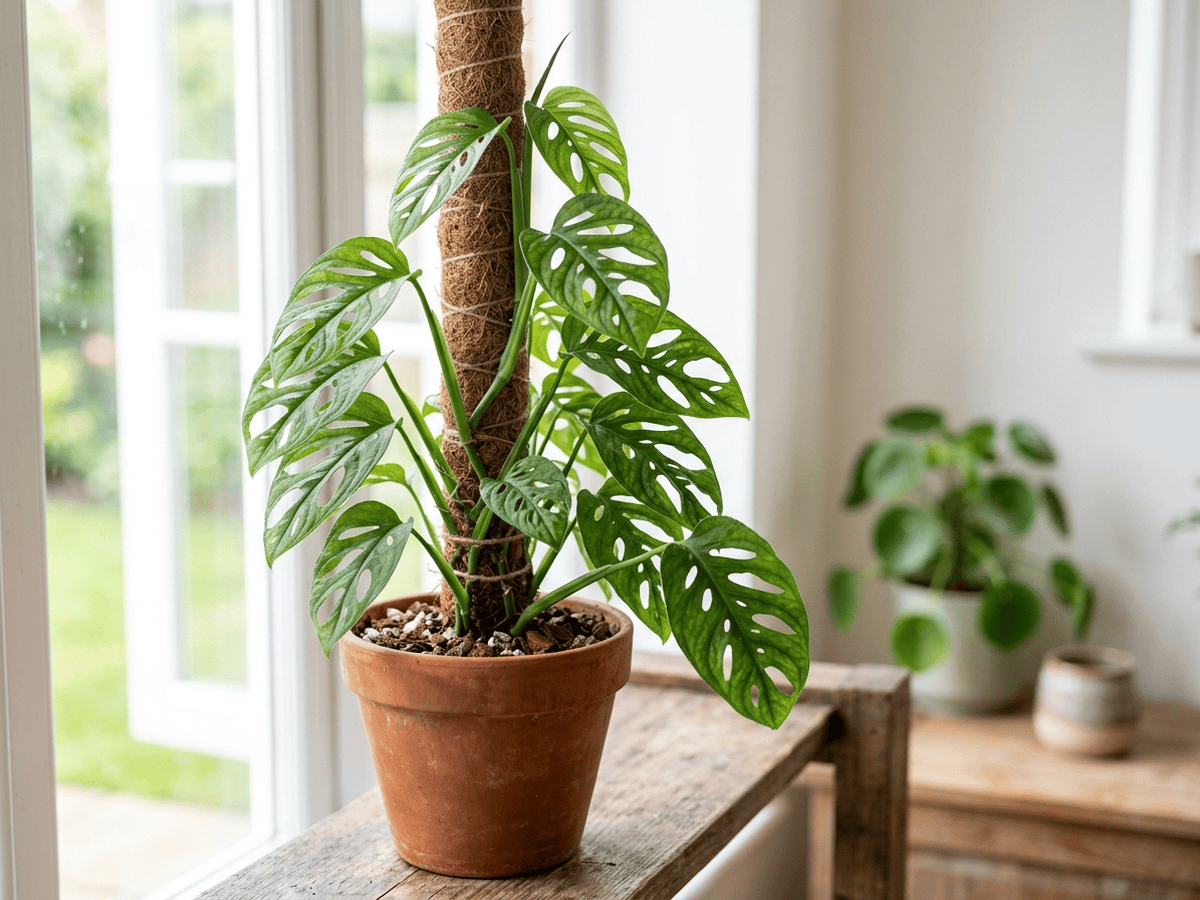 Swiss Cheese VineMonstera adansonii adansonii
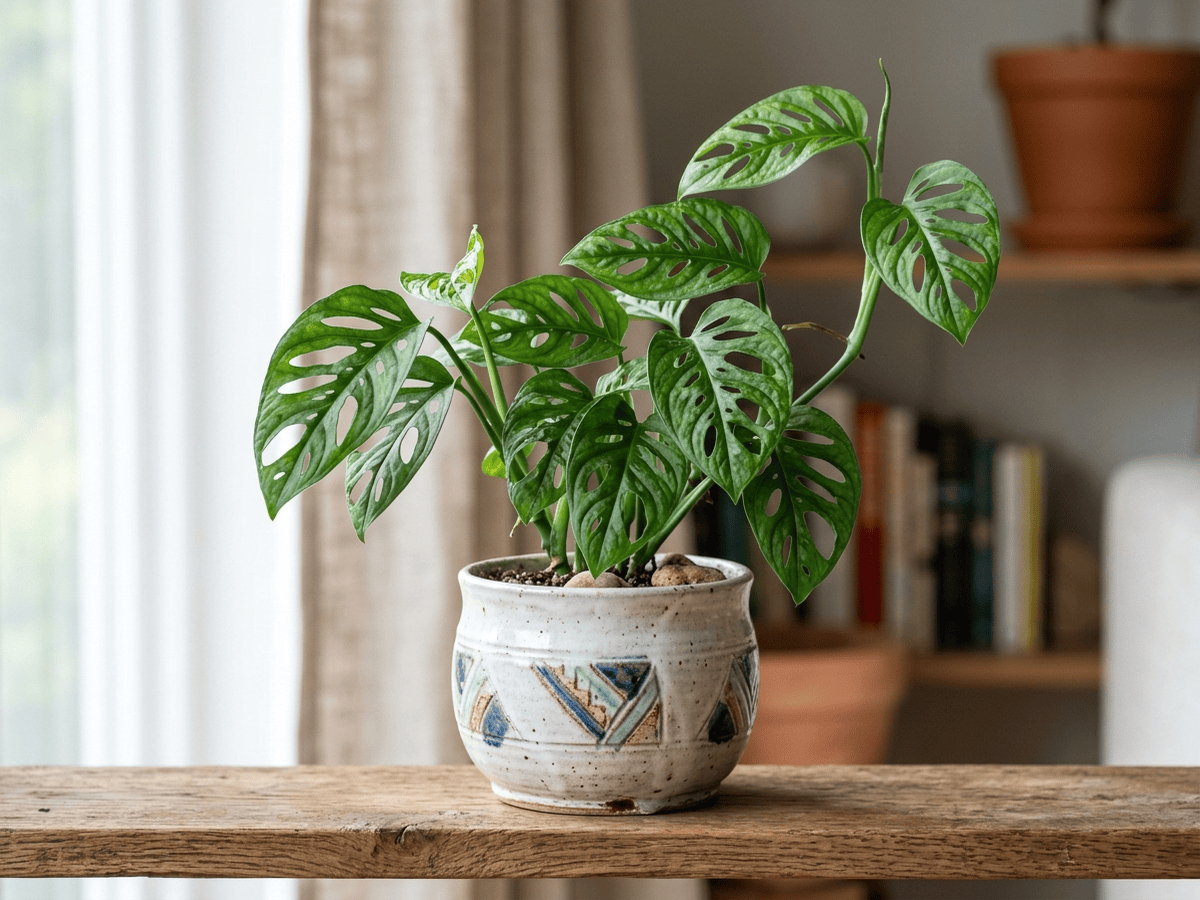 Blanchet's Swiss Cheese VineMonstera adansonii blanchetii
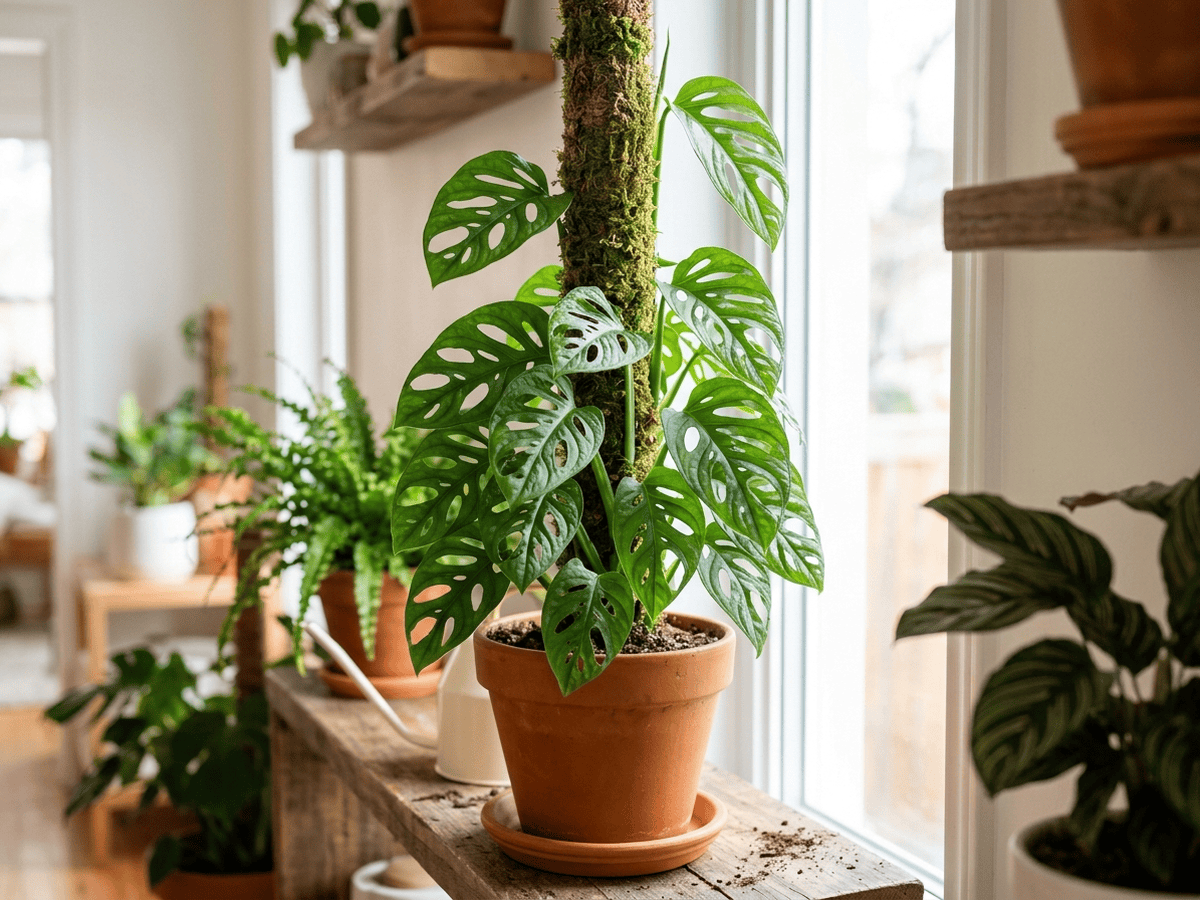 Klotzsch's Swiss Cheese VineMonstera adansonii klotzschiana
Plants with similar care
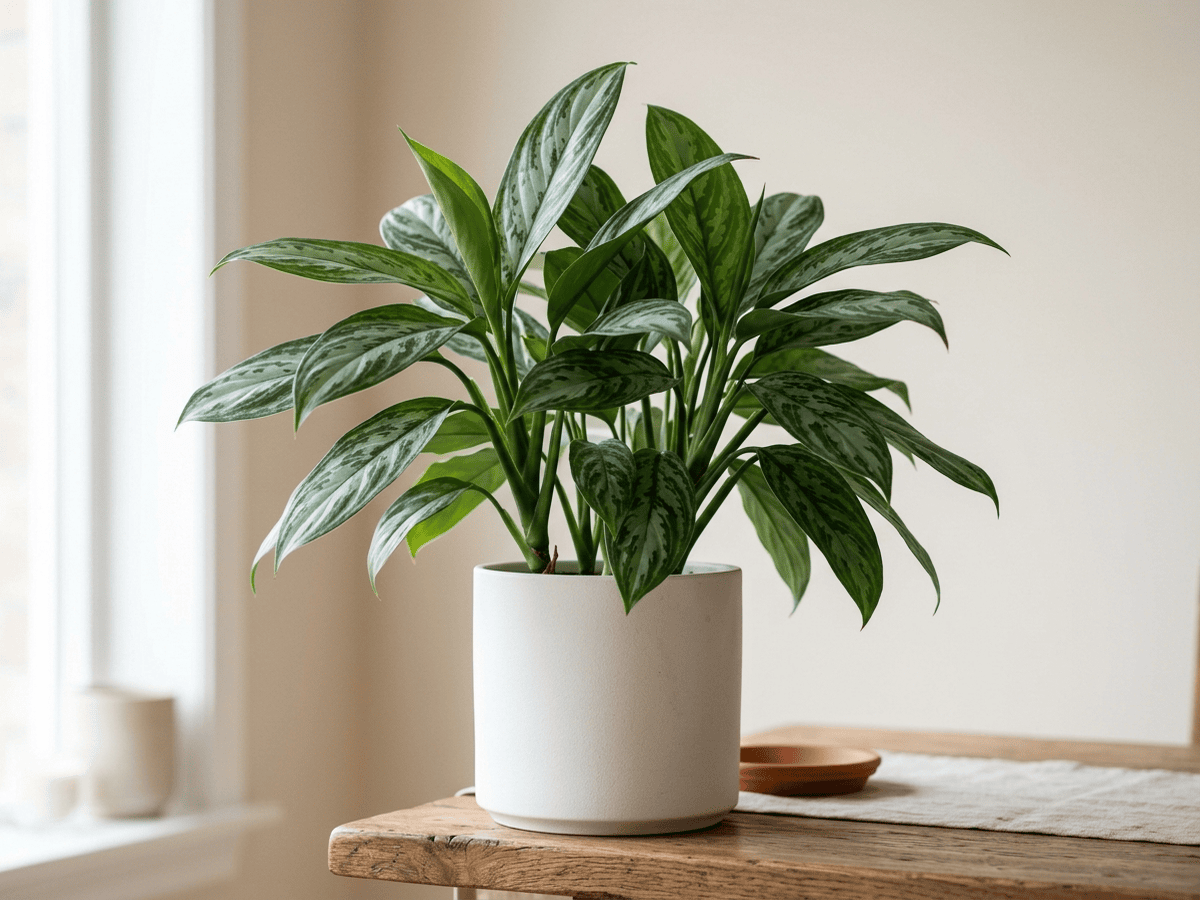 Philippine EvergreenAglaonema commutatum
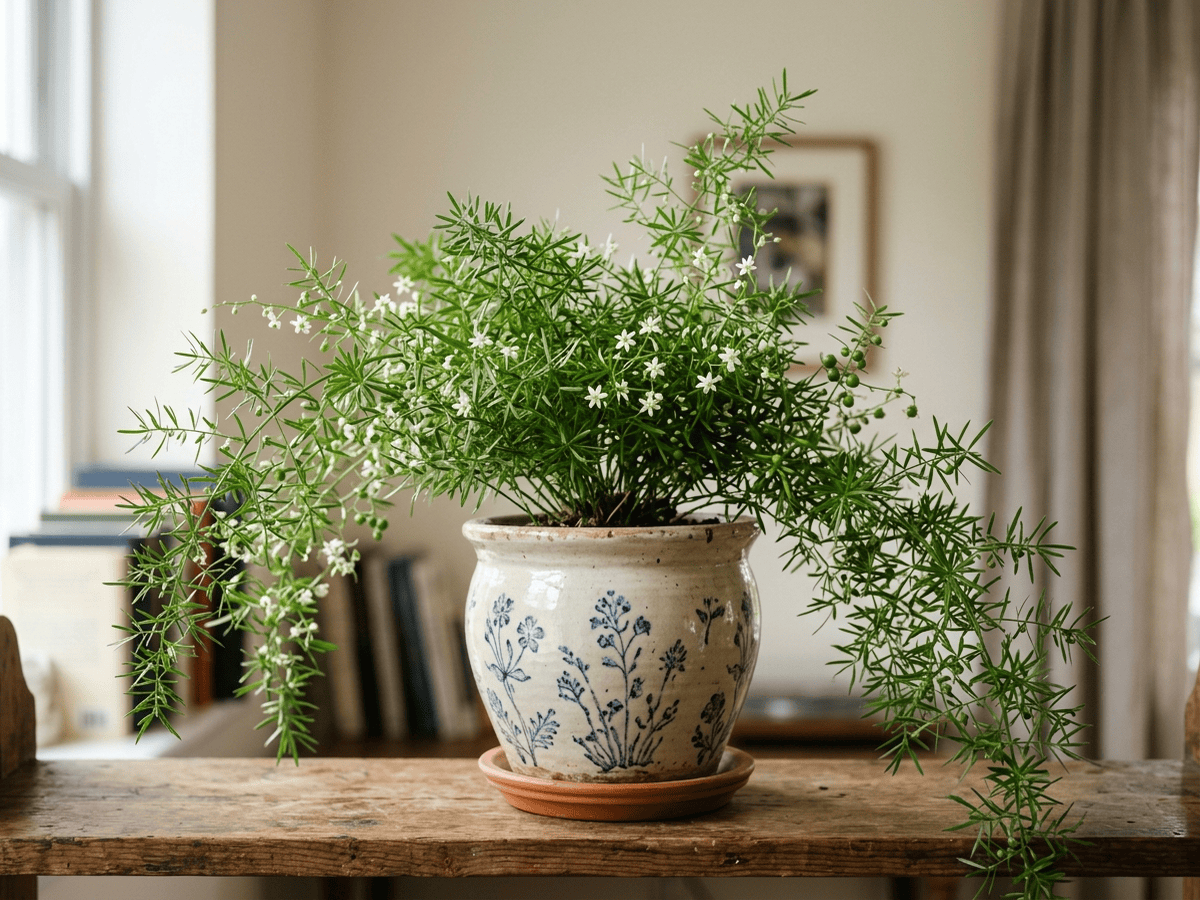 Sprenger's AsparagusAsparagus densiflorus
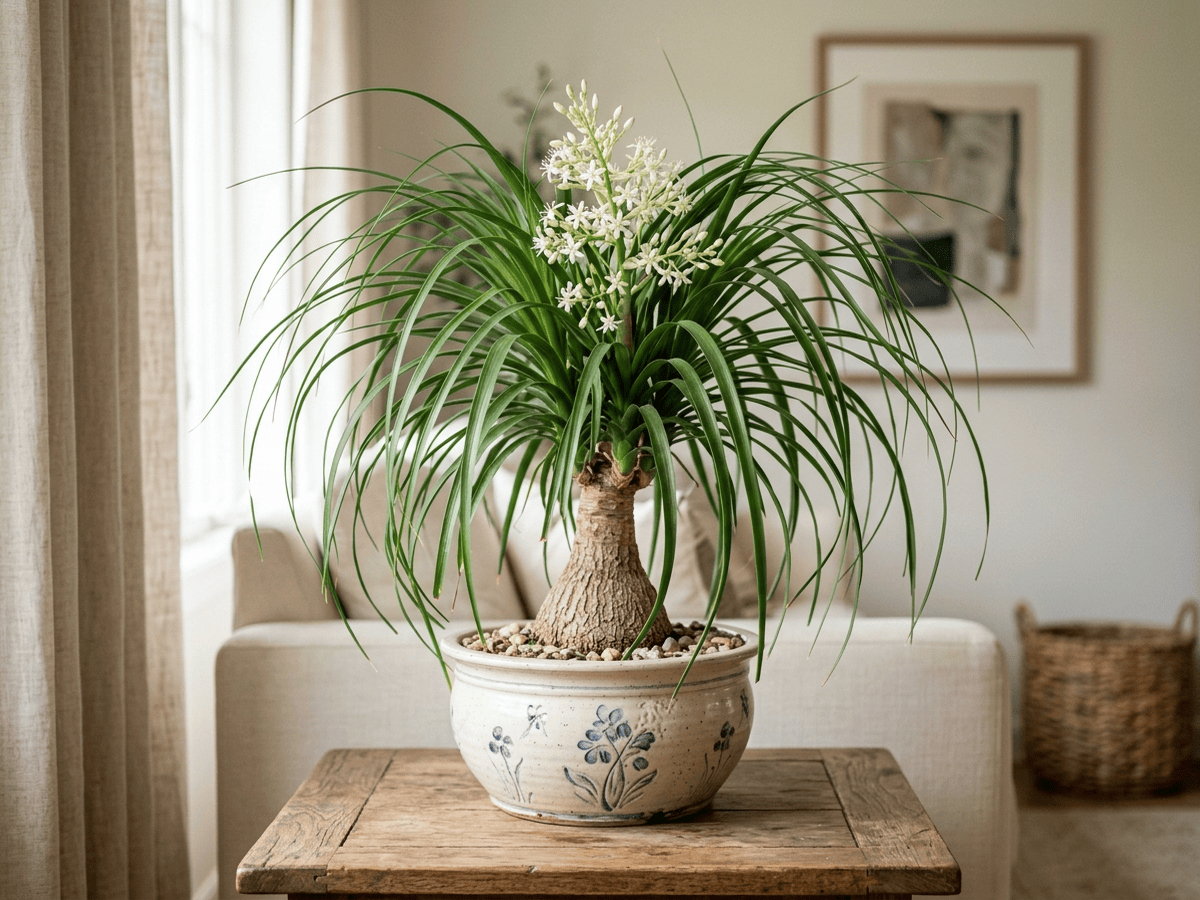 Ponytail PalmBeaucarnea recurvata
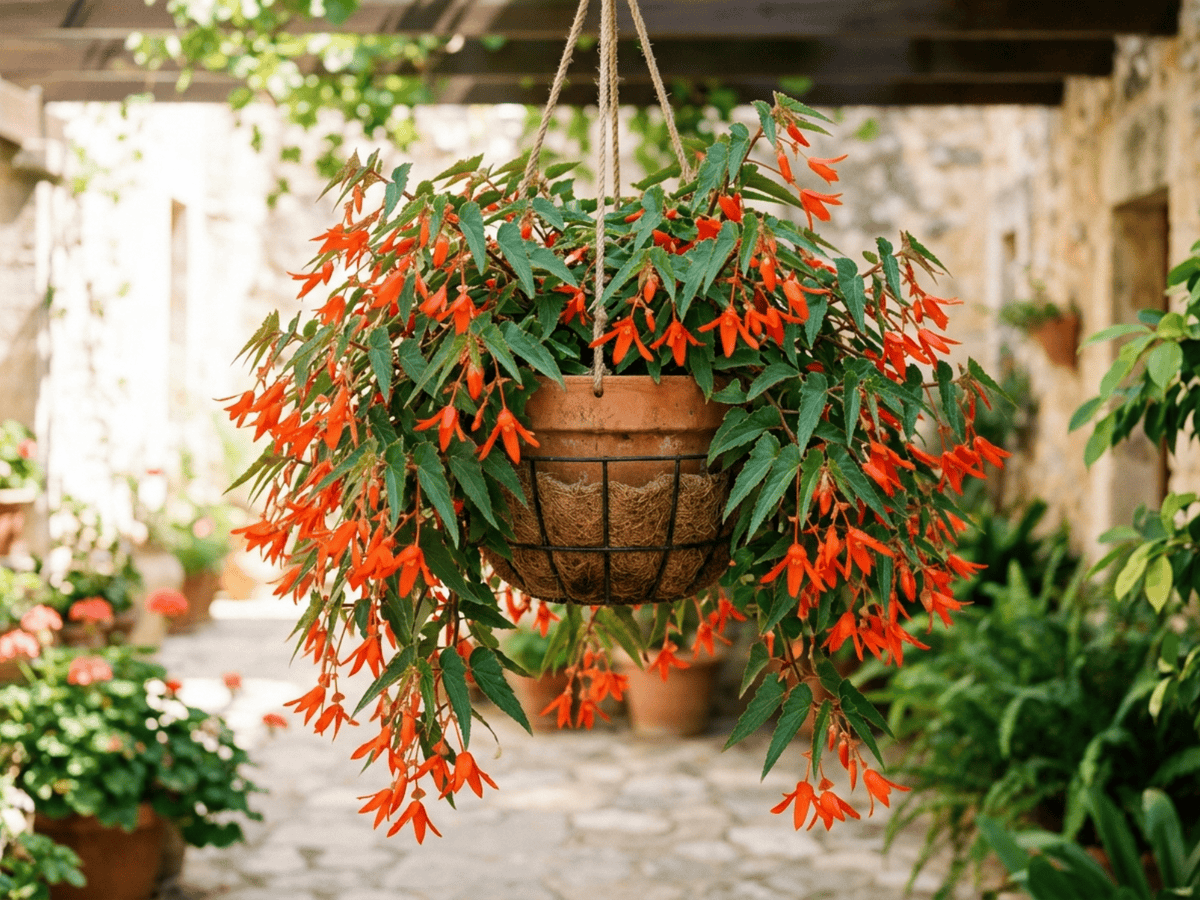 Tuberous BegoniaBegonia boliviensis
Frequently asked questions
How often should I water Swiss Cheese Plant?
In summer, water about every 5 days; in winter, about every 14 days. Adjust for heat, pot size and drainage.
How much light does Swiss Cheese Plant need?
Part shade: 2–4 hrs direct. Watch the leaves — scorching or stretching means the light needs adjusting.
Is Swiss Cheese Plant toxic to cats or dogs?
Pets Moderate (Dogs Moderate · Cats Moderate) Educational information, not medical or veterinary advice. If exposure is suspected, contact a doctor or veterinarian.
Is Swiss Cheese Plant easy to grow?
Yes — it is considered an easy, beginner-friendly plant.
Can Swiss Cheese Plant be grown indoors?
Yes, it adapts well to indoor growing given the right light.
YardMate
Identify any plant in seconds
Snap a photo — YardMate names the plant, diagnoses problems, and reminds you when to water.
Download on the App Store