 YardMate

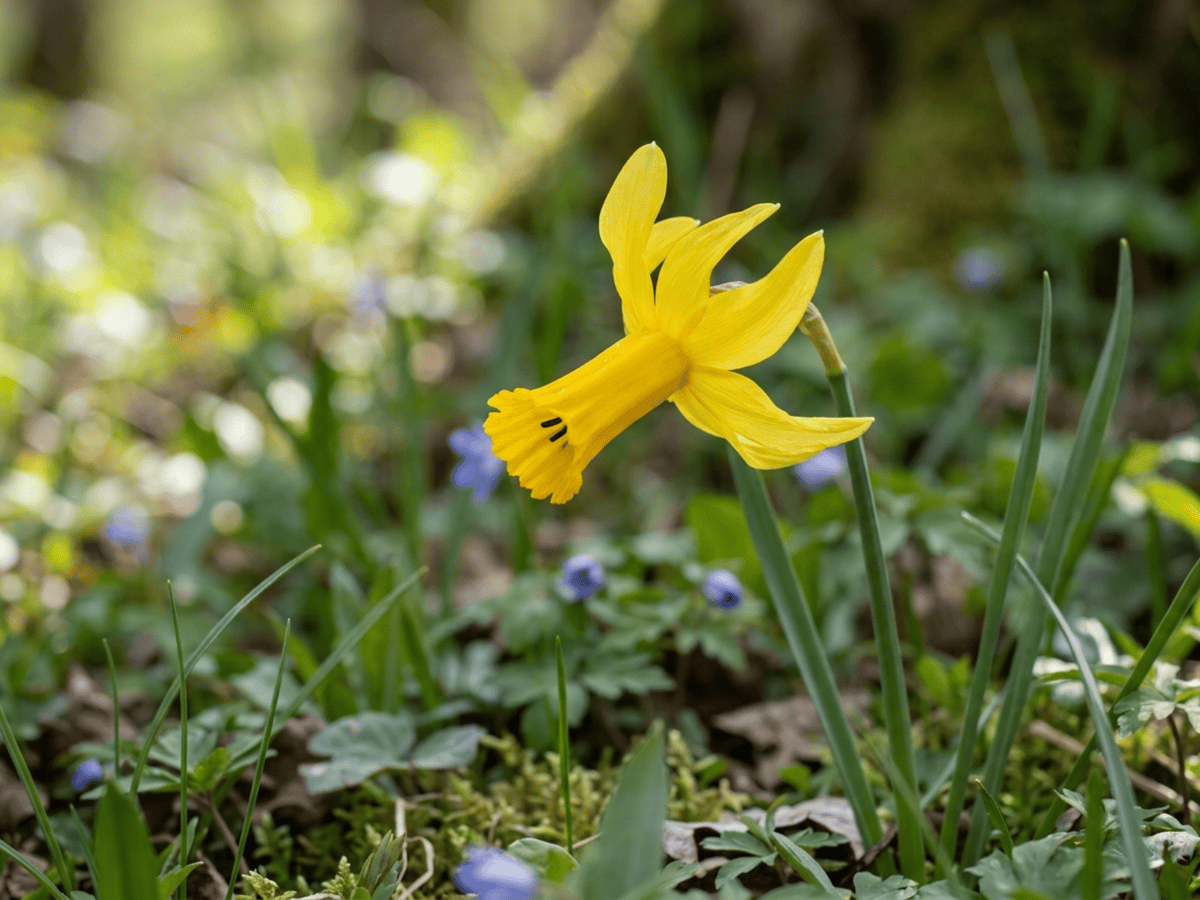
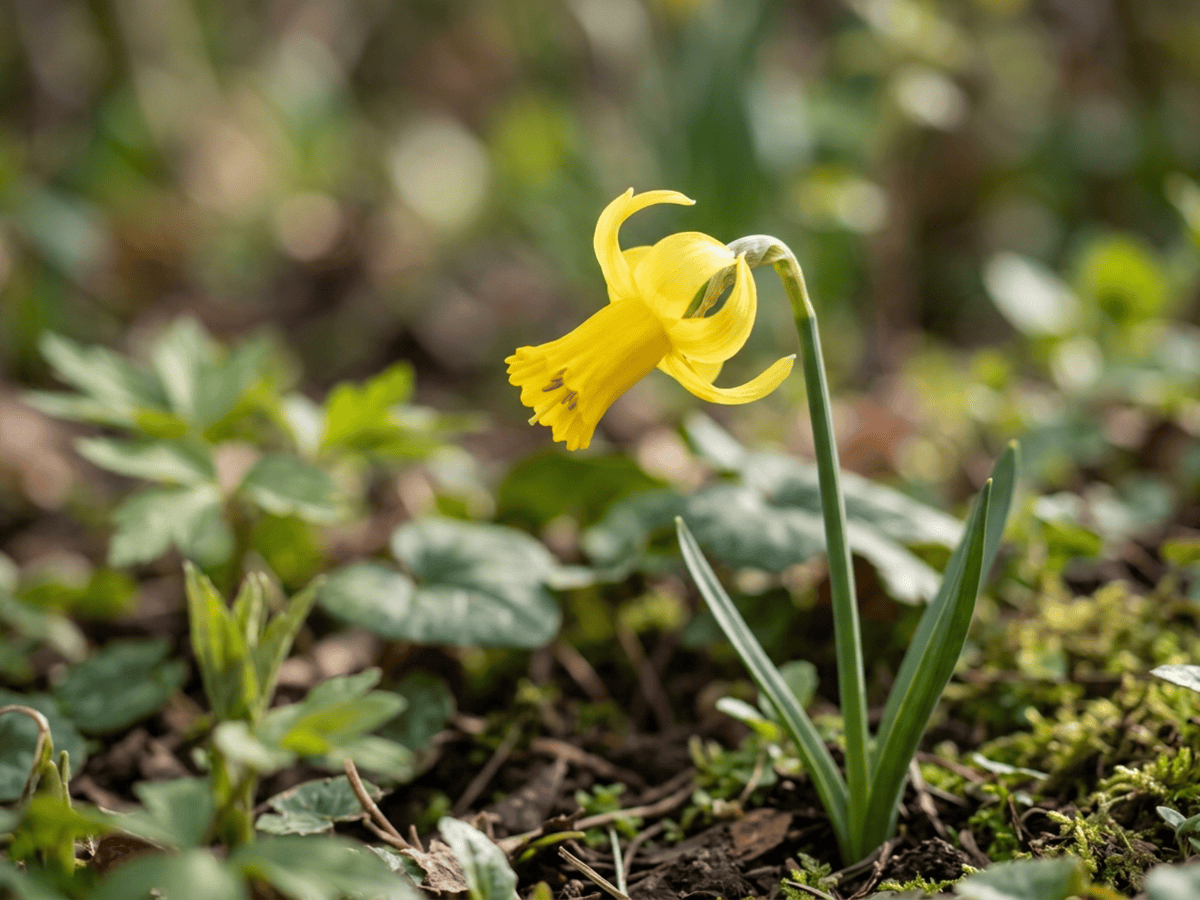
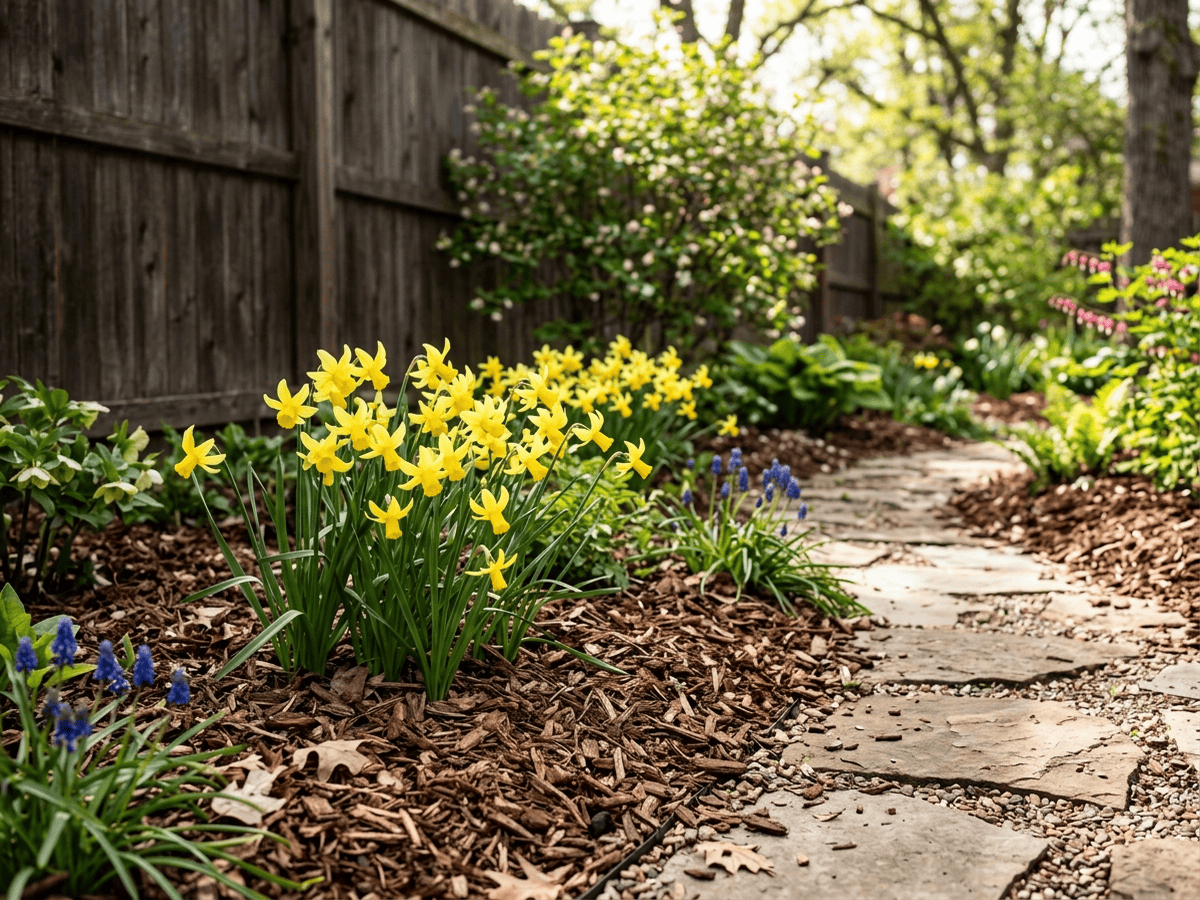
Cyclamen-Flowered Daffodil
Narcissus cyclamineus
Medium · Some experienceAbout Cyclamen-Flowered Daffodil
Cyclamen-flowered Daffodil is a charming miniature species daffodil from northern Portugal and Spain, with swept-back petals that flip upward like a cyclamen flower, giving a windblown appearance. Just 6-10 inches tall with bright golden-yellow blooms, it is one of the earliest daffodils to flower. A cherished species and parent of many popular miniature cultivars in American gardens, thriving in moist spring and drier summer conditions.
- Cold-hardy
- Deer-resistant
- Compact
How to care for Cyclamen-Flowered Daffodil
Watering
- Springevery 4 days
- Summerpause watering
- Fallevery 10 days
- Winterpause watering
Soil · Well-draining
- Main mixLoam + coarse sand 3:175%
- DrainageGravel25%
Sharp drainage matters most — bulbs rot in wet soil while dormant.
FERTILIZER
Bulb Feed 3-5-3
With bulbs, when matters more than what. One dose goes in the hole at planting, the second when shoots break ground.
- Nitrogen · Leaves
- Phosphorus · Roots + Blooms
- Potassium · Strength
- Springevery 30 days
- Fallevery 60 days
At a Glance
- NativeEurope
- Height0.5–1 ft (0.2–0.3 m)
- Spread0.5 ft (0.2 m)
- Flower colorYellow
- Foliage colorGreen
- SoilLoamy, Well-drained
- LocationsYard
Bloom time
BLOOM CYCLE
Peak bloom
Feb–Mar
Golden yellow swept-back flowers February to March
Fragrance
LIGHT FRAGRANCE
The flowers have a mild scent.
Toxicity
Humans Moderate · Pets Moderate
lycorine and narcissine
Moderate
- Bulb
- Ingestion
EXPOSURE Eating bulbs.
EFFECT Nausea, vomiting, and diarrhea.
NOTE Documented concern for humans: Nausea, vomiting, and diarrhea.
Moderate
- Bulb
- Ingestion
EXPOSURE Eating bulbs.
EFFECT Vomiting, diarrhea, and cardiac arrhythmia.
NOTE ASPCA lists all Narcissus as toxic to dogs and cats. Bulbs most concentrated.
Moderate
- Bulb
- Ingestion
EXPOSURE Eating bulbs.
EFFECT Vomiting, diarrhea, and cardiac arrhythmia.
NOTE ASPCA lists all Narcissus as toxic to dogs and cats. Bulbs most concentrated.
Educational information, not medical or veterinary advice. If exposure is suspected, contact a doctor or veterinarian.
DISTRIBUTION


- Native
- Introduced
- Europe
History

Narcissus cyclamineus is native to damp meadows and stream margins of northwestern Spain and northern Portugal. It was originally described in 1633 but then considered extinct or mythical for 250 years until rediscovered in Portugal in 1885 by Spanish-born gardener Alfred Tait. Its distinctive swept-back petals resembling Cyclamen flowers gave the species name.
Dutch and English breeders quickly used it for hybridizing: Alec Gray of Cornwall produced the miniature 'Tête-à-Tête' (1949), one of the most popular daffodils ever bred. Other classic cyclamineus hybrids include 'February Gold' (1923) and 'Jetfire' (1966). The Royal Horticultural Society Daffodil Classification Division 6 is devoted to cyclamineus hybrids. Parent of the enormously popular cultivars 'February Gold', 'Jack Snipe', and 'Tête-à-Tête'—the latter the world's best-selling daffodil and a staple in American bulb beds. The species itself remains a choice plant for damp bulb meadows.
Symbolism & meaning
What It Symbolizes
Cyclamen-Flowered Daffodil signals new beginnings, among the earliest daffodils to bloom and one of the surest signs that spring has truly begun. Paired with resilience, it was rediscovered after near-extinction in the wild, a quiet conservation triumph. Each flower's swept-back petals seem to lean into the new season — small messengers of spring's return and the species' own.
- New Beginnings — earliest daffodils signal spring
- Resilience — rediscovered after near-extinction
Where the Name Comes From
The common name highlights its red coloring. 'Cyclamineus' refers to the resemblance of the reflexed petals to those of a cyclamen.
Uses & Fun Facts
- Swept-back golden petals on six-inch stems for early-spring rock gardens
- Miniature daffodil for forced bulb pots and trough gardens
Related plants
More Narcissus plants
 JonquilNarcissus jonquilla
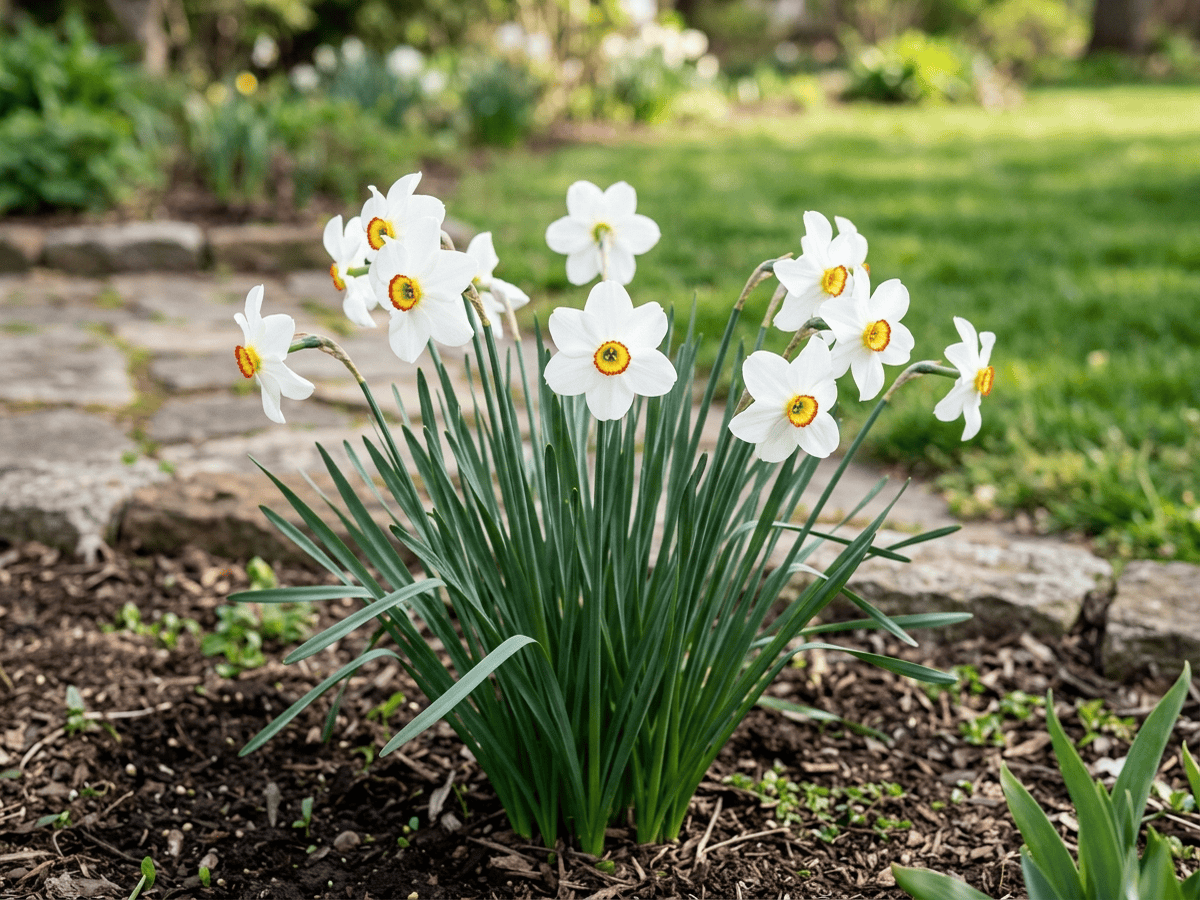 Poet's DaffodilNarcissus poeticus
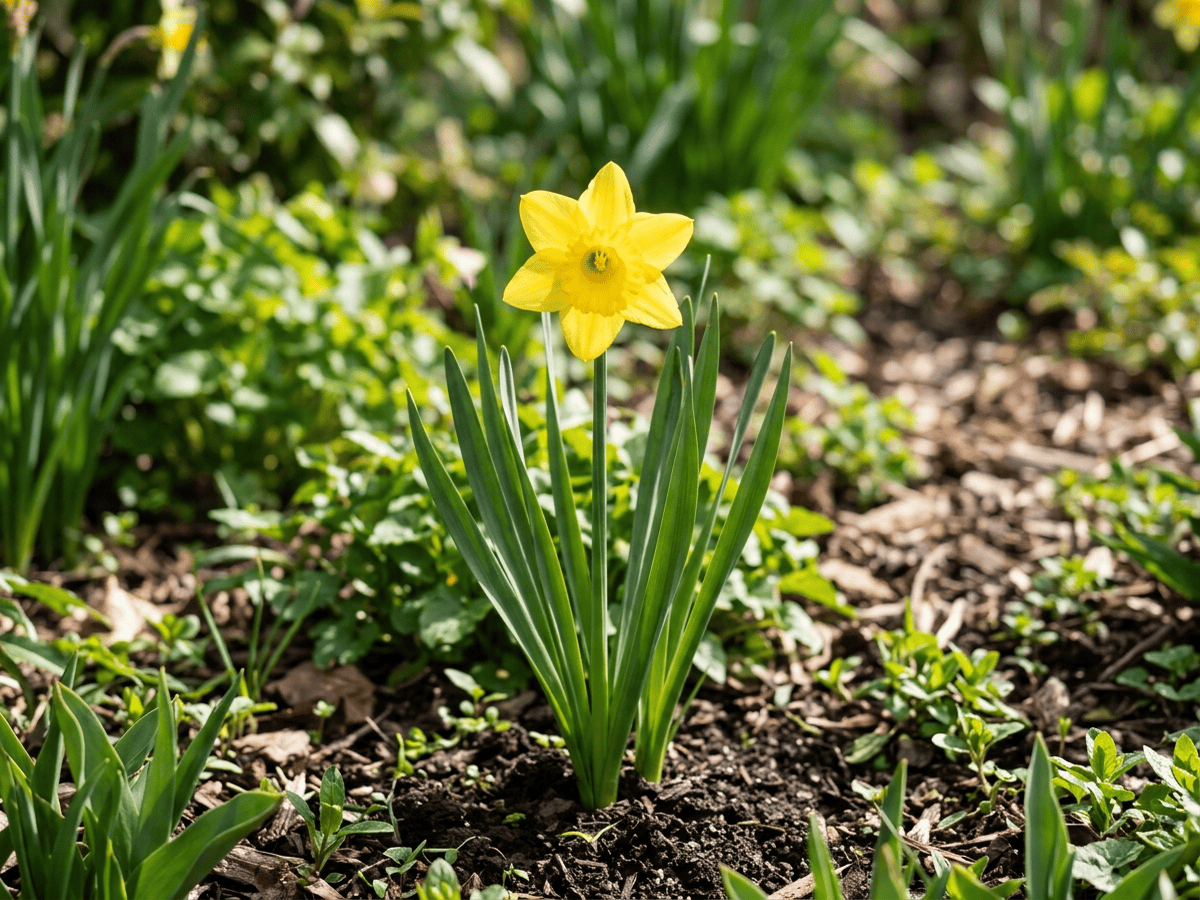 Wild DaffodilNarcissus pseudonarcissus
 Bunch-Flowered DaffodilNarcissus tazetta
Plants with similar care
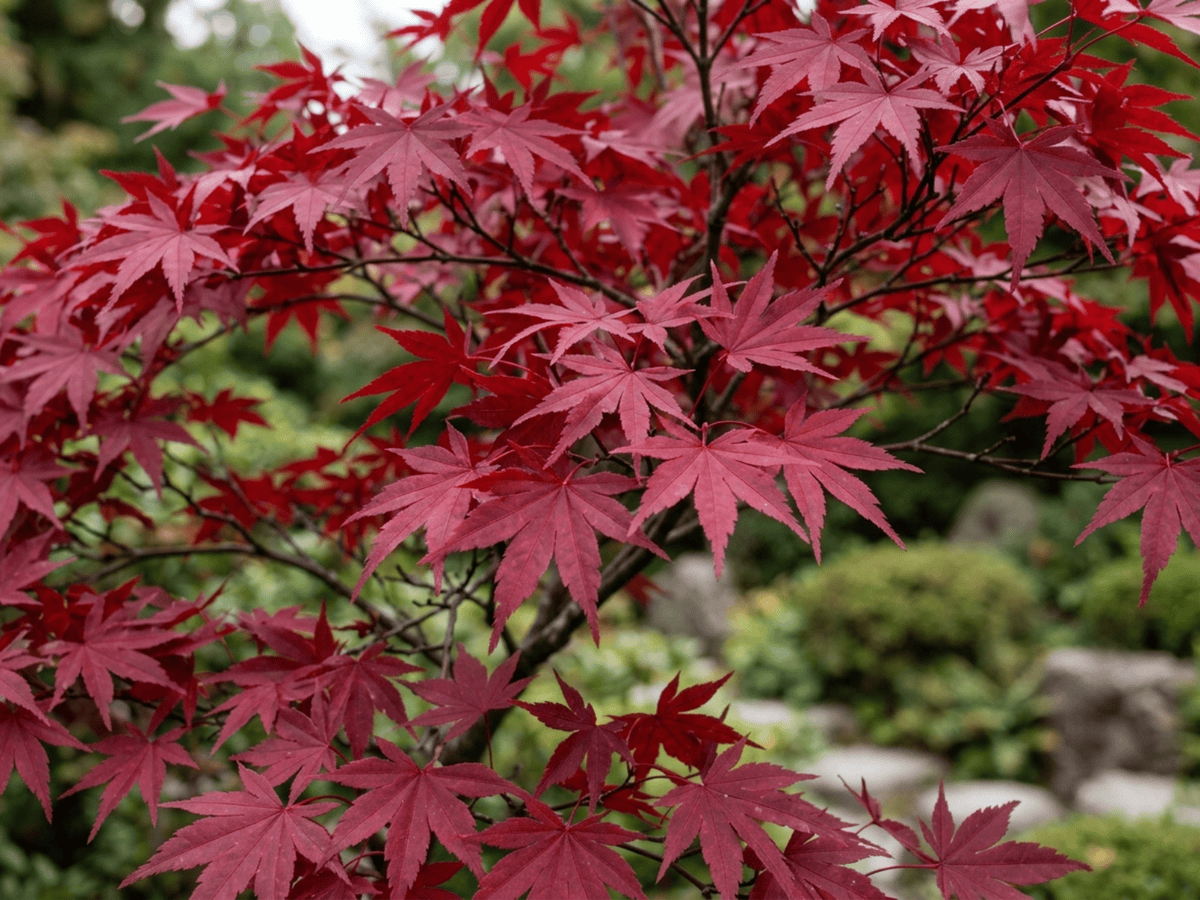 Japanese MapleAcer palmatum
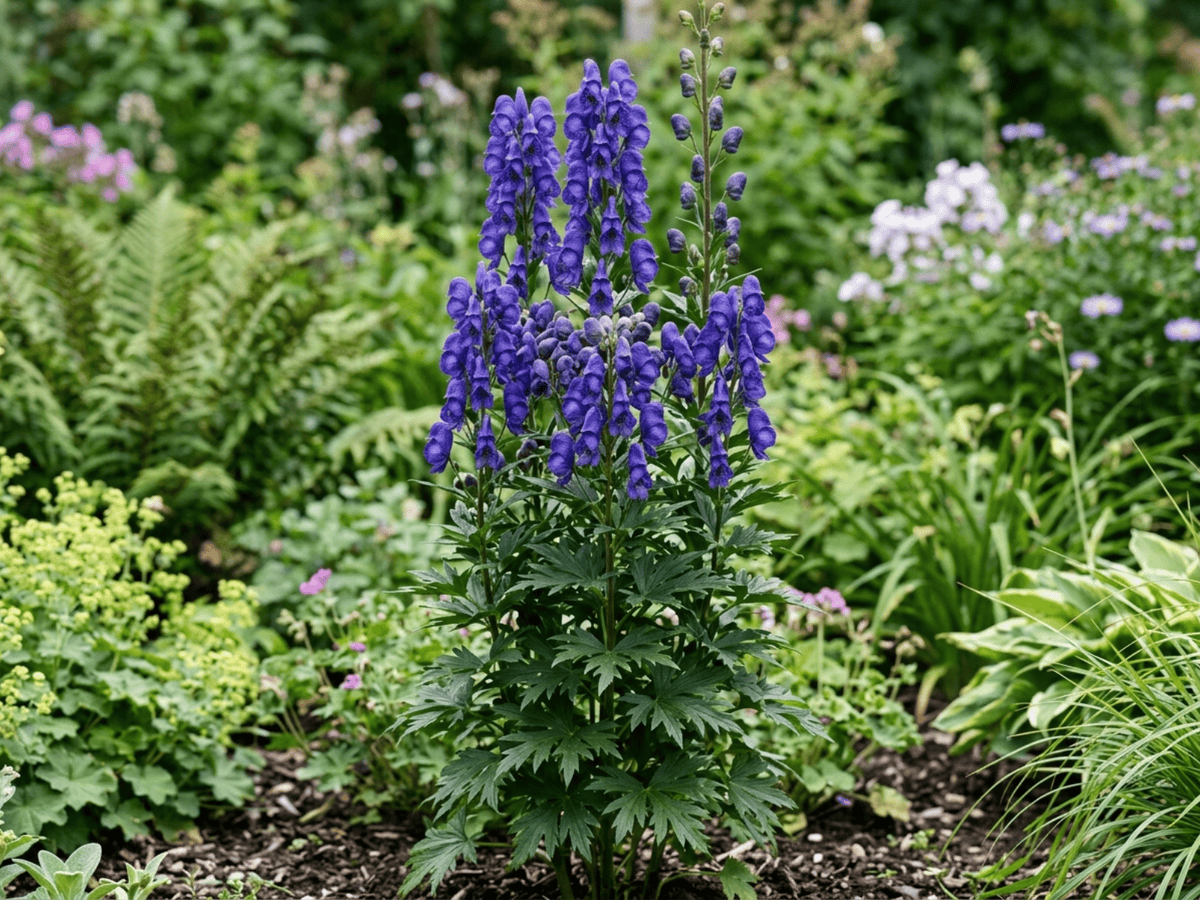 Azure MonkshoodAconitum carmichaelii
 Florida HobblebushAgarista populifolia
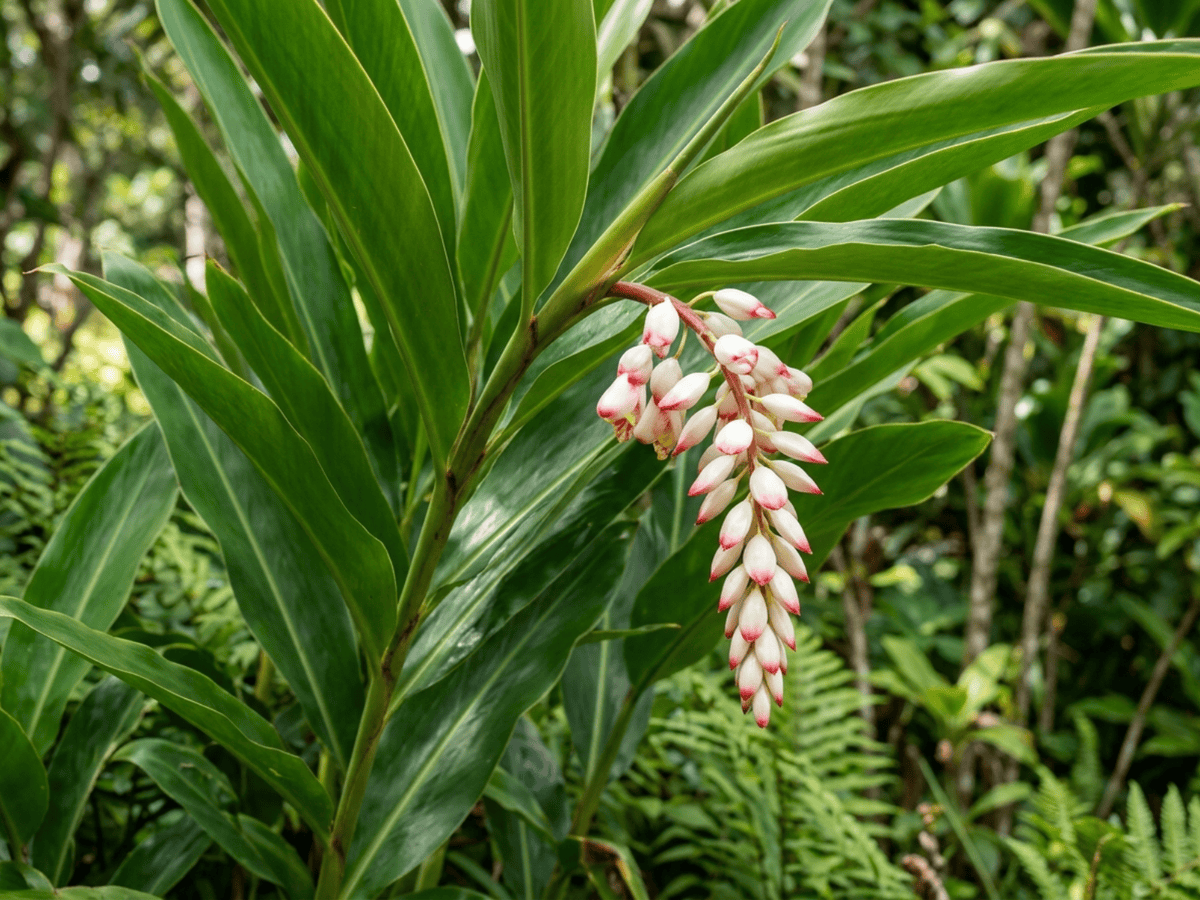 Shell GingerAlpinia zerumbet
Frequently asked questions
How often should I water Cyclamen-Flowered Daffodil?
Water about every 4 days during the growing season, and always let excess water drain away.
How much light does Cyclamen-Flowered Daffodil need?
Part shade: 2–4 hrs direct. Watch the leaves — scorching or stretching means the light needs adjusting.
Is Cyclamen-Flowered Daffodil toxic to cats or dogs?
Pets Moderate (Dogs Moderate · Cats Moderate) Educational information, not medical or veterinary advice. If exposure is suspected, contact a doctor or veterinarian.
Is Cyclamen-Flowered Daffodil easy to grow?
It is moderately demanding: a good choice once you have a little experience.
When does Cyclamen-Flowered Daffodil bloom?
It typically blooms Feb–Mar in the Northern Hemisphere.
YardMate
Identify any plant in seconds
Snap a photo — YardMate names the plant, diagnoses problems, and reminds you when to water.
Download on the App Store