 YardMate


Wild Daffodil
Narcissus pseudonarcissus
Easy · Beginner friendlyAbout Wild Daffodil
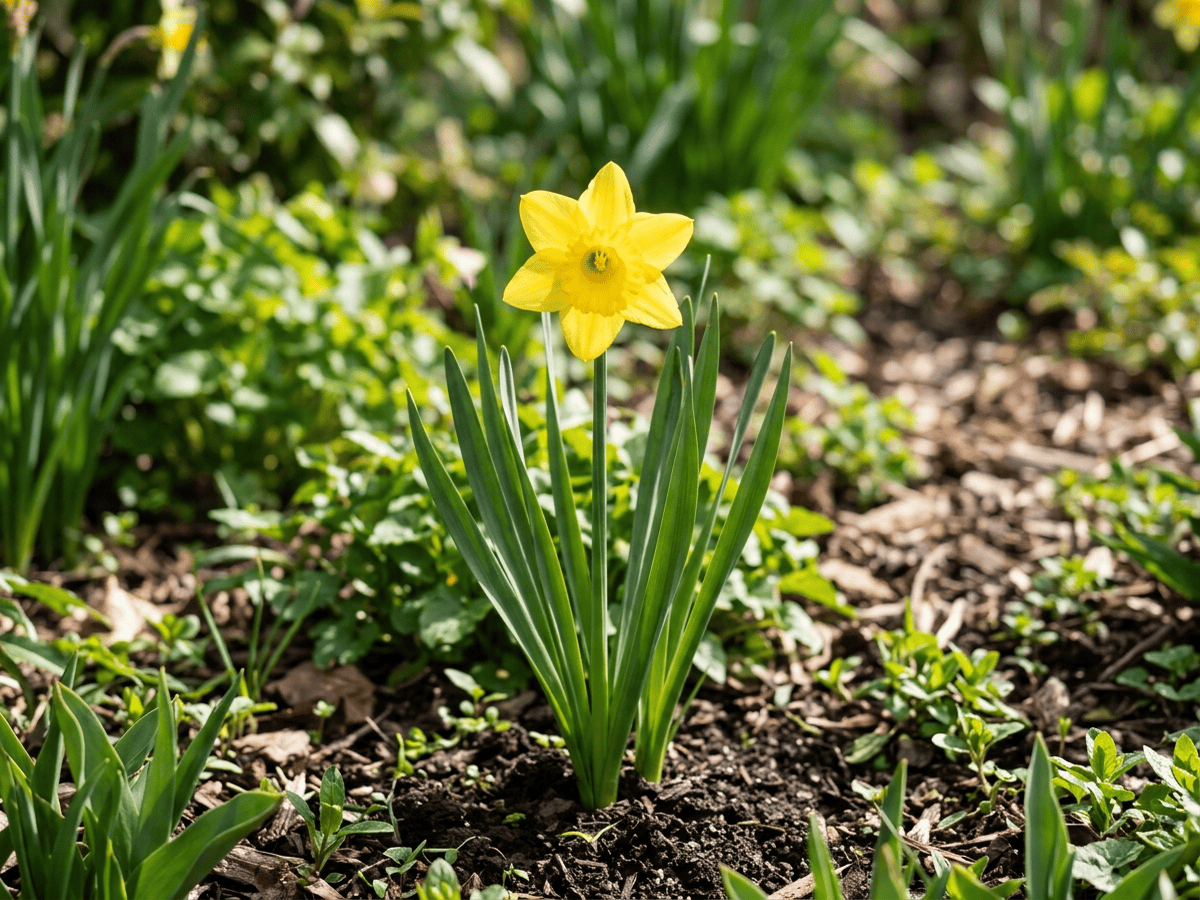
Narcissus pseudonarcissus, the wild daffodil, is the archetypal spring flower with nodding yellow trumpets surrounded by paler petals. Native to western Europe, it naturalizes readily, returning and multiplying for decades. The trumpet is actually a corona — a modified petal structure unique to the Narcissus genus. Thousands of cultivated varieties exist, from miniature species to giant exhibition types in yellow, white, orange, and pink. All parts are toxic, containing lycorine alkaloid — which, paradoxically, makes them deer-proof and rodent-proof. They are symbols of spring and renewal across the Northern Hemisphere.
- Deer-resistant
How to care for Wild Daffodil
Watering
- Springevery 7 days
- Summerevery 30 days
- Fallevery 14 days
- Winterevery 30 days
Soil · Well-draining
- Main mixLoam + coarse sand 3:175%
- DrainageGravel25%
Sharp drainage matters most — bulbs rot in wet soil while dormant.
FERTILIZER
Bulb Feed 3-5-3
With bulbs, when matters more than what. One dose goes in the hole at planting, the second when shoots break ground.
- Nitrogen · Leaves
- Phosphorus · Roots + Blooms
- Potassium · Strength
- Springevery 30 days
- Fallevery 60 days
At a Glance
- NativeEurope
- Height1–1.5 ft (0.3–0.5 m)
- Spread0.5–1 ft (0.2–0.3 m)
- Flower colorYellow, White
- Foliage colorGreen
- SoilWell-drained, Loamy
- LocationsYard
Bloom time
BLOOM CYCLE
Peak bloom
Mar–Apr
Plant bulbs in autumn; let foliage die naturally after blooming to feed bulbs
Fragrance
LIGHT FRAGRANCE
Light sweet scent in most wild forms; some cultivars significantly more fragrant.
Toxicity
Humans Moderate · Pets Moderate
lycorine, narciclasine, and galantamine
Moderate
- Root
- Leaf
- Flower
- Ingestion
EXPOSURE Eating roots, leaves, and flowers.
EFFECT Nausea, vomiting, abdominal pain, diarrhea, cardiac arrhythmia and respiratory depression in severe cases and bulbs mistaken for onions cause most serious poisonings.
NOTE Galantamine, an acetylcholinesterase inhibitor, is extracted from daffodils for Alzheimer's treatment.
Moderate
- Root
- Leaf
- Flower
- Ingestion
EXPOSURE Eating roots, leaves, and flowers.
EFFECT Vomiting, salivation, diarrhea, convulsions, low blood pressure, cardiac arrhythmia, bulbs most dangerous, and per ASPCA.
NOTE Galantamine, an acetylcholinesterase inhibitor, is extracted from daffodils for Alzheimer's treatment.
Moderate
- Root
- Leaf
- Flower
- Ingestion
EXPOSURE Eating roots, leaves, and flowers.
EFFECT Vomiting, salivation, diarrhea, convulsions, low blood pressure, cardiac arrhythmia, bulbs most dangerous, and per ASPCA.
NOTE Galantamine, an acetylcholinesterase inhibitor, is extracted from daffodils for Alzheimer's treatment.
Educational information, not medical or veterinary advice. If exposure is suspected, contact a doctor or veterinarian.
DISTRIBUTION

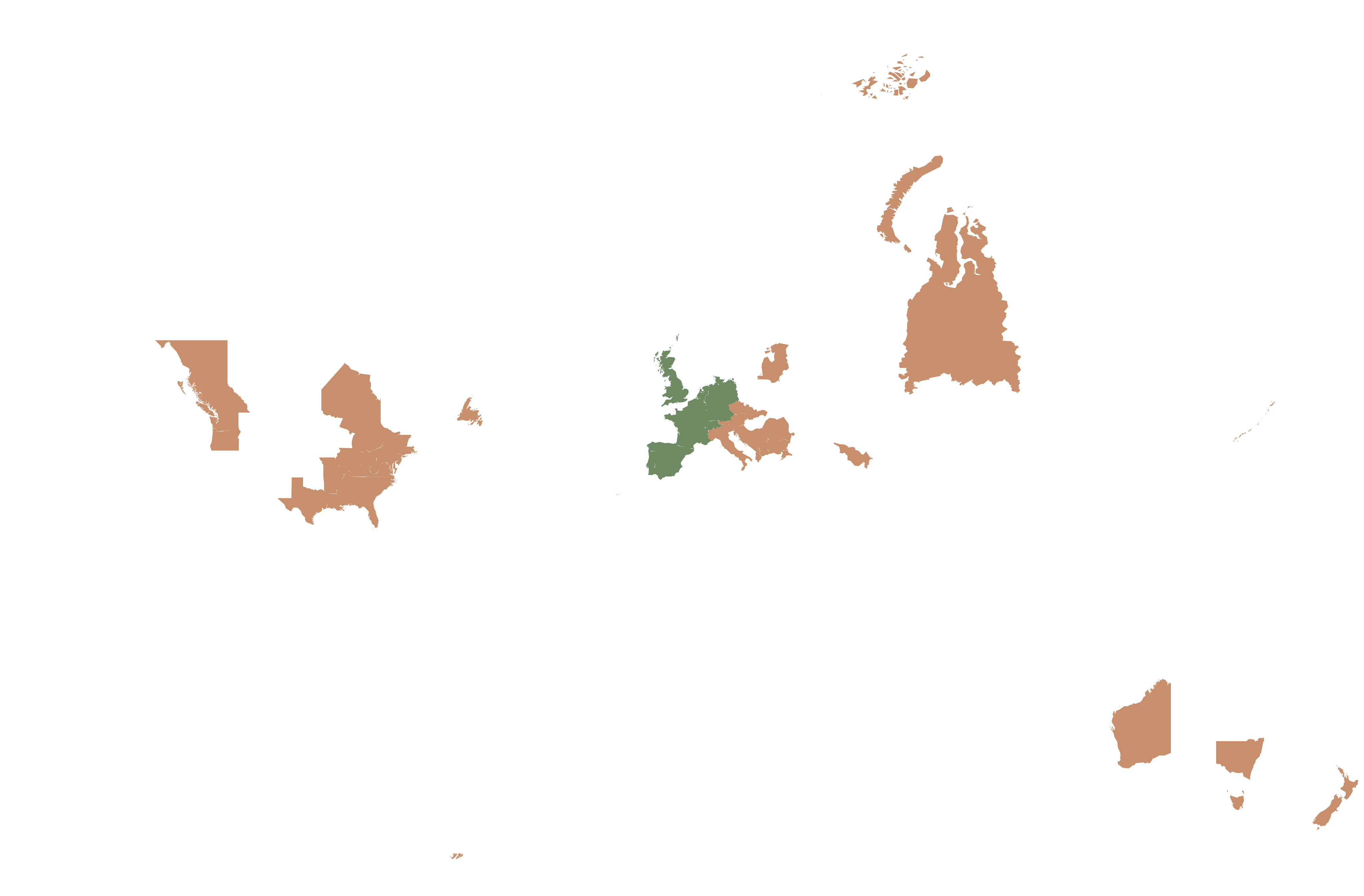
- Native
- Introduced
- Europe
History
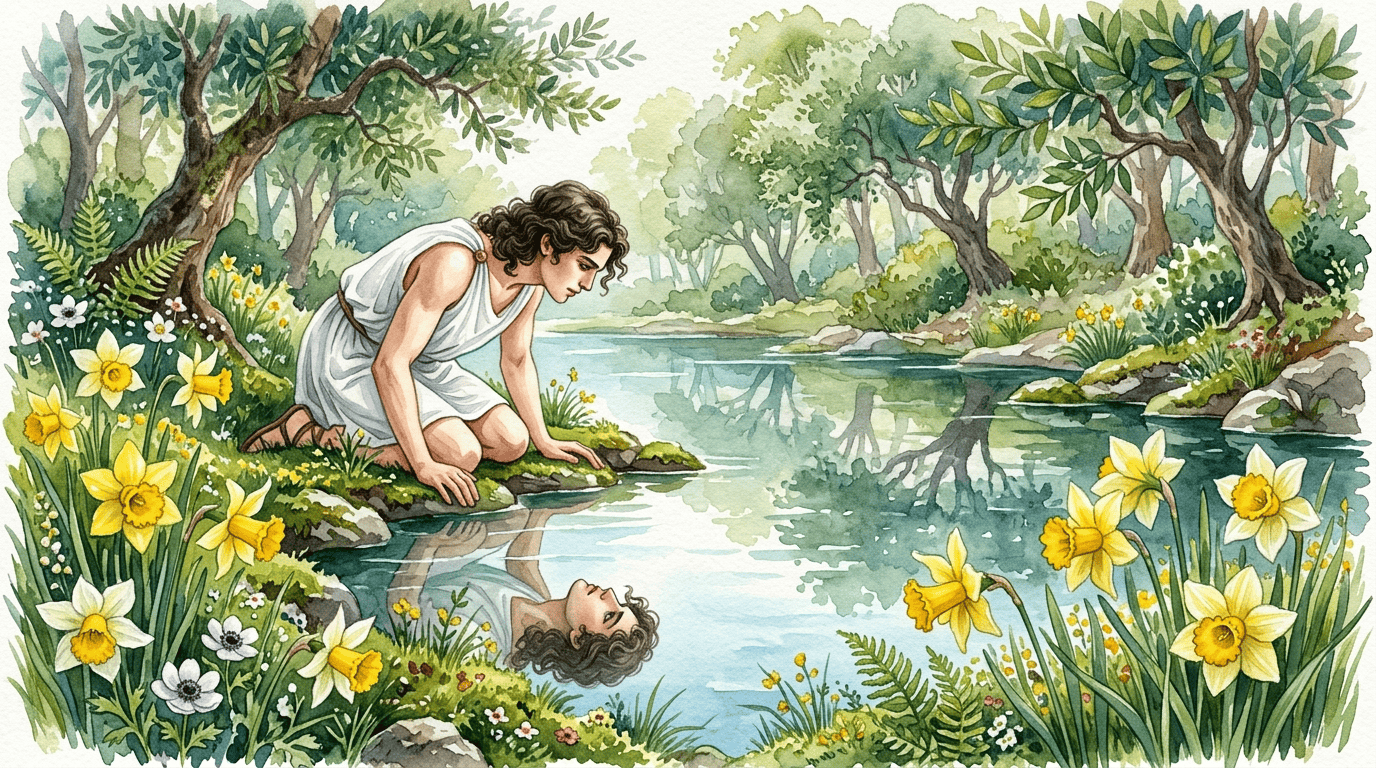
Narcissus pseudonarcissus is native to western Europe, particularly Britain, France, Spain, and Portugal, where it grows wild in damp woodlands and meadows. Its English name 'daffodil' is a corrupted form of 'affodell', a medieval English form of 'asphodel'. The genus name Narcissus comes from the Greek myth of the beautiful youth Narcissus who fell in love with his own reflection and, unable to leave it, wasted away and transformed into a flower — a story elaborated by Ovid in the Metamorphoses.
It was adopted as the national flower of Wales, where it blooms each spring around St. David's Day (March 1). All daffodils contain significant concentrations of toxic alkaloids (lycorine, narciclasine) particularly concentrated in the bulb, which has caused human poisonings when mistaken for onions, and is seriously toxic to pets.
Wordsworth's 1804 poem 'I Wandered Lonely as a Cloud' immortalized daffodils in English literature. Medically, the lycorine alkaloid in daffodils shows anticancer properties — galanthamine, extracted from Narcissus and Galanthus, is an FDA-approved treatment for Alzheimer's disease. The Isles of Scilly built their entire economy on early-blooming Narcissus cultivation for the London cut flower market.
Symbolism & meaning
What It Symbolizes
The Wild Daffodil is the quintessential symbol of rebirth, emerging from cold ground when winter has only just begun to release its grip. Its trumpet-yellow blooms have inspired poets from Wordsworth onward, but its meaning predates poetry — the simple yearly miracle of green spears turning into gold. To see a host of them in a damp meadow is to feel spring's return announce itself.
- Rebirth — Emerging after winter, daffodils are the quintessential symbol of spring renewal
Where the Name Comes From
Narcissus from Greek mythology. Pseudonarcissus means 'false narcissus,' distinguishing this species from the original N. poeticus described by ancient Greeks.
Uses & Fun Facts
- Yellow trumpets prized in early spring bouquets
- Naturalizes in lawns and woodland edges for spring display
- Iconic Welsh national flower and Wordsworth's daffodil
Related plants
More Narcissus plants
 Cyclamen-Flowered DaffodilNarcissus cyclamineus
 JonquilNarcissus jonquilla
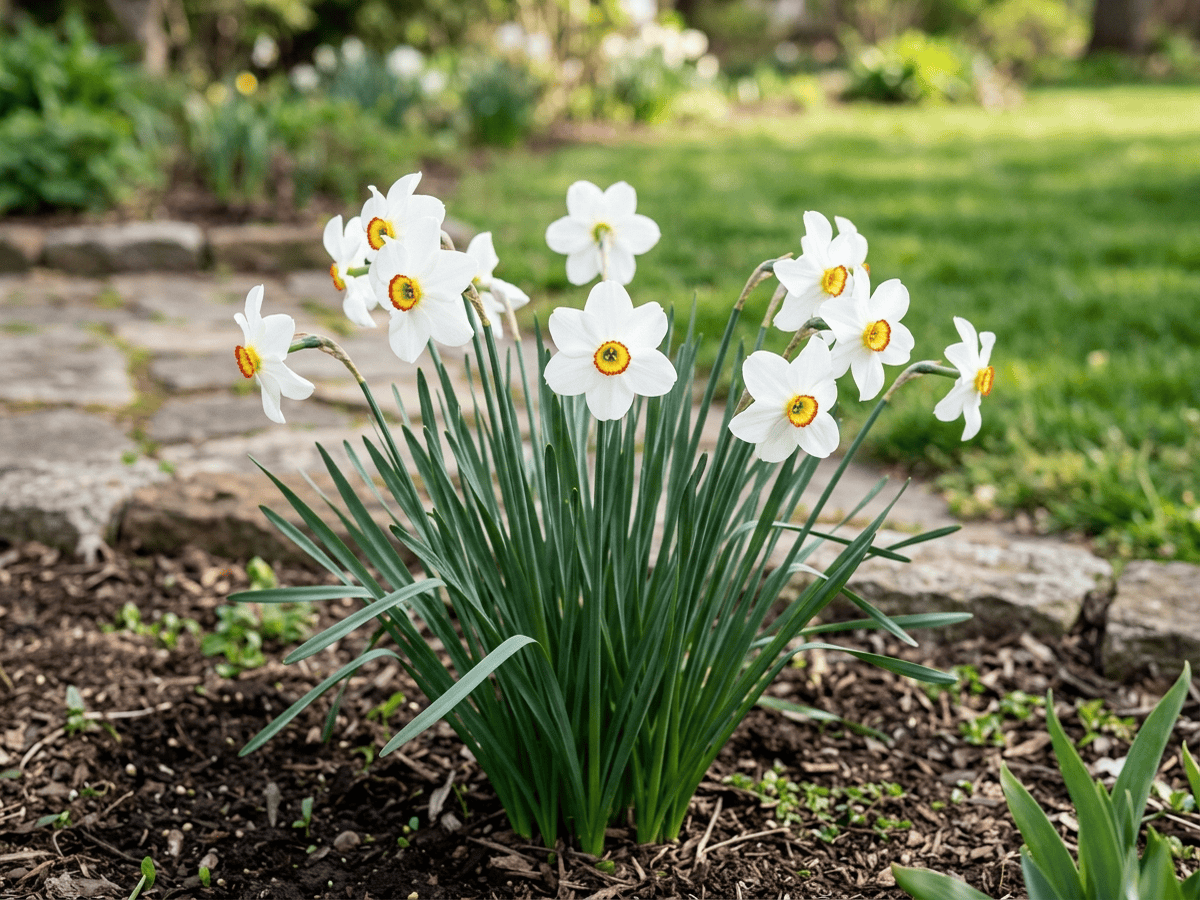 Poet's DaffodilNarcissus poeticus
 Bunch-Flowered DaffodilNarcissus tazetta
Plants with similar care
 Chinese AbeliaAbelia chinensis
 Fragrant AbeliaAbelia mosanensis
 Large-Flowered AbeliaAbelia uniflora
 Glossy AbeliaAbelia x grandiflora
Frequently asked questions
How often should I water Wild Daffodil?
In summer, water about every 30 days; in winter, about every 30 days. Adjust for heat, pot size and drainage.
How much light does Wild Daffodil need?
Full sun: 6+ hrs direct. Watch the leaves — scorching or stretching means the light needs adjusting.
Is Wild Daffodil toxic to cats or dogs?
Pets Moderate (Dogs Moderate · Cats Moderate) Educational information, not medical or veterinary advice. If exposure is suspected, contact a doctor or veterinarian.
Is Wild Daffodil easy to grow?
Yes — it is considered an easy, beginner-friendly plant.
When does Wild Daffodil bloom?
It typically blooms Mar–Apr in the Northern Hemisphere.
YardMate
Identify any plant in seconds
Snap a photo — YardMate names the plant, diagnoses problems, and reminds you when to water.
Download on the App Store