 YardMate


Angel's-Tears
Narcissus triandrus
Medium · Some experienceAbout Angel's-Tears
Angel's Tears Daffodil is a graceful species narcissus from Spain and Portugal producing clusters of nodding reflexed-petaled flowers in creamy white or pale yellow. Each stem bears 2-6 blooms that dance in the spring breeze. Growing 8-12 inches tall, it is the parent of the popular Triandrus Hybrid class. A refined choice for American rock gardens and naturalized woodland edges in USDA zones 4-9.
- Fragrant
- Deer-resistant
- Cold-hardy
How to care for Angel's-Tears
Watering
- Springevery 4 days
- Summerpause watering
- Fallevery 10 days
- Winterpause watering
Soil · Well-draining
- Main mixLoam + coarse sand 3:175%
- DrainageGravel25%
Sharp drainage matters most — bulbs rot in wet soil while dormant.
FERTILIZER
Bulb Feed 3-5-3
With bulbs, when matters more than what. One dose goes in the hole at planting, the second when shoots break ground.
- Nitrogen · Leaves
- Phosphorus · Roots + Blooms
- Potassium · Strength
- Springevery 30 days
- Fallevery 60 days
At a Glance
- NativeEurope
- Height0.5–1 ft (0.2–0.3 m)
- Spread0.2–0.3 ft (0.1–0.1 m)
- Flower colorWhite, Cream, Yellow
- Foliage colorGreen
- SoilWell-drained, Loamy, Neutral
- LocationsYard
Bloom time
BLOOM CYCLE
Peak bloom
Apr
Nodding white or pale yellow clusters April
Fragrance
LIGHT FRAGRANCE
The flowers have a mild sweet scent.
Toxicity
Humans Moderate · Pets Moderate
lycorine and narcissine
Moderate
- Bulb
- Ingestion
EXPOSURE Eating bulbs.
EFFECT Nausea, vomiting, and diarrhea.
NOTE Documented concern for humans: Nausea, vomiting, and diarrhea.
Moderate
- Bulb
- Ingestion
EXPOSURE Eating bulbs.
EFFECT Vomiting, diarrhea, and cardiac arrhythmia.
NOTE ASPCA lists Narcissus as toxic to pets.
Moderate
- Bulb
- Ingestion
EXPOSURE Eating bulbs.
EFFECT Vomiting, diarrhea, and cardiac arrhythmia.
NOTE ASPCA lists Narcissus as toxic to pets.
Educational information, not medical or veterinary advice. If exposure is suspected, contact a doctor or veterinarian.
DISTRIBUTION


- Native
- Introduced
- Europe
History
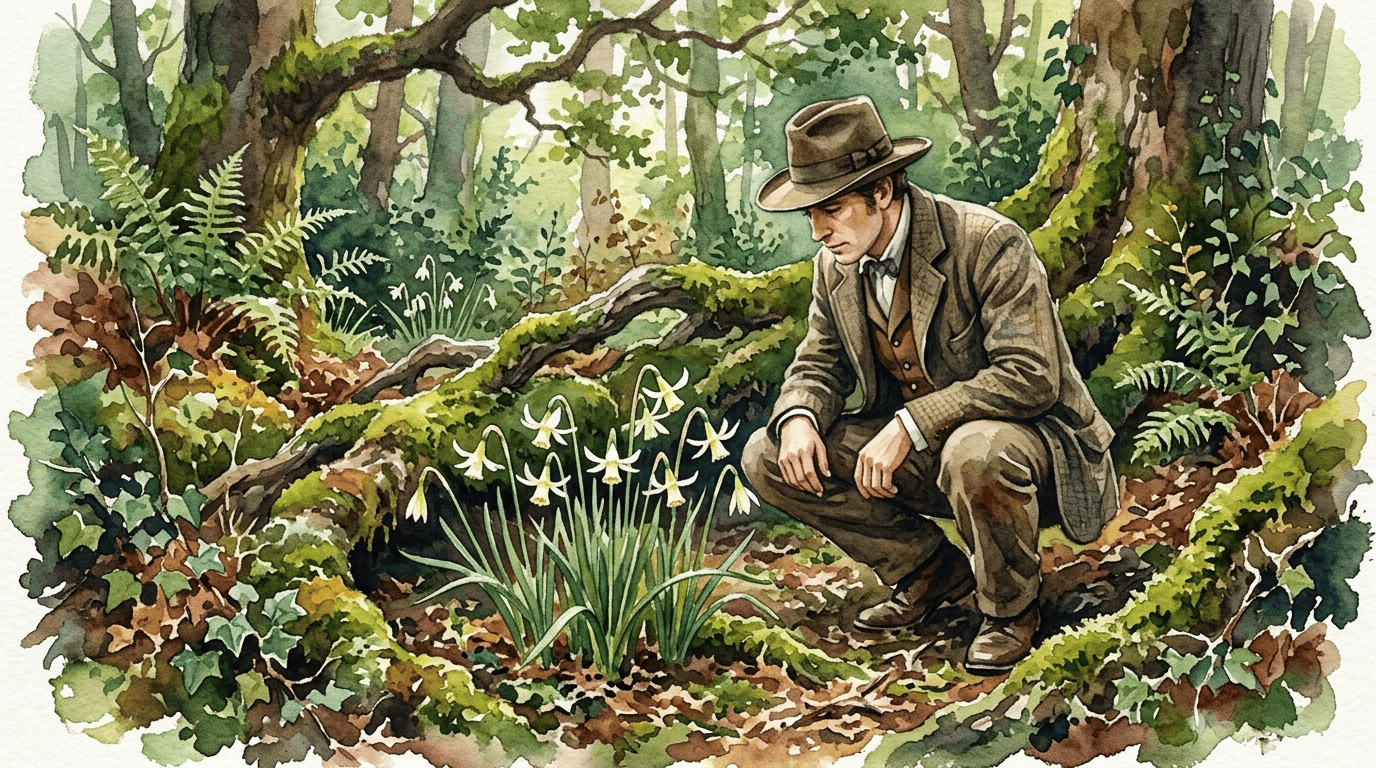
Narcissus triandrus grows wild in open woodlands and heathlands of Portugal, Spain, and southwestern France on acidic soils. Linnaeus described it in 1753 referencing the three stamens (Greek treis + aner) in some forms, though flowers typically have six. The species has multiple pendant nodding flowers per stem with distinctively reflexed perianth segments and short cup.
English writer Edward Salisbury popularized the poetic common name angel's tears based on a Portuguese legend. Breeders including Guy Wilson of Northern Ireland used it to produce the Triandrus Group—characterized by nodding clusters and swept-back petals—recognized as Division 5 in the RHS Daffodil Classification. Classic cultivars include 'Thalia' (1916, pure white) and 'Hawera'.
The species and its hybrids remain among the most elegantly formed daffodils. First described by Carolus Linnaeus in 1753 from Spanish populations. These are staples of American shade and woodland garden plantings, offering refined beauty where larger daffodils seem coarse.
Symbolism & meaning
What It Symbolizes
Angel's-Tears wears grace in elegantly swept-back petals, as if each flower were leaning into a quiet wind only it can feel. Its Gentleness is carried in delicate nodding clusters, two or three small bells per stem, never insistent on attention. Among the loud trumpets of other narcissi, it speaks in a softer, almost confiding voice.
- Grace — elegant swept-back petals
- Gentleness — delicate nodding clusters
Where the Name Comes From
'Triandrus' means 'three-stamened', though many flowers in fact have six stamens.
Uses & Fun Facts
- Nodding multiple-flowered daffodils with reflexed petals
- Compact bulbs ideal for forcing in pots
- Delicate stems add charm to spring posies
Related plants
More Narcissus plants
 Cyclamen-Flowered DaffodilNarcissus cyclamineus
 JonquilNarcissus jonquilla
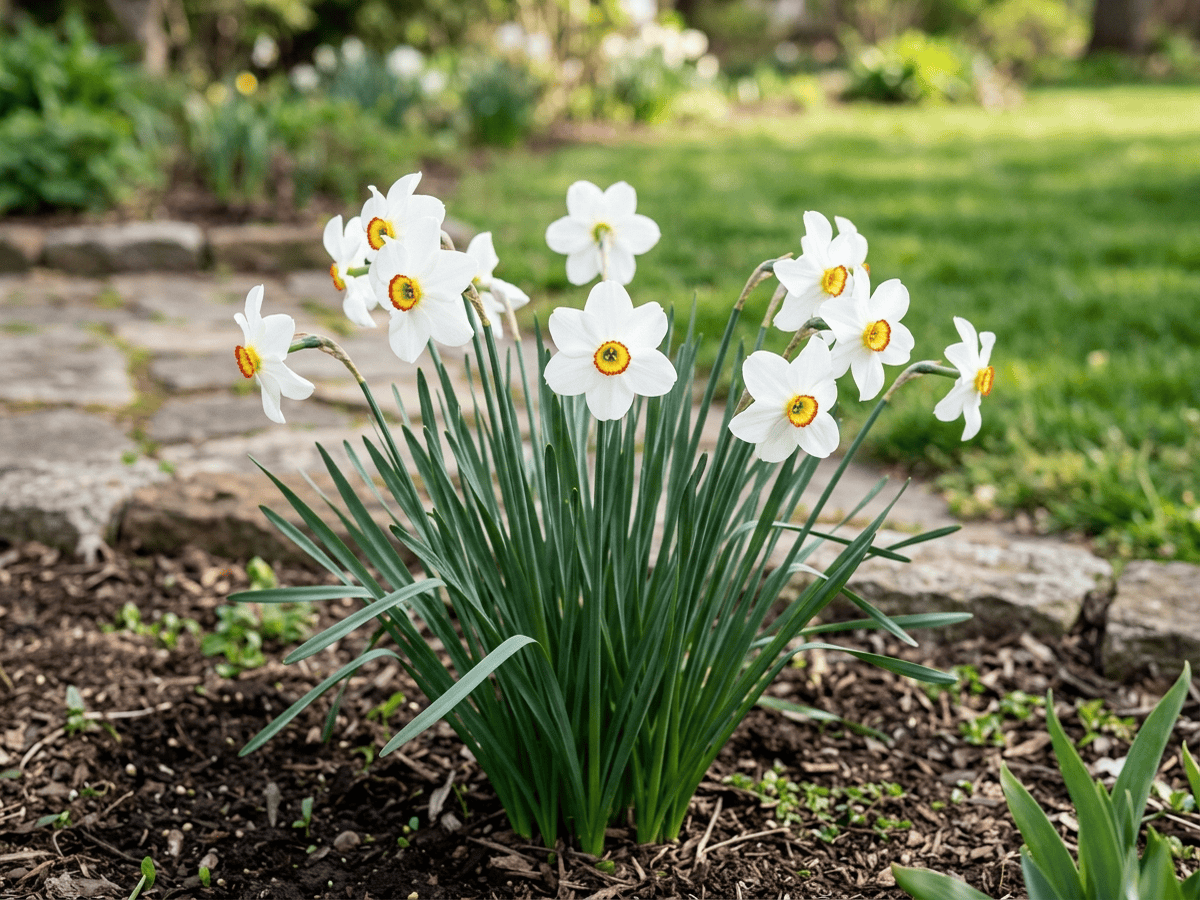 Poet's DaffodilNarcissus poeticus
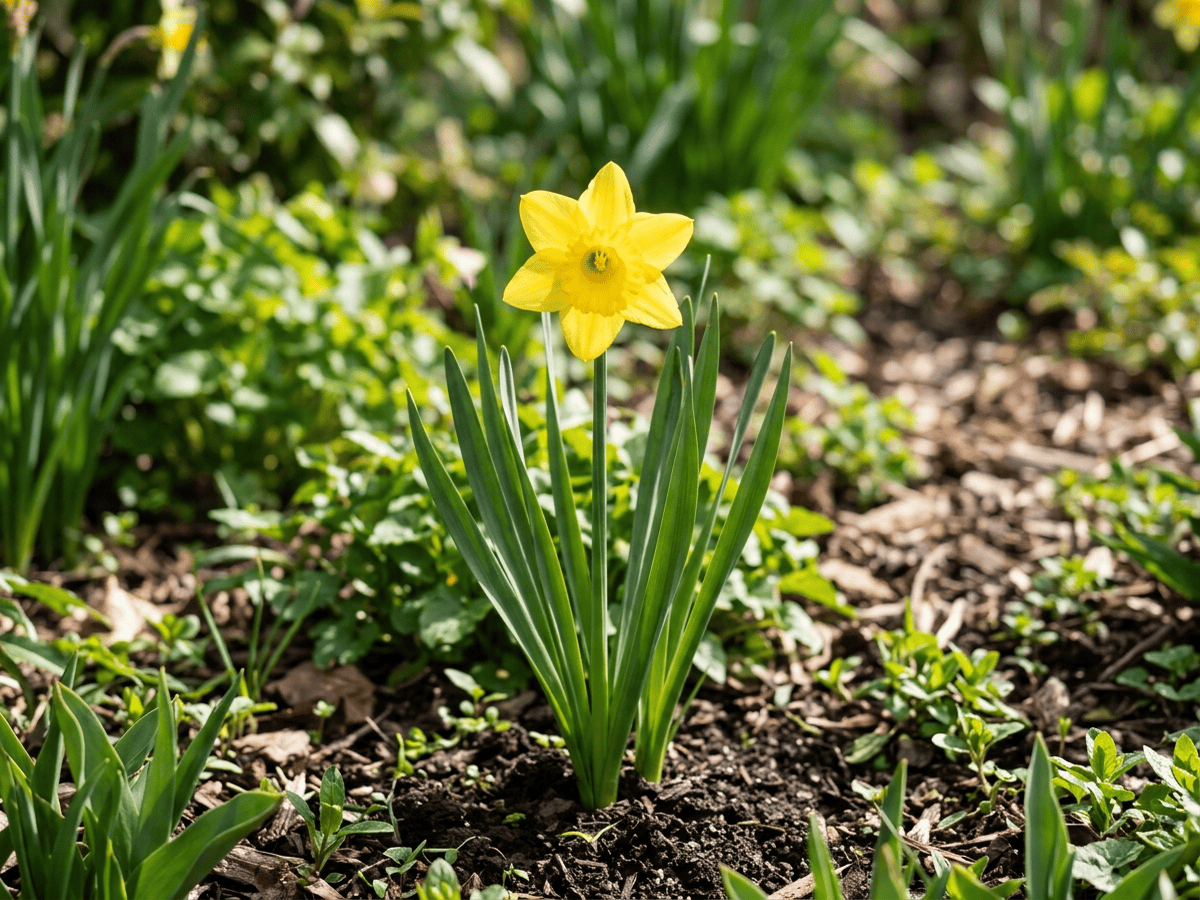 Wild DaffodilNarcissus pseudonarcissus
Plants with similar care
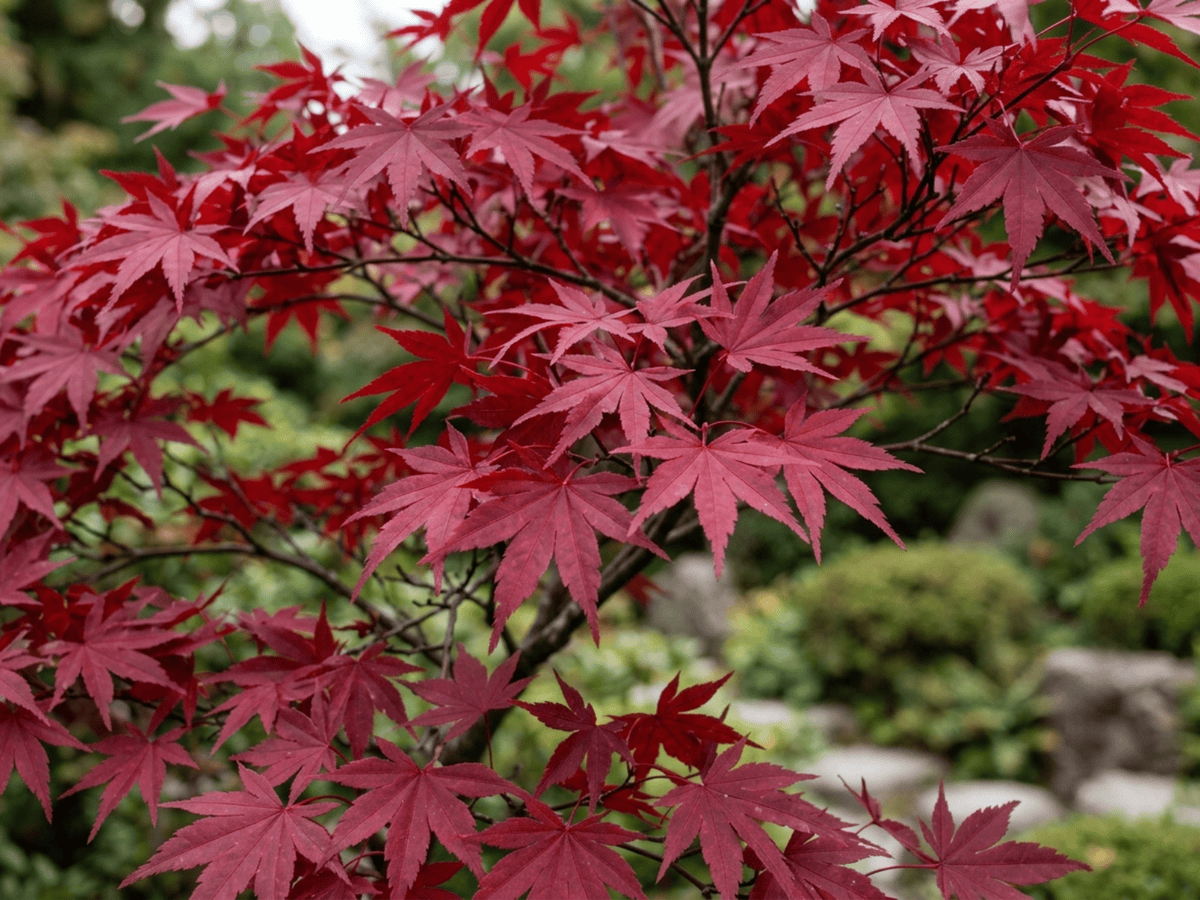 Japanese MapleAcer palmatum
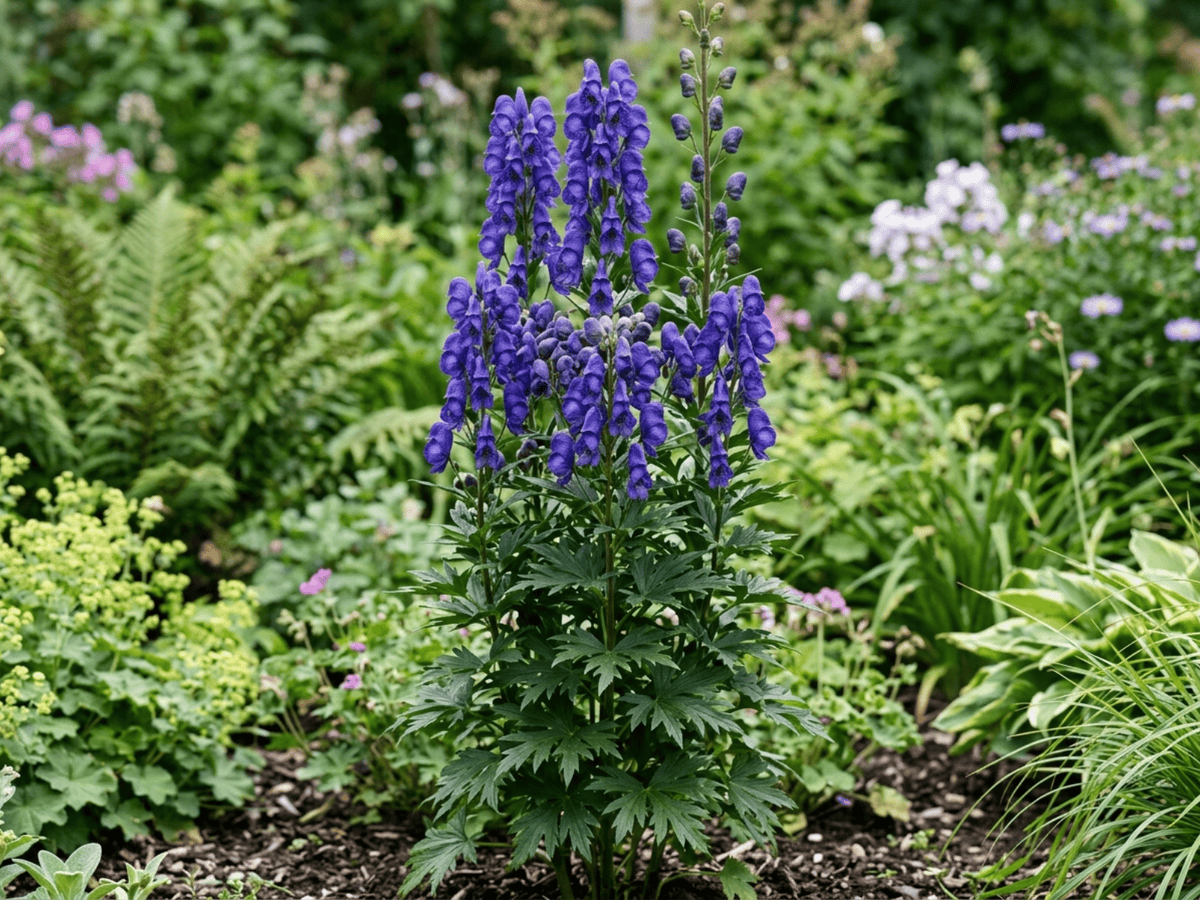 Azure MonkshoodAconitum carmichaelii
 Florida HobblebushAgarista populifolia
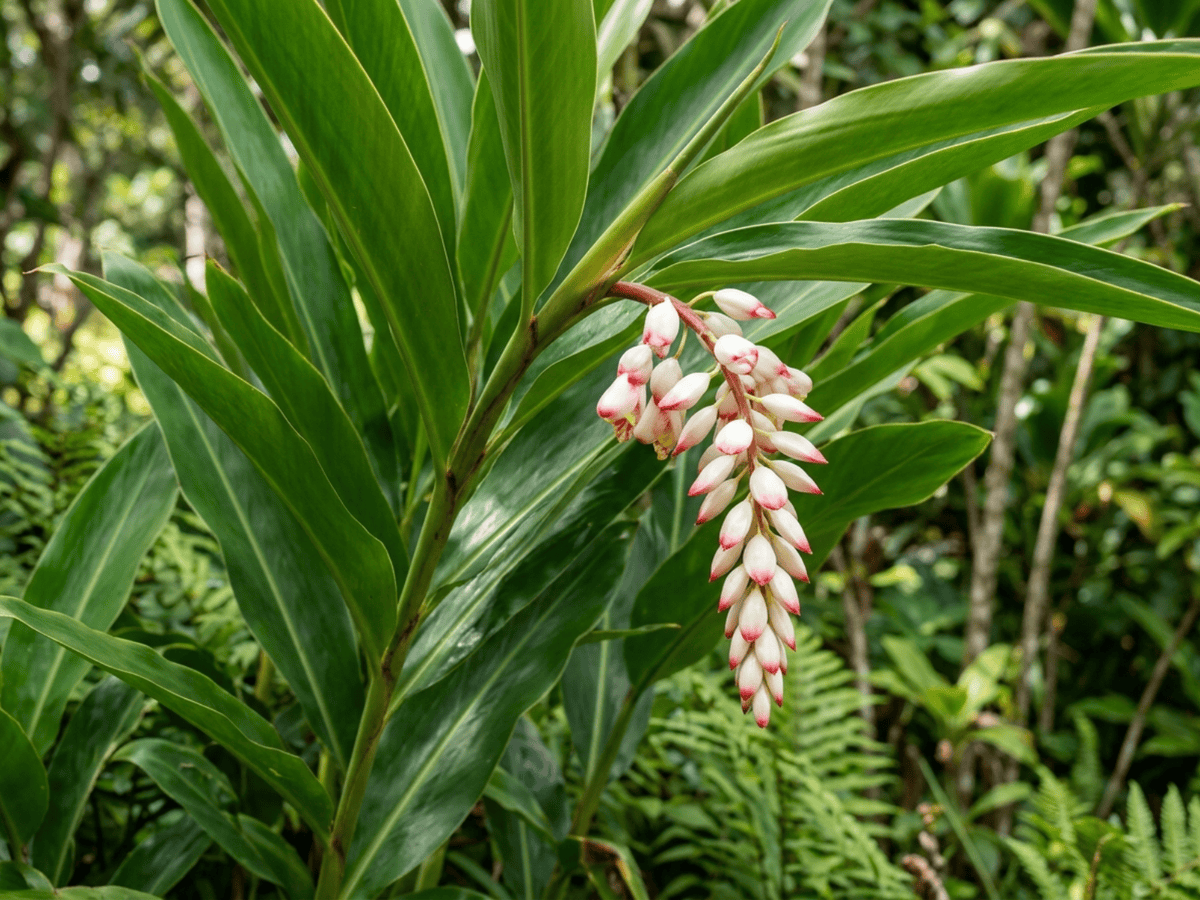 Shell GingerAlpinia zerumbet
Frequently asked questions
How often should I water Angel's-Tears?
Water about every 4 days during the growing season, and always let excess water drain away.
How much light does Angel's-Tears need?
Part shade: 2–4 hrs direct. Watch the leaves — scorching or stretching means the light needs adjusting.
Is Angel's-Tears toxic to cats or dogs?
Pets Moderate (Dogs Moderate · Cats Moderate) Educational information, not medical or veterinary advice. If exposure is suspected, contact a doctor or veterinarian.
Is Angel's-Tears easy to grow?
It is moderately demanding: a good choice once you have a little experience.
When does Angel's-Tears bloom?
It typically blooms Apr in the Northern Hemisphere.
YardMate
Identify any plant in seconds
Snap a photo — YardMate names the plant, diagnoses problems, and reminds you when to water.
Download on the App Store