 YardMate


Sweet Olive
Osmanthus fragrans
Medium · Some experienceAbout Sweet Olive
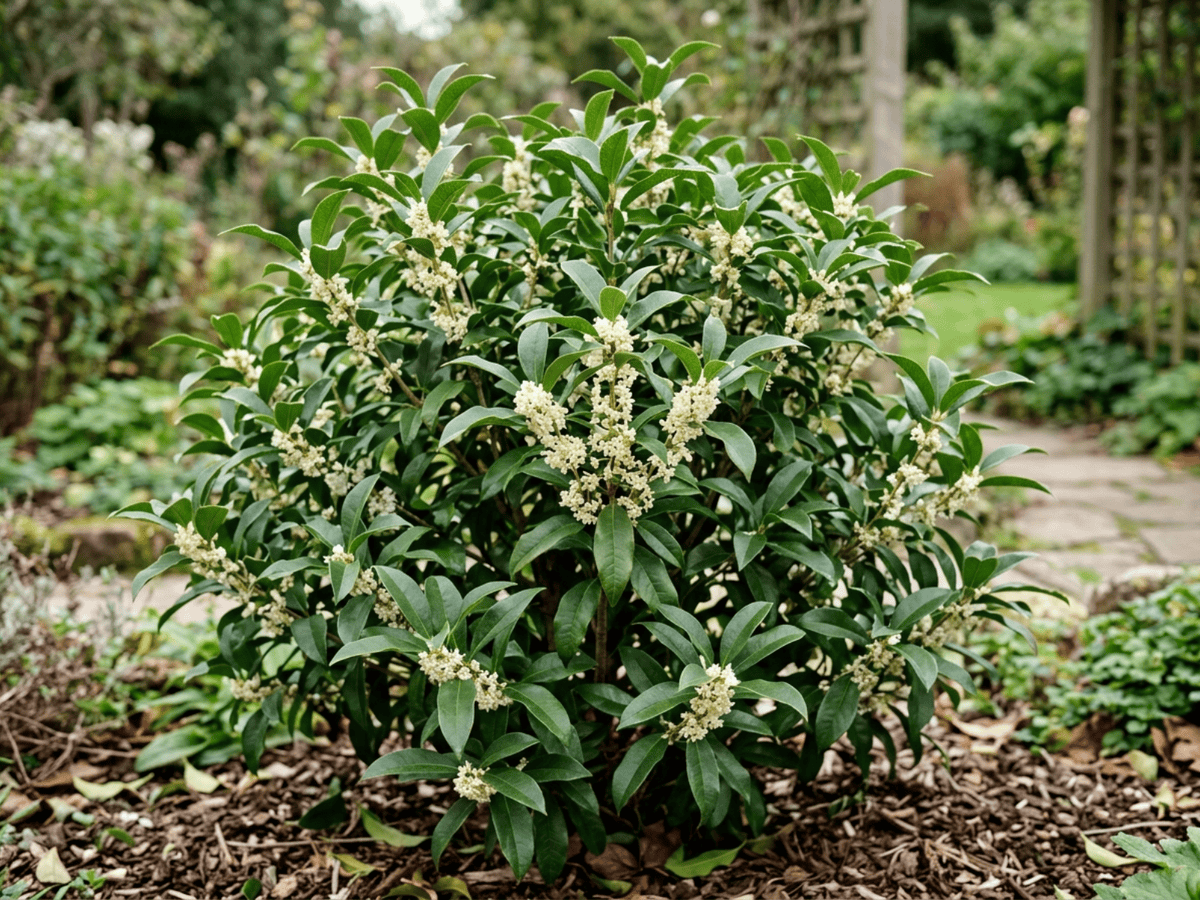
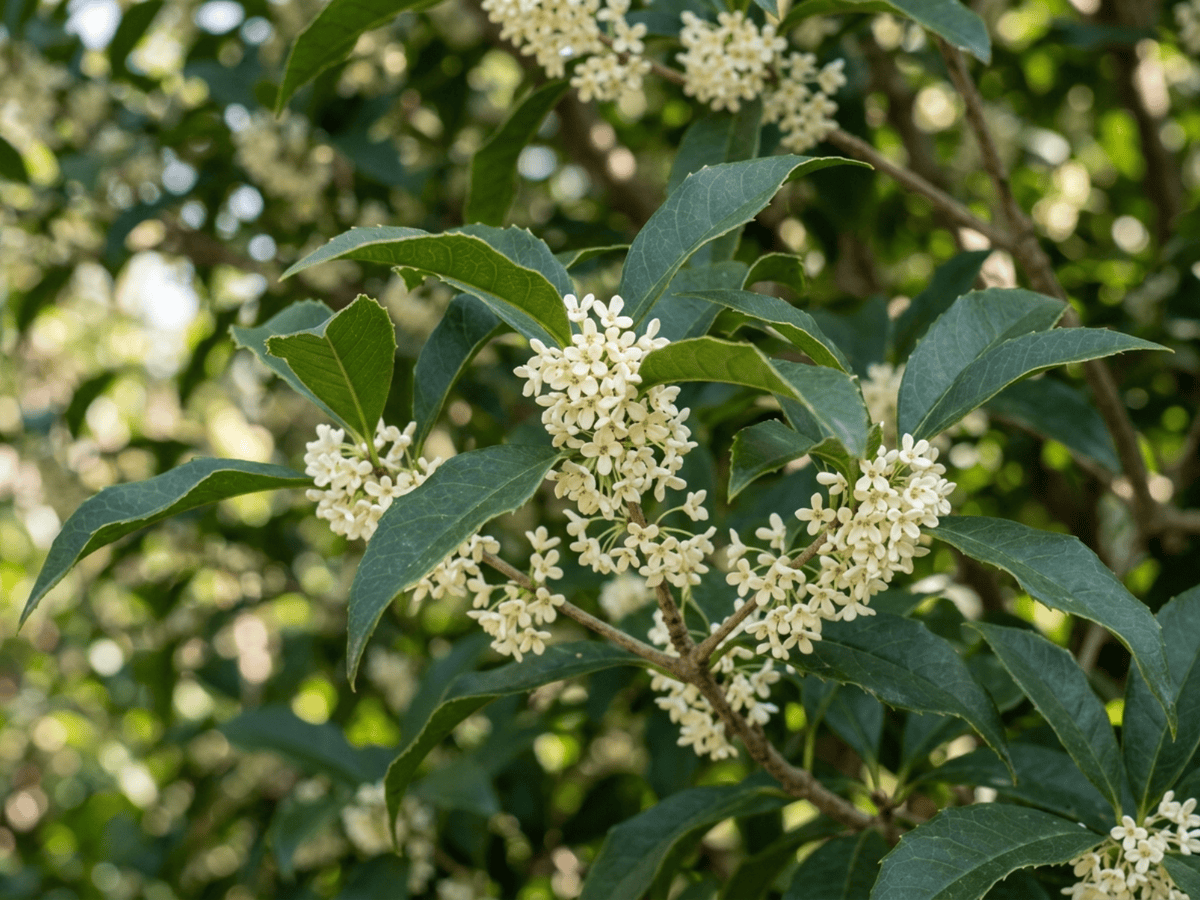
Osmanthus fragrans, sweet olive or sweet osmanthus, is an evergreen shrub or small tree native to China and Southeast Asia, treasured for flowers far smaller than their fragrance suggests. Cream, gold, or orange blossoms open mainly in autumn and release an apricot-peach perfume that can fill an entire street. In China the plant is called guihua and has been cultivated for more than 2,500 years; the flowers scent tea, rice wine, pastries, and jellies associated with autumn festivals. Gardeners in mild climates grow it as a specimen, hedge, or courtyard tree. It prefers acidic, well-drained soil and sun to partial shade, rewarding the right spot with one of horticulture's most memorable scents.
- Fragrant
- Edible
- Evergreen
How to care for Sweet Olive
Watering
- Springevery 5 days
- Summerevery 4 days
- Fallevery 10 days
- Winterevery 21 days
Soil · Acidic · pH 4.5–6
- Top dressingPine needle mulch10%
- Main mixAcid-lover mix + peat 3:175%
- DrainageGravel15%
Never add lime or wood ash — it cancels out the acidity.
FERTILIZER
Acid-Loving Feed 4-3-4
One bag does both jobs. An acid feed carries the usual nitrogen, phosphorus and potassium, plus the sulfur and iron that keep the soil sour enough for the roots to take them up at all.
- Nitrogen · Leaves
- Phosphorus · Roots + Blooms
- Potassium · Strength
- Springevery 45 days
- Summerevery 45 days
At a Glance
- NativeEast Asia, South Asia
- Height10–25 ft (3–7.6 m)
- Spread8–15 ft (2.4–4.6 m)
- Flower colorYellow, Orange, White
- Foliage colorGreen, Variegated
- SoilAcidic, Well-drained, Loamy
- LocationsYard · Indoor · Balcony
Bloom time
BLOOM CYCLE
Peak bloom
Sep–Nov
Tiny golden flowers bloom autumn; fragrance is strongest in cool evening air. Prune after flowering.
Fragrance
STRONG FRAGRANCE
One of the most beloved scents in East Asian culture — intensely sweet, apricot-peach-jasmine fragrance carries long distances.
Toxicity
No toxicity has been reported for this plant. Still, it is wise to keep pets from chewing on any houseplant.
Educational information, not medical or veterinary advice. If exposure is suspected, contact a doctor or veterinarian.
DISTRIBUTION


- Native
- Introduced
- East Asia
- South Asia
History
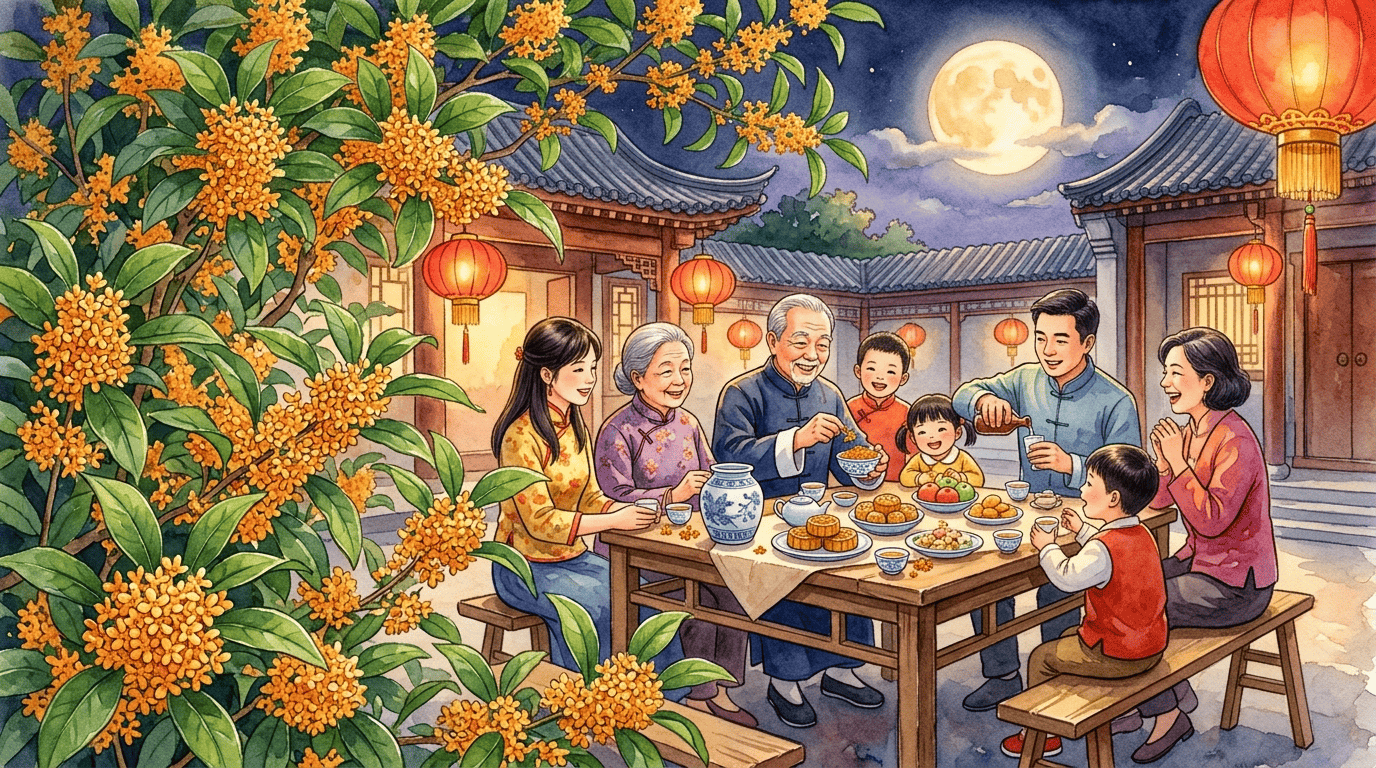
Osmanthus fragrans is native to southern China, Taiwan, and the Himalayas, and its autumn fragrance is one of East Asia's great seasonal markers. The tiny white, yellow, or orange flowers smell of apricot, peach, jasmine, and honey, often carrying far beyond the shrub itself. In China it has been cultivated for more than 2,500 years; dried flowers scent teas, rice wine, cakes, and Mid-Autumn Festival sweets.
Guilin, whose name can be translated as osmanthus forest, and cities such as Hangzhou and Suzhou celebrate it as a city flower. In Chinese legend, an osmanthus tree grows on the moon, endlessly chopped by the immortal Wu Gang and endlessly renewed.
In Japan, golden osmanthus announces autumn with a scent many people associate instantly with September and October. Western gardens can grow it mainly in mild zones, but where it thrives, it turns invisible perfume into a landscape event.
Symbolism & meaning
What It Symbolizes
Sweet Olive carries love deep in Chinese cultural memory, its tiny golden flowers releasing a fragrance associated with romance and devotion for over a thousand years. That same scent stands for nobility, marking high moral character and scholarly achievement, while its autumn bloom coincides with the Mid-Autumn Festival, symbolizing reunion as families gather under the harvest moon. To smell osmanthus drifting through cool evening air is to inhale several civilizations of meaning at once.
- Love — associated with romance and devotion in Chinese culture
- Nobility — its refined fragrance represents high moral character and scholarly achievement
- Reunion — blooms during Mid-Autumn Festival, symbolizing family togetherness
Where the Name Comes From
The name Sweet Olive describes its sweet scent or flavor. 'Osmanthus' comes from Greek 'osme' (fragrance) and 'anthos' (flower). 'Fragrans' is Latin for 'fragrant.' The Chinese name guihua means cassia flower.
Uses & Fun Facts
- Tiny flowers release powerful apricot fragrance in autumn
- Flowers used to scent Chinese teas wines and desserts
- Evergreen shrub trained as fragrant privacy hedge
- Celebrated in Chinese Mid-Autumn Festival poetry and lore
Related plants
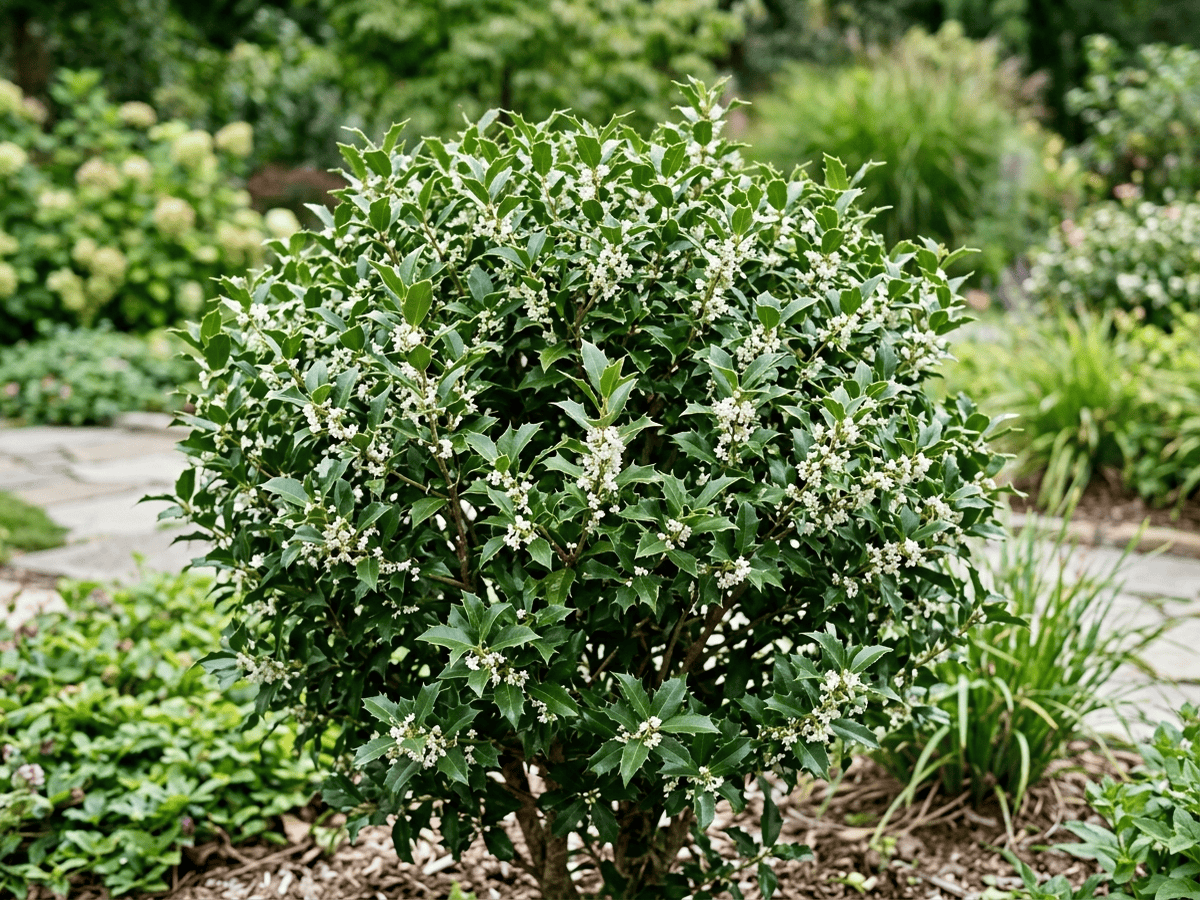
More Osmanthus plants
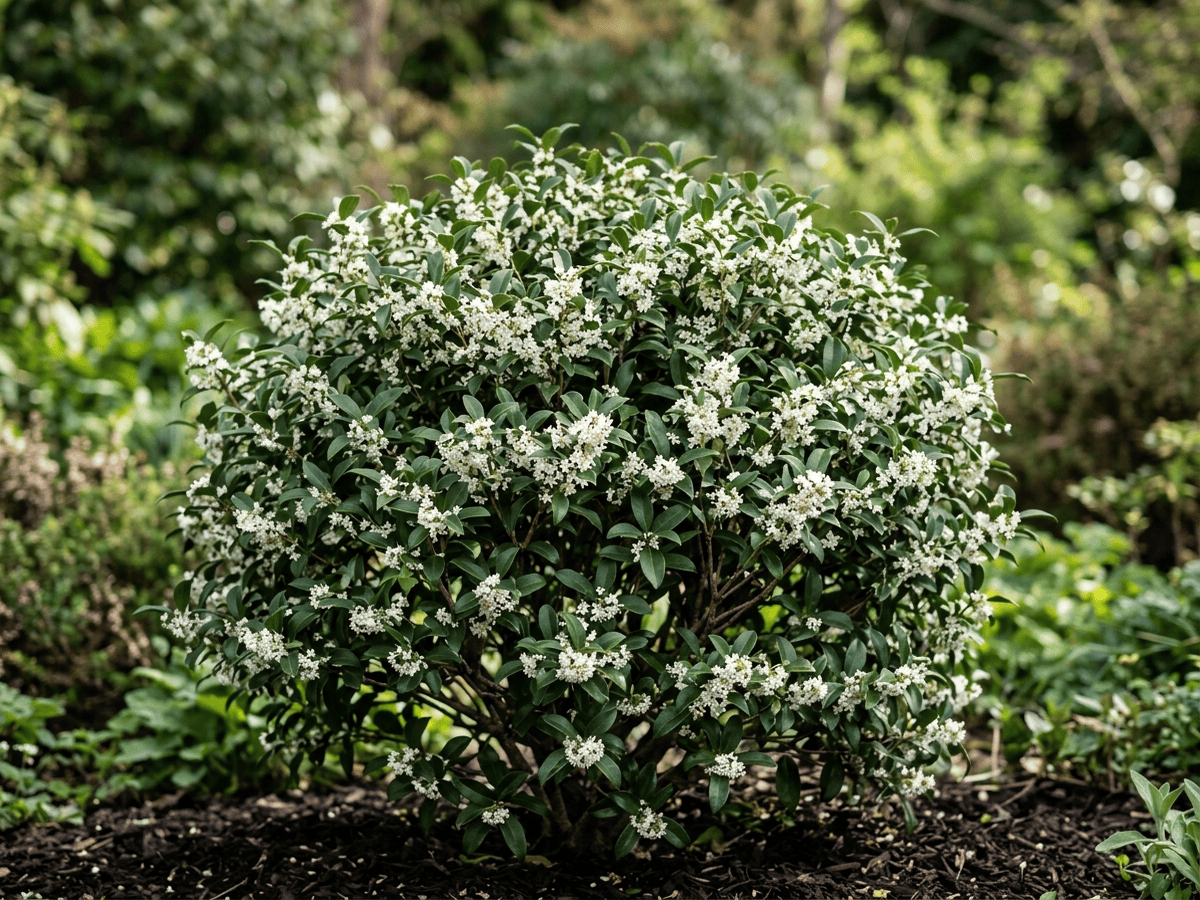
Plants with similar care
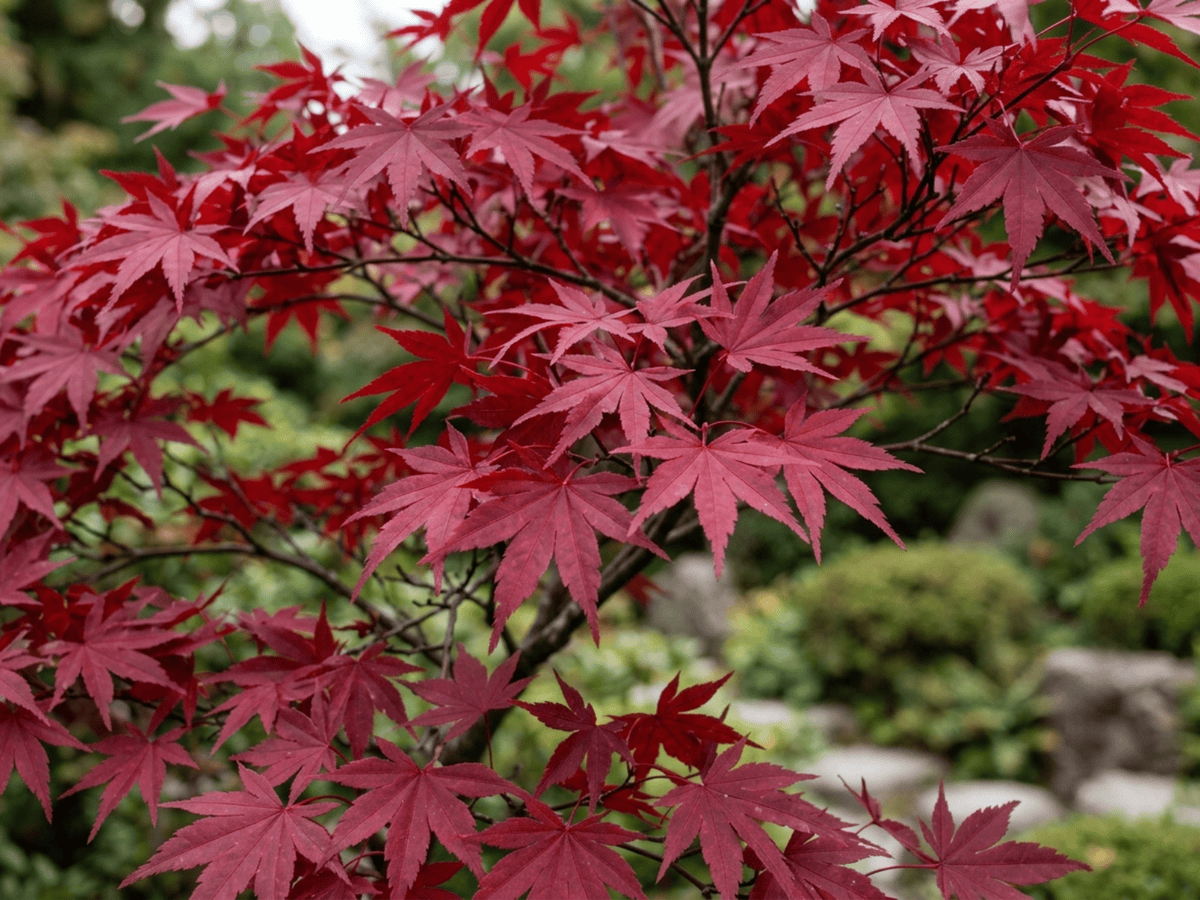 Japanese MapleAcer palmatum
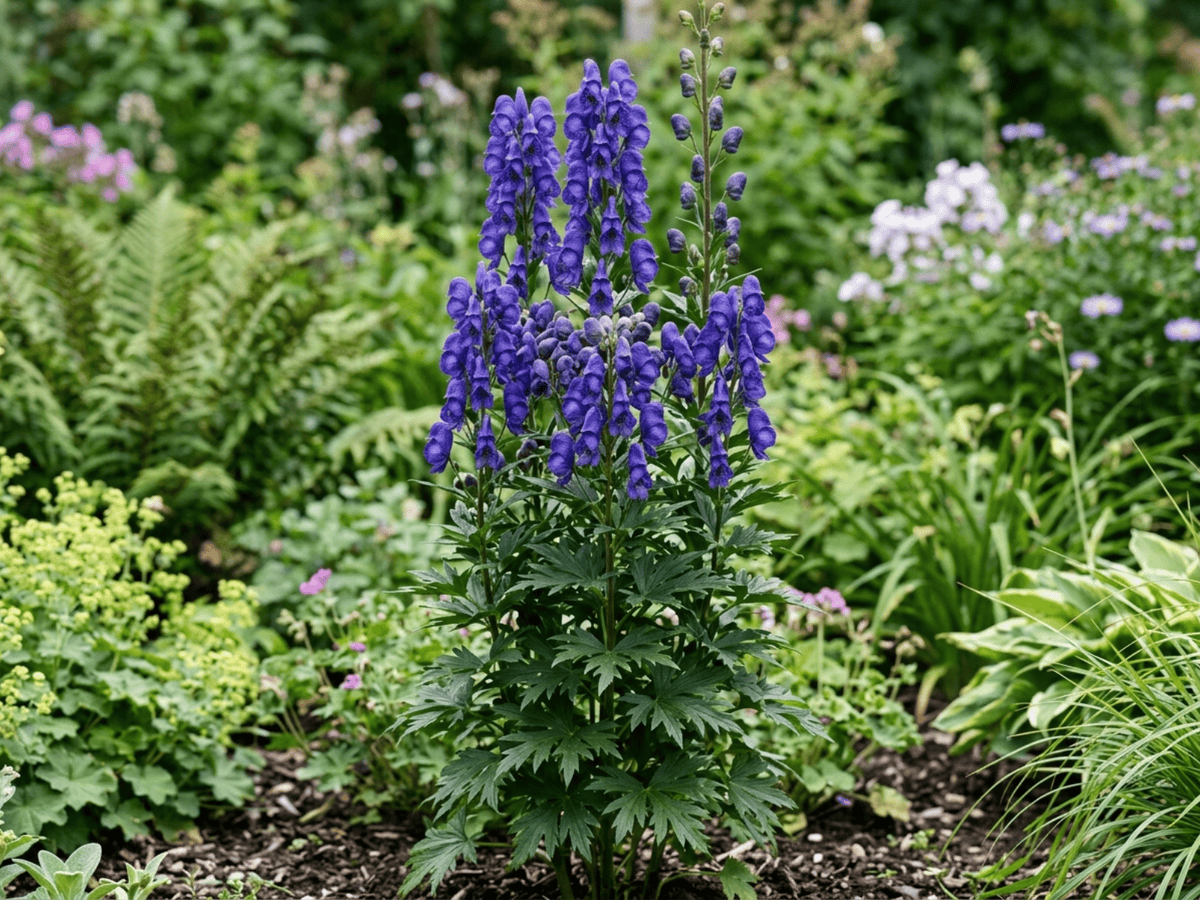 Azure MonkshoodAconitum carmichaelii
 Florida HobblebushAgarista populifolia
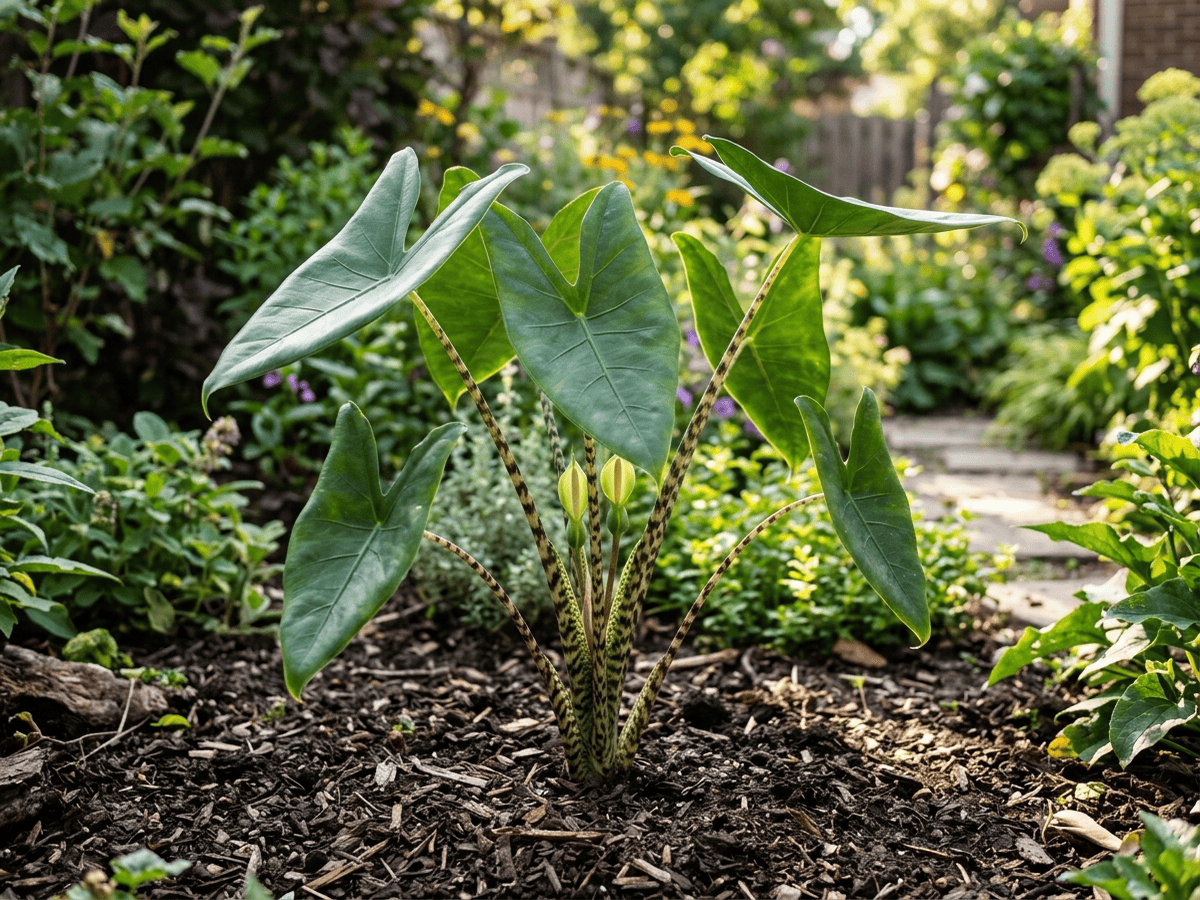 Alocasia zebrinaAlocasia zebrina
Frequently asked questions
How often should I water Sweet Olive?
In summer, water about every 4 days; in winter, about every 21 days. Adjust for heat, pot size and drainage.
How much light does Sweet Olive need?
Part shade: 2–4 hrs direct. Watch the leaves — scorching or stretching means the light needs adjusting.
Is Sweet Olive toxic to cats or dogs?
No toxicity has been reported for this plant. Still, it is wise to keep pets from chewing on any houseplant. Educational information, not medical or veterinary advice. If exposure is suspected, contact a doctor or veterinarian.
Is Sweet Olive easy to grow?
It is moderately demanding: a good choice once you have a little experience.
Can Sweet Olive be grown indoors?
Yes, it adapts well to indoor growing given the right light.
When does Sweet Olive bloom?
It typically blooms Sep–Nov in the Northern Hemisphere.
YardMate
Identify any plant in seconds
Snap a photo — YardMate names the plant, diagnoses problems, and reminds you when to water.
Download on the App Store