 YardMate
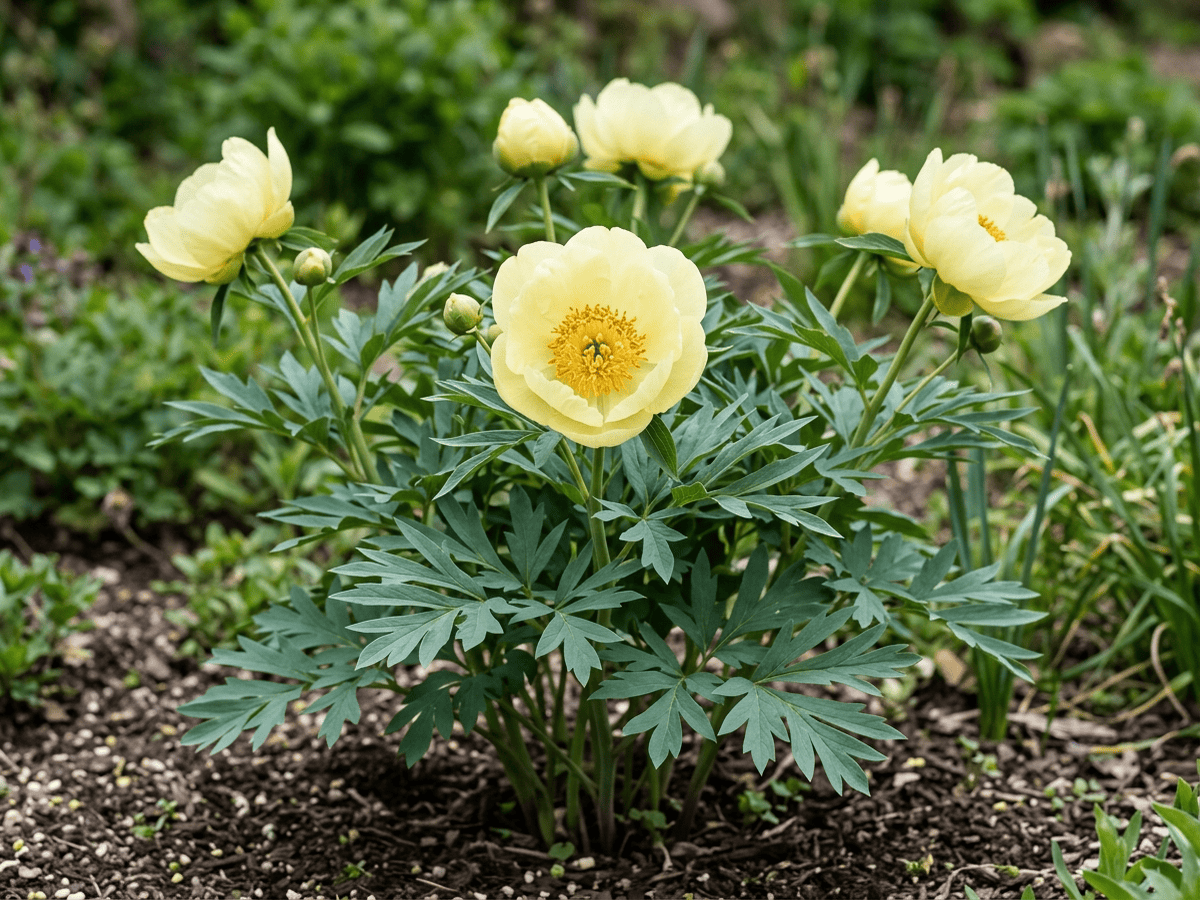


Paeonia Daurica Subsp. Mlokosewitschii
Paeonia mlokosewitschii
Hard · Experienced growersAbout Paeonia Daurica Subsp. Mlokosewitschii
Molly the Witch or Caucasian Yellow Peony is a rare Caucasian species peony producing soft lemon-yellow single flowers in early spring above bluish-green deeply divided foliage. Growing 2 to 3 feet tall, it is one of the very few truly yellow species peonies and a coveted specialty collector's plant, fetching premium prices. A treasured heritage plant across American specialty peony collections.
- Cold-hardy
- Deer-resistant
How to care for Paeonia Daurica Subsp. Mlokosewitschii
Watering
- Springevery 7 days
- Summerevery 10 days
- Fallevery 14 days
- Winterpause watering
Soil · Well-draining
- Top dressingPine bark mulch10%
- Main mixPotting soil + perlite 2:170%
- DrainageLECA / gravel20%
Never skip the drainage layer — standing water is the top cause of root rot.
FERTILIZER
Balanced Feed 14-14-14
An even feed covers all three needs at once, keeping leaves, roots and blooms moving together with nothing pushed out of balance.
- Nitrogen · Leaves
- Phosphorus · Roots + Blooms
- Potassium · Strength
- Springevery 60 days
- Fallevery 60 days
At a Glance
- NativeWestern Asia
- Height2–3 ft (0.6–0.9 m)
- Spread2–3 ft (0.6–0.9 m)
- Flower colorYellow, Cream
- Foliage colorBlue-green, Green
- Fruit colorRed, Black
- SoilLoamy, Well-drained
- LocationsYard
Bloom time
BLOOM CYCLE
Peak bloom
Mar–May
Lemon yellow single flowers in early spring
Fragrance
LIGHT FRAGRANCE
Flowers are lightly scented, if noticeable.
Toxicity
Humans Slight · Pets Moderate
paeonol and paeoniflorin
Slight
- Root
- Ingestion
EXPOSURE Eating roots.
EFFECT Paeonol and related compounds cause GI upset.
NOTE Documented concern for humans: Paeonol and related compounds cause GI upset.
Moderate
- Root
- Flower
- Ingestion
EXPOSURE Eating roots and flowers.
EFFECT ASPCA: vomiting, diarrhea, depression from paeonol.
NOTE ASPCA lists Peony as toxic to dogs and cats.
Moderate
- Root
- Flower
- Ingestion
EXPOSURE Eating roots and flowers.
EFFECT ASPCA: vomiting, diarrhea, depression from paeonol.
NOTE ASPCA lists Peony as toxic to dogs and cats.
Educational information, not medical or veterinary advice. If exposure is suspected, contact a doctor or veterinarian.
DISTRIBUTION


- Native
- Western Asia
History
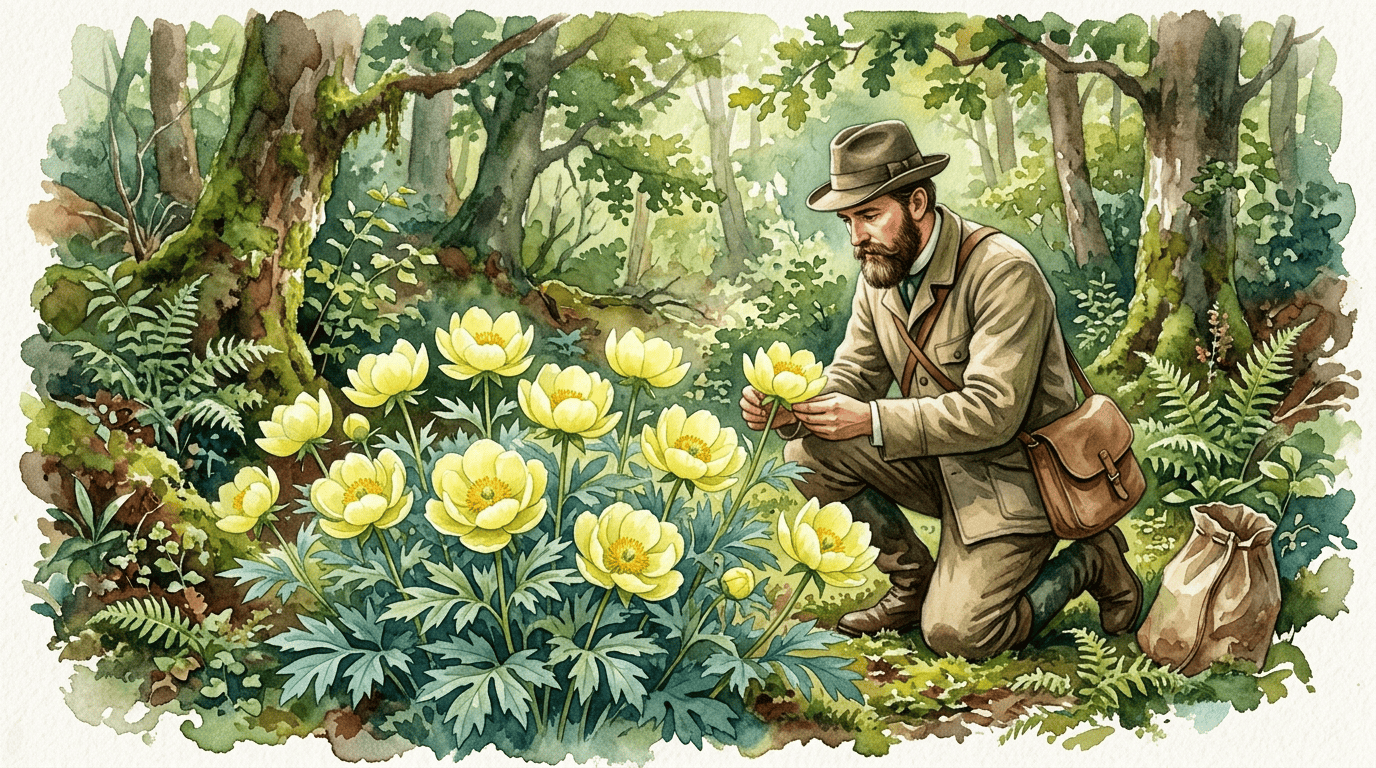
Paeonia mlokosewitschii, commonly called Molly-the-witch or Caucasian peony, is an herbaceous perennial native to the Caucasus of eastern Georgia and adjacent Dagestan, particularly the Lagodekhi Nature Reserve. Polish-Russian naturalist Ludwik Franciszek Mlokosiewicz, a forester at the Lagodekhi reserve, discovered the species in the late 1870s, and Russian botanist Vladimir Lipsky described and named it for him in 1905. The tongue-twisting epithet earned the affectionate nickname Molly-the-witch in British and American horticulture.
The plant bears single bowl-shaped cool-lemon-yellow flowers on 60 to 80 centimeter stems above blue-green pinnate foliage, opening before most herbaceous peonies. English plantsmen William Robinson and Ellen Willmott helped popularize it among Edwardian collectors, and it remains a coveted specialty peony in temperate gardens.
Native to the Caucasus mountains in Georgia, first scientifically described in the late 1800s. The challenging scientific name earned it the endearing nickname Molly the Witch among English and American gardeners. Seeds are equally famous for their ornamental red and black display in late summer.
Symbolism & meaning
What It Symbolizes
Molly the Witch is a rare treasure in the peony world, a soft yellow species peony so coveted that collectors will wait years for a single seedling. Its show is doubled — those clear lemon flowers in late spring, then dramatic seed pods splitting open in summer to reveal red and blue-black seeds that look almost theatrical. A connoisseur's plant, modest in habit but unforgettable in detail.
- Rare treasure — coveted specialty collector's peony
- Double show — yellow flowers and striking seed pods
Where the Name Comes From
'mlokosewitschii' honors Ludwik Mlokosiewicz (1831-1909), Polish naturalist who collected it in the Caucasus.
Uses & Fun Facts
- Soft yellow chalice-shaped spring flowers above blue-green foliage
- Rare collector's peony as standout spring border focal point
Related plants
More Paeonia plants
 Chinese PeonyPaeonia lactiflora
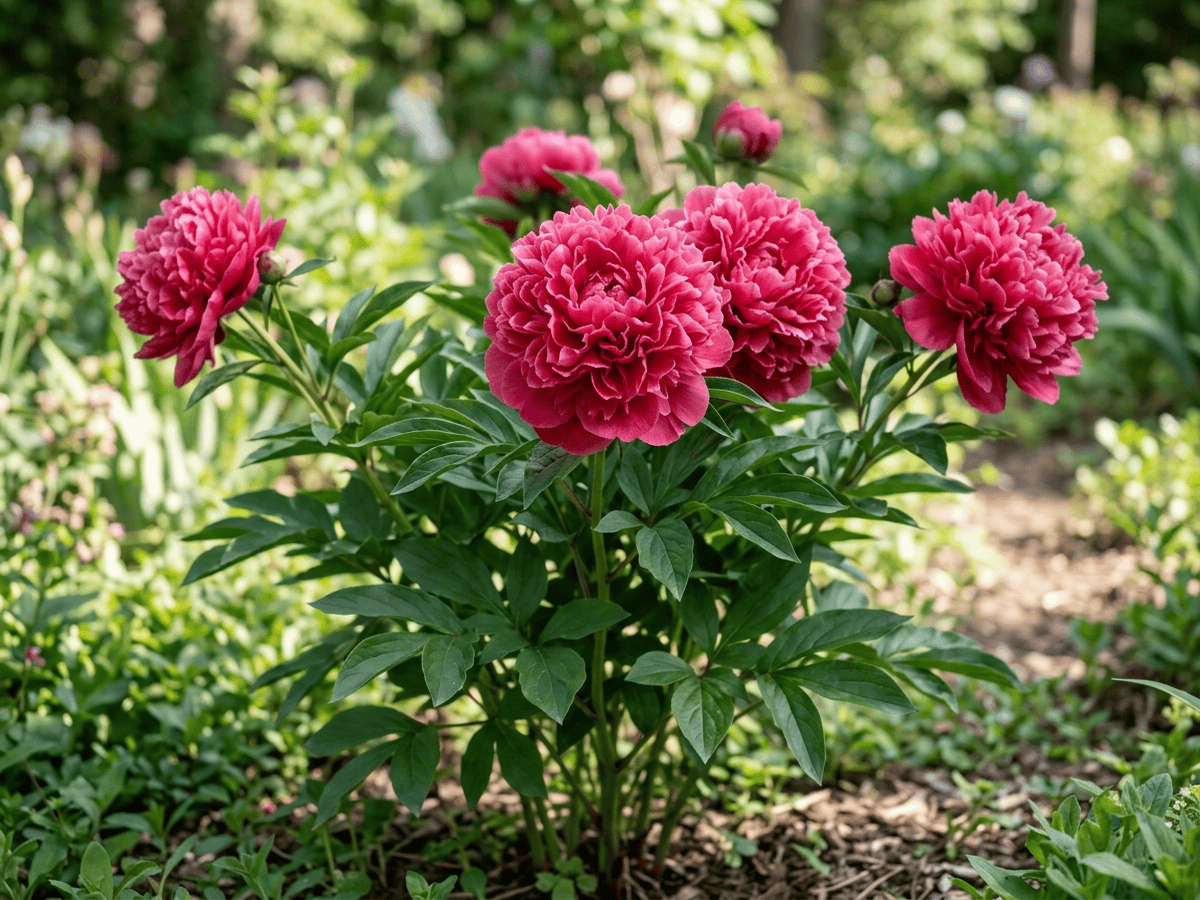 Common PeonyPaeonia officinalis
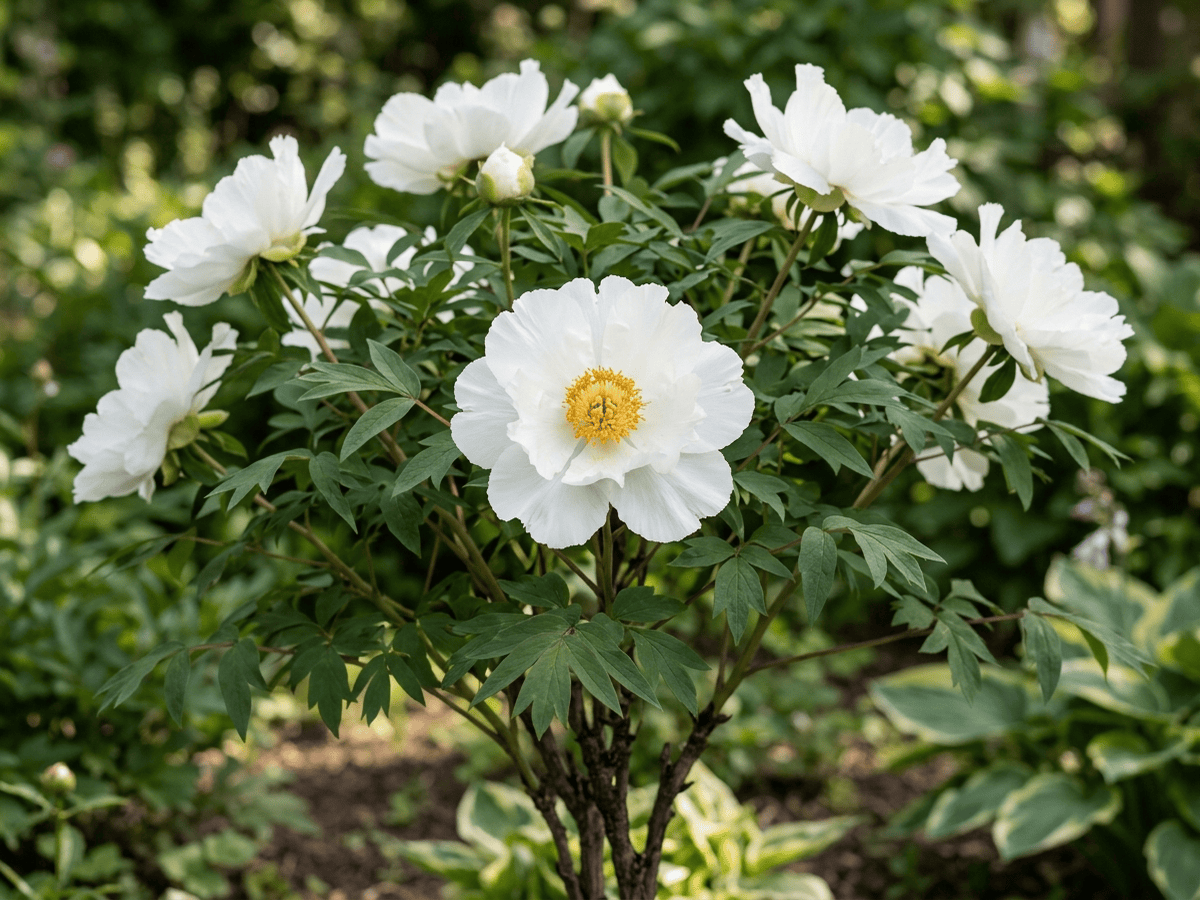 Paeonia ostiiPaeonia ostii
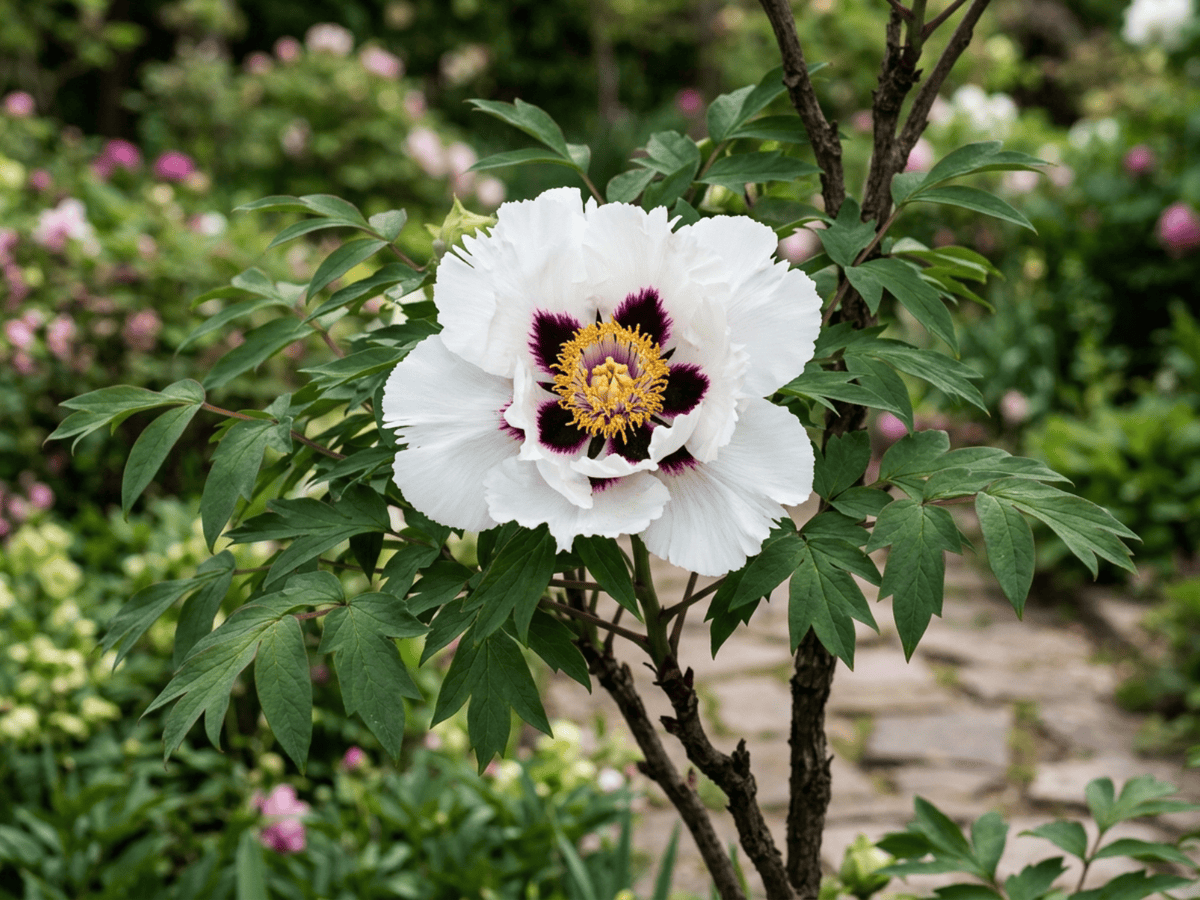 Paeonia rockiiPaeonia rockii
Plants with similar care
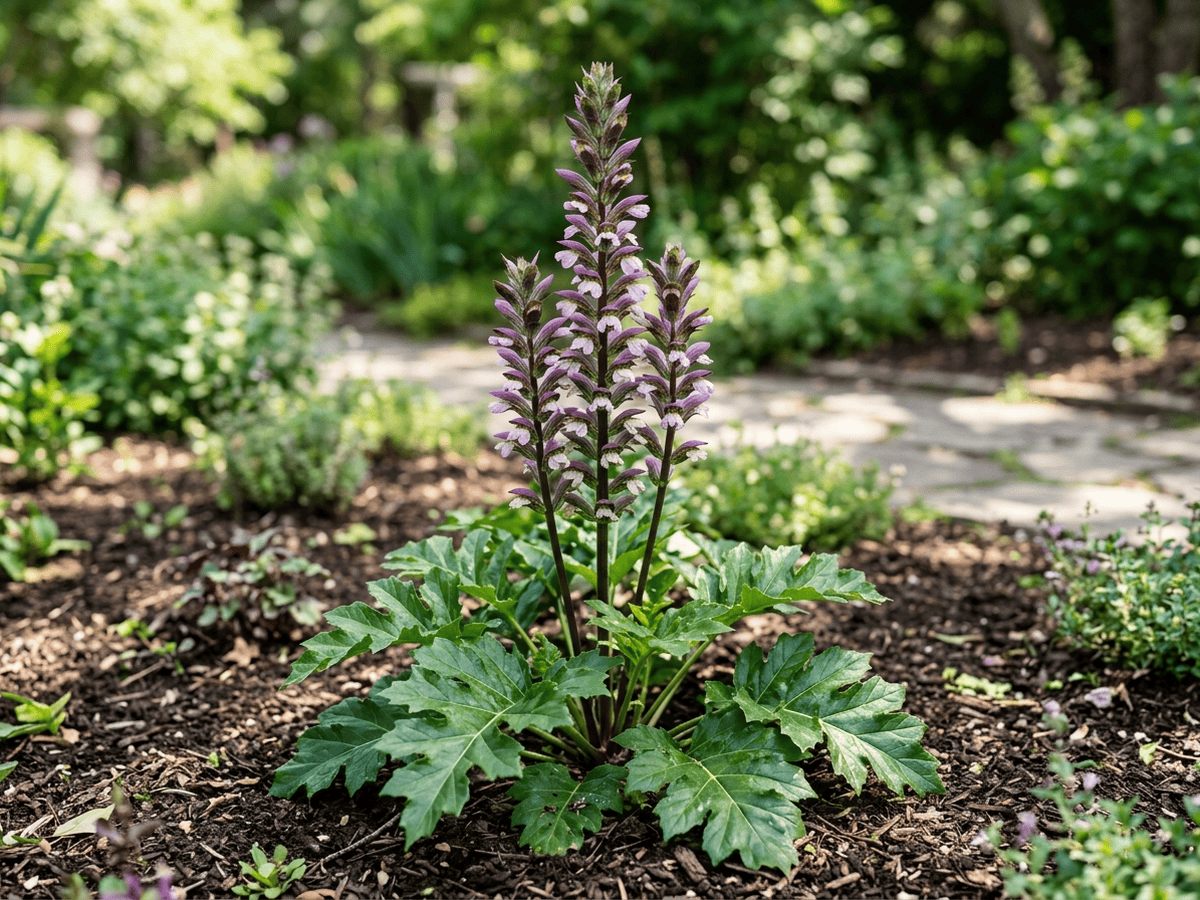 Bear's BreechesAcanthus mollis
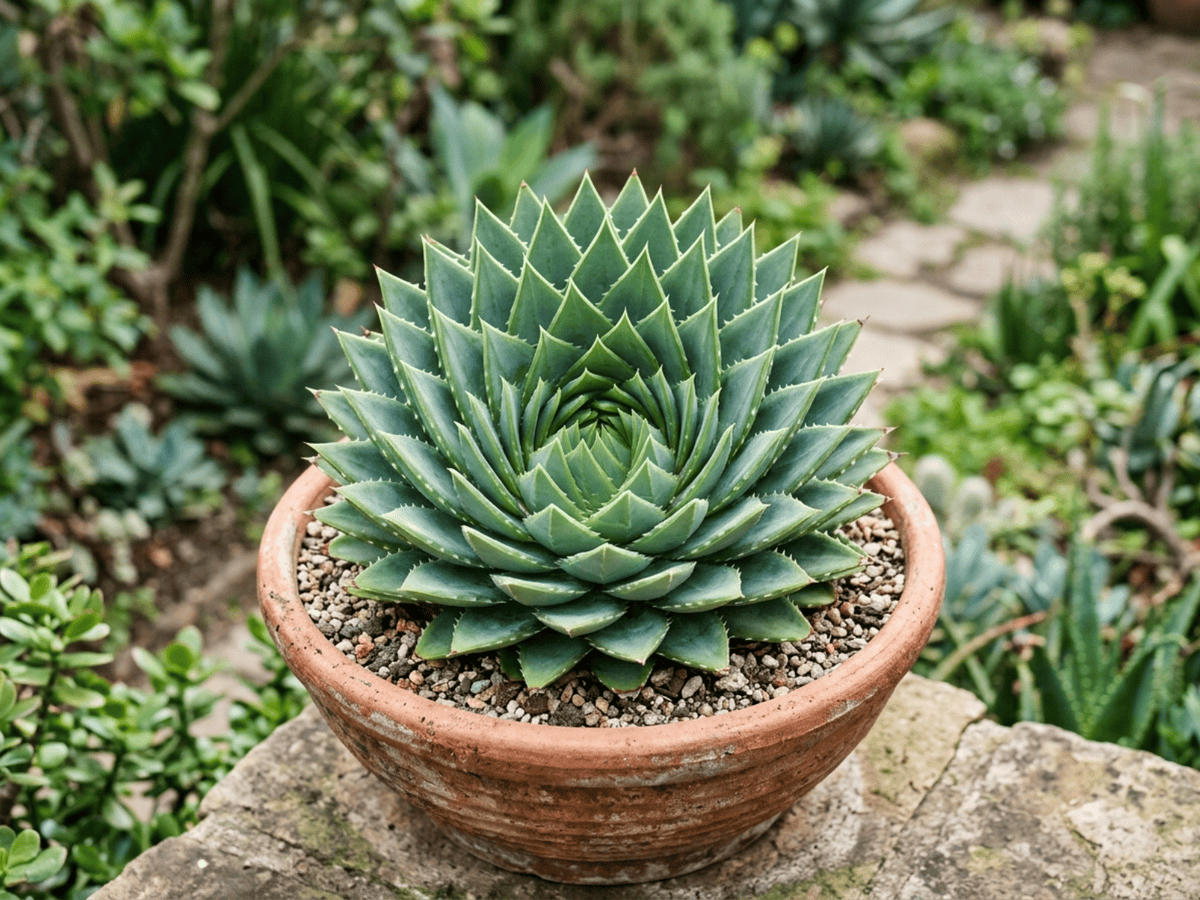 Spiral AloeAloe polyphylla
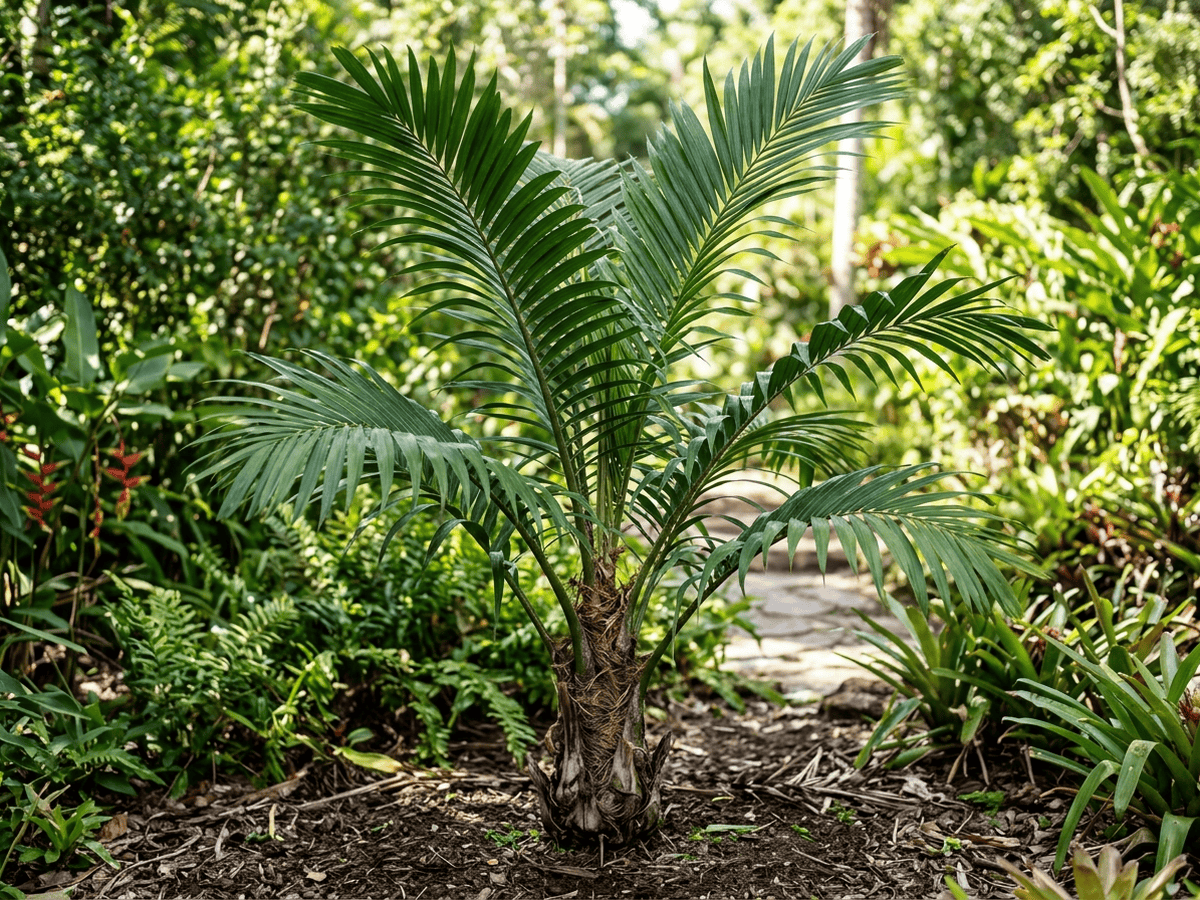 Formosa PalmArenga engleri
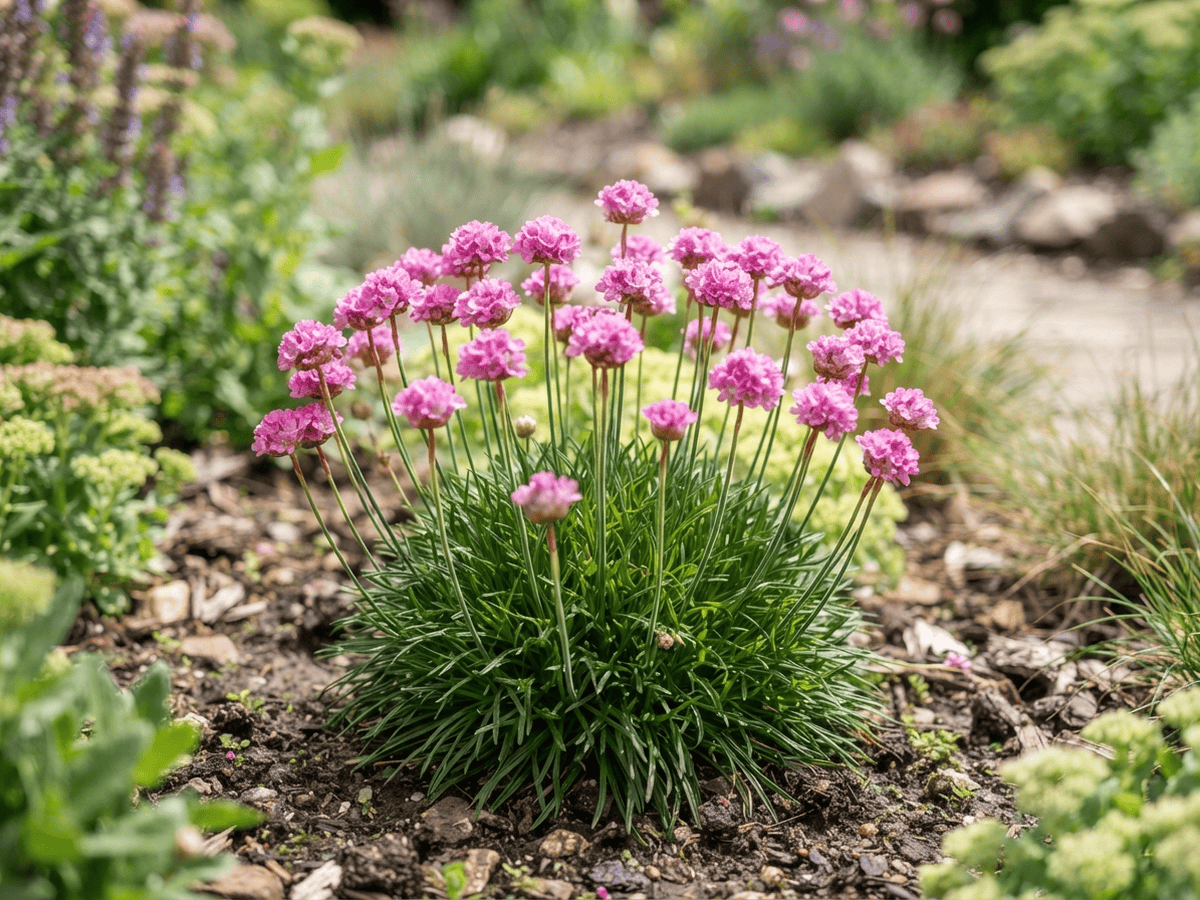 Sea ThriftArmeria maritima
Frequently asked questions
How often should I water Paeonia Daurica Subsp. Mlokosewitschii?
Water about every 7 days during the growing season, and always let excess water drain away.
How much light does Paeonia Daurica Subsp. Mlokosewitschii need?
Part shade: 2–4 hrs direct. Watch the leaves — scorching or stretching means the light needs adjusting.
Is Paeonia Daurica Subsp. Mlokosewitschii toxic to cats or dogs?
Pets Moderate (Dogs Moderate · Cats Moderate) Educational information, not medical or veterinary advice. If exposure is suspected, contact a doctor or veterinarian.
Is Paeonia Daurica Subsp. Mlokosewitschii easy to grow?
It is considered challenging and rewards experienced growers.
When does Paeonia Daurica Subsp. Mlokosewitschii bloom?
It typically blooms Mar–May in the Northern Hemisphere.
YardMate
Identify any plant in seconds
Snap a photo — YardMate names the plant, diagnoses problems, and reminds you when to water.
Download on the App Store