 YardMate

Common Peony
Paeonia officinalis
Easy · Beginner friendlyAbout Common Peony
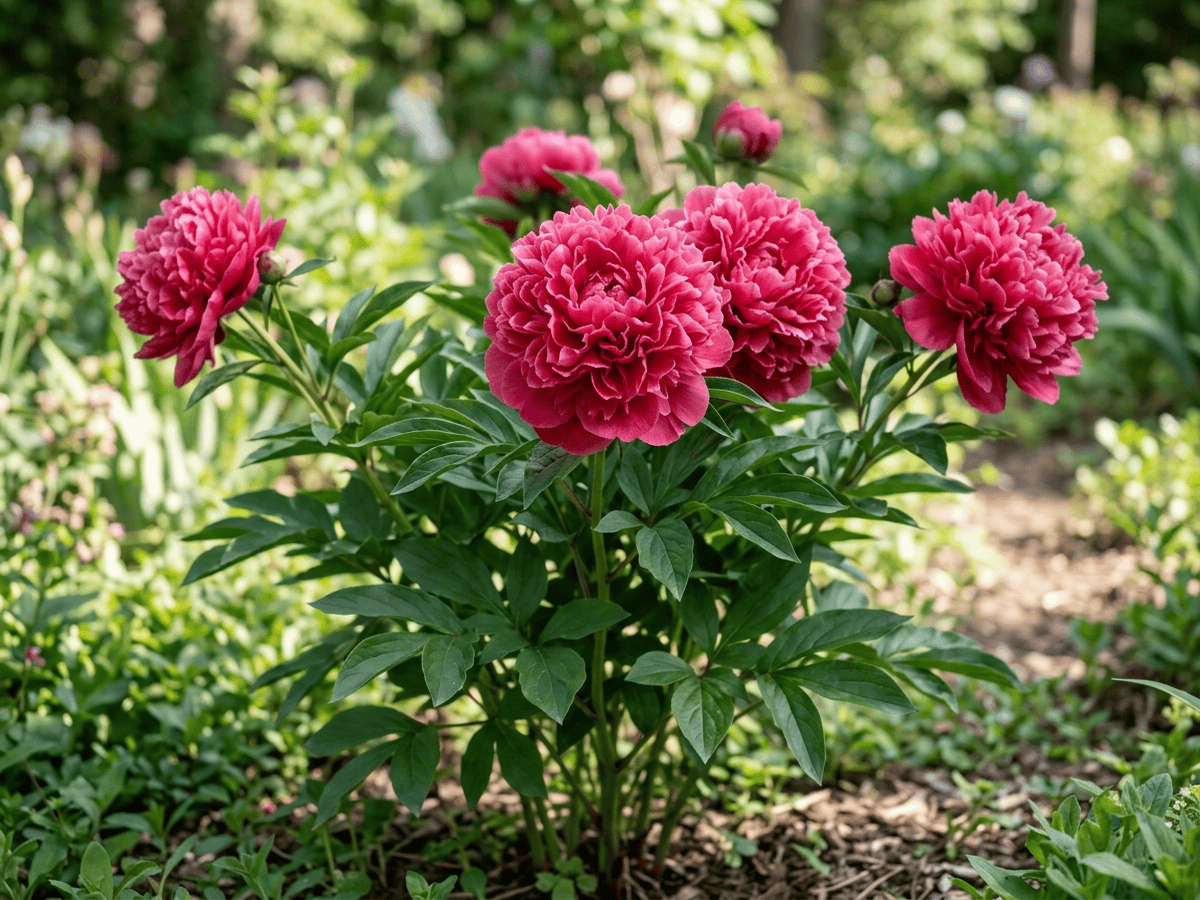
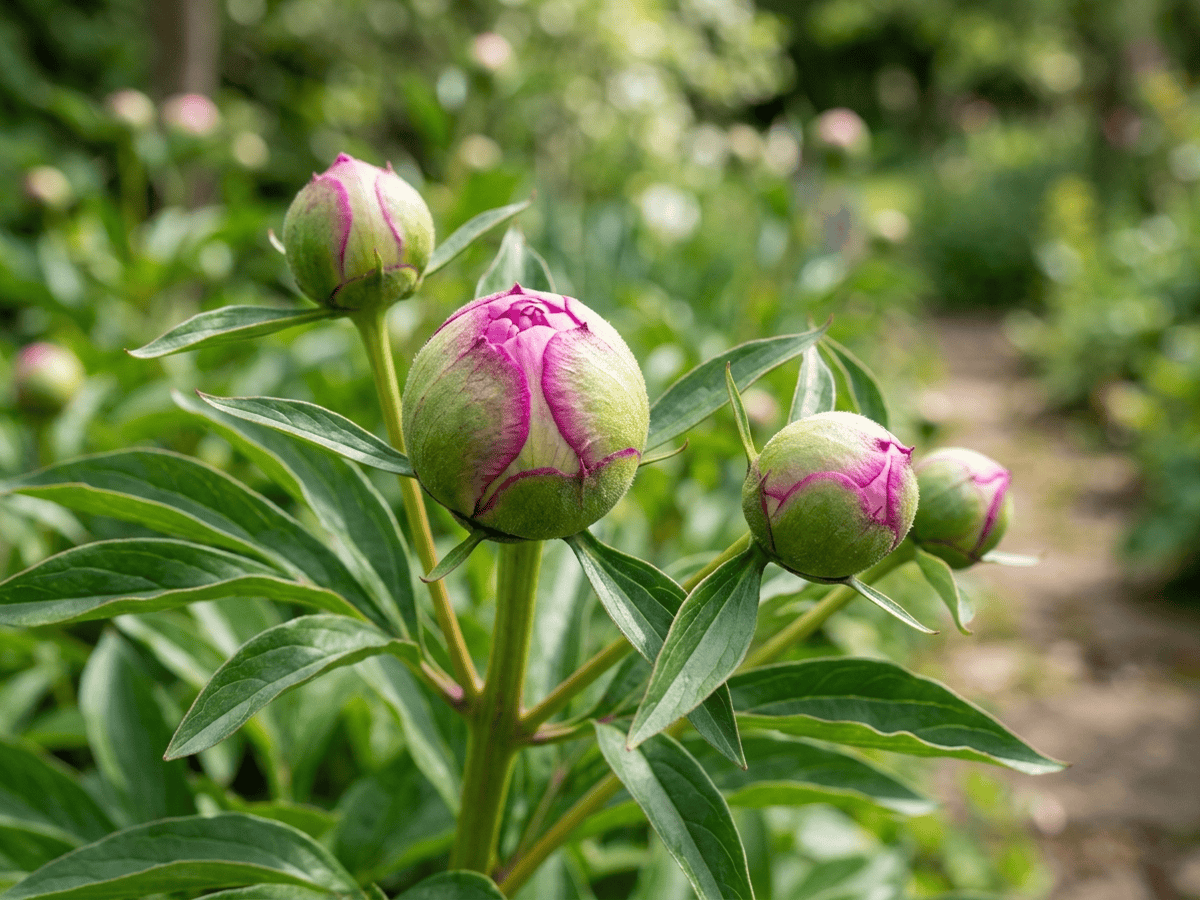
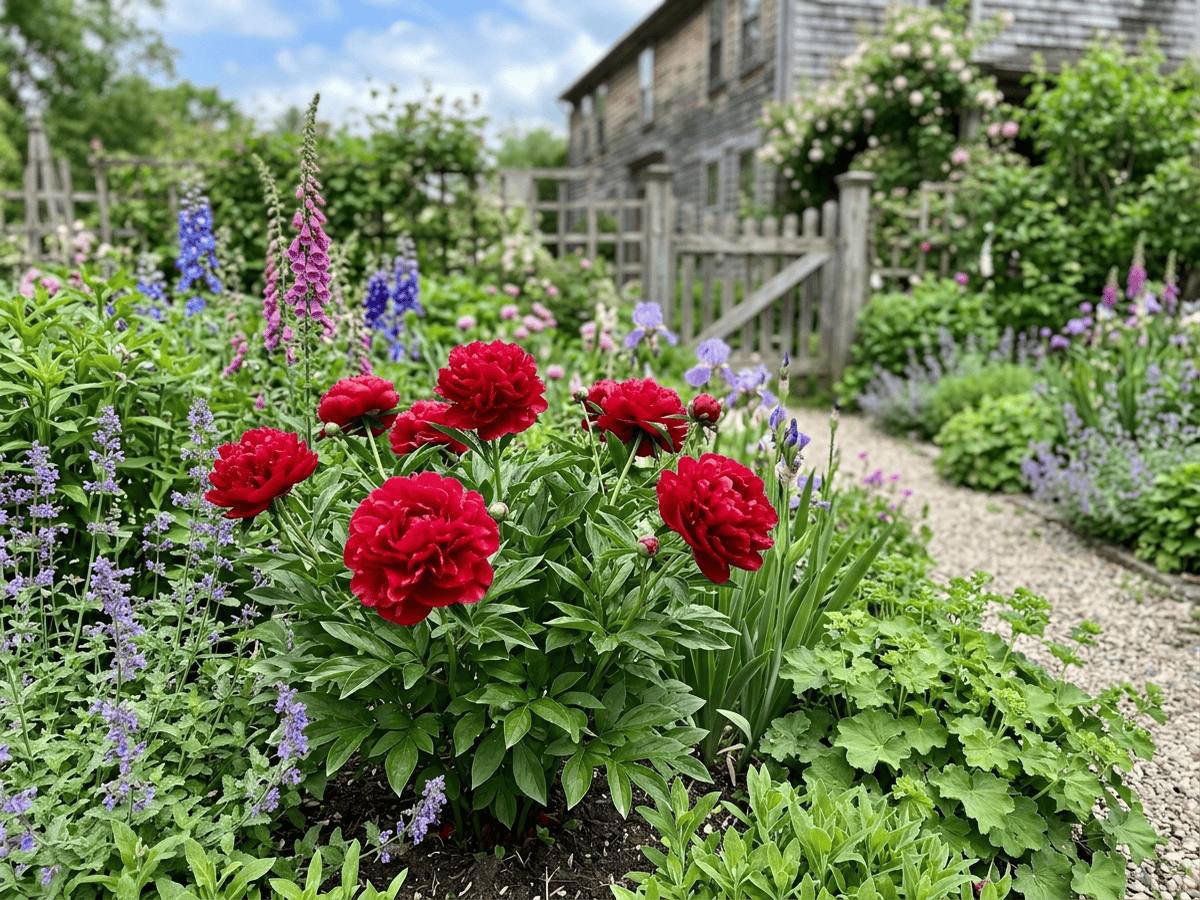
Common Peony or European Peony is a southern European species peony with large fragrant double or single flowers in rose, red, pink, or white, one of the most ancient cultivated garden flowers. Growing 2 to 3 feet tall and wide, it blooms in late spring on sturdy stems above deeply divided foliage. Grandmother's peony in American heritage gardens, the one planted at colonial doorsteps that often outlives the house.
- Fragrant
- Cut-flower
- Cold-hardy
- Deer-resistant
How to care for Common Peony
Watering
- Springevery 7 days
- Summerevery 10 days
- Fallevery 14 days
- Winterpause watering
Soil · Well-draining
- Top dressingPine bark mulch10%
- Main mixPotting soil + perlite 2:170%
- DrainageLECA / gravel20%
Never skip the drainage layer — standing water is the top cause of root rot.
FERTILIZER
Balanced Feed 14-14-14
An even feed covers all three needs at once, keeping leaves, roots and blooms moving together with nothing pushed out of balance.
- Nitrogen · Leaves
- Phosphorus · Roots + Blooms
- Potassium · Strength
- Springevery 60 days
- Fallevery 60 days
At a Glance
- NativeEurope
- Height2–3 ft (0.6–0.9 m)
- Spread2–3 ft (0.6–0.9 m)
- Flower colorRed, Pink, White
- Foliage colorGreen
- SoilLoamy, Well-drained, Rich
- LocationsYard
Bloom time
BLOOM CYCLE
Peak bloom
Mar–May
Large fragrant flowers in late spring
Fragrance
MODERATE FRAGRANCE
Classic peony sweet rose fragrance.
Toxicity
Humans Slight · Pets Moderate
paeonol and paeoniflorin
Slight
- Root
- Seed
- Ingestion
EXPOSURE Eating roots and seeds.
EFFECT Paeonol and related compounds cause GI upset.
NOTE Documented concern for humans: Paeonol and related compounds cause GI upset.
Moderate
- Root
- Seed
- Flower
- Ingestion
EXPOSURE Eating roots, seeds, and flowers.
EFFECT ASPCA: vomiting, diarrhea, depression from paeonol in bark and roots.
NOTE ASPCA lists Peony as toxic to dogs and cats; historic medicinal use.
Moderate
- Root
- Seed
- Flower
- Ingestion
EXPOSURE Eating roots, seeds, and flowers.
EFFECT ASPCA: vomiting, diarrhea, depression from paeonol in bark and roots.
NOTE ASPCA lists Peony as toxic to dogs and cats; historic medicinal use.
Educational information, not medical or veterinary advice. If exposure is suspected, contact a doctor or veterinarian.
DISTRIBUTION


- Native
- Introduced
- Europe
History

Paeonia officinalis, the European peony, common peony, or apothecary peony, is an herbaceous perennial native to mountain meadows of the Alps, Apennines, and Balkans from France through Italy and the former Yugoslavia. The generic name Paeonia derives from Paeon, the Greek physician of the gods in Homer's Iliad. Greek physician Dioscorides described the plant and its medicinal virtues in De Materia Medica around 70 CE, and medieval European monastic gardens cultivated it for gout, epilepsy, and childbirth.
Linnaeus formalized the species in 1753. Double-flowered cultivars including Rubra Plena have been grown in European gardens for more than 400 years, making this species among the oldest continuously cultivated ornamental peonies.
The modern Lactiflora-descended cut-flower peony trade traces back to this European tradition of peony cultivation. Native to southern Europe and cultivated in European gardens since at least Roman times. Brought to American colonial gardens in the 1600s and often marking long-abandoned homesteads, these peonies can live 100 years in the same spot.
Symbolism & meaning
What It Symbolizes
Common Peony carries compassion through longevity. Named for Paeon, physician of the gods, it still feels like a plant of ceremony and care, returning for generations around old houses. Its great bowls of petals symbolize enduring home: a perennial that can outlast the gardener who planted it.
- Compassion — ancient symbol of healing
- Enduring home — outlives the houses beside it
Where the Name Comes From
'Paeonia' honors Paeon, physician of the Greek gods; 'officinalis' means of the apothecary shop.
Uses & Fun Facts
- Classic peony fragrance scents spring borders and cut bouquets
Related plants
More Paeonia plants
 Chinese PeonyPaeonia lactiflora
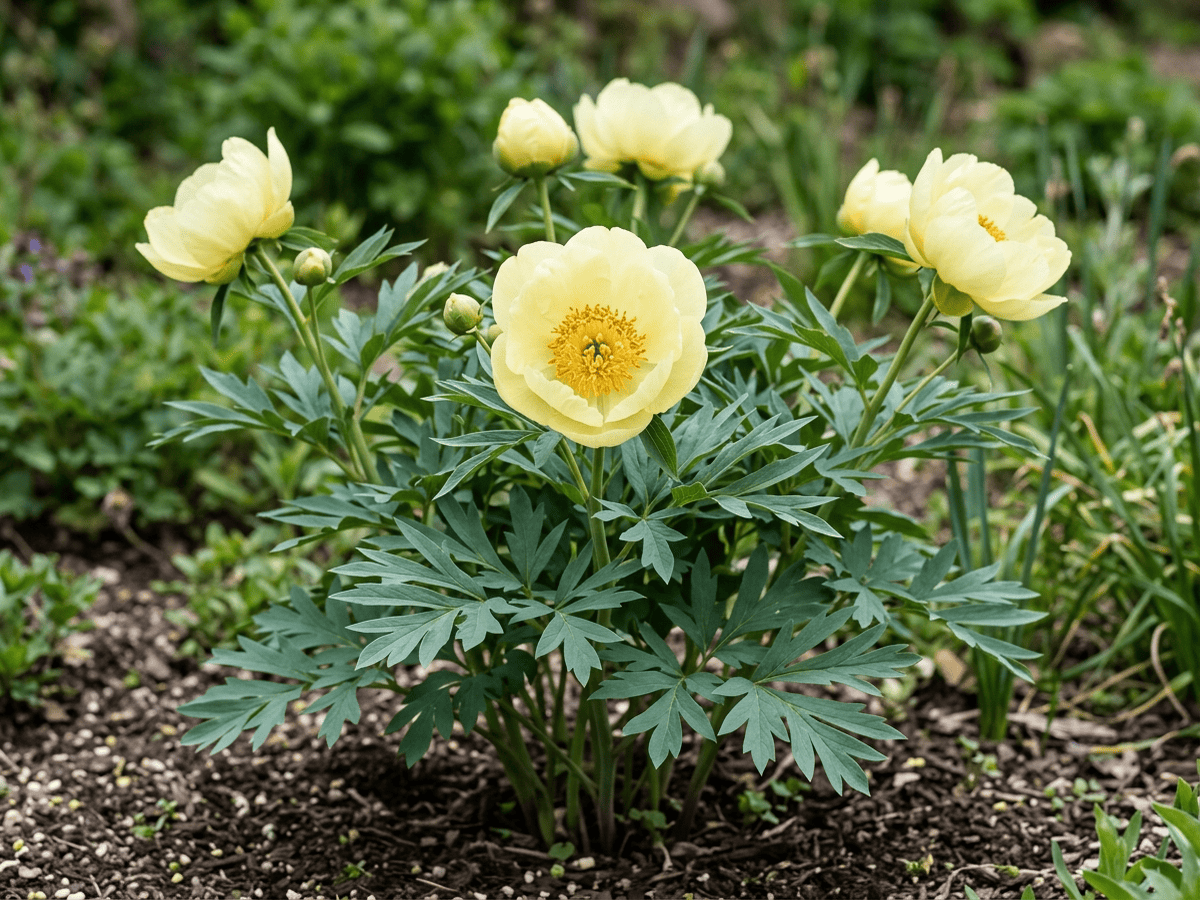 Paeonia Daurica Subsp. MlokosewitschiiPaeonia mlokosewitschii
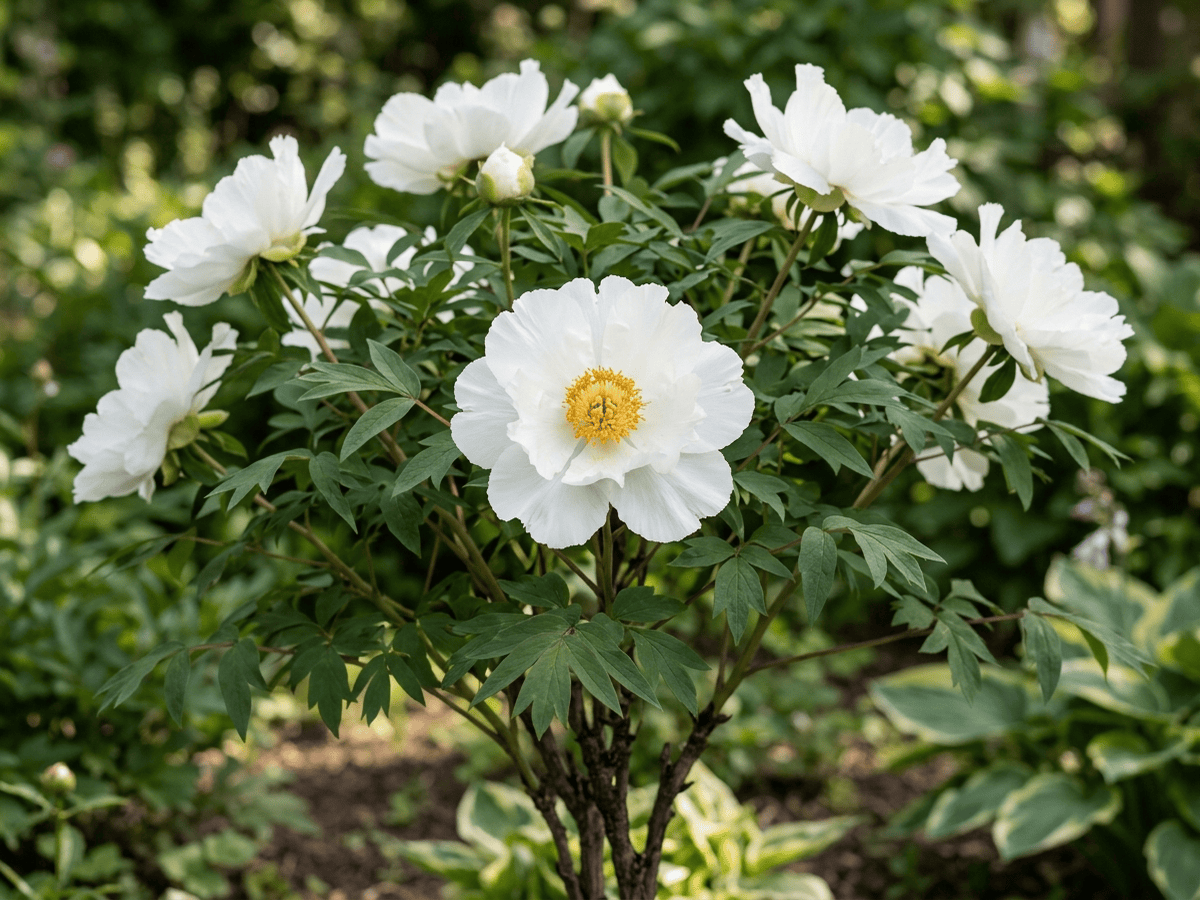 Paeonia ostiiPaeonia ostii
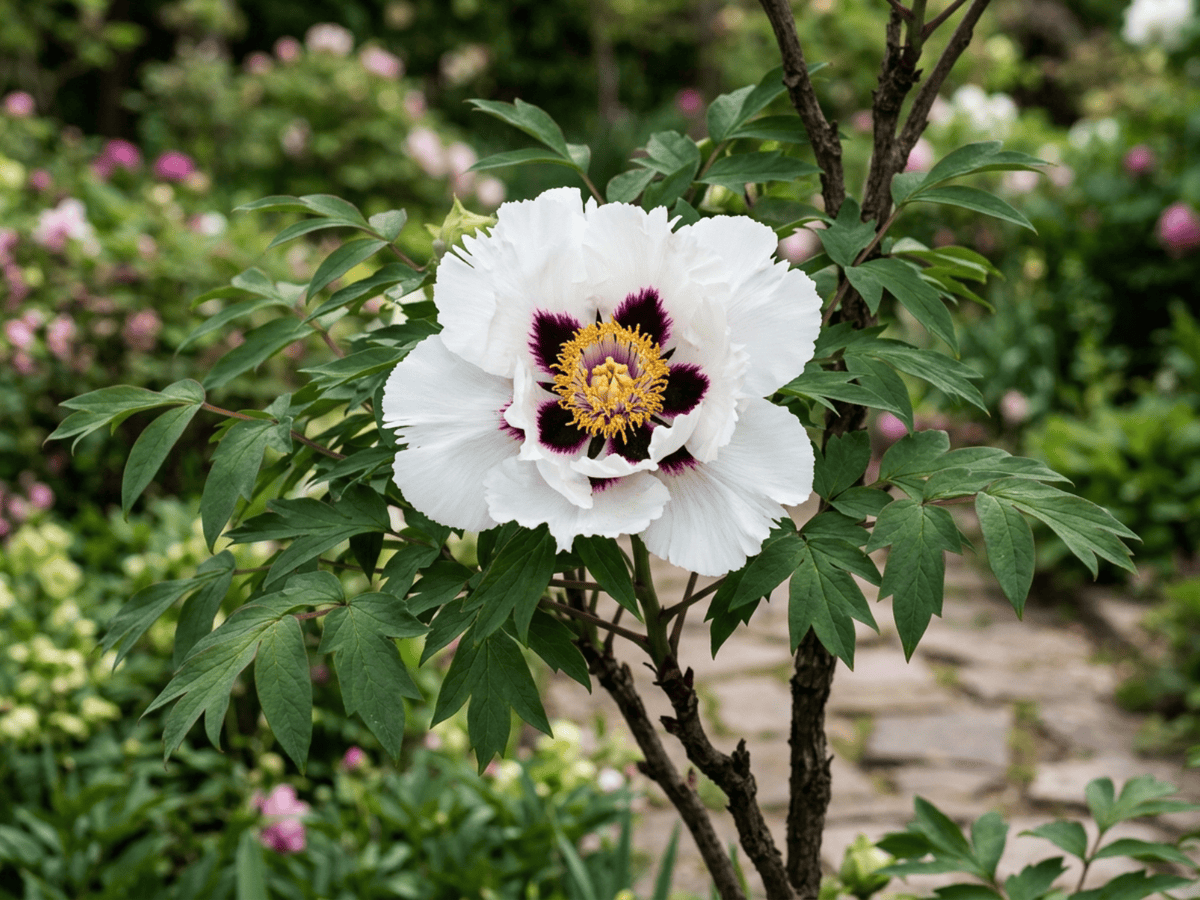 Paeonia rockiiPaeonia rockii
Plants with similar care
 Chinese AbeliaAbelia chinensis
 Fragrant AbeliaAbelia mosanensis
 Large-Flowered AbeliaAbelia uniflora
 Glossy AbeliaAbelia x grandiflora
Frequently asked questions
How often should I water Common Peony?
Water about every 7 days during the growing season, and always let excess water drain away.
How much light does Common Peony need?
Full sun: 6+ hrs direct. Watch the leaves — scorching or stretching means the light needs adjusting.
Is Common Peony toxic to cats or dogs?
Pets Moderate (Dogs Moderate · Cats Moderate) Educational information, not medical or veterinary advice. If exposure is suspected, contact a doctor or veterinarian.
Is Common Peony easy to grow?
Yes — it is considered an easy, beginner-friendly plant.
When does Common Peony bloom?
It typically blooms Mar–May in the Northern Hemisphere.
YardMate
Identify any plant in seconds
Snap a photo — YardMate names the plant, diagnoses problems, and reminds you when to water.
Download on the App Store