 YardMate


Chinese Peony
Paeonia lactiflora
Medium · Some experienceAbout Chinese Peony
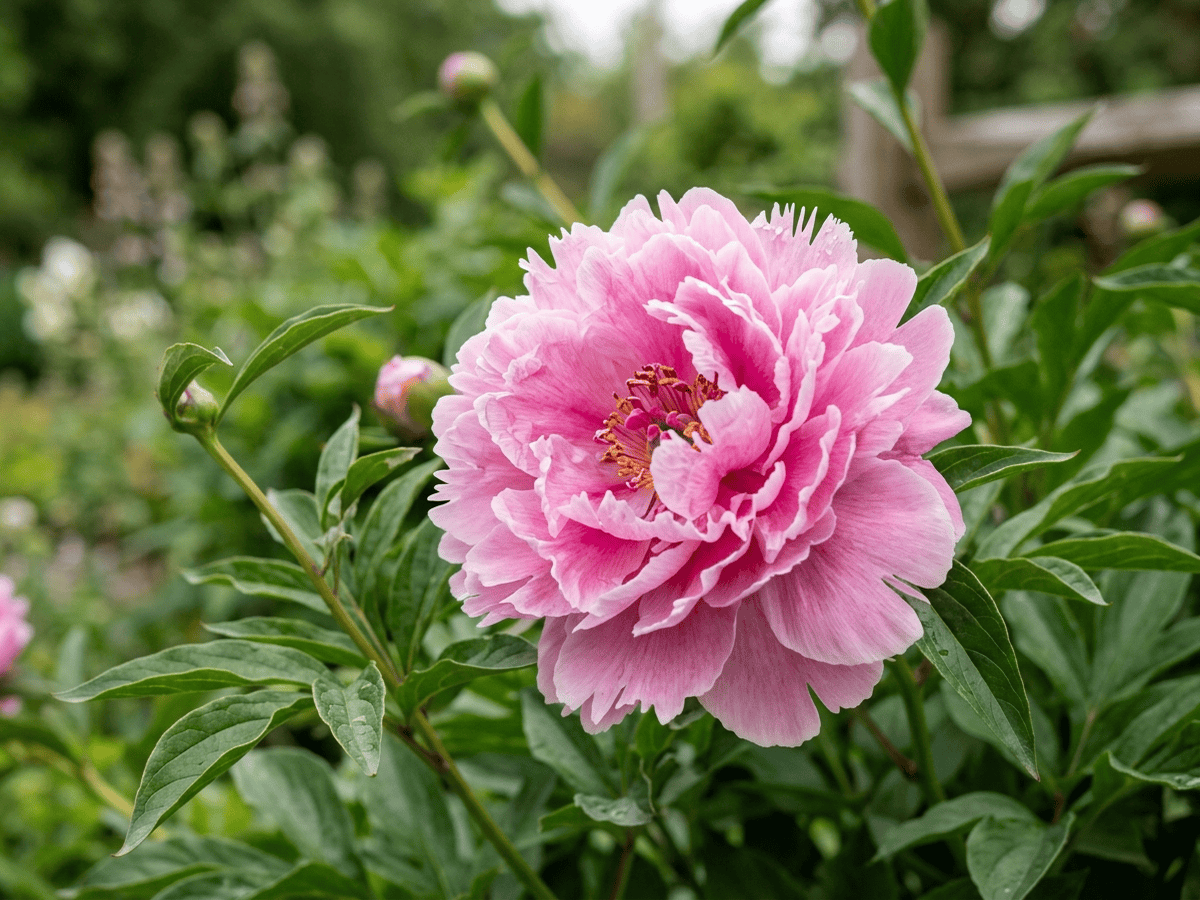
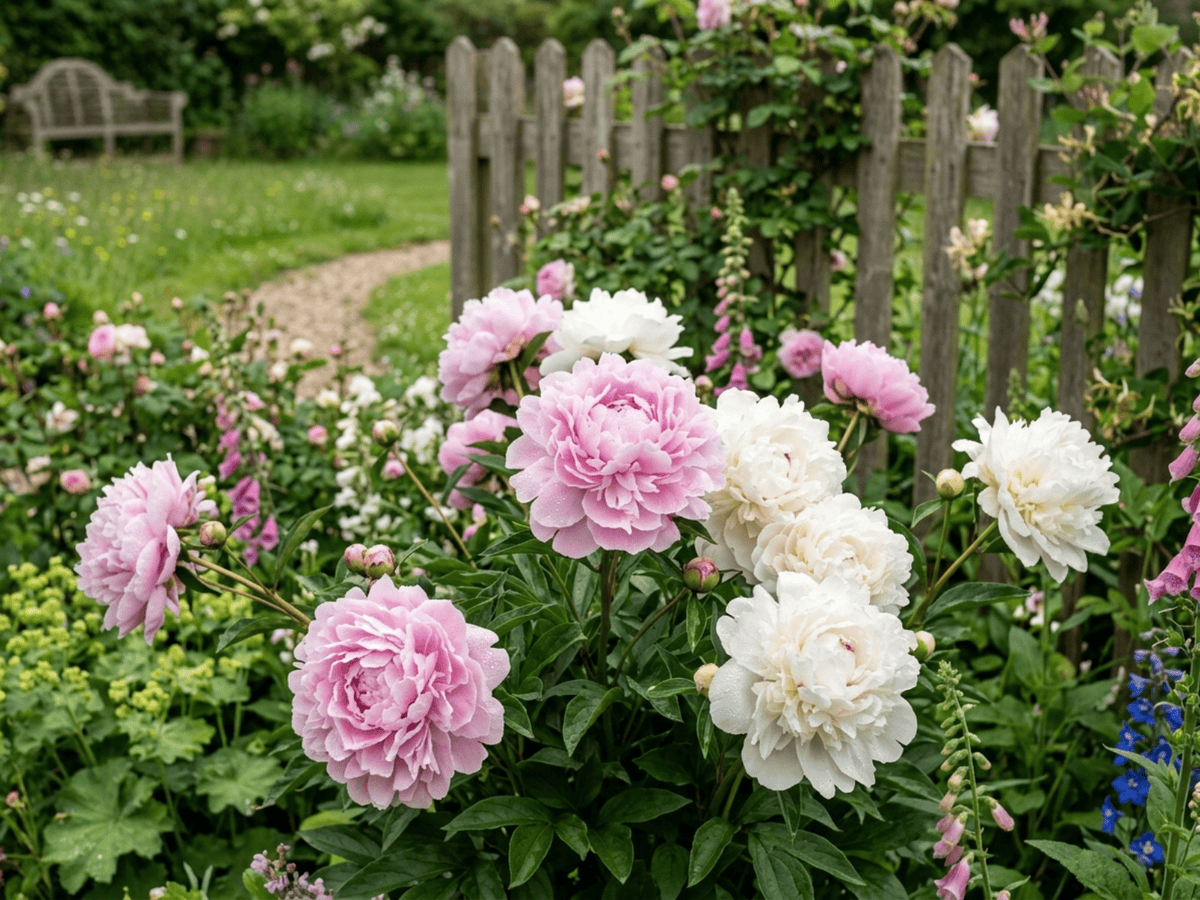
Paeonia lactiflora, the Chinese peony, is the herbaceous peony beloved for its enormous, fragrant, ruffled blooms in shades of white, pink, and red. Each flower can contain over 100 petals and produce an intoxicating sweet fragrance. Native to central and eastern Asia, it has been cultivated in China for over 2,000 years. Plants are long-lived — specimens can bloom for 50+ years. They emerge in spring, bloom in late spring to early summer, then die back to the ground in autumn. Peonies need winter cold (vernalization) to bloom and are not suitable for tropical climates.
- Fragrant
- Cut-flower
How to care for Chinese Peony
Watering
- Springevery 7 days
- Summerevery 5 days
- Fallevery 14 days
- Winterevery 30 days
Soil · Well-draining
- Top dressingPine bark mulch10%
- Main mixPotting soil + perlite 2:170%
- DrainageLECA / gravel20%
Never skip the drainage layer — standing water is the top cause of root rot.
FERTILIZER
Balanced Feed 14-14-14
An even feed covers all three needs at once, keeping leaves, roots and blooms moving together with nothing pushed out of balance.
- Nitrogen · Leaves
- Phosphorus · Roots + Blooms
- Potassium · Strength
- Springevery 30 days
- Fallevery 30 days
At a Glance
- NativeEast Asia, Mediterranean
- Height2–3 ft (0.6–0.9 m)
- Spread2–4 ft (0.6–1.2 m)
- Flower colorPink, White, Red, Yellow
- Foliage colorGreen
- SoilLoamy, Well-drained, Rich
- LocationsYard
Bloom time
BLOOM CYCLE
Peak bloom
May
Huge fragrant blooms late spring; needs winter chill; ants on buds are normal and helpful
Fragrance
STRONG FRAGRANCE
Many cultivars produce intense rose-like fragrance; intensity varies widely by cultivar.
Toxicity
Pets Moderate
paeonol and paeoniflorin
Not reported
EXPOSURE No exposure route is reported.
EFFECT Root is a standard medicine in TCM after professional preparation and raw consumption inadvisable.
NOTE No toxicity is reported for humans in this catalog; this is not evidence that the plant is edible or harmless.
Moderate
- Root
- Flower
- Ingestion
EXPOSURE Eating roots and flowers.
EFFECT Vomiting, diarrhea, depression and per ASPCA.
NOTE Bark and roots more concentrated than foliage.
Moderate
- Root
- Flower
- Ingestion
EXPOSURE Eating roots and flowers.
EFFECT Vomiting, diarrhea, depression and per ASPCA.
NOTE Bark and roots more concentrated than foliage.
Educational information, not medical or veterinary advice. If exposure is suspected, contact a doctor or veterinarian.
DISTRIBUTION


- Native
- Introduced
- East Asia
- Mediterranean
History
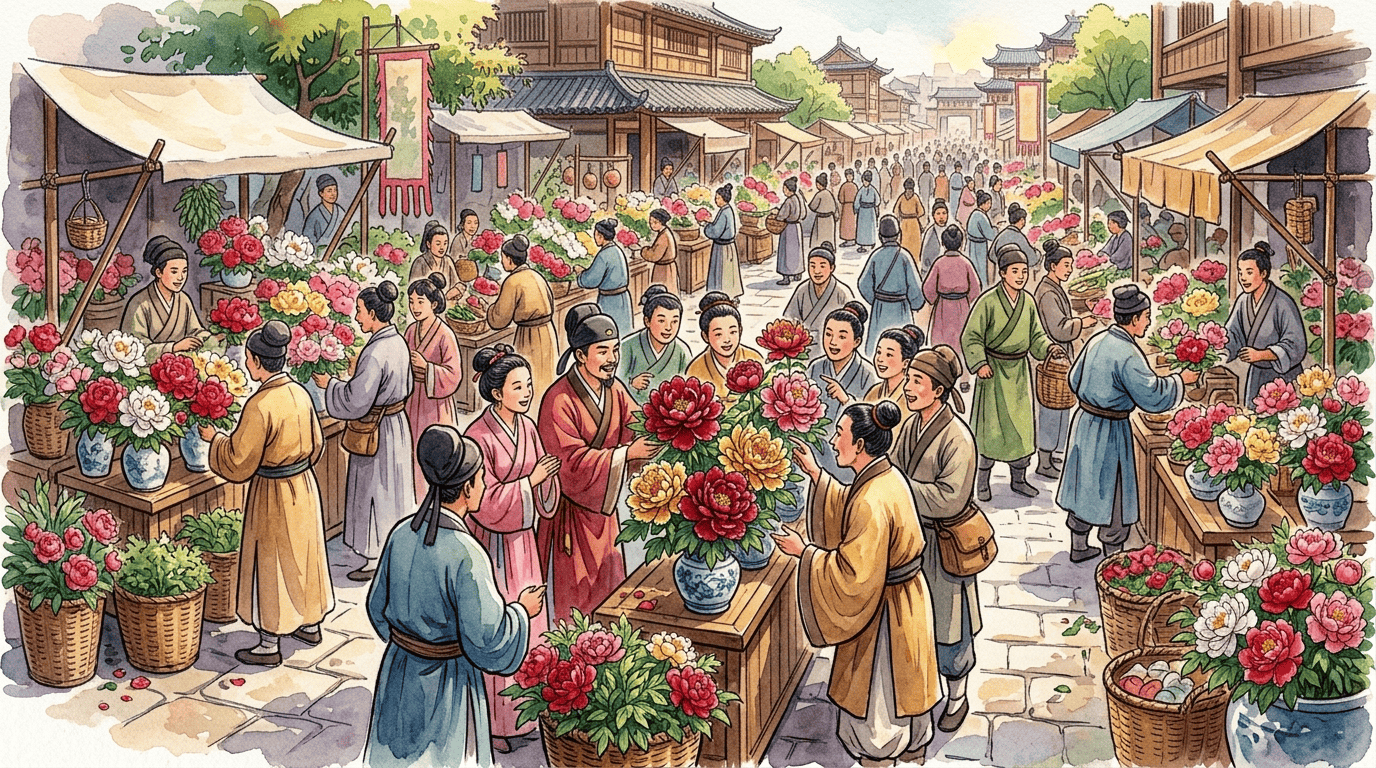
Paeonia lactiflora, the Chinese or herbaceous peony, is native to central and eastern Asia — northern China, Mongolia, Tibet, and Siberia — and has been cultivated in China for over two thousand years. Unlike the woody tree peony (P. suffruticosa), it dies back to the ground each winter. Its oldest literary trace is in the Book of Songs (Shijing, compiled by the 6th century BCE), where young lovers parting at the riverside give one another peony blossoms — an image that earned the plant the old name jiang li, 'about to part.' The root, called bai shao (white peony) or chi shao (red peony) depending on preparation, is among the most important herbs in Traditional Chinese Medicine, named in the Shennong Bencao Jing (circa 200 CE) and used for circulatory and gynecological conditions.
By the Song dynasty the city of Yangzhou had become the great center of herbaceous peony culture — 'the finest peonies under heaven' — and the scholar Wang Guan catalogued thirty-nine varieties in his Treatise on the Peonies of Yangzhou (1073). In the classical ranking of flowers the herbaceous peony was styled the 'prime minister of flowers,' second in rank only to the tree peony, the 'king.'
It reached European gardens via the Chelsea Physic Garden in 1784 and became the parent of thousands of Victorian and 20th-century garden peonies. Moderately toxic to pets.
Symbolism & meaning
What It Symbolizes
In the classical ranking of Chinese flowers the herbaceous peony was named the 'prime minister of flowers' (hua xiang) — a plant of grace and high standing, second only to the tree peony's 'king.' Older still is its tenderness: in the Book of Songs, lovers at the riverside part by pressing peonies into each other's hands, so the bloom came to stand for affection and the sweet sorrow of parting, and carried the old name jiang li, 'about to part.' To grow paeonia lactiflora is to keep that ancient gesture in the garden — a flower that has meant love and farewell for well over two thousand years.
- Romance — The king of flowers in Chinese culture, representing love, prosperity, and noble beauty
Where the Name Comes From
The name Chinese Peony points to China. Paeonia comes from Paeon, physician of the Greek gods, linked with the plant in myth. Lactiflora means milk-flowered, for the white blooms of the type specimen.
Uses & Fun Facts
- Bai shao roots used in traditional Chinese medicine
- Double blooms release classic rose-spice perfume
- Lush peony stems are wedding bouquet favorites
- Symbol of prosperity in Chinese garden tradition
Related plants
More Paeonia plants
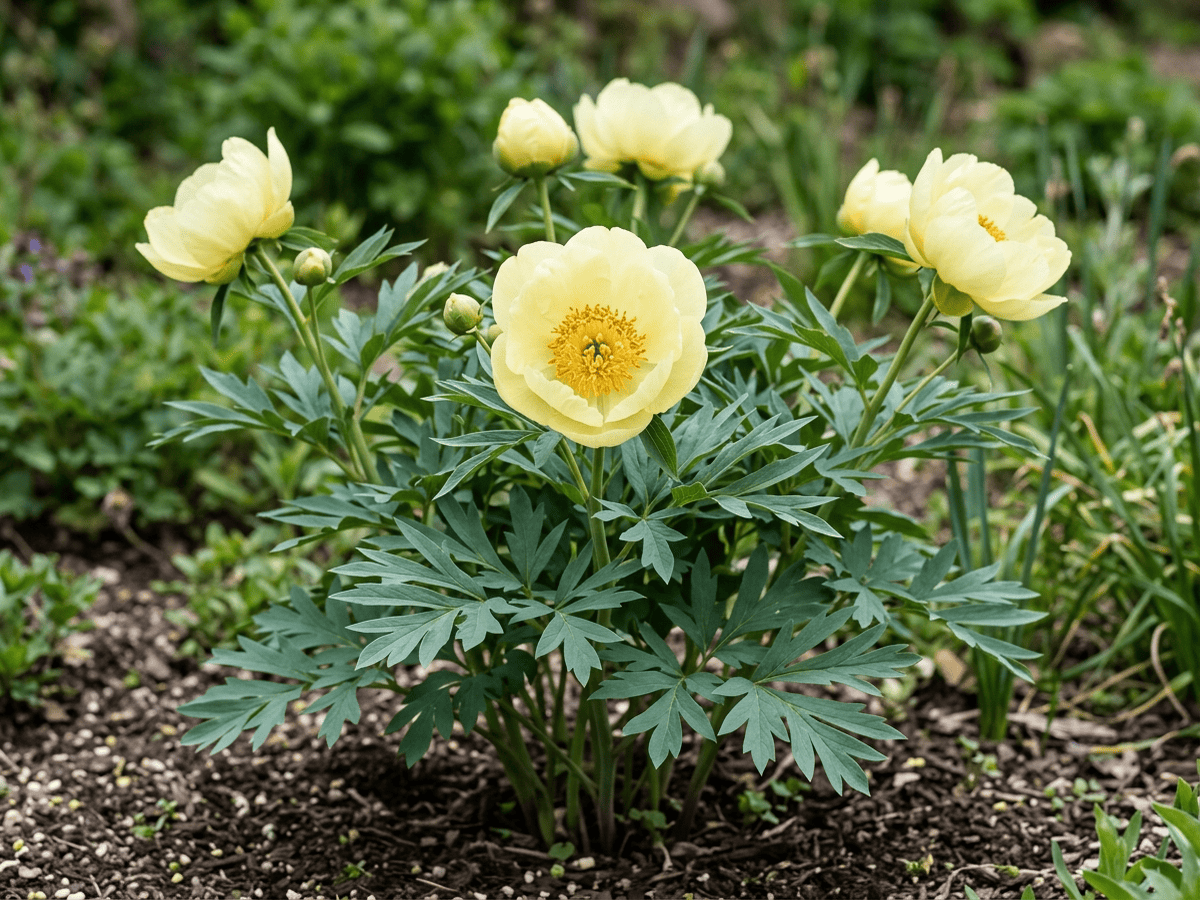 Paeonia Daurica Subsp. MlokosewitschiiPaeonia mlokosewitschii
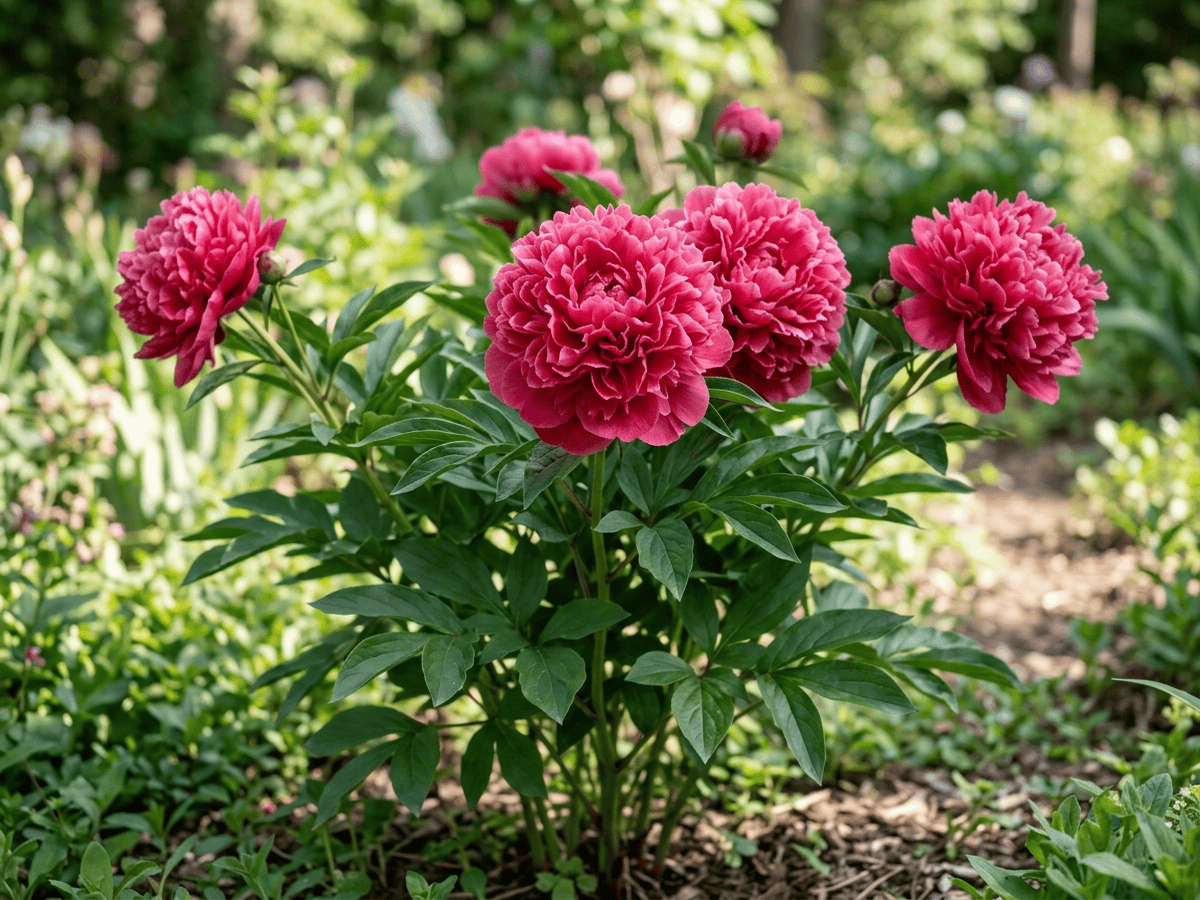 Common PeonyPaeonia officinalis
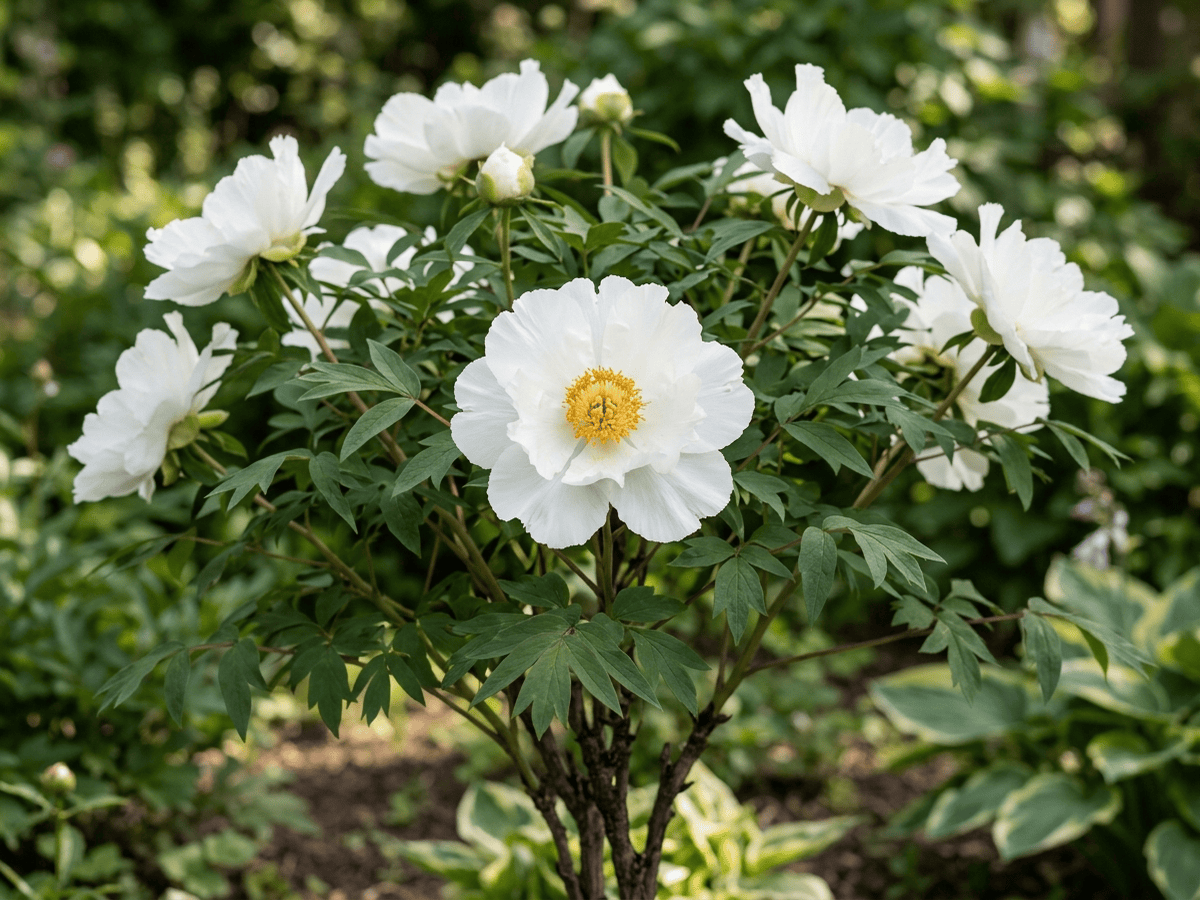 Paeonia ostiiPaeonia ostii
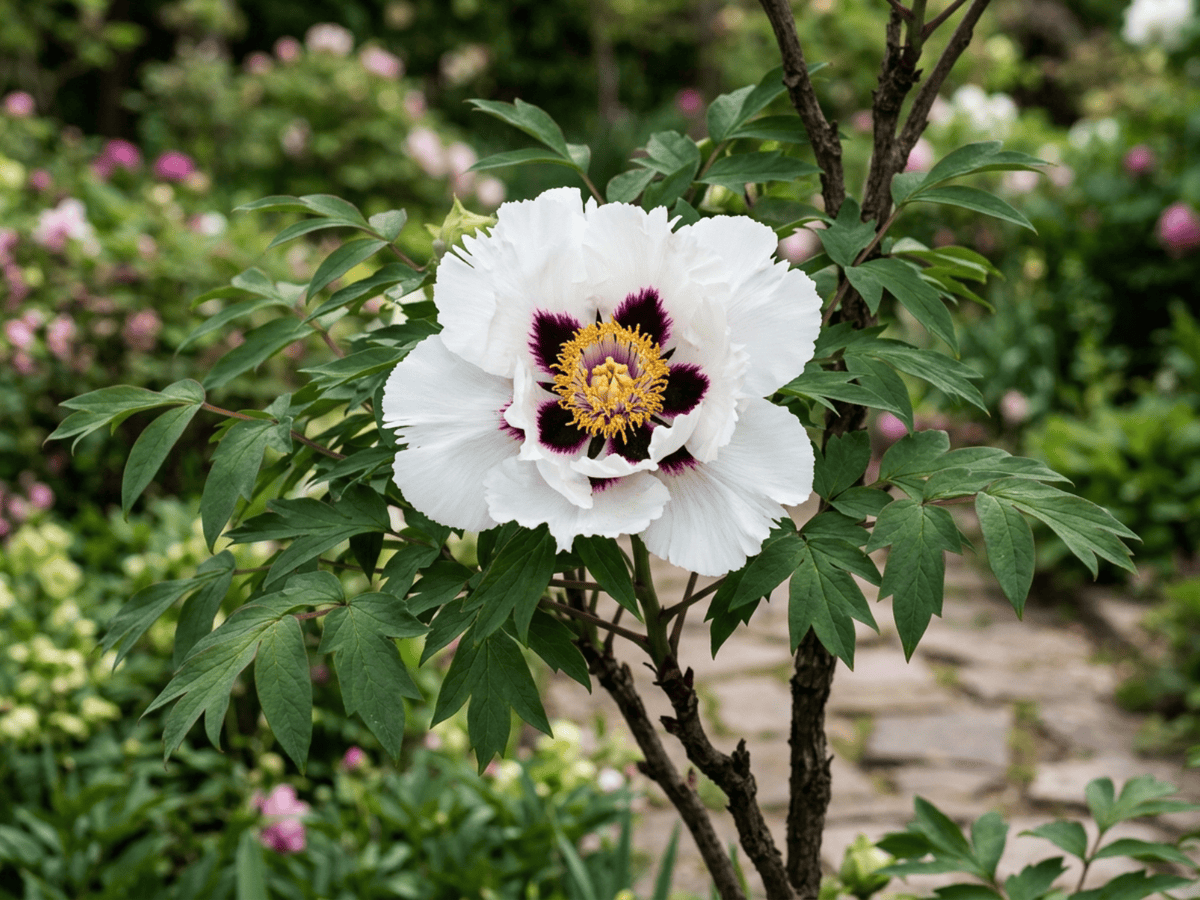 Paeonia rockiiPaeonia rockii
Plants with similar care
 Mexican AbeliaAbelia floribunda
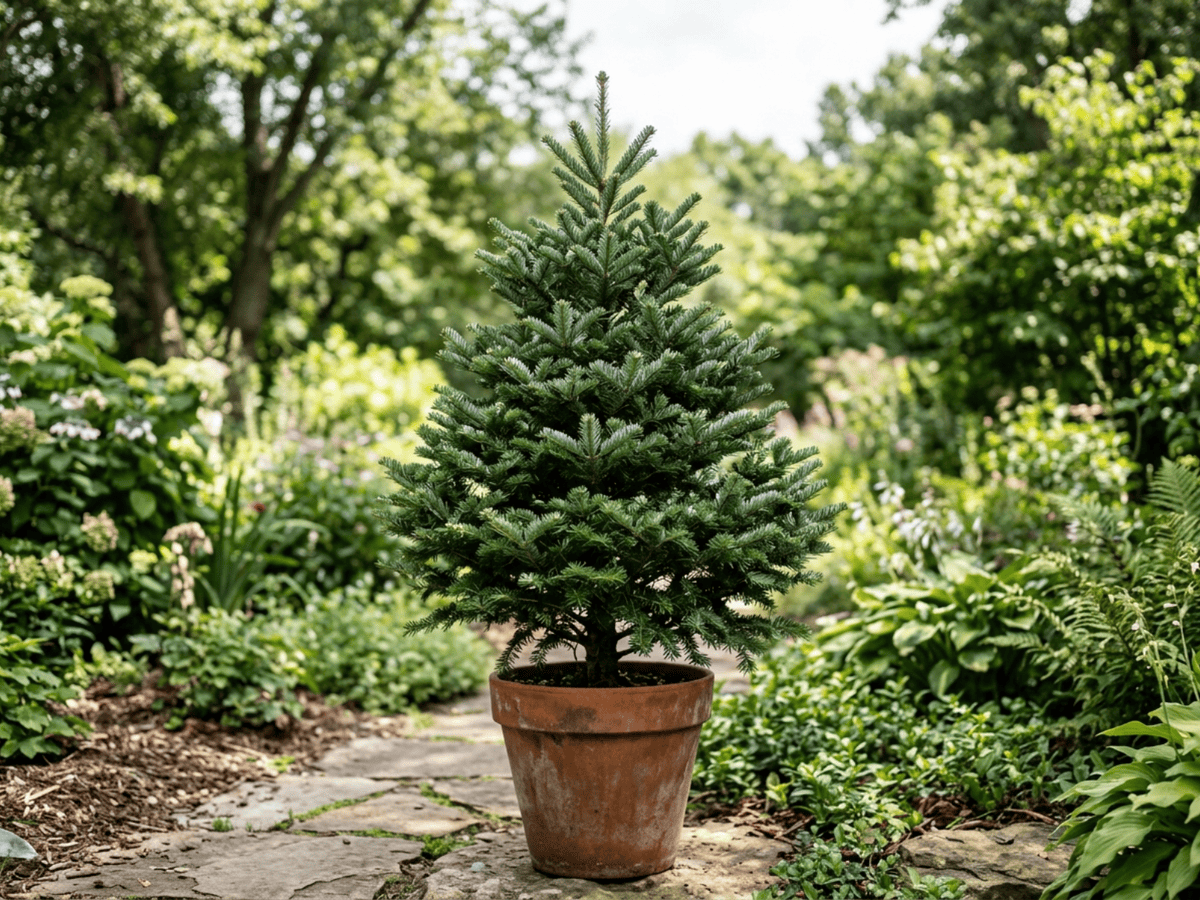 Fraser FirAbies fraseri
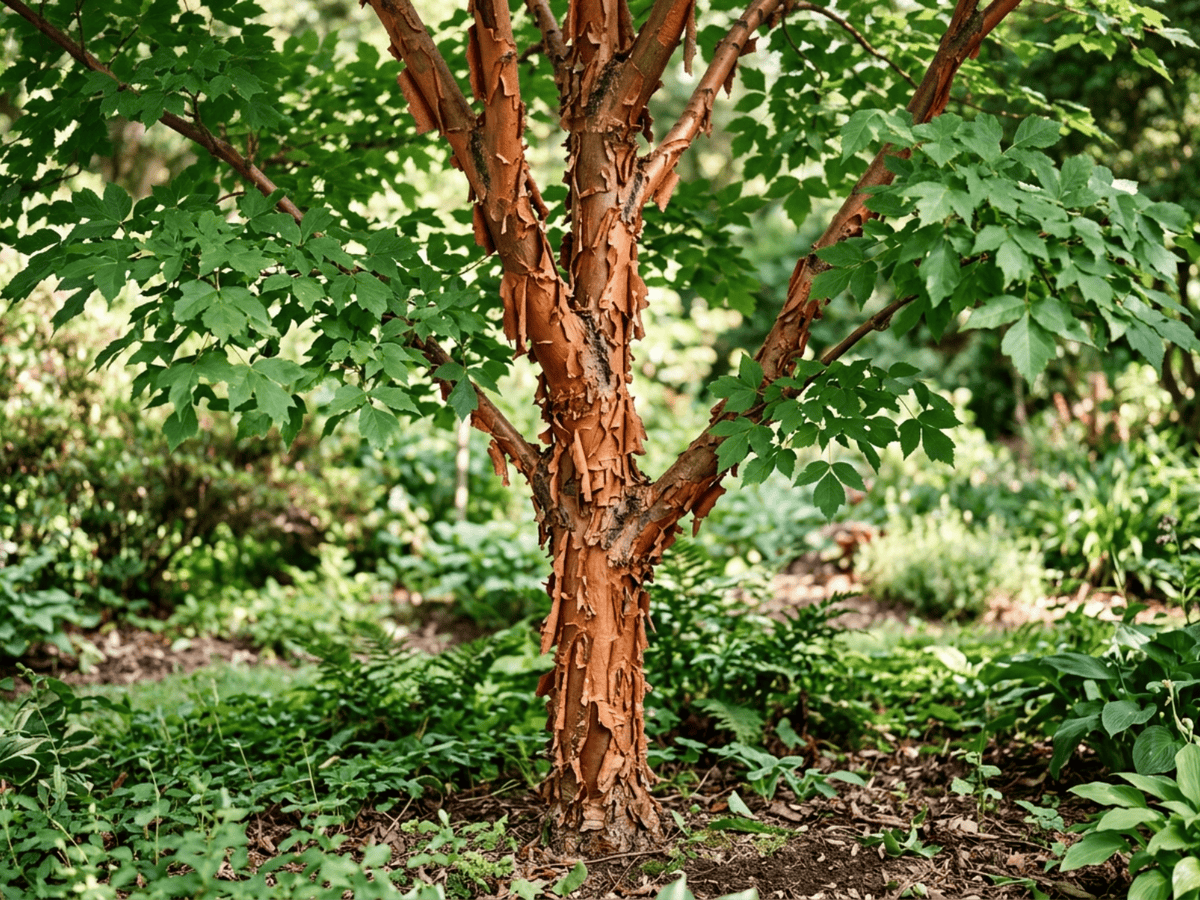 Paperbark MapleAcer griseum
 Sugar MapleAcer saccharum
Frequently asked questions
How often should I water Chinese Peony?
In summer, water about every 5 days; in winter, about every 30 days. Adjust for heat, pot size and drainage.
How much light does Chinese Peony need?
Full sun: 6+ hrs direct. Watch the leaves — scorching or stretching means the light needs adjusting.
Is Chinese Peony toxic to cats or dogs?
Pets Moderate (Dogs Moderate · Cats Moderate) Educational information, not medical or veterinary advice. If exposure is suspected, contact a doctor or veterinarian.
Is Chinese Peony easy to grow?
It is moderately demanding: a good choice once you have a little experience.
When does Chinese Peony bloom?
It typically blooms May in the Northern Hemisphere.
YardMate
Identify any plant in seconds
Snap a photo — YardMate names the plant, diagnoses problems, and reminds you when to water.
Download on the App Store