 YardMate

Paeonia ostii
Paeonia ostii
Medium · Some experienceAbout Paeonia ostii
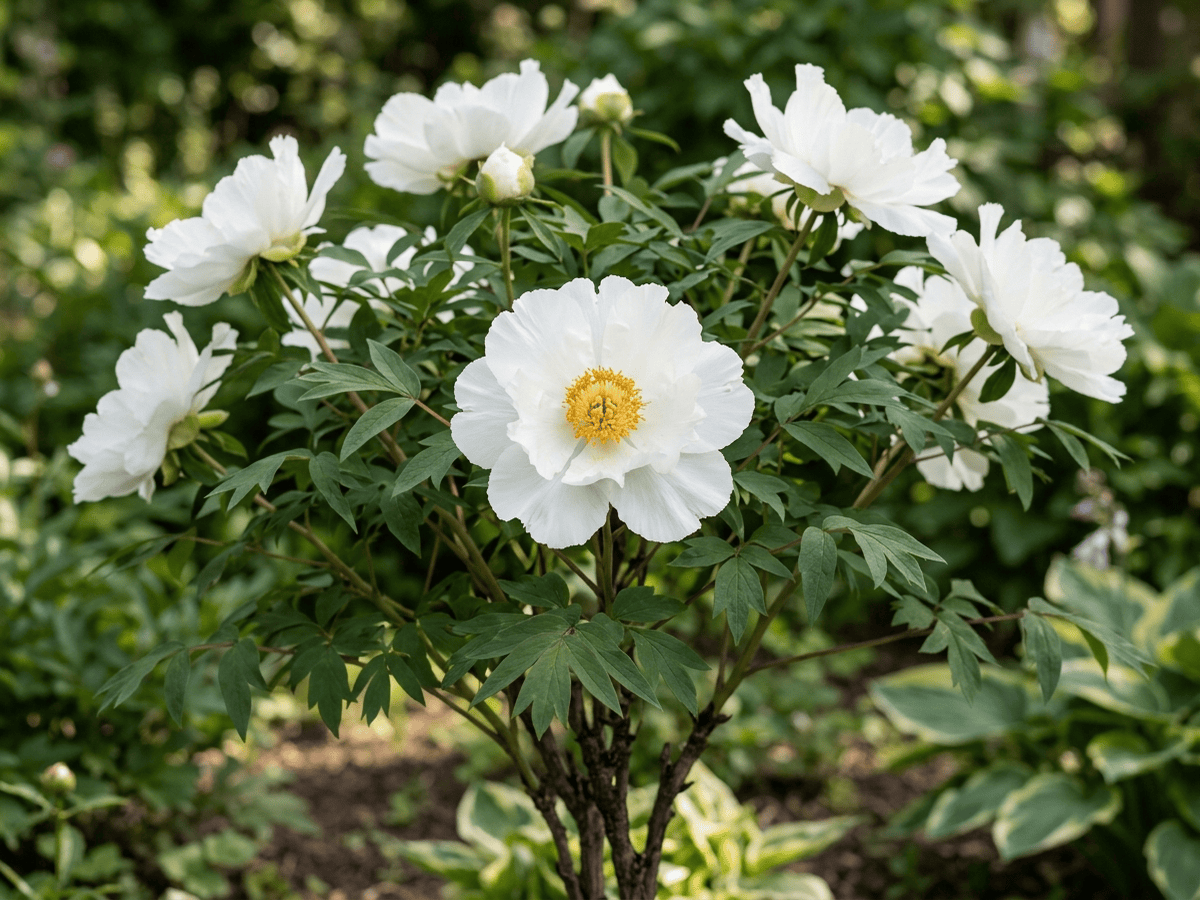
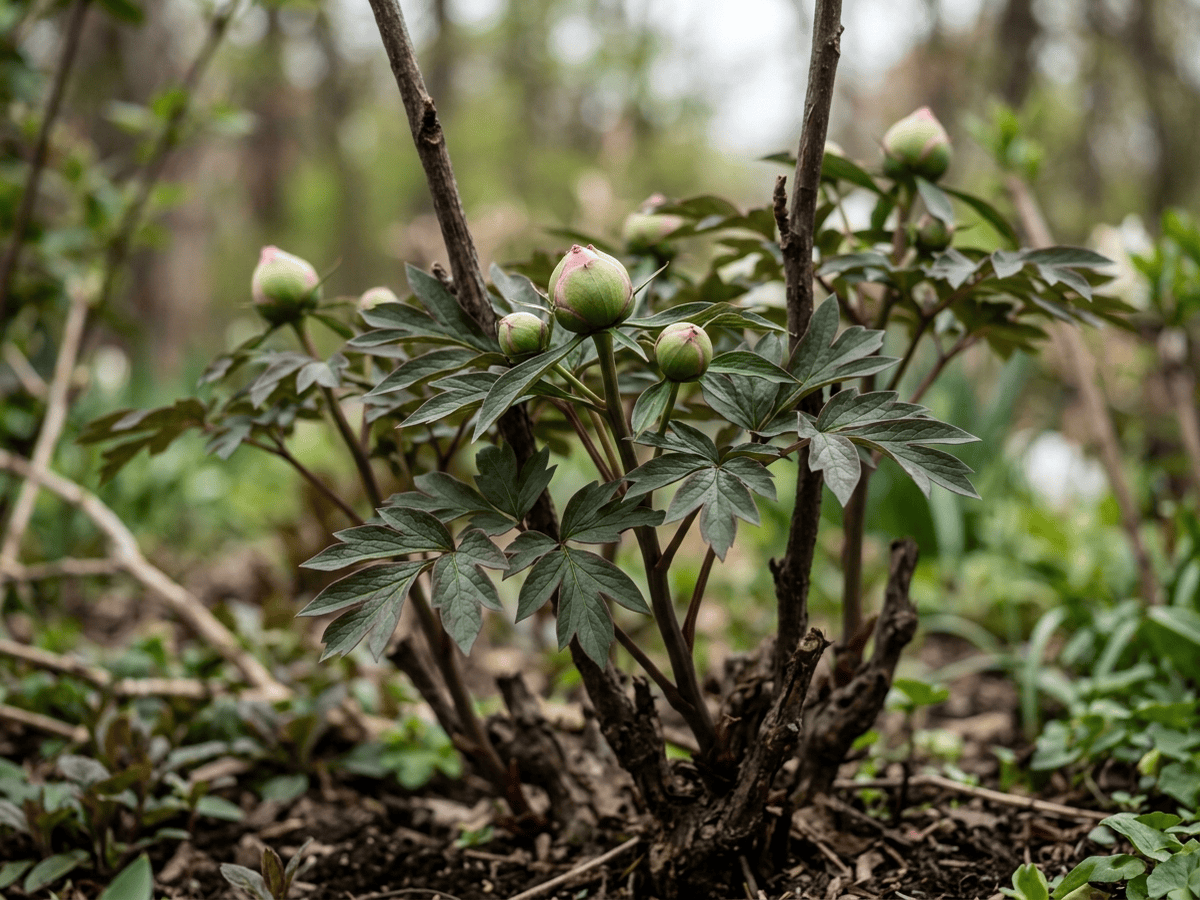
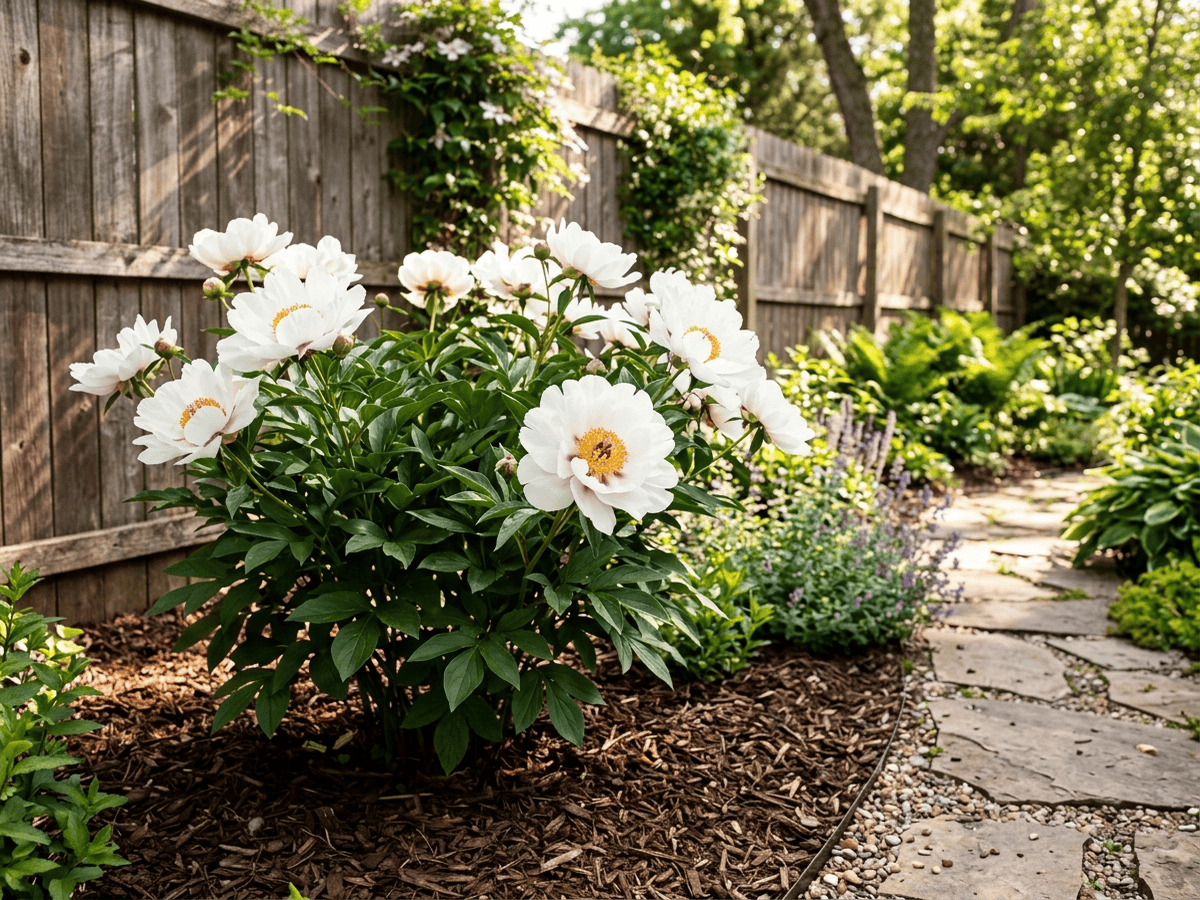
Paeonia ostii, often called Fengdan or Chinese tree peony, is a woody peony species with large pure white single flowers and finely divided foliage. Mature shrubs reach 1.2-1.8 meters and bloom in mid-spring, often carrying dozens of luminous flowers with golden stamens. In China it has long been grown both as an ornamental and for root bark used in traditional practice, making it one of the workhorse species behind peony cultivation. Compared with many lavish hybrid tree peonies, it has a cleaner wild elegance and stronger constitution. Plant it deeply in fertile, well-drained soil with sun to light shade, and leave it undisturbed; tree peonies reward patience more than fussing.
- Medicinal
- Fragrant
- Cold-hardy
How to care for Paeonia ostii
Watering
- Springevery 7 days
- Summerevery 10 days
- Fallevery 14 days
- Winterpause watering
Soil · Well-draining
- Top dressingPine bark mulch10%
- Main mixPotting soil + perlite 2:170%
- DrainageLECA / gravel20%
Never skip the drainage layer — standing water is the top cause of root rot.
FERTILIZER
Balanced Feed 14-14-14
An even feed covers all three needs at once, keeping leaves, roots and blooms moving together with nothing pushed out of balance.
- Nitrogen · Leaves
- Phosphorus · Roots + Blooms
- Potassium · Strength
- Springevery 60 days
- Fallevery 60 days
At a Glance
- NativeEast Asia
- Height4–6 ft (1.2–1.8 m)
- Spread3–5 ft (0.9–1.5 m)
- Flower colorWhite
- Foliage colorGreen
- SoilLoamy, Well-drained
- LocationsYard
Bloom time
BLOOM CYCLE
Peak bloom
Mar–May
Large pure white single flowers in mid spring
Fragrance
STRONG FRAGRANCE
The flowers have a sweet peony fragrance.
Toxicity
Humans Slight · Pets Moderate
paeonol and paeoniflorin
Slight
- Root
- Seed
- Ingestion
EXPOSURE Eating roots and seeds.
EFFECT Paeonol and related compounds cause GI upset and medicinal use by trained practitioners.
NOTE Documented concern for humans: Paeonol and related compounds cause GI upset and medicinal use by trained practitioners.
Moderate
- Root
- Seed
- Flower
- Ingestion
EXPOSURE Eating roots, seeds, and flowers.
EFFECT ASPCA: vomiting, diarrhea, depression from paeonol in bark and roots.
NOTE ASPCA lists Peony as toxic to dogs and cats; root bark used in traditional Chinese medicine.
Moderate
- Root
- Seed
- Flower
- Ingestion
EXPOSURE Eating roots, seeds, and flowers.
EFFECT ASPCA: vomiting, diarrhea, depression from paeonol in bark and roots.
NOTE ASPCA lists Peony as toxic to dogs and cats; root bark used in traditional Chinese medicine.
Educational information, not medical or veterinary advice. If exposure is suspected, contact a doctor or veterinarian.
DISTRIBUTION


- Native
- East Asia
History
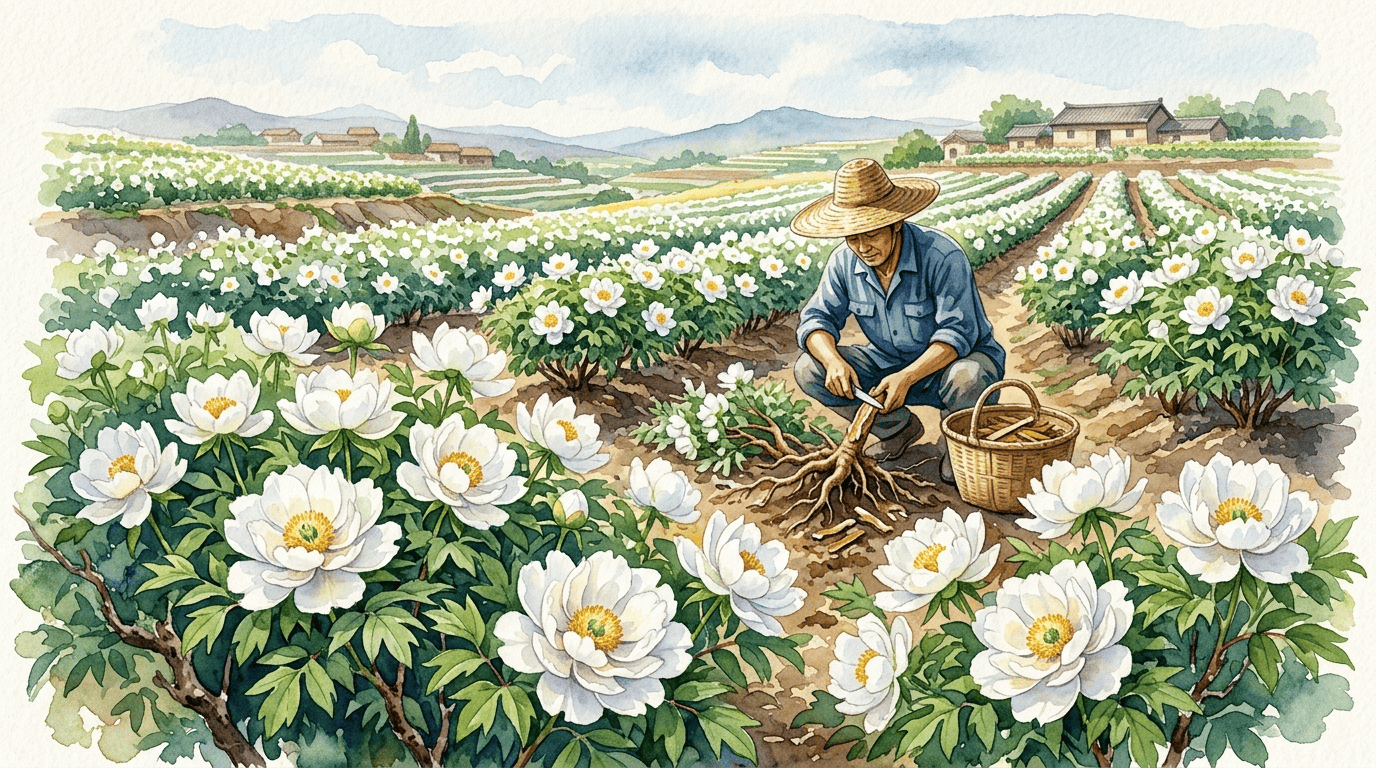
Paeonia ostii, known in Chinese as Feng Dan Bai or Fengdan, is a central Chinese tree peony species described in 1992 by Chinese botanists Hong Tao and J.X. Zhang from populations in Henan, Anhui, Hubei, Hunan, and Jiangxi. The plant produces single white fragrant bowl-shaped flowers with crepe-paper petals atop woody stems. For more than a millennium Chinese farmers have cultivated related Paeonia species, particularly around Luoyang and Heze, both for ornamental display and for medicinal Moutan bark, an important component of traditional Chinese medicine for anti-inflammatory and cardiovascular applications.
P. ostii serves as the primary commercial rootstock and medicinal plantation plant. Native to central China and extensively cultivated there for over 1,500 years for ornamental and medicinal purposes.
Introduced to American specialty peony nurseries in the late 20th century. It is also grown industrially for edible seed oil in China, high in unsaturated fatty acids, branded Mudan seed oil.
Symbolism & meaning
What It Symbolizes
Paeonia ostii is white dignity in shrub form. Its single flowers open wide around golden stamens, less ornate than many tree peonies but more elemental. In China it belongs to both garden beauty and root-bark tradition, giving the plant a symbolism of refinement with purpose.
- Pure elegance — pristine white spring flowers
- Medicinal heritage — 1,500-year Chinese medicine tradition
Where the Name Comes From
'ostii' honors Gianlupo Osti, 20th-century Italian horticulturist who studied Chinese tree peonies.
Uses & Fun Facts
- Root bark used in traditional Chinese medicine as mu dan pi
- Single white tree-peony blooms release light sweet scent
- Tree peony with large white flowers as spring garden centerpiece
- Cultivated in China for centuries for medicine and ornament
Related plants
More Paeonia plants
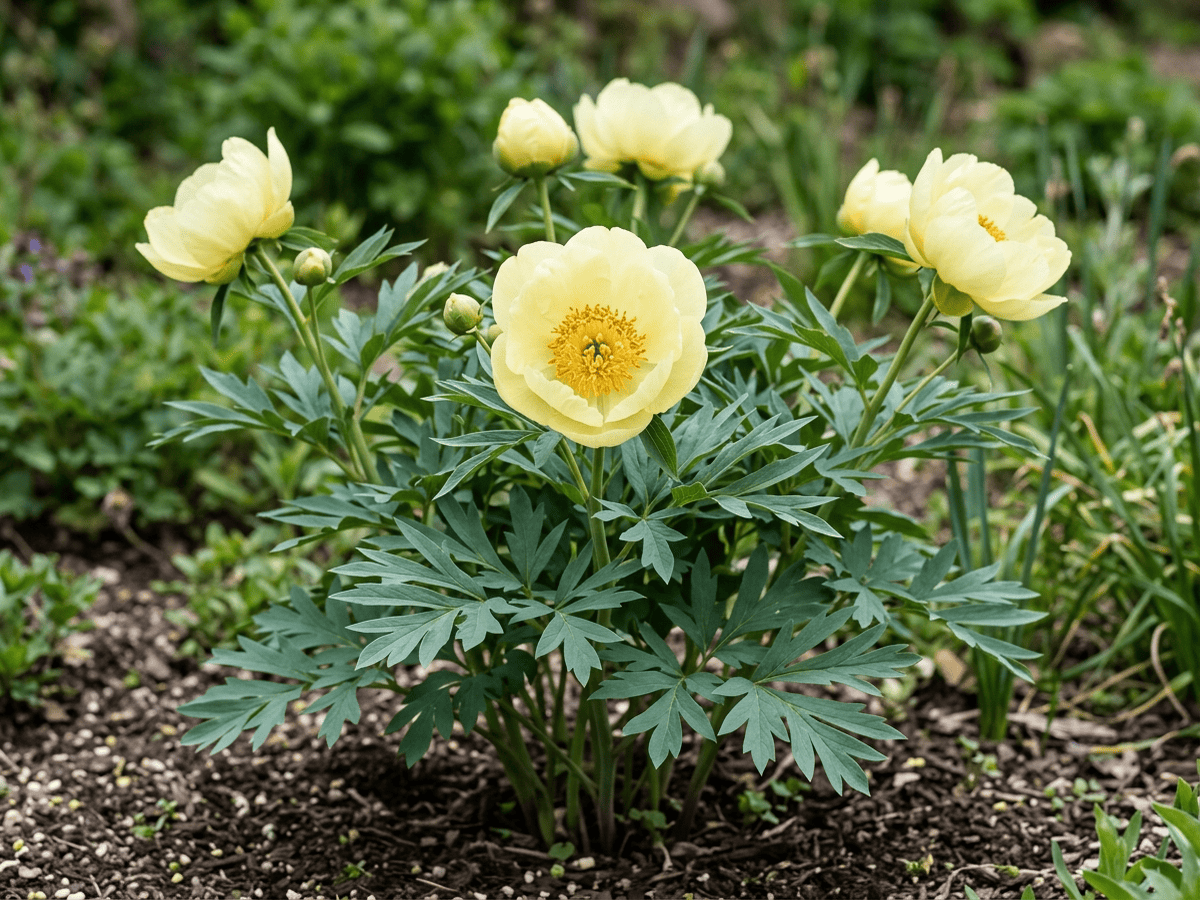
 Chinese PeonyPaeonia lactiflora
 Paeonia Daurica Subsp. MlokosewitschiiPaeonia mlokosewitschii
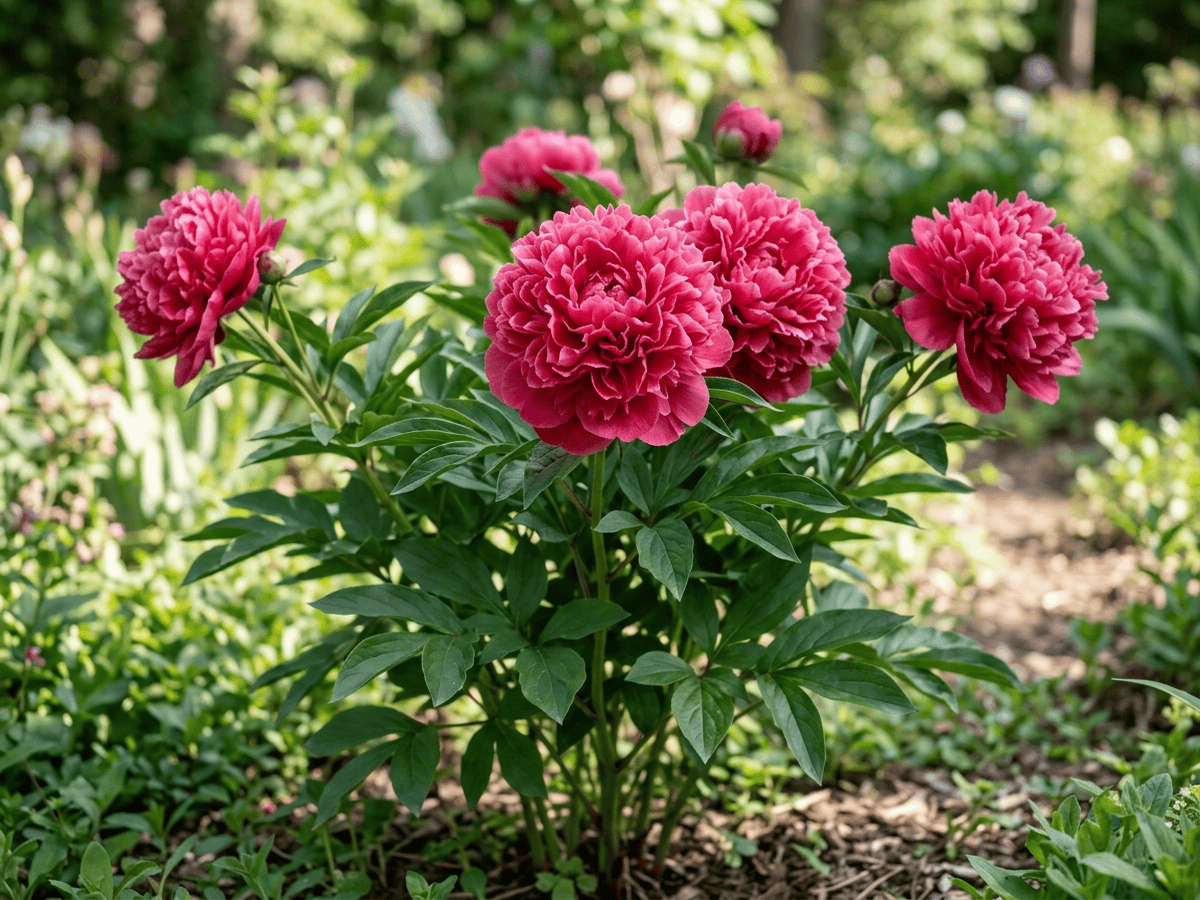 Common PeonyPaeonia officinalis
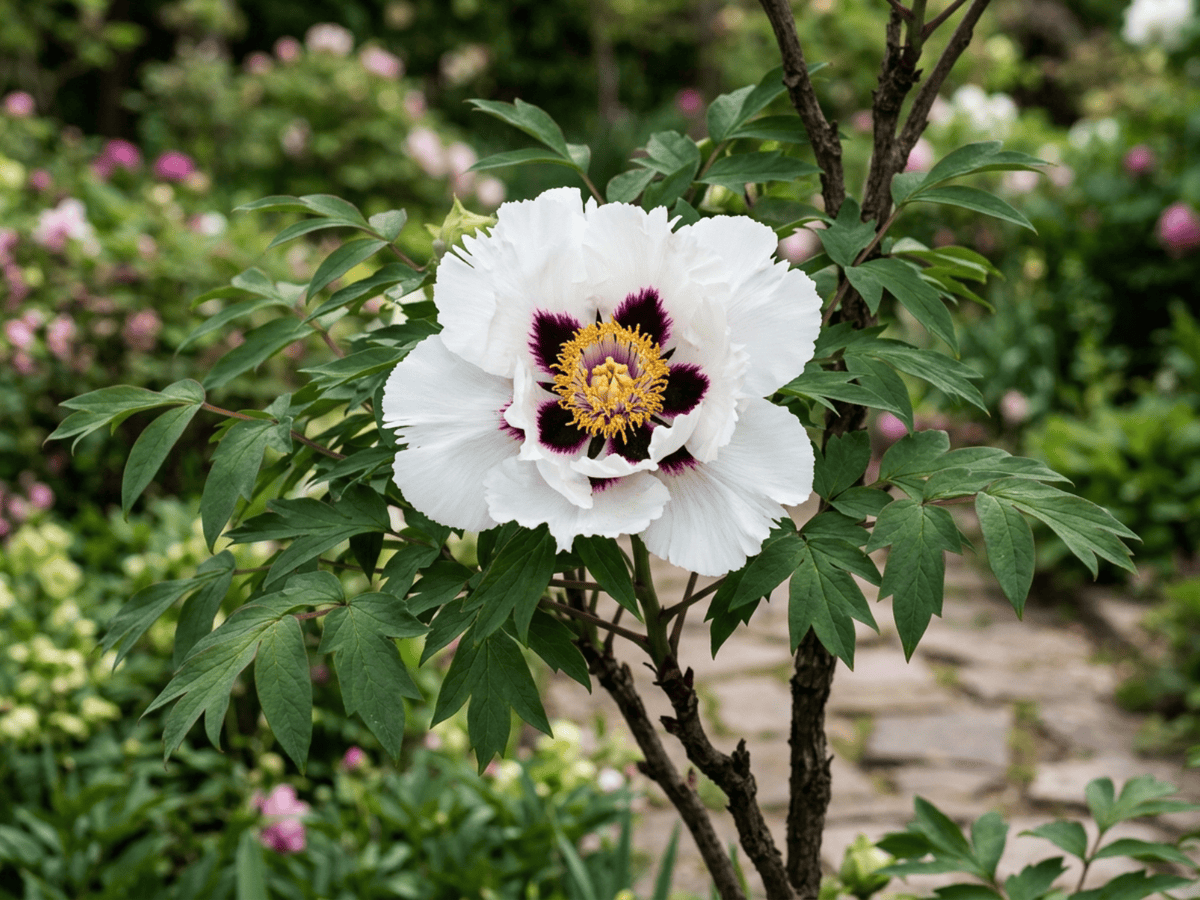 Paeonia rockiiPaeonia rockii
Plants with similar care
 Mexican AbeliaAbelia floribunda
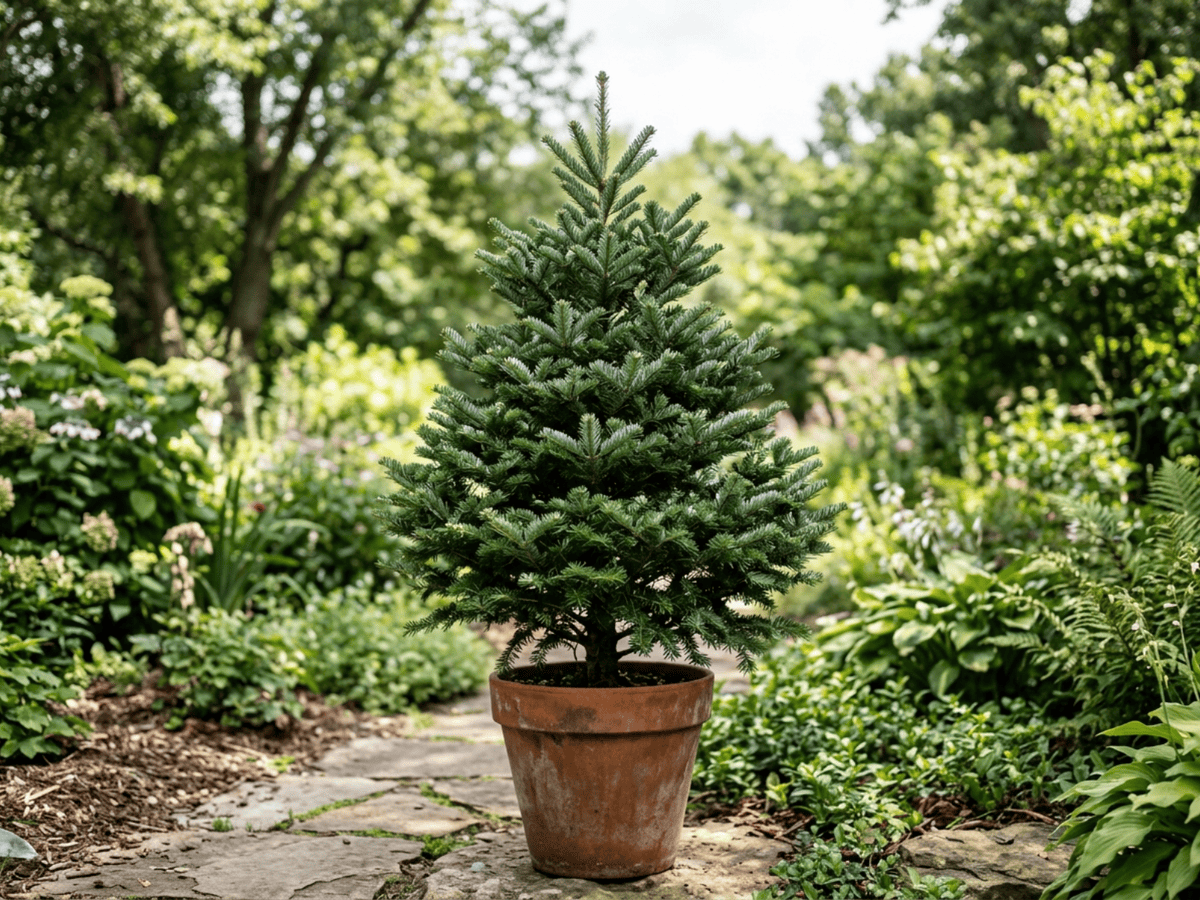 Fraser FirAbies fraseri
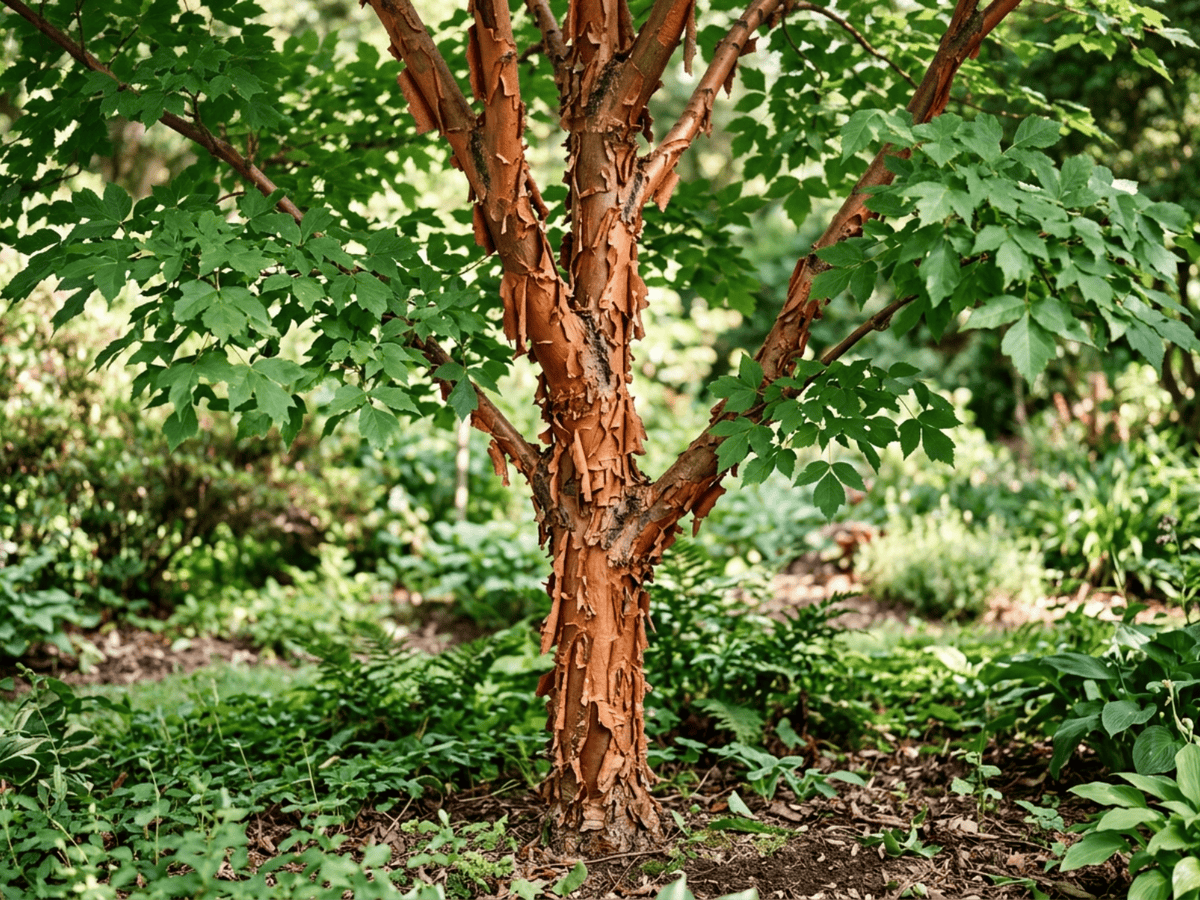 Paperbark MapleAcer griseum
 Sugar MapleAcer saccharum
Frequently asked questions
How often should I water Paeonia ostii?
Water about every 7 days during the growing season, and always let excess water drain away.
How much light does Paeonia ostii need?
Full sun: 6+ hrs direct. Watch the leaves — scorching or stretching means the light needs adjusting.
Is Paeonia ostii toxic to cats or dogs?
Pets Moderate (Dogs Moderate · Cats Moderate) Educational information, not medical or veterinary advice. If exposure is suspected, contact a doctor or veterinarian.
Is Paeonia ostii easy to grow?
It is moderately demanding: a good choice once you have a little experience.
When does Paeonia ostii bloom?
It typically blooms Mar–May in the Northern Hemisphere.
YardMate
Identify any plant in seconds
Snap a photo — YardMate names the plant, diagnoses problems, and reminds you when to water.
Download on the App Store