 YardMate



Tree Peony
Paeonia suffruticosa
Medium · Some experienceAbout Tree Peony
Paeonia suffruticosa, the tree peony, produces the largest and most spectacular flowers of any peony — dinner-plate sized blooms up to 25 cm across in stunning shades of white, pink, red, purple, and even yellow. Unlike herbaceous peonies, it forms a permanent woody framework that doesn't die back in winter. Native to China, it has been cultivated for over 1,500 years and is considered one of the most prestigious garden plants in East Asian horticulture. Tree peonies are slow-growing but extremely long-lived, with specimens in Chinese temple gardens over 300 years old.
- Fragrant
- Architectural
How to care for Tree Peony
Watering
- Springevery 7 days
- Summerevery 5 days
- Fallevery 14 days
- Winterevery 30 days
Soil · Well-draining
- Top dressingPine bark mulch10%
- Main mixPotting soil + perlite 2:170%
- DrainageLECA / gravel20%
Never skip the drainage layer — standing water is the top cause of root rot.
FERTILIZER
Balanced Feed 14-14-14
An even feed covers all three needs at once, keeping leaves, roots and blooms moving together with nothing pushed out of balance.
- Nitrogen · Leaves
- Phosphorus · Roots + Blooms
- Potassium · Strength
- Springevery 30 days
- Fallevery 30 days
At a Glance
- NativeEast Asia
- Height3–6 ft (0.9–1.8 m)
- Spread3–5 ft (0.9–1.5 m)
- Flower colorPink, White, Red, Yellow
- Foliage colorGreen
- SoilLoamy, Well-drained, Rich
- LocationsYard
Bloom time
BLOOM CYCLE
Peak bloom
May
Enormous flowers up to 25 cm; blooms mid to late spring on old wood — do not prune hard
Fragrance
STRONG FRAGRANCE
Intense rose-like fragrance in many cultivars.
Toxicity
Pets Moderate
paeonol and paeoniflorin
Not reported
EXPOSURE No exposure route is reported.
EFFECT Bark (mu dan pi) used in TCM after professional preparation.
NOTE No toxicity is reported for humans in this catalog; this is not evidence that the plant is edible or harmless.
Moderate
- Root
- Bark
- Flower
- Ingestion
EXPOSURE Eating roots, bark, and flowers.
EFFECT Vomiting, diarrhea, depression and per ASPCA Paeonia listing.
NOTE Same toxic profile as herbaceous peony.
Moderate
- Root
- Bark
- Flower
- Ingestion
EXPOSURE Eating roots, bark, and flowers.
EFFECT Vomiting, diarrhea, depression and per ASPCA Paeonia listing.
NOTE Same toxic profile as herbaceous peony.
Educational information, not medical or veterinary advice. If exposure is suspected, contact a doctor or veterinarian.
DISTRIBUTION


- Native
- Introduced
- East Asia
History

Paeonia suffruticosa, the tree peony, is a cultivated hybrid complex developed over centuries in China, probably from Paeonia rockii and related wild species. By the Tang dynasty it had become the flower of imperial splendor, praised as the King of Flowers in court poetry, painting, and garden design. Luoyang became the great peony city and still holds a massive annual peony festival rooted in more than a millennium of tradition.
Legends surround the plant: Empress Wu Zetian was said to have exiled peonies to Luoyang after they refused to bloom on her winter command. The roots, known as mudan bark in Chinese medicine, were used in circulatory formulas, while the flowers became an unofficial national emblem.
The plant reached Europe in 1787 through Joseph Banks at Kew. Later breeding in China, Japan, Europe, and the United States, especially crosses involving yellow P. lutea, produced the spectacular modern tree peonies with enormous, scented, silky flowers.
Symbolism & meaning
What It Symbolizes
Tree Peony is China's king of flowers, a pinnacle of cultivated beauty representing prosperity, wealth, and honor in classical poetry and palace gardens alike. Its enormous silken blooms have been bred and revered for over a thousand years, particularly in Luoyang. To plant one is to inherit a long imperial conversation about what beauty and abundance look like in petal form.
- Prosperity — China's king of flowers — representing wealth, honor, and the pinnacle of beauty
Where the Name Comes From
Paeonia from Paeon, divine physician. Suffruticosa means 'somewhat shrubby,' distinguishing it from herbaceous peonies.
Uses & Fun Facts
- Root bark used in traditional Chinese medicine as moutan cortex
- Huge silken blooms release sweet rose-like spring fragrance
- Heirloom Tree Peony as treasured spring focal shrub
- Chinese 'king of flowers' celebrated in painting and poetry
Related plants
More Paeonia plants
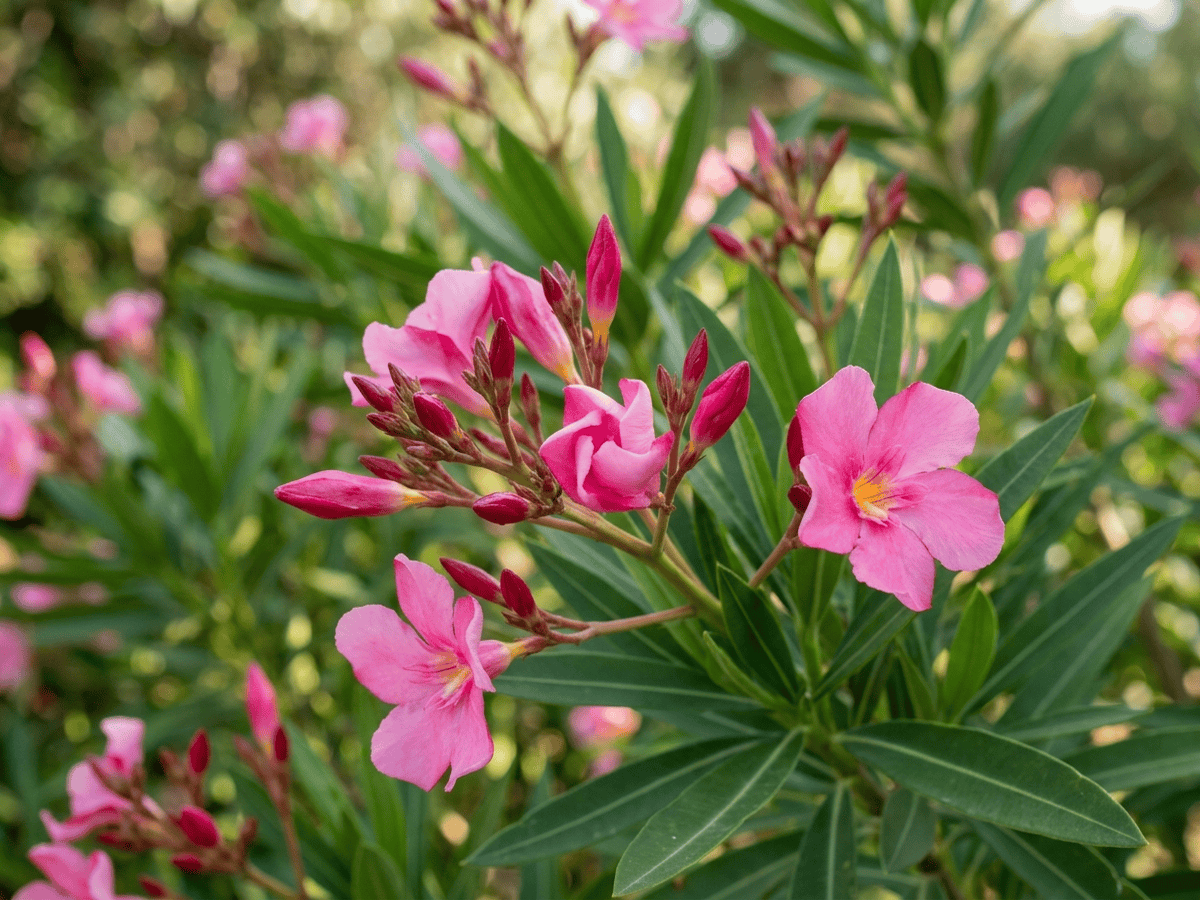
 Chinese PeonyPaeonia lactiflora
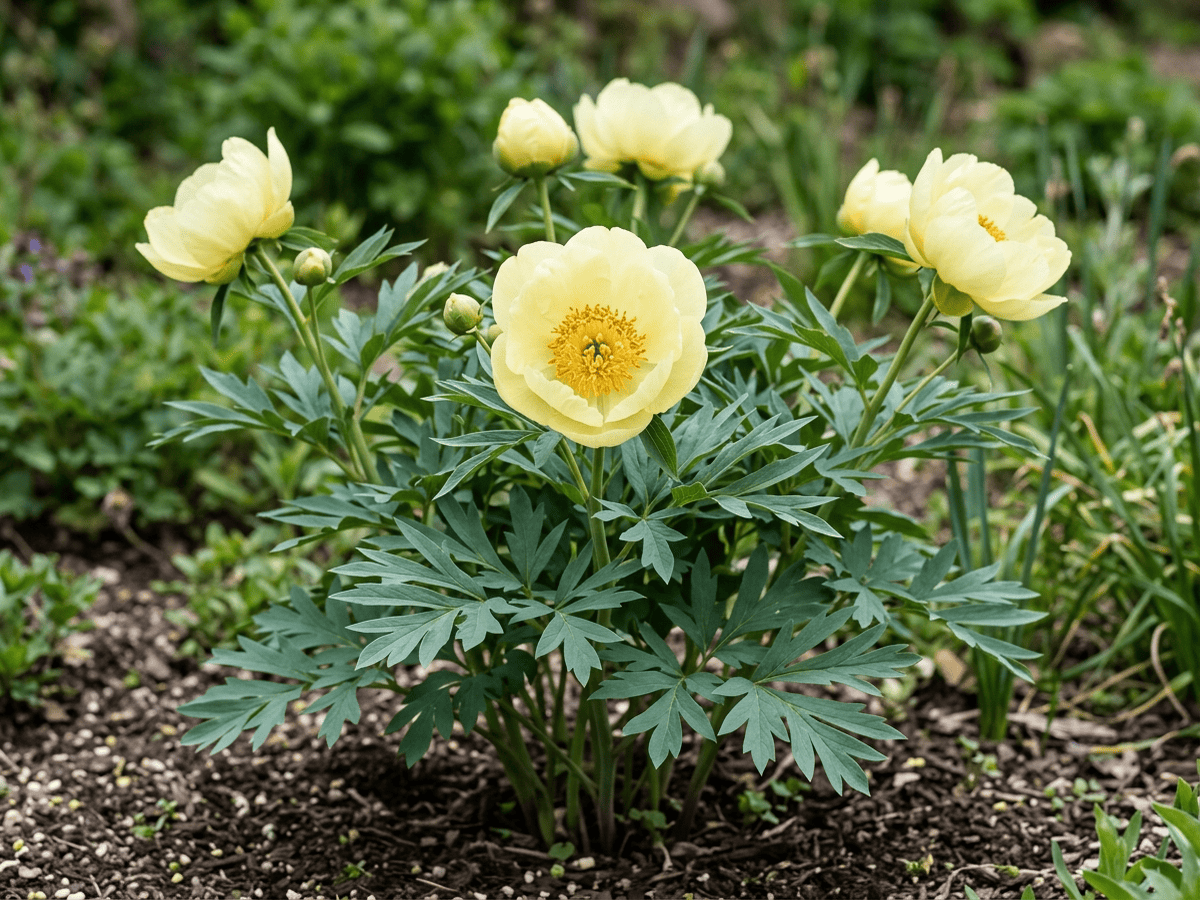 Paeonia Daurica Subsp. MlokosewitschiiPaeonia mlokosewitschii
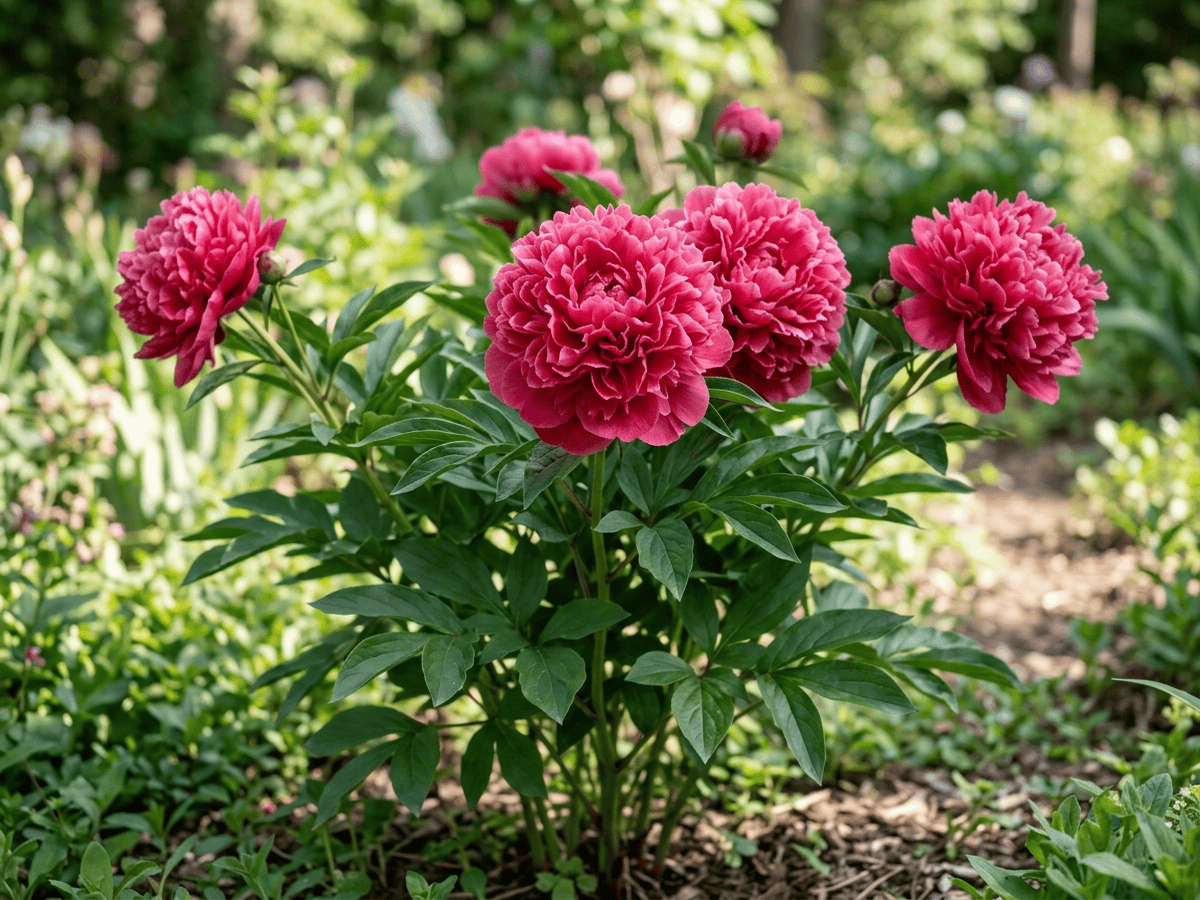 Common PeonyPaeonia officinalis
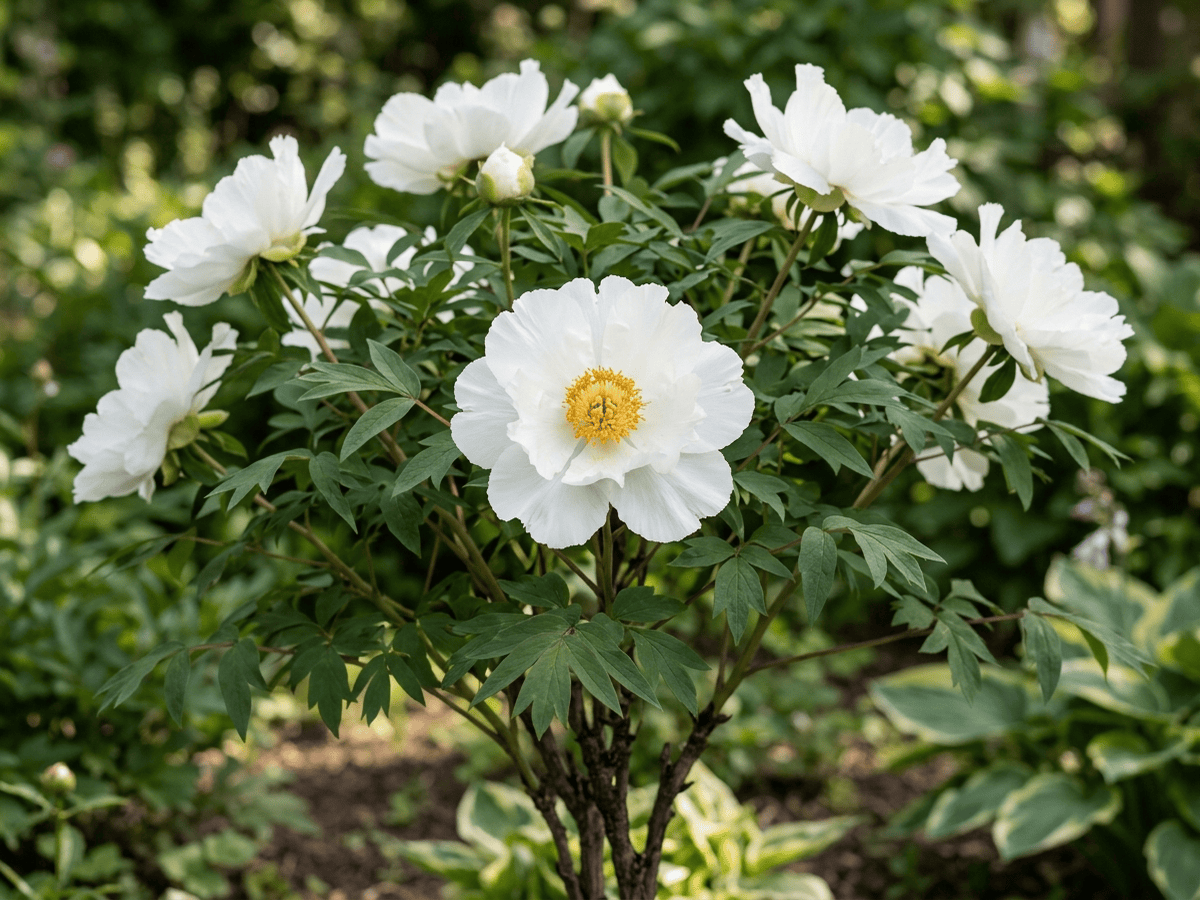 Paeonia ostiiPaeonia ostii
Plants with similar care
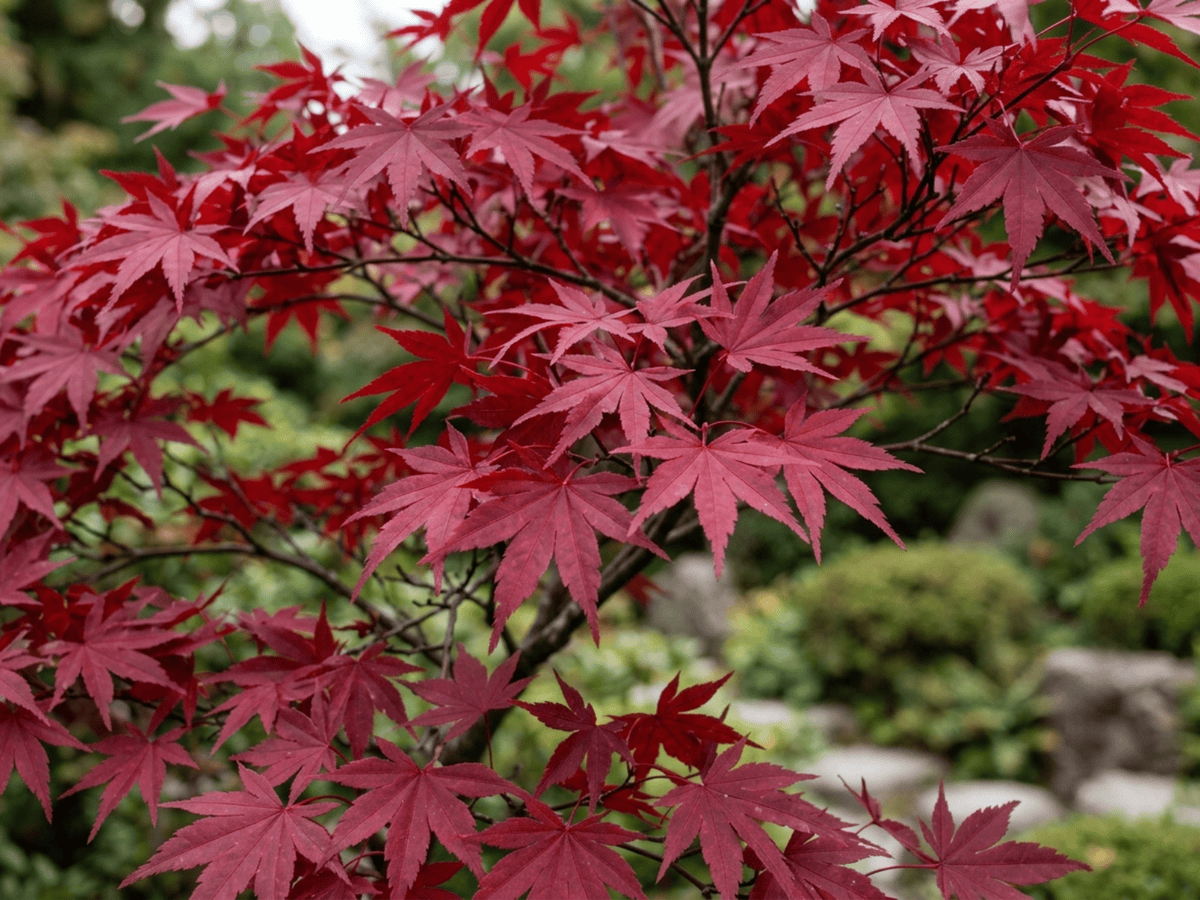 Japanese MapleAcer palmatum
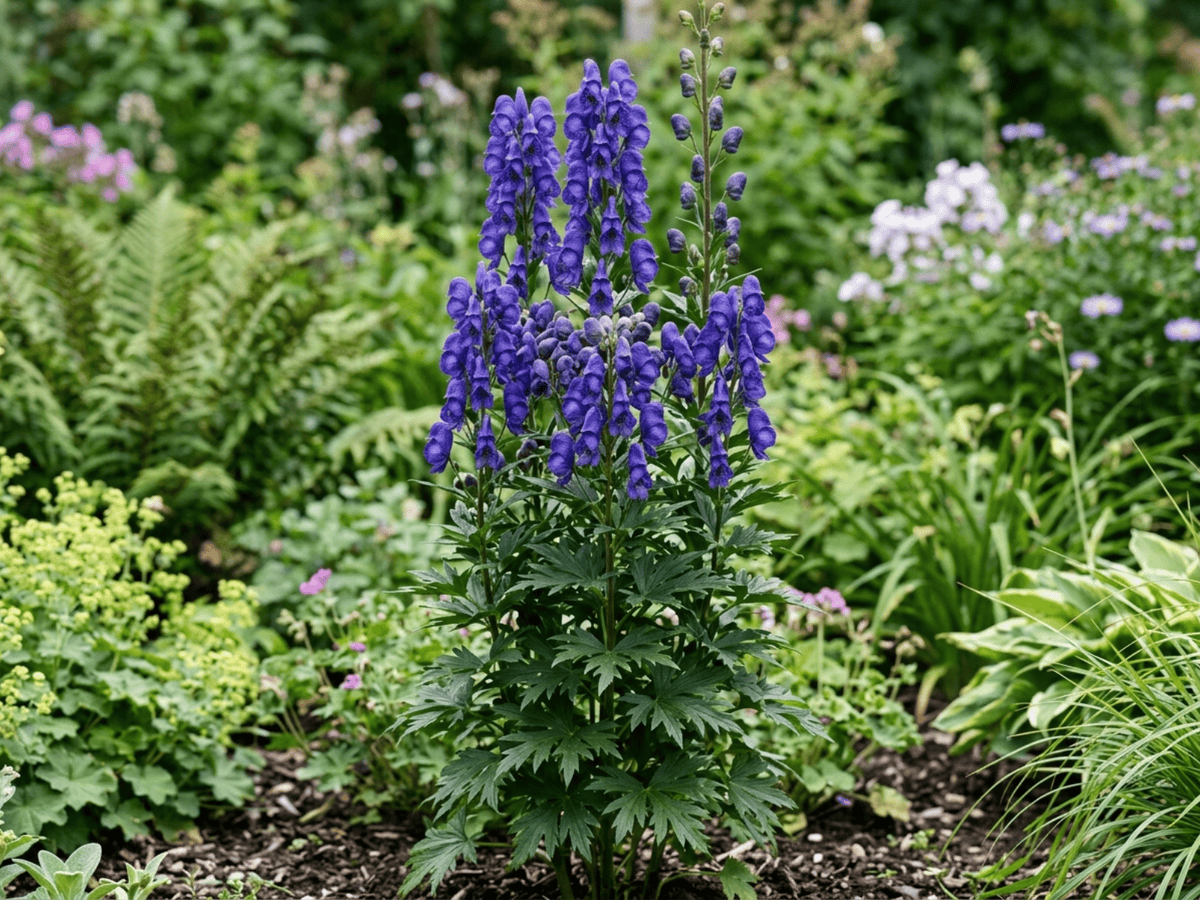 Azure MonkshoodAconitum carmichaelii
 Florida HobblebushAgarista populifolia
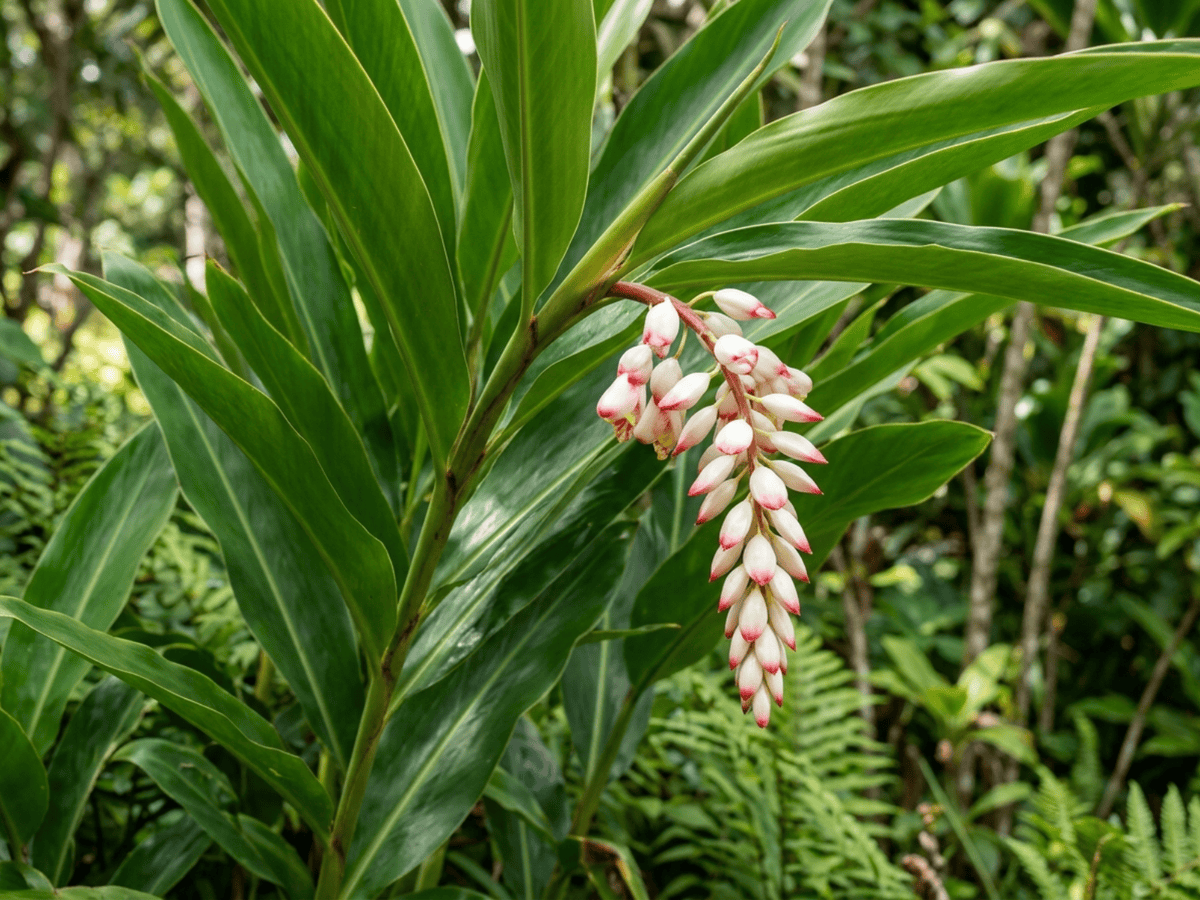 Shell GingerAlpinia zerumbet
Frequently asked questions
How often should I water Tree Peony?
In summer, water about every 5 days; in winter, about every 30 days. Adjust for heat, pot size and drainage.
How much light does Tree Peony need?
Part shade: 2–4 hrs direct. Watch the leaves — scorching or stretching means the light needs adjusting.
Is Tree Peony toxic to cats or dogs?
Pets Moderate (Dogs Moderate · Cats Moderate) Educational information, not medical or veterinary advice. If exposure is suspected, contact a doctor or veterinarian.
Is Tree Peony easy to grow?
It is moderately demanding: a good choice once you have a little experience.
When does Tree Peony bloom?
It typically blooms May in the Northern Hemisphere.
YardMate
Identify any plant in seconds
Snap a photo — YardMate names the plant, diagnoses problems, and reminds you when to water.
Download on the App Store