 YardMate


Fern-Leaf Peony
Paeonia tenuifolia
Medium · Some experienceAbout Fern-Leaf Peony
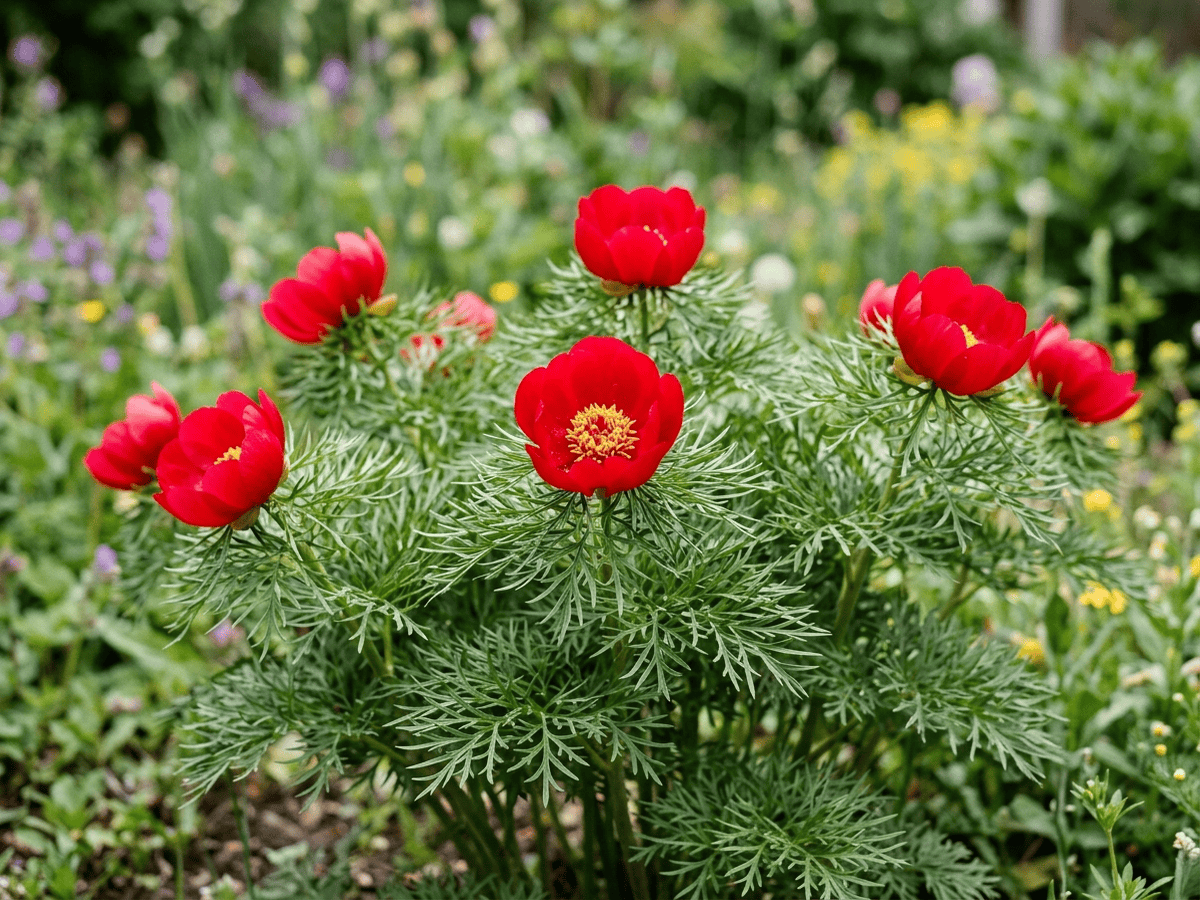
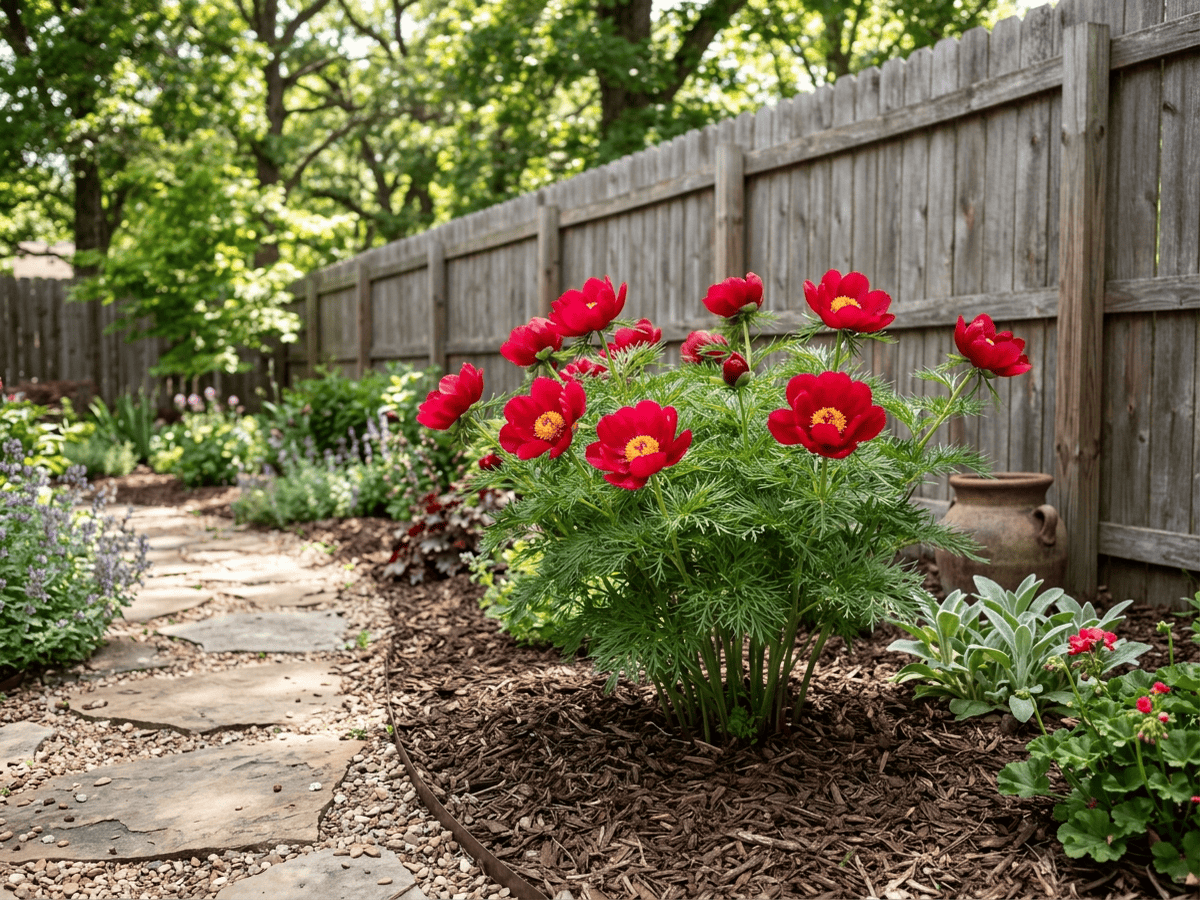
Fernleaf Peony is a southern Russian and Ukrainian steppe species peony famous for its exquisitely finely divided fernlike foliage and single crimson-red flowers. Growing only 12 to 18 inches tall, it blooms in early to mid spring before most other peonies, making it a coveted heritage garden plant. Beloved in American specialty perennial gardens for its unique feathery foliage that persists through summer.
- Cold-hardy
- Deer-resistant
How to care for Fern-Leaf Peony
Watering
- Springevery 7 days
- Summerevery 14 days
- Fallevery 14 days
- Winterpause watering
Soil · Well-draining
- Top dressingPine bark mulch10%
- Main mixPotting soil + perlite 2:170%
- DrainageLECA / gravel20%
Never skip the drainage layer — standing water is the top cause of root rot.
FERTILIZER
Balanced Feed 14-14-14
An even feed covers all three needs at once, keeping leaves, roots and blooms moving together with nothing pushed out of balance.
- Nitrogen · Leaves
- Phosphorus · Roots + Blooms
- Potassium · Strength
- Springevery 60 days
- Fallevery 60 days
At a Glance
- NativeEurope, Western Asia
- Height1.5–2 ft (0.5–0.6 m)
- Spread1.5–2 ft (0.5–0.6 m)
- Flower colorRed, Burgundy
- Foliage colorGreen
- SoilRich, Loamy, Well-drained
- LocationsYard
Bloom time
BLOOM CYCLE
Peak bloom
Mar–May
Crimson red single flowers in early to mid spring
Fragrance
LIGHT FRAGRANCE
Flowers are lightly scented, if noticeable.
Toxicity
Humans Slight · Pets Moderate
paeonol and paeoniflorin
Slight
- Root
- Ingestion
EXPOSURE Eating roots.
EFFECT Paeonol and related compounds cause GI upset.
NOTE Documented concern for humans: Paeonol and related compounds cause GI upset.
Moderate
- Root
- Flower
- Ingestion
EXPOSURE Eating roots and flowers.
EFFECT ASPCA: vomiting, diarrhea, depression from paeonol.
NOTE ASPCA lists Peony as toxic to dogs and cats.
Moderate
- Root
- Flower
- Ingestion
EXPOSURE Eating roots and flowers.
EFFECT ASPCA: vomiting, diarrhea, depression from paeonol.
NOTE ASPCA lists Peony as toxic to dogs and cats.
Educational information, not medical or veterinary advice. If exposure is suspected, contact a doctor or veterinarian.
DISTRIBUTION


- Native
- Europe
- Western Asia
History
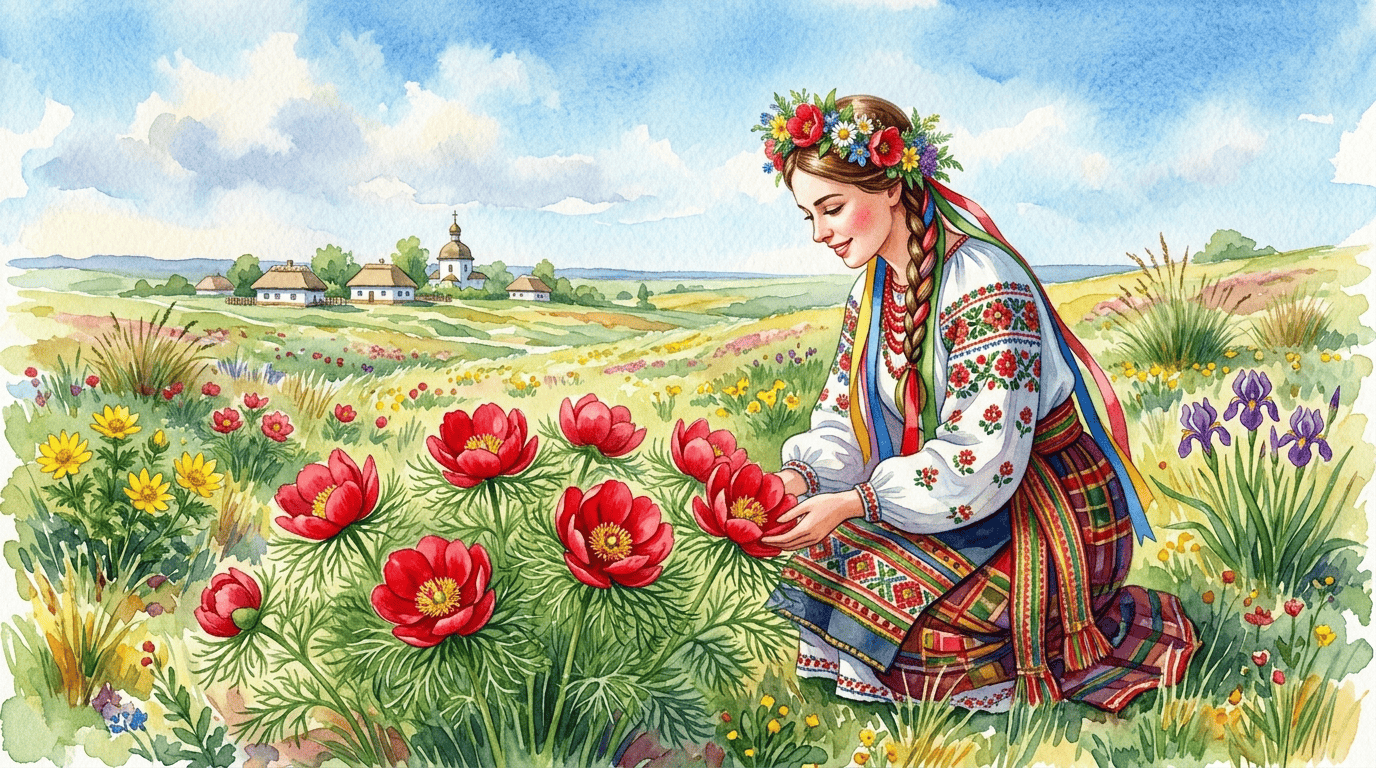
Paeonia tenuifolia, commonly called fernleaf peony, steppe peony, or Adonis peony, is an herbaceous perennial native to steppe grasslands of southeastern Europe, the Caucasus, Transcaucasia, and western Asia. Linnaeus described the species in 1759, the epithet tenuifolia referring to its finely dissected thread-like foliage, unique among peonies and reminiscent of fennel. The early spring flowers are brilliant scarlet to deep crimson with prominent golden stamens, opening almost at ground level before stems fully elongate.
Russian and Ukrainian gardeners have grown it for centuries in the steppe belt, and Crimean palace gardens featured the plant. The species is rare and legally protected in parts of its native range due to habitat loss. Double-flowered cultivars such as Plena are prized in cottage and rock gardens.
Native to the Eurasian steppes from Ukraine through Russia and the Caucasus. Grown in European gardens since the 1700s and brought to American estates in the 1800s. Slow-growing but nearly immortal, often outliving its original planter by decades.
Symbolism & meaning
What It Symbolizes
The Fern-Leaf Peony offers refined beauty unlike any other peony, its feathery filigreed foliage as remarkable as the silken crimson cups it carries. Steppe endurance shapes its character — native to harsh continental winters of the Eurasian grasslands, it survives where softer peonies fade. Its meaning is the unexpected elegance of a tough plant, a refinement born of cold open horizons rather than sheltered gardens.
- Refined beauty — feathery foliage unlike any other peony
- Steppe endurance — survives harsh continental winters
Where the Name Comes From
The name Fern-Leaf Peony describes its fernlike fronds. 'tenuifolia' from Latin means fine-leaved, for the delicately divided fernlike foliage.
Uses & Fun Facts
- Crimson singles above feathery fern-like foliage in early spring
- Heritage steppe peony coveted by collectors for unique foliage
Related plants
More Paeonia plants
 Chinese PeonyPaeonia lactiflora
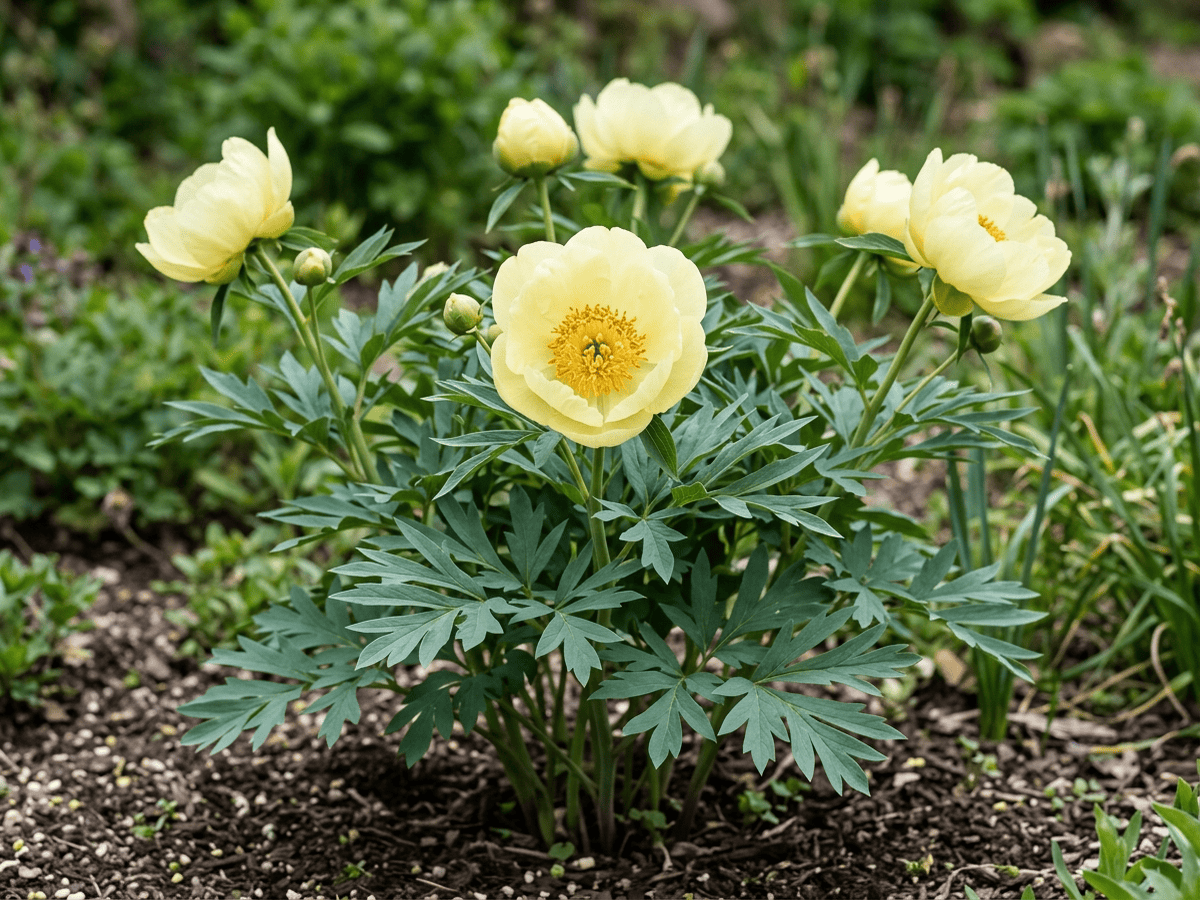 Paeonia Daurica Subsp. MlokosewitschiiPaeonia mlokosewitschii
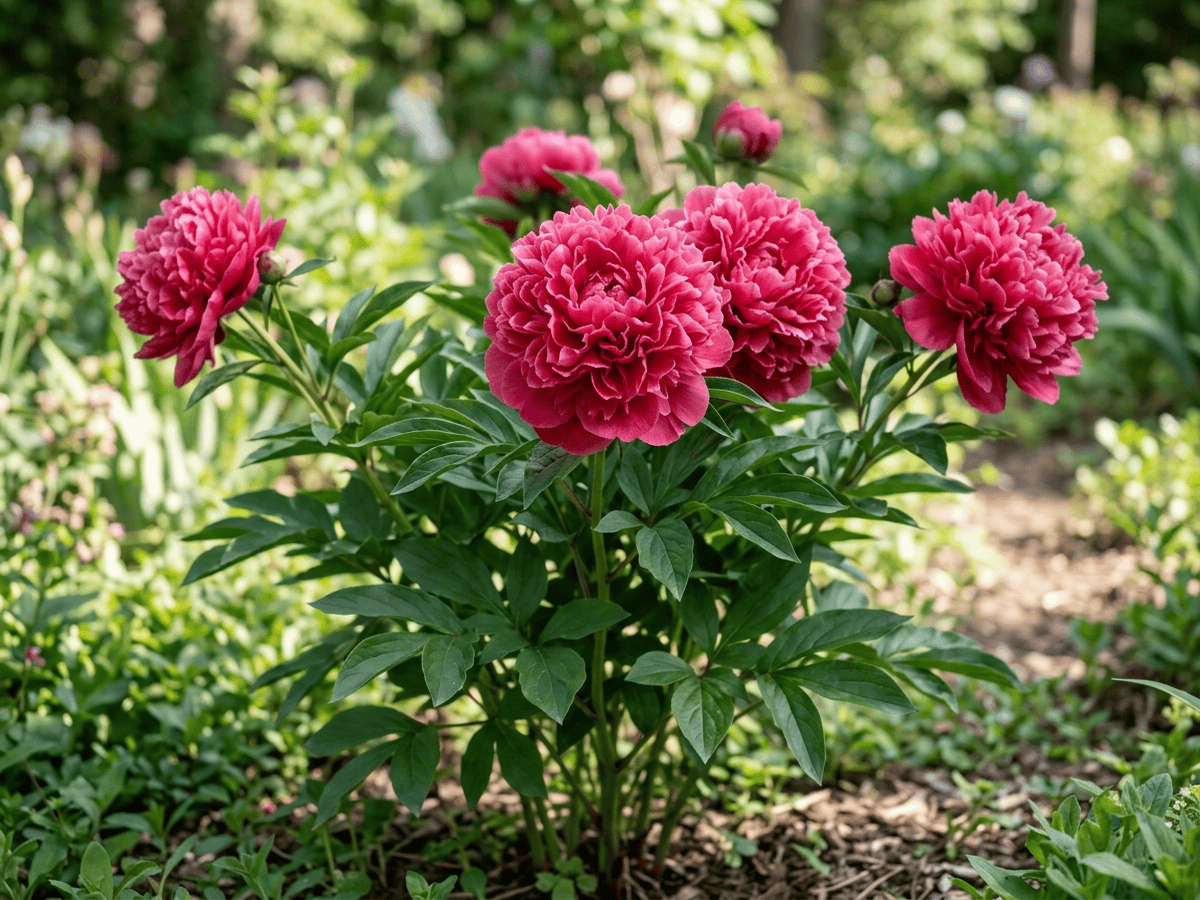 Common PeonyPaeonia officinalis
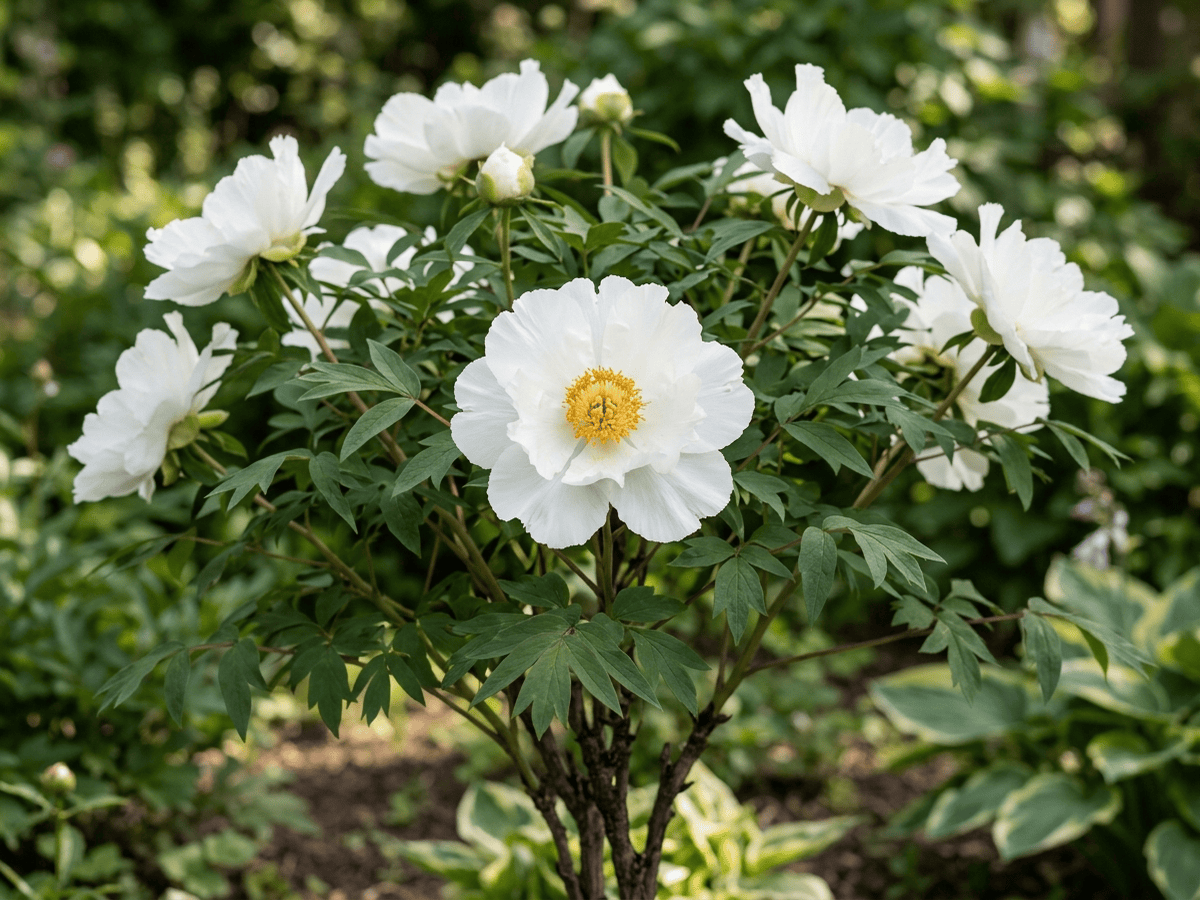 Paeonia ostiiPaeonia ostii
Plants with similar care
 Mexican AbeliaAbelia floribunda
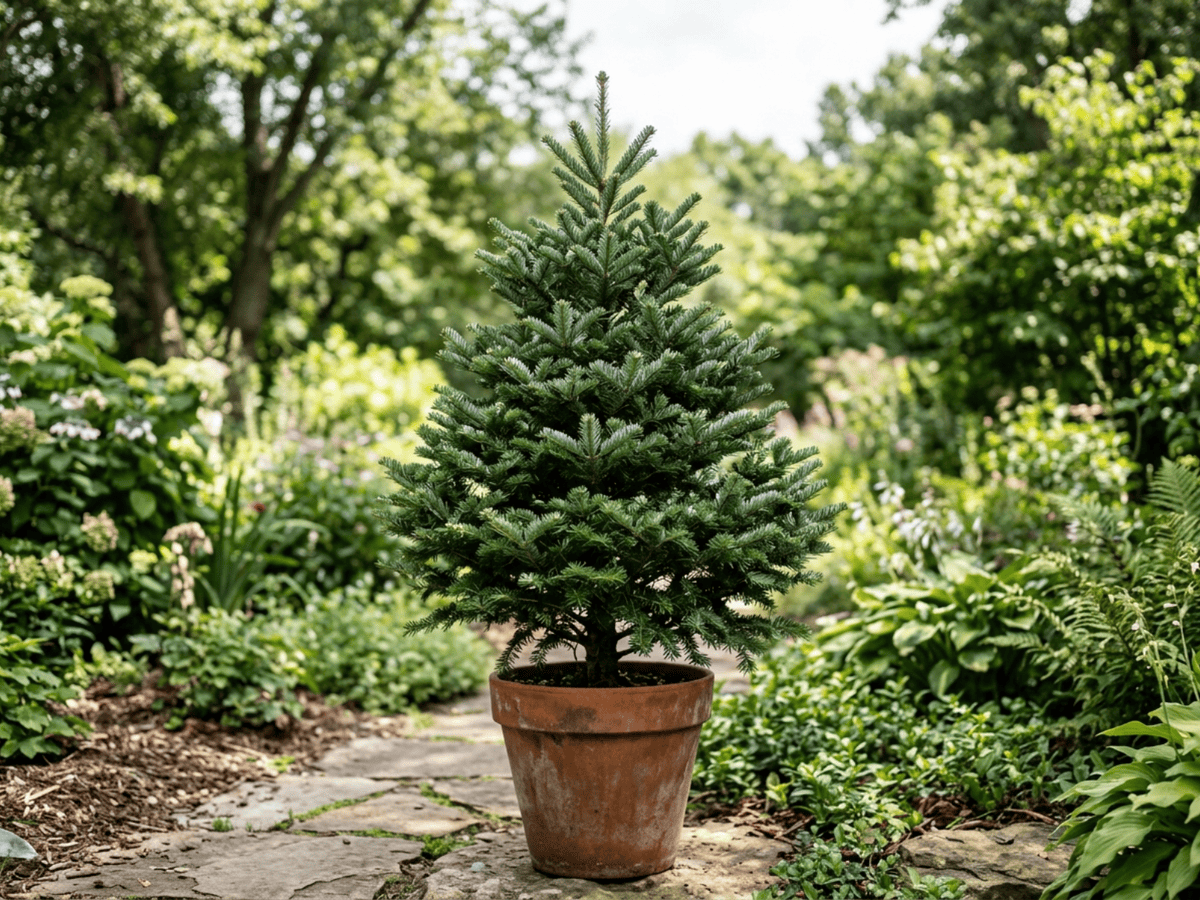 Fraser FirAbies fraseri
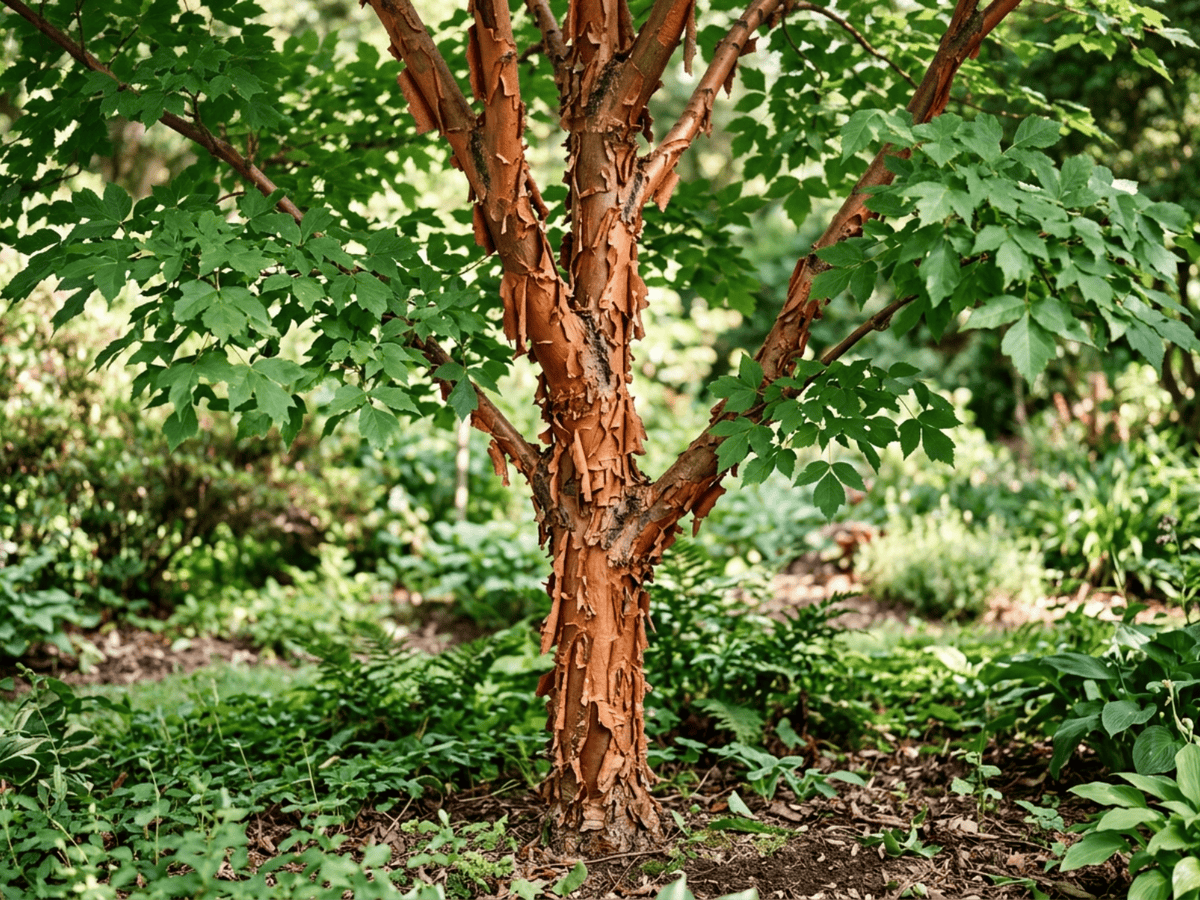 Paperbark MapleAcer griseum
 Sugar MapleAcer saccharum
Frequently asked questions
How often should I water Fern-Leaf Peony?
Water about every 7 days during the growing season, and always let excess water drain away.
How much light does Fern-Leaf Peony need?
Full sun: 6+ hrs direct. Watch the leaves — scorching or stretching means the light needs adjusting.
Is Fern-Leaf Peony toxic to cats or dogs?
Pets Moderate (Dogs Moderate · Cats Moderate) Educational information, not medical or veterinary advice. If exposure is suspected, contact a doctor or veterinarian.
Is Fern-Leaf Peony easy to grow?
It is moderately demanding: a good choice once you have a little experience.
When does Fern-Leaf Peony bloom?
It typically blooms Mar–May in the Northern Hemisphere.
YardMate
Identify any plant in seconds
Snap a photo — YardMate names the plant, diagnoses problems, and reminds you when to water.
Download on the App Store