 YardMate


Welsh Poppy
Papaver cambricum
Hard · Experienced growersAbout Welsh Poppy
Welsh Poppy is a clump-forming perennial of damp, rocky, shaded ground across western Europe, from the British Isles south to the Iberian Peninsula. Papery, four-petaled flowers in clear yellow to soft orange nod on slender, hairy stems above deeply cut, fern-like fresh green foliage, opening through late spring and summer and self-seeding freely once established. Plants form loose mounds 30-60 cm tall, equally at home in a woodland edge, a shaded rock crevice, or an old stone wall. Undemanding in humus-rich, reliably moist soil and happy in part shade where many poppies would sulk, it naturalizes readily in cottage and woodland gardens, popping up unbidden year after year once it finds a spot it likes.
- Shade-tolerant
- Fast-growing
How to care for Welsh Poppy
Watering
- Springevery 14 days
- Summerevery 7 days
- Fallevery 14 days
- Winterevery 30 days
Soil · Well-draining
- Top dressingPine bark mulch10%
- Main mixPotting soil + perlite 2:170%
- DrainageLECA / gravel20%
Never skip the drainage layer — standing water is the top cause of root rot.
FERTILIZER
Balanced Feed 14-14-14
An even feed covers all three needs at once, keeping leaves, roots and blooms moving together with nothing pushed out of balance.
- Nitrogen · Leaves
- Phosphorus · Roots + Blooms
- Potassium · Strength
- Springevery 30 days
- Summerevery 30 days
- Fallevery 30 days
- Winterevery 30 days
At a Glance
- NativeEurope
- Height1–2 ft (0.3–0.6 m)
- Spread1–1.5 ft (0.3–0.5 m)
- Flower colorYellow, Orange
- Foliage colorGreen
- SoilMoisture-retentive, Well-drained, Rich
- LocationsYard · Patio
Toxicity
Toxicity unknown
None reported
Unknown
EXPOSURE No exposure route is reported.
EFFECT No toxic effect is reported.
NOTE Toxicity for humans is not well documented; use caution until verified.
Unknown
EXPOSURE No exposure route is reported.
EFFECT No toxic effect is reported.
NOTE Toxicity for dogs is not well documented; use caution until verified.
Unknown
EXPOSURE No exposure route is reported.
EFFECT No toxic effect is reported.
NOTE Toxicity for cats is not well documented; use caution until verified.
Educational information, not medical or veterinary advice. If exposure is suspected, contact a doctor or veterinarian.
DISTRIBUTION

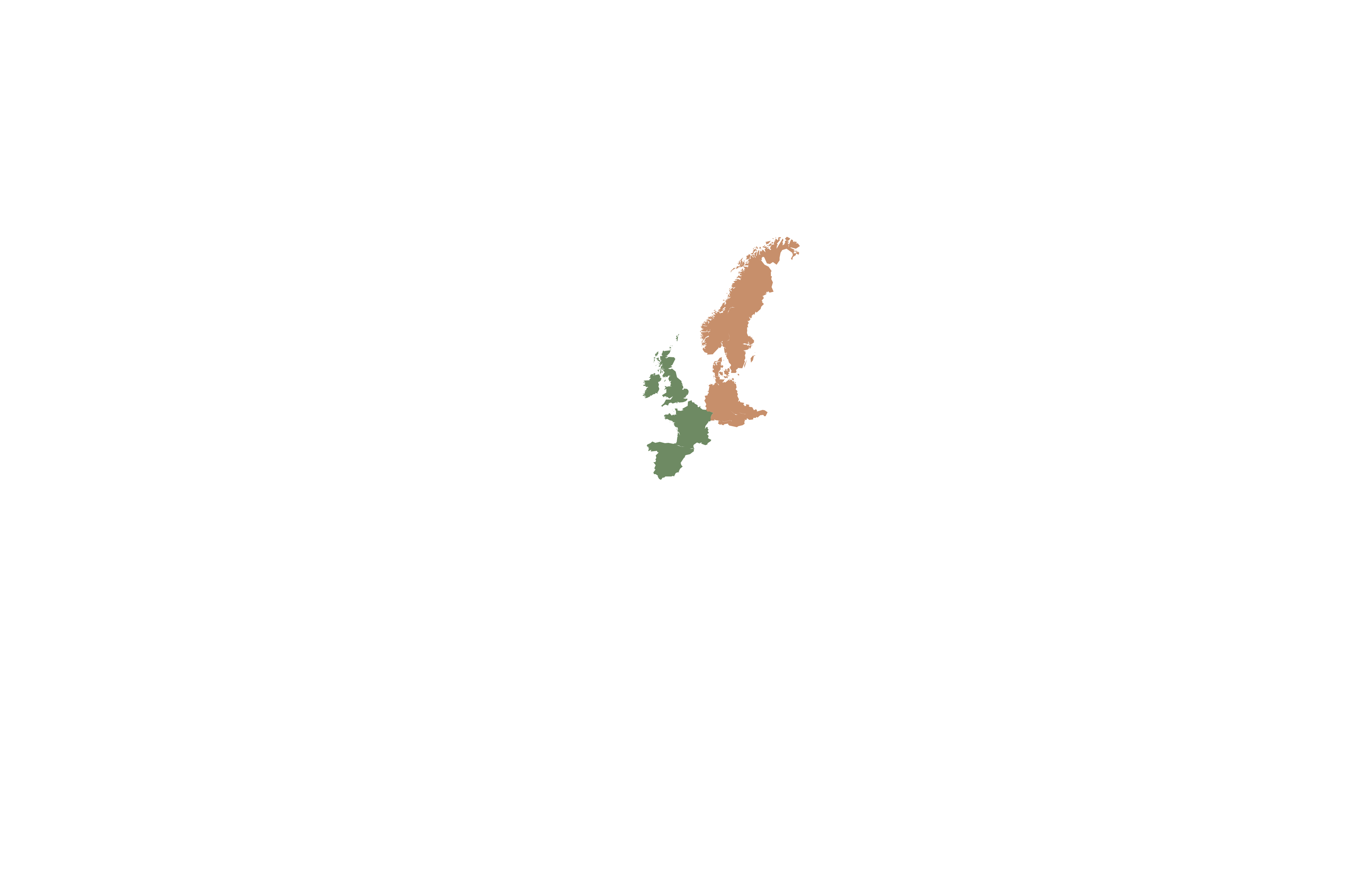
- Native
- Introduced
- Europe
History

Welsh Poppy was first described by Carl Linnaeus in 1753, who classified it simply as another poppy, Papaver cambricum - cambricum being Latin for 'of Wales,' the region where the plant was first recorded growing wild in the British Isles by the seventeenth-century herbalist John Parkinson. In 1814 the French botanist Louis Viguier looked more closely at its distinctive four-parted, hairy seed capsule and separated it into a new genus, Meconopsis, though the older name Papaver cambricum has continued to circulate alongside it ever since. In the wild it grows in damp, shaded, rocky ground through the uplands of western Europe, from Wales, England, and Ireland south through France into Spain and Portugal - always in the cooler, wetter margins where deep shade and stone keep the ground from drying out. In Wales itself the flower became something more than a wildflower: it is the county flower of Montgomeryshire, its bright yellow petals read as an emblem of continuity and remembrance, and since 2006 a stylized Welsh poppy has served as the logo of the political party Plaid Cymru, echoing the red poppy of remembrance while marking a distinctly Welsh identity. Older folk belief credited the flower with a gentler kind of protection, said to ward off mischievous spirits from house and garden - a modest reputation for a plant that seeds itself into every damp crack and shady corner it can reach, then quietly persists there for generations.
Symbolism & meaning
What It Symbolizes
A modest yellow wildflower of damp Welsh valleys came, over centuries, to stand for something larger than itself: a county's floral emblem, a political party's logo, and in older folk belief, a small guardian against mischief at the garden gate. Welsh Poppy asks for nothing more than shade and damp stone, yet keeps returning, self-seeded, to the same quiet corners year after year.
- Remembrance — Montgomeryshire's county flower and, since 2006, the emblem of Plaid Cymru - a small wildflower carrying Welsh identity and continuity.
- Protection — In older Welsh folk belief, the poppy was said to ward off mischievous spirits from house and garden.
Where the Name Comes From
Cambricum is Latin for 'of Wales' (from Cambria, the Latin name for Wales), reflecting where the plant was first recorded growing wild in the British Isles; Linnaeus named it Papaver cambricum in 1753 before it was later split into its own genus, Meconopsis.
Uses & Fun Facts
- Papery yellow to orange blooms for shaded borders, woodland edges, and stone walls
- Open, pollen-rich flowers attract bees to shady garden corners
- Short-lived cut stems bring bright color to informal, casual arrangements
Related plants
More Papaver plants
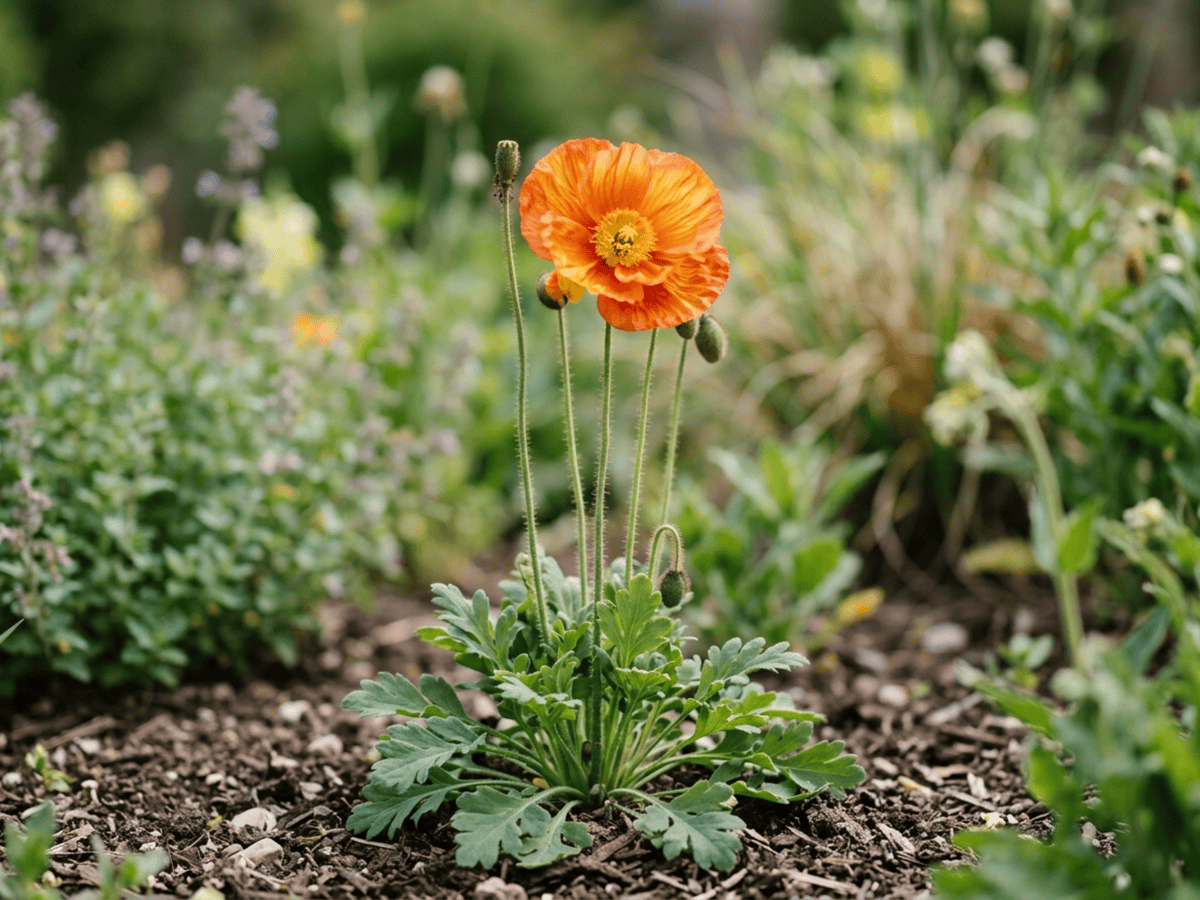 Iceland PoppyPapaver nudicaule
 Oriental PoppyPapaver orientale
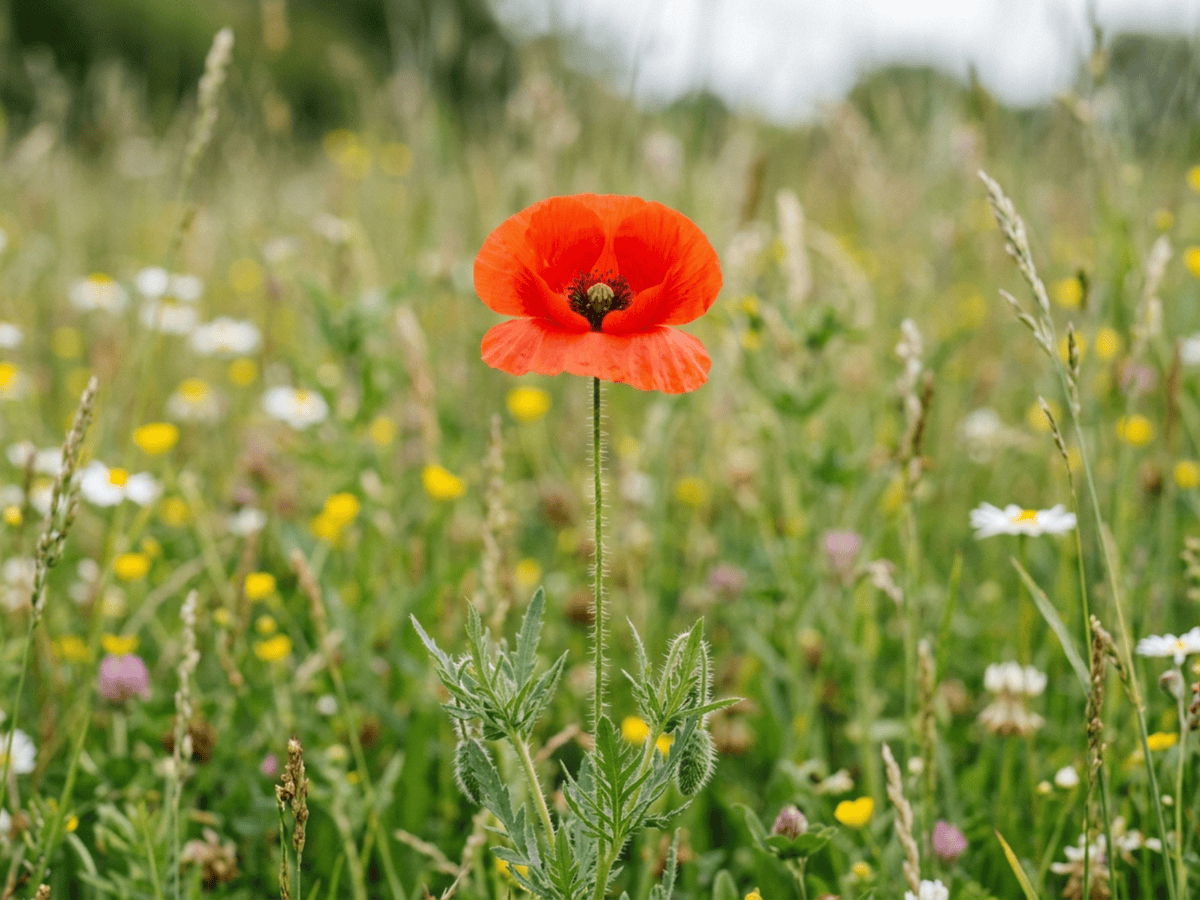 Common PoppyPapaver rhoeas
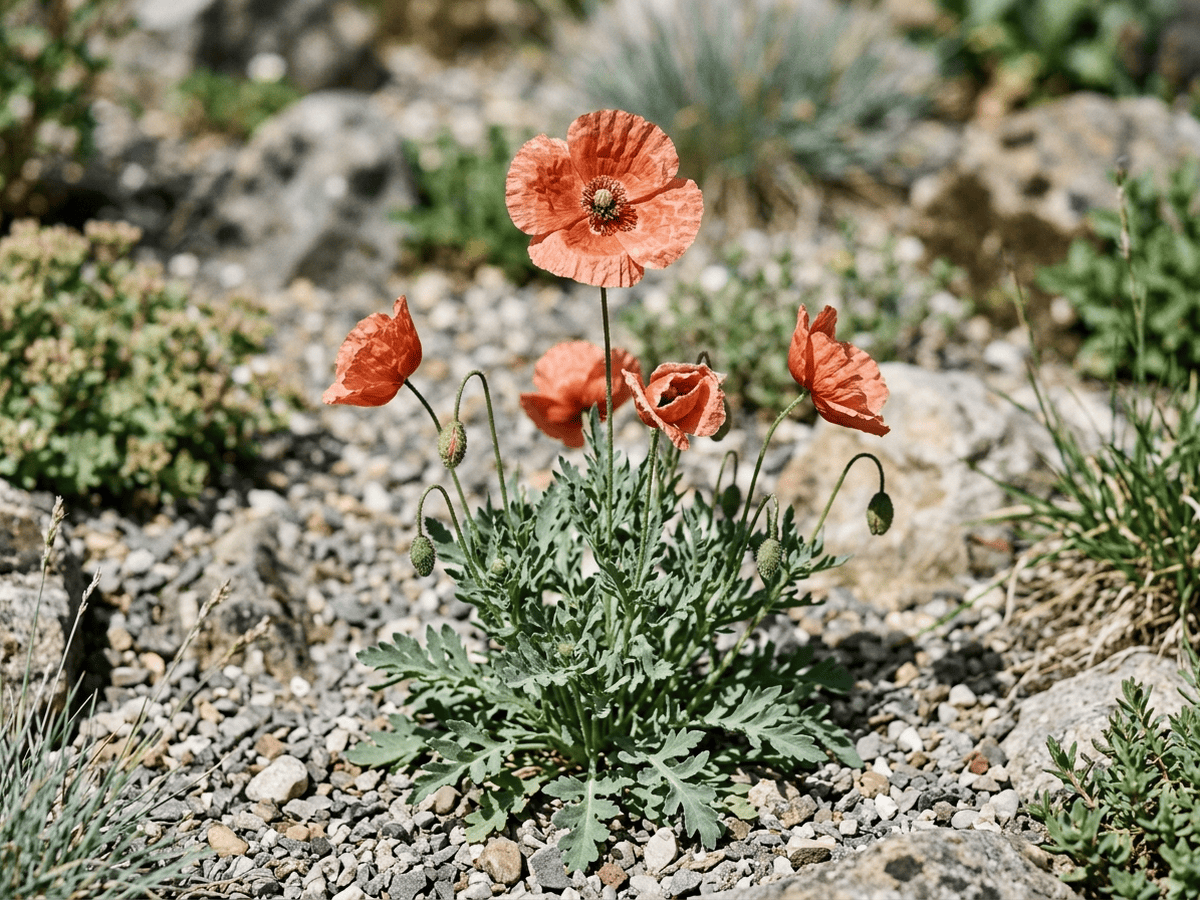 Spanish PoppyPapaver rupifragum
Plants with similar care
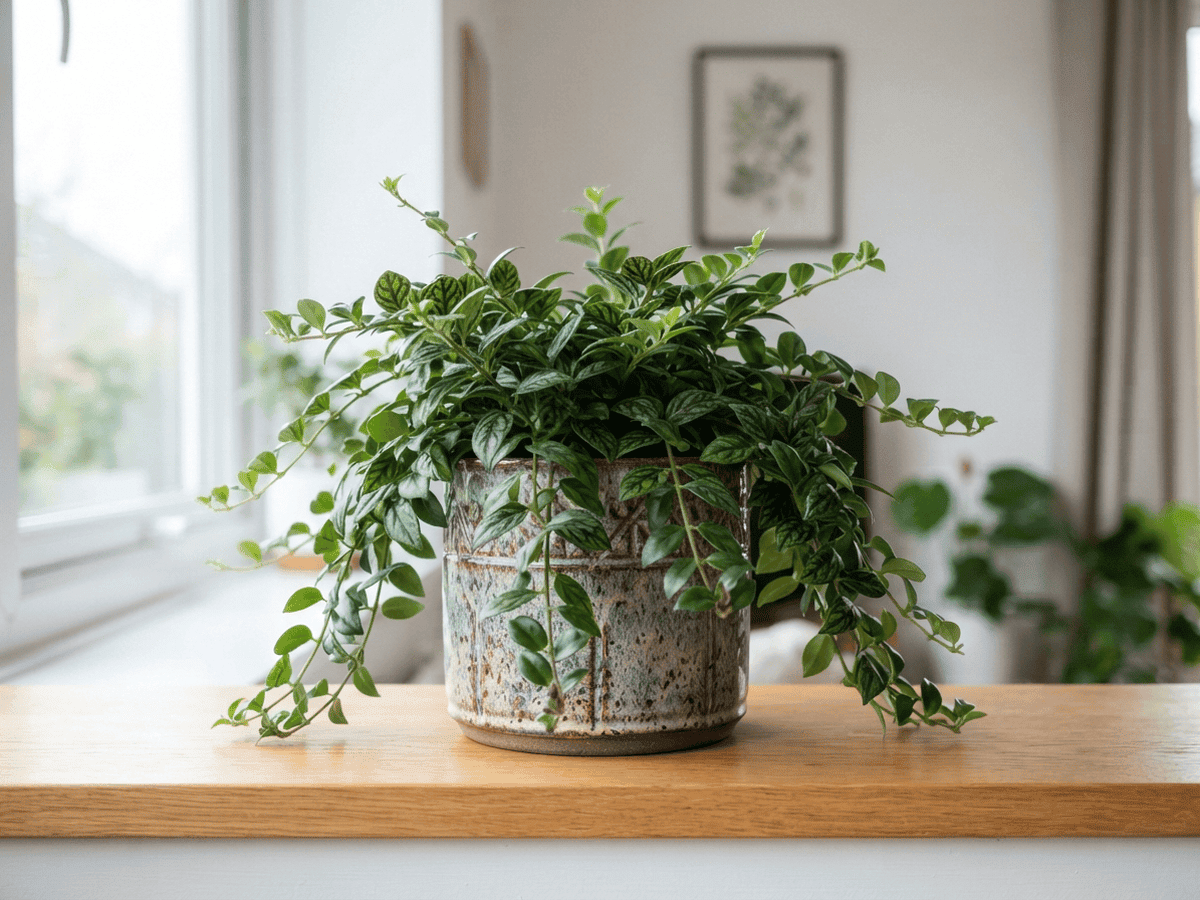 Lipstick PlantAeschynanthus longicaulis
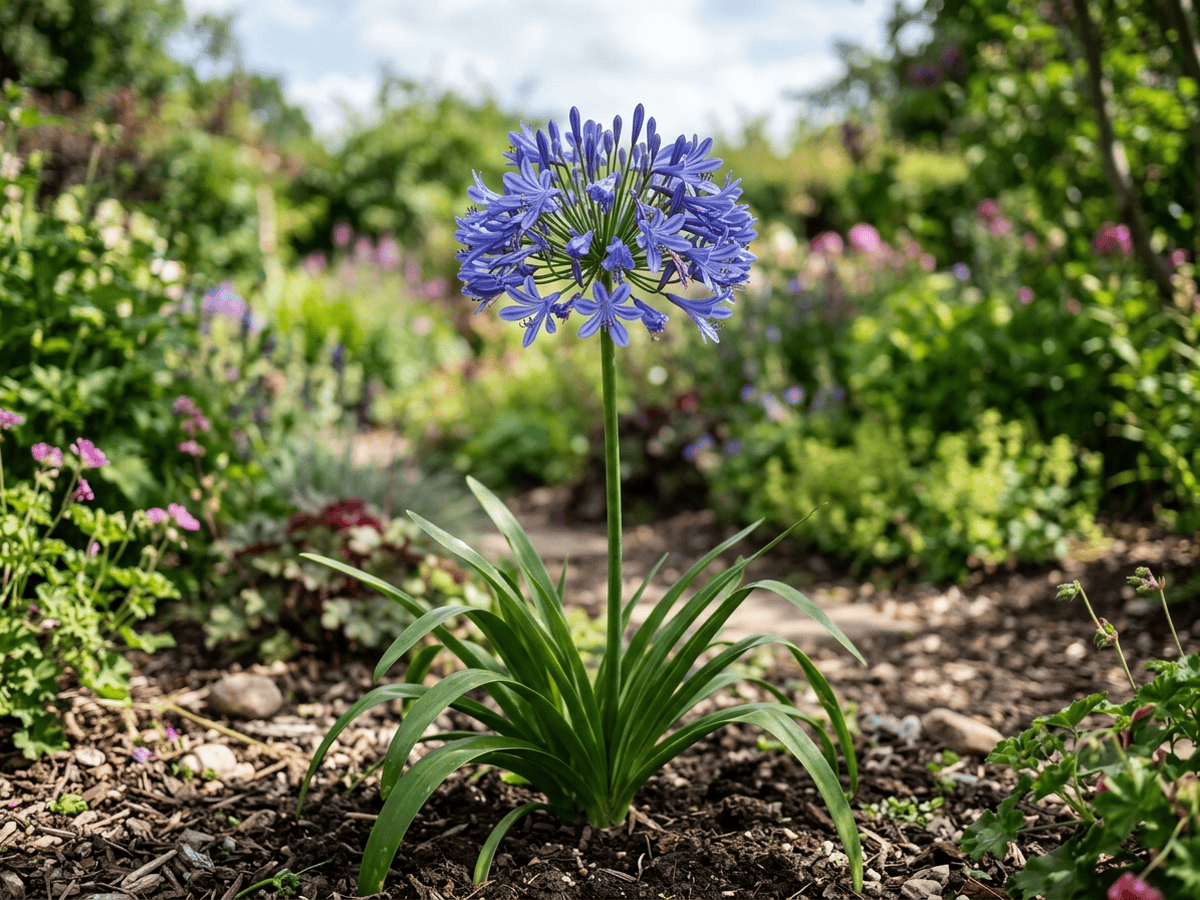 African LilyAgapanthus africanus
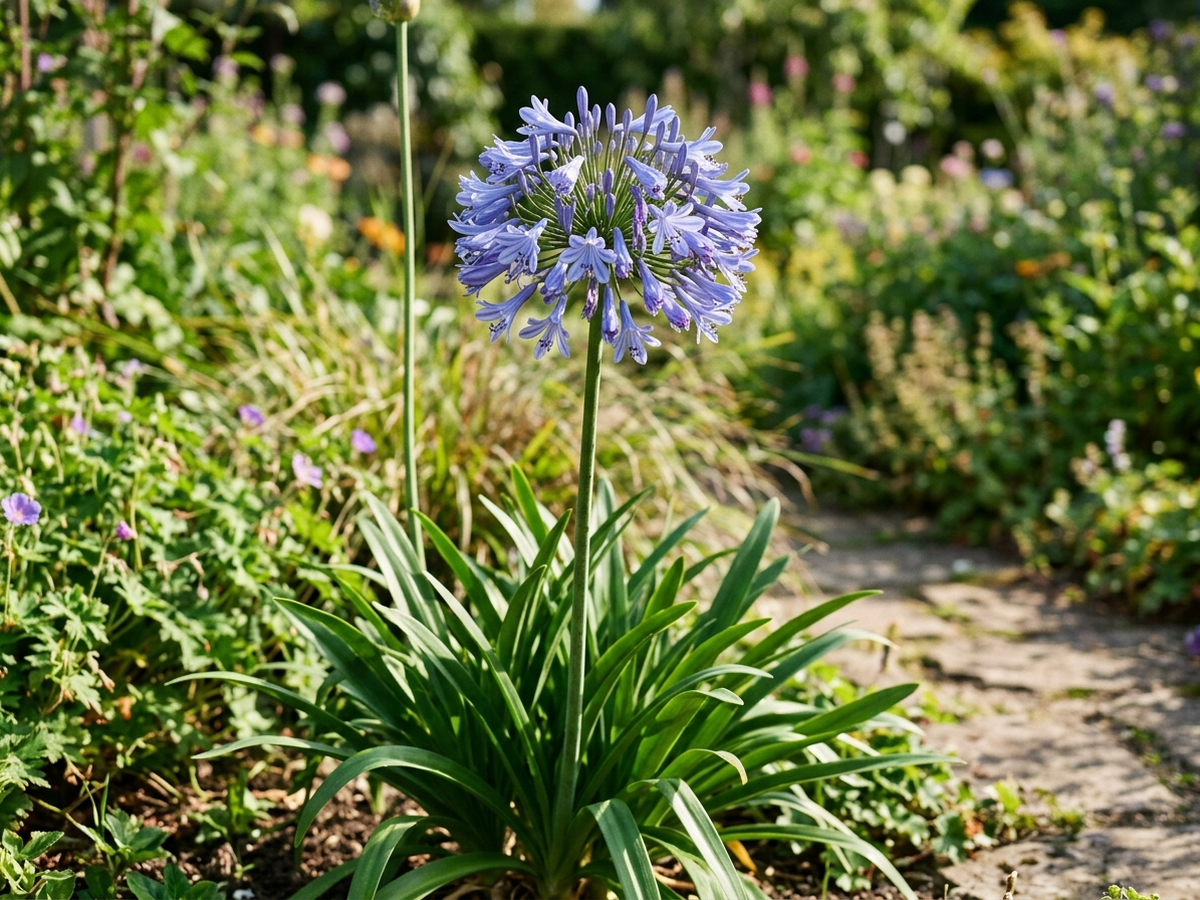 Bell AgapanthusAgapanthus campanulatus
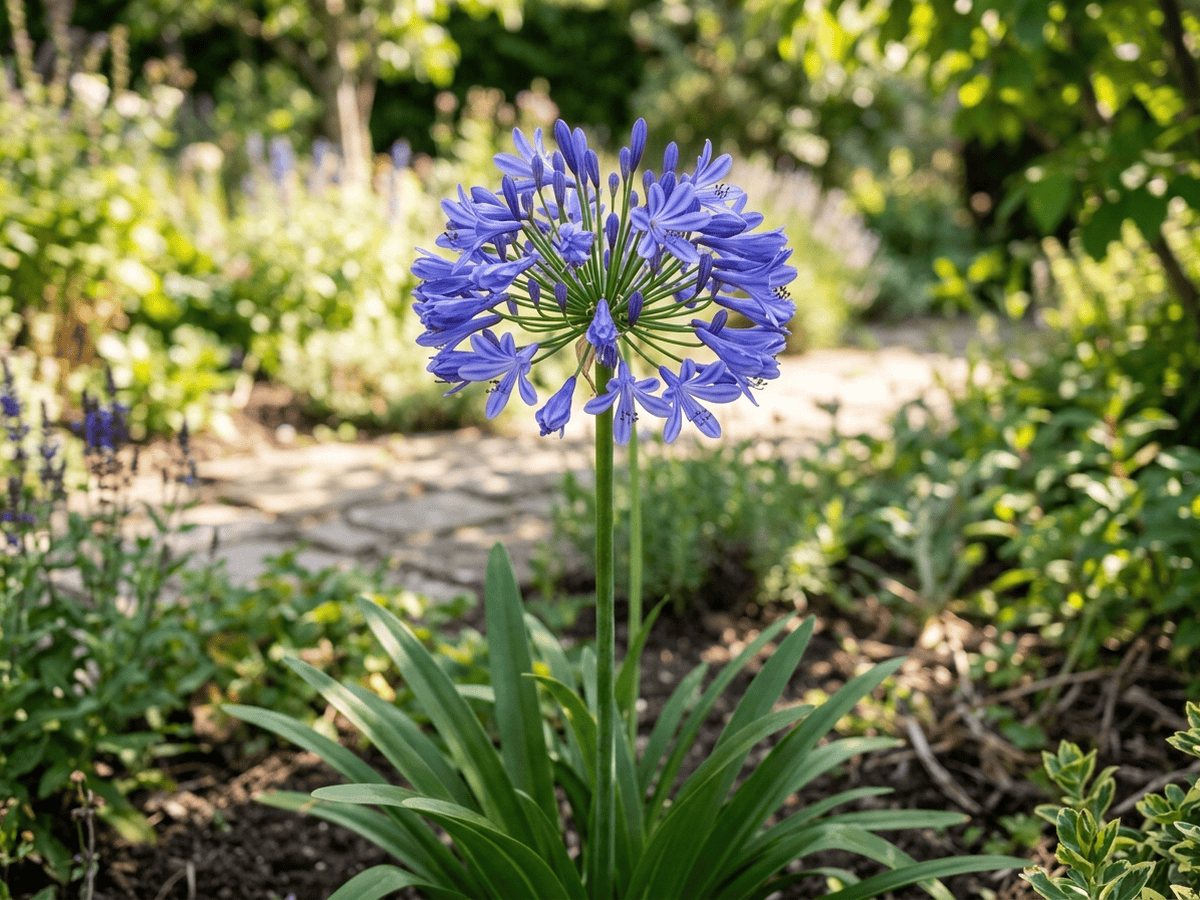 Common AgapanthusAgapanthus praecox
Frequently asked questions
How often should I water Welsh Poppy?
In summer, water about every 7 days; in winter, about every 30 days. Adjust for heat, pot size and drainage.
How much light does Welsh Poppy need?
Part sun: 4–6 hrs direct. Watch the leaves — scorching or stretching means the light needs adjusting.
Is Welsh Poppy toxic to cats or dogs?
Pets Unknown (Dogs Unknown · Cats Unknown) Educational information, not medical or veterinary advice. If exposure is suspected, contact a doctor or veterinarian.
Is Welsh Poppy easy to grow?
It is considered challenging and rewards experienced growers.
YardMate
Identify any plant in seconds
Snap a photo — YardMate names the plant, diagnoses problems, and reminds you when to water.
Download on the App Store