 YardMate
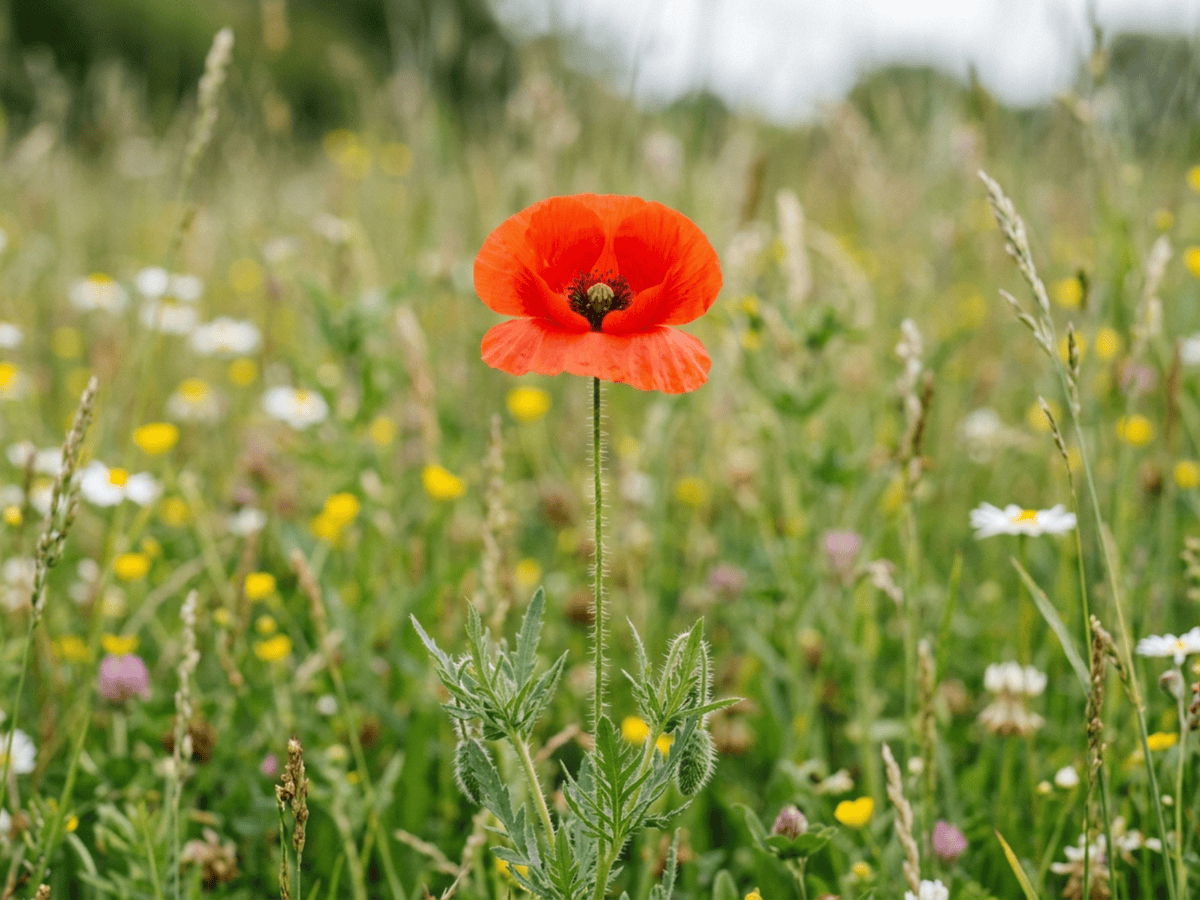


Common Poppy
Papaver rhoeas
Easy · Beginner friendlyAbout Common Poppy
Papaver rhoeas, the common poppy or Flanders poppy, is an annual wildflower native to Europe and parts of Asia that has become one of the most symbolically powerful flowers in human history. Its tissue-thin, scarlet petals with a black basal blotch flutter on delicate, hairy stems 30 to 60 cm tall, creating waves of red across disturbed ground and grain fields. The seeds remain viable in soil for decades, germinating only when the earth is turned — which is why poppies famously bloomed on the churned battlefields of World War I in Flanders, Belgium. This phenomenon inspired John McCrae's immortal poem 'In Flanders Fields' (1915), establishing the red poppy as the universal symbol of Remembrance Day. Each year on November 11, millions of people wear paper poppies to honor fallen soldiers. Beyond its solemn symbolism, the plant is a charming cottage garden annual that self-sows freely. The tiny seeds are used in baking across Europe and Asia. The petals were once used to make a mild sedative syrup for children and to color wines and medicines red.
- Edible
How to care for Common Poppy
Watering
- Springevery 5 days
- Summerevery 4 days
- Fallevery 10 days
- Winterpause watering
Soil · Well-draining
- Top dressingPine bark mulch10%
- Main mixPotting soil + perlite 2:170%
- DrainageLECA / gravel20%
Never skip the drainage layer — standing water is the top cause of root rot.
FERTILIZER
This plant needs little to no feeding.
At a Glance
- NativeEurope, Africa, Western Asia
- Height1–3 ft (0.3–0.9 m)
- Spread0.5–1 ft (0.2–0.3 m)
- Flower colorRed, Pink, White, Purple
- Foliage colorGreen
- SoilLoamy, Well-drained
- LocationsYard
Bloom time
BLOOM CYCLE
Peak bloom
Mar, Apr, May, Sep, Oct, Nov
Direct sow in fall or early spring onto bare soil; do not cover seeds as they need light to germinate
Fragrance
NO FRAGRANCE
No notable fragrance.
Toxicity
Humans Slight · Pets Slight
rhoeadine (mild alkaloid)
Slight
- All
- Ingestion
EXPOSURE Eating any part of the plant.
EFFECT Trace alkaloid content in sap and no significant toxicity.
NOTE Documented concern for humans: Trace alkaloid content in sap and no significant toxicity.
Slight
- All
- Ingestion
EXPOSURE Eating any part of the plant.
EFFECT Mild GI upset possible.
NOTE Not listed as significantly toxic by ASPCA. Far less alkaloid content than opium poppy.
Slight
- All
- Ingestion
EXPOSURE Eating any part of the plant.
EFFECT Mild GI upset possible.
NOTE Not listed as significantly toxic by ASPCA. Far less alkaloid content than opium poppy.
Educational information, not medical or veterinary advice. If exposure is suspected, contact a doctor or veterinarian.
DISTRIBUTION

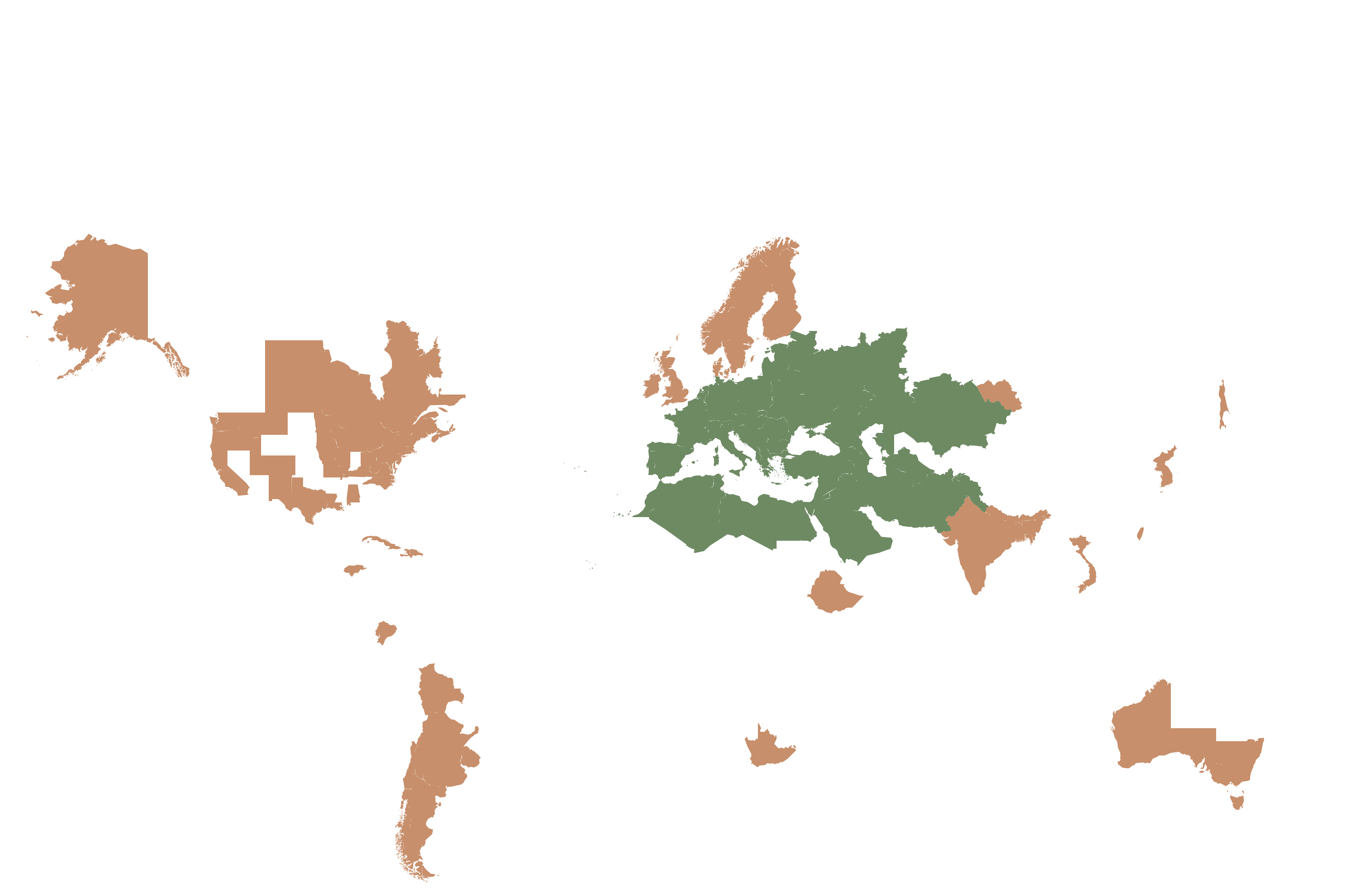
- Native
- Introduced
- Europe
- Africa
- Western Asia
History
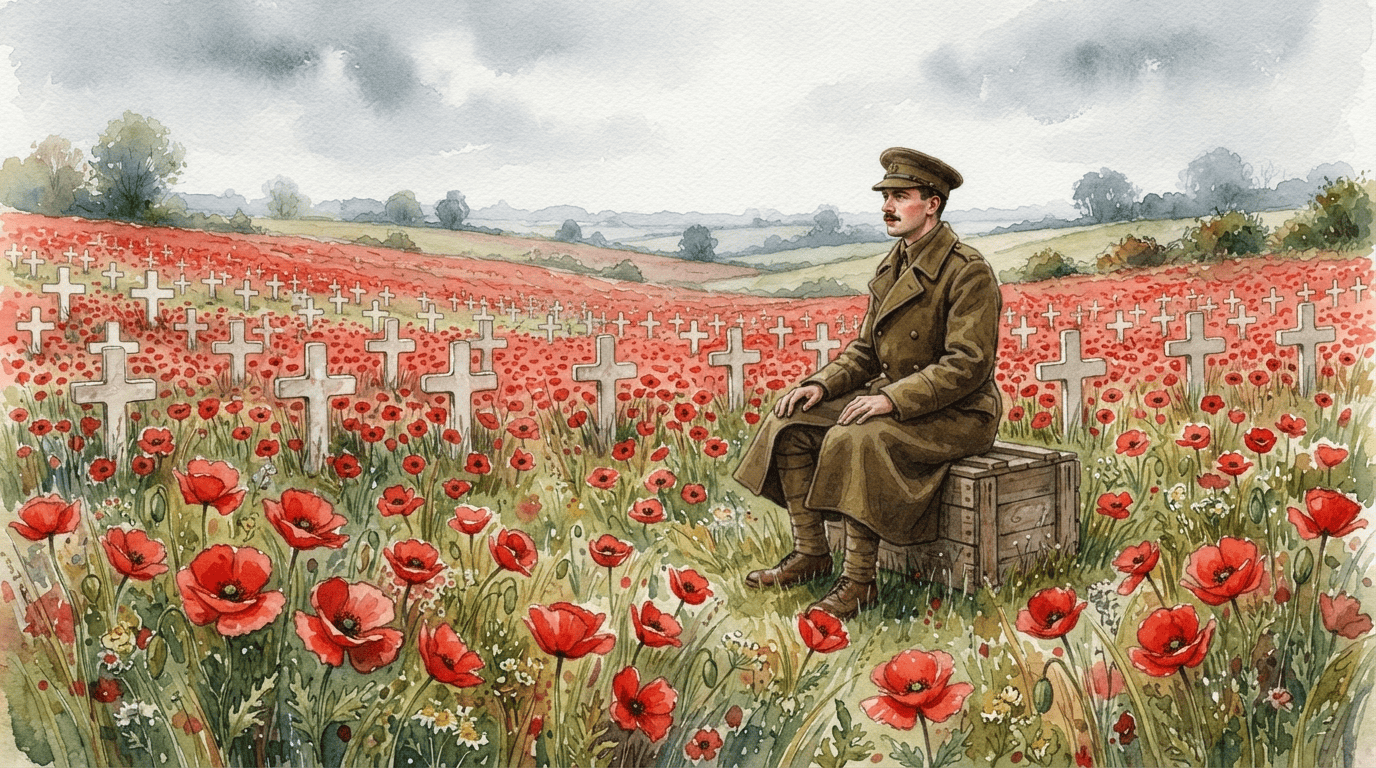
Papaver rhoeas is native to Europe, North Africa, and western Asia, where for millennia it was one of the most common weeds of European grain fields and disturbed ground, growing in vast red sheets among wheat, barley, and rye. The species' most iconic cultural role emerged during World War I, when the massive disturbance of soil on the Western Front battlefields — the Somme, Ypres, and the fields of Flanders — produced enormous blooms of red poppies on previously depleted ground. Canadian military physician Lieutenant Colonel John McCrae, serving at the Second Battle of Ypres, wrote the poem "In Flanders Fields" in May 1915 after the death of his friend Lt. Alexis Helmer; the opening lines "In Flanders fields the poppies blow / Between the crosses, row on row" made the red poppy the universal remembrance symbol of British Commonwealth war memorial.
Moina Michael, an American volunteer, adopted the poppy as a fundraising symbol for the Young Men's Christian Association, and the British Legion formally adopted the remembrance poppy in 1921; Remembrance Day (Armistice Day, 11 November) poppy pins are now worn throughout the Commonwealth. The species is also the source of a garden ornamental seed strain, the Shirley poppy, developed by Reverend William Wilks at Shirley Vicarage in England in the 1880s by selecting for softer-colored (pink, white, bicolored) variants from single wild-type red plants. Unlike opium poppy (P. somniferum), P. rhoeas has negligible opium-alkaloid content.
When artillery shells churned the fields of Belgium and France, dormant poppy seeds buried deep in the soil were suddenly exposed to light and germinated en masse, covering the devastated battlefields in waves of scarlet. Moina Michael, an American professor, read the poem and began wearing red poppies and campaigning for their adoption as a remembrance symbol. The seeds have been used in European and Middle Eastern baking for thousands of years and remain a staple ingredient in breads, pastries, and confections across Central Europe.
Symbolism & meaning
What It Symbolizes
The Common Poppy is often read as a symbol of remembrance, scarlet petals worn each November to honor those lost in war. Its blooms over the scarred fields of Flanders gave the world an enduring image of consolation amid grief. Yet the poppy's deeper meaning is renewal — seeds long dormant in the earth germinating wherever soil is disturbed, embodying life's stubborn, beautiful return to the most devastated ground.
- Remembrance — The universal symbol of Remembrance Day, honoring soldiers who gave their lives in war
- Consolation — The flowers' gentle beauty over scarred earth represents comfort amid grief and loss
- Renewal — Seeds germinating on battlefields symbolize life returning after devastation
Where the Name Comes From
Papaver is the Latin name for poppy, possibly related to 'pap' (soft food), as poppy juice was mixed into children's porridge as a sedative. Rhoeas from Greek 'rheo' (to flow), referring to the quickly falling petals.
Uses & Fun Facts
- Holds ceremonial or symbolic role in local traditions
Related plants
More Papaver plants
 Welsh PoppyPapaver cambricum
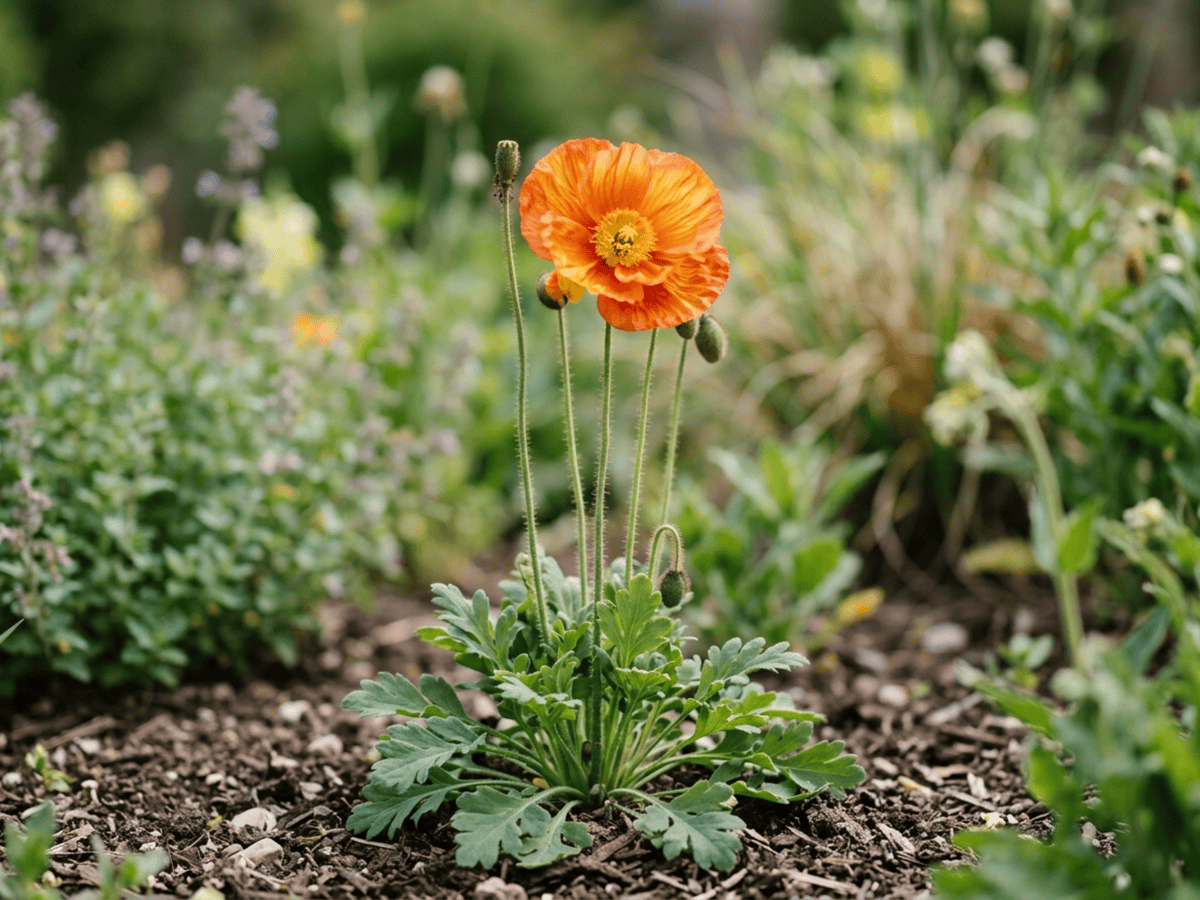 Iceland PoppyPapaver nudicaule
 Oriental PoppyPapaver orientale
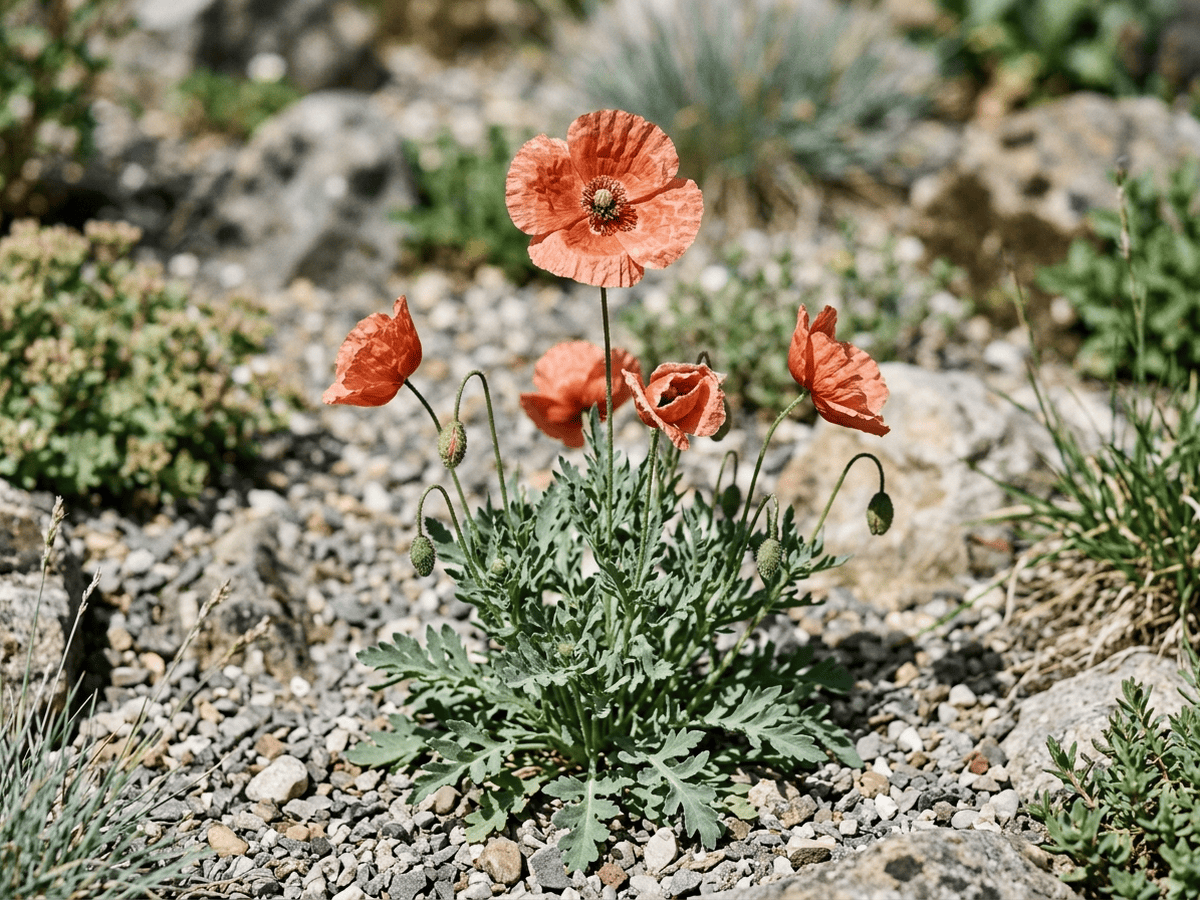 Spanish PoppyPapaver rupifragum
Plants with similar care
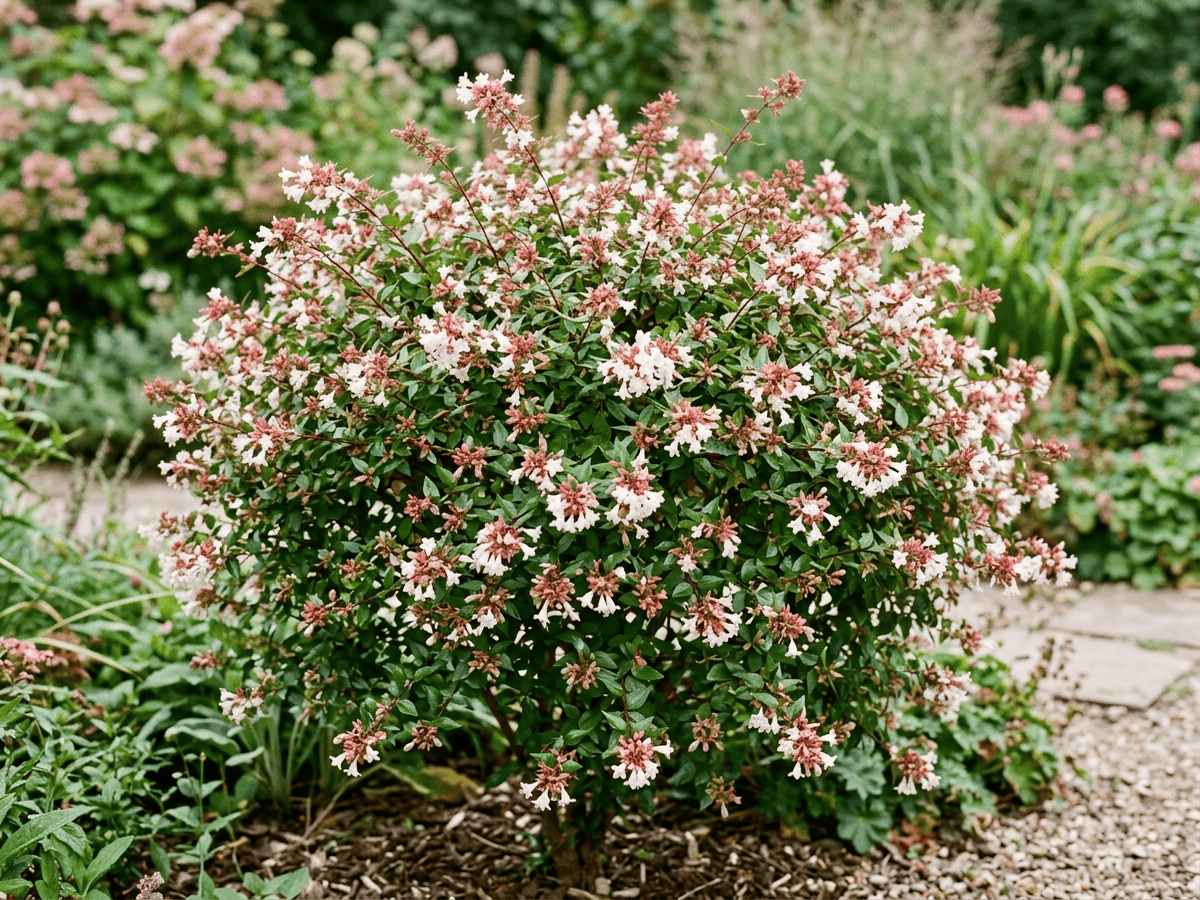 Chinese AbeliaAbelia chinensis
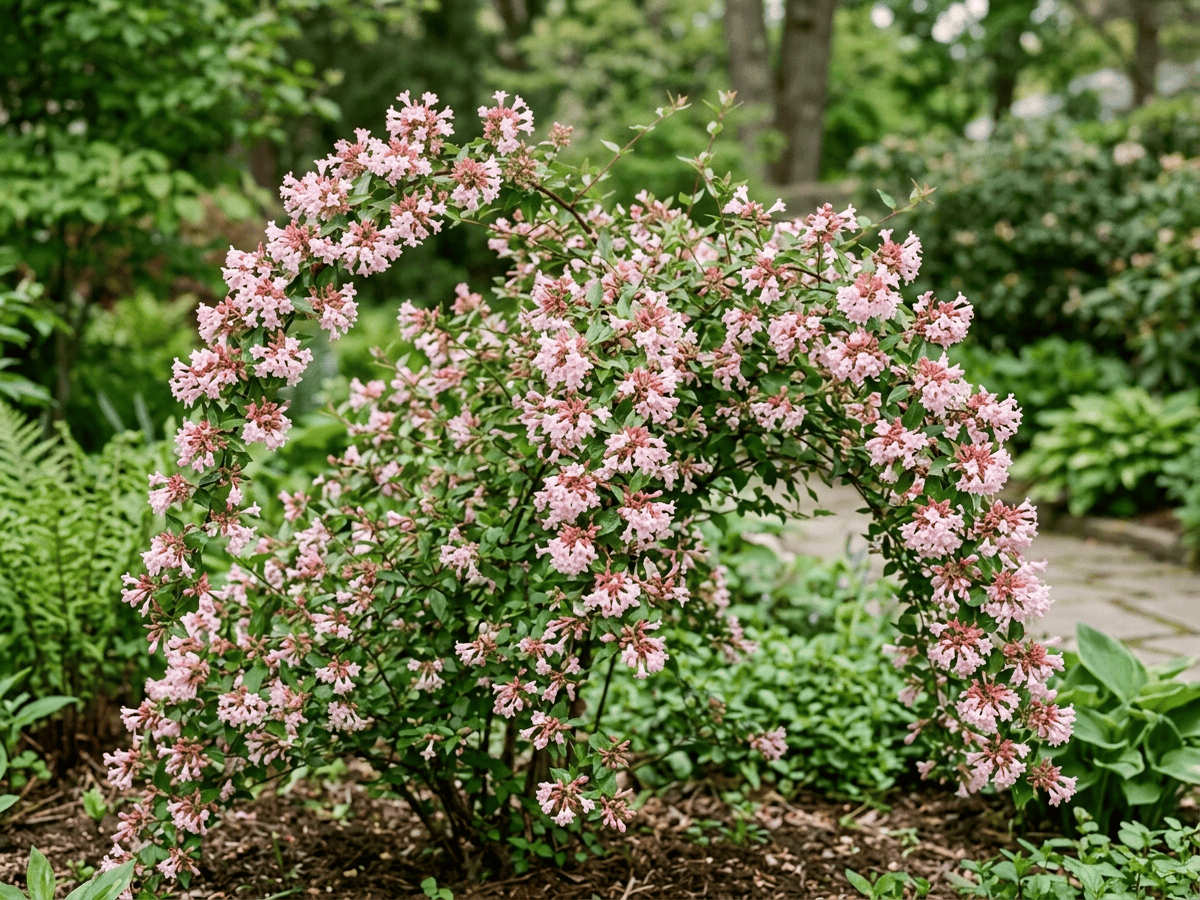 Fragrant AbeliaAbelia mosanensis
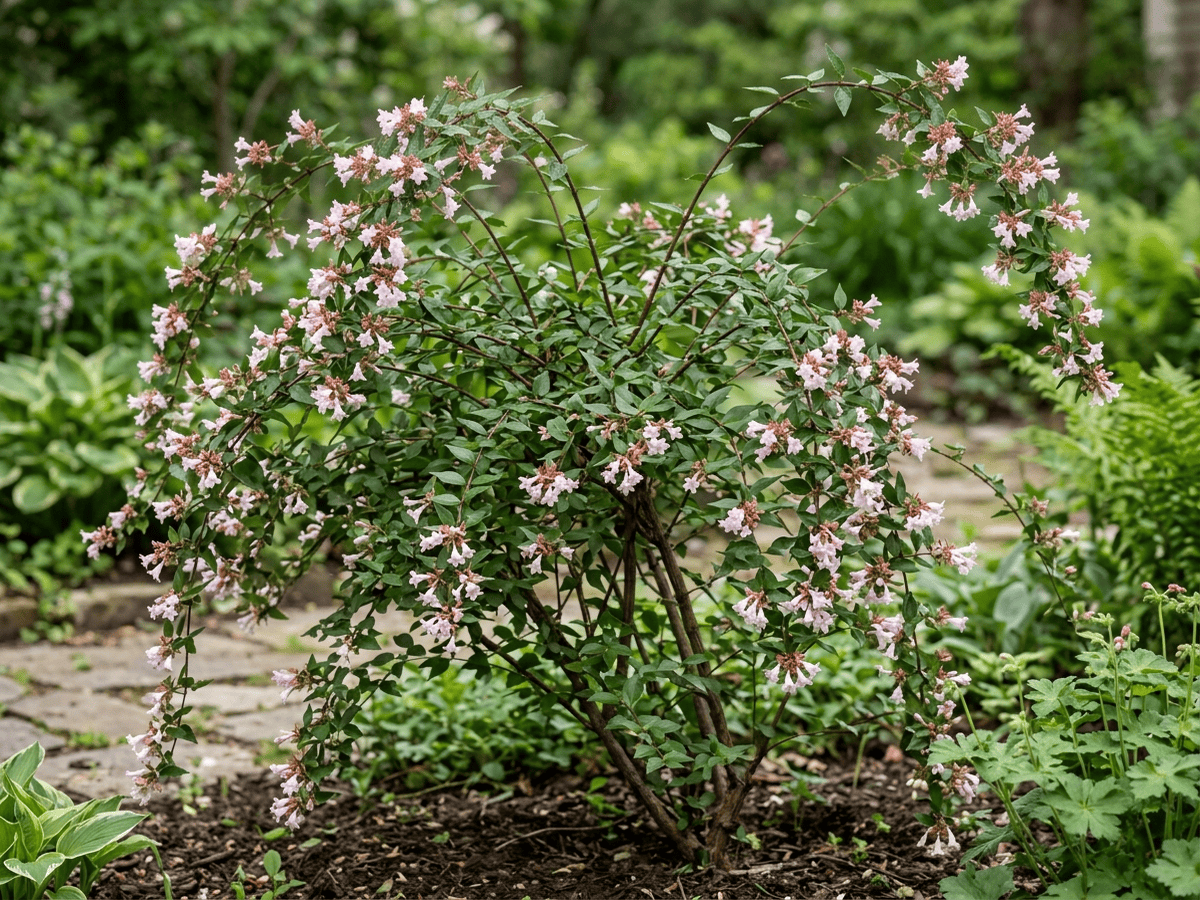 Large-Flowered AbeliaAbelia uniflora
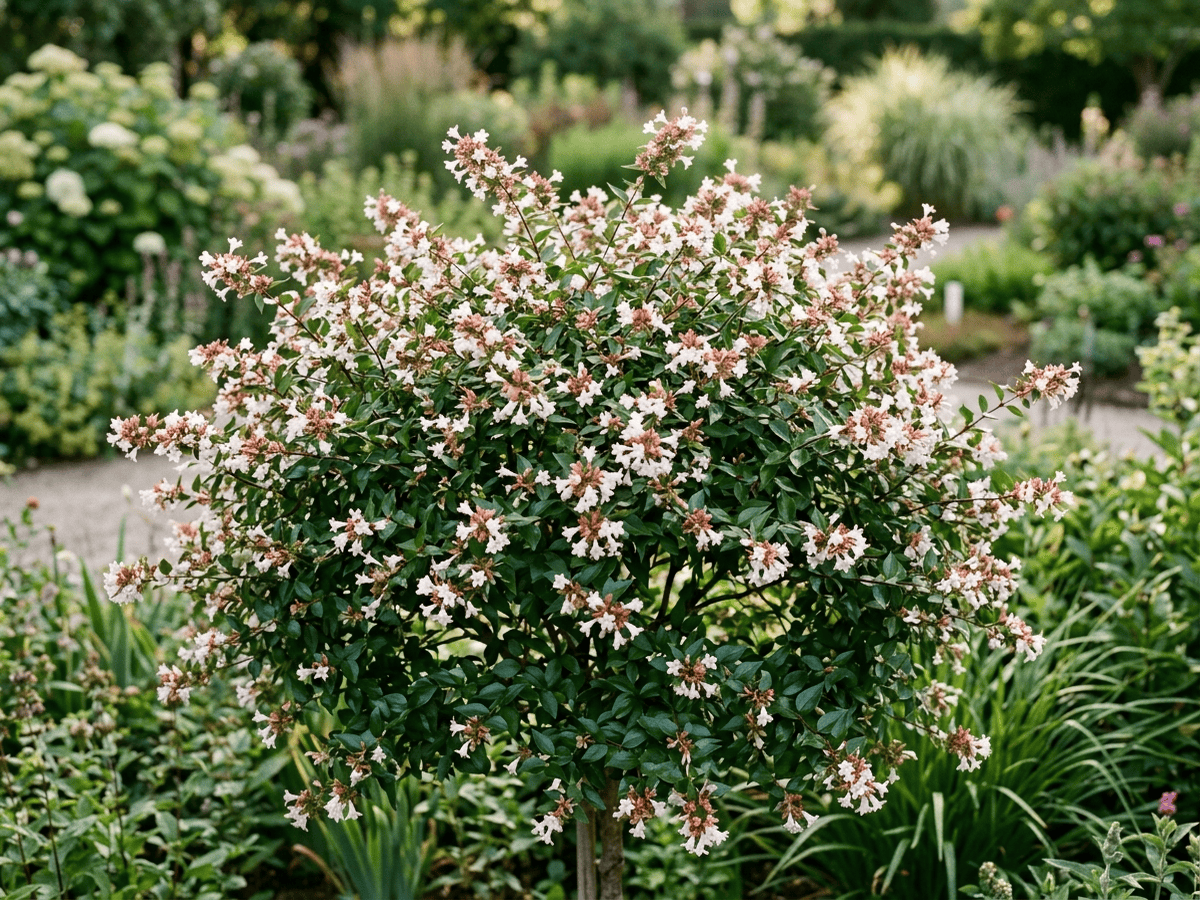 Glossy AbeliaAbelia x grandiflora
Frequently asked questions
How often should I water Common Poppy?
Water about every 5 days during the growing season, and always let excess water drain away.
How much light does Common Poppy need?
Full sun: 6+ hrs direct. Watch the leaves — scorching or stretching means the light needs adjusting.
Is Common Poppy toxic to cats or dogs?
Pets Slight (Dogs Slight · Cats Slight) Educational information, not medical or veterinary advice. If exposure is suspected, contact a doctor or veterinarian.
Is Common Poppy easy to grow?
Yes — it is considered an easy, beginner-friendly plant.
When does Common Poppy bloom?
It typically blooms Mar, Apr, May, Sep, Oct, Nov in the Northern Hemisphere.
YardMate
Identify any plant in seconds
Snap a photo — YardMate names the plant, diagnoses problems, and reminds you when to water.
Download on the App Store