 YardMate


Oriental Poppy
Papaver orientale
Medium · Some experienceAbout Oriental Poppy
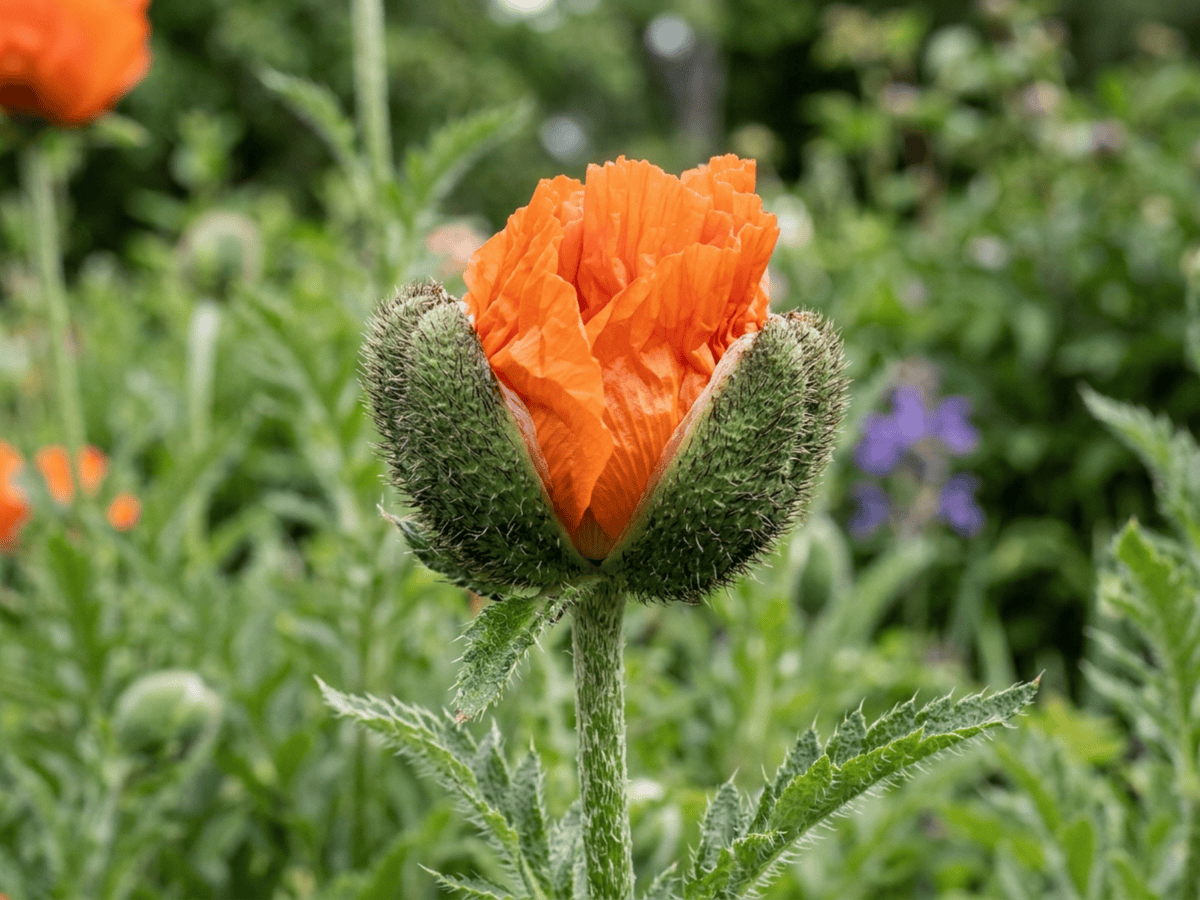
Papaver orientale, the Oriental poppy, is a spectacular perennial native to the Caucasus, northeastern Turkey, and northern Iran. Its enormous crepe-paper flowers — up to 15 cm across — are among the most dramatic blooms in the perennial garden, appearing in vivid shades of orange-scarlet, salmon, pink, and white, each petal marked with a bold dark blotch at the base. Growing 60 to 90 cm tall, the flowers open in late spring to early summer in a brief but unforgettable display lasting two to three weeks. After blooming, the foliage dies back entirely, leaving a gap that experienced gardeners fill with late-emerging companions like baby's breath or asters. The plant develops a deep, carrot-like taproot that makes it extremely long-lived but difficult to transplant. Division or root cuttings taken during summer dormancy are the best propagation methods. Oriental poppies demand well-drained soil and full sun — they rot in wet winter clay. Once established, they are virtually indestructible, returning faithfully for decades with minimal care.
- Pollinator-friendly
- Drought-tolerant
- Cut-flower
- Deer-resistant
How to care for Oriental Poppy
Watering
- Springevery 7 days
- Summerevery 10 days
- Fallevery 14 days
- Winterevery 30 days
Soil · Well-draining
- Top dressingPine bark mulch10%
- Main mixPotting soil + perlite 2:170%
- DrainageLECA / gravel20%
Never skip the drainage layer — standing water is the top cause of root rot.
FERTILIZER
Balanced Feed 14-14-14
An even feed covers all three needs at once, keeping leaves, roots and blooms moving together with nothing pushed out of balance.
- Nitrogen · Leaves
- Phosphorus · Roots + Blooms
- Potassium · Strength
- Springevery 60 days
At a Glance
- NativeWestern Asia
- Height2–4 ft (0.6–1.2 m)
- Spread2–3 ft (0.6–0.9 m)
- Flower colorRed, Orange, Pink, White
- Foliage colorGreen
- SoilLoamy, Well-drained
- LocationsYard
Bloom time
BLOOM CYCLE
Peak bloom
Jun–Aug
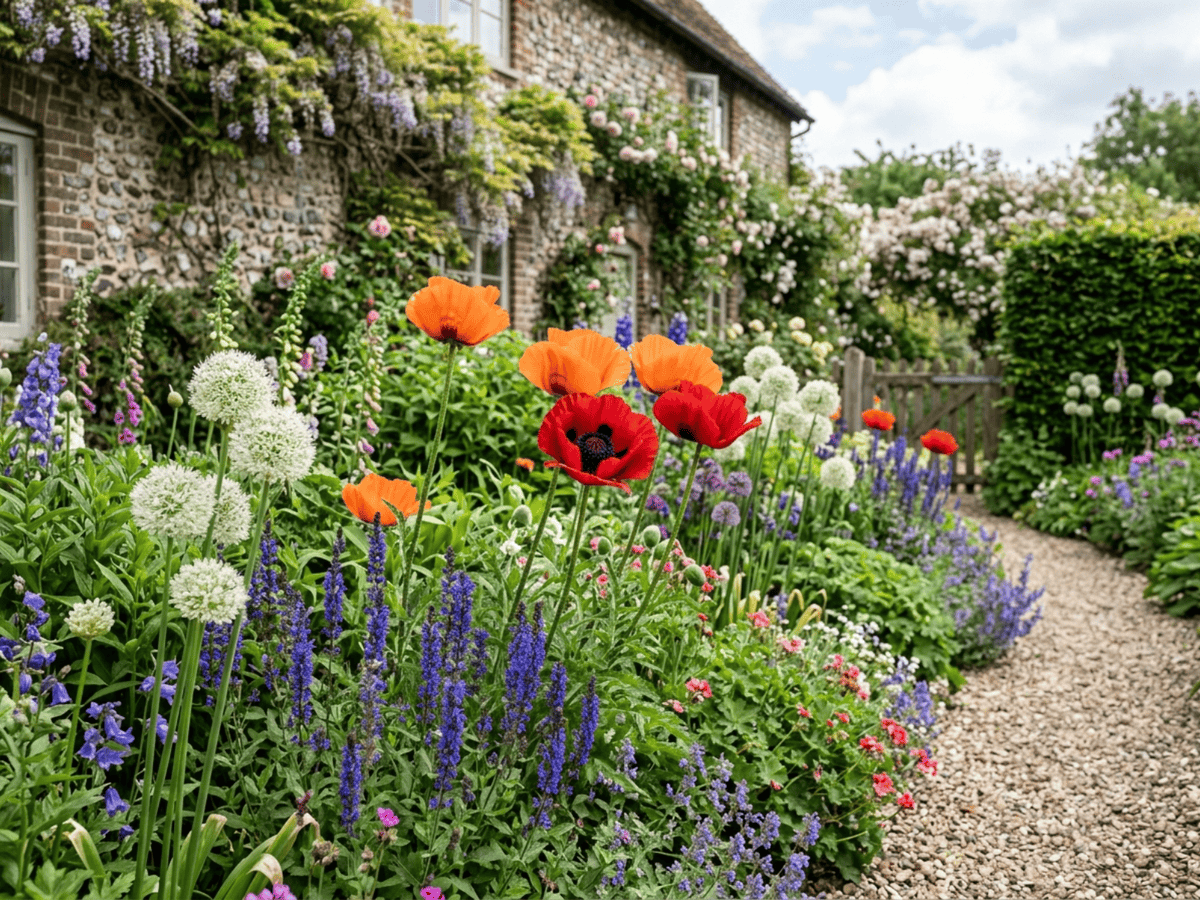
Plant companions like baby's breath or asters to fill the gap when foliage dies back after blooming
Fragrance
NO FRAGRANCE
No notable fragrance.
Toxicity
Humans Moderate · Pets Moderate
thebaine, oripavine, and morphine (trace)
Moderate
- All
- Ingestion
EXPOSURE Eating any part of the plant.
EFFECT Contains thebaine and morphine-family alkaloids, not for self-medication, and commercial thebaine source.
NOTE Documented concern for humans: Contains thebaine and morphine-family alkaloids, not for self-medication, and commercial thebaine source.
Moderate
- All
- Ingestion
EXPOSURE Eating any part of the plant.
EFFECT Opioid-like sedation, ataxia, respiratory depression in quantity.
NOTE ASPCA lists poppies (Papaver) as toxic to dogs, cats, and horses.
Moderate
- All
- Ingestion
EXPOSURE Eating any part of the plant.
EFFECT Same as dogs.
NOTE ASPCA lists poppies (Papaver) as toxic to dogs, cats, and horses.
Educational information, not medical or veterinary advice. If exposure is suspected, contact a doctor or veterinarian.
DISTRIBUTION

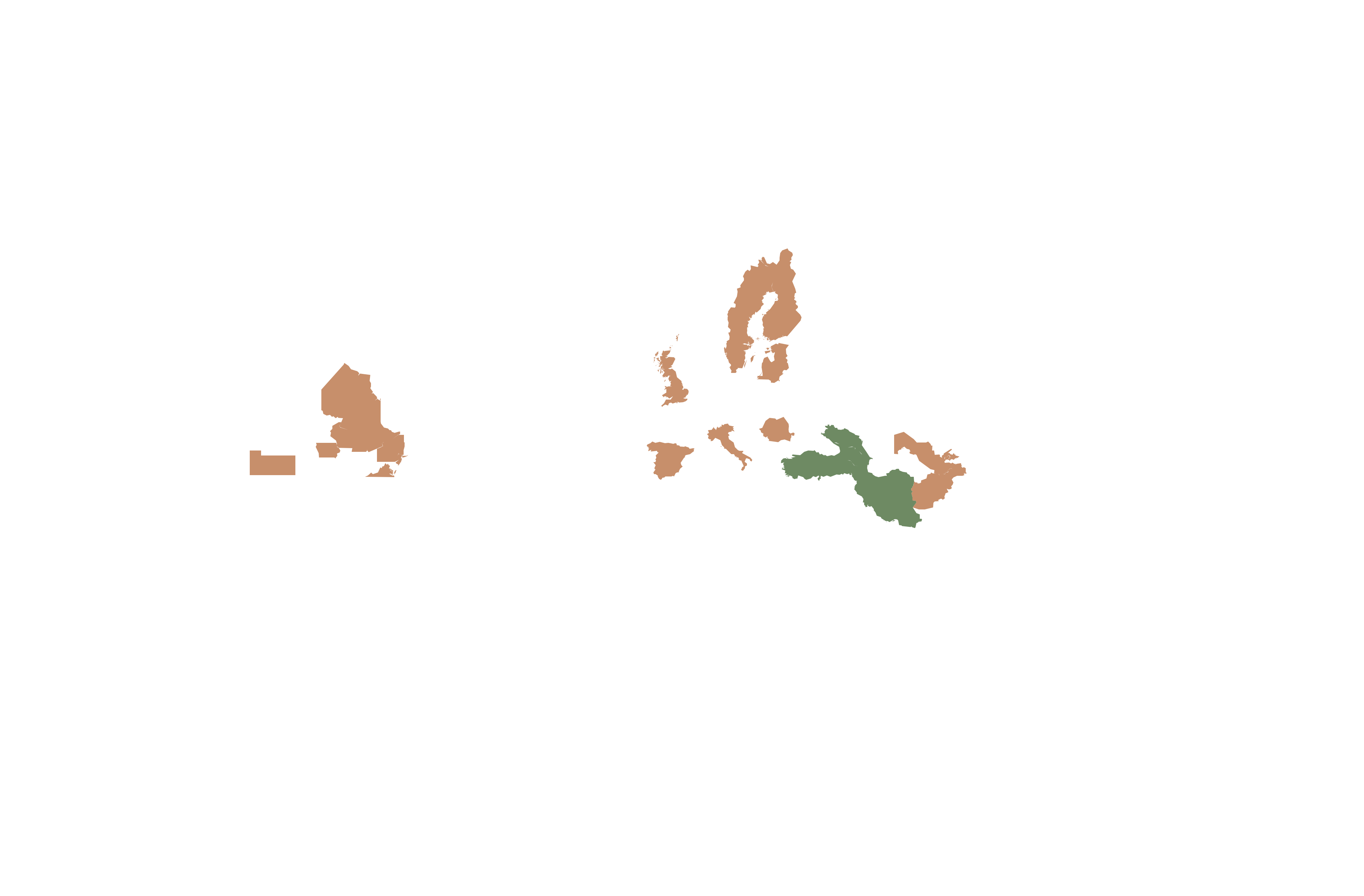
- Native
- Introduced
- Western Asia
History
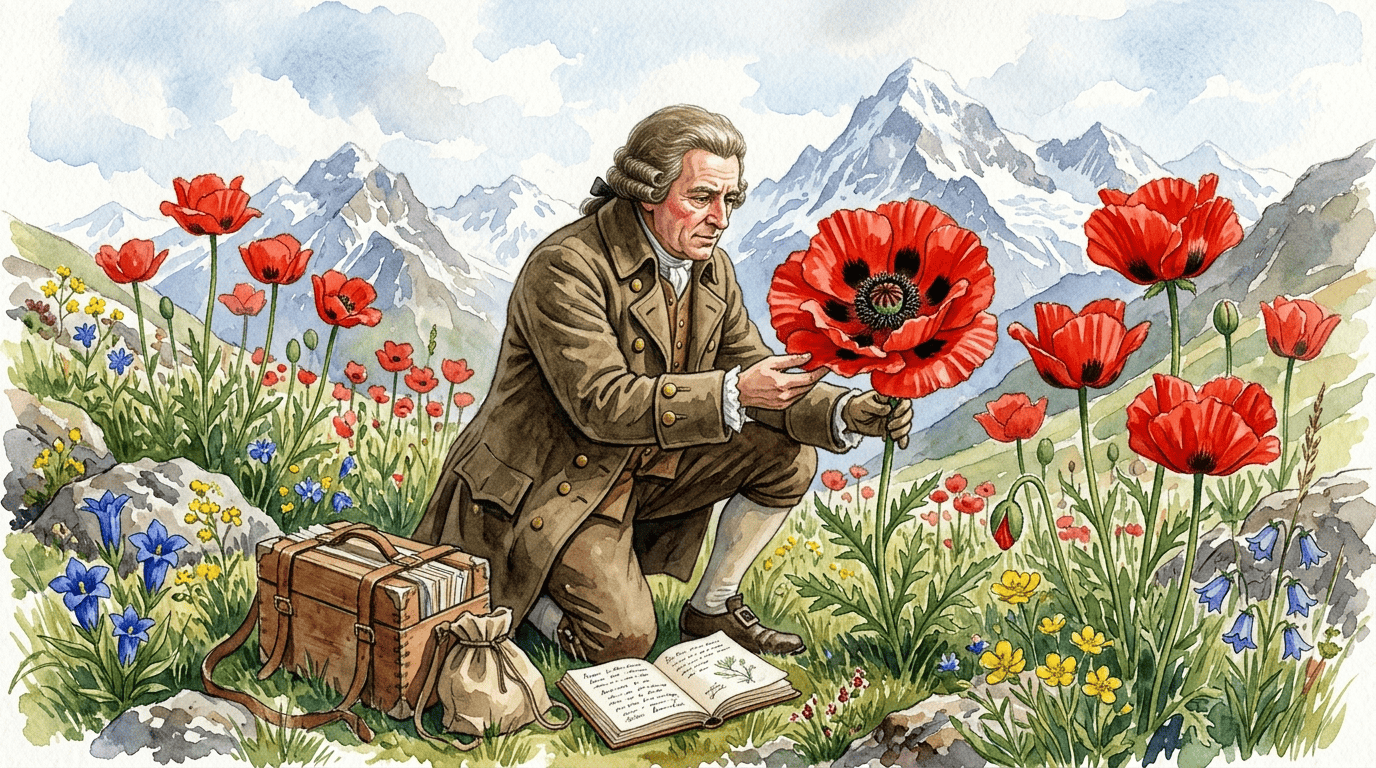
Papaver orientale is native to the mountain meadows of the Caucasus (Georgia, Armenia, Azerbaijan), northeastern Turkey, and northern Iran. It was first collected for Western horticulture by French royal botanist Joseph Pitton de Tournefort during his 1700-1702 expedition to the Levant and Caucasus, and was in European cultivation by the early 18th century. The species produces enormous (10-15 cm across) silken-papery flowers on 75-100 cm stems in late spring and early summer — typically bright scarlet-red with a dark black central blotch at the base of each petal, though cultivated forms now include soft pink, salmon, peach, white, and nearly-black selections.
After flowering the plant goes completely dormant above ground through midsummer (a trait that makes garden placement important — oriental poppies leave conspicuous empty spots in borders from July onward) and reemerges with fresh foliage in autumn. Victorian and Edwardian English gardens elevated oriental poppies to a signature border plant; the mid-20th-century German breeder Countess Helen von Stein-Zeppelin (active 1925-1985) produced some of the most important modern cultivars.
The species does contain thebaine and morphinan alkaloids (the species is a commercial source of thebaine for pharmaceutical synthesis of semi-synthetic opioids), but the ornamental plant is low-concern in garden contexts. Major cultivars include "Patty's Plum," "Royal Wedding," "Türkenlouis," and "Prince of Orange.".
Symbolism & meaning
What It Symbolizes
The Oriental poppy is extravagance in petal form — enormous tissue-paper blooms in scarlet, salmon, or coral, opening so suddenly and showily that they seem unreal in a temperate border. Their dream-like petals carry imagination as a second meaning, the same flower that stirred Georgia O'Keeffe and a thousand poppy-painting amateurs. For the brief week of bloom, they are the most flamboyant inhabitants of the early summer garden.
- Extravagance — Its oversized, flamboyant blooms represent lavish beauty and indulgence
- Imagination — The dream-like, tissue-paper petals evoke fantasy and creative vision
Where the Name Comes From
Papaver is the Latin name for poppy. Orientale means 'eastern,' referring to its native range in the Caucasus and Middle East.
Uses & Fun Facts
- Huge crepe-paper orange-red flowers used in dramatic spring bouquets
- Bold spring blooms with dark-blotched centers in cottage borders
- Dark anther-rich centers attract bumblebees and hoverflies
Related plants
More Papaver plants
 Welsh PoppyPapaver cambricum
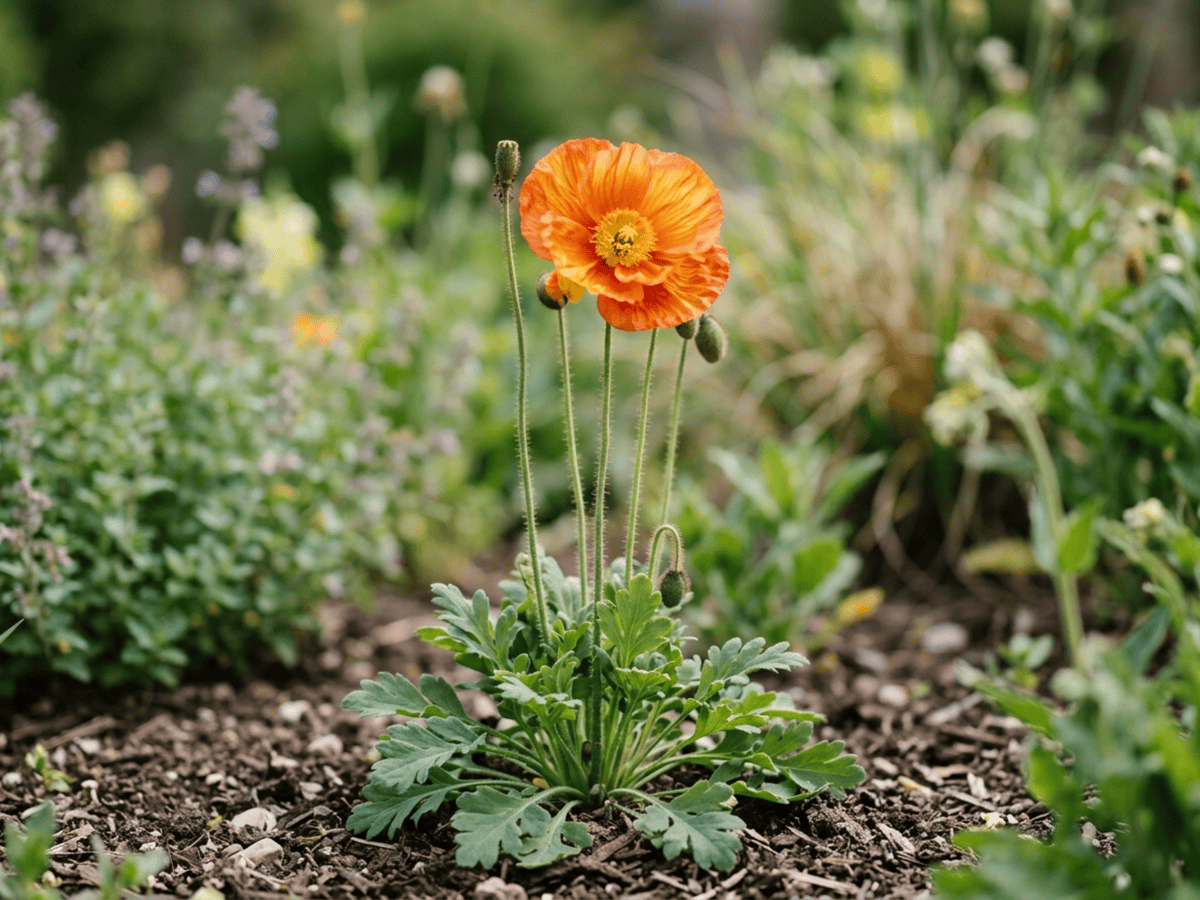 Iceland PoppyPapaver nudicaule
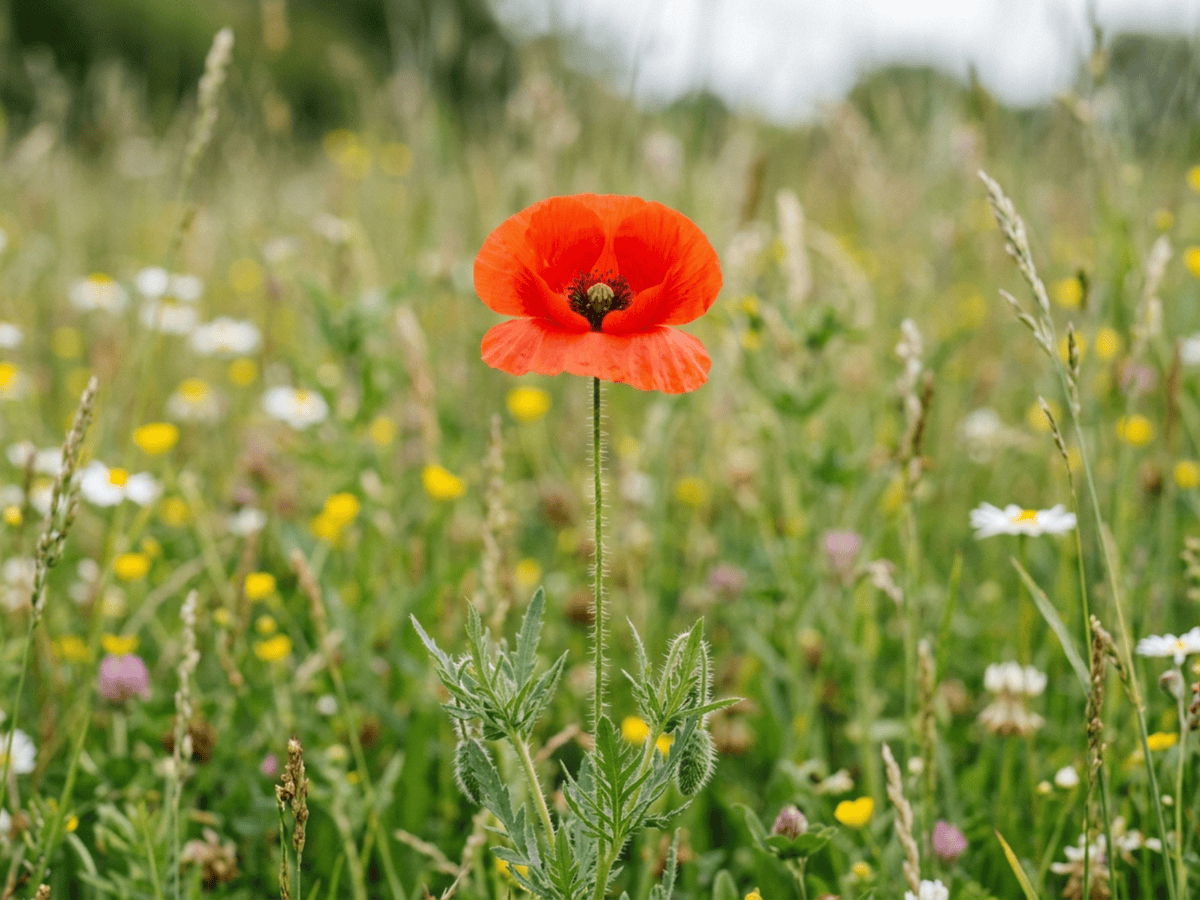 Common PoppyPapaver rhoeas
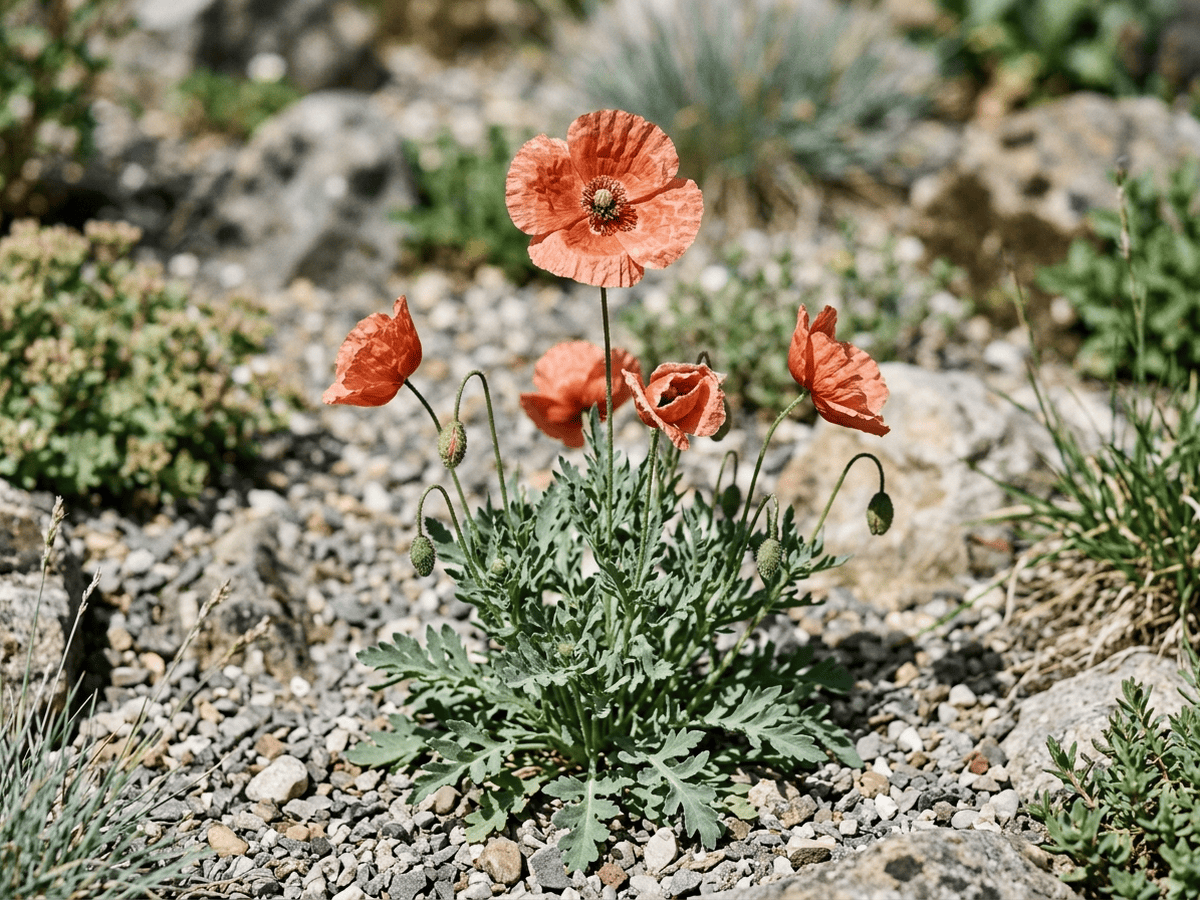 Spanish PoppyPapaver rupifragum
Plants with similar care
 Mexican AbeliaAbelia floribunda
 Fraser FirAbies fraseri
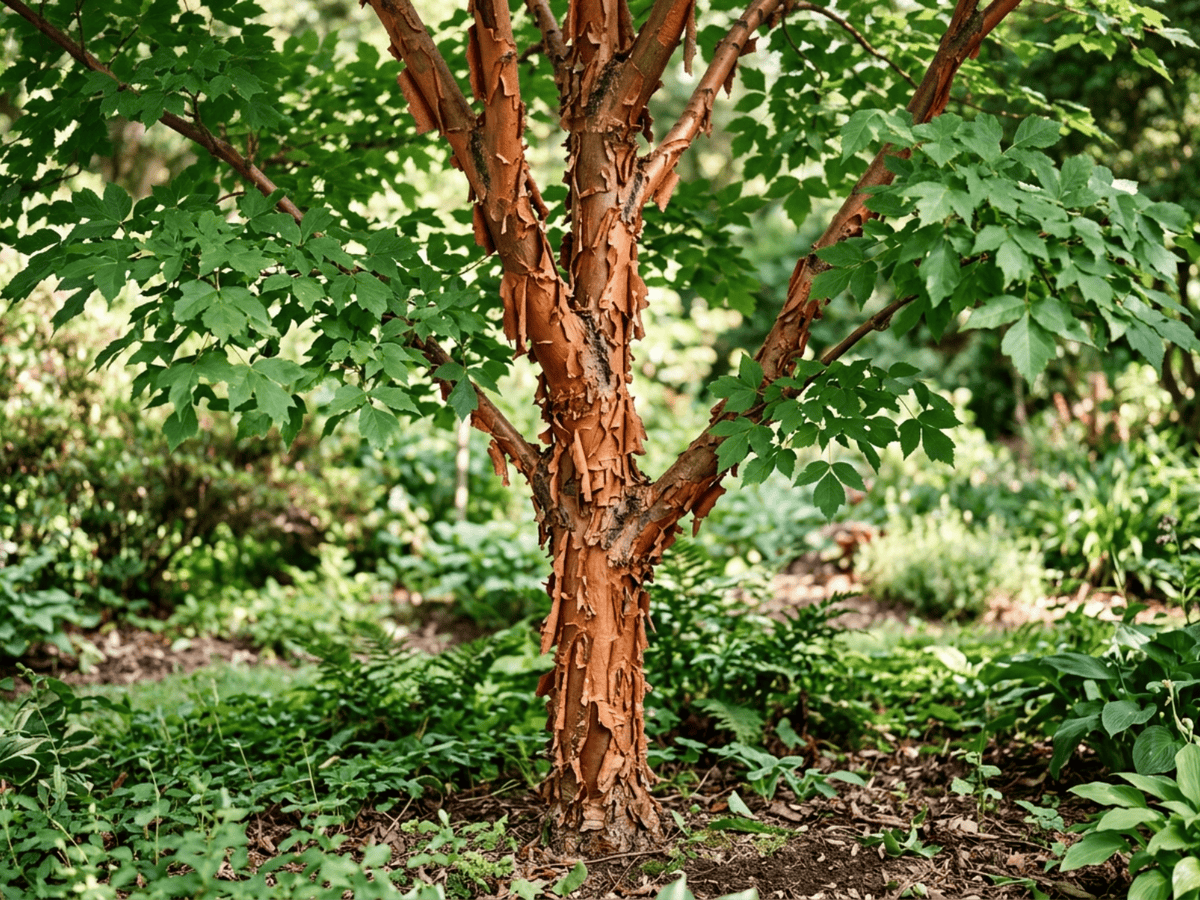 Paperbark MapleAcer griseum
 Sugar MapleAcer saccharum
Frequently asked questions
How often should I water Oriental Poppy?
In summer, water about every 10 days; in winter, about every 30 days. Adjust for heat, pot size and drainage.
How much light does Oriental Poppy need?
Full sun: 6+ hrs direct. Watch the leaves — scorching or stretching means the light needs adjusting.
Is Oriental Poppy toxic to cats or dogs?
Pets Moderate (Dogs Moderate · Cats Moderate) Educational information, not medical or veterinary advice. If exposure is suspected, contact a doctor or veterinarian.
Is Oriental Poppy easy to grow?
It is moderately demanding: a good choice once you have a little experience.
When does Oriental Poppy bloom?
It typically blooms Jun–Aug in the Northern Hemisphere.
YardMate
Identify any plant in seconds
Snap a photo — YardMate names the plant, diagnoses problems, and reminds you when to water.
Download on the App Store