 YardMate
Iceland Poppy
Papaver nudicaule
Medium · Some experienceAbout Iceland Poppy
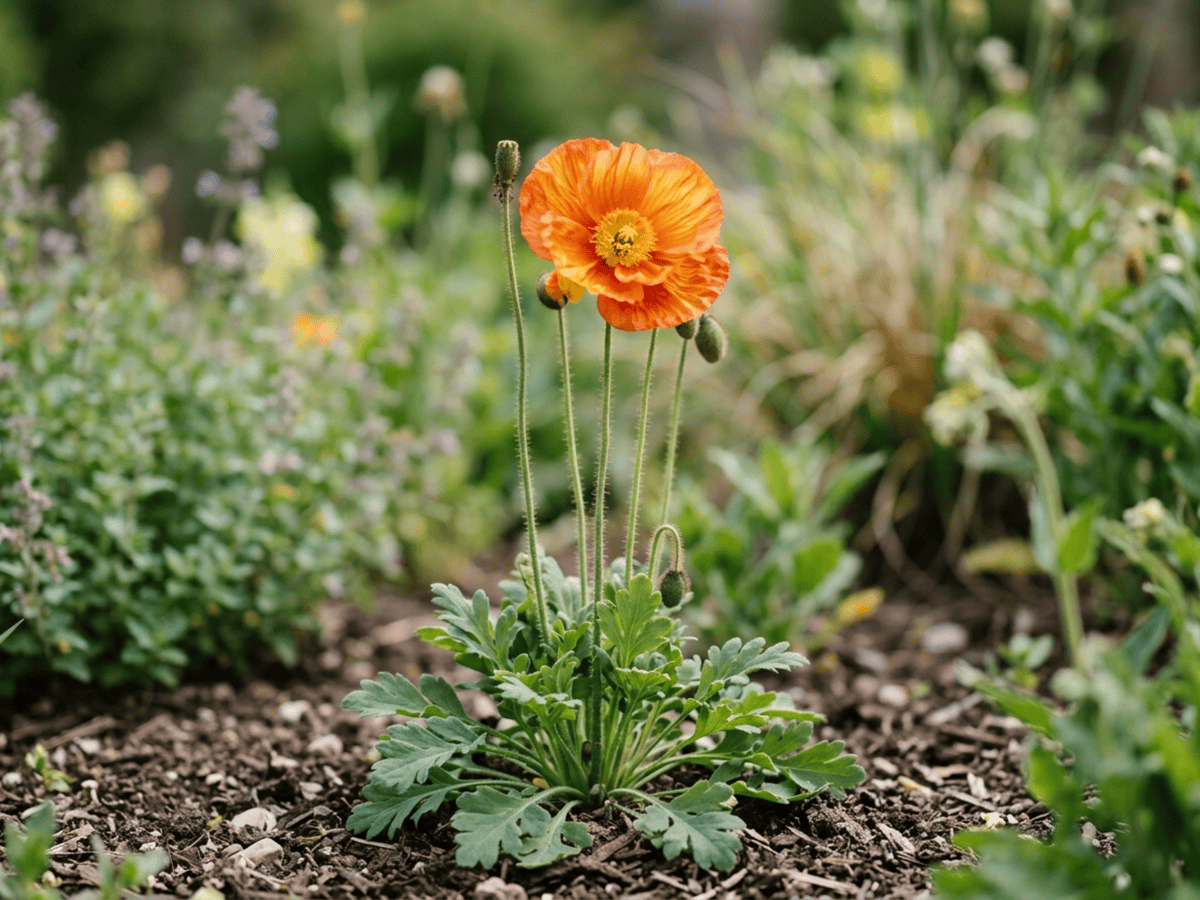
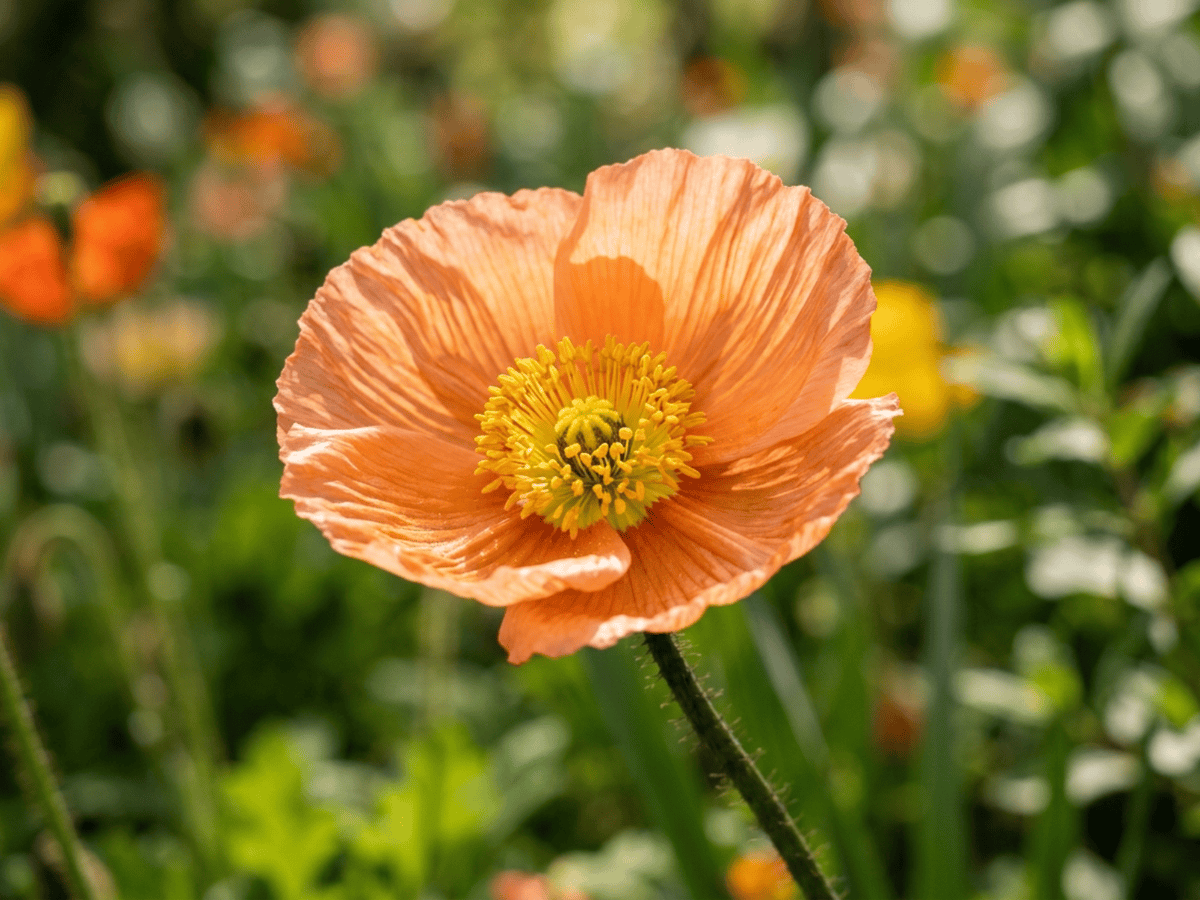
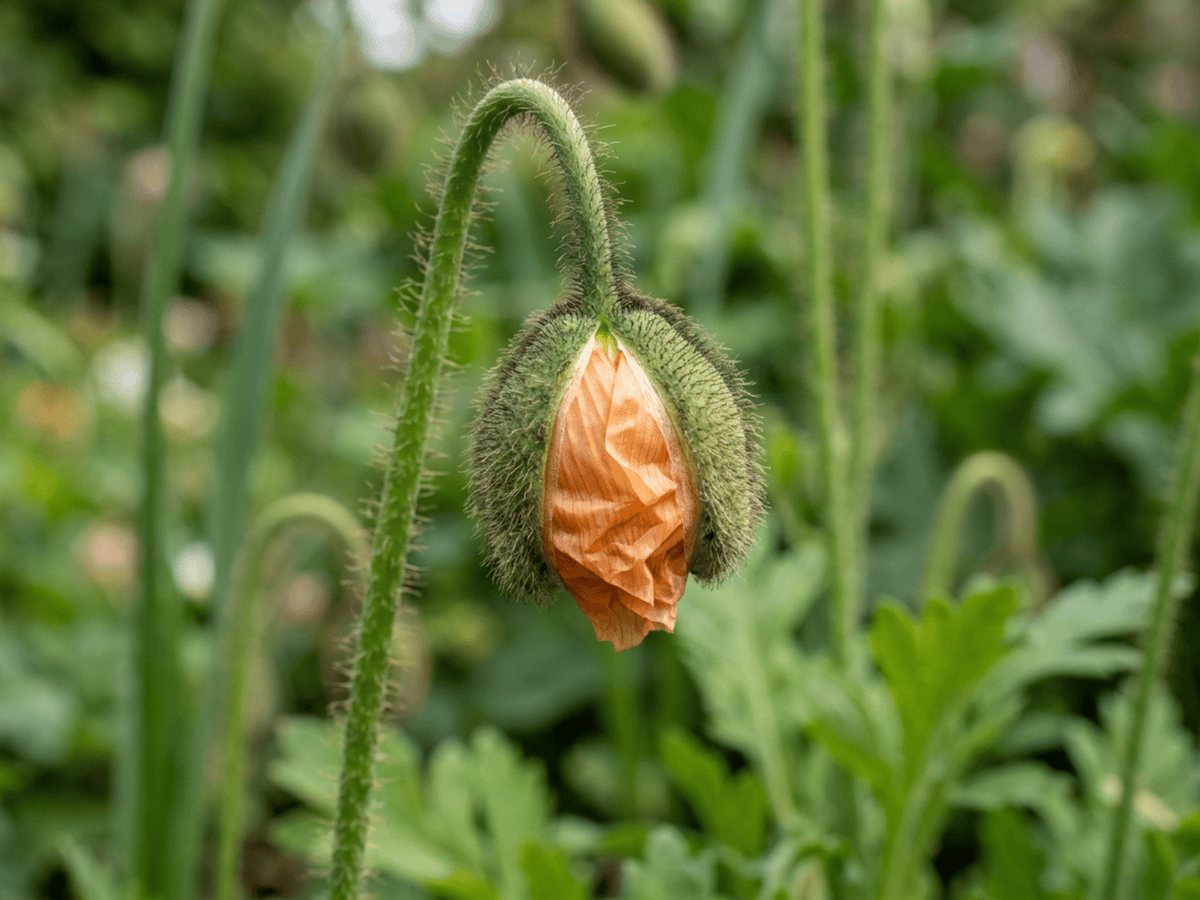
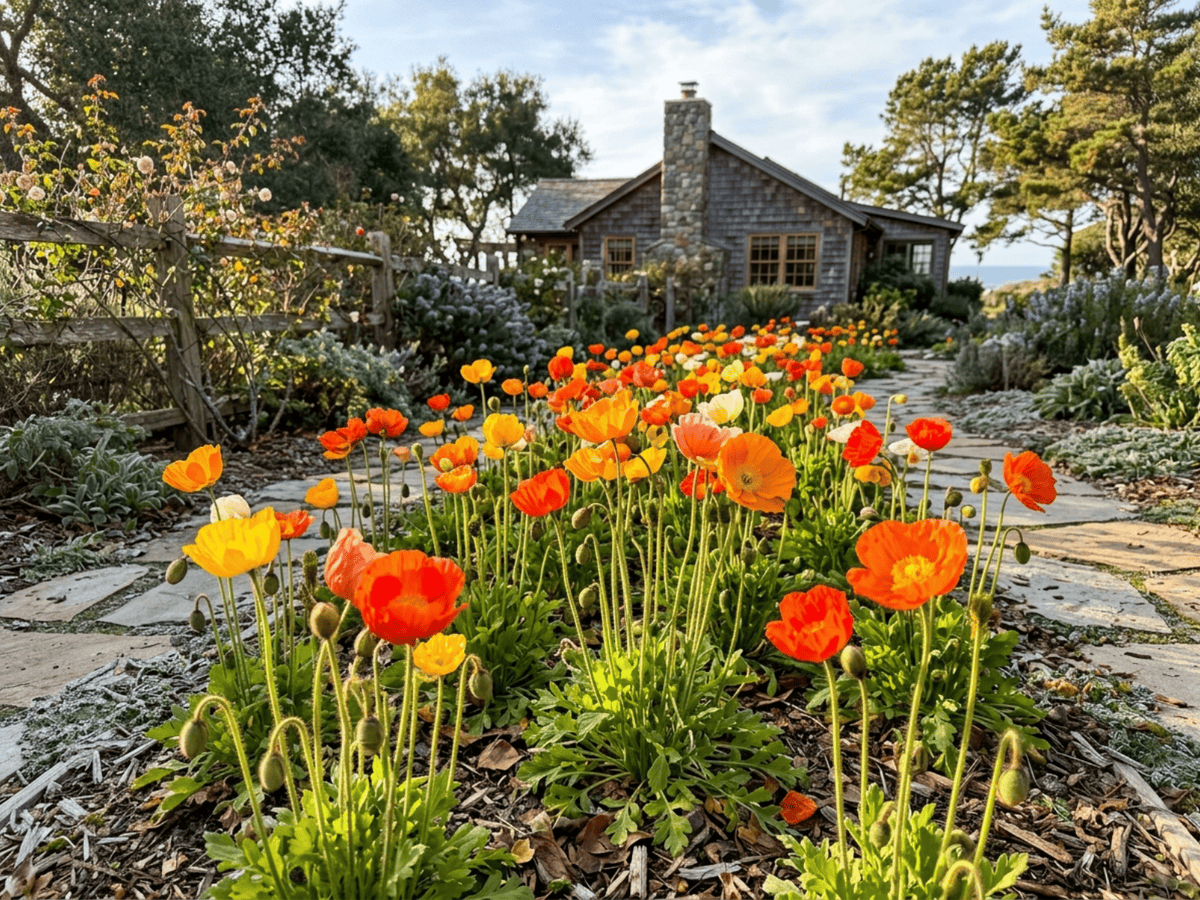
Iceland Poppy is a short-lived perennial grown as an annual across most of the United States, bearing crepe-paper flowers on wiry stems in brilliant white, yellow, orange, pink, and salmon. Native to the subarctic, it thrives in cool weather and is widely planted for spring color in California, the Pacific Northwest, and cold-winter zones, and for winter color in Southern California and the Desert Southwest. Excellent cut flower when harvested in bud.
- Cut-flower
- Cold-hardy
- Pollinator-friendly
How to care for Iceland Poppy
Watering
- Springevery 3 days
- Summerevery 5 days
- Fallevery 5 days
- Winterevery 14 days
Soil · Well-draining
- Top dressingPine bark mulch10%
- Main mixPotting soil + perlite 2:170%
- DrainageLECA / gravel20%
Never skip the drainage layer — standing water is the top cause of root rot.
FERTILIZER
Balanced Feed 14-14-14
An even feed covers all three needs at once, keeping leaves, roots and blooms moving together with nothing pushed out of balance.
- Nitrogen · Leaves
- Phosphorus · Roots + Blooms
- Potassium · Strength
- Springevery 14 days
- Fallevery 14 days
At a Glance
- NativeNorth America
- Height1–2 ft (0.3–0.6 m)
- Spread0.5–1 ft (0.2–0.3 m)
- Flower colorWhite, Cream, Yellow, Orange
- Foliage colorGreen
- SoilLoamy, Well-drained
- LocationsYard · Balcony
Bloom time
BLOOM CYCLE
Peak bloom
Dec–May
Crepe-paper flowers spring or winter
Fragrance
LIGHT FRAGRANCE
The flowers have a faint delicate scent.
Toxicity
Humans Slight · Pets Slight
nudicauline and papaveraceae alkaloids
Slight
- All
- Ingestion
EXPOSURE Eating any part of the plant.
EFFECT Trace alkaloid content and no significant acute toxicity.
NOTE Documented concern for humans: Trace alkaloid content and no significant acute toxicity.
Slight
- All
- Ingestion
EXPOSURE Eating any part of the plant.
EFFECT Mild GI upset.
NOTE ASPCA lists poppies (Papaver) as toxic to dogs, cats, and horses, though Iceland poppy is much less so than opium poppy.
Slight
- All
- Ingestion
EXPOSURE Eating any part of the plant.
EFFECT Same as dogs.
NOTE ASPCA lists poppies (Papaver) as toxic to dogs, cats, and horses, though Iceland poppy is much less so than opium poppy.
Educational information, not medical or veterinary advice. If exposure is suspected, contact a doctor or veterinarian.
DISTRIBUTION

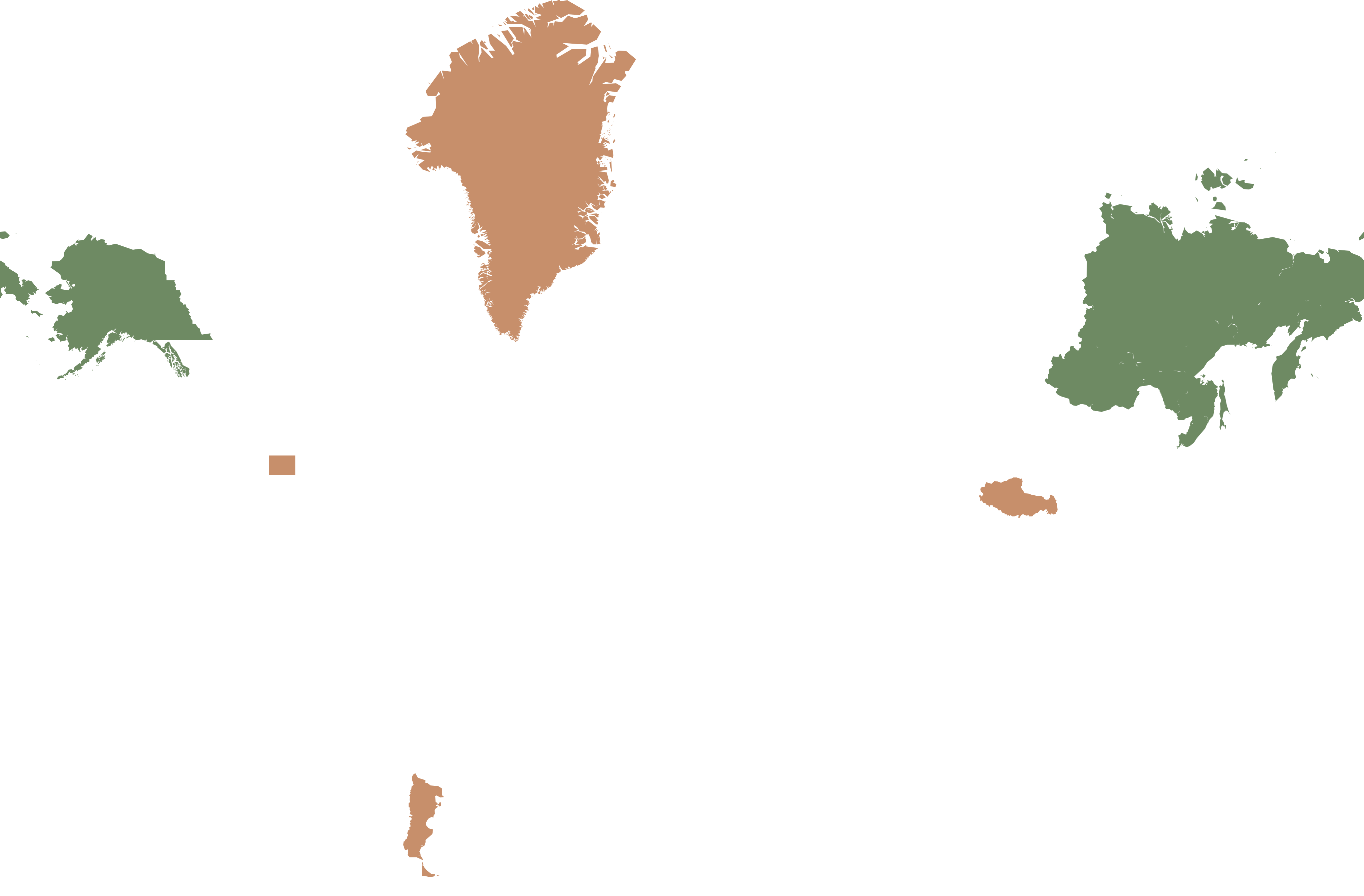
- Native
- Introduced
- North America
History
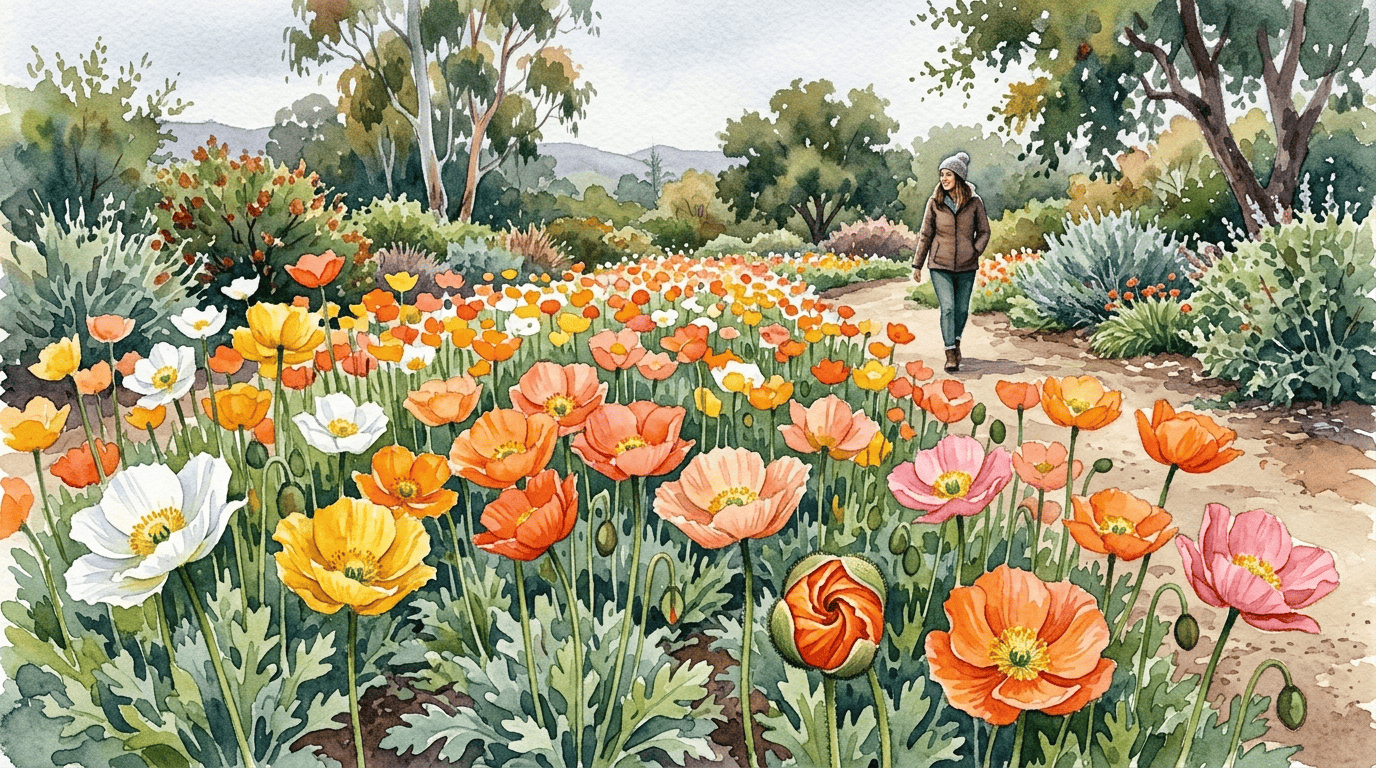
Papaver nudicaule is native to cold-temperate and subarctic regions across the Northern Hemisphere — including parts of Iceland (hence the common name, though the plant is not exclusively or even primarily Icelandic), northern Europe, northern Asia from Siberia east, and arctic and subarctic North America. It grows in rocky open ground, screes, tundra, and high-alpine meadows. The species epithet "nudicaule" means "naked-stemmed," referring to the leafless flower stalks that rise 30-45 cm from a basal rosette of pinnate gray-green foliage. In cultivation it is a short-lived perennial typically treated as a cool-season biennial or annual bedding plant.
The plants produce exquisite crepe-paper-textured single flowers 6-10 cm across in pure white, cream, lemon-yellow, gold, bright orange, salmon, peach, coral, pink, and red — a range of warm colors unavailable in any other garden poppy at this flower size. The flowers are a major commercial cut-flower crop — Japanese and Chinese commercial growers produce huge volumes in autumn-to-spring greenhouse conditions for export to the cut-flower market. Popular bedding cultivars include the "Champagne Bubbles" series (Burpee selections with large pastel flowers), "Meadow Pastels," "Garden Gnome" (dwarf), and "Wonderland."
The species is heat-intolerant and grown as a cool-season annual everywhere except true alpine and subarctic climates; in hot-summer regions it is sown in autumn for spring bloom. It became a signature winter bedding plant in Southern California and Phoenix-area public landscapes, and modern Colibri and Champagne Bubbles series dominate US cutting-garden production.
Symbolism & meaning
What It Symbolizes
Iceland Poppy can symbolize success, its radiant yellows, oranges and pinks signalling triumphant arrival in the cold-climate spring border. Another layer is imagination, for the crepe-paper petals seem almost too delicate to be real, evoking a fantasy more than a flower. In the language of poppies, nudicaule is the cheerful achiever, blooming where most poppies will not survive and turning hardiness itself into something extravagant and lightly fantastical.
- Success — radiant color signifies achievement
- Imagination — crepe-paper petals evoke fantasy
Where the Name Comes From
Genus from Latin 'papaver' (poppy); 'nudicaule' means 'naked-stemmed' for the leafless flower stalks.
Uses & Fun Facts
- Iceland poppy stems seared and used in spring bouquets
- Crepe-paper poppy bowls attract early-season foraging bumblebees
- Pastel poppies brighten cool-season patio planters
Related plants
More Papaver plants
 Welsh PoppyPapaver cambricum
 Oriental PoppyPapaver orientale
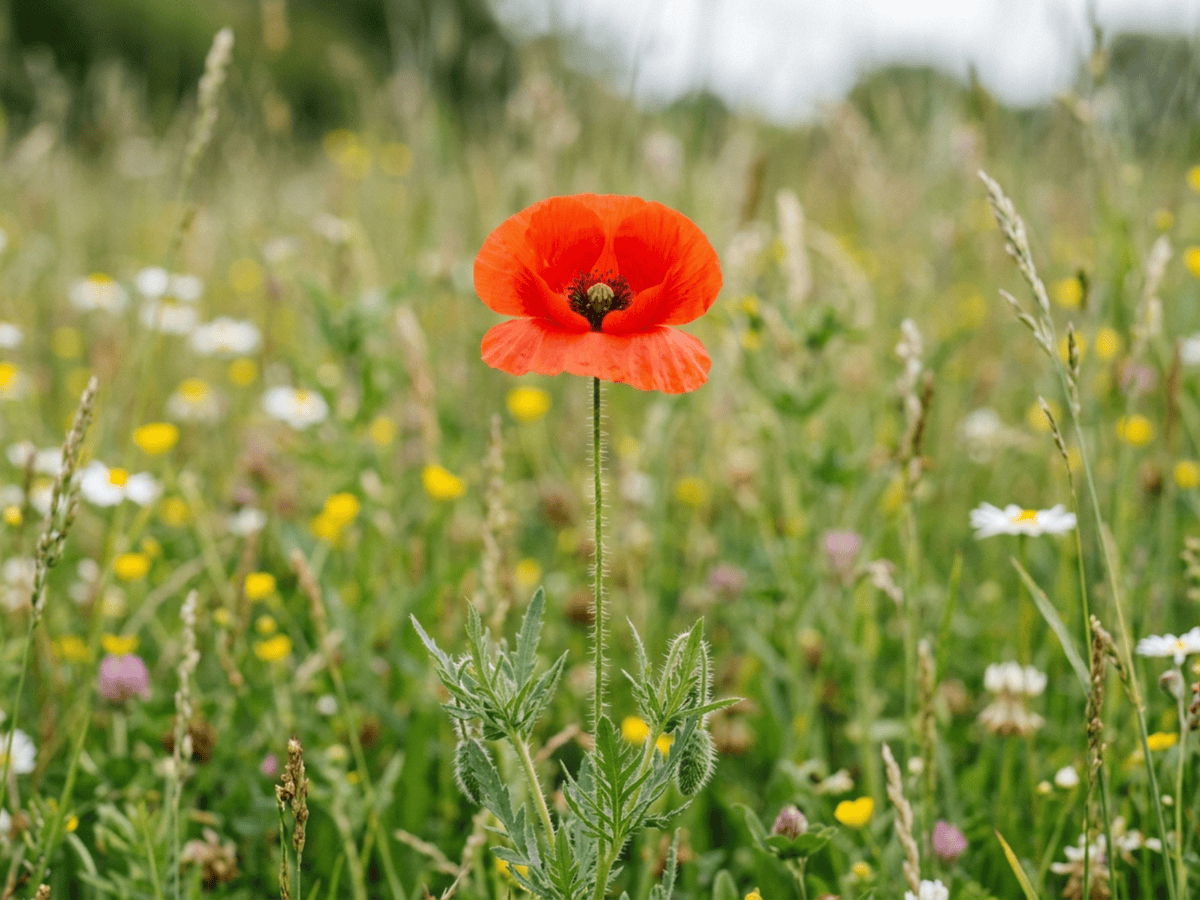 Common PoppyPapaver rhoeas
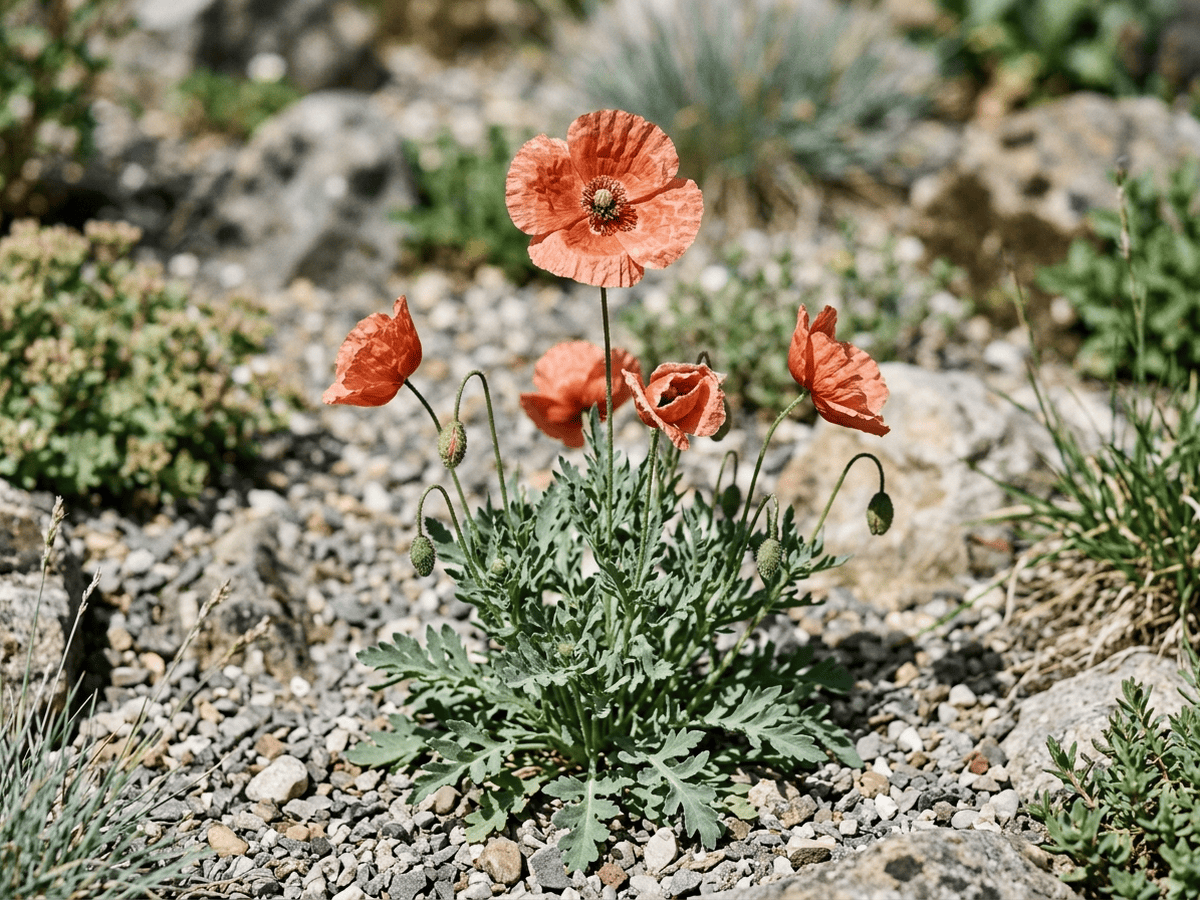 Spanish PoppyPapaver rupifragum
Plants with similar care
 Mexican AbeliaAbelia floribunda
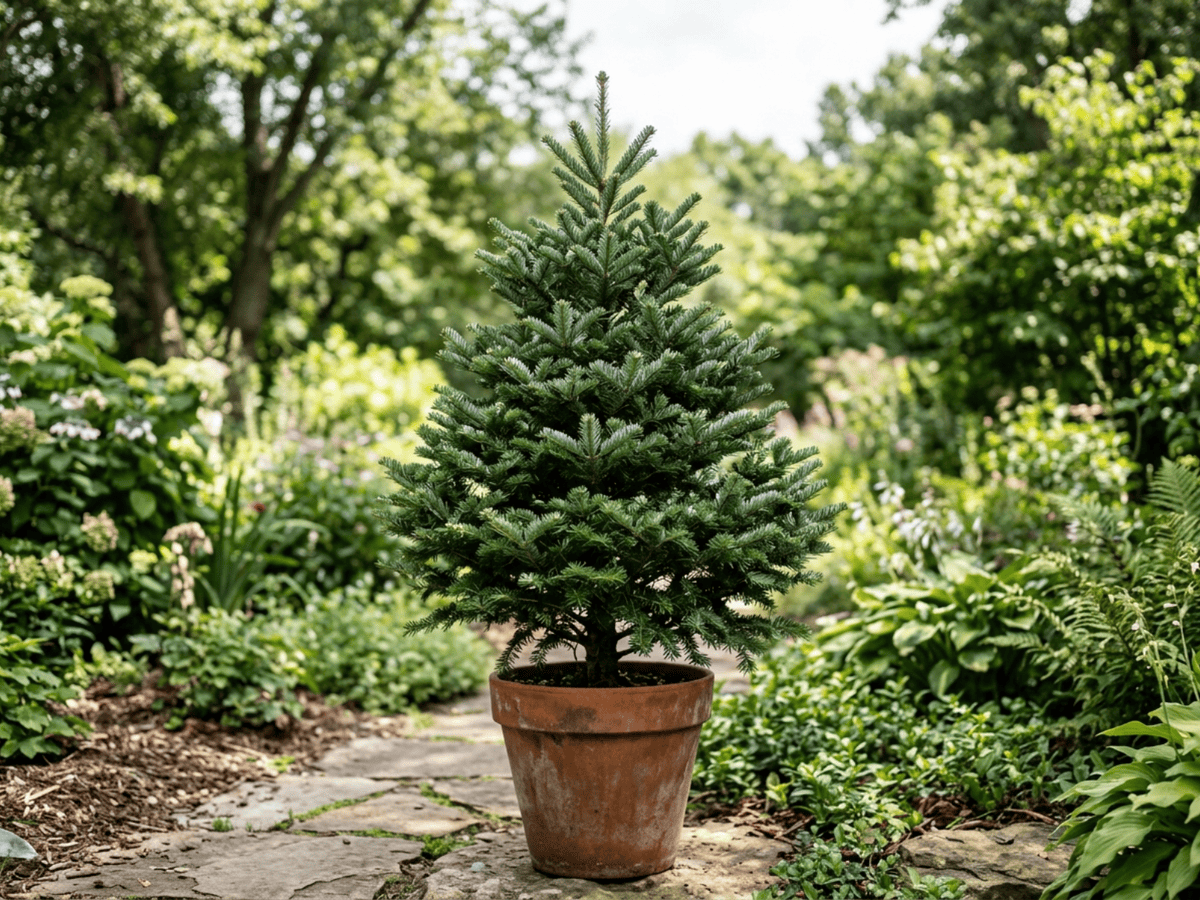 Fraser FirAbies fraseri
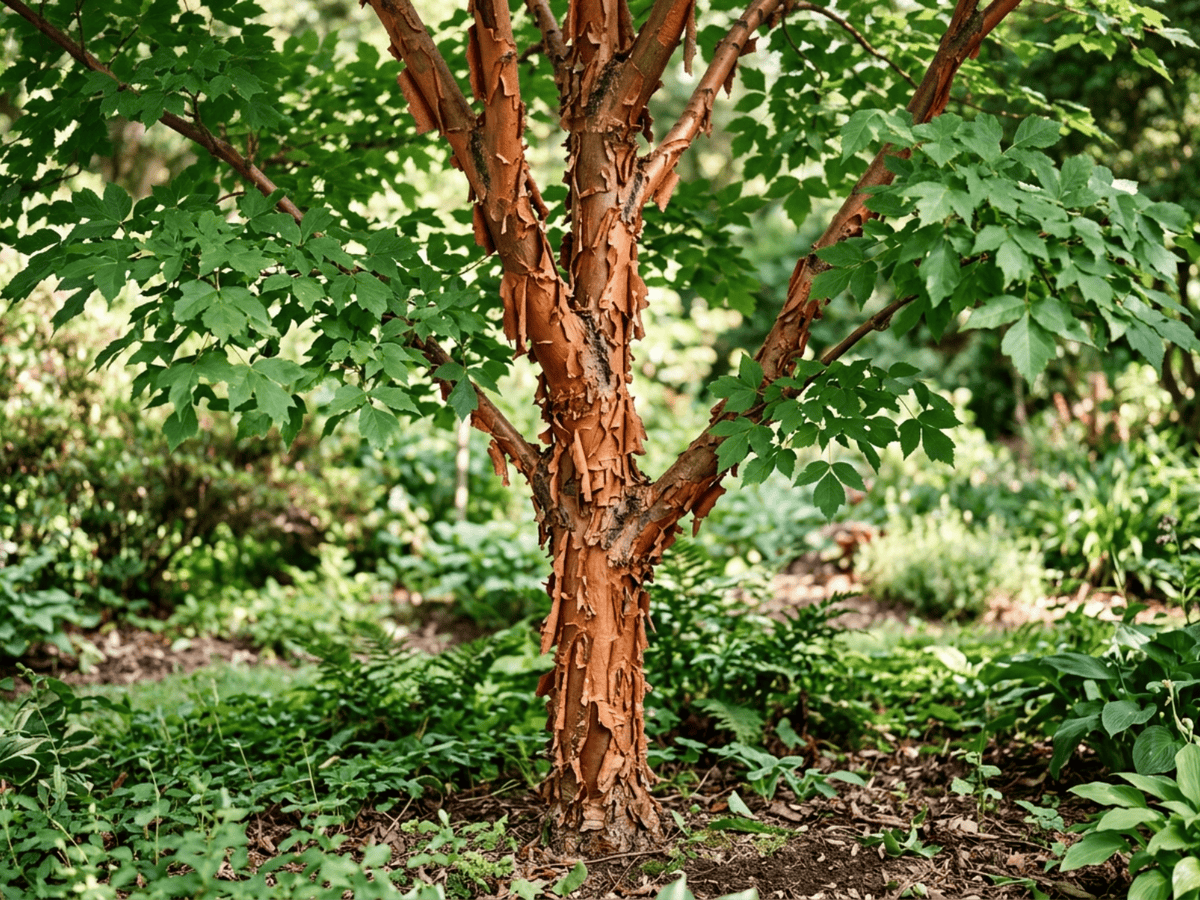 Paperbark MapleAcer griseum
 Sugar MapleAcer saccharum
Frequently asked questions
How often should I water Iceland Poppy?
In summer, water about every 5 days; in winter, about every 14 days. Adjust for heat, pot size and drainage.
How much light does Iceland Poppy need?
Full sun: 6+ hrs direct. Watch the leaves — scorching or stretching means the light needs adjusting.
Is Iceland Poppy toxic to cats or dogs?
Pets Slight (Dogs Slight · Cats Slight) Educational information, not medical or veterinary advice. If exposure is suspected, contact a doctor or veterinarian.
Is Iceland Poppy easy to grow?
It is moderately demanding: a good choice once you have a little experience.
When does Iceland Poppy bloom?
It typically blooms Dec–May in the Northern Hemisphere.
YardMate
Identify any plant in seconds
Snap a photo — YardMate names the plant, diagnoses problems, and reminds you when to water.
Download on the App Store