 YardMate


Engelmann Spruce
Picea engelmannii
Medium · Some experienceAbout Engelmann Spruce
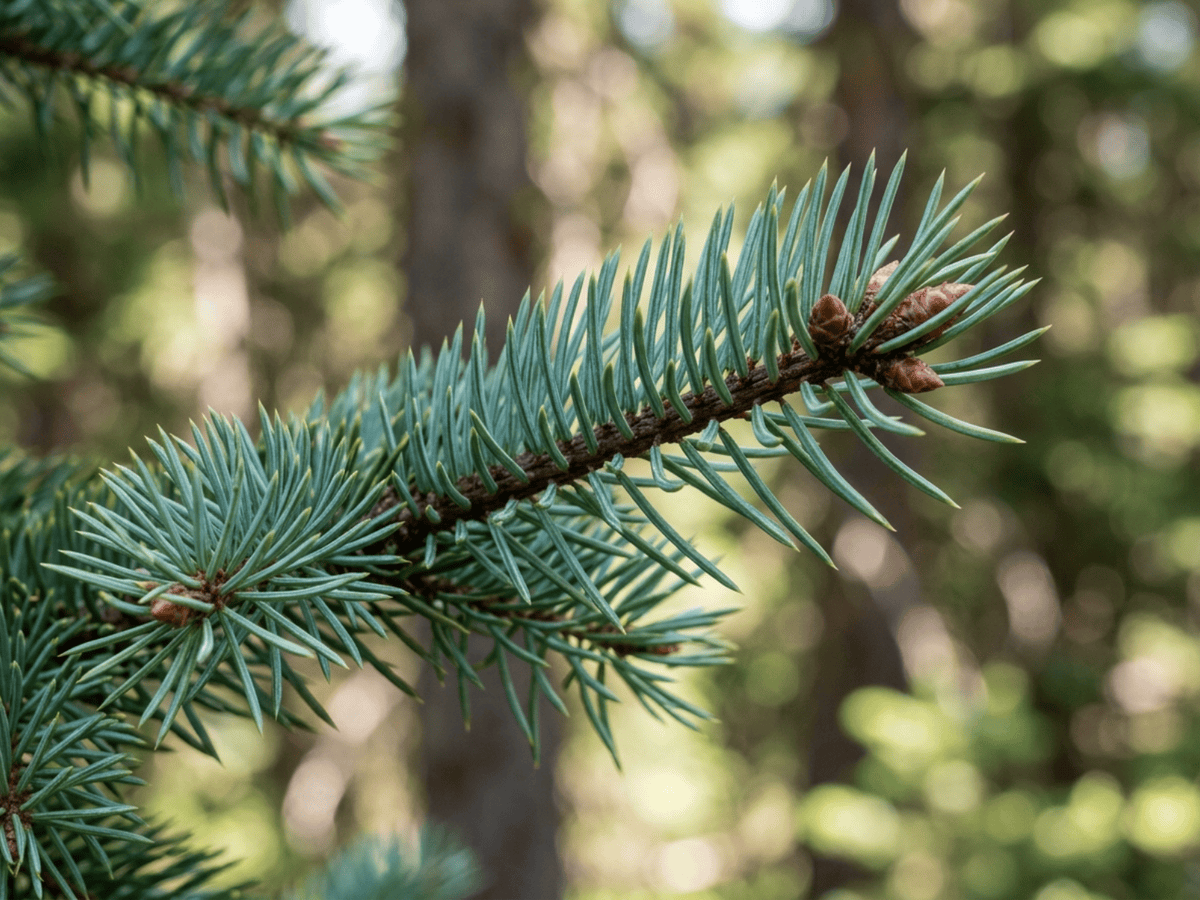
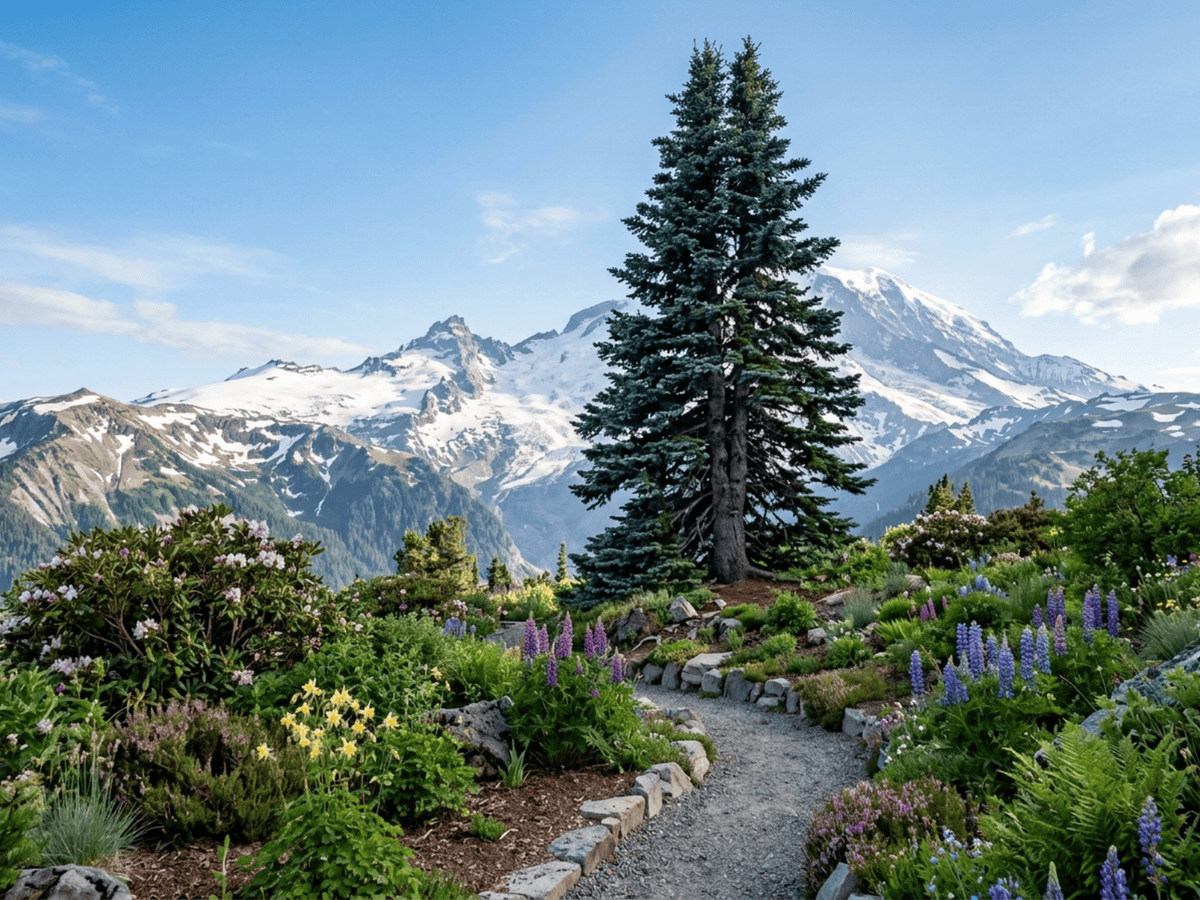
Engelmann Spruce is a stately conifer native to the Rocky Mountains from British Columbia to New Mexico, reaching 80-100 feet at high elevations. Blue-green needles and slender pyramidal form make it one of the most ornamental native spruces. Together with subalpine fir, it dominates high-elevation forests of the American West. Ideal for mountain gardens and cold zones where its hardiness and beauty are unmatched.
- Cold-hardy
- Evergreen
- Native
How to care for Engelmann Spruce
Watering
- Springevery 14 days
- Summerevery 10 days
- Fallevery 14 days
- Winterevery 30 days
Soil · Well-draining
- Top dressingPine bark mulch10%
- Main mixPotting soil + perlite 2:170%
- DrainageLECA / gravel20%
Never skip the drainage layer — standing water is the top cause of root rot.
FERTILIZER
Balanced Feed 14-14-14
An even feed covers all three needs at once, keeping leaves, roots and blooms moving together with nothing pushed out of balance.
- Nitrogen · Leaves
- Phosphorus · Roots + Blooms
- Potassium · Strength
- Springevery 60 days
At a Glance
- NativeNorth America
- Height80–130 ft (24.4–39.6 m)
- Spread15–25 ft (4.6–7.6 m)
- Flower colorRed, Purple
- Foliage colorBlue-green, Silver
- Fruit colorBrown
- SoilLoamy, Moisture-retentive, Acidic
- LocationsYard
Bloom time
BLOOM CYCLE
Peak bloom
Mar–May
Purple male cones in spring
Fragrance
MODERATE FRAGRANCE
Resinous spruce scent, somewhat pungent when crushed.
Toxicity
No toxicity has been reported for this plant. Still, it is wise to keep pets from chewing on any houseplant.
Educational information, not medical or veterinary advice. If exposure is suspected, contact a doctor or veterinarian.
DISTRIBUTION


- Native
- Introduced
- North America
History

Picea engelmannii occupies the high-elevation subalpine zone of the western mountains of North America, from central British Columbia and Alberta south through the Rocky Mountains, Cascades, and Sierra Nevada into Arizona, New Mexico, and northern Mexico, typically between 900 and 3700 meters. American physician-botanist Charles Christopher Parry collected the first specimens in Colorado in 1861, and German-American botanist George Engelmann described the species in 1863—Parry named it in honor of Engelmann, who was a leading plant taxonomist based in St. Louis. Engelmann spruce is a long-lived timber species (specimens over 500 years old are documented) yielding straight-grained, light, resonant wood highly valued for musical instrument soundboards—many premium acoustic guitars, violins, and piano soundboards are crafted from Engelmann spruce, prized alongside European P. abies and Sitka spruce (P. sitchensis).
The species often hybridizes with white spruce (P. glauca) in zones of overlap, producing introgressed populations sometimes called P. x albertiana. In cultivation it is slow and narrow-columnar.
Ancient specimens in Colorado have been dated at over 800 years.
Symbolism & meaning
What It Symbolizes
Engelmann spruce is majesty at altitude — the signature conifer of the Rocky Mountain subalpine, straight-trunked and silver-blue, marching up to timberline in dense ranks. Its second life is musical: as premier tonewood, its slow-grown wood becomes the soundboards of fine guitars and pianos, lending resonance to instruments around the world. Mountain silence and concert hall both pass through the same tree.
- Majesty — signature Rocky Mountain conifer
- Resonance — premier tonewood for instruments
Where the Name Comes From
Named for German-American botanist George Engelmann (1809-1884).
Uses & Fun Facts
- Tall narrow blue-green spire as Rocky Mountain garden focal point
- Light strong wood used for piano sounding boards and aircraft
- Subalpine evergreen provides cover and seed for forest wildlife
Related plants
More Picea plants
 Norway SprucePicea abies
 White SprucePicea glauca
 Serbian SprucePicea omorika
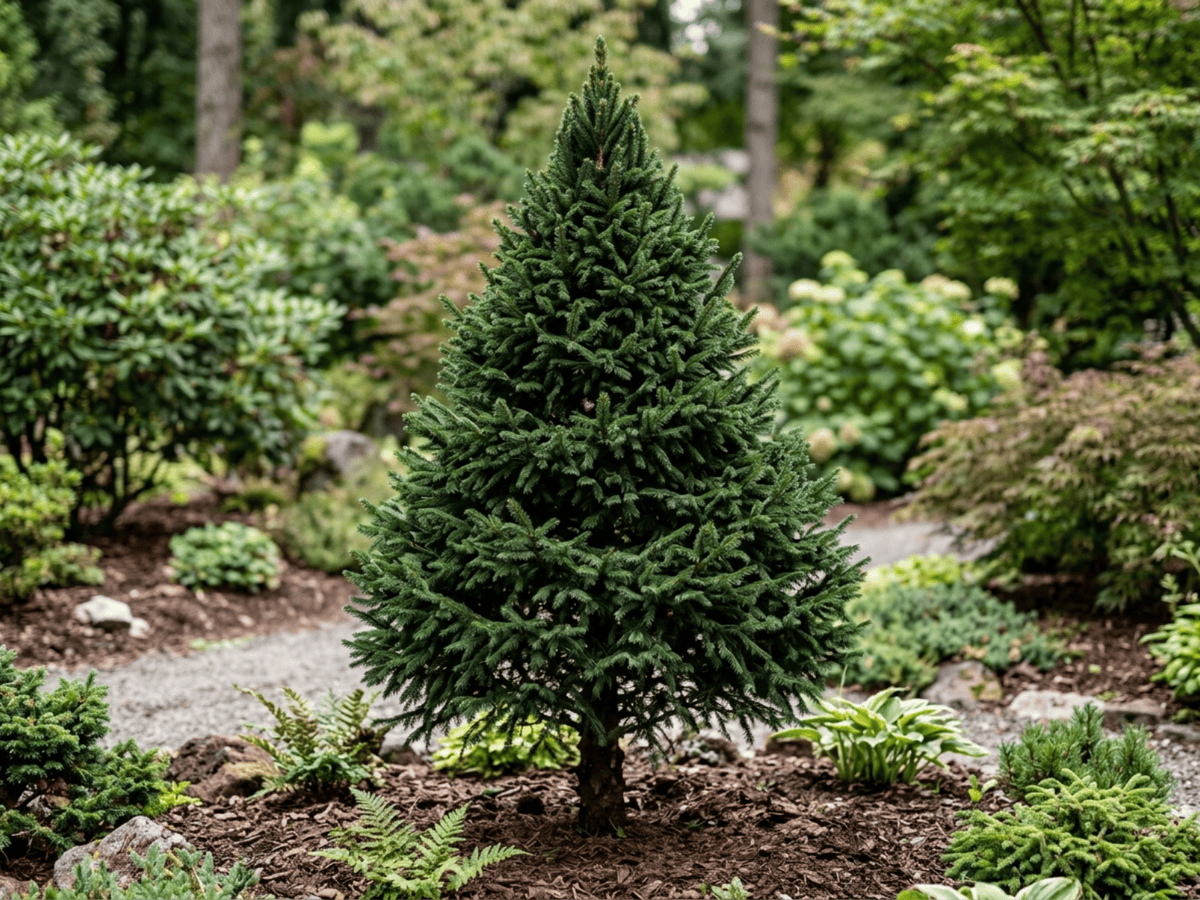 Oriental SprucePicea orientalis
Plants with similar care
 Mexican AbeliaAbelia floribunda
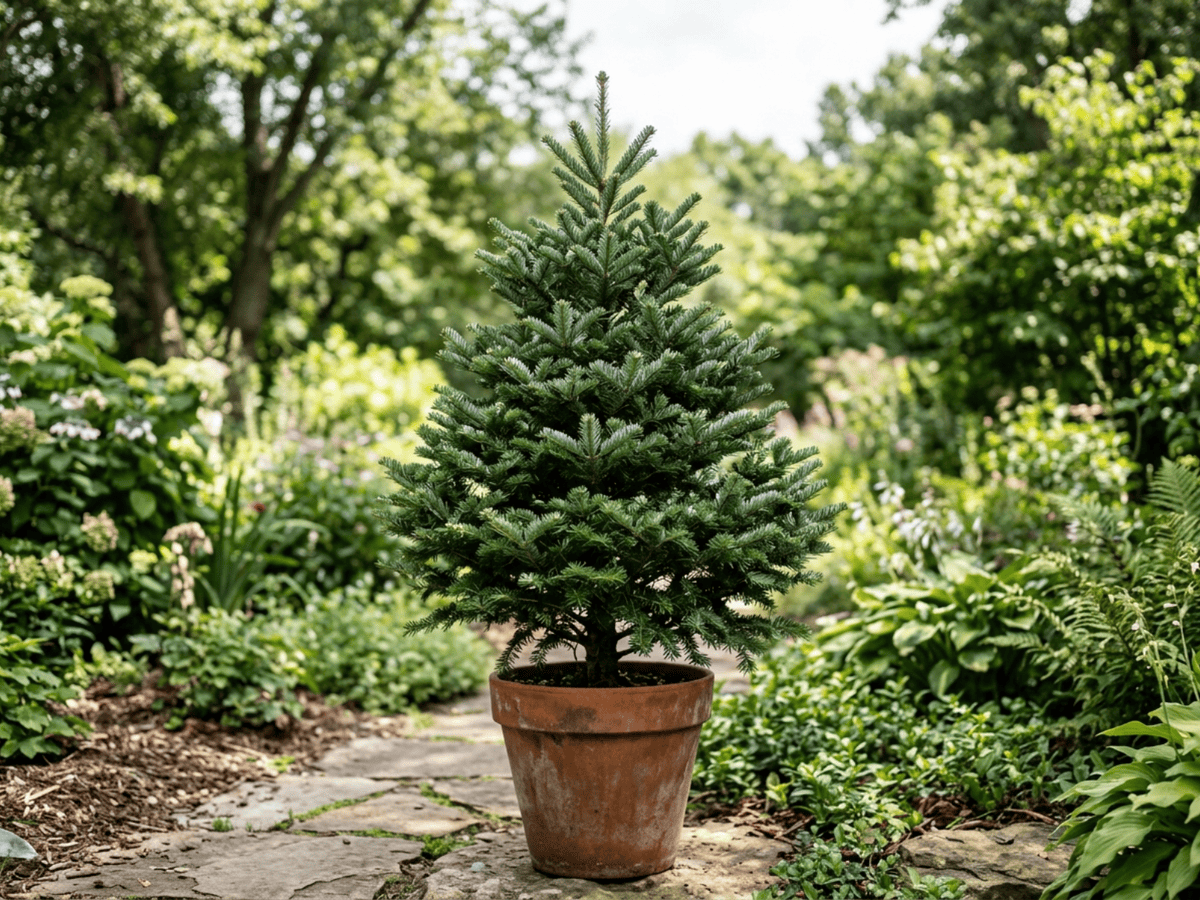 Fraser FirAbies fraseri
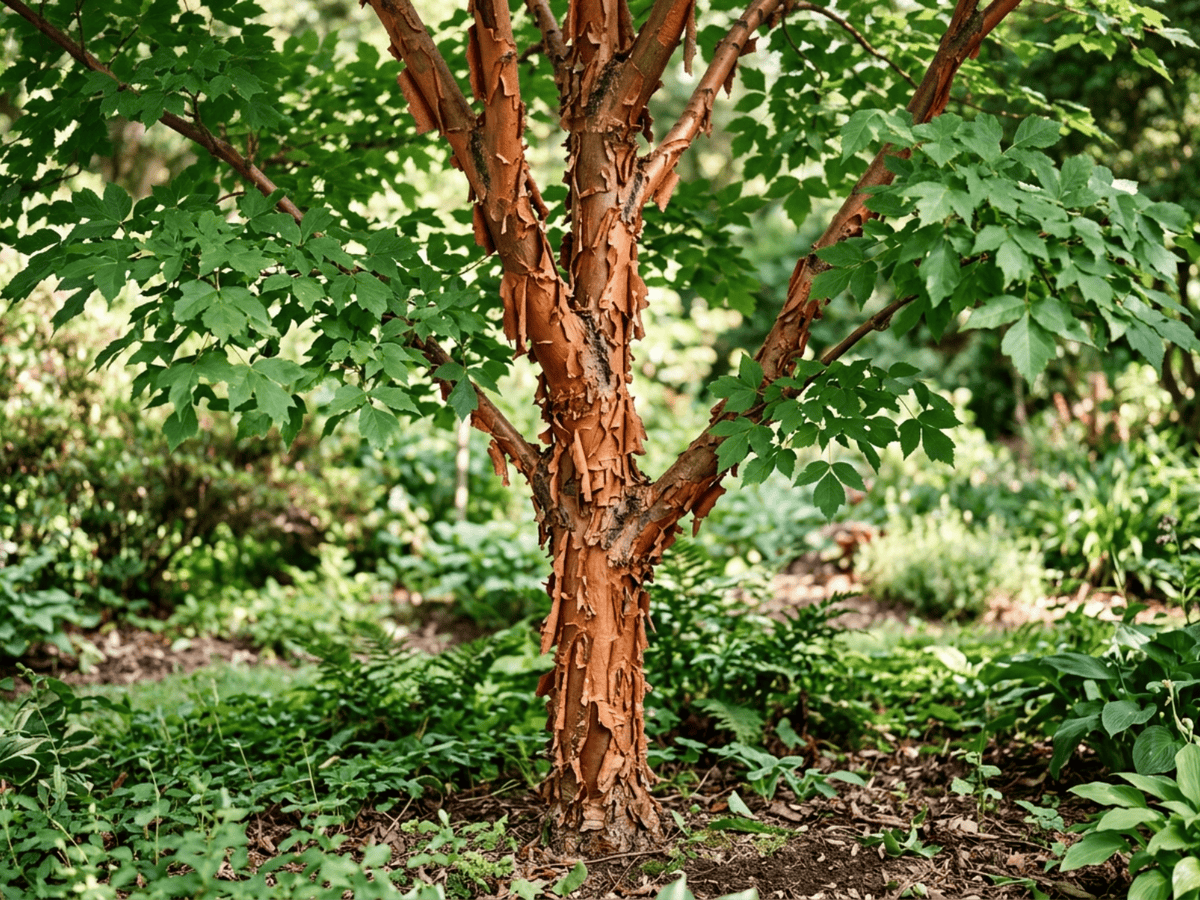 Paperbark MapleAcer griseum
 Sugar MapleAcer saccharum
Frequently asked questions
How often should I water Engelmann Spruce?
In summer, water about every 10 days; in winter, about every 30 days. Adjust for heat, pot size and drainage.
How much light does Engelmann Spruce need?
Full sun: 6+ hrs direct. Watch the leaves — scorching or stretching means the light needs adjusting.
Is Engelmann Spruce toxic to cats or dogs?
No toxicity has been reported for this plant. Still, it is wise to keep pets from chewing on any houseplant. Educational information, not medical or veterinary advice. If exposure is suspected, contact a doctor or veterinarian.
Is Engelmann Spruce easy to grow?
It is moderately demanding: a good choice once you have a little experience.
When does Engelmann Spruce bloom?
It typically blooms Mar–May in the Northern Hemisphere.
YardMate
Identify any plant in seconds
Snap a photo — YardMate names the plant, diagnoses problems, and reminds you when to water.
Download on the App Store