 YardMate

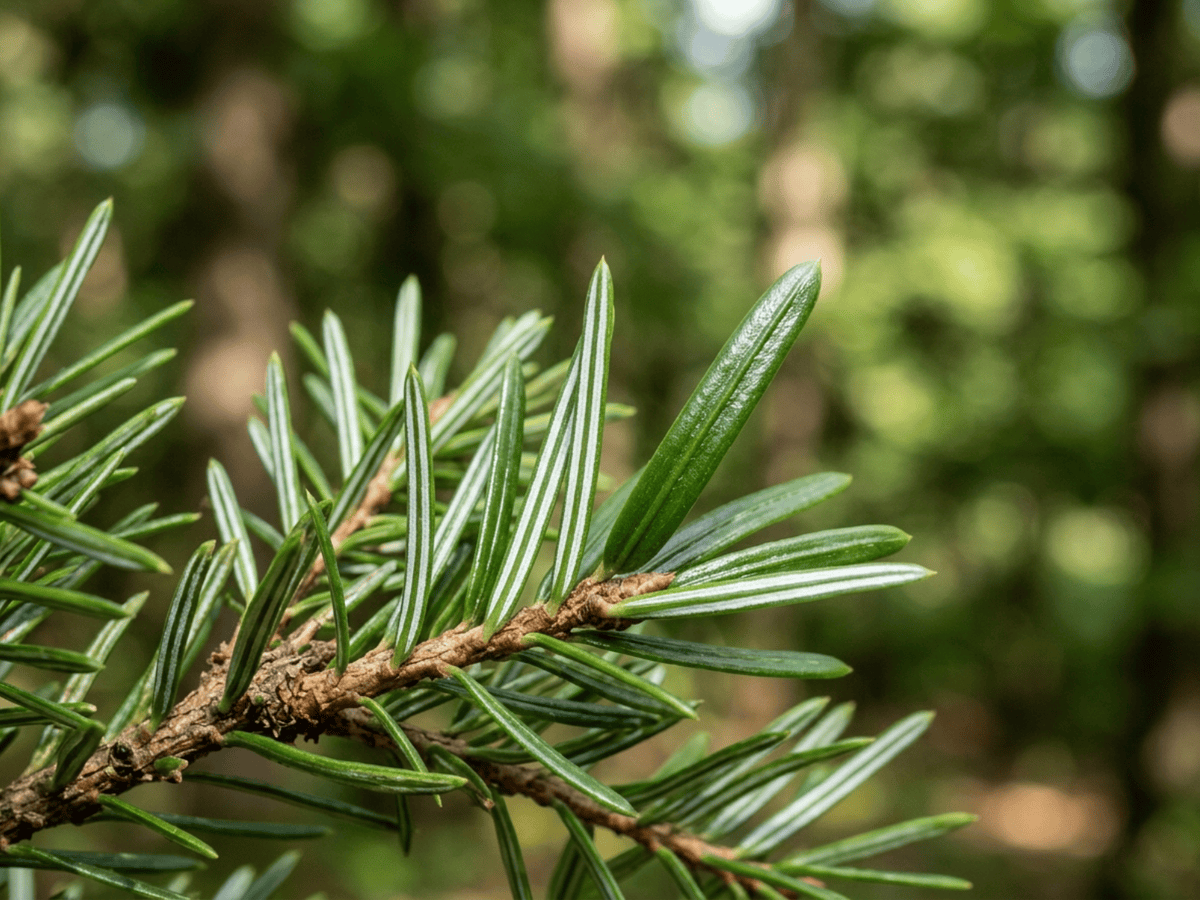


Serbian Spruce
Picea omorika
Easy · Beginner friendlyAbout Serbian Spruce
Serbian Spruce is an elegantly narrow conifer native to a tiny area of the Drina River valley in Serbia and Bosnia, reaching 50-80 feet with a striking spire-like silhouette only 10-20 feet wide. Dark green needles with bright silver undersides flutter in wind. Tolerant of urban pollution, heat, and alkaline soils where other spruces fail. A perfect narrow evergreen specimen for tight US landscapes.
- Cold-hardy
- Evergreen
How to care for Serbian Spruce
Watering
- Springevery 14 days
- Summerevery 10 days
- Fallevery 14 days
- Winterevery 30 days
Soil · Well-draining
- Top dressingPine bark mulch10%
- Main mixPotting soil + perlite 2:170%
- DrainageLECA / gravel20%
Never skip the drainage layer — standing water is the top cause of root rot.
FERTILIZER
Balanced Feed 14-14-14
An even feed covers all three needs at once, keeping leaves, roots and blooms moving together with nothing pushed out of balance.
- Nitrogen · Leaves
- Phosphorus · Roots + Blooms
- Potassium · Strength
- Springevery 60 days
At a Glance
- NativeEurope
- Height50–60 ft (15.2–18.3 m)
- Spread15–20 ft (4.6–6.1 m)
- Flower colorRed, Purple
- Foliage colorGreen, Silver
- Fruit colorPurple, Brown
- SoilLoamy, Well-drained, Acidic
- LocationsYard
Bloom time
BLOOM CYCLE
Purple male cones in spring
Fragrance
MODERATE FRAGRANCE
The foliage has a sweet resinous spruce scent.
Toxicity
No toxicity has been reported for this plant. Still, it is wise to keep pets from chewing on any houseplant.
Educational information, not medical or veterinary advice. If exposure is suspected, contact a doctor or veterinarian.
DISTRIBUTION


- Native
- Introduced
- Europe
History

Picea omorika is a Tertiary relict restricted to a small area of limestone cliffs along the Drina River valley on the border of Serbia and Bosnia-Herzegovina, covering roughly 60 hectares of wild populations. Serbian botanist Josif Pančić first recognized the species as distinct in 1855 and described it formally in 1876, naming it with the local Serbian vernacular name omorika (оморика, meaning spruce). The species survived Pleistocene glaciations in this restricted Balkan refugium and is considered a living fossil—pollen records show its ancestors were once widespread across Europe.
In cultivation since the late 19th century, it has proven remarkably adaptable to urban conditions, air pollution, and varied soils, with a distinctive narrow columnar habit (only 3-5 m wide at maturity), drooping secondary branches, and bicolored needles (dark green above, silver-blue below). These traits have made it one of the most widely planted ornamental spruces in Europe and North America. Considered a living fossil—a glacial relict surviving in a tiny region of the Balkans since before the last ice age.
Introduced to Western horticulture in 1881. Now considered endangered in the wild with fewer than 60 natural stands. In its native range it is classified as Endangered by the IUCN.
Symbolism & meaning
What It Symbolizes
Serbian Spruce carries distinction in its strikingly narrow, spire-like silhouette, instantly recognizable among conifers. Paired with survival, it is a Balkan glacial relict — a species that outlasted ice ages tucked into a few sheltered Drina River canyons. To grow it is to keep a small, elegant survivor of deep climate history standing in the modern garden.
- Distinction — striking narrow spire silhouette
- Survival — Balkan glacial relict species
Where the Name Comes From
'Omorika' is the Serbian name for the tree, preserved in the scientific name.
Uses & Fun Facts
- Slender Serbian spruce with drooping branches as elegant evergreen accent
- Narrow columnar habit fits tight urban and suburban yards
Related plants
More Picea plants
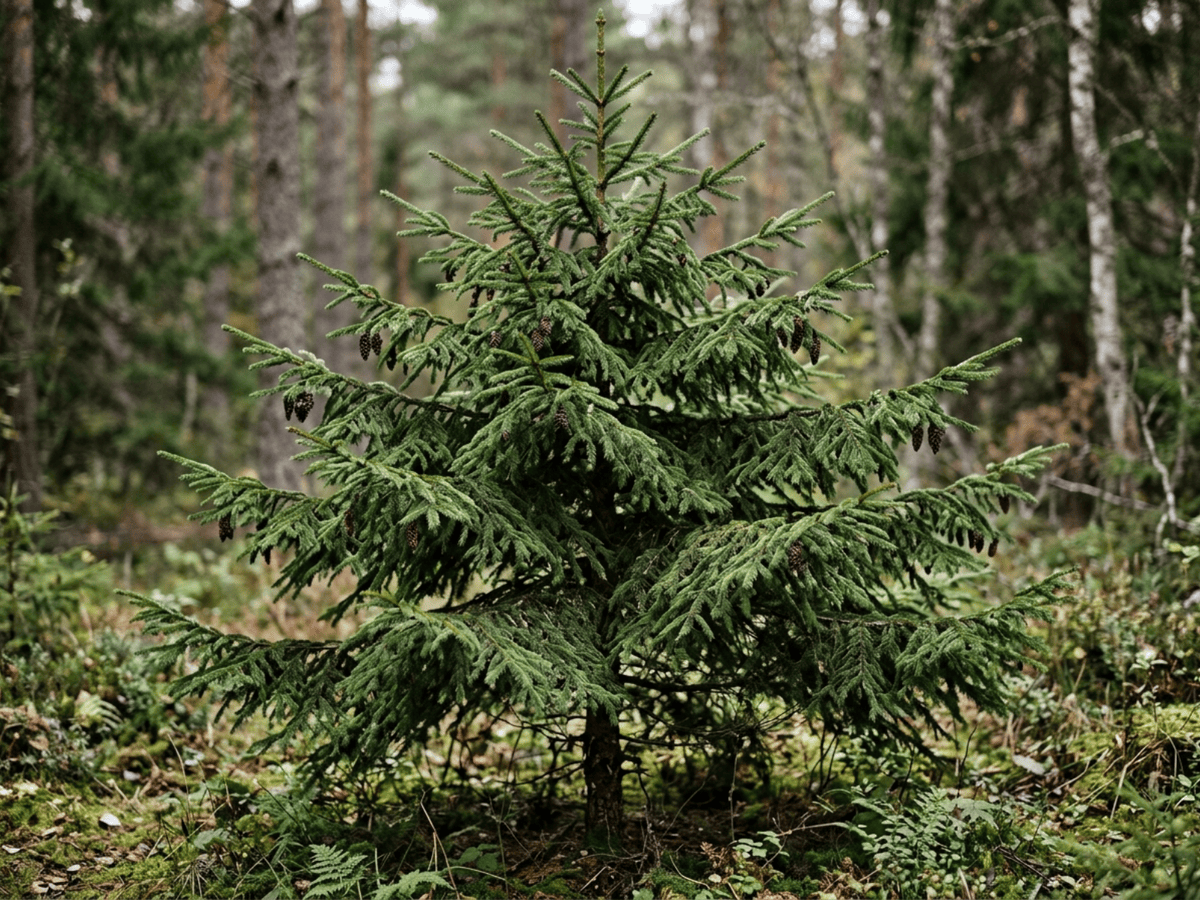 Norway SprucePicea abies
 Engelmann SprucePicea engelmannii
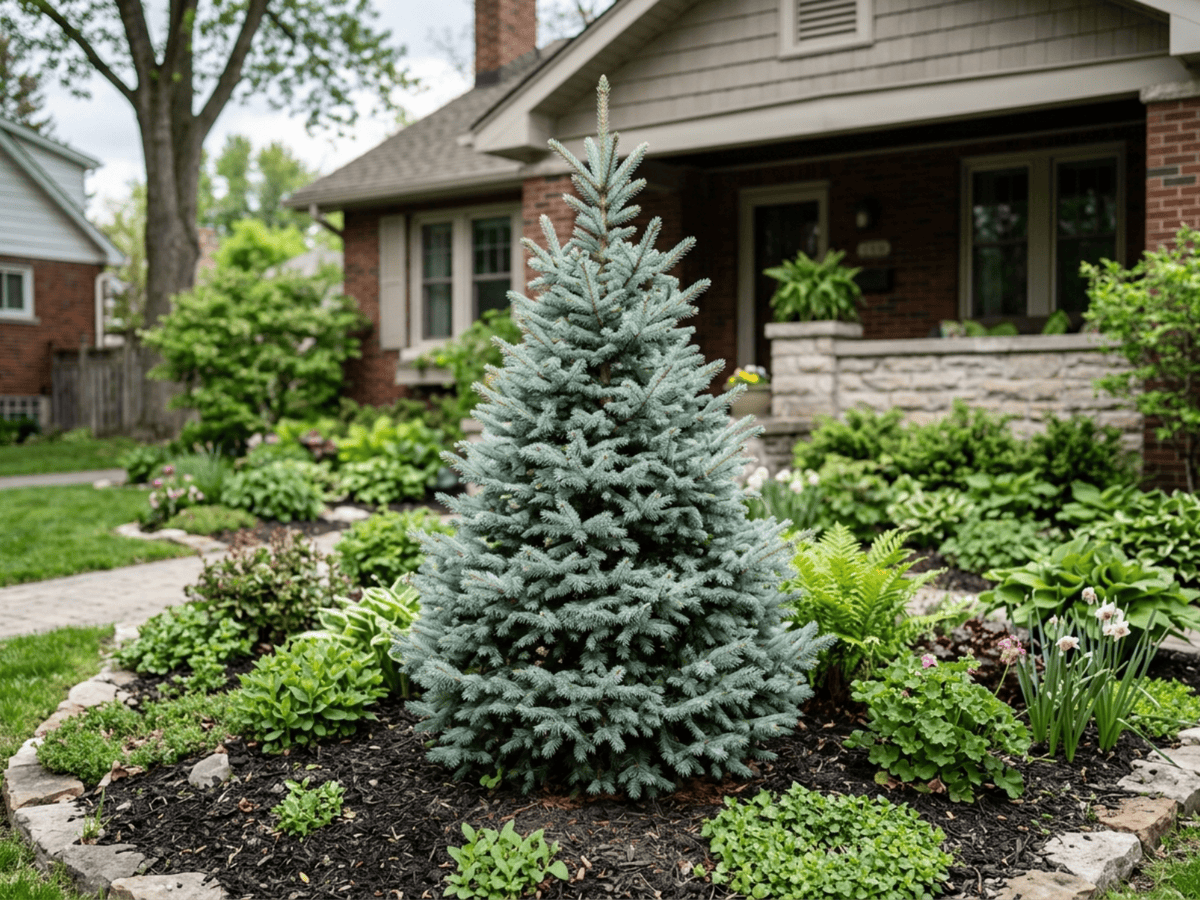 White SprucePicea glauca
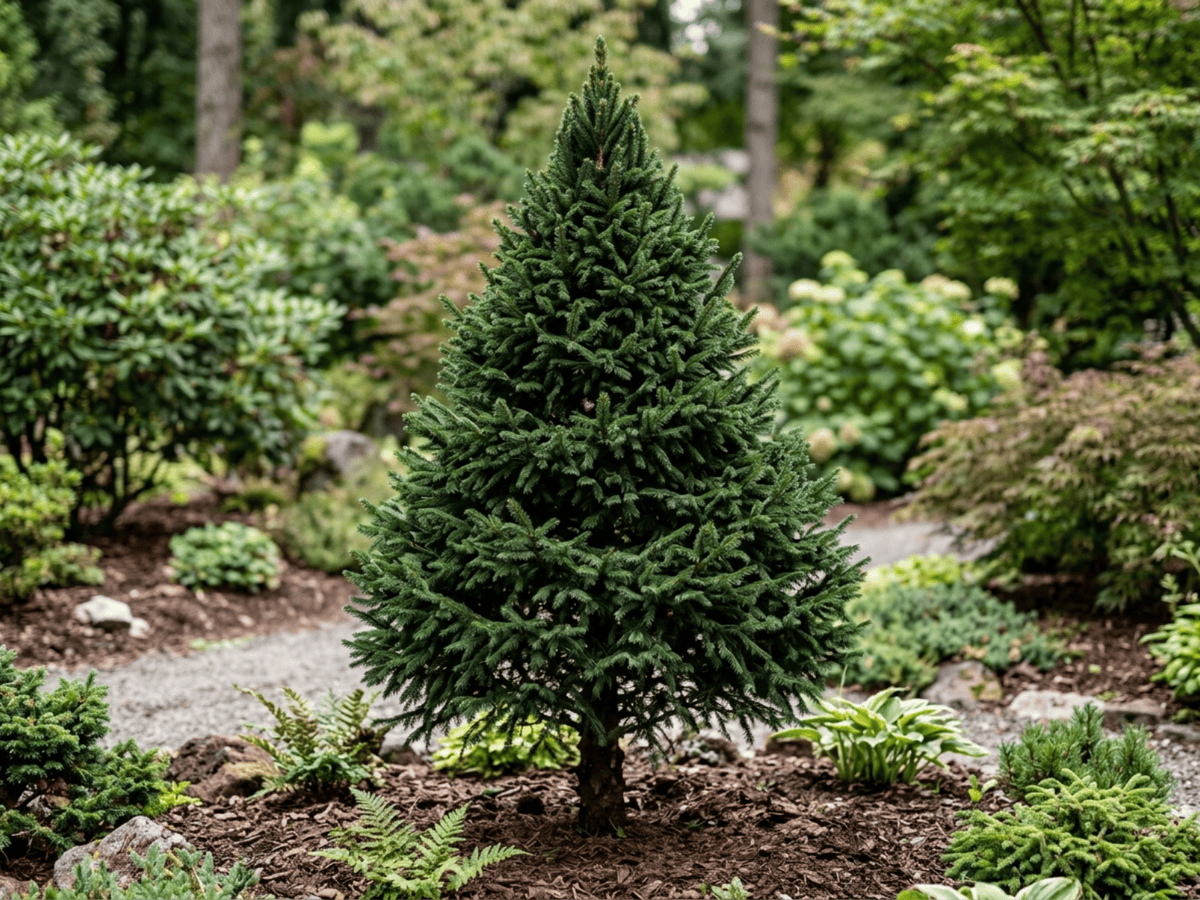 Oriental SprucePicea orientalis
Plants with similar care
 Chinese AbeliaAbelia chinensis
 Fragrant AbeliaAbelia mosanensis
 Large-Flowered AbeliaAbelia uniflora
 Glossy AbeliaAbelia x grandiflora
Frequently asked questions
How often should I water Serbian Spruce?
In summer, water about every 10 days; in winter, about every 30 days. Adjust for heat, pot size and drainage.
How much light does Serbian Spruce need?
Full sun: 6+ hrs direct. Watch the leaves — scorching or stretching means the light needs adjusting.
Is Serbian Spruce toxic to cats or dogs?
No toxicity has been reported for this plant. Still, it is wise to keep pets from chewing on any houseplant. Educational information, not medical or veterinary advice. If exposure is suspected, contact a doctor or veterinarian.
Is Serbian Spruce easy to grow?
Yes — it is considered an easy, beginner-friendly plant.
YardMate
Identify any plant in seconds
Snap a photo — YardMate names the plant, diagnoses problems, and reminds you when to water.
Download on the App Store