 YardMate


Oriental Spruce
Picea orientalis
Easy · Beginner friendlyAbout Oriental Spruce
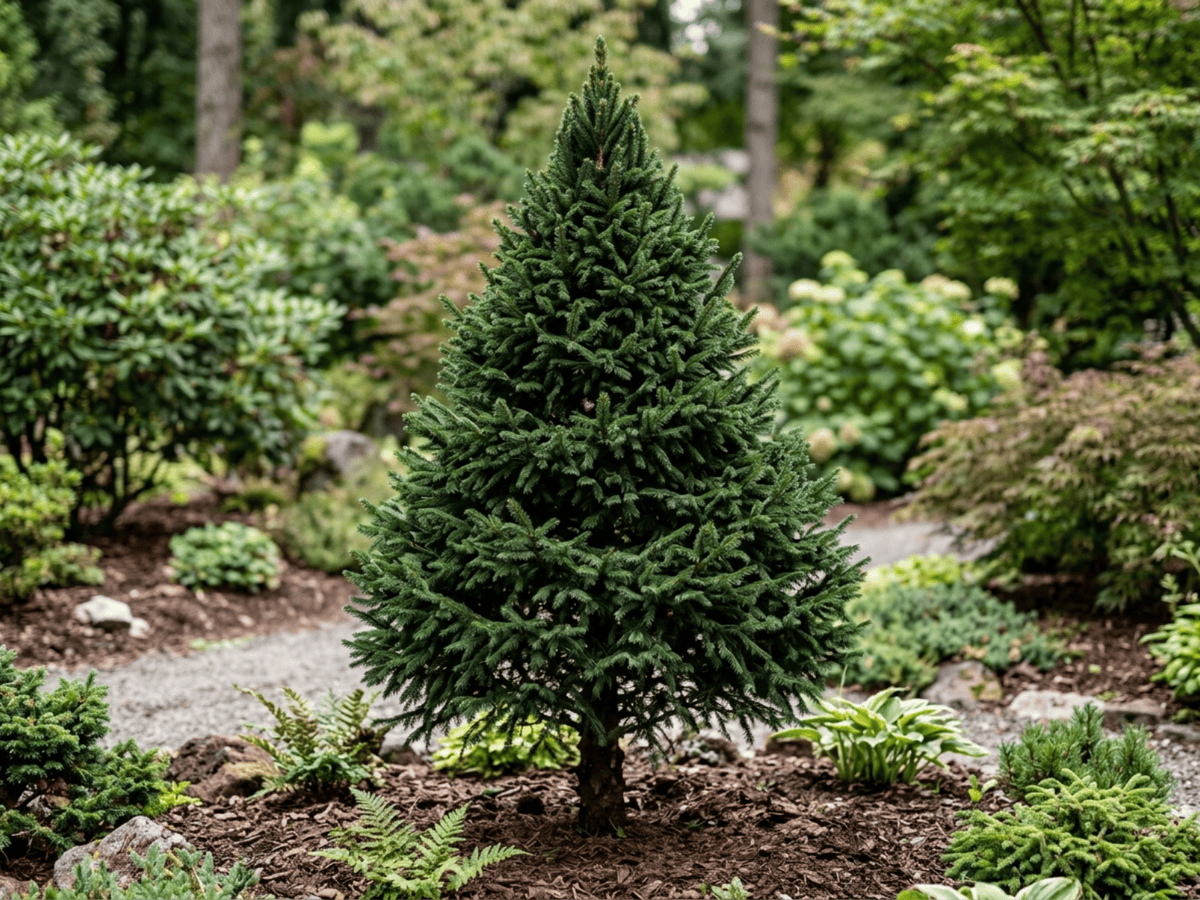
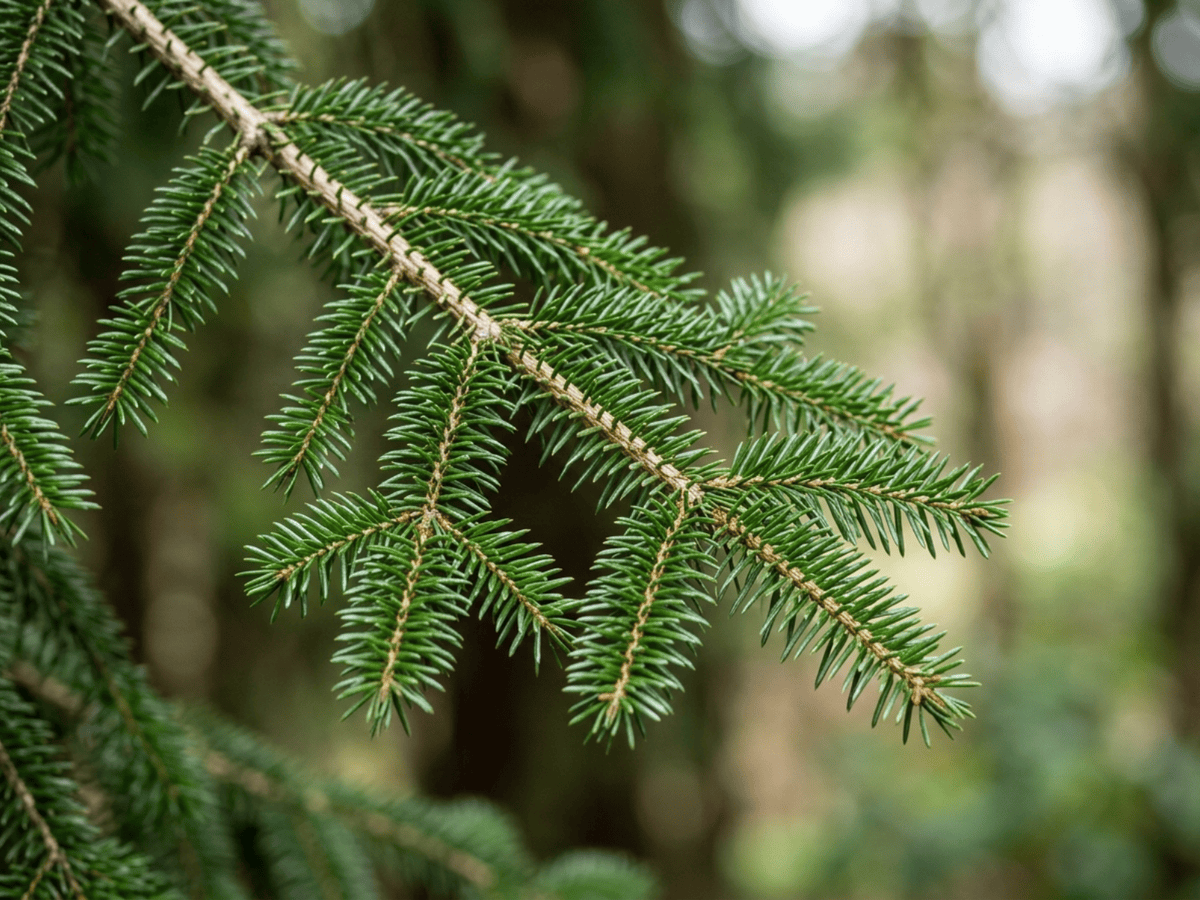
Oriental Spruce is a stately conifer native to the Caucasus Mountains and northeastern Turkey, reaching 50-70 feet, distinguished by the shortest needles of any spruce and a graceful pendulous branching habit. Dense dark green foliage creates a soft appearance unusual among spruces. Purple young cones turn brown with age. A refined specimen conifer gaining popularity in American gardens for its elegant form.
- Evergreen
How to care for Oriental Spruce
Watering
- Springevery 14 days
- Summerevery 10 days
- Fallevery 14 days
- Winterevery 30 days
Soil · Well-draining
- Top dressingPine bark mulch10%
- Main mixPotting soil + perlite 2:170%
- DrainageLECA / gravel20%
Never skip the drainage layer — standing water is the top cause of root rot.
FERTILIZER
Balanced Feed 14-14-14
An even feed covers all three needs at once, keeping leaves, roots and blooms moving together with nothing pushed out of balance.
- Nitrogen · Leaves
- Phosphorus · Roots + Blooms
- Potassium · Strength
- Springevery 60 days
At a Glance
- NativeWestern Asia
- Height40–60 ft (12.2–18.3 m)
- Spread15–25 ft (4.6–7.6 m)
- Flower colorRed, Purple
- Foliage colorGreen
- Fruit colorPurple, Brown
- SoilLoamy, Well-drained, Acidic
- LocationsYard
Bloom time
BLOOM CYCLE
Red-purple male cones in spring
Fragrance
MODERATE FRAGRANCE
The foliage has a resinous spruce scent.
Toxicity
No toxicity has been reported for this plant. Still, it is wise to keep pets from chewing on any houseplant.
Educational information, not medical or veterinary advice. If exposure is suspected, contact a doctor or veterinarian.
DISTRIBUTION


- Native
- Introduced
- Western Asia
History
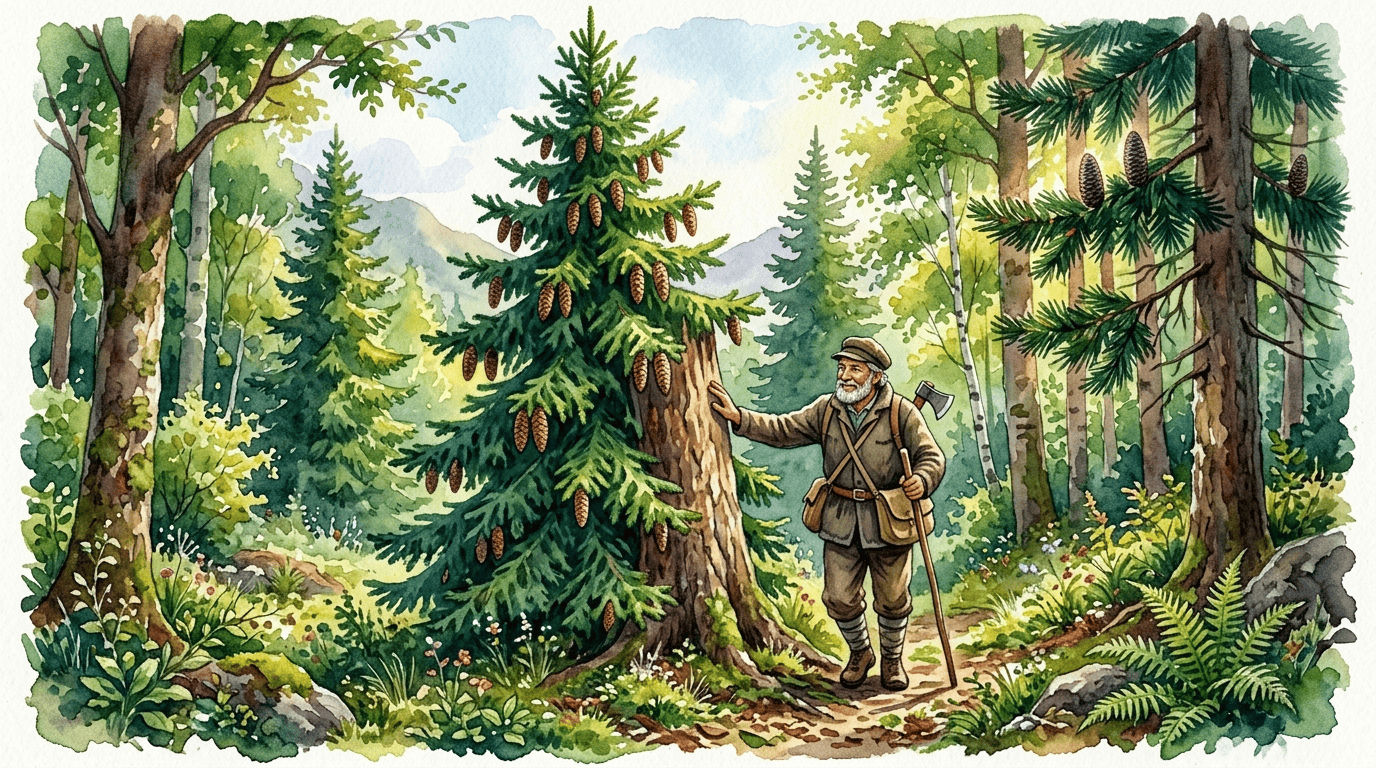
Picea orientalis occurs naturally in the western Caucasus Mountains of Georgia, Russia, Armenia, Azerbaijan, and northeastern Turkey (the Pontic Mountains), typically between 1000 and 2200 meters elevation where it often forms pure stands or mixes with Nordmann fir (Abies nordmanniana). Linnaeus first described the species as Pinus orientalis in Species Plantarum (1753), the epithet meaning eastern for its distribution east of Europe. German botanist Heinrich Friedrich Link transferred it to Picea in 1847.
The species is easily distinguished from all other spruces by its remarkably short, lustrous, dark green needles—only 6 to 8 mm long, the shortest in the genus. Mature trees develop a dense, elegant, conical to narrow-pyramidal habit and can exceed 50 meters in the wild and live several centuries. In cultivation it has proven slow but long-lived, tolerating urban conditions better than most spruces.
The golden cultivar 'Aurea' flushes bright yellow in spring. The timber has been used locally for construction and musical instruments. Introduced to Western horticulture in 1839. The golden cultivar 'Skylands' was selected at the Skylands estate in New Jersey and is considered one of the finest gold-needled conifers. In its native Caucasus range, Oriental spruce forms mixed forests with Caucasian fir and Nordmann fir.
Symbolism & meaning
What It Symbolizes
Oriental Spruce embodies refinement, ranking among the most graceful spruces with it short dark needles and elegant pendulous branches. Its heritage runs deep as a Caucasus mountain native, evolved on the steep moist slopes between the Black and Caspian seas. It is often read as a flower of mountain dignity, a conifer whose meaning is the particular composure of trees that have grown for millennia on inclines, learning balance as a form of beauty.
- Refinement — among the most graceful spruces
- Heritage — Caucasus mountain native
Where the Name Comes From
'Orientalis' means 'of the east', referring to its Asia Minor origin.
Uses & Fun Facts
- Stately conifer with pendulous branches as landscape focal point
- Short-needled dark green spruce with purple cones
Related plants
More Picea plants
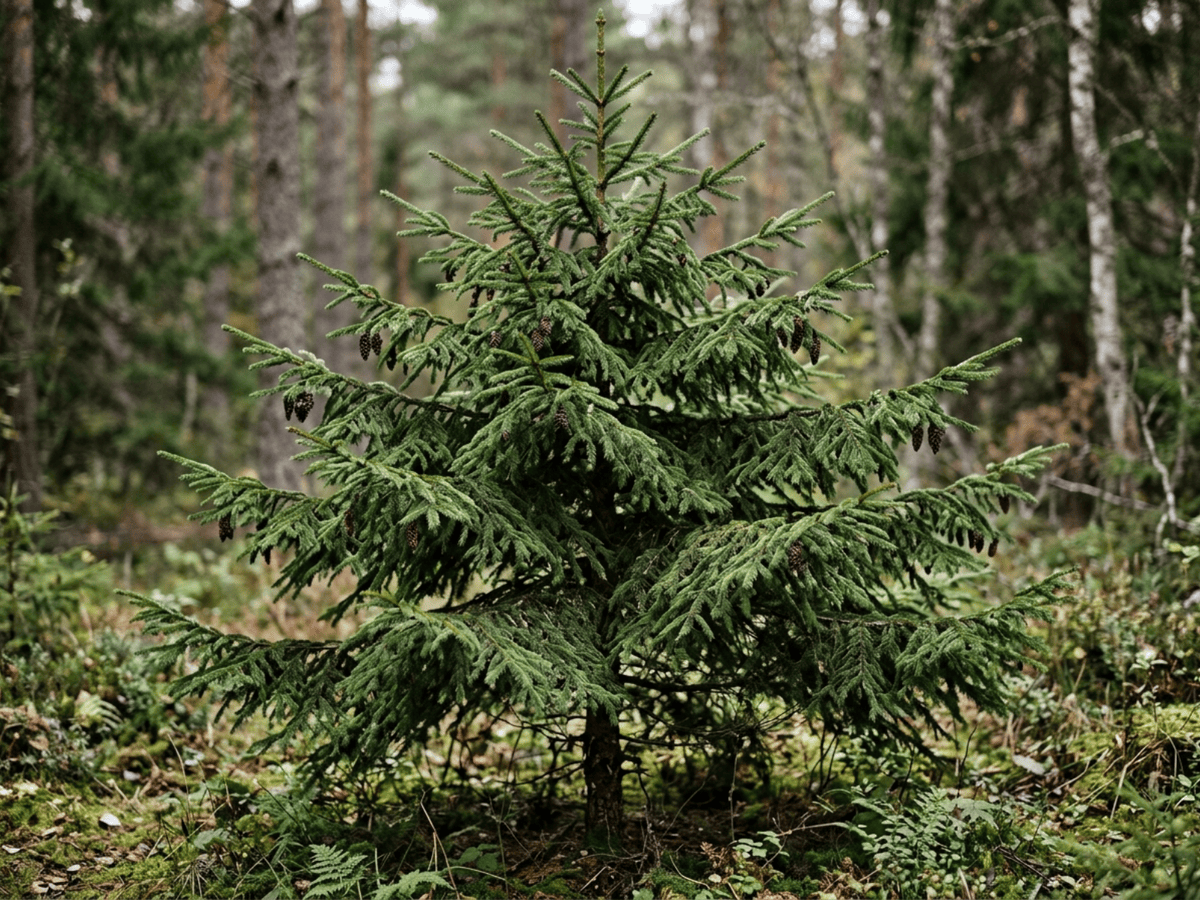 Norway SprucePicea abies
 Engelmann SprucePicea engelmannii
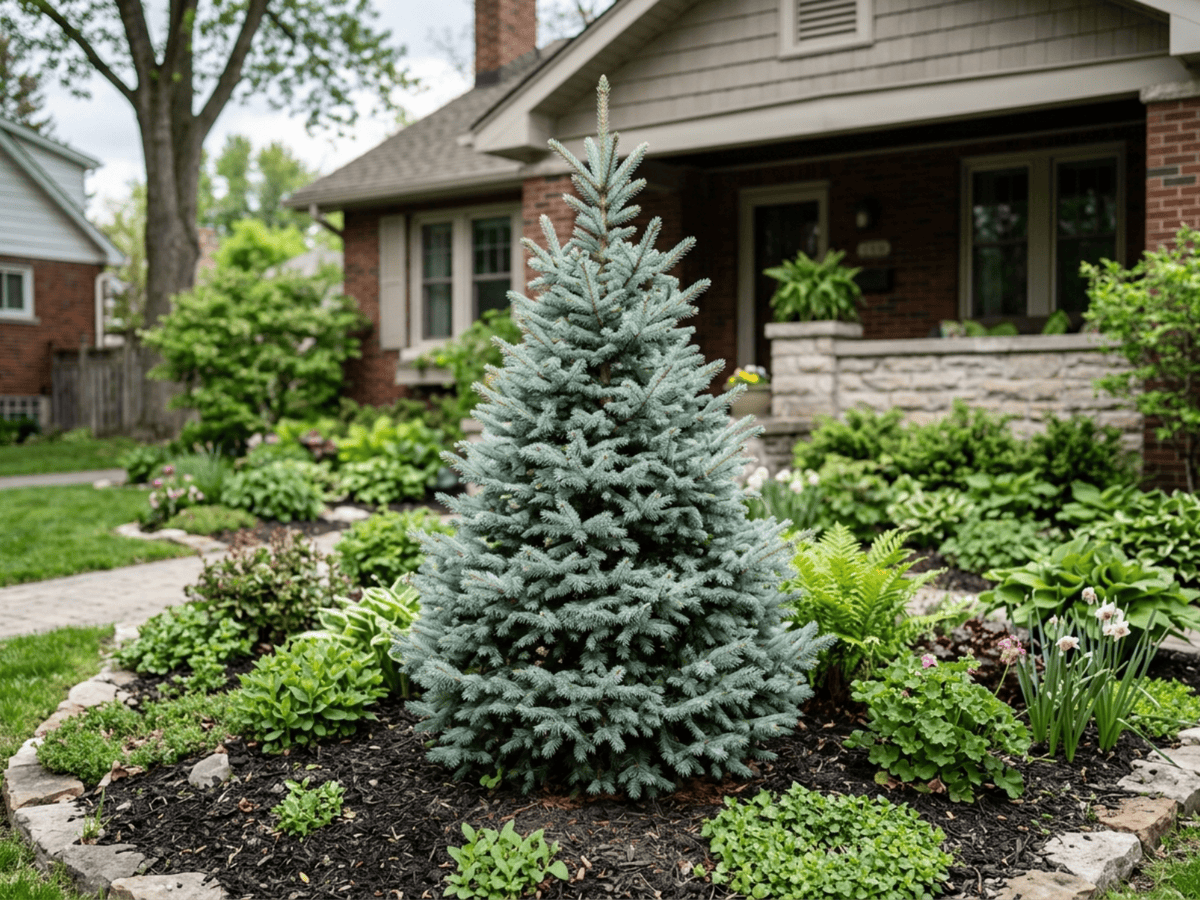 White SprucePicea glauca
 Serbian SprucePicea omorika
Plants with similar care
 Chinese AbeliaAbelia chinensis
 Fragrant AbeliaAbelia mosanensis
 Large-Flowered AbeliaAbelia uniflora
 Glossy AbeliaAbelia x grandiflora
Frequently asked questions
How often should I water Oriental Spruce?
In summer, water about every 10 days; in winter, about every 30 days. Adjust for heat, pot size and drainage.
How much light does Oriental Spruce need?
Full sun: 6+ hrs direct. Watch the leaves — scorching or stretching means the light needs adjusting.
Is Oriental Spruce toxic to cats or dogs?
No toxicity has been reported for this plant. Still, it is wise to keep pets from chewing on any houseplant. Educational information, not medical or veterinary advice. If exposure is suspected, contact a doctor or veterinarian.
Is Oriental Spruce easy to grow?
Yes — it is considered an easy, beginner-friendly plant.
YardMate
Identify any plant in seconds
Snap a photo — YardMate names the plant, diagnoses problems, and reminds you when to water.
Download on the App Store